

Last August, IKEA Philippines engaged with Better World Smokey Mountain, a newly opened community center operated by the San Miguel Foundation, which shares a similar goal of improving the lives of many Filipino people. Through this partnership, IKEA Philippines provided and assembled home furnishings for the classrooms and library of Better World Smokey Mountain community… Continue reading Help Create a Better World with IKEA Soft Toys
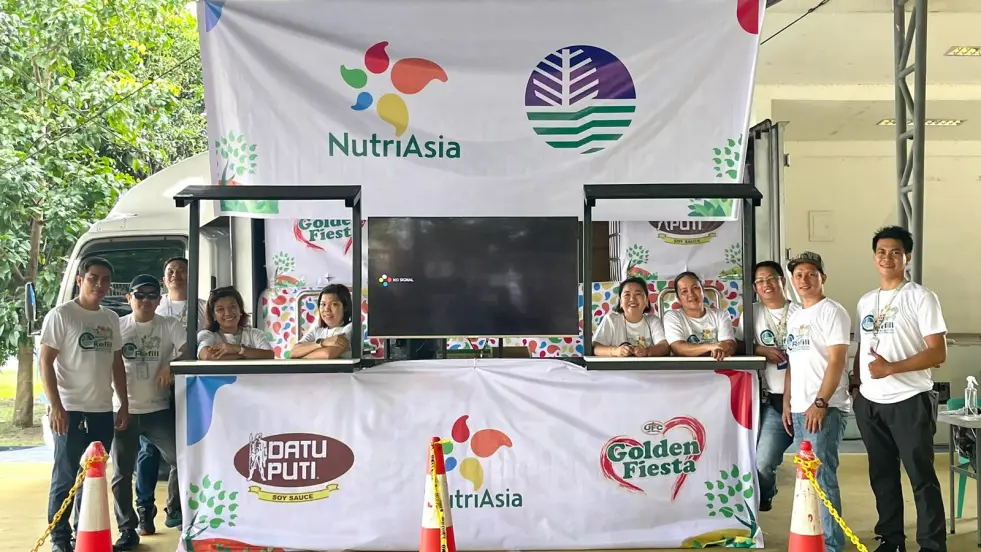
NutriAsia, the country’s top producer of condiments and sauces, continues its support of Refill Revolution; a project by the Department of Environment and Natural Resources EMB 3 that aims to help reduce Filipinos’ single-use plastics consumption. At Refill Revolution, residents get to recycle their single-use plastic bottles by reusing and filling it with their choice… Continue reading NutriAsia and DENR renews partnership for Refill Revolution

When Your Toddler Says No To Everything
A toddler’s favourite word can seem to be “no”. No to getting dressed, no to breakfast, no to leaving the park, and sometimes no to a request they usually enjoy. This behaviour can be exhausting, particularly when you are trying to get everyone out the door for childcare, kindy or a busy morning in Melbourne, Brisbane or Perth.
For young children, refusal is often less about being difficult and more about independence, tiredness, sensory discomfort or a need for control. A calm, consistent response helps your child feel secure while learning that strong feelings are welcome, but some limits still remain.
Why Toddlers Say No
Toddlers are discovering that they are separate people with their own preferences. Saying “no” gives them a quick way to practise independence, even when they actually want the activity you have offered. Their language, emotional control and ability to consider another person’s needs are still developing, so cooperation can change from one moment to the next.
Refusal can also communicate something your child cannot explain clearly. They may be hungry, overtired, worried about a transition or uncomfortable in certain clothing. A toddler who refuses sunscreen before a beach trip may dislike the texture, the smell or the sensation of being held still rather than objecting to going outside.
| What you hear | What may be happening | Helpful response |
|---|---|---|
| “No bath!” | Tiredness or dislike of the transition | Give a short warning and two simple choices |
| “I don’t want dinner!” | Low appetite, sensory sensitivity or a need for control | Offer a familiar food alongside the meal |
| “No, I do it!” | A wish to practise independence | Allow extra time for safe participation |
| “No leaving!” | Difficulty stopping an enjoyable activity | Use a visual warning and acknowledge the disappointment |
The pattern may become stronger when adults enter a debate. Long explanations can overwhelm a toddler, while repeated instructions may turn a small refusal into a power struggle. Brief words, a steady voice and predictable follow-through usually work better.
Respond Without A Power Struggle
Start by acknowledging the feeling or preference without giving away a necessary boundary. You might say, “You don’t want to put your shoes on. You want to keep playing.” This shows that you have heard your child and can reduce the need to repeat the refusal louder.
Then state the limit simply: “The shoes are going on because we are leaving.” Avoid asking a question when there is no genuine choice. Saying, “Are you ready to leave now?” invites a “no”, whereas “It is time to leave. You can walk to the car or hold my hand” makes the next step clear.
Keep your voice low and your sentences short when your toddler is upset. A child in the middle of a tantrum cannot process a lecture about manners or schedules. Stay nearby, protect everyone from hitting or throwing, and wait for the intensity to fall before explaining anything further.
Offer Choices That Work
Small choices give toddlers a sense of control without handing over decisions that belong to adults. Offer two acceptable options, such as, “Would you like the red shirt or the green one?” or, “Do you want to brush your teeth before the story or after your pyjamas?”
Choices should be genuine and limited. If your child rejects both options, calmly repeat them once or make the decision yourself: “You do not want either shirt. I will choose the green one today.” Offering five alternatives can create more indecision and make the routine take longer.
Use choices for everyday care tasks, meals and transitions. A toddler might choose whether to climb into the car independently or be lifted, while the adult still decides that the car seat must be used. In Australia, this can be useful during the rushed morning trip to childcare, especially when the family has to fit around traffic, public transport or a parent’s work start time.
Set Firm And Kind Boundaries
Gentle parenting does not mean agreeing to every demand. Children feel safer when adults calmly hold limits around safety, sleep, food routines and respectful behaviour. The goal is to be firm without shaming, threatening or humiliating your child.
Use a simple boundary followed by action. “I won’t let you hit. I am moving your hands.” “You may be angry, but I will not let you throw the cup.” If your toddler refuses to leave the playground, you can help them move while saying, “You wanted more time. It is hard to stop. I am taking you to the pram now.”
Expect protest when a limit is enforced. Crying does not automatically mean the boundary was wrong. You can comfort your child while keeping the decision in place: “You are very upset. I am here. We are still going home.” This combination of empathy and consistency teaches that big emotions can be managed safely.
Make Transitions Easier
Many episodes of refusal happen when a child must stop something enjoyable. Give advance warnings using language your toddler understands: “Five more minutes at the playground, then we go,” followed by “One more turn, then shoes.” A timer, picture schedule or familiar goodbye routine can make the change easier to predict.
Try to avoid stacking too many instructions together. Instead of saying, “Pack up, put your shoes on, get in the car and stop whining,” guide one step at a time. A playful approach can help: “Can the teddy hop to the door?” or “Let’s see if we can find your socks before the song ends.”
Plan around your child’s basic needs where possible. Carry water and a simple snack for a hot afternoon, especially in northern Australia or during a long outing. A tired, thirsty toddler may refuse everything because their body has already reached its limit. A slower “arvo” after childcare may prevent an evening battle.
Look Beneath The Behaviour
Notice when the “no” happens most often. Keep a mental note of sleep, meals, busy environments, screen time, illness and changes at home. Refusal after a disrupted nap may need rest, while refusal in a crowded shopping centre may signal sensory overload rather than deliberate disobedience.
Food can be a particularly sensitive area. Offer regular meals and snacks, include at least one familiar food, and avoid turning each meal into a negotiation. Your child decides whether to eat and how much from the food provided; you decide what is offered and when. This reduces pressure while keeping a predictable routine.
Some toddlers resist care tasks because of sensory discomfort. A stiff label, strong shampoo, cold bathroom or scratchy nappy can make dressing or bathing feel genuinely unpleasant. Check the practical details before assuming your child is being stubborn. Products commonly found at Australian supermarkets, pharmacies and retailers such as Chemist Warehouse can vary in scent and texture, so a simpler option may be worth trying.
Use Positive Attention And Connection
Toddlers often repeat behaviour that reliably receives intense adult attention. This does not mean ignoring genuine distress. It means giving frequent attention to cooperation so that “yes”, waiting and trying again become worthwhile ways to connect.
Describe the behaviour you want to see: “You brought your shoes when I asked,” or, “You were angry and kept your hands safe.” Warm, specific praise is more useful than a general “good girl” or “good boy”. A cuddle, smile or few minutes of focused play can also fill your child’s need for connection before a difficult routine.
Spend a little one-on-one time together when the day allows, even if it is ten minutes of block play, reading or helping prepare brekkie. Put the phone aside and follow your child’s lead. Regular connection can make limits feel less like a series of commands and gives your toddler practice enjoying cooperation.
When Extra Support Helps
A strong “no” phase is common, but speak with your GP, child and family health nurse or early childhood professional if the behaviour is severe, lasts for a long time or is affecting daily life. In Australia, your local Child and Family Health service can be a useful starting point, and a GP can discuss developmental, sleep, hearing or health concerns.
Seek advice sooner if refusal is accompanied by loss of previously learned skills, very limited communication, frequent injury, extreme distress around ordinary routines or major problems at childcare and home. These signs do not identify a particular cause by themselves, but they deserve thoughtful assessment rather than blame.
For everyday resistance, aim for connection, clear expectations and calm repetition. Your toddler is learning how to have preferences, handle disappointment and participate in family life. Each steady response helps build those skills, even when the answer you hear throughout the day is still “no”.

Mercato Centrale, in collaboration with Indian Women in Enterprise Philippines (I-We), is set to host "The Great Indian Fiesta" to mark 75 years of friendship between India and the Philippines. The dynamic two-day event is scheduled to take place on September 30 to October 1, 2023, at Paseo De Roxas Street, Makati City. Aiming to… Continue reading Mercato Centrale Partners with I-We to Host ‘The Great Indian Fiesta’, Commemorating 75 Years of India-Philippines Friendship

My stomach would usually start growling at 10 am even after taking a big breakfast. This is probably because I am a morning person and I move a lot throughout the day hence snacking is something that I can't avoid. This potatoes and chicken wrap recipe is easy to prepare and would keep me full… Continue reading Potato and Chicken Wrap
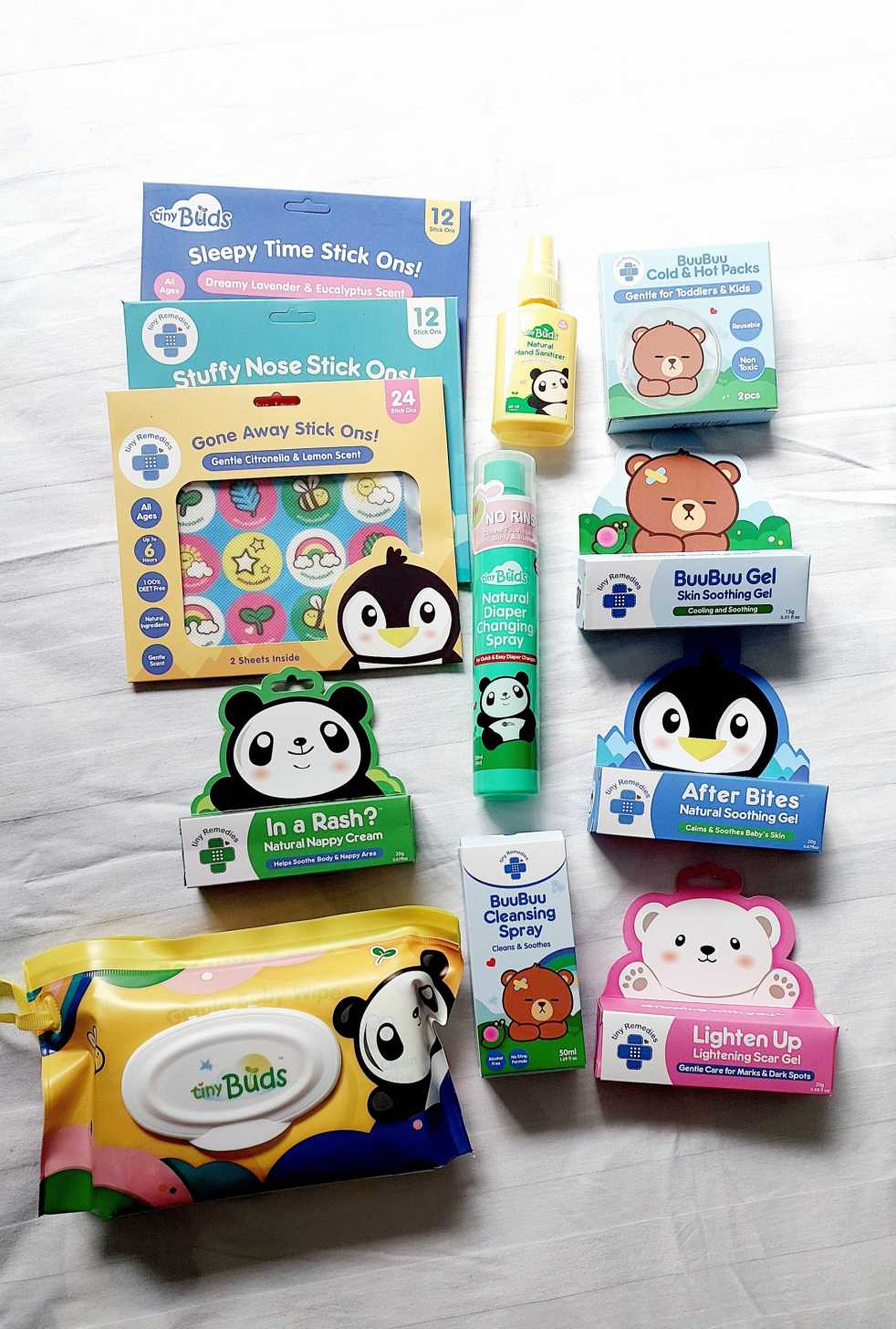
Your baby’s skin is more delicate than most, this is why you have to choose products that are designed for sensitive skin. Tiny Buds is a pioneer in integrating natural ingredients into baby care and today has over 50 innovative natural baby care essentials and is one of the Top Baby Personal Care brands. Here… Continue reading Product Review: Tiny Buds Baby Naturals Baby Essentials
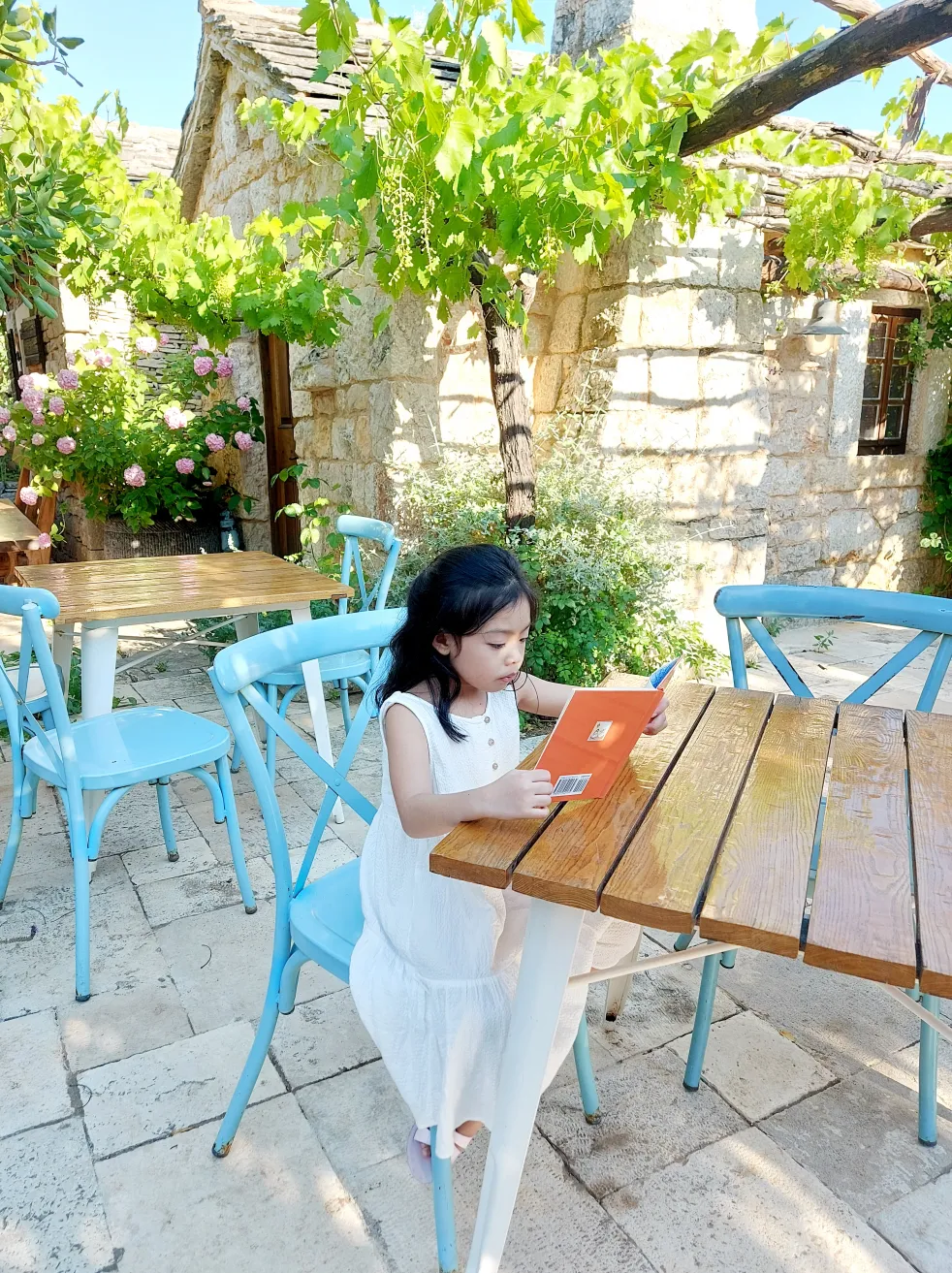
Where your child goes to school is a big decision and shouldn’t be taken lightly. Given how their education can impact their future, you might be tempted to take control and decide for them. However, you might be doing more damage than helping them in the long run. Your job as parents is to support… Continue reading HOW TO CHOOSE THE BEST SCHOOL FOR YOUR CHILD
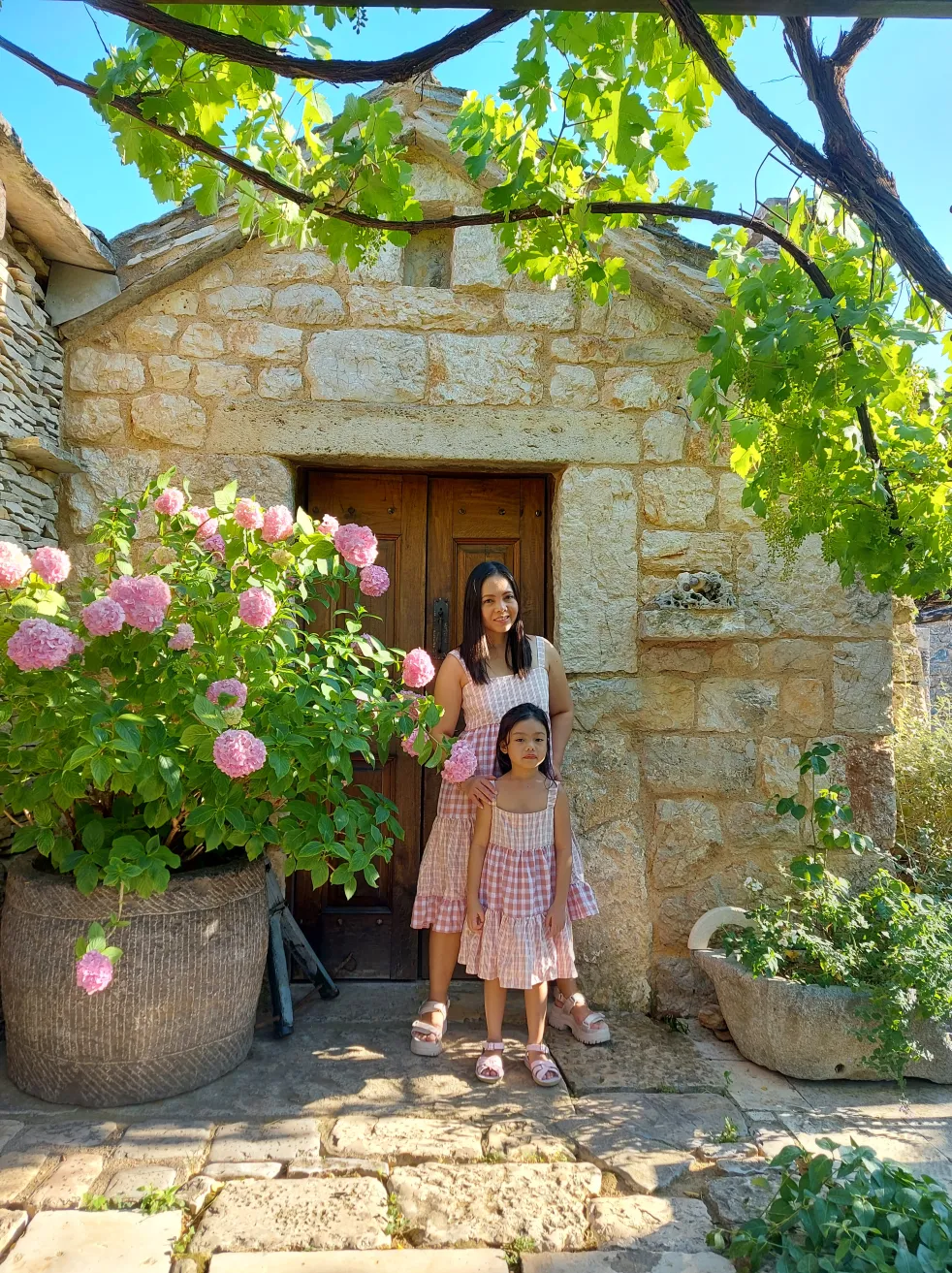
As poet and philosopher Rumi once eloquently said, “raise your words, not your voice. It is rain that grows flowers, not thunder.” Parenting is a challenging journey, and the truth is that nobody has everything figured out. One parenting style might suit others best, and some might favor other methods. However, children respond better to… Continue reading A SIMPLE GUIDE TO GENTLE PARENTING

Whether you’re a new mom to be, mom of a toddler, mom who have school-aged kids, you’re bound to have so many questions. Let's start with your baby's skin. Infant skin has unique needs; gentle care is essential to prevent damage to the skin barrier, which can lead to irritation. When caring for infant skin,… Continue reading Keeping Baby’s Diapered Skin Healthy
As parents, we want to give our child the best possible start in life and that begins with nurturing their intelligence. Throughout history, the notion of success has been linked to academic intelligence. However, there has been an increased awareness on the importance of emotional intelligence. This question gets at the heart of the never-ending… Continue reading IQ or EQ, which one is a better predictor of your child’s success?
 wondermomma.net