
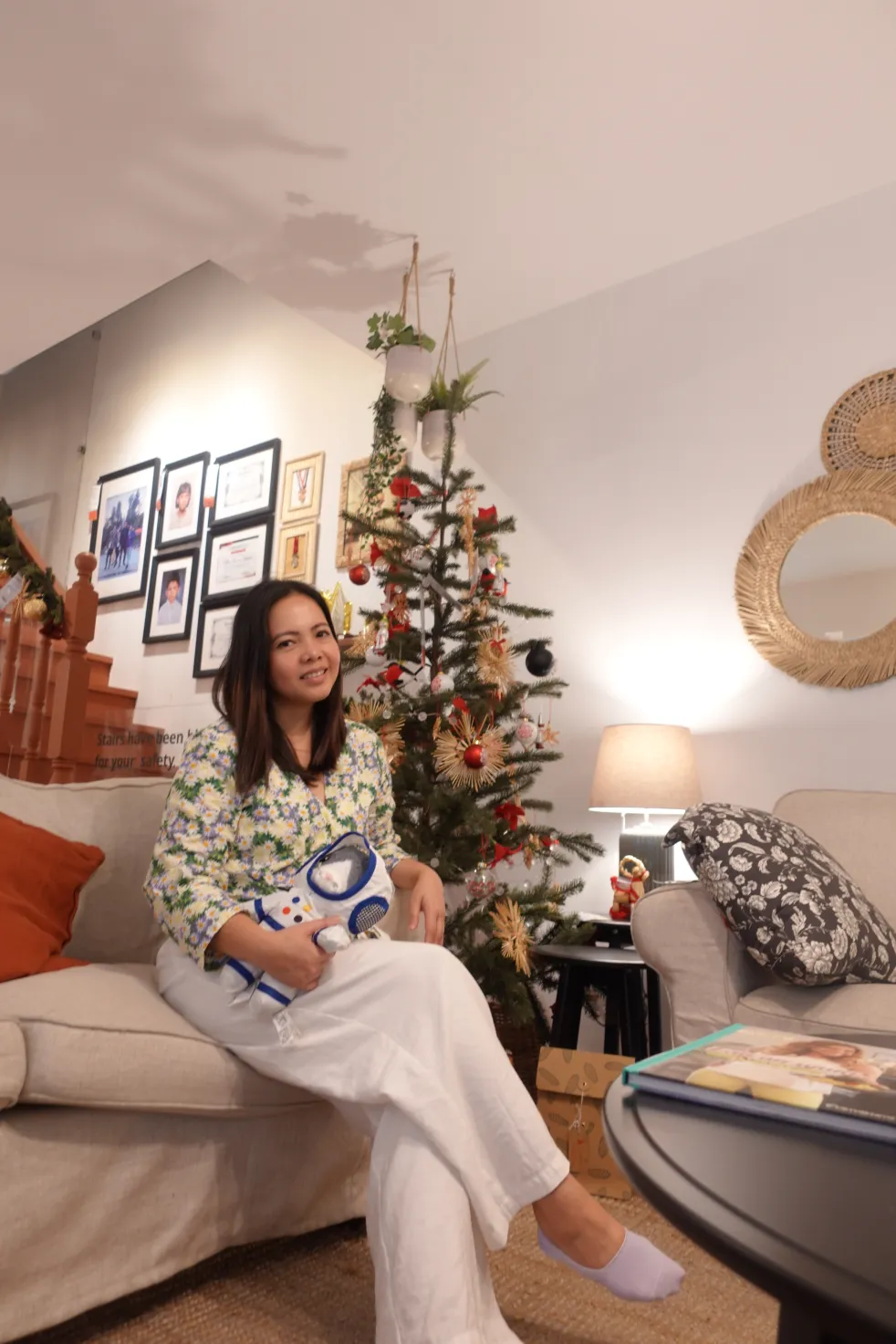
Last August, IKEA Philippines engaged with Better World Smokey Mountain, a newly opened community center operated by the San Miguel Foundation, which shares a similar goal of improving the lives of many Filipino people. Through this partnership, IKEA Philippines provided and assembled home furnishings for the classrooms and library of Better World Smokey Mountain community… Continue reading Help Create a Better World with IKEA Soft Toys

NutriAsia, the country’s top producer of condiments and sauces, continues its support of Refill Revolution; a project by the Department of Environment and Natural Resources EMB 3 that aims to help reduce Filipinos’ single-use plastics consumption. At Refill Revolution, residents get to recycle their single-use plastic bottles by reusing and filling it with their choice… Continue reading NutriAsia and DENR renews partnership for Refill Revolution
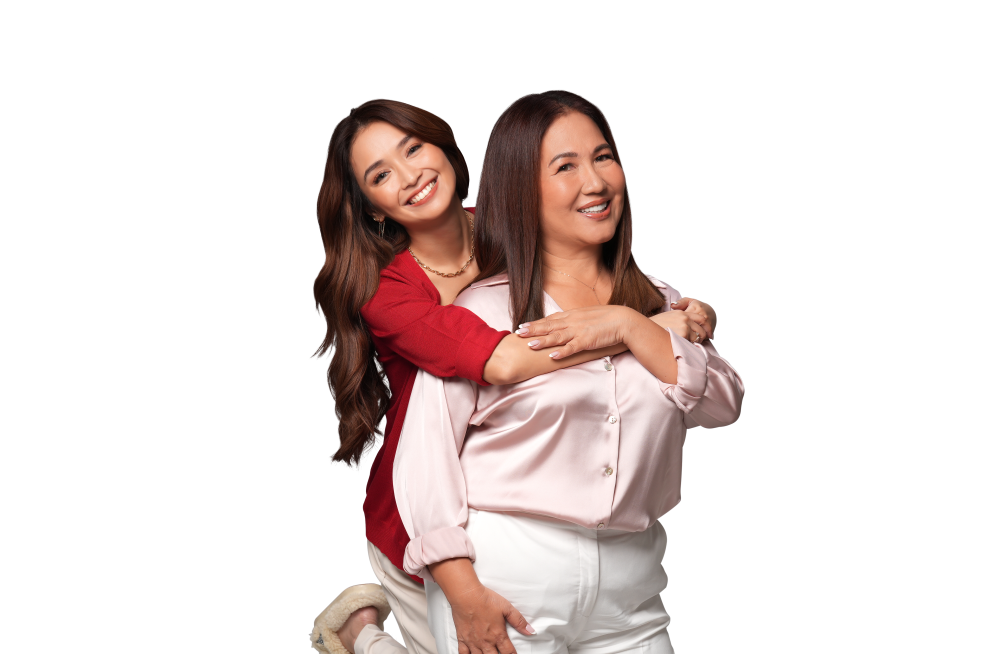
How to handle a toddler who refuses to wear shoes
A toddler refusing shoes can turn a simple trip outside into a tense negotiation. One minute your child is happily playing, and the next they are crying, pulling off their sandals, or lying on the floor when it is time to leave. This behaviour is common, especially between the ages of one and three, when children are discovering independence and becoming more aware of how things feel on their bodies.
Shoes can feel tight, scratchy, heavy, hot, or unfamiliar. Some toddlers dislike the sensation of socks, while others resist because footwear signals a transition away from play. Understanding the reason behind the refusal helps you respond with patience instead of turning every departure into a battle.
The goal is not to force instant cooperation. It is to help your child feel safe, offer reasonable choices, and build a routine that makes getting dressed more predictable. With consistency, most toddlers gradually become comfortable wearing shoes for walks, daycare, errands, and family activities.
Look for the reason behind the refusal
Start by checking whether the shoes are physically comfortable. Toddlers grow quickly, and a pair that fitted well last month may now press against the toes. Look for red marks, blisters, pinched skin, bent soles, or toenails touching the front. Shoes should leave enough room for natural movement, with a flexible sole and secure fastening.
The material can also cause trouble. Stiff leather, rough seams, plastic edges, strong smells, and thick socks may be irritating to a sensitive child. In the warm and humid weather common in the Philippines, enclosed shoes can make little feet sweaty and uncomfortable. Breathable fabric and lightweight sandals may be better for everyday use, provided they offer proper support and protection.
Sometimes the problem is connected to control rather than footwear. A toddler may understand that putting on shoes means leaving the playground, ending screen time, or going somewhere unfamiliar. Refusal becomes a way to delay the transition or express a strong preference. Recognising this pattern lets you address the emotional need while still keeping the boundary.
Make footwear feel familiar
Let your child explore the shoes when there is no rush. Place them near the toy basket, allow your toddler to touch and examine them, and talk about their colour, shape, or animal design. Pretend play can help too: a child may enjoy putting shoes on a doll, teddy bear, or parent before trying them personally.
Begin with short, low-pressure practice sessions at home. Your toddler might wear the shoes for one minute while looking at a book, then take them off. Gradually increase the time over several days. Stop before your child becomes overwhelmed, so the experience ends calmly rather than with a struggle.
If socks are part of the problem, practise with thin, seamless socks or try footwear that does not require socks. Check that the heel sits comfortably and that straps are not too tight. For babies and new walkers, barefoot time indoors can support natural foot movement, while shoes are useful outdoors for protection from hot surfaces, sharp objects, and rough ground.
Offer choices without giving up the boundary
Toddlers often cooperate more readily when they have a small amount of control. Instead of asking whether they want to wear shoes when shoes are required, offer two acceptable options: “Would you like the blue sandals or the white sneakers?” You can also let your child choose between putting them on before or after a drink of water.
Keep the wording brief and calm. Long explanations usually do not help when a toddler is upset. Say, “Shoes go on before we go outside,” then acknowledge the feeling: “You do not like them right now.” This approach validates the emotion without changing the limit.
Give your child an active role. They can carry the shoes, open the Velcro, place their feet near the openings, or push the heels down with your help. Some children respond well to a simple song, a visual routine, or a playful countdown. Avoid turning the process into a competition, since pressure can make footwear feel like a daily power struggle.
Match the response to the situation
Different causes call for different solutions. A toddler who is uncomfortable needs better-fitting footwear, while a child who is resisting a transition may need advance notice and a predictable sequence. The following guide can help you choose a gentle response.
| What you notice | Possible reason | Helpful response |
|---|---|---|
| Your child removes shoes immediately | The fit, texture, or temperature feels unpleasant | Check sizing, seams, socks, and ventilation |
| Refusal happens before leaving the house | Anxiety about the transition or destination | Give a warning, use a visual routine, and allow a small choice |
| Your toddler accepts shoes at home but not outside | Outdoor sensations feel overwhelming | Start with brief outdoor practice in a quiet, familiar place |
| Crying begins when you mention socks | Sensory sensitivity or heat | Try seamless, lightweight socks or sock-free footwear when appropriate |
| Your child wants to put on shoes alone | A need for independence | Allow extra time and provide simple help only when needed |
| Refusal occurs with one particular pair | A specific fit, smell, or material may be unpleasant | Retire that pair and compare it with a softer, lighter alternative |
Pay attention to patterns over several days rather than judging one difficult morning. Note the time of day, the type of shoes, the destination, and your child’s mood. This can reveal whether the issue is sensory, emotional, practical, or a combination of factors.
Build a predictable leaving routine
A consistent routine reduces surprises. You might use the same order each morning: toilet, clothes, breakfast, teeth, shoes, bag, and goodbye. For younger toddlers, pictures showing each step can make the sequence easier to understand than spoken instructions alone.
Give a transition warning before it is time to get dressed. Try, “We are leaving in five minutes. When the timer rings, we will put on shoes.” Follow with a shorter reminder and then calmly begin. Warnings are especially helpful when your child is deeply involved in play.
Leave enough time for your toddler to practise independence. Rushing often leads adults to grab a foot and force the shoe on, which may be necessary occasionally for safety but can increase resistance over time. Prepare the bag, keys, snacks, and clothing beforehand so the footwear step does not carry the pressure of the whole departure.
Respond calmly during a meltdown
If your toddler cries, kicks, or throws the shoes, keep your voice low and your words simple. Move unsafe objects away, stay close, and allow a brief pause. You can say, “You are upset. I will help you. We need shoes to walk outside safely.” This communicates both empathy and a clear limit.
Avoid threats, shame, or teasing. Statements such as “Big children wear shoes” or “Everyone is waiting because of you” may intensify embarrassment without solving the problem. Physical force should be reserved for immediate safety, such as preventing a child from running onto a hot road or leaving a secure area without protection.
If the outing is optional, postponing it can be reasonable when your child is too distressed to settle. If leaving is necessary, offer calm assistance and keep the explanation short. Afterward, reconnect through cuddling, water, or a quiet activity rather than delivering a lecture about behaviour.
Choose shoes that support growing feet
Comfort and function matter more than decoration. Look for lightweight footwear with a flexible sole, enough toe room, a secure heel, and fastenings that are easy to adjust. For rainy days, playground visits, and family walks, choose shoes that suit the environment rather than expecting one pair to work for every activity.
Avoid buying shoes that are significantly oversized so your child can “grow into” them. Loose footwear can slip, cause tripping, and make walking feel awkward. At the same time, a narrow toe box or rigid sole can discourage natural movement. Have your child stand while checking the fit, since feet spread slightly under body weight.
Watch for ongoing signs of discomfort, such as frequent tripping, persistent limping, swelling, repeated blisters, or strong distress with many kinds of clothing and textures. A paediatrician or qualified child health professional can help if you suspect pain, a foot problem, or broader sensory difficulties. Early guidance can make daily routines easier for the whole family.
Practical ways to make shoes easier
Small adjustments often produce meaningful results. Try these strategies consistently rather than introducing many changes at once:
- Practise wearing shoes indoors for a few minutes during a relaxed activity.
- Let your toddler choose between two comfortable pairs.
- Use a timer, song, or picture chart to signal the transition.
- Check footwear after every growth spurt and replace uncomfortable socks.
- Praise cooperation specifically: “You put your foot in and kept the sandal on while we walked.”
Praise the effort rather than demanding perfect behaviour. A child who wears one shoe for three minutes has made progress, even if the second shoe becomes a problem. Keep your tone warm and matter-of-fact, then try again later when everyone is rested.
A simple family phrase can keep adults consistent: “We listen to your body, and we wear protection outside.” This teaches body awareness while maintaining a practical safety rule. Over time, your toddler learns that discomfort should be communicated and solved, while necessary routines still happen.
Your child’s refusal is a communication, not a character flaw. With well-fitting footwear, predictable transitions, limited choices, and calm support, putting on shoes can become a manageable part of family life. Save these strategies for the next difficult departure, and share the guidance with another parent navigating toddler independence.

Mercato Centrale, in collaboration with Indian Women in Enterprise Philippines (I-We), is set to host "The Great Indian Fiesta" to mark 75 years of friendship between India and the Philippines. The dynamic two-day event is scheduled to take place on September 30 to October 1, 2023, at Paseo De Roxas Street, Makati City. Aiming to… Continue reading Mercato Centrale Partners with I-We to Host ‘The Great Indian Fiesta’, Commemorating 75 Years of India-Philippines Friendship

My stomach would usually start growling at 10 am even after taking a big breakfast. This is probably because I am a morning person and I move a lot throughout the day hence snacking is something that I can't avoid. This potatoes and chicken wrap recipe is easy to prepare and would keep me full… Continue reading Potato and Chicken Wrap
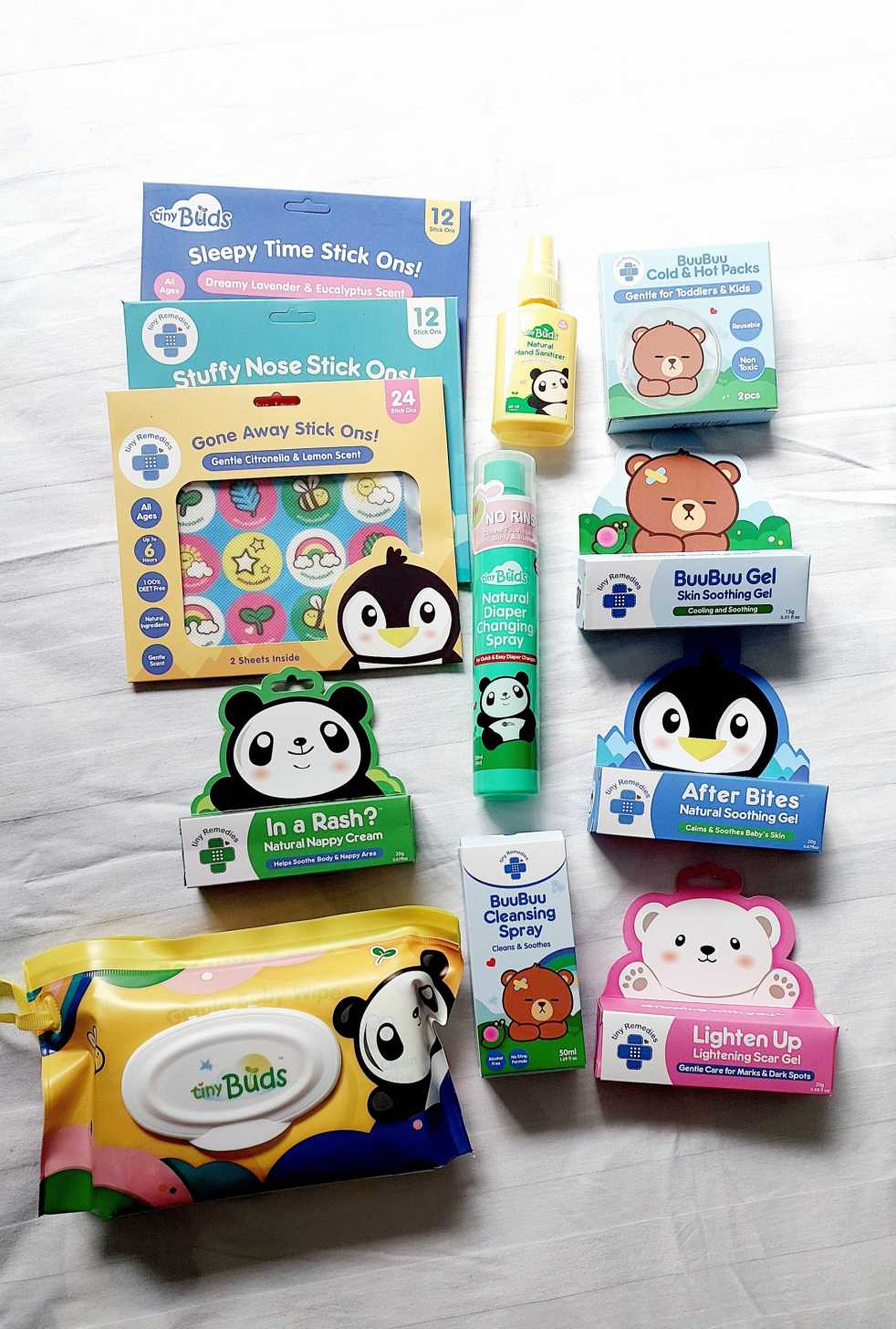
Your baby’s skin is more delicate than most, this is why you have to choose products that are designed for sensitive skin. Tiny Buds is a pioneer in integrating natural ingredients into baby care and today has over 50 innovative natural baby care essentials and is one of the Top Baby Personal Care brands. Here… Continue reading Product Review: Tiny Buds Baby Naturals Baby Essentials
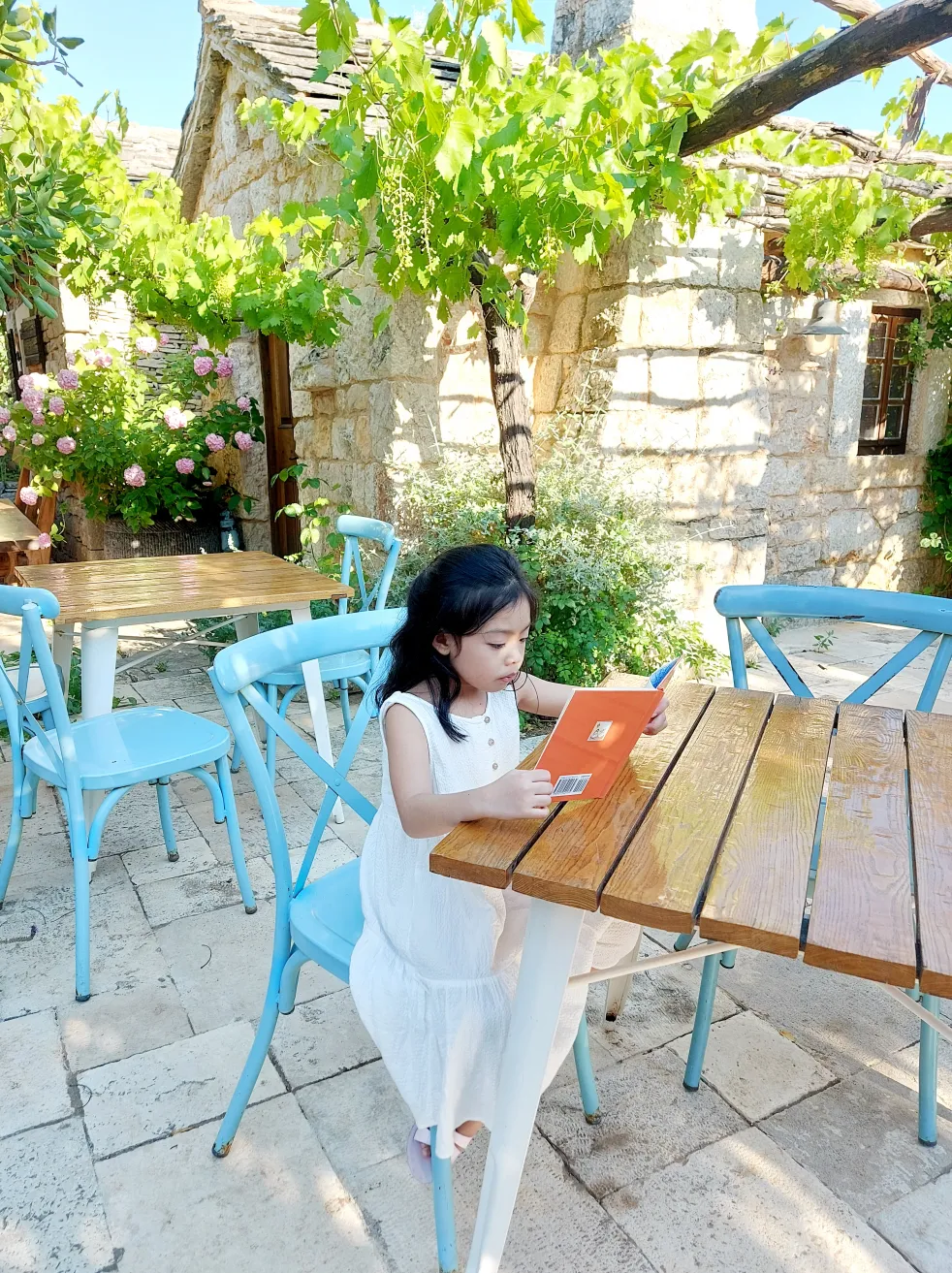
Where your child goes to school is a big decision and shouldn’t be taken lightly. Given how their education can impact their future, you might be tempted to take control and decide for them. However, you might be doing more damage than helping them in the long run. Your job as parents is to support… Continue reading HOW TO CHOOSE THE BEST SCHOOL FOR YOUR CHILD
As poet and philosopher Rumi once eloquently said, “raise your words, not your voice. It is rain that grows flowers, not thunder.” Parenting is a challenging journey, and the truth is that nobody has everything figured out. One parenting style might suit others best, and some might favor other methods. However, children respond better to… Continue reading A SIMPLE GUIDE TO GENTLE PARENTING
Whether you’re a new mom to be, mom of a toddler, mom who have school-aged kids, you’re bound to have so many questions. Let's start with your baby's skin. Infant skin has unique needs; gentle care is essential to prevent damage to the skin barrier, which can lead to irritation. When caring for infant skin,… Continue reading Keeping Baby’s Diapered Skin Healthy
As parents, we want to give our child the best possible start in life and that begins with nurturing their intelligence. Throughout history, the notion of success has been linked to academic intelligence. However, there has been an increased awareness on the importance of emotional intelligence. This question gets at the heart of the never-ending… Continue reading IQ or EQ, which one is a better predictor of your child’s success?
 wondermomma.net