

Last August, IKEA Philippines engaged with Better World Smokey Mountain, a newly opened community center operated by the San Miguel Foundation, which shares a similar goal of improving the lives of many Filipino people. Through this partnership, IKEA Philippines provided and assembled home furnishings for the classrooms and library of Better World Smokey Mountain community… Continue reading Help Create a Better World with IKEA Soft Toys
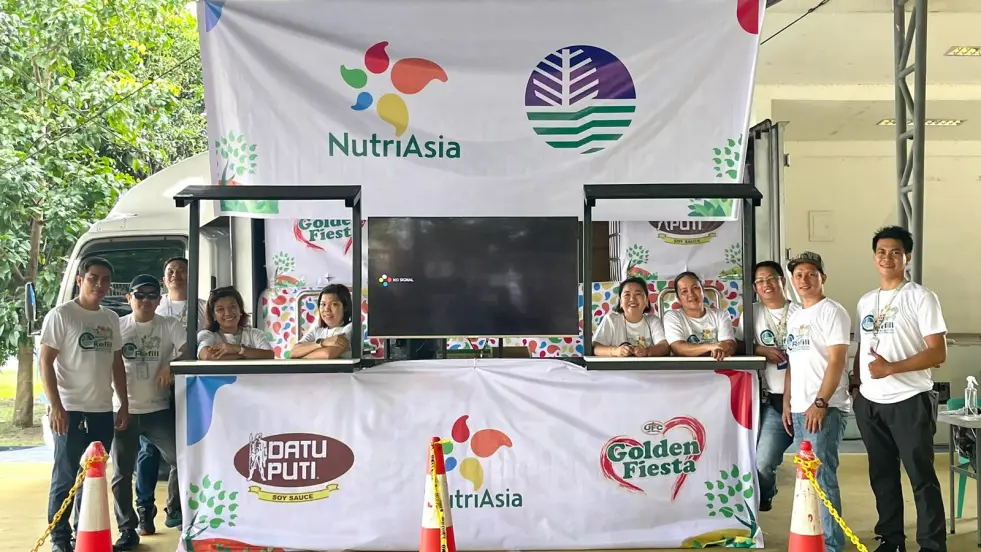
NutriAsia, the country’s top producer of condiments and sauces, continues its support of Refill Revolution; a project by the Department of Environment and Natural Resources EMB 3 that aims to help reduce Filipinos’ single-use plastics consumption. At Refill Revolution, residents get to recycle their single-use plastic bottles by reusing and filling it with their choice… Continue reading NutriAsia and DENR renews partnership for Refill Revolution

How to handle a picky eater without stress or force
Mealtimes can become tense when a child rejects vegetables, refuses unfamiliar textures, or asks for the same food every day. Parents may worry that a small range of accepted foods means their child is missing important nutrients. Yet pressure, bribery, and force feeding often make eating feel like a battle rather than a normal part of family life.
Selective eating is common in toddlerhood and the preschool years. Appetite naturally changes as growth slows, while children become more independent and sensitive to taste, smell, colour, and texture. A calm, consistent approach can help children become more comfortable with food over time.
The goal is not to make every meal perfect. It is to create a safe setting where your child can decide what to eat from the nourishing foods you provide. Progress may look like touching a new food, smelling it, taking one bite, or keeping it on the plate without distress.
Understand what may be behind food refusal
Many children go through a normal stage of food neophobia, or hesitation around unfamiliar foods. A meal that looks slightly different from yesterday’s version may be rejected because it feels unpredictable. Strong flavours, mixed textures, food temperature, and even the sound of chewing can influence a child’s response.
Appetite also varies from day to day. A child who eats a large breakfast may have little interest in lunch, while another may eat more after an active morning. Growth spurts, tiredness, constipation, teething, and minor illnesses can change eating habits temporarily.
Pay attention to patterns instead of judging one meal. Note which textures your child accepts, when hunger is strongest, and whether snacks or drinks are reducing appetite. This information can guide small changes without turning meals into a test of obedience.
Make the table feel safe and predictable
Children eat more comfortably when meals happen at roughly consistent times. Offer three meals and two or three planned snacks, with water between eating occasions. A predictable schedule gives a child regular chances to eat while reducing constant grazing throughout the day.
Serve the family meal whenever possible, including at least one food your child usually accepts. This might be rice, bread, fruit, soup, egg, tofu, or a familiar vegetable prepared in a preferred way. A “safe” food can help a child sit calmly while becoming familiar with the rest of the meal.
Keep the atmosphere neutral. Sit together, limit distractions, and allow enough time to eat without stretching the meal indefinitely. Gentle conversation is helpful, while comments about how much a child eats can increase self-consciousness and resistance.
Offer variety in small, manageable steps
A new food does not need to be eaten immediately. Repeated, low-pressure exposure helps children learn that unfamiliar food is safe. Place a tiny portion beside a familiar food, and let your child look at it, touch it, lick it, or leave it alone. These are steps in the learning process.
Use “food chaining” to connect accepted foods with new ones. If your child likes plain noodles, try noodles with a little sauce on the side, then a small amount mixed in. A child who accepts banana may be ready for soft plantain, banana pancakes, or a smoothie with a mild new ingredient.
Avoid disguising large amounts of rejected foods in meals as a regular strategy. If a child discovers that a trusted food has been changed without their knowledge, they may become wary of it. You can blend ingredients into family recipes when appropriate, but keep offering foods in visible, recognisable forms as well.
Share responsibility without pressure
Responsive feeding works because it gives both parent and child a clear role. The adult decides what food is offered, when it is served, and where eating happens. The child decides whether to eat and how much. This balance supports independence while keeping nutrition the parent’s responsibility.
A child does not need to clean the plate. Saying “You can stop when your tummy feels full” helps build awareness of hunger and fullness. Avoid using dessert as a reward for eating vegetables, since this can make sweets seem more valuable and vegetables seem like a chore.
The following responses can keep common mealtime moments calm:
| Mealtime situation | Supportive response | Approach to avoid |
|---|---|---|
| The child refuses the whole meal | “You do not have to eat. The next food time is snack.” | Preparing several replacement meals immediately |
| A new food is ignored | Leave a small portion on the plate and try again another day | Demanding one bite before the child can leave |
| The child asks for sweets | Offer a planned sweet occasionally with the meal or afterward | Promising dessert only after a certain number of vegetables |
| The child eats very little | Stay neutral and keep the next scheduled meal predictable | Showing panic, pleading, or following the child with food |
| The child dislikes mixed textures | Serve ingredients separately or adjust the texture | Insisting that every food must be eaten in one form |
| The child throws food | Calmly say, “Food stays on the table,” then remove the plate if it continues | Shouting, shaming, or turning the incident into a long argument |
Respond calmly when a meal goes wrong
A refusal is information, not misbehaviour. Your child may be full, overwhelmed, tired, or genuinely unable to manage a particular texture. A brief response such as “You do not want that today” acknowledges the preference without allowing the conversation to become a negotiation.
If food is thrown, spit out, or used to gain attention, set a clear boundary without anger. Explain the expected behaviour once, then end the meal if the behaviour continues. Avoid offering a favourite snack immediately afterward, because that can teach the child that refusing dinner leads to a preferred replacement.
Parents can also reduce tension by lowering expectations. A child may eat more when the adult stops watching every bite. Talk about the day, eat your own meal, and model enjoyment of different foods. Children often learn through observation, even when they appear to ignore the meal.
Watch for nutrition and feeding concerns
A limited menu deserves closer attention when it affects growth, energy, bowel habits, or daily family life. Seek advice from a paediatrician or registered dietitian if your child is losing weight, not growing as expected, regularly chokes or gags, has persistent pain while eating, or accepts only a very small number of foods.
Professional support is also useful when eating takes an unusually long time, causes intense distress, or leads to frequent conflict. Sensory processing differences, oral-motor difficulties, allergies, reflux, anxiety, and other health concerns can sometimes look like ordinary picky eating.
Keep a short food and symptom record before an appointment. Include accepted foods, rejected textures, drinks, snack times, reactions, and any signs of discomfort. This helps a health professional understand the pattern rather than focusing on one difficult dinner.
Simple habits that support calmer meals
Small changes are easier to maintain than a complete family routine overhaul. Choose one or two habits, practise them consistently, and give your child time to adjust. A relaxed parent is part of the feeding environment, so share responsibility with another caregiver when mealtimes feel exhausting.
- Include one familiar food alongside the family meal.
- Offer water between meals and keep snacks on a predictable schedule.
- Let your child help wash fruit, stir batter, arrange food, or choose between two vegetables.
- Serve tiny portions of unfamiliar foods so the plate does not feel overwhelming.
- Praise curiosity and participation rather than the amount eaten.
- Keep repeated exposure gentle, without requiring a taste or bite.
Food exploration can also happen away from the table. Let children smell herbs, rinse vegetables, compare the colours of fruit, or play with safe kitchen ingredients during preparation. These experiences build familiarity and may make tasting less intimidating later.
For families in the Philippines, familiar staples can provide a helpful foundation. Rice, monggo, eggs, fish, chicken, fruits, root crops, and local vegetables can be served in different textures and combinations while keeping meals recognisable. There is no need to make every dish child-specific; small portions and flexible serving styles are often enough.
A calm feeding routine takes patience, especially when progress is measured in tiny steps. Keep offering balanced choices, respect your child’s signals, and protect the relationship around food. Start with the next meal: serve one accepted food, add a small exposure to something new, and let eating unfold without force.

Mercato Centrale, in collaboration with Indian Women in Enterprise Philippines (I-We), is set to host "The Great Indian Fiesta" to mark 75 years of friendship between India and the Philippines. The dynamic two-day event is scheduled to take place on September 30 to October 1, 2023, at Paseo De Roxas Street, Makati City. Aiming to… Continue reading Mercato Centrale Partners with I-We to Host ‘The Great Indian Fiesta’, Commemorating 75 Years of India-Philippines Friendship

My stomach would usually start growling at 10 am even after taking a big breakfast. This is probably because I am a morning person and I move a lot throughout the day hence snacking is something that I can't avoid. This potatoes and chicken wrap recipe is easy to prepare and would keep me full… Continue reading Potato and Chicken Wrap
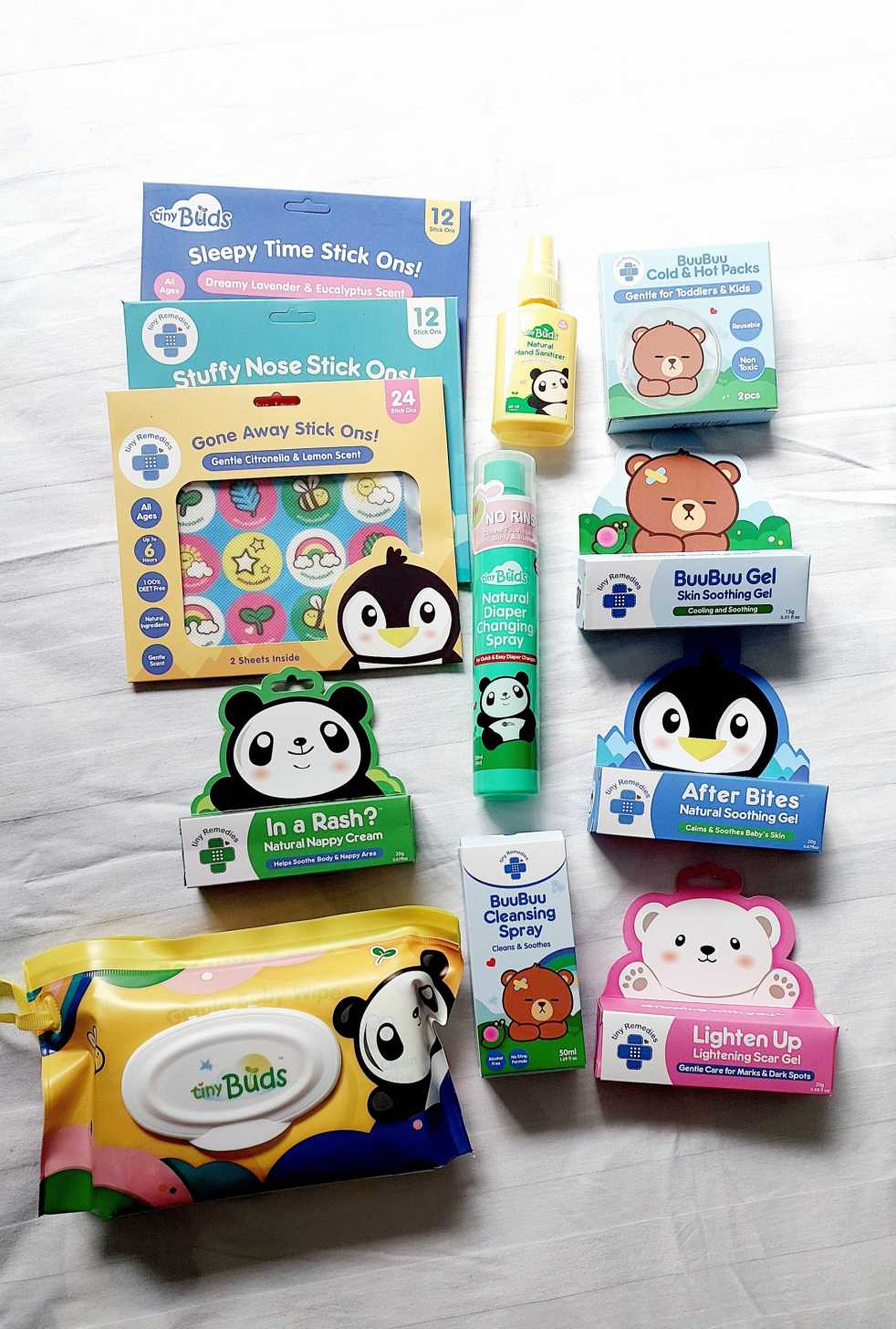
Your baby’s skin is more delicate than most, this is why you have to choose products that are designed for sensitive skin. Tiny Buds is a pioneer in integrating natural ingredients into baby care and today has over 50 innovative natural baby care essentials and is one of the Top Baby Personal Care brands. Here… Continue reading Product Review: Tiny Buds Baby Naturals Baby Essentials
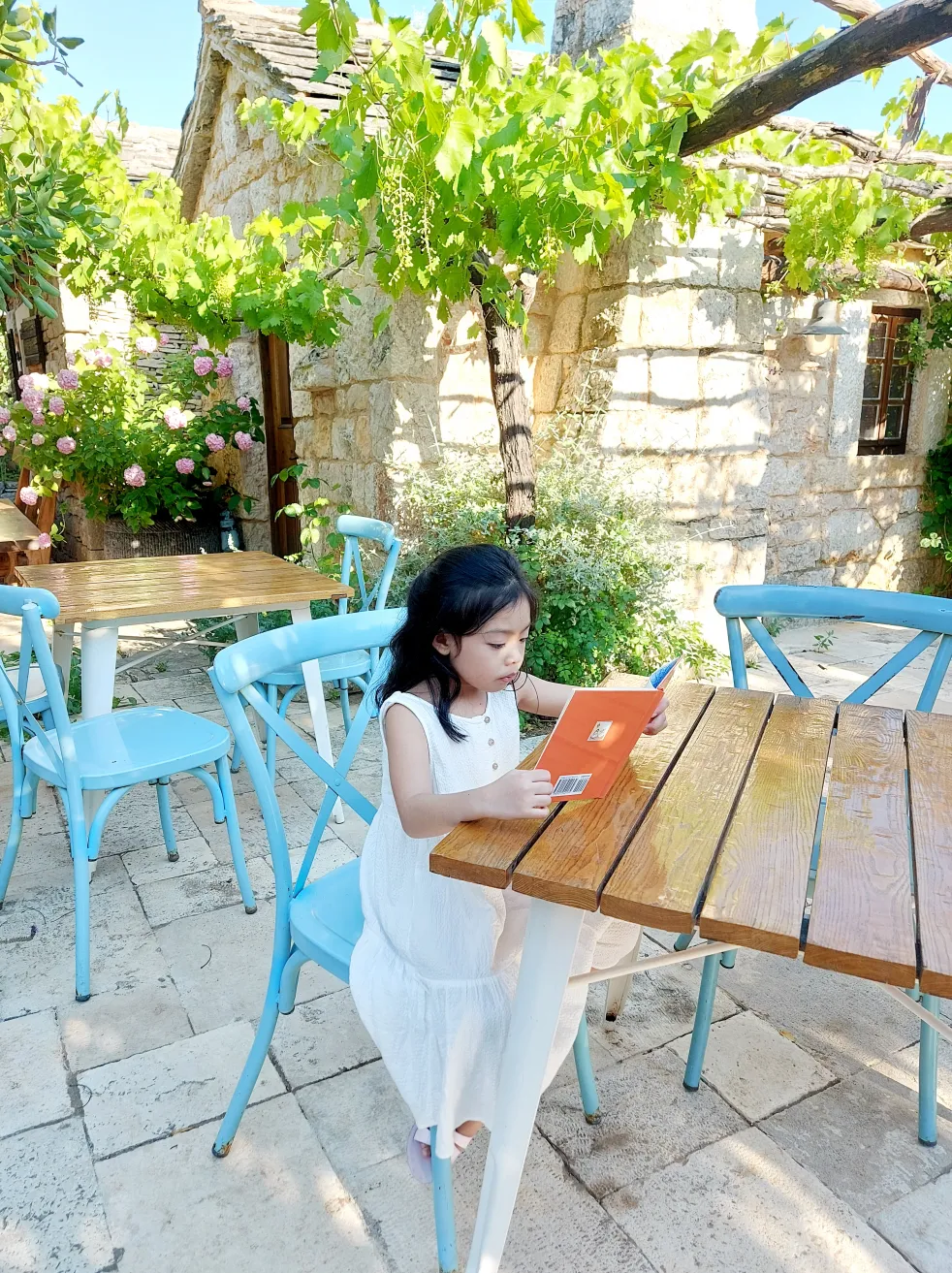
Where your child goes to school is a big decision and shouldn’t be taken lightly. Given how their education can impact their future, you might be tempted to take control and decide for them. However, you might be doing more damage than helping them in the long run. Your job as parents is to support… Continue reading HOW TO CHOOSE THE BEST SCHOOL FOR YOUR CHILD
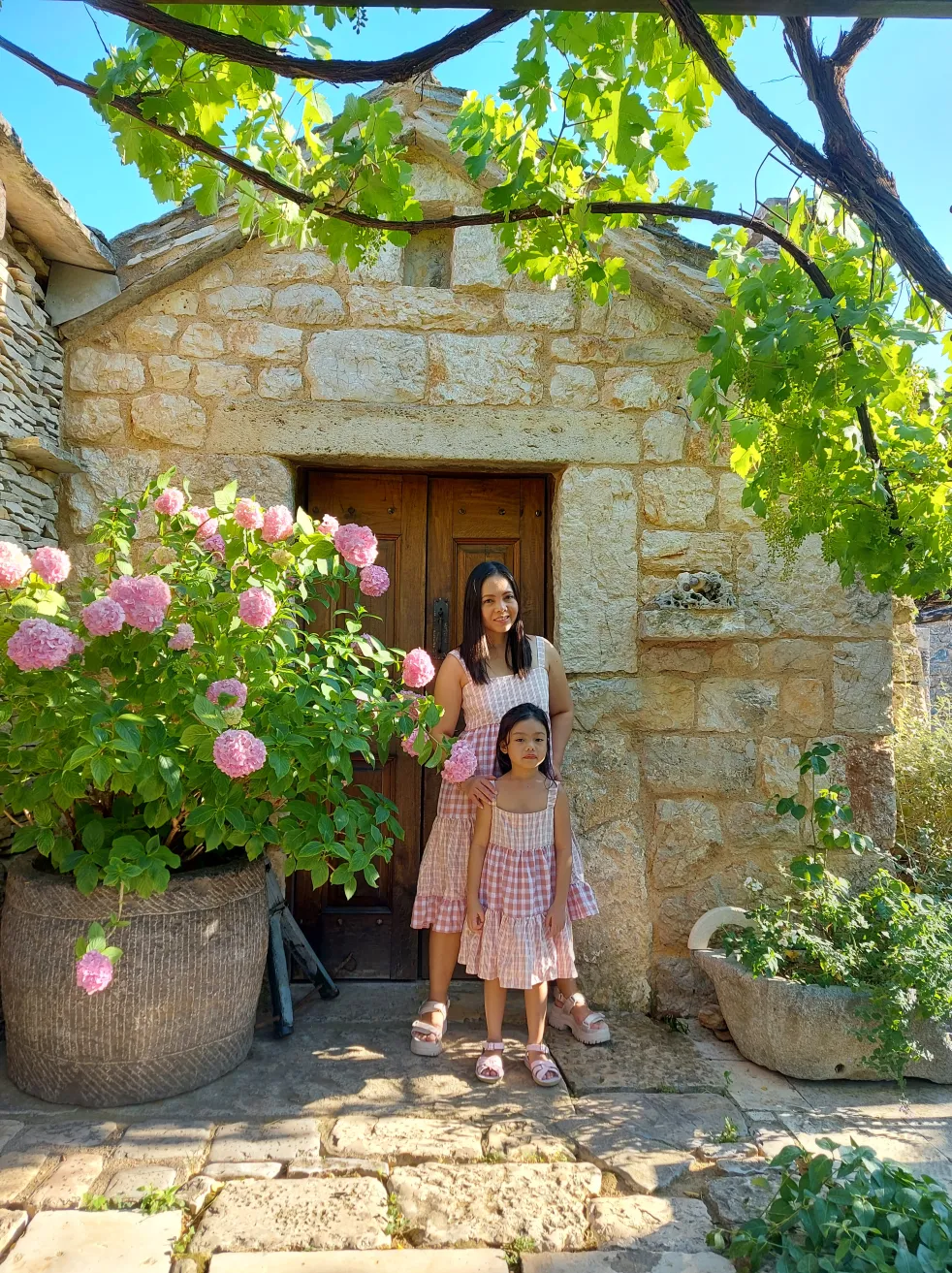
As poet and philosopher Rumi once eloquently said, “raise your words, not your voice. It is rain that grows flowers, not thunder.” Parenting is a challenging journey, and the truth is that nobody has everything figured out. One parenting style might suit others best, and some might favor other methods. However, children respond better to… Continue reading A SIMPLE GUIDE TO GENTLE PARENTING

Whether you’re a new mom to be, mom of a toddler, mom who have school-aged kids, you’re bound to have so many questions. Let's start with your baby's skin. Infant skin has unique needs; gentle care is essential to prevent damage to the skin barrier, which can lead to irritation. When caring for infant skin,… Continue reading Keeping Baby’s Diapered Skin Healthy
As parents, we want to give our child the best possible start in life and that begins with nurturing their intelligence. Throughout history, the notion of success has been linked to academic intelligence. However, there has been an increased awareness on the importance of emotional intelligence. This question gets at the heart of the never-ending… Continue reading IQ or EQ, which one is a better predictor of your child’s success?
 wondermomma.net