

Last August, IKEA Philippines engaged with Better World Smokey Mountain, a newly opened community center operated by the San Miguel Foundation, which shares a similar goal of improving the lives of many Filipino people. Through this partnership, IKEA Philippines provided and assembled home furnishings for the classrooms and library of Better World Smokey Mountain community… Continue reading Help Create a Better World with IKEA Soft Toys

NutriAsia, the country’s top producer of condiments and sauces, continues its support of Refill Revolution; a project by the Department of Environment and Natural Resources EMB 3 that aims to help reduce Filipinos’ single-use plastics consumption. At Refill Revolution, residents get to recycle their single-use plastic bottles by reusing and filling it with their choice… Continue reading NutriAsia and DENR renews partnership for Refill Revolution

Helping your child stay in bed through the night
It's the third trip down the hallway tonight, and you're running on coffee, willpower, and the faint hope that tonight will be different. Across households from Brisbane to Perth, parents quietly share the same secret: the bedtime battle often stretches well past the final "goodnight." When a child keeps getting out of bed, parents feel pulled between soothing a real fear and worrying that the bedtime routine has quietly slipped out of control. The good news is that most sleep struggles in early childhood are temporary and respond well to a calmer, more predictable approach.
Children leave their beds for many reasons, and most of them are completely normal. A toddler might be working through separation worries, a preschooler could be testing boundaries, or a school-aged child might genuinely feel scared after hearing a strange noise outside. Sleep cycles also change as children grow, and a brief wake-up between cycles can feel unsettling, especially in a dark room. Understanding the root cause is the first step toward a calmer bedtime, and it removes some of the frustration that builds up after weeks of disrupted nights.
This guide walks through practical ways to reset bedtime without turning the house into a battle zone. You'll learn how to spot the most common reasons children get up, how to build a routine that actually sticks, and how to respond when your child uses every excuse in the book. Along the way, you'll find tips shaped by Australian parenting realities, from summer heat to the safe-sleep guidance promoted by organisations like Red Nose.
Understanding why children leave their beds
Most bedtime resistance falls into a few broad categories, and identifying which one fits your child makes everything easier. Some children are genuinely anxious and need extra reassurance before they can settle. Some are simply overtired, which paradoxically makes them more wired and more likely to call out. Others have learned that getting out of bed leads to extra cuddles, a glass of water, or another story, even when that wasn't the parent's intention.
Australian summers can make things particularly uncomfortable for sleeping children, especially in places like Adelaide or inland Queensland where nights stay warm well into January. A room that's too hot often leads to a child stripping off blankets, asking for water, and reappearing at the hallway. Checking the room with a simple thermometer and aiming for somewhere between 18 and 20 degrees Celsius usually helps more than another round of "go back to bed."
It's also worth remembering that daylight saving changes in New South Wales, Victoria, South Australia, Tasmania, and the ACT shift the entire household rhythm. Children often take a week or two to adjust when the clocks change, and bedtime struggles can briefly spike during those transitions. Knowing this is a passing phase makes it easier to stay patient and keep the routine consistent.
Building a predictable bedtime routine
Children thrive on predictability, and bedtime is the place where routine matters most. A steady wind-down that runs in the same order each night teaches the brain it's time to sleep. Bath, teeth, toilet, pyjamas, story, cuddle, lights out is a simple sequence that works for many families. The key isn't the exact steps but the consistency, so the body starts recognising the signals.
Screen time plays a sneaky role in bedtime struggles, and research consistently shows that screens in the hour before sleep delay melatonin release. Swapping the iPad for a picture book or a short chat about the day gives the brain a much better chance of winding down. Some parents in Melbourne and Sydney have found that even a brief walk outside after dinner helps children settle faster when they come back indoors, especially during the long summer evenings.
The routine should also include a brief check-in moment where your child can share any worries. Children who feel heard during the day often have fewer reasons to seek attention at night. A simple "anything on your mind before sleep?" invites concerns out in the open rather than letting them spill out at midnight.
Wind-down ingredients that help most families settle:
- A consistent 20 to 30 minute pre-bed ritual in the same order
- A warm bath or a quick rinse before pyjamas to drop body heat
- Two or three short picture books rather than one long chapter
- A small chat about the day, naming one thing that went well
Making the bedroom feel safe
A child's bedroom should feel like a calm, predictable place they actually want to be. Blackout curtains are particularly helpful in Australia, where long summer evenings mean bedtime light stretches on. A small nightlight, soft bedding, and a favourite stuffed animal or two can transform the room into a haven rather than a place that feels lonely after lights out.
Sound matters more than many parents realise. A white-noise machine or a simple fan can mask neighbourhood noises, including the occasional possum on the roof or a garbage truck doing early rounds. In suburban streets across Brisbane and Perth, background noise often spikes just as sleep should be settling in, so a consistent hum helps cover those interruptions.
It's also worth checking that the room isn't being used as a timeout or punishment spot. Children who associate their bedroom with consequences will find reasons to escape it. Keeping the bedroom a neutral, cosy space protects its role as the sleep zone and makes the bedtime routine far smoother.
Responding to repeated excuses
Once a child learns that asking for water leads to company, the requests usually multiply. "I need a drink," "I need the toilet," "I lost my toy," and "there's a monster" can stretch bedtime by an hour if every excuse is met with a full conversation. The trick is to acknowledge the request briefly, meet genuine needs, and then guide the child back to bed without turning the interaction into playtime.
For children who use a string of excuses, a simple response works best. Something like "I heard you, I'll get you water, now back to bed" meets the need without rewarding the stalling. Keeping responses calm, brief, and boring removes the attention reward that keeps the cycle going. Over a week or two, most children stop the parade once they realise the response is always the same.
Australian parents often find extra support through resources like the Raising Children Network, which offers free advice on common bedtime issues. If a child's fear feels extreme or persists for weeks, a quick chat with your GP or a paediatrician can rule out underlying issues like night terrors or anxiety that benefits from extra support.
Phrases that work without rewarding the stall:
- "I heard you. Back to bed now, please."
- "You had water earlier. Lights out, love."
- "The toy stays here until morning. Off you go."
- "Monsters aren't real, but it's still bedtime."
Staying steady when you're exhausted
Consistency is the hardest part, especially on the third or fourth night of broken sleep. The temptation to give in, lie down with the child, or simply skip the routine altogether is enormous, and almost every parent gives in sometimes. The goal isn't perfection but steady, predictable responses that your child can rely on.
Looking after your own sleep matters more than many parents admit. Trading nights with a partner, asking a trusted family member for help on weekends, or simply going to bed earlier when you can all protect your ability to stay calm. Parents who are running on fumes often give mixed signals without meaning to, which confuses children and stretches the bedtime battle. A short walk, a quiet cup of tea, or a few minutes of journaling before bed can help reset your own patience.
For a deeper look at resetting family routines when everyone feels stuck, Emily's project list offers a gentle, real-world approach that many Australian mums have found genuinely helpful. Pair that kind of slow, steady approach with the practical tips above, and most families see real improvement within a couple of weeks.
A quick comparison of common approaches
| Approach | Best for | Drawbacks |
|---|---|---|
| Gradual retreat method | Anxious toddlers who need reassurance | Takes weeks of patience |
| Chair method | Older preschoolers testing limits | Requires consistent follow-through |
| Reward charts | School-aged children responding to incentives | Loses impact if overused |
| Door closing | Severe boundary testing | Can feel harsh for sensitive children |
| Ignoring protests | Children using requests for attention | Hard for parents to maintain calmly |

Mercato Centrale, in collaboration with Indian Women in Enterprise Philippines (I-We), is set to host "The Great Indian Fiesta" to mark 75 years of friendship between India and the Philippines. The dynamic two-day event is scheduled to take place on September 30 to October 1, 2023, at Paseo De Roxas Street, Makati City. Aiming to… Continue reading Mercato Centrale Partners with I-We to Host ‘The Great Indian Fiesta’, Commemorating 75 Years of India-Philippines Friendship

My stomach would usually start growling at 10 am even after taking a big breakfast. This is probably because I am a morning person and I move a lot throughout the day hence snacking is something that I can't avoid. This potatoes and chicken wrap recipe is easy to prepare and would keep me full… Continue reading Potato and Chicken Wrap
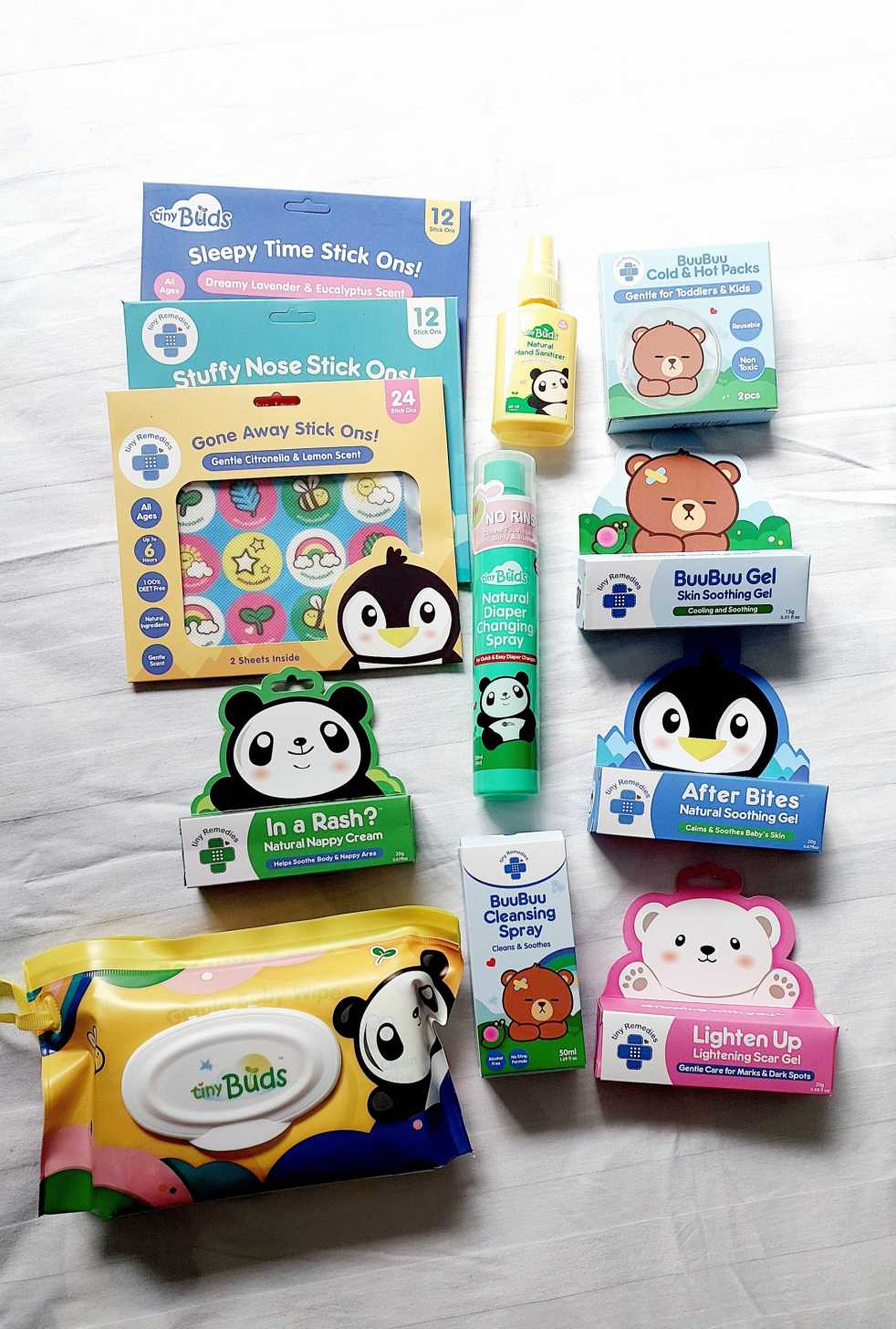
Your baby’s skin is more delicate than most, this is why you have to choose products that are designed for sensitive skin. Tiny Buds is a pioneer in integrating natural ingredients into baby care and today has over 50 innovative natural baby care essentials and is one of the Top Baby Personal Care brands. Here… Continue reading Product Review: Tiny Buds Baby Naturals Baby Essentials
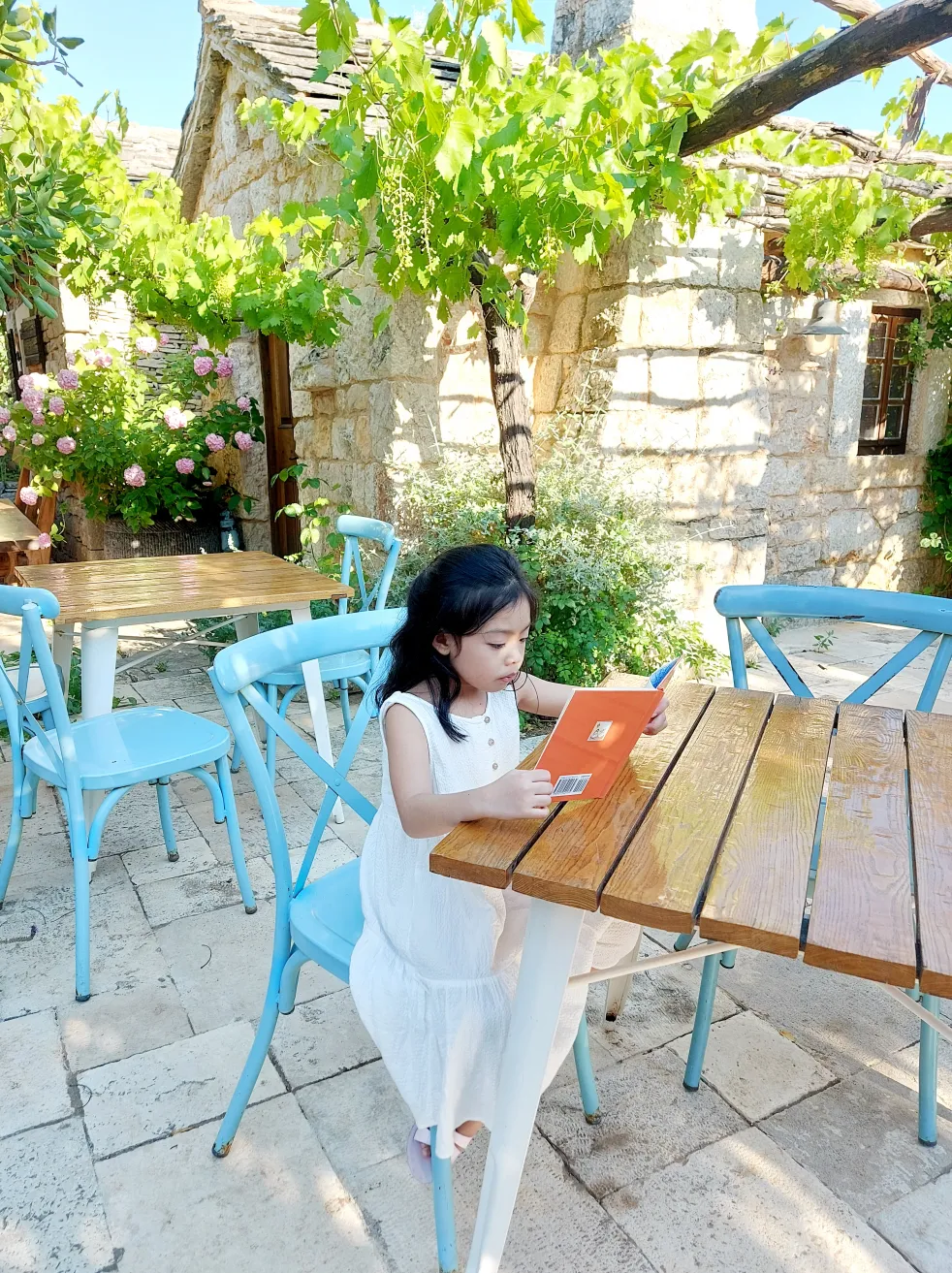
Where your child goes to school is a big decision and shouldn’t be taken lightly. Given how their education can impact their future, you might be tempted to take control and decide for them. However, you might be doing more damage than helping them in the long run. Your job as parents is to support… Continue reading HOW TO CHOOSE THE BEST SCHOOL FOR YOUR CHILD

As poet and philosopher Rumi once eloquently said, “raise your words, not your voice. It is rain that grows flowers, not thunder.” Parenting is a challenging journey, and the truth is that nobody has everything figured out. One parenting style might suit others best, and some might favor other methods. However, children respond better to… Continue reading A SIMPLE GUIDE TO GENTLE PARENTING

Whether you’re a new mom to be, mom of a toddler, mom who have school-aged kids, you’re bound to have so many questions. Let's start with your baby's skin. Infant skin has unique needs; gentle care is essential to prevent damage to the skin barrier, which can lead to irritation. When caring for infant skin,… Continue reading Keeping Baby’s Diapered Skin Healthy

As parents, we want to give our child the best possible start in life and that begins with nurturing their intelligence. Throughout history, the notion of success has been linked to academic intelligence. However, there has been an increased awareness on the importance of emotional intelligence. This question gets at the heart of the never-ending… Continue reading IQ or EQ, which one is a better predictor of your child’s success?
 wondermomma.net