

Last August, IKEA Philippines engaged with Better World Smokey Mountain, a newly opened community center operated by the San Miguel Foundation, which shares a similar goal of improving the lives of many Filipino people. Through this partnership, IKEA Philippines provided and assembled home furnishings for the classrooms and library of Better World Smokey Mountain community… Continue reading Help Create a Better World with IKEA Soft Toys

NutriAsia, the country’s top producer of condiments and sauces, continues its support of Refill Revolution; a project by the Department of Environment and Natural Resources EMB 3 that aims to help reduce Filipinos’ single-use plastics consumption. At Refill Revolution, residents get to recycle their single-use plastic bottles by reusing and filling it with their choice… Continue reading NutriAsia and DENR renews partnership for Refill Revolution

How to Handle a Child Who No Longer Wants to Nap
A child who suddenly refuses a daytime sleep may be showing a normal change in sleep needs, rather than being deliberately difficult. Nap transitions often happen during the toddler years, although timing varies widely. Some children stop sleeping during the day at two, while others continue resting until preschool.
The change can still be tiring for the whole family. A missed nap may lead to late-afternoon crankiness, a difficult bedtime or early waking the next morning. The aim is to protect enough total sleep while gradually helping your child manage a day without napping.
| What you notice | What it may mean | Helpful response |
|---|---|---|
| Cheerful through the afternoon and sleeping well overnight | Your child may be ready to drop the nap | Offer quiet time instead |
| Refuses the nap but becomes upset by late afternoon | The nap may still be needed, but timing or length may need adjusting | Try an earlier or shorter nap |
| Takes a long time to settle at night | The daytime sleep may be too late or too long | Cap the nap and keep bedtime consistent |
| Falls asleep in the car or at dinner | Your child may be overtired | Keep a flexible rescue nap or bring bedtime forward |
Understand The Nap Transition
Nap refusal is often linked to developmental changes. Toddlers become more active, curious and determined to control their routine. They may worry that sleeping means missing out, particularly when older siblings are awake or childcare friends are playing.
A child can also resist a nap because the sleep window has shifted. If your toddler usually rests at 1 pm but now becomes tired at 11.30 am, waiting until the usual time may result in an overtired child who struggles to settle. Conversely, a late morning sleep can make an afternoon nap impossible.
Look at the pattern over several days rather than judging one difficult afternoon. Illness, teething, travel, a new baby, toilet training and changes at childcare can temporarily disturb sleep. A child who skips a nap for two days may still need one after a busy weekend.
Signs Your Child May Still Need Day Sleep
- Rubbing eyes, yawning or becoming clumsy before dinner
- Falling asleep quickly in the car or pram
- Having frequent late-afternoon tantrums
- Sleeping much longer or waking very early overnight
Check The Bigger Sleep Picture
The important measure is total sleep over 24 hours. Australian sleep recommendations commonly used by health professionals suggest around 11–14 hours for children aged one to two, including naps, and 10–13 hours for three- to five-year-olds. Individual needs differ, so these figures are a guide rather than a target to force.
If your child wakes refreshed, copes well with activities and sleeps soundly overnight, dropping the nap may be appropriate. If they are irritable, impulsive or unusually emotional by late afternoon, they may need a shorter sleep or an earlier bedtime.
Keep a simple record for five to seven days. Note wake-up time, attempted nap, actual sleep, bedtime and night waking. This can reveal whether the issue is a genuine end to daytime sleep or an inconvenient schedule.
What To Record
- Morning wake time and overnight disturbances
- Time spent trying to settle for a nap
- Whether sleep happens in the car, pram or at childcare
- Mood and energy between 4 pm and bedtime
Adjust The Routine Gradually
Rather than removing the nap suddenly, experiment with the timing. Move it earlier by 15 to 30 minutes for a few days, especially if your child becomes tired before lunch. If your toddler sleeps for two hours and then resists bedtime, gently shorten the nap to about 45–60 minutes, depending on their age and mood.
A consistent wind-down helps the body recognise that rest is coming. Use the same small sequence each day: lunch, nappy or toilet visit, a short story, dimmer light and a quiet room. The routine does not need to be long. Ten calm minutes can be enough for a young child.
If no sleep happens after roughly 20 to 30 minutes, stop the attempt without turning it into a battle. Offer quiet play and bring bedtime earlier by 30 to 60 minutes if necessary. An early bedtime is usually more helpful than keeping an overtired child awake until the usual hour.
Replace Naptime With Rest
When a child no longer sleeps, keep a daily period for low-key rest. This protects a pause in the day and gives the child a chance to recover without making sleep a source of conflict. Start with 30 to 60 minutes in a safe space with books, puzzles, drawing or soft music.
You can explain the change simply: “Your body may not need a sleep today, but it still needs quiet time.” Avoid presenting rest as punishment or making your child stay in bed for a long period. A flexible approach is more realistic, particularly for active toddlers.
Watch the environment as well. In Australia, bright summer afternoons and warm bedrooms can make settling harder, while daylight saving in Sydney, Melbourne, Brisbane and other eastern areas can make the evening feel earlier or later. Blockout curtains, breathable clothing and a comfortably cool room may help. Keep sleep spaces free from loose bedding and unsuitable sleep products, following Red Nose Australia guidance for babies and young children.
Coordinate Home And Childcare
Children often manage the nap transition differently at home and in education and care. A toddler may refuse sleep with a parent but doze at childcare because the group routine, dim room and activity level create a predictable cue. Another child may sleep at daycare and need only quiet time at home.
Speak with educators about the actual length and timing of rest, rather than simply asking whether your child napped. An hour of broken sleep can affect bedtime differently from a deep two-hour nap. Share your child’s evening behaviour and agree on whether a shorter rest, earlier sleep period or quiet activity is best.
Australian early learning services operate under the National Quality Framework and must have sleep and rest arrangements that consider each child’s needs and requests. Policies can vary between centres, so check how your service handles children who do not sleep. The goal should be a calm, supervised rest opportunity rather than forcing a child to sleep.
Practical Ways To Keep Both Settings Consistent
- Use the same phrase for rest time at home and childcare
- Tell educators about early bedtime after a missed nap
- Ask whether late afternoon car naps are occurring
- Keep weekend routines close enough to weekday timing
Manage Late-Afternoon Overtiredness
The period between school or childcare pickup and dinner can be challenging when a nap disappears. Offer a filling snack, water and a few minutes of connection before expecting cooperation. Many children cope better after outdoor play or a quiet cuddle than after a rushed sequence of chores.
On no-nap days, move the evening routine forward. Dinner at 5.30 pm and lights out at 6.30 or 7 pm may be appropriate for a young child, particularly after a busy day. In Perth, Adelaide and other Australian cities, outdoor family life can extend into the evening during warmer months, but an overtired child may still need an earlier wind-down.
Avoid using screens to keep a tired child awake. The Australian 24-hour movement guidelines recommend limiting sedentary screen time for young children, and stimulating content close to bed can make settling more difficult. A bath, books, singing or quiet conversation usually supports the transition better.
Know When To Seek Support
Most nap changes settle with time and small routine adjustments. Seek professional advice if your child snores loudly, pauses or gasps during sleep, breathes heavily, wakes frequently, seems persistently exhausted or has a significant change in behaviour. Pain, reflux, eczema, allergies, enlarged tonsils and breathing difficulties can all affect sleep.
A child and family health nurse, GP or maternal and child health service can help assess the whole routine. In Australia, families can contact healthdirect for general health guidance, while local state and territory child health services can provide age-specific support. A GP can refer your child to a paediatrician or sleep specialist when needed.
Avoid relying on sleep medicines, sedating antihistamines or unverified supplements unless a qualified health professional has specifically recommended them. Products marketed as sleep aids may not address the reason for nap resistance and can carry risks for young children.
A calm, flexible response usually works best: offer a predictable opportunity to sleep, accept quiet rest when sleep does not happen, and protect overnight sleep with an earlier bedtime when needed. Over time, your child’s energy, mood and night sleep will show whether the nap has truly finished.

Mercato Centrale, in collaboration with Indian Women in Enterprise Philippines (I-We), is set to host "The Great Indian Fiesta" to mark 75 years of friendship between India and the Philippines. The dynamic two-day event is scheduled to take place on September 30 to October 1, 2023, at Paseo De Roxas Street, Makati City. Aiming to… Continue reading Mercato Centrale Partners with I-We to Host ‘The Great Indian Fiesta’, Commemorating 75 Years of India-Philippines Friendship

My stomach would usually start growling at 10 am even after taking a big breakfast. This is probably because I am a morning person and I move a lot throughout the day hence snacking is something that I can't avoid. This potatoes and chicken wrap recipe is easy to prepare and would keep me full… Continue reading Potato and Chicken Wrap
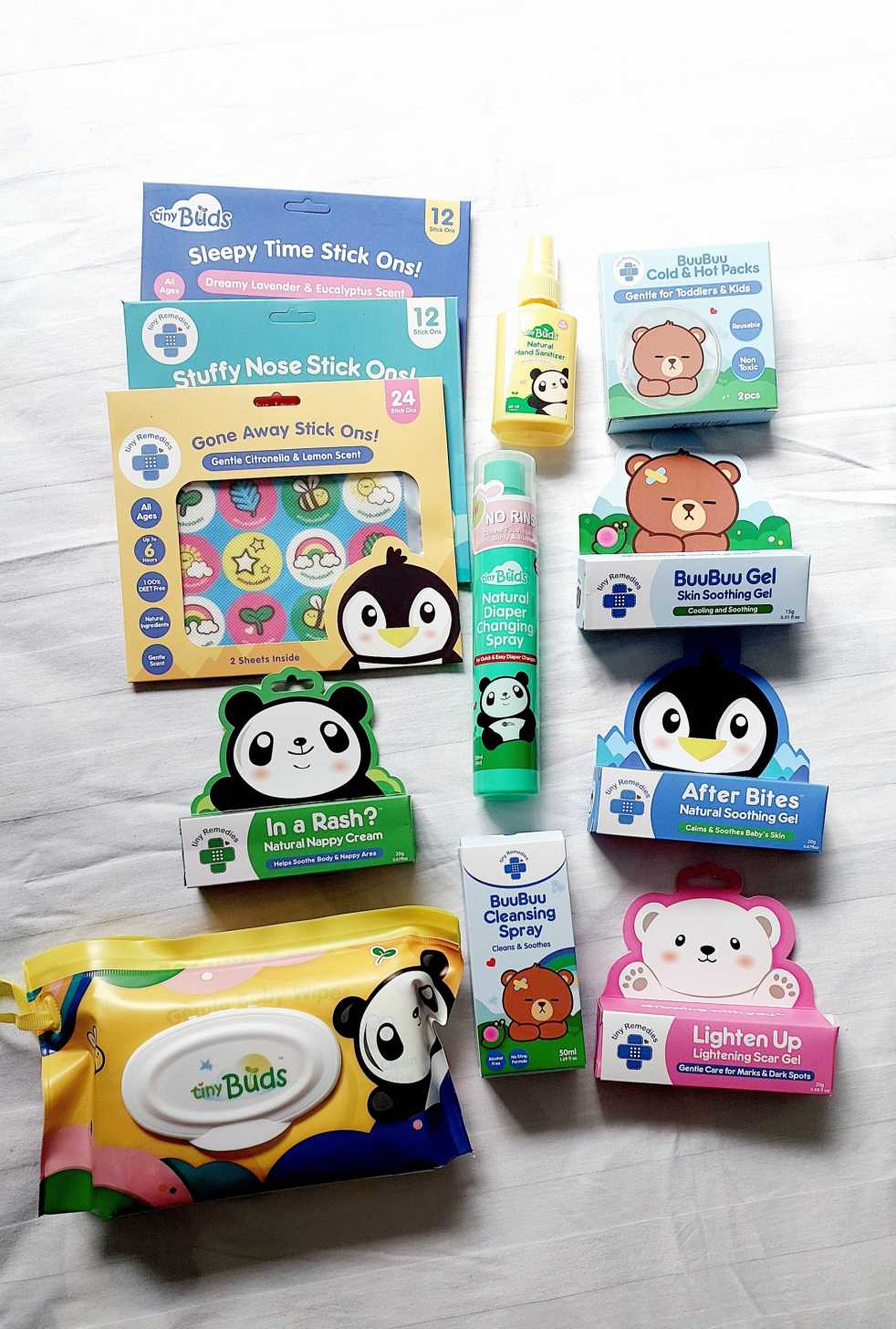
Your baby’s skin is more delicate than most, this is why you have to choose products that are designed for sensitive skin. Tiny Buds is a pioneer in integrating natural ingredients into baby care and today has over 50 innovative natural baby care essentials and is one of the Top Baby Personal Care brands. Here… Continue reading Product Review: Tiny Buds Baby Naturals Baby Essentials

Where your child goes to school is a big decision and shouldn’t be taken lightly. Given how their education can impact their future, you might be tempted to take control and decide for them. However, you might be doing more damage than helping them in the long run. Your job as parents is to support… Continue reading HOW TO CHOOSE THE BEST SCHOOL FOR YOUR CHILD

As poet and philosopher Rumi once eloquently said, “raise your words, not your voice. It is rain that grows flowers, not thunder.” Parenting is a challenging journey, and the truth is that nobody has everything figured out. One parenting style might suit others best, and some might favor other methods. However, children respond better to… Continue reading A SIMPLE GUIDE TO GENTLE PARENTING

Whether you’re a new mom to be, mom of a toddler, mom who have school-aged kids, you’re bound to have so many questions. Let's start with your baby's skin. Infant skin has unique needs; gentle care is essential to prevent damage to the skin barrier, which can lead to irritation. When caring for infant skin,… Continue reading Keeping Baby’s Diapered Skin Healthy

As parents, we want to give our child the best possible start in life and that begins with nurturing their intelligence. Throughout history, the notion of success has been linked to academic intelligence. However, there has been an increased awareness on the importance of emotional intelligence. This question gets at the heart of the never-ending… Continue reading IQ or EQ, which one is a better predictor of your child’s success?
 wondermomma.net