
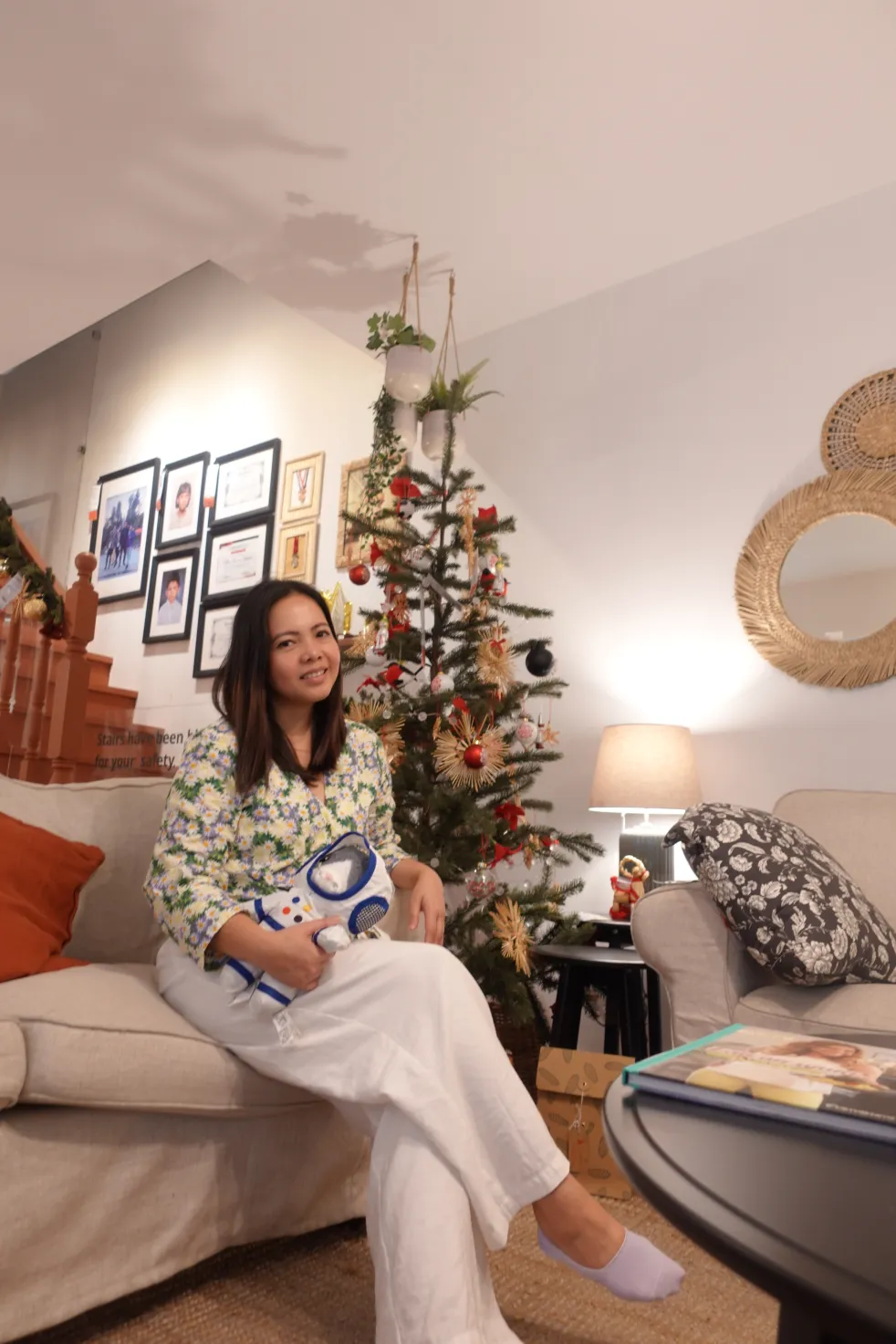
Last August, IKEA Philippines engaged with Better World Smokey Mountain, a newly opened community center operated by the San Miguel Foundation, which shares a similar goal of improving the lives of many Filipino people. Through this partnership, IKEA Philippines provided and assembled home furnishings for the classrooms and library of Better World Smokey Mountain community… Continue reading Help Create a Better World with IKEA Soft Toys
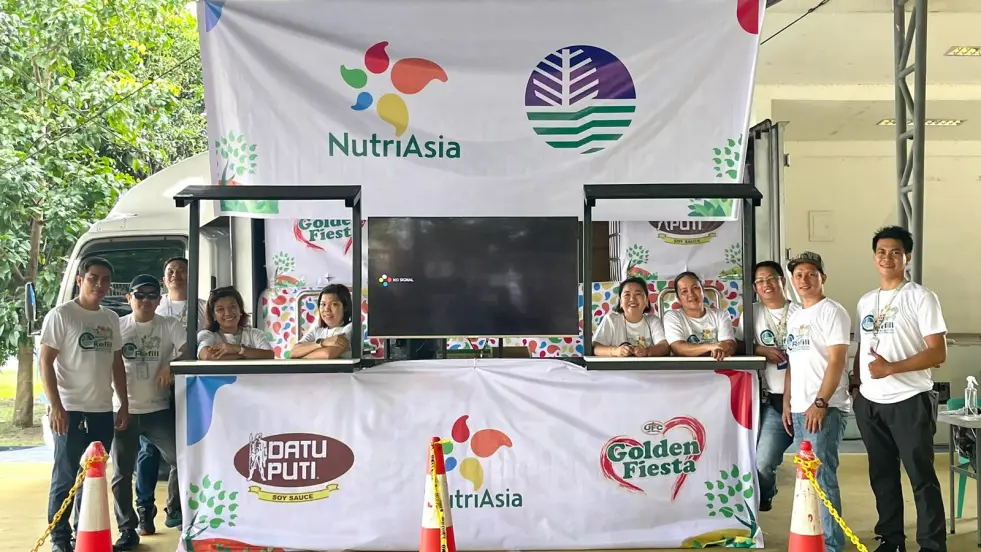
NutriAsia, the country’s top producer of condiments and sauces, continues its support of Refill Revolution; a project by the Department of Environment and Natural Resources EMB 3 that aims to help reduce Filipinos’ single-use plastics consumption. At Refill Revolution, residents get to recycle their single-use plastic bottles by reusing and filling it with their choice… Continue reading NutriAsia and DENR renews partnership for Refill Revolution

Helping Your Preschooler Build Confidence and Independence
Preschool is a wonderful stage for growing self-reliance. Children are beginning to dress themselves, make simple choices, care for belongings, and participate in family routines. They still need plenty of support, but they are also ready to discover what they can do without an adult completing every task for them.
Fostering independence in your preschooler does not mean expecting them to manage everything alone. It means giving age-appropriate opportunities to practise, make decisions, solve small problems, and recover from mistakes. A calm adult presence helps children feel secure while they stretch their abilities.
In a busy Filipino household, independence can be woven into ordinary moments such as preparing for school, tidying toys, helping with meals, or getting ready for bedtime. Small responsibilities repeated each day often build stronger skills than occasional, demanding lessons.
Why Independence Matters In The Early Years
Independent behaviour supports confidence, decision-making, coordination, and emotional development. When a child pours water, puts on sandals, or chooses between two shirts, they learn that their actions have an effect. Even an imperfect attempt gives them useful practice.
These skills also prepare children for preschool routines. A child who has practised opening a lunch container, washing hands, carrying a small bag, or asking for help may feel more comfortable in a classroom. Independence can make transitions easier because familiar tasks provide a sense of control.
Expectations should match the child’s age, temperament, and development. One preschooler may happily use a spoon while another still needs assistance. The goal is steady progress rather than performance. Encouragement should focus on effort and problem-solving instead of praising children only when they complete a task perfectly.
Start With Everyday Self-Care
Choose a few routines that happen every day and allow your child to take part. Getting dressed, brushing teeth, putting toys away, and placing dirty clothes in a hamper are practical starting points. Give enough time for your child to try, especially during mornings when rushing can make adults take over.
Break each activity into manageable steps. For example, a preschooler may first choose clothes, then put on underwear and a shirt, while a parent helps with buttons. A picture chart near the bedroom or bathroom can remind children what comes next without requiring repeated instructions.
Use tools that fit small hands, such as a low hook for a bag, an open basket for toys, a sturdy step stool, and clothing with elastic waistbands. Keep personal-care items where children can reach them safely. In homes shared by several generations, caregivers can agree on the same routine so the child receives consistent expectations.
Give Choices Without Giving Away The Whole Day
Limited choices help preschoolers practise decision-making while adults retain necessary boundaries. Offer two acceptable options: “Would you like the blue cup or the yellow cup?” or “Do you want to put away the blocks or the books first?” Too many choices can overwhelm a young child and lead to frustration.
Choices can also support cooperation during transitions. Let your child decide whether to hop or walk to the bathroom, or whether to hear a song before putting on shoes. The non-negotiable task remains clear, but the child has some control over how it happens.
Avoid turning every moment into a negotiation. Safety, health, and family limits still belong to the adults. A warm statement such as, “You may choose the red shirt or the green shirt. We are getting dressed now,” combines respect with a firm boundary.
| Everyday situation | Supportive independence practice | Helpful adult response |
|---|---|---|
| Getting dressed | Let the child choose between two outfits and try simple fasteners | Give extra time and help only with the difficult step |
| Mealtime | Allow the child to carry a napkin, use a child-sized utensil, or serve a small portion | Expect spills and respond calmly |
| Toy cleanup | Use labelled baskets and let the child choose where to begin | Clean alongside the child rather than doing it all |
| Getting ready to leave | Let the child check a simple picture list | Give a gentle reminder before stepping in |
| Small disagreements | Encourage the child to name the problem and suggest an idea | Stay nearby and help with words if emotions rise |
Let Problem-Solving Take Some Time
Young children often ask adults to fix problems immediately. Before stepping in, pause and observe. If a toy is stuck or a puzzle piece does not fit, ask, “What could we try?” or “Where might that piece go?” These prompts encourage thinking without leaving the child unsupported.
Allowing a reasonable struggle is different from ignoring distress. Stay close, acknowledge feelings, and offer a small clue when needed. “That is frustrating. The lid is turned the wrong way. Would you like to try turning it slowly?” This approach teaches persistence while preserving connection.
If your child becomes overwhelmed, simplify the task. Offer one step, demonstrate briefly, or take turns. The aim is not to prove that a child can do something without help; it is to help them gradually develop the skills and confidence to participate.
Create A Safe Space For Responsibility
Independence grows when children can reach appropriate materials and understand how to use them. A low shelf for books, an accessible water bottle, and a basket for shoes make it easier for preschoolers to act independently. Safety locks, supervision, and clear rules remain essential for anything involving heat, water, medication, roads, or sharp objects.
Give children real contributions to family life. They can place spoons on the table, water selected plants with help, fold small towels, or help sort groceries. These jobs communicate that their effort matters. Keep tasks short and concrete so they feel achievable rather than like punishment.
A routine chart can be especially useful before school or family outings. Use drawings or photographs for children who cannot read yet. Instead of repeating a long list, point to the next step and allow your child to check it off. Visual cues support memory and reduce power struggles.
Respond To Mistakes With Patience
Mistakes are part of learning self-management. A drink may spill, socks may be mismatched, or toys may be put in the wrong basket. Try to respond to the problem without shaming the child. “The water spilled. Let’s get a cloth and wipe it together,” teaches responsibility more effectively than anger.
When a child makes a choice that does not work, help them reflect later when they are calm. Ask what happened and what they might try next time. Keep the conversation brief and practical. Preschoolers learn best through repeated experiences, not long explanations.
Gentle parenting does not require adults to remove every consequence. Natural, related consequences can teach useful lessons: wet clothes need changing, a forgotten toy may stay at home, and a messy craft area needs cleaning. The adult’s role is to maintain safety and connection while guiding the child towards repair.
Build Independence Through Encouragement
Specific encouragement helps children notice their own progress. Say, “You remembered to put your shoes by the door,” or “You kept trying different pieces until the puzzle fit.” This is more meaningful than general praise and draws attention to planning, persistence, and responsibility.
Avoid comparing siblings or classmates. Children develop at different speeds, and comparison can make new tasks feel like tests. If a preschooler refuses to try, consider whether they are tired, hungry, rushed, or worried about getting it wrong. A little connection or a shorter task may be more helpful than extra pressure.
Celebrate partial participation. A child who puts one sleeve on independently has still made progress. Over time, reduce assistance gradually: first demonstrate, then give verbal prompts, then wait quietly while the child tries. This gentle release of support helps skills become reliable.
Simple Habits That Strengthen Self-Reliance
A few consistent practices can turn ordinary family life into meaningful learning opportunities:
- Build five extra minutes into routines so your child can attempt tasks without being hurried.
- Keep child-sized, safe items within reach and return them to the same place each day.
- Offer two realistic choices instead of open-ended questions when a decision must be made quickly.
- Use calm prompts such as “What is your plan?” before offering a solution.
- Notice effort, persistence, kindness, and repair rather than focusing only on perfect results.
Independence develops through repetition, warmth, and realistic expectations. Some days your preschooler may proudly do everything alone; on other days, they may need cuddles and considerable help. That variation is normal. Needing support does not erase the skills they are learning.
Families can make progress by choosing one routine to adjust first. Perhaps the child begins packing a small school bag, clearing their place after meals, or selecting clothes the night before. Once that habit feels familiar, another responsibility can be added without making the day feel like a series of demands.
Look for opportunities this week to step back while staying close. Give your preschooler time to try, offer calm guidance when necessary, and let everyday successes build a lasting sense of capability.

Mercato Centrale, in collaboration with Indian Women in Enterprise Philippines (I-We), is set to host "The Great Indian Fiesta" to mark 75 years of friendship between India and the Philippines. The dynamic two-day event is scheduled to take place on September 30 to October 1, 2023, at Paseo De Roxas Street, Makati City. Aiming to… Continue reading Mercato Centrale Partners with I-We to Host ‘The Great Indian Fiesta’, Commemorating 75 Years of India-Philippines Friendship

My stomach would usually start growling at 10 am even after taking a big breakfast. This is probably because I am a morning person and I move a lot throughout the day hence snacking is something that I can't avoid. This potatoes and chicken wrap recipe is easy to prepare and would keep me full… Continue reading Potato and Chicken Wrap
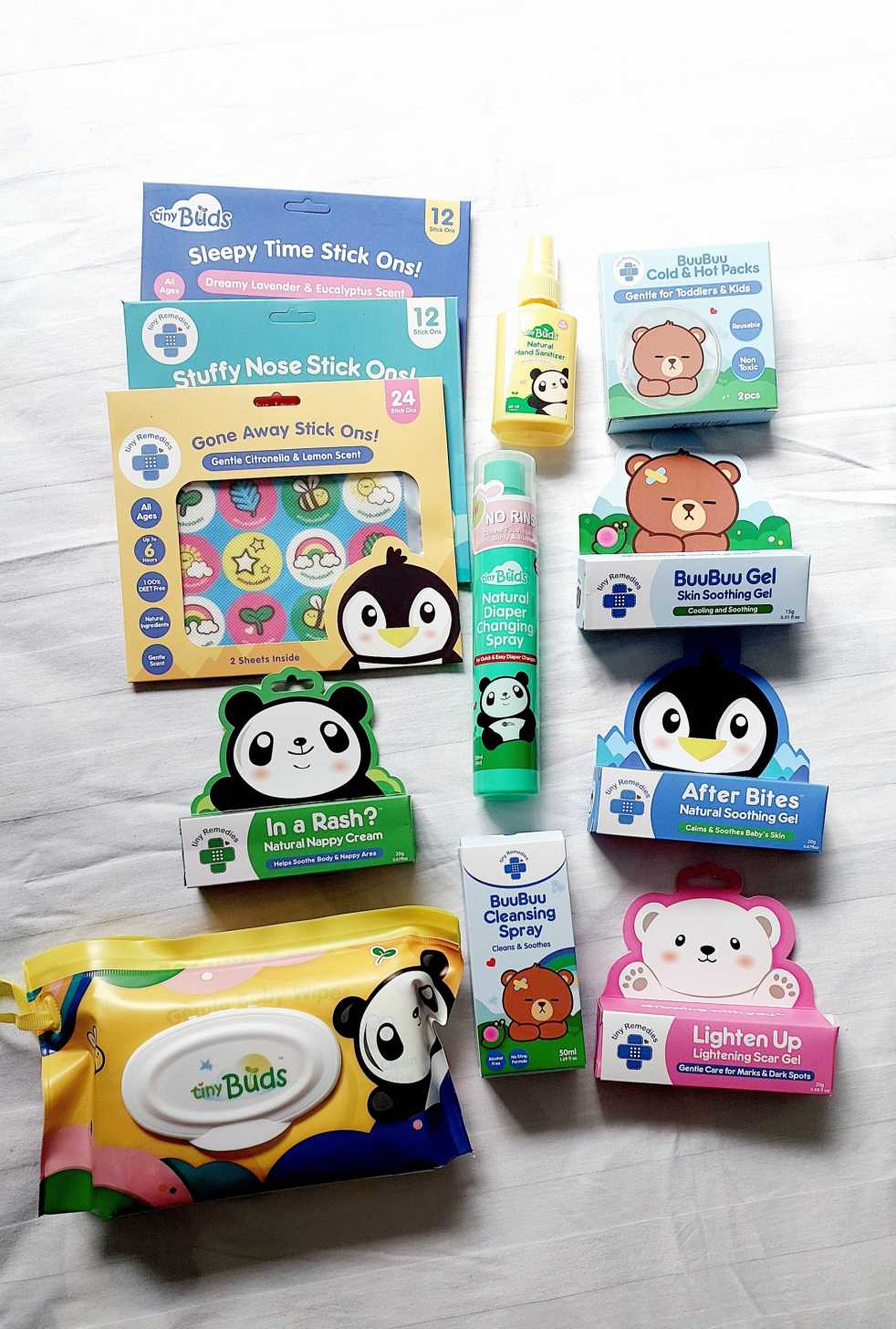
Your baby’s skin is more delicate than most, this is why you have to choose products that are designed for sensitive skin. Tiny Buds is a pioneer in integrating natural ingredients into baby care and today has over 50 innovative natural baby care essentials and is one of the Top Baby Personal Care brands. Here… Continue reading Product Review: Tiny Buds Baby Naturals Baby Essentials
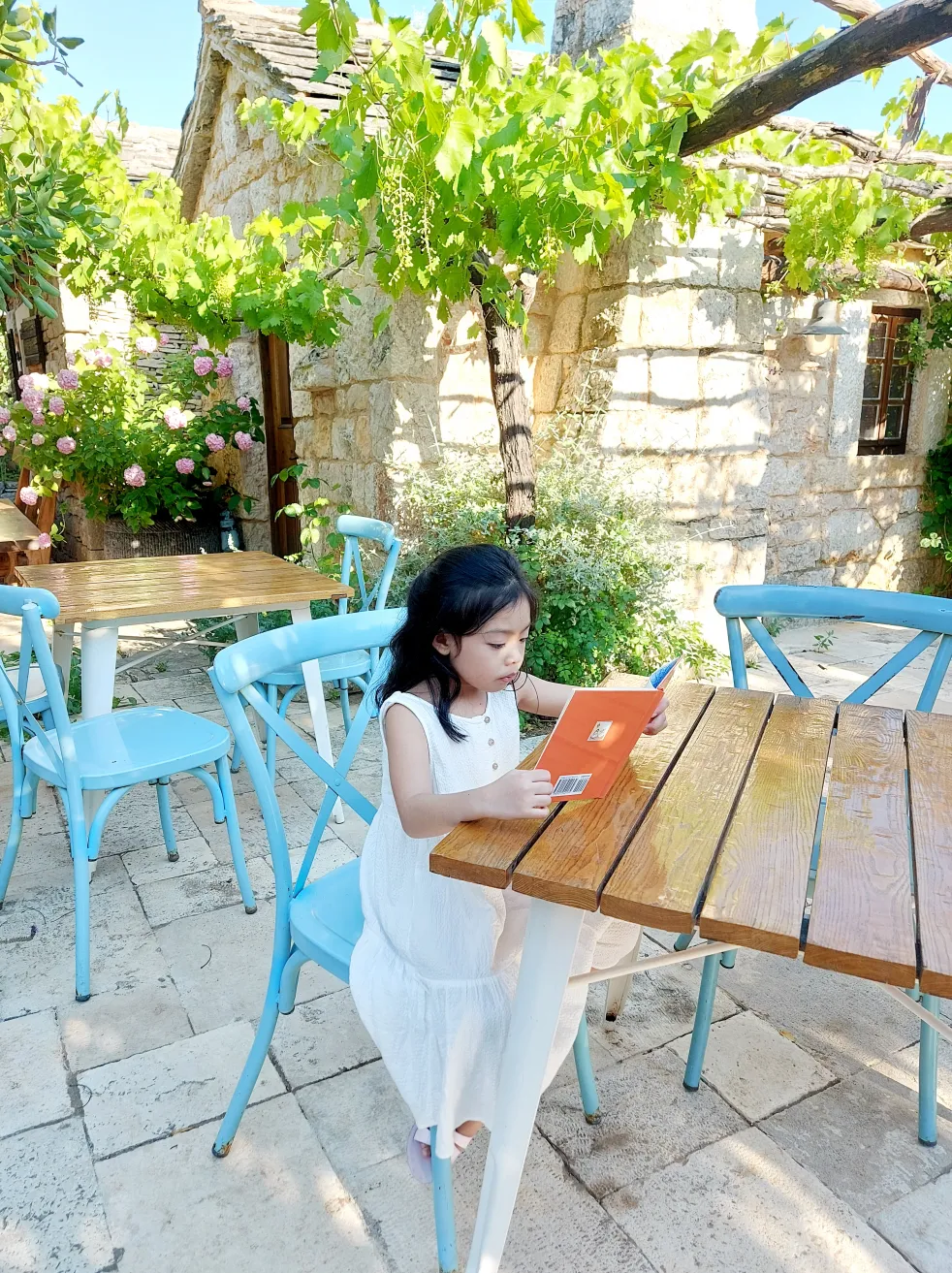
Where your child goes to school is a big decision and shouldn’t be taken lightly. Given how their education can impact their future, you might be tempted to take control and decide for them. However, you might be doing more damage than helping them in the long run. Your job as parents is to support… Continue reading HOW TO CHOOSE THE BEST SCHOOL FOR YOUR CHILD
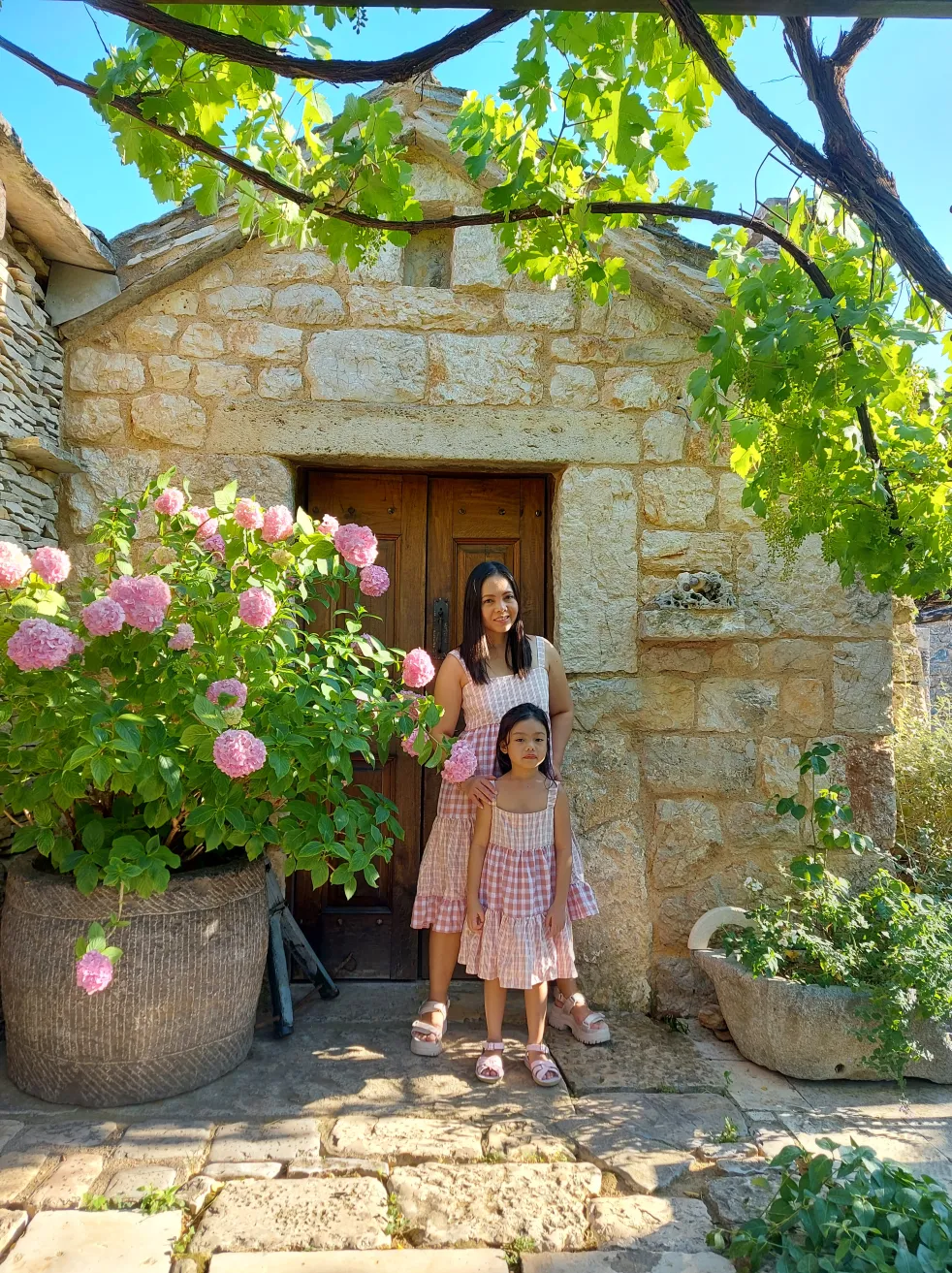
As poet and philosopher Rumi once eloquently said, “raise your words, not your voice. It is rain that grows flowers, not thunder.” Parenting is a challenging journey, and the truth is that nobody has everything figured out. One parenting style might suit others best, and some might favor other methods. However, children respond better to… Continue reading A SIMPLE GUIDE TO GENTLE PARENTING
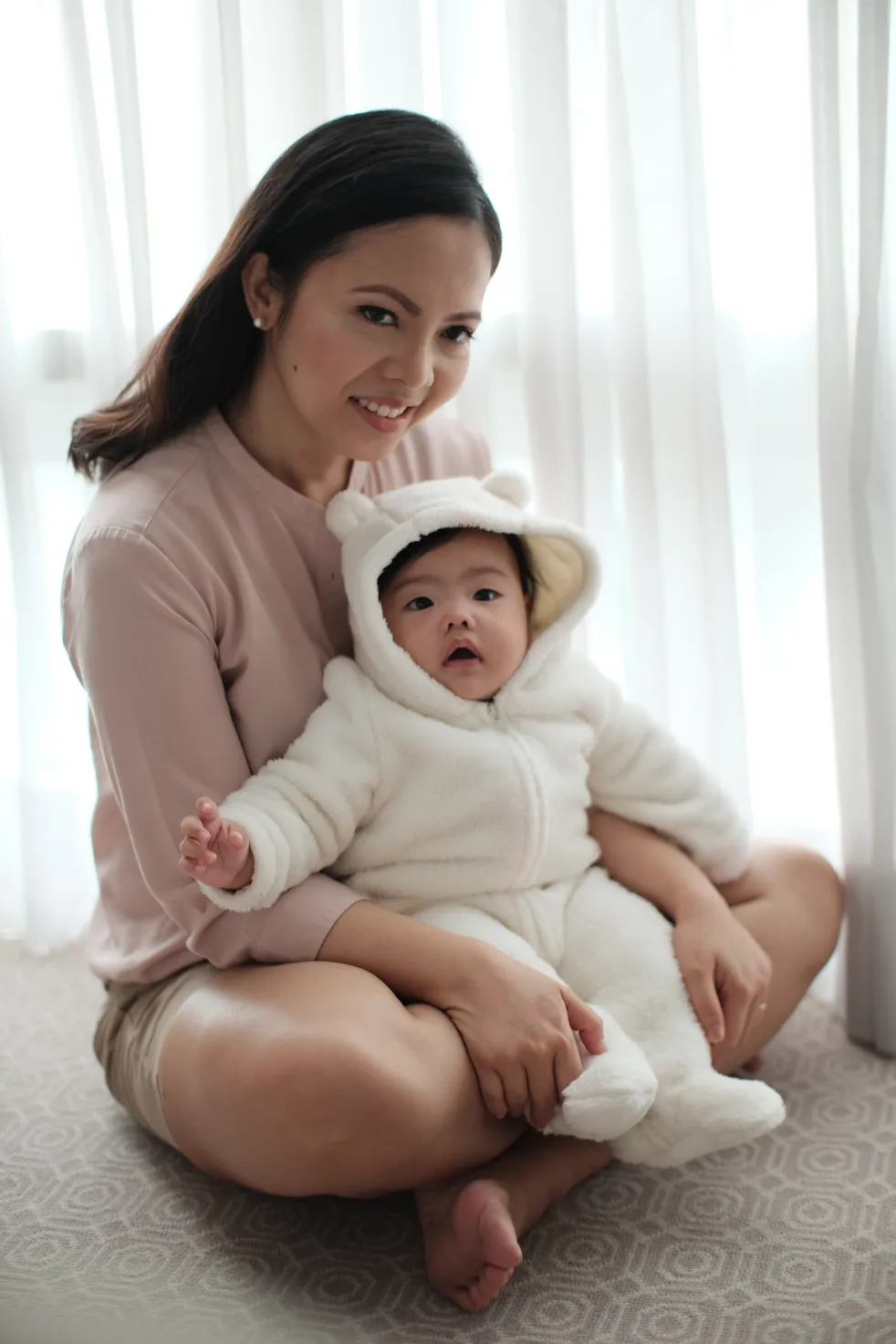
Whether you’re a new mom to be, mom of a toddler, mom who have school-aged kids, you’re bound to have so many questions. Let's start with your baby's skin. Infant skin has unique needs; gentle care is essential to prevent damage to the skin barrier, which can lead to irritation. When caring for infant skin,… Continue reading Keeping Baby’s Diapered Skin Healthy
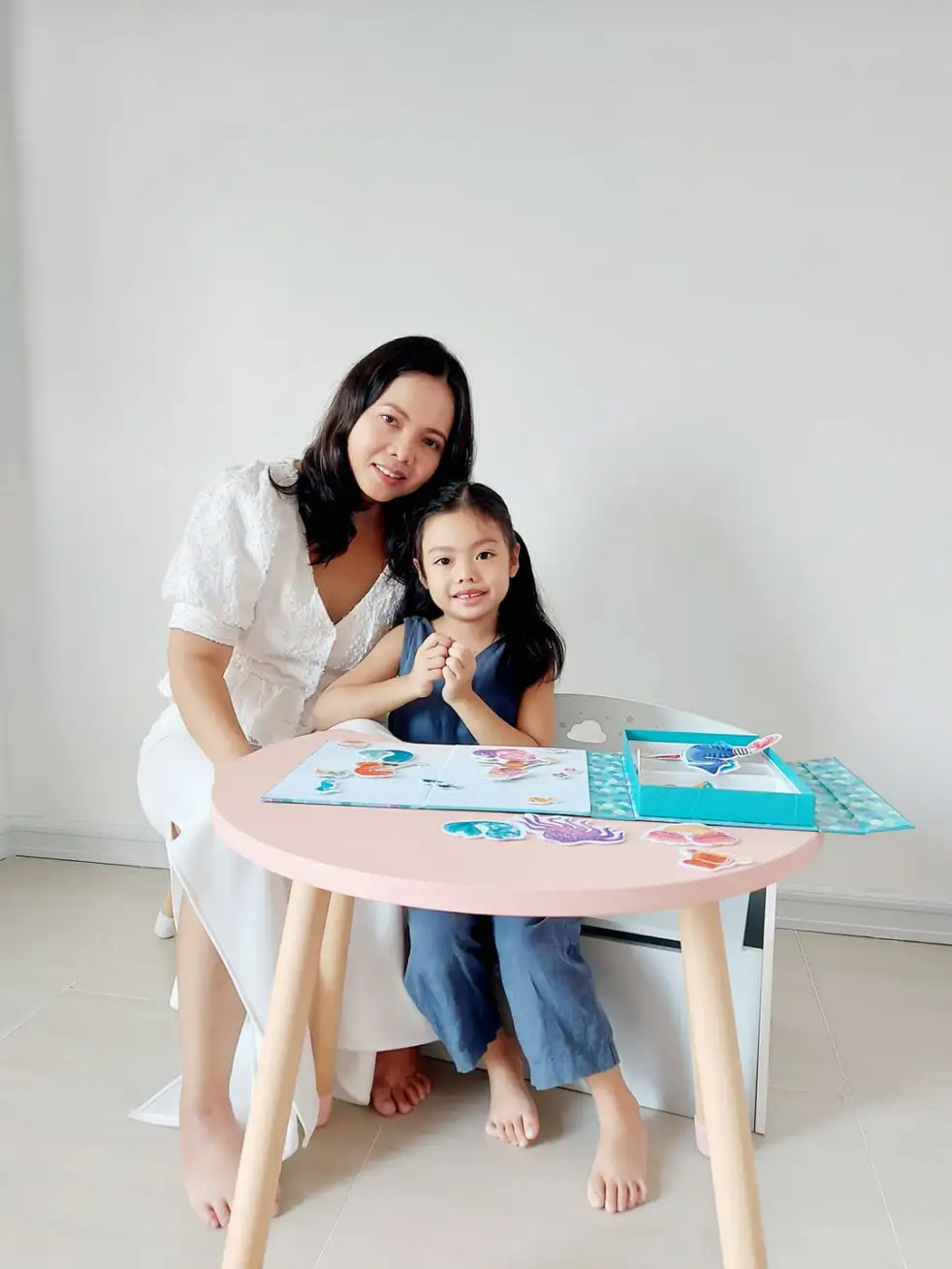
As parents, we want to give our child the best possible start in life and that begins with nurturing their intelligence. Throughout history, the notion of success has been linked to academic intelligence. However, there has been an increased awareness on the importance of emotional intelligence. This question gets at the heart of the never-ending… Continue reading IQ or EQ, which one is a better predictor of your child’s success?
 wondermomma.net