
Last August, IKEA Philippines engaged with Better World Smokey Mountain, a newly opened community center operated by the San Miguel Foundation, which shares a similar goal of improving the lives of many Filipino people. Through this partnership, IKEA Philippines provided and assembled home furnishings for the classrooms and library of Better World Smokey Mountain community… Continue reading Help Create a Better World with IKEA Soft Toys
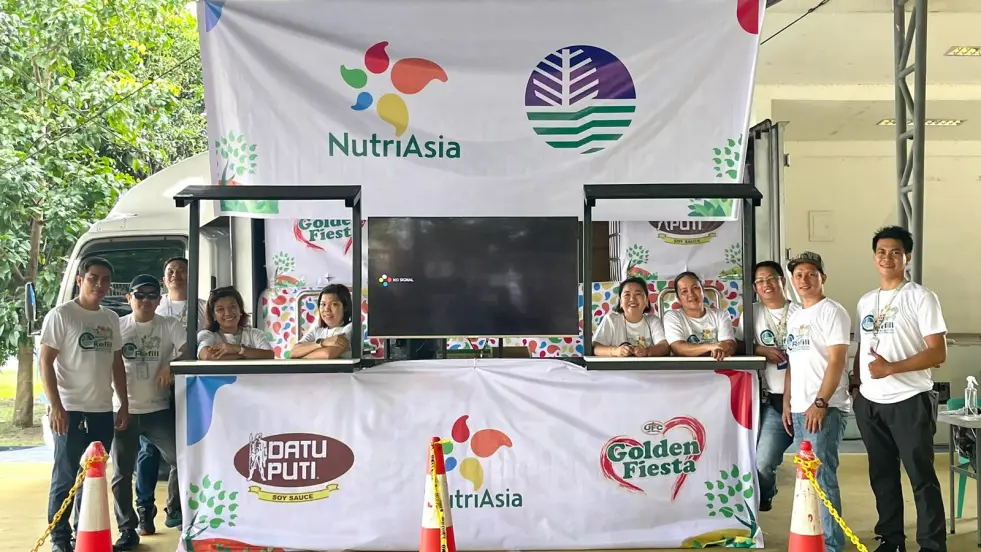
NutriAsia, the country’s top producer of condiments and sauces, continues its support of Refill Revolution; a project by the Department of Environment and Natural Resources EMB 3 that aims to help reduce Filipinos’ single-use plastics consumption. At Refill Revolution, residents get to recycle their single-use plastic bottles by reusing and filling it with their choice… Continue reading NutriAsia and DENR renews partnership for Refill Revolution

Helping a Preschooler Understand Death With Honesty and Care
Explaining death to a preschooler can feel daunting, especially when adults are grieving themselves. Young children need simple, truthful information presented in calm language. They may ask the same question many times, change the subject suddenly, or seem cheerful one moment and upset the next. These reactions are common parts of early childhood grief.
Whether the death involves a grandparent in Melbourne, a family pet in Brisbane, or someone known through a Sydney childcare community, the basic approach remains similar. Use clear words, allow feelings, and give the child dependable routines. A preschooler does not need every adult detail, but they do need enough information to feel safe and understand what has happened.
| Helpful approach | Example wording | Words to avoid |
|---|---|---|
| Use direct language | “Grandad died. His body stopped working, and he cannot come back.” | “He went to sleep.” |
| Explain physical death simply | “He does not breathe, eat, feel pain or need medicine now.” | “She is somewhere far away” without further explanation |
| Answer the question asked | “Yes, people usually die when they are very old or very sick.” | Long explanations about medical details |
| Reassure without making promises | “I am healthy and your grown-ups are here to care for you.” | “No one else will ever die.” |
Begin With Clear, Gentle Words
Say “died” and “dead” rather than using expressions such as “passed away,” “lost,” “gone to sleep” or “went to heaven.” Preschoolers often understand language literally. If a child hears that someone has gone to sleep, they may become frightened of bedtime or worry that a parent will not wake up. “Lost” can also make them wonder whether the person might be found.
A useful explanation is brief: “Auntie died because her heart and lungs stopped working. Her body cannot work again, and we will not see her in the way we used to.” You can add details slowly as questions arise. There is no need to give a complete account of the illness, accident or hospital treatment in one conversation.
Check what your child has understood by listening to their reply rather than giving a quiz. A preschooler might say, “Can she come to kindy tomorrow?” This does not mean they were ignoring you. Their brain is taking time to absorb the information. Repeat the central message patiently and use the same words each time.
Match the Explanation to Their Understanding
Children aged three to five are still developing a sense of time and permanence. They may know that a dead bird cannot fly, but still believe a person could return after a few days. They may also think death happens only to old people, especially if the person who died was a great-grandparent. Explain that all living things eventually die, while reassuring them that most people live for a long time.
If the death followed cancer, dementia or another illness, keep the explanation specific. “Grandma had a very serious sickness called cancer. The doctors tried to help her, but her body stopped working” is clearer than “Grandma was sick.” Make it clear that ordinary childhood illnesses, a scraped knee, missing a nap or being cross did not cause the death.
Preschool children sometimes believe their thoughts or behaviour caused a death. They may remember saying, “I don’t like you,” before a relative died, or feel guilty about not visiting. Say directly, “Nothing you said, thought or did caused this.” If the death was sudden or connected to violence, share only age-appropriate facts and protect the child from graphic news reports and adult conversations.
Make Room for Questions and Feelings
Grief in early childhood can appear as tears, anger, clinginess, tummy aches, disrupted sleep, increased toileting accidents or energetic play. A child may return to favourite toys immediately after hearing bad news. Play helps children process experiences, so a pretend funeral or repeated game about a hospital does not automatically mean something is wrong.
Name emotions without insisting on a particular response: “You look sad that Dad died,” or “It is okay if you feel confused.” Tell the child that adults feel sad too, while showing that grown-ups can continue caring for them. If your own grief becomes overwhelming, arrange support from another trusted adult during meals, bath time and preschool drop-off.
Useful phrases can keep difficult conversations simple:
- “You can ask me about death whenever you want.”
- “It is okay to feel happy, sad, angry or nothing much.”
- “I will tell you the truth in words you can understand.”
- “You did not cause the death.”
A preschooler may ask whether you will die every time you leave the house. Answer the real worry beneath the question: “Everyone dies someday, but I expect to be here for a very long time. I wear my seatbelt, visit the doctor when I need to and have grown-ups who help keep me safe.” Avoid guarantees that cannot be kept, while offering practical reassurance.
Prepare Them for Funerals and Cultural Rituals
Explain what the child is likely to see at a funeral, memorial service, wake or burial. Depending on family customs, there may be flowers, prayers, music, people crying, a coffin, cremation arrangements or a viewing. Use plain language and give the child a choice about attending where possible. They can stay with a familiar adult, leave early, or attend only part of the service.
Australian families follow varied religious, cultural and Aboriginal and Torres Strait Islander traditions. Ask the family or community leader how to describe the ritual respectfully rather than assuming every funeral is the same. A child may hear words such as “spirit,” “Dreaming” or “returning to Country”; these can be explained in a way that honours the family’s beliefs while also clarifying what happens to the body.
Funeral arrangements and death registration are governed by state and territory rules in Australia, so practical details differ between places such as New South Wales, Victoria and Queensland. Burial and cremation must follow local requirements, and a funeral director can explain what children may see. Families do not need to make a preschooler responsible for adult decisions, but they can offer meaningful choices, such as drawing a picture, selecting a flower or helping make a memory box.
Before attending, tell the child that people may behave differently from usual. Someone may cry, hug them, speak quietly or laugh while remembering the person. Pack a familiar snack, water and comfort item, and identify a trusted adult who can take the child outside. This is especially useful when a service is held far from home or during a busy weekend when routines already feel unsettled.
Keep Routines and Watch for Ongoing Distress
Regular meals, sleep times, preschool attendance and outdoor play give children a sense of safety. Australian families may need to explain a change in the weekly rhythm, such as missing swimming lessons, Saturday sport or a visit to a grandparent’s home. Let educators at kindy or preschool know what the child has been told so they can respond consistently and notice changes in behaviour.
Books about grief can help when chosen carefully, but a story should support conversation rather than replace it. Red Nose Australia, the Raising Children Network and Australian state-based health services offer family guidance, while local libraries in Perth, Adelaide and other cities often stock children’s books about loss. Ask a GP or child health professional for advice if grief becomes difficult to manage.
Offer small, predictable ways to remember the person:
- Look at photos and share one short memory.
- Plant a flower or care for a special pot plant.
- Keep drawings, cards or a familiar recipe in a memory box.
- Mark a birthday or anniversary with a quiet family ritual.
Seek professional support if distress is intense, lasts for many weeks without easing, or seriously affects sleep, eating, play, toileting or preschool attendance. Extra help is also appropriate after a traumatic death, when a child repeatedly believes they will die, or when a caregiver cannot provide usual comfort because of their own grief. In Australia, a GP, child psychologist, community health service or the child’s early learning centre can help connect the family with suitable care.
A truthful explanation will not remove the pain of loss, but it gives a preschooler a secure foundation for understanding it. Calm repetition, affectionate reassurance and space for questions help children learn that death is real, feelings can be shared, and caring adults will continue to support them.

Mercato Centrale, in collaboration with Indian Women in Enterprise Philippines (I-We), is set to host "The Great Indian Fiesta" to mark 75 years of friendship between India and the Philippines. The dynamic two-day event is scheduled to take place on September 30 to October 1, 2023, at Paseo De Roxas Street, Makati City. Aiming to… Continue reading Mercato Centrale Partners with I-We to Host ‘The Great Indian Fiesta’, Commemorating 75 Years of India-Philippines Friendship

My stomach would usually start growling at 10 am even after taking a big breakfast. This is probably because I am a morning person and I move a lot throughout the day hence snacking is something that I can't avoid. This potatoes and chicken wrap recipe is easy to prepare and would keep me full… Continue reading Potato and Chicken Wrap
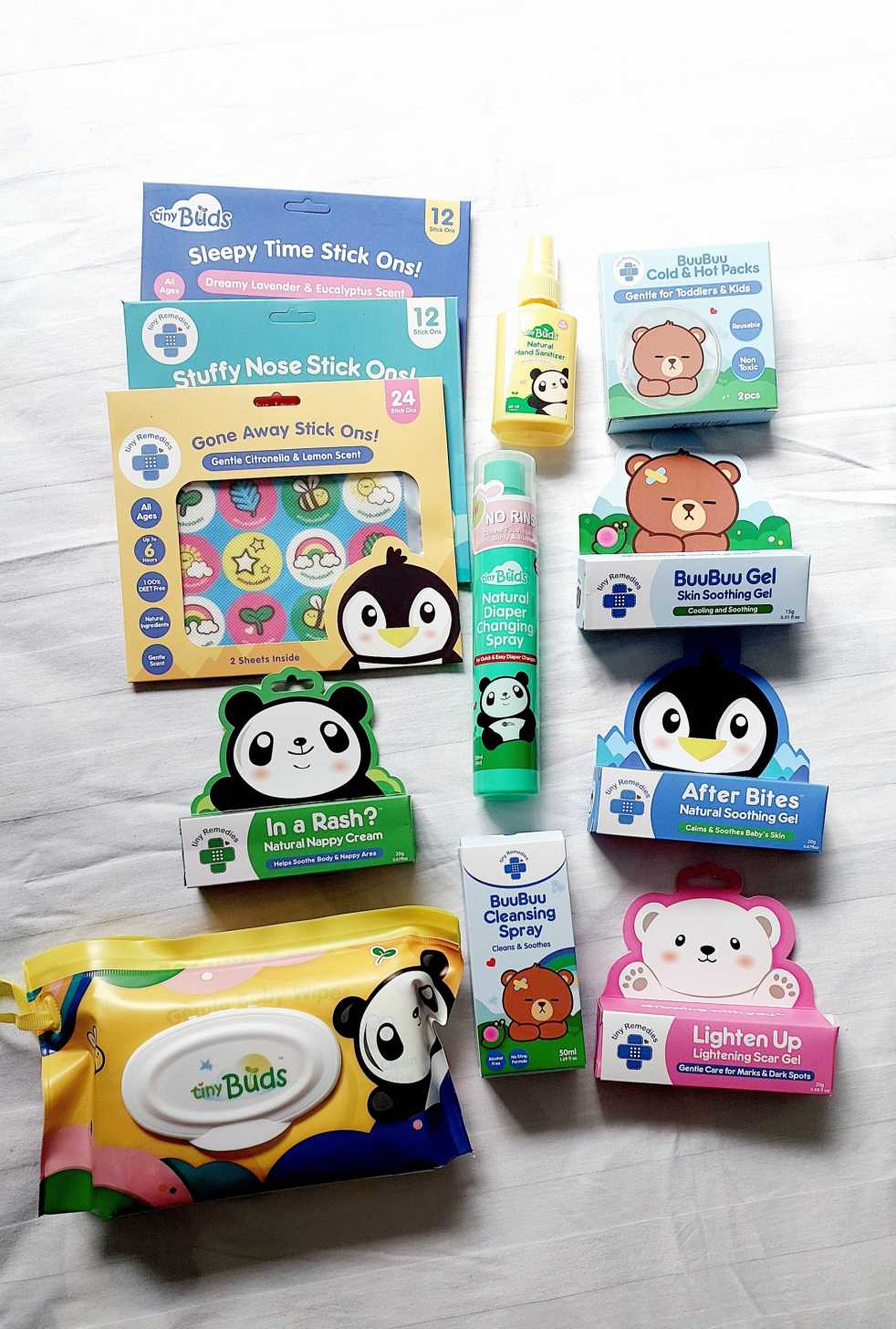
Your baby’s skin is more delicate than most, this is why you have to choose products that are designed for sensitive skin. Tiny Buds is a pioneer in integrating natural ingredients into baby care and today has over 50 innovative natural baby care essentials and is one of the Top Baby Personal Care brands. Here… Continue reading Product Review: Tiny Buds Baby Naturals Baby Essentials
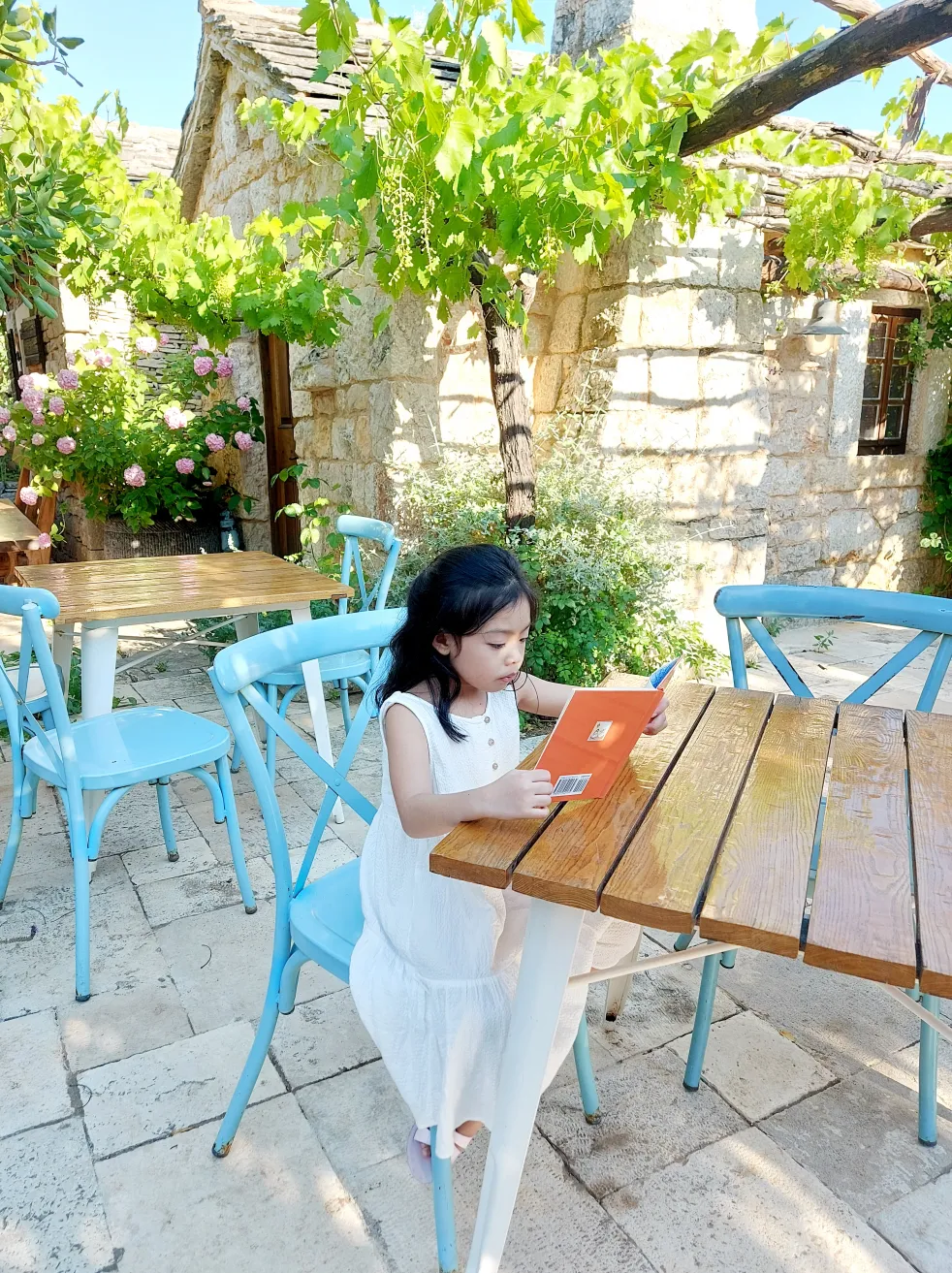
Where your child goes to school is a big decision and shouldn’t be taken lightly. Given how their education can impact their future, you might be tempted to take control and decide for them. However, you might be doing more damage than helping them in the long run. Your job as parents is to support… Continue reading HOW TO CHOOSE THE BEST SCHOOL FOR YOUR CHILD
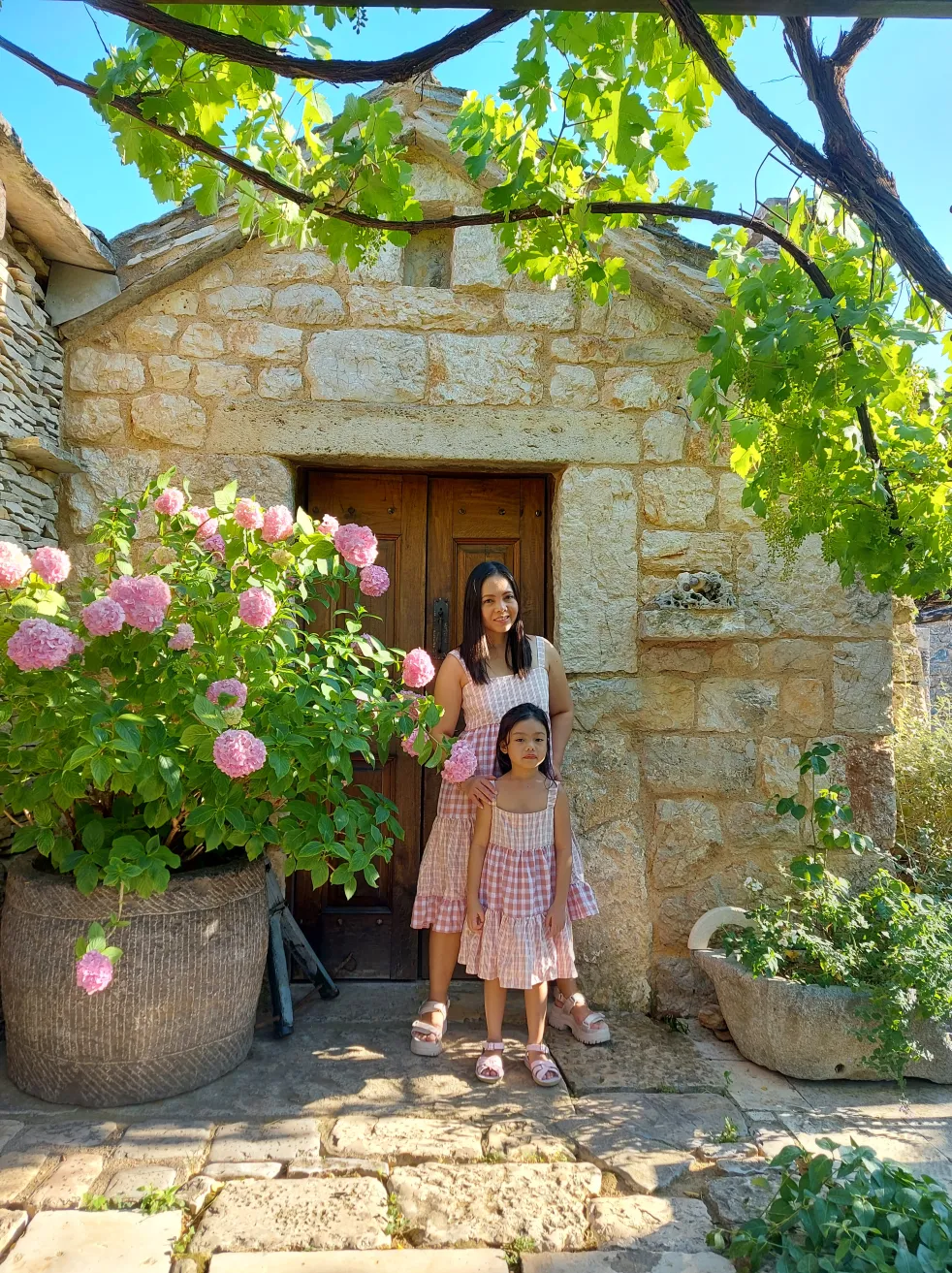
As poet and philosopher Rumi once eloquently said, “raise your words, not your voice. It is rain that grows flowers, not thunder.” Parenting is a challenging journey, and the truth is that nobody has everything figured out. One parenting style might suit others best, and some might favor other methods. However, children respond better to… Continue reading A SIMPLE GUIDE TO GENTLE PARENTING
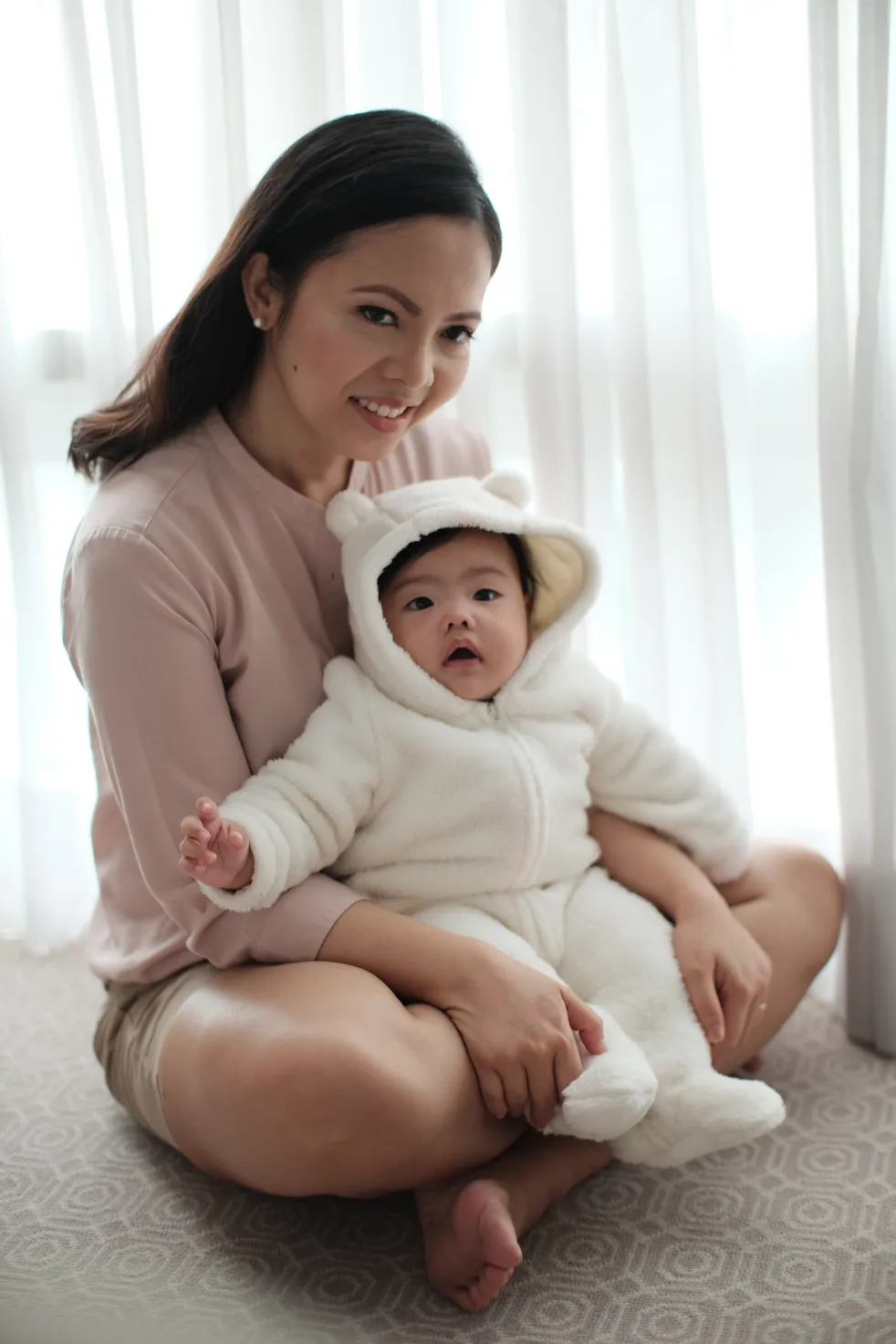
Whether you’re a new mom to be, mom of a toddler, mom who have school-aged kids, you’re bound to have so many questions. Let's start with your baby's skin. Infant skin has unique needs; gentle care is essential to prevent damage to the skin barrier, which can lead to irritation. When caring for infant skin,… Continue reading Keeping Baby’s Diapered Skin Healthy
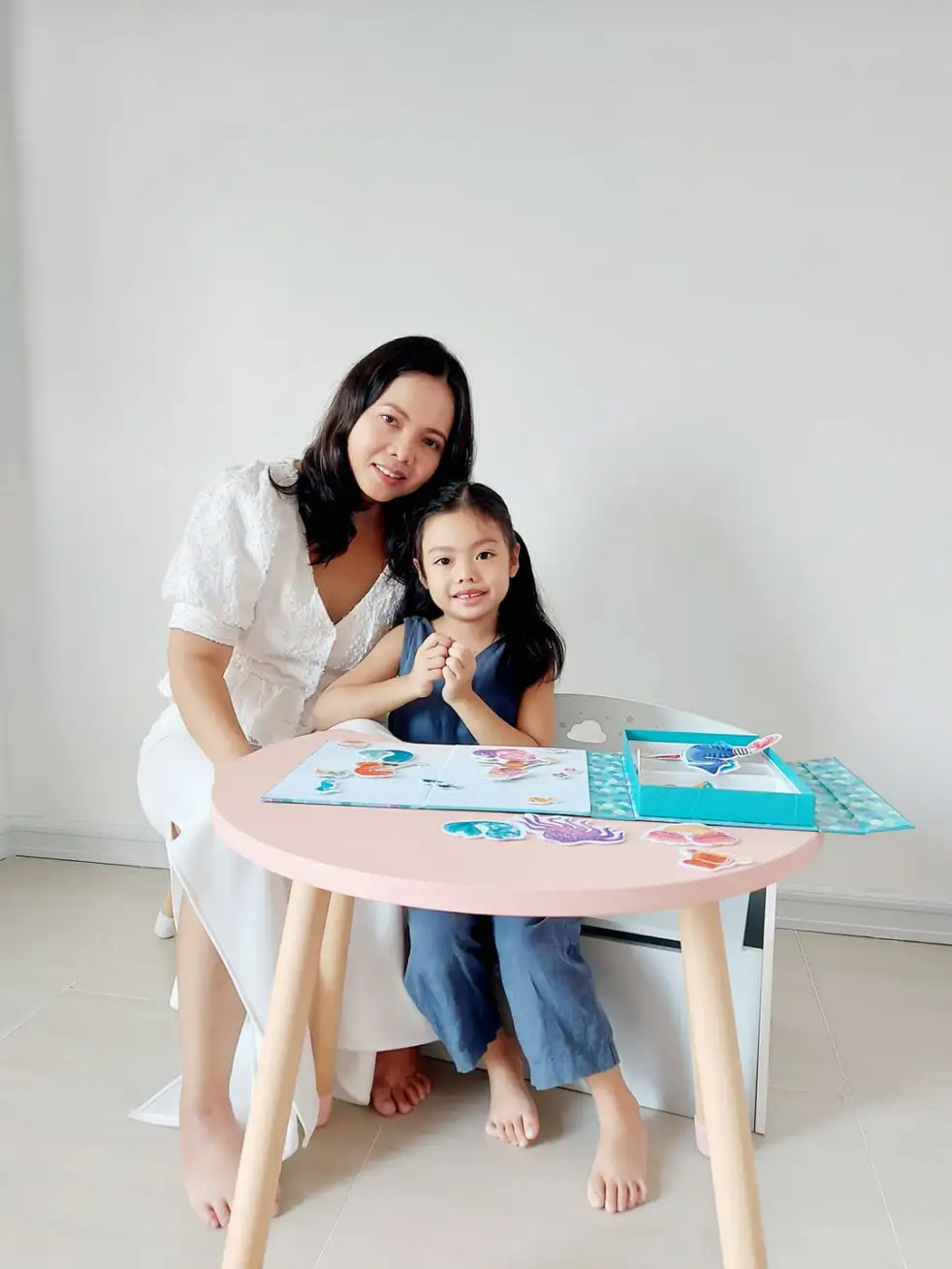
As parents, we want to give our child the best possible start in life and that begins with nurturing their intelligence. Throughout history, the notion of success has been linked to academic intelligence. However, there has been an increased awareness on the importance of emotional intelligence. This question gets at the heart of the never-ending… Continue reading IQ or EQ, which one is a better predictor of your child’s success?
 wondermomma.net