

Last August, IKEA Philippines engaged with Better World Smokey Mountain, a newly opened community center operated by the San Miguel Foundation, which shares a similar goal of improving the lives of many Filipino people. Through this partnership, IKEA Philippines provided and assembled home furnishings for the classrooms and library of Better World Smokey Mountain community… Continue reading Help Create a Better World with IKEA Soft Toys
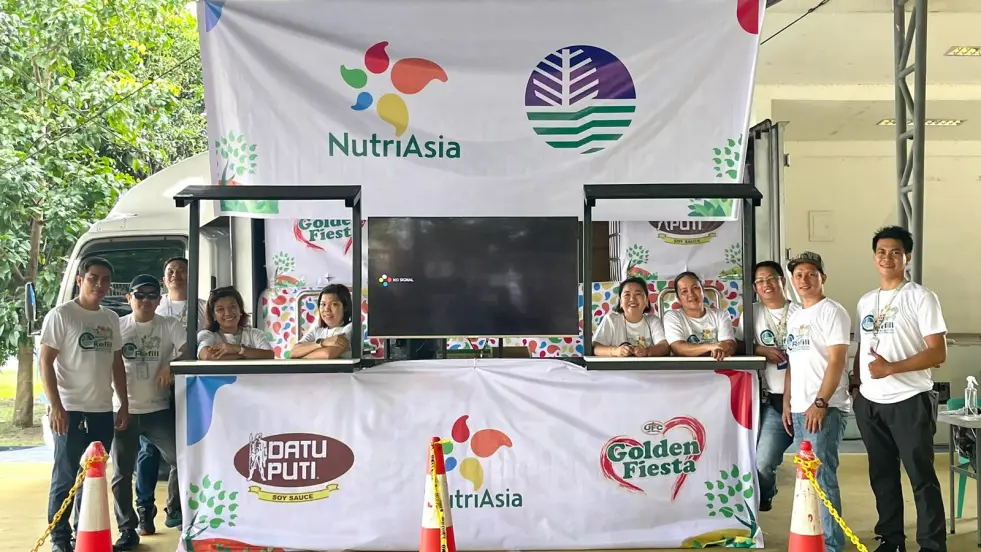
NutriAsia, the country’s top producer of condiments and sauces, continues its support of Refill Revolution; a project by the Department of Environment and Natural Resources EMB 3 that aims to help reduce Filipinos’ single-use plastics consumption. At Refill Revolution, residents get to recycle their single-use plastic bottles by reusing and filling it with their choice… Continue reading NutriAsia and DENR renews partnership for Refill Revolution

your child embrace new fruits and vegetables
Parents often find themselves cooking the same rotation of meals week after week, watching their little ones turn up their noses at anything unfamiliar on the plate. Picky eating is one of the most common concerns raised in parenting circles across Australia, and the pressure to ensure kids eat a balanced diet can feel relentless. Many toddlers go through phases where they reject entire food groups, leaving caregivers wondering whether to push, coax, or simply wait it out.
Research into childhood eating habits suggests that repeated, low-pressure exposure to new foods is one of the most reliable ways to broaden a child's palate. The trick lies in making those first encounters feel safe, playful, and free from anxiety. Children often need between ten and fifteen positive experiences with a food before they accept it, which means patience is just as important as strategy.
Australian families are spoiled for choice when it comes to fresh produce. From the stone fruit orchards of Stanthorpe in Queensland to the berry farms of Tasmania and the mango groves around Katherine in the Northern Territory, the country produces an astonishing variety of fruit and vegetables throughout the year. Taking advantage of this abundance can transform the way children think about food, especially when they understand where each ingredient comes from.
The journey towards a more adventurous eater is rarely a straight line, and small wins often matter more than dramatic breakthroughs. A single bite of roasted pumpkin or a curious lick of a blood orange can mark the beginning of a much wider food journey. The following sections explore practical, family-friendly ways to gently expand your child's range of fresh foods.
Modelling curiosity at family meals
Children are natural observers, and the way caregivers approach food shapes their attitudes long before they sit down to dinner. Sitting together at the table, sharing the same dishes, and visibly enjoying a wide range of ingredients sends a powerful signal that variety is the norm rather than the exception. Family meals also create a relaxed environment where conversation can flow, taking attention away from how much is being eaten.
Australian households have many opportunities to weave fresh produce into everyday cooking. A weekend brekkie of sliced mangoes in summer, a hearty soup packed with sweet potato and leek during the cooler months, or a colourful salad tossed with avocado and feta can introduce new flavours without any fanfare. The goal is not to lecture about nutrition but simply to make these foods a regular, enjoyable part of family life.
When adults describe what they are eating using warm, sensory language, children often become curious. Phrases like "these carrots are really sweet and crunchy today" or "I love how juicy this peach is" invite a child to investigate rather than refuse. Over time, this kind of relaxed commentary helps build a positive emotional association with healthy foods, which is far more effective than insisting on clean plates.
Making produce visual and playful
A bright, visually interesting plate can do wonders for a reluctant eater. Children are drawn to colour, shape, and contrast, and using these elements strategically can turn a simple snack into an invitation. Slicing fruit into stars with a small cutter, arranging vegetables into rainbow patterns, or building a friendly face on a plate of steamed broccoli can spark genuine enthusiasm.
Australia's warm climate supports an incredible range of colourful produce that lends itself to playful presentation. Mango cheeks can be scored into little hedgehogs, watermelon slices cut into hearts for a sunny arvo treat, and baby cucumbers turned into little boats carrying hummus or tzatziki. These small creative touches cost almost nothing but make mealtimes feel special and worth talking about.
Beyond the plate, get children involved in choosing produce at the supermarket or greengrocer. Letting them pick out a vibrant dragon fruit at the market or select the reddest capsicum from the shelf gives them a sense of ownership. When kids feel personally invested in a food, they are far more willing to give it a taste, even if they have refused it in the past.
Growing something edible at home
Few experiences match the thrill of pulling a carrot out of the dirt or plucking a cherry tomato straight from the vine. Even a small balcony, a sunny windowsill, or a modest backyard can host herbs, cherry tomatoes, lettuce, strawberries, or climbing peas. The act of nurturing a plant from seedling to harvest teaches children that food does not simply appear wrapped in plastic at the supermarket.
Many Australian suburbs now host community gardens where families can rent a small plot or join a working bee. Initiatives in cities like Sydney, Melbourne, and Brisbane make it easy to find a local group, and the social aspect adds another layer of motivation for children. Watching neighbours swap seedlings and share harvest tips creates a broader food culture that extends well beyond the home.
Gardening also introduces children to the rhythm of the seasons. They learn that pumpkins arrive in autumn, that strawberries peak in early summer, and that citrus trees burst into fruit during the winter months. This natural calendar helps them connect the food on their plate with the wider environment, which deepens their willingness to try what the garden offers.
Visiting farmers markets and pick-your-own farms
Farmers markets across Australia have become weekend rituals for many families. The Queen Victoria Market in Melbourne, the Adelaide Showground Farmers' Market, and the Eveleigh Farmers' Market in Sydney offer an abundance of seasonal fruit and vegetables that often taste completely different from supermarket varieties. Sampling a slice of ripe persimmon or smelling the perfume of freshly picked basil can be a turning point for an unsure eater.
Pick-your-own farms scattered through regional areas invite families to spend a day outdoors harvesting their own produce. Farms around Bacchus Marsh outside Melbourne, the Huon Valley in Tasmania, and the Granite Belt in Queensland welcome visitors during strawberry, cherry, and apple seasons. Children who might refuse a strawberry at the breakfast table often cannot resist popping one straight into their mouth while standing in the paddock.
Even a quick visit to the local greengrocer or a weekend market stall introduces children to produce they may never encounter at Coles or Woolworths. Exotic items like rambutan, finger lime, or purple carrots become far less intimidating once a child has held them, asked questions, and chosen one to take home. These small adventures gradually build a wider, more confident palate.
Using gentle language and avoiding pressure
How adults speak about food matters enormously. Pressuring a child to eat, bribing them with dessert, or hiding vegetables in other dishes can backfire by creating suspicion around mealtimes. Gentle parenting approaches emphasise offering choices, respecting hunger cues, and trusting that children will eat when they are ready and what their bodies need.
| Approach | How it sounds at the table | Likely outcome |
|---|---|---|
| Pressure tactics | "Eat your peas or no dessert tonight." | Anxiety, resistance, negative associations with vegetables |
| Bribery | "If you finish that broccoli, you can have ice cream." | Treats become more desirable, vegetables become obstacles |
| Hiding ingredients | Blending spinach into a smoothie without telling the child | Short-term success but eroded trust when discovered |
| Gentle encouragement | "These snap peas are really crunchy, would you like to try one?" | Curiosity, gradual acceptance, lasting willingness to explore |
| Repeated neutral exposure | Serving small portions alongside familiar foods without comment | Familiarity builds acceptance over multiple offerings |
Phrases such as "you don't have to eat it, but you can if you'd like to" communicate respect while still keeping new foods visible and accessible. Offering two or three options at a meal gives children a sense of agency without overwhelming them. Parents who maintain this calm, low-stress approach often notice their children becoming more adventurous on their own timeline.
Cooking together as a family adventure
The kitchen is one of the best classrooms for curious eaters. When children help wash lettuce, tear herbs, stir a pot of soup, or assemble their own wraps, they develop a relationship with ingredients that pure instruction can never achieve. Cooking together turns eating into a creative activity rather than a chore, and the pride of tasting something they have made themselves is a powerful motivator.
Australian recipes lend themselves beautifully to family participation. A weekend batch of zucchini and corn fritters, a tray of roasted root vegetables with rosemary, or a colourful fruit salad with mango, kiwi, and berries offers plenty of small jobs for little hands. Even measuring flour or cracking eggs builds confidence and familiarity with the textures and smells of whole foods.
Inviting children to choose a recipe each week, write a shopping list, and help select items at the market creates a sense of shared ownership over family meals. The conversation that happens while cooking often includes discussions about where ingredients come from, how they grow, and why certain foods are good for growing bodies. These everyday moments lay the groundwork for a lifelong, positive relationship with fresh, whole foods. For more practical ideas and gentle parenting strategies, WonderMomma's family meals guide offers additional inspiration tailored to busy households across the country.

Mercato Centrale, in collaboration with Indian Women in Enterprise Philippines (I-We), is set to host "The Great Indian Fiesta" to mark 75 years of friendship between India and the Philippines. The dynamic two-day event is scheduled to take place on September 30 to October 1, 2023, at Paseo De Roxas Street, Makati City. Aiming to… Continue reading Mercato Centrale Partners with I-We to Host ‘The Great Indian Fiesta’, Commemorating 75 Years of India-Philippines Friendship

My stomach would usually start growling at 10 am even after taking a big breakfast. This is probably because I am a morning person and I move a lot throughout the day hence snacking is something that I can't avoid. This potatoes and chicken wrap recipe is easy to prepare and would keep me full… Continue reading Potato and Chicken Wrap
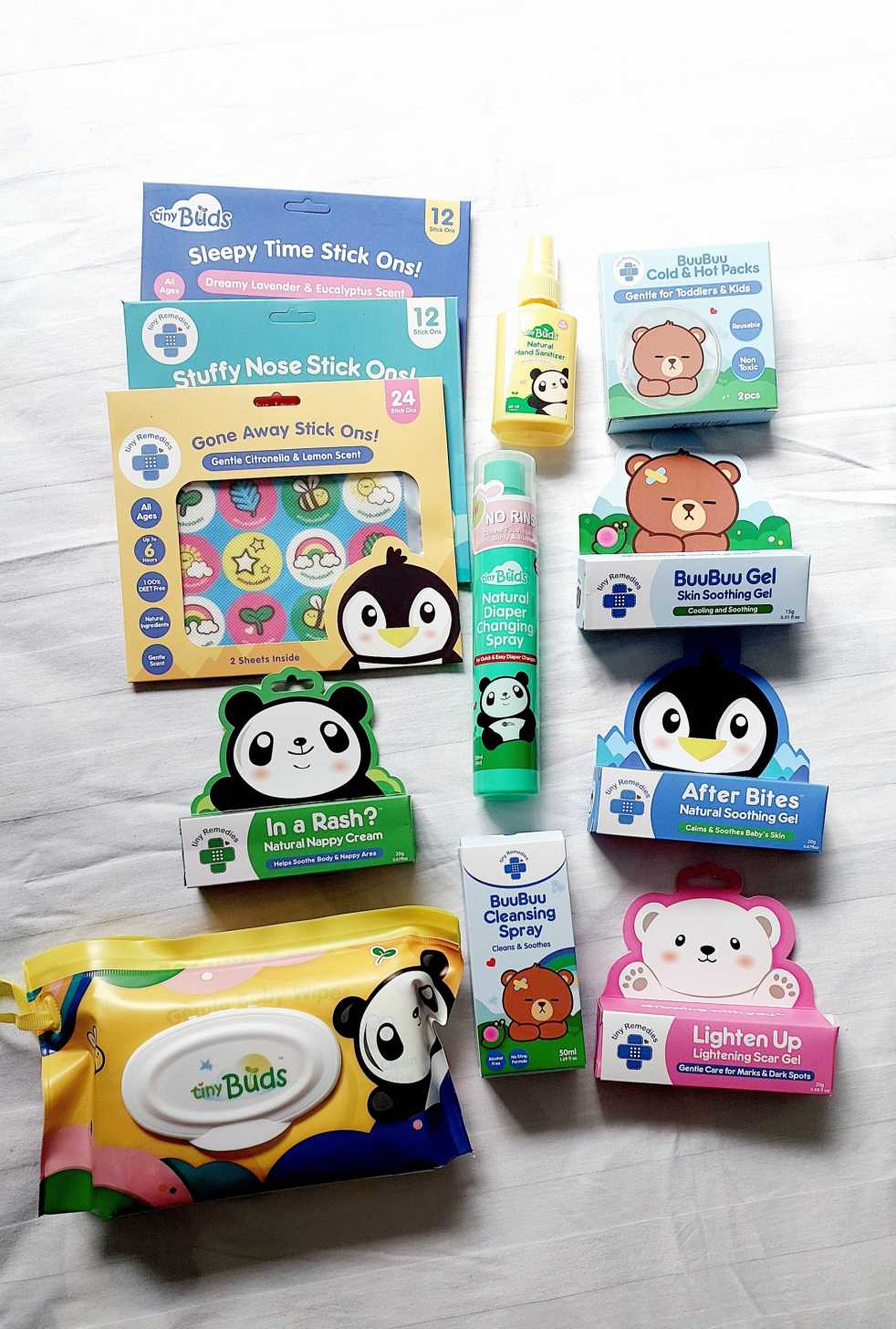
Your baby’s skin is more delicate than most, this is why you have to choose products that are designed for sensitive skin. Tiny Buds is a pioneer in integrating natural ingredients into baby care and today has over 50 innovative natural baby care essentials and is one of the Top Baby Personal Care brands. Here… Continue reading Product Review: Tiny Buds Baby Naturals Baby Essentials
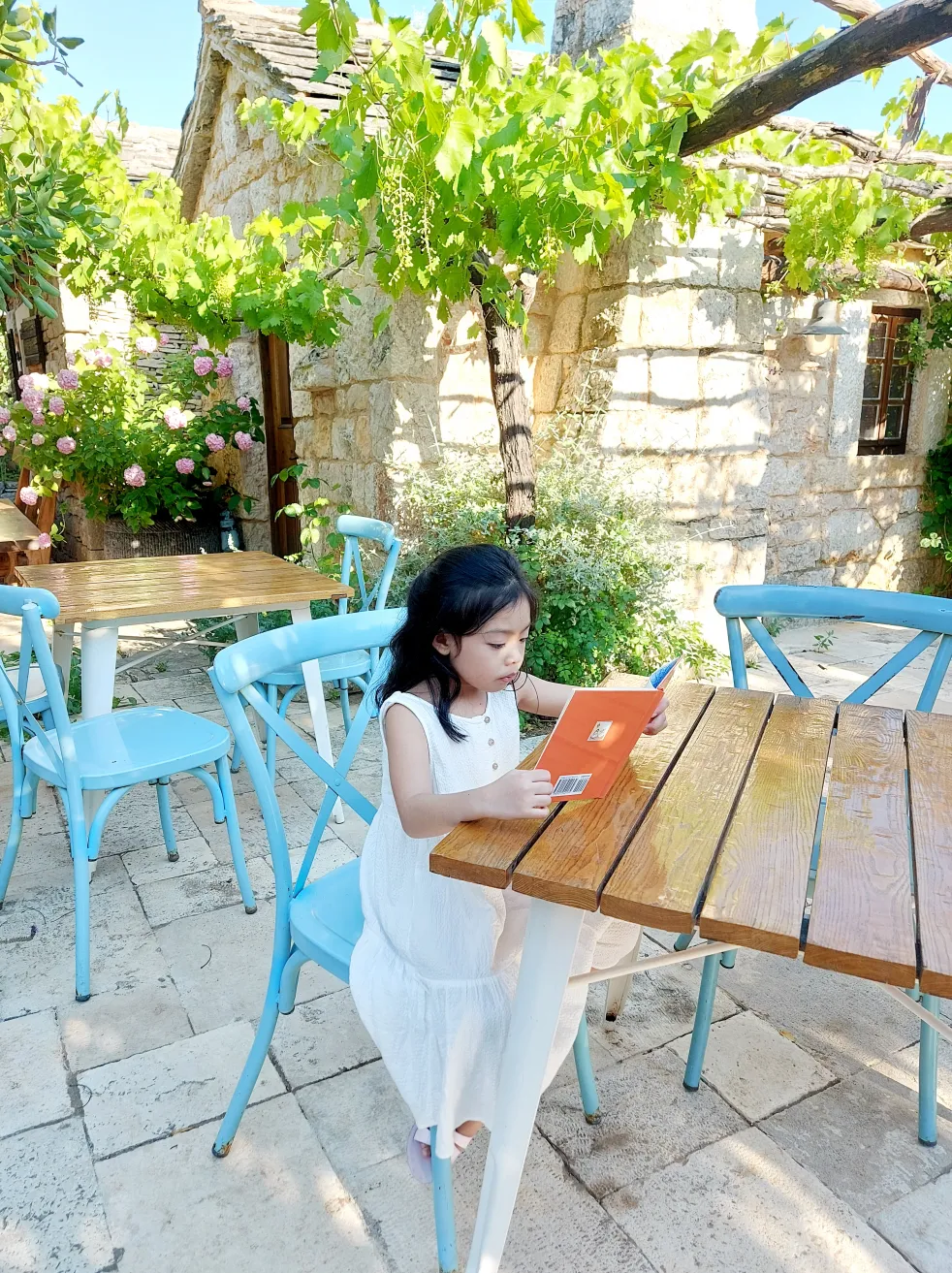
Where your child goes to school is a big decision and shouldn’t be taken lightly. Given how their education can impact their future, you might be tempted to take control and decide for them. However, you might be doing more damage than helping them in the long run. Your job as parents is to support… Continue reading HOW TO CHOOSE THE BEST SCHOOL FOR YOUR CHILD
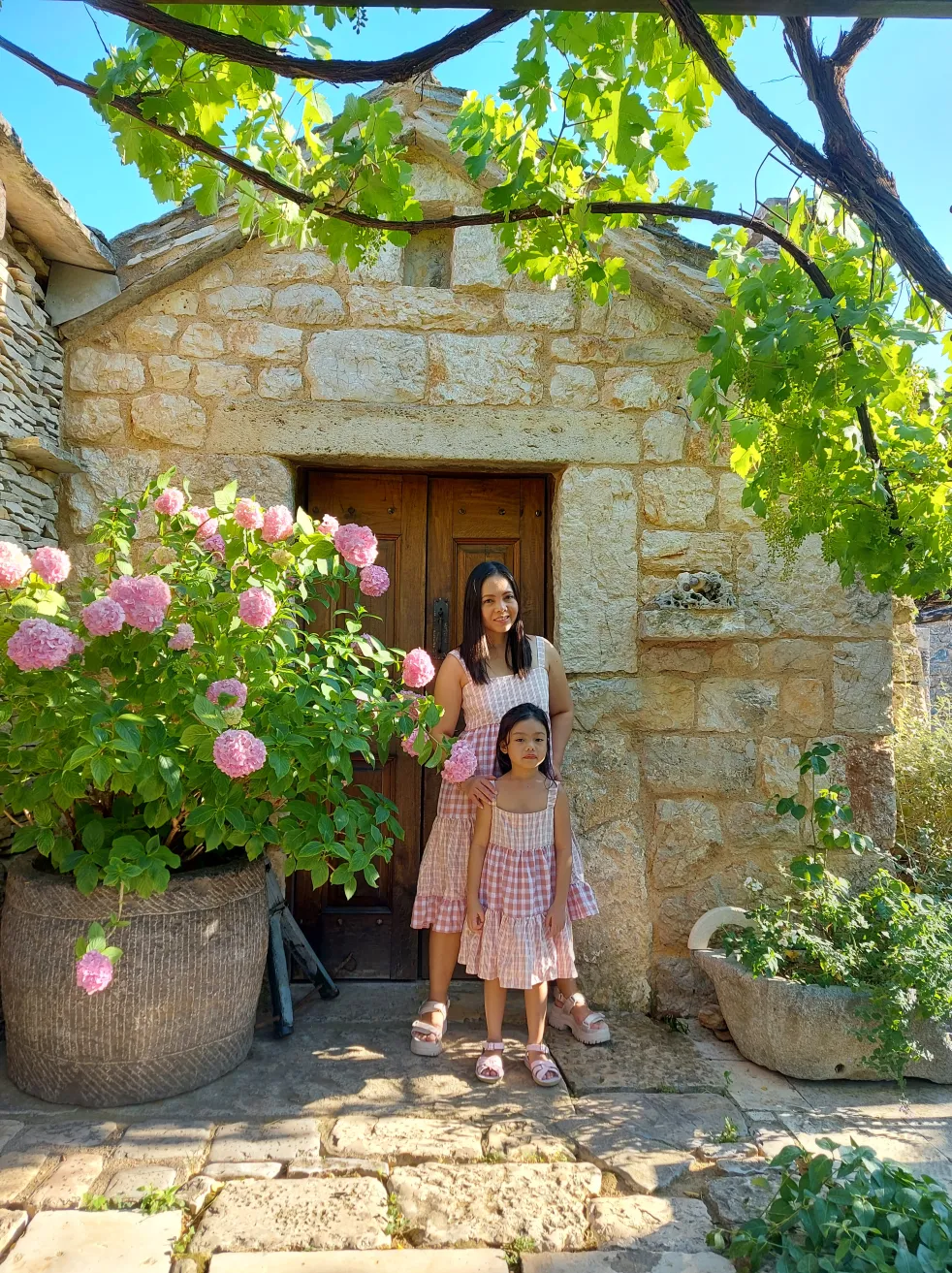
As poet and philosopher Rumi once eloquently said, “raise your words, not your voice. It is rain that grows flowers, not thunder.” Parenting is a challenging journey, and the truth is that nobody has everything figured out. One parenting style might suit others best, and some might favor other methods. However, children respond better to… Continue reading A SIMPLE GUIDE TO GENTLE PARENTING

Whether you’re a new mom to be, mom of a toddler, mom who have school-aged kids, you’re bound to have so many questions. Let's start with your baby's skin. Infant skin has unique needs; gentle care is essential to prevent damage to the skin barrier, which can lead to irritation. When caring for infant skin,… Continue reading Keeping Baby’s Diapered Skin Healthy
As parents, we want to give our child the best possible start in life and that begins with nurturing their intelligence. Throughout history, the notion of success has been linked to academic intelligence. However, there has been an increased awareness on the importance of emotional intelligence. This question gets at the heart of the never-ending… Continue reading IQ or EQ, which one is a better predictor of your child’s success?
 wondermomma.net