
Last August, IKEA Philippines engaged with Better World Smokey Mountain, a newly opened community center operated by the San Miguel Foundation, which shares a similar goal of improving the lives of many Filipino people. Through this partnership, IKEA Philippines provided and assembled home furnishings for the classrooms and library of Better World Smokey Mountain community… Continue reading Help Create a Better World with IKEA Soft Toys
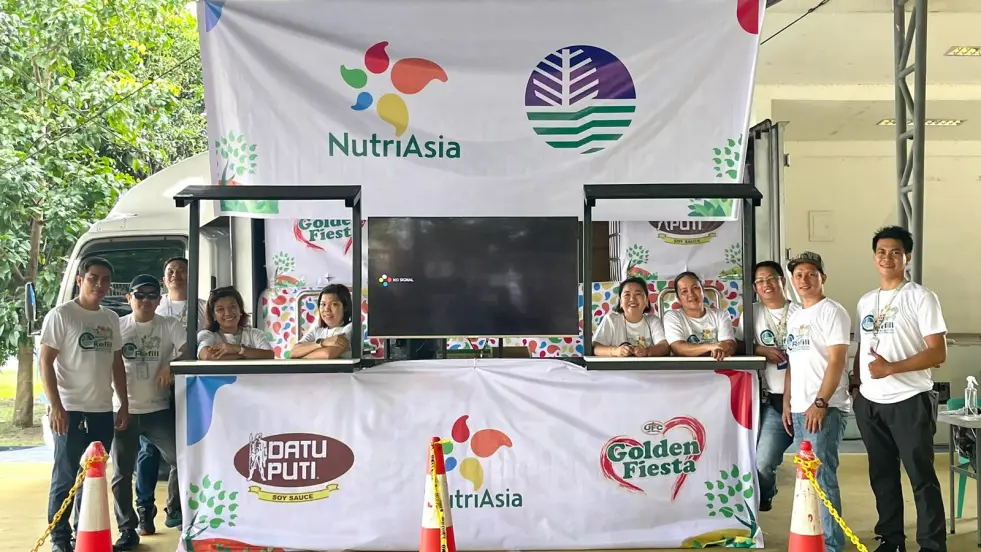
NutriAsia, the country’s top producer of condiments and sauces, continues its support of Refill Revolution; a project by the Department of Environment and Natural Resources EMB 3 that aims to help reduce Filipinos’ single-use plastics consumption. At Refill Revolution, residents get to recycle their single-use plastic bottles by reusing and filling it with their choice… Continue reading NutriAsia and DENR renews partnership for Refill Revolution

Helping young children understand COVID-19 and current events
Young children notice far more than adults sometimes realise. They hear a news bulletin in the background, see someone wearing a mask at the shops, or sense that a parent feels worried. Even when nobody explains what is happening, children may create their own story, and that story can be more frightening than the facts.
Talking about COVID-19, natural disasters, elections, conflict, or other difficult news helps children feel safe and included. The aim is not to provide every detail. It is to offer truthful information in language they can understand, answer the question they actually asked, and remind them which caring adults are making decisions.
Families in Australia may have different experiences of the pandemic and current events. A child in Melbourne may remember lockdowns differently from a child in Brisbane or Perth, while families in Sydney may associate COVID-19 with public transport, closed playgrounds, or changes to school routines. Calm, age-appropriate conversations can help children make sense of those memories.
Start with what your child already knows
Choose a quiet moment when you are not rushing through school drop-off or preparing dinner. Begin by finding out what your child has heard: “What did you notice?” or “What have people been talking about?” This prevents you from giving a long explanation about something they may already understand.
Listen for the feeling beneath the words. “Will we have to stay home?” may really mean, “Will I be safe?” or “Will you still be here?” Acknowledge that emotion before correcting a misunderstanding. You might say, “It makes sense to feel unsure when plans change. The adults around you are working out what to do.”
Keep the first explanation brief. COVID-19 is a virus that can make some people sick, and it can spread between people. Many people recover with care, while older people and those with certain health conditions may need extra protection. Avoid suggesting that illness is someone’s fault or linking a virus to a nationality, suburb, or particular group.
Match the conversation to their age
Preschoolers usually need simple, concrete information and repeated reassurance. Explain that germs can move from person to person and that handwashing, covering coughs, fresh air, and staying home when unwell help protect everyone. A toy doctor’s kit or a drawing of washing hands can make the idea easier to grasp.
Primary school children can understand more about symptoms, testing, public health advice, and why routines sometimes change. Explain that scientists and doctors study illnesses and that health recommendations can be updated when new information becomes available. Avoid promising that nothing worrying will ever happen; instead, focus on the adults and services that help keep communities safe.
Older children may encounter graphic videos, arguments, and unreliable claims online. Discuss how headlines are designed to attract attention and how a short clip may leave out important context. Encourage them to check information with a trusted adult and a reliable source such as Healthdirect, the Australian Government Department of Health and Aged Care, or a reputable news service.
A child does not need a detailed account of hospital numbers, death rates, or political disagreements. Share enough to answer their concern, then return to familiar parts of daily life. Meals, bedtime, school, play, and connection with relatives provide a reassuring framework when the wider world feels unpredictable.
Explain safety without creating fear
Give children practical actions they can manage. Washing hands before eating, opening windows when appropriate, coughing into an elbow, and staying home when sick are useful habits for many respiratory infections. Present these as ways to care for ourselves and other people, rather than as rituals that must be performed perfectly.
Australian guidance can vary between states and territories, and public health directions may change as circumstances develop. A simple explanation is enough: “The health department gives advice, and schools, childcare services, and workplaces use that advice to make plans.” If your child asks about masks, explain that some people wear them to protect themselves or others, and that families may receive advice from a doctor or health authority.
Do not place responsibility for public safety on a child. They can wash their hands, tell an adult if they feel unwell, and follow reasonable household routines. They cannot control whether another person becomes sick. This distinction is especially important for children who are anxious, highly conscientious, or worried about a grandparent.
Use accurate reassurance rather than absolute promises. “Most children who catch COVID-19 have mild illness, but every person is different” is more helpful than “You will definitely be fine.” If someone in the family has a medical condition, give a clear plan for what will happen and identify the adults who will provide care.
| Child’s concern | Helpful response | Avoid |
|---|---|---|
| “Can I catch it?” | “Viruses can spread, so we use healthy habits and stay home when we are sick.” | “You won’t catch it.” |
| “Will school close?” | “We will follow advice from the school and health authorities and tell you what changes.” | Speculating about every possible outcome |
| “Is Grandma going to die?” | “She may need extra care, and the adults and doctors are helping protect her.” | Graphic details or false certainty |
| “Why is that person wearing a mask?” | “A mask can help protect the wearer or other people.” | Suggesting the person is dangerous |
| “I saw a scary video.” | “Videos can be edited or shared without the full story. Let’s check the information together.” | Dismissing the child’s fear |
Make room for news about other events
Current events do not need to enter the home through continuous television coverage. Children can be affected by bushfires, floods, extreme weather, violence, political conflict, and community tragedies even when the event is far away. Choose a trusted source, view it with your child when suitable, and switch off repeated coverage of distressing images.
For a younger child, describe what is happening and what adults are doing to help: “There has been flooding in part of Queensland. Emergency workers are helping people move to safe places.” With older children, explain that different reports may emphasise different facts, and that early information can change. Avoid graphic footage and do not use adult conversations as background noise.
Australia’s geography can make news feel personal. A family in northern New South Wales may prepare for flooding, while one in Adelaide may pay attention to heat and bushfire warnings. Children benefit from learning the difference between a local risk and a national headline. A map, a weather alert, or a conversation with a teacher can provide context without increasing alarm.
Include stories of response and recovery, not just danger. Talk about firefighters, volunteers, neighbours, health workers, school communities, and relief organisations. If your family donates goods or money, explain the purpose clearly and choose an age-appropriate action, such as helping pack a care box or drawing a supportive card.
Protect routines, connection, and emotional wellbeing
After a difficult conversation, return to an ordinary activity. Read a book, walk to the local park, cook dinner, or help prepare school bags. Everyday habits are especially valuable when families are dealing with changing work arrangements, online learning, cancelled activities, or reduced contact with relatives.
Use play and drawing as forms of communication. A child may act out a hospital scene with toys or repeatedly ask the same question. Repetition can be a way of checking that the answer remains steady. Respond patiently, while gently setting limits around frightening games or constant news watching.
Pay attention to changes that persist, including sleep problems, stomach aches, clinginess, irritability, withdrawal, or difficulty concentrating. These signs do not automatically indicate a serious problem, but they suggest that a child may need extra support. Speak with a GP, school counsellor, teacher, or child health professional if worries interfere with everyday life.
Digital boundaries matter as well. Keep adult news discussions away from very young children where possible, turn off autoplay, and review privacy settings on family devices. Under Australia’s Privacy Act, health information is treated as sensitive information for organisations covered by the Australian Privacy Principles, so avoid sharing a child’s diagnosis, test result, or photograph online without considering consent and future consequences.
A calm adult presence remains one of the strongest sources of reassurance. Parents do not have to know every answer; they can say, “I’m not sure yet, so I’ll check a reliable source.” Honest explanations, dependable routines, and compassionate action help children understand that difficult events are real, while also showing that families and communities have ways to respond.

Mercato Centrale, in collaboration with Indian Women in Enterprise Philippines (I-We), is set to host "The Great Indian Fiesta" to mark 75 years of friendship between India and the Philippines. The dynamic two-day event is scheduled to take place on September 30 to October 1, 2023, at Paseo De Roxas Street, Makati City. Aiming to… Continue reading Mercato Centrale Partners with I-We to Host ‘The Great Indian Fiesta’, Commemorating 75 Years of India-Philippines Friendship

My stomach would usually start growling at 10 am even after taking a big breakfast. This is probably because I am a morning person and I move a lot throughout the day hence snacking is something that I can't avoid. This potatoes and chicken wrap recipe is easy to prepare and would keep me full… Continue reading Potato and Chicken Wrap
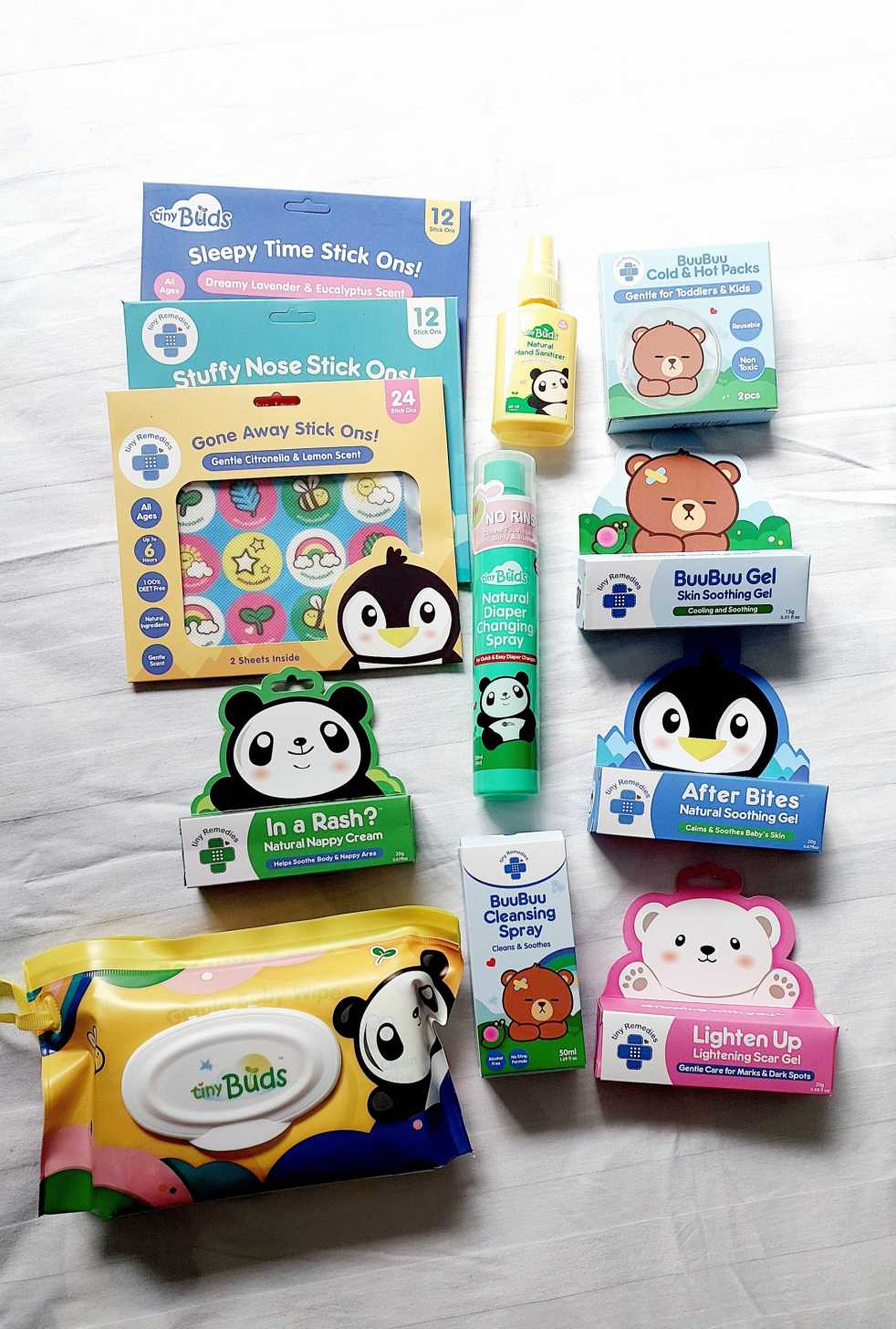
Your baby’s skin is more delicate than most, this is why you have to choose products that are designed for sensitive skin. Tiny Buds is a pioneer in integrating natural ingredients into baby care and today has over 50 innovative natural baby care essentials and is one of the Top Baby Personal Care brands. Here… Continue reading Product Review: Tiny Buds Baby Naturals Baby Essentials
Where your child goes to school is a big decision and shouldn’t be taken lightly. Given how their education can impact their future, you might be tempted to take control and decide for them. However, you might be doing more damage than helping them in the long run. Your job as parents is to support… Continue reading HOW TO CHOOSE THE BEST SCHOOL FOR YOUR CHILD
As poet and philosopher Rumi once eloquently said, “raise your words, not your voice. It is rain that grows flowers, not thunder.” Parenting is a challenging journey, and the truth is that nobody has everything figured out. One parenting style might suit others best, and some might favor other methods. However, children respond better to… Continue reading A SIMPLE GUIDE TO GENTLE PARENTING

Whether you’re a new mom to be, mom of a toddler, mom who have school-aged kids, you’re bound to have so many questions. Let's start with your baby's skin. Infant skin has unique needs; gentle care is essential to prevent damage to the skin barrier, which can lead to irritation. When caring for infant skin,… Continue reading Keeping Baby’s Diapered Skin Healthy
As parents, we want to give our child the best possible start in life and that begins with nurturing their intelligence. Throughout history, the notion of success has been linked to academic intelligence. However, there has been an increased awareness on the importance of emotional intelligence. This question gets at the heart of the never-ending… Continue reading IQ or EQ, which one is a better predictor of your child’s success?
 wondermomma.net