

Last August, IKEA Philippines engaged with Better World Smokey Mountain, a newly opened community center operated by the San Miguel Foundation, which shares a similar goal of improving the lives of many Filipino people. Through this partnership, IKEA Philippines provided and assembled home furnishings for the classrooms and library of Better World Smokey Mountain community… Continue reading Help Create a Better World with IKEA Soft Toys

NutriAsia, the country’s top producer of condiments and sauces, continues its support of Refill Revolution; a project by the Department of Environment and Natural Resources EMB 3 that aims to help reduce Filipinos’ single-use plastics consumption. At Refill Revolution, residents get to recycle their single-use plastic bottles by reusing and filling it with their choice… Continue reading NutriAsia and DENR renews partnership for Refill Revolution

How to Deal with Separation Anxiety at Drop-Off Time
Drop-off time can bring a wave of emotions for both children and parents. A toddler may cling tightly, cry as soon as the classroom door appears, or suddenly refuse to leave the car. A parent may feel guilty, rushed, or unsure whether walking away is helping or making things worse.
Separation anxiety is a common part of early childhood development. It often appears when children are becoming more aware of their connection with a parent while still learning that a short separation is safe and temporary. The tears are real, but they do not necessarily mean your child is unhappy at school or unable to cope.
A calm, predictable routine can make departures easier over time. With preparation, warm reassurance, and support from caregivers, children gradually build confidence in their ability to say goodbye and enjoy the day.
Why Drop-Off Feels So Difficult
Young children do not yet understand time in the same way adults do. “I’ll be back after lunch” may not mean much to a preschooler who is focused on the immediate experience of watching a parent leave. Even a short separation can feel enormous when the child cannot picture what will happen next.
Changes can also make separation distress stronger. A new school, a different teacher, a missed nap, illness, travel, or a change in family routine may cause a child who previously separated easily to become clingy again. Developmental leaps can have a similar effect, especially when a child is adjusting to new social or emotional demands.
It helps to view crying as communication rather than misbehavior. Your child may be saying, “This feels unfamiliar,” “I need help calming down,” or “I am not ready for this transition.” Responding with empathy gives the child emotional safety while still allowing the drop-off to continue.
Prepare Before Leaving Home
Talk about the drop-off routine when your child is calm, rather than bringing it up only at the school gate. Use simple, confident language to explain what will happen: “We will put your bag away, give a hug, and I will leave. Your teacher will help you start an activity, and I will come back after rest time.”
A visual schedule can make the sequence easier to understand. Draw or print a few simple pictures showing breakfast, getting dressed, traveling, entering the classroom, playing, eating, and going home. Let your child point to each step as the morning unfolds. This gives the child a sense of control without turning the routine into a lengthy negotiation.
Practice short separations in familiar settings. A trusted relative can play with your child while you step into another room, or you can leave briefly while your child remains with another caregiver. Always return when promised. These small experiences teach that a parent can leave, the child can remain safe, and reunion will follow.
Morning preparation also affects the emotional tone of departure. Allow extra time for dressing and packing so no one is rushing through breakfast. Simple choices can help a child feel involved, and quick toddler breakfasts can keep the morning manageable when every minute matters.
Create A Brief, Predictable Goodbye
A consistent goodbye ritual is often more reassuring than an extended farewell. Choose a few steps that can happen every day, such as one hug, a special phrase, a wave at the window, and handing the child to the teacher. Repetition helps children recognize that the same sequence leads safely into the school day.
Keep your words clear and positive. “You are safe, and I will return after snack” is more useful than a long explanation about why you have to go. Avoid promising that you will never leave or saying that you will stay nearby if you cannot do so. Honest, age-appropriate reassurance helps build trust.
Try not to slip away without saying goodbye. Although leaving secretly may prevent a difficult moment in the short term, it can make a child more watchful and fearful the next day. The child may begin to worry that a parent could disappear at any time.
At the same time, avoid repeatedly returning after you have said goodbye. Each extra hug or explanation can restart the distress. A warm, confident departure communicates that the adults in charge believe the child can manage this transition.
Match Your Response To Your Child
Children show separation anxiety in different ways. Some cry loudly, while others become quiet, cling to a parent’s clothing, complain of a stomachache, or resist getting out of the car. Notice the pattern without labeling your child as difficult or overly sensitive.
| What You May Notice | What It Can Mean | Helpful Response |
|---|---|---|
| Clinging at the classroom door | The transition feels sudden or uncertain | Give a familiar hug and follow the same goodbye steps |
| Crying after the parent leaves | The child needs time to settle with support | Ask the teacher to guide the child toward a comforting activity |
| Refusing to enter | The child feels overwhelmed by the environment | Arrive a little earlier and enter calmly with a simple plan |
| Physical complaints | Stress may be showing through the body | Check for illness, acknowledge the feeling, and observe patterns |
| Calm at school but upset at home | The child may be releasing stored emotions | Offer connection, rest, and low-pressure time after school |
A comfort item may help if the school permits it. A small family photo, bracelet, handkerchief, or soft toy can provide a connection without keeping the child focused on the parent. Some families create a “kiss in the pocket” ritual or draw a tiny heart on each other’s hands before leaving.
Coordinate with the teacher or caregiver about what happens after departure. A familiar activity, classroom job, song, or snack can give the child something concrete to move toward. Caregivers should share whether the child settles within a few minutes or remains distressed for a longer period, since that information helps the family adjust the plan.
Make The Morning Routine More Secure
Sleep, food, and pace can influence a child’s ability to cope with separation. A tired or hungry child may have less emotional energy for a difficult transition. Protecting bedtime, offering a reliable breakfast, and leaving enough travel time can reduce unnecessary stress.
Give limited choices to support cooperation: “Would you like the blue shoes or the white shoes?” or “Do you want to carry your bag or should I?” Too many choices can create more pressure, but two acceptable options help a child feel capable and involved.
Use play to rehearse the experience. A stuffed animal can pretend to attend school, say goodbye, feel worried, and receive help from a teacher. Let your child direct the story, then gently introduce successful endings. Play allows children to explore strong feelings at a safe distance.
Helpful Habits For Smoother Drop-Offs
- Keep the wake-up, breakfast, dressing, and travel sequence as consistent as possible.
- Arrive with enough time to complete the routine without rushing.
- Use the same short goodbye phrase each day.
- Share relevant changes with the teacher before the child enters the room.
- Celebrate brave behavior without demanding that your child stop feeling upset.
Praise effort rather than silence. Say, “You held my hand and walked inside even though you felt worried,” or “You gave goodbye hugs and let your teacher help you.” This shows that courage can exist alongside tears and gives your child language for future transitions.
Know When To Offer More Support
Many children settle shortly after a parent leaves, even if the goodbye is emotional. Ask the caregiver for specific updates instead of relying only on how the child behaves at the door. “Did she join an activity?” or “How long did he cry?” can provide a clearer picture of adjustment.
Extra support may be appropriate if distress remains intense for several weeks, prevents regular attendance, affects sleep and eating, or appears across many everyday separations. A child who experiences panic, frequent physical symptoms, or ongoing fear may benefit from guidance from a pediatrician, child psychologist, or another qualified professional.
Consider practical factors as well. The classroom environment may be too noisy, the schedule may be overwhelming, or a recent family change may need more attention. A meeting with the teacher can identify whether a gradual arrival, a quieter entry point, or a temporary transition plan would help.
Avoid comparing siblings or classmates. One child may walk in happily while another needs weeks of support. Temperament, previous experiences, and developmental stage all shape separation responses. Progress is easier to notice when you compare your child with their own earlier attempts.
Build Confidence Through Reconnection
The end of the school day is part of the separation routine too. Try to arrive when promised and greet your child warmly. A child who trusts that reunions happen as expected may gradually feel safer during the time apart.
After school, offer connection before questions or correction. A snack, cuddle, quiet story, or few minutes of play can help your child shift from the demands of the day back into family life. Some children want to talk immediately; others need a little space before describing what happened.
Keep celebrating small signs of independence. Maybe your child entered with fewer tears, waved without clinging, or accepted help from a teacher. These moments may seem small, but they show that coping skills are developing.
With steady routines and compassionate boundaries, drop-off can become less emotionally charged. The goal is not to eliminate every tear immediately. It is to help your child learn that feelings can be handled, trusted adults are available, and every goodbye has a safe reunion after it. Start tomorrow with one predictable ritual, one calm sentence, and enough time for your child to take the next brave step.

Mercato Centrale, in collaboration with Indian Women in Enterprise Philippines (I-We), is set to host "The Great Indian Fiesta" to mark 75 years of friendship between India and the Philippines. The dynamic two-day event is scheduled to take place on September 30 to October 1, 2023, at Paseo De Roxas Street, Makati City. Aiming to… Continue reading Mercato Centrale Partners with I-We to Host ‘The Great Indian Fiesta’, Commemorating 75 Years of India-Philippines Friendship

My stomach would usually start growling at 10 am even after taking a big breakfast. This is probably because I am a morning person and I move a lot throughout the day hence snacking is something that I can't avoid. This potatoes and chicken wrap recipe is easy to prepare and would keep me full… Continue reading Potato and Chicken Wrap
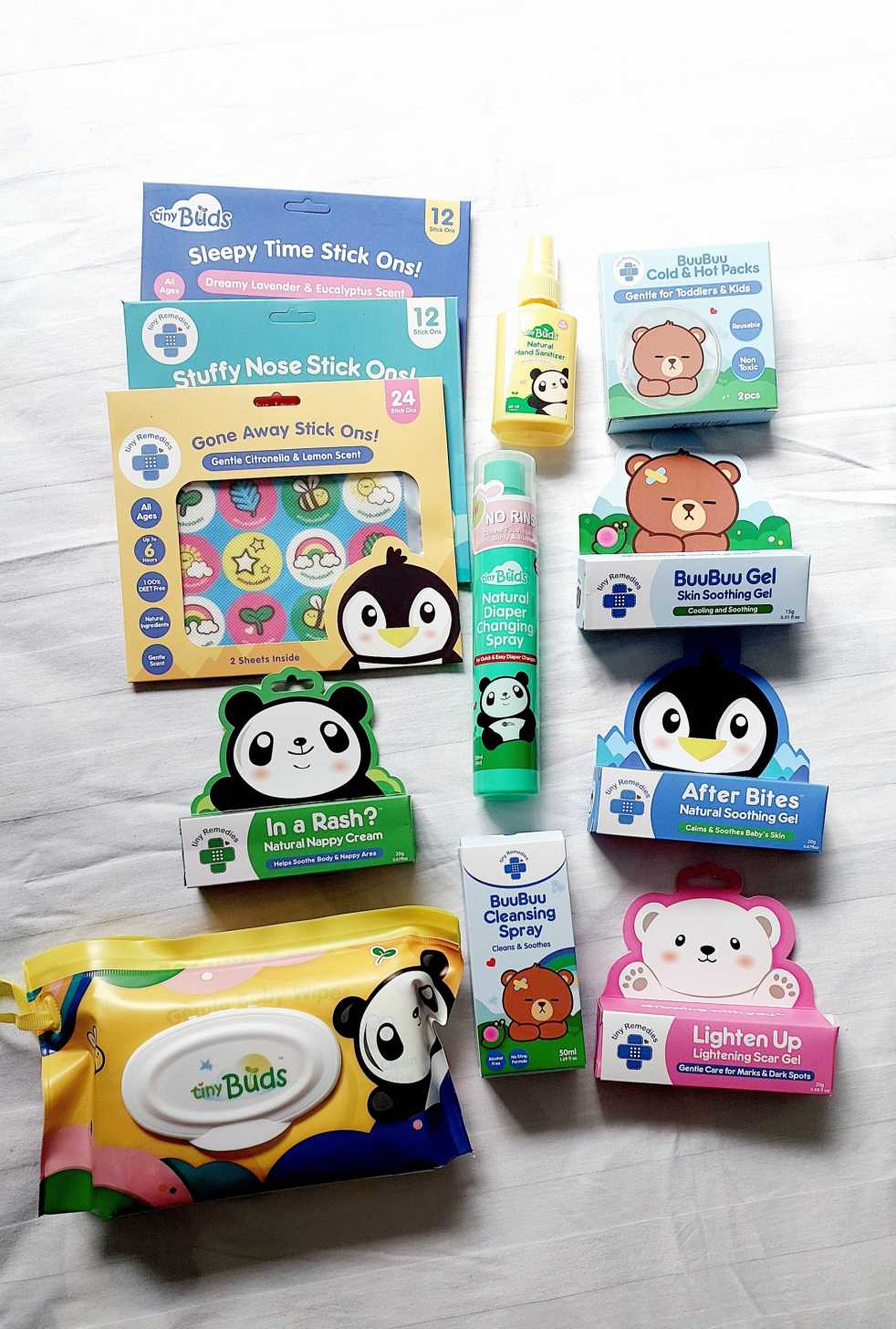
Your baby’s skin is more delicate than most, this is why you have to choose products that are designed for sensitive skin. Tiny Buds is a pioneer in integrating natural ingredients into baby care and today has over 50 innovative natural baby care essentials and is one of the Top Baby Personal Care brands. Here… Continue reading Product Review: Tiny Buds Baby Naturals Baby Essentials
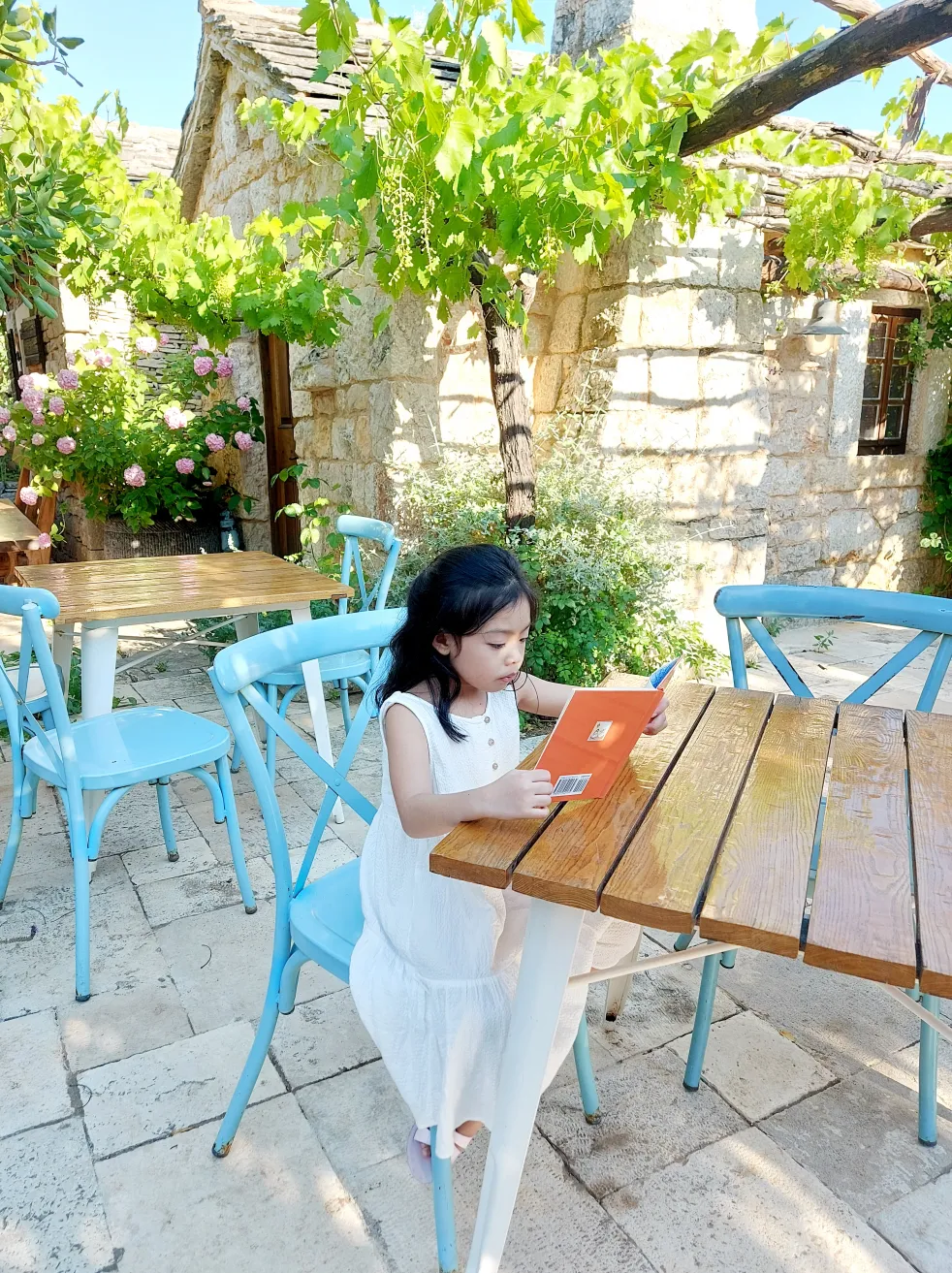
Where your child goes to school is a big decision and shouldn’t be taken lightly. Given how their education can impact their future, you might be tempted to take control and decide for them. However, you might be doing more damage than helping them in the long run. Your job as parents is to support… Continue reading HOW TO CHOOSE THE BEST SCHOOL FOR YOUR CHILD
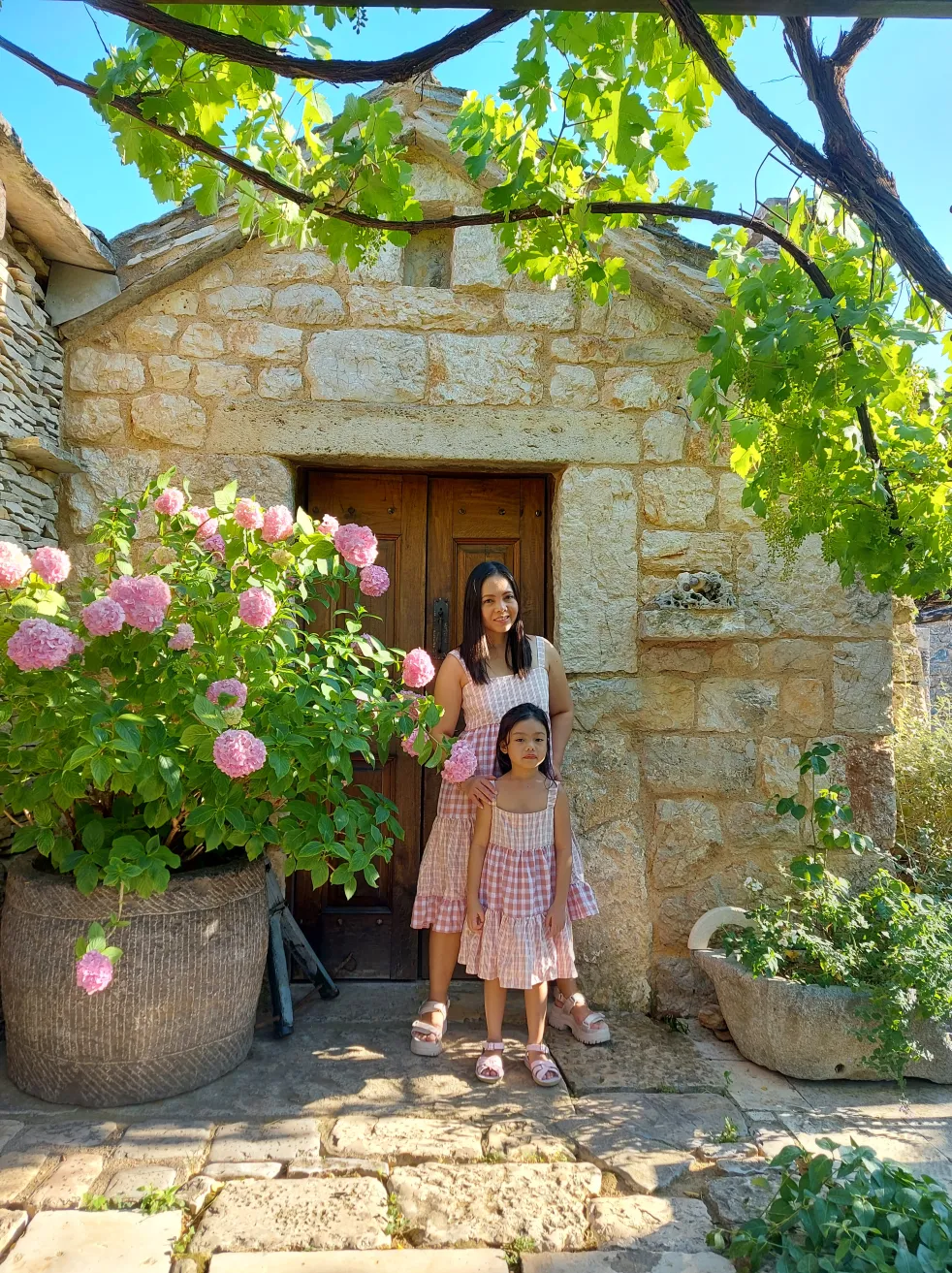
As poet and philosopher Rumi once eloquently said, “raise your words, not your voice. It is rain that grows flowers, not thunder.” Parenting is a challenging journey, and the truth is that nobody has everything figured out. One parenting style might suit others best, and some might favor other methods. However, children respond better to… Continue reading A SIMPLE GUIDE TO GENTLE PARENTING
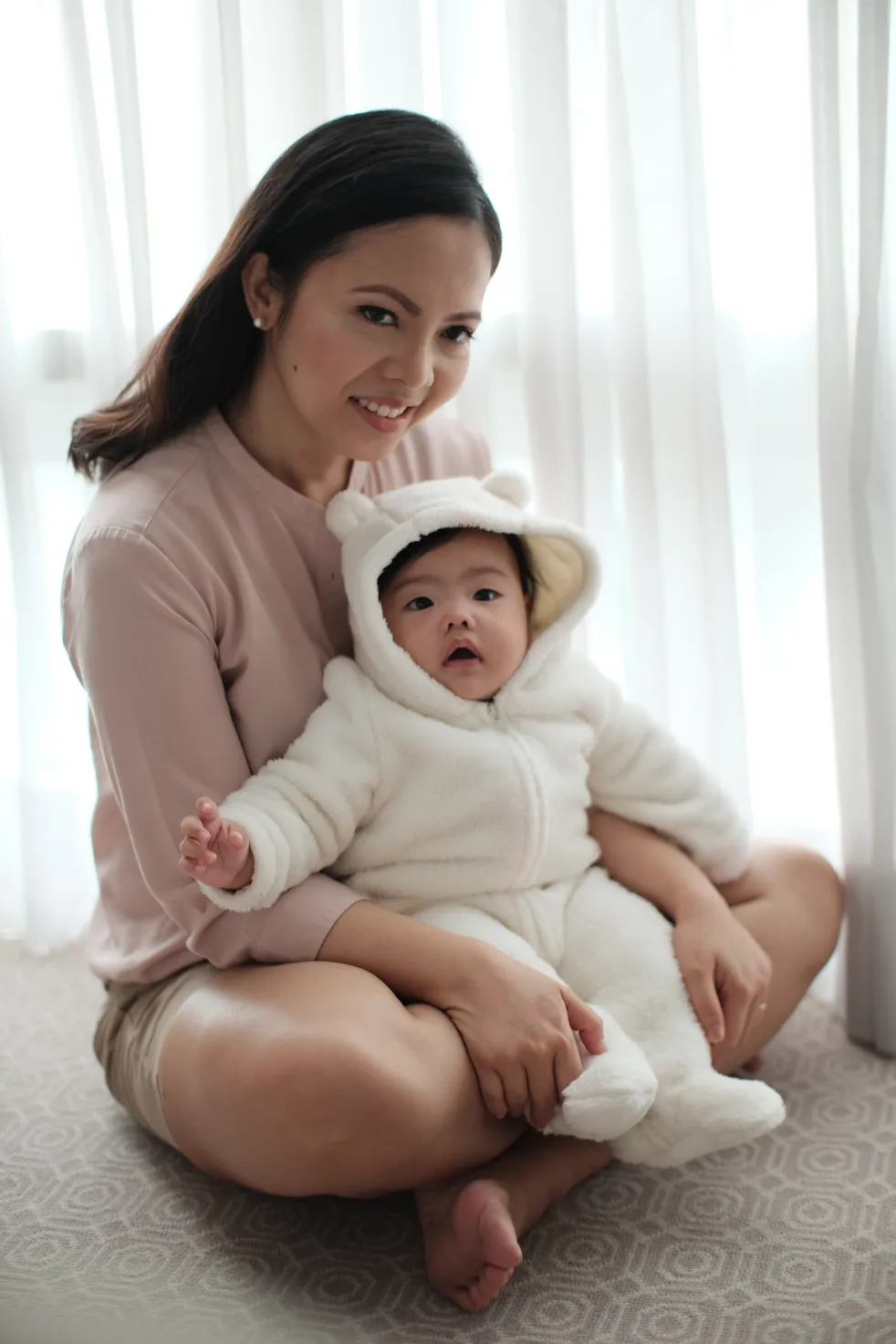
Whether you’re a new mom to be, mom of a toddler, mom who have school-aged kids, you’re bound to have so many questions. Let's start with your baby's skin. Infant skin has unique needs; gentle care is essential to prevent damage to the skin barrier, which can lead to irritation. When caring for infant skin,… Continue reading Keeping Baby’s Diapered Skin Healthy
As parents, we want to give our child the best possible start in life and that begins with nurturing their intelligence. Throughout history, the notion of success has been linked to academic intelligence. However, there has been an increased awareness on the importance of emotional intelligence. This question gets at the heart of the never-ending… Continue reading IQ or EQ, which one is a better predictor of your child’s success?
 wondermomma.net