

Last August, IKEA Philippines engaged with Better World Smokey Mountain, a newly opened community center operated by the San Miguel Foundation, which shares a similar goal of improving the lives of many Filipino people. Through this partnership, IKEA Philippines provided and assembled home furnishings for the classrooms and library of Better World Smokey Mountain community… Continue reading Help Create a Better World with IKEA Soft Toys
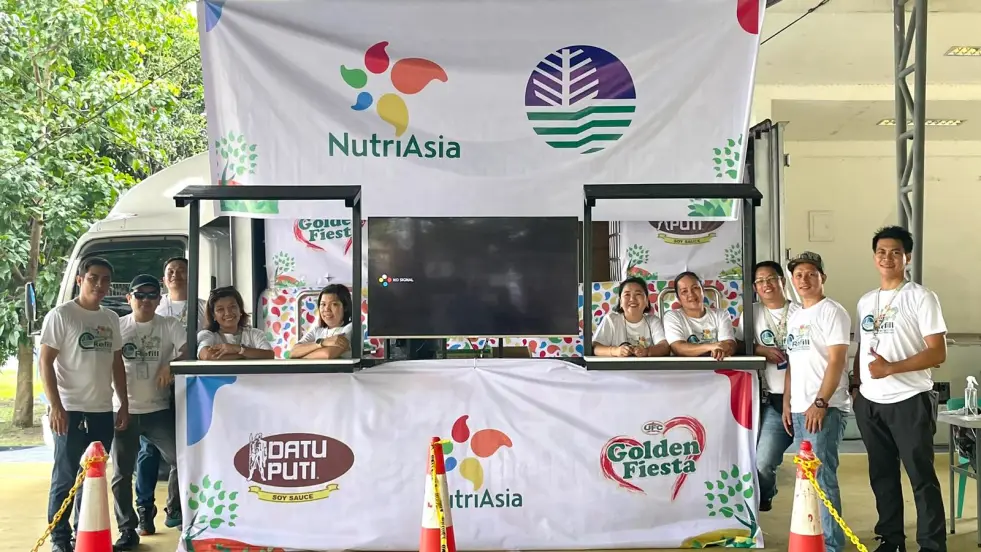
NutriAsia, the country’s top producer of condiments and sauces, continues its support of Refill Revolution; a project by the Department of Environment and Natural Resources EMB 3 that aims to help reduce Filipinos’ single-use plastics consumption. At Refill Revolution, residents get to recycle their single-use plastic bottles by reusing and filling it with their choice… Continue reading NutriAsia and DENR renews partnership for Refill Revolution

How to Deal with Picky Eaters Using a Gentle Approach
Meal refusal can make an ordinary dinner feel like a daily battle. Children may reject a particular food, become suspicious of anything unfamiliar or insist on eating only what feels safe. These reactions are frustrating, but they do not mean your child is deliberately being difficult or that you have failed as a parent.
Gentle feeding starts with reducing pressure and restoring trust at the table. Your role is to provide suitable food at regular times, while your child remains free to decide whether to eat it and how much. Progress may be gradual, but a calmer mealtime environment benefits both your child and the whole family.
Understand why children refuse food
Young children naturally explore and question the world around them, including what they put in their mouths. After the rapid growth of infancy, growth slows, so their appetite often becomes less intense. A smaller appetite can look like pickiness even when a child is eating enough for their body.
Refusal may also reflect neophobia, a common fear of unfamiliar foods. Texture, temperature, smell and appearance can matter more to a child than nutrition. For example, a child may enjoy bananas but refuse mashed banana because the change in texture feels unpredictable.
Australia’s national dietary guidelines encourage variety across the food groups, not perfection at every meal. A child who eats several suitable foods can still have a balanced diet. Describing your child as a “picky eater” can add pressure, so notice their actual preferences without making food refusal their identity.
Observe the pattern before changing meals
Spend several days noticing when refusal happens. Is your child hungry but refusing a new vegetable, or tired and refusing everything? Do they reject food mainly because it is wet, mixed, very cold or served in an unfamiliar container? These observations often reveal a manageable issue.
Notice whether constant commentary, threats or repeated offers are making the meal harder. Asking a child to take a bite after they have already refused may reduce their interest in the whole meal. A short record of foods, appetite, sleep and major illnesses can also help when you speak with a health professional.
Many families in Melbourne, Sydney and other Australian cities manage the complex logistics of daycare drop-off, work and evening meals. If your child attends childcare, ask whether they eat differently there or during morning tea. For additional support, the parenting guidance at WonderMomma can help families separate normal development from avoidable mealtime pressure.
Create a predictable mealtime
Serve three meals and two or three snacks at roughly consistent times. A child who grazes continuously may arrive at dinner without much appetite, while a child with long gaps between meals may become ravenous and less able to make calm choices. Offer water between meals and keep milk and juice in designated parts of the day.
Keep the setting relaxed and remove screens when possible. Sit with your child for at least part of the meal, model eating and talk about something other than what is on the plate. A verbal reminder such as “The meal is over in five minutes” gives notice without turning dinner into a countdown.
Family schedules can make this difficult, especially when dinner happens after a long day. Serve your child’s portion slightly earlier if that helps, or allow the family to begin while your child finishes. The aim is a dependable rhythm rather than a perfectly timed evening.
Offer choices within clear limits
Responsive feeding gives adults control over what is served, when it is served and where the family eats. Children can then decide whether they want the food and how much they want. This balance reduces the power struggle without abandoning household expectations.
| Pressure-based approach | Gentle alternative | Why it helps |
|---|---|---|
| Demand another bite | Offer the food and allow the child to decide | Preserves autonomy and reduces conflict |
| Insist on an empty plate | Let the child say when they are finished | Helps them recognise hunger and fullness |
| Withhold dessert until everything is eaten | Serve dessert as part of the meal | Removes bargaining and food-based rewards |
| Prevent the child from leaving | Keep the food available while everyone remains at the table | Avoids force and preserves trust |
Offer only manageable choices, such as choosing between broccoli and carrots or deciding whether to eat at the table or beside the table. Too many options can overwhelm a young child. Once a reasonable option has been offered and declined, avoid negotiating over each mouthful.
A shopping trip to Woolworths, Coles or Aldi can become a useful teaching moment by letting your child select one vegetable or fruit. Many Australians call Woolworths “Woolies,” but your child does not need to choose everything in the trolley. Include one familiar “safe” food beside a small portion of something new, without insisting that either is eaten.
Make familiar foods easier to eat
Work with your child’s preferences instead of trying to force them towards a predetermined menu. If they accept plain pasta, serve it with a little butter, cheese or sauce before introducing vegetables. Chopping food finely, mashing it or serving components separately can make a nutritious option less intimidating.
Food chaining connects a familiar food with a similar new one. A child who likes toast might move towards pita, then wraps, then tacos. If the child enjoys cheese, try adding a small amount of grated cheese to broccoli or cauliflower. The new food remains optional, so pressure stays low.
Repeated, neutral exposure helps children become more comfortable. Place a new food on the table without praise, criticism or a demand for a bite. Your child may look, touch, smell or eventually taste it, and each of those actions is meaningful progress. Keep offering the food while continuing to respect refusal.
Protect appetite and nutritional balance
Avoid using food as the only reward or punishment. Constantly offering biscuits, sweet drinks or packaged snacks can reduce hunger and narrow the child’s diet without creating reliable mealtime skills. Let children enjoy treats occasionally within a predictable routine rather than earning them through compliance.
Watch for signs that a restricted diet is leaving little room for important nutrients. Children who avoid whole food groups may need extra attention to iron, protein, calcium or healthy fats. Australia’s national dietary guidance provides a useful broad framework, but individual needs vary with age, activity, allergies and health conditions.
Feeding Matters Australia offers evidence-based information and support for families dealing with feeding difficulties. Its resources can help you assess whether your child’s behaviour fits an ordinary phase or needs closer attention. Keep advice practical: regular meals, adequate rest, active play and a relaxed family food environment all support healthy eating.
Know when professional support is needed
Seek medical advice if refusal is accompanied by weight loss or poor growth, dehydration, constant fatigue, frequent tummy aches or an unusually limited range of accepted foods. Gagging, choking, pain while swallowing or distress around particular textures also deserve assessment. These signs may indicate medical, feeding or sensory difficulties rather than simple preference.
A general practitioner can review your child’s growth and health and advise whether a referral is appropriate. Paediatricians, dietitians, speech pathologists and occupational therapists may all contribute when swallowing, movement or sensory processing is involved. In Australia, ask about Medicare rebates and referral requirements when arranging private appointments, because coverage can vary.
Professional guidance should support, not replace, a connected family relationship. Keep offering safe meals, take your child’s cues seriously and avoid making every interaction a demand. Trust develops when children know that food will not be forced upon them, and acceptance often grows quietly within that sense of safety.

Mercato Centrale, in collaboration with Indian Women in Enterprise Philippines (I-We), is set to host "The Great Indian Fiesta" to mark 75 years of friendship between India and the Philippines. The dynamic two-day event is scheduled to take place on September 30 to October 1, 2023, at Paseo De Roxas Street, Makati City. Aiming to… Continue reading Mercato Centrale Partners with I-We to Host ‘The Great Indian Fiesta’, Commemorating 75 Years of India-Philippines Friendship

My stomach would usually start growling at 10 am even after taking a big breakfast. This is probably because I am a morning person and I move a lot throughout the day hence snacking is something that I can't avoid. This potatoes and chicken wrap recipe is easy to prepare and would keep me full… Continue reading Potato and Chicken Wrap
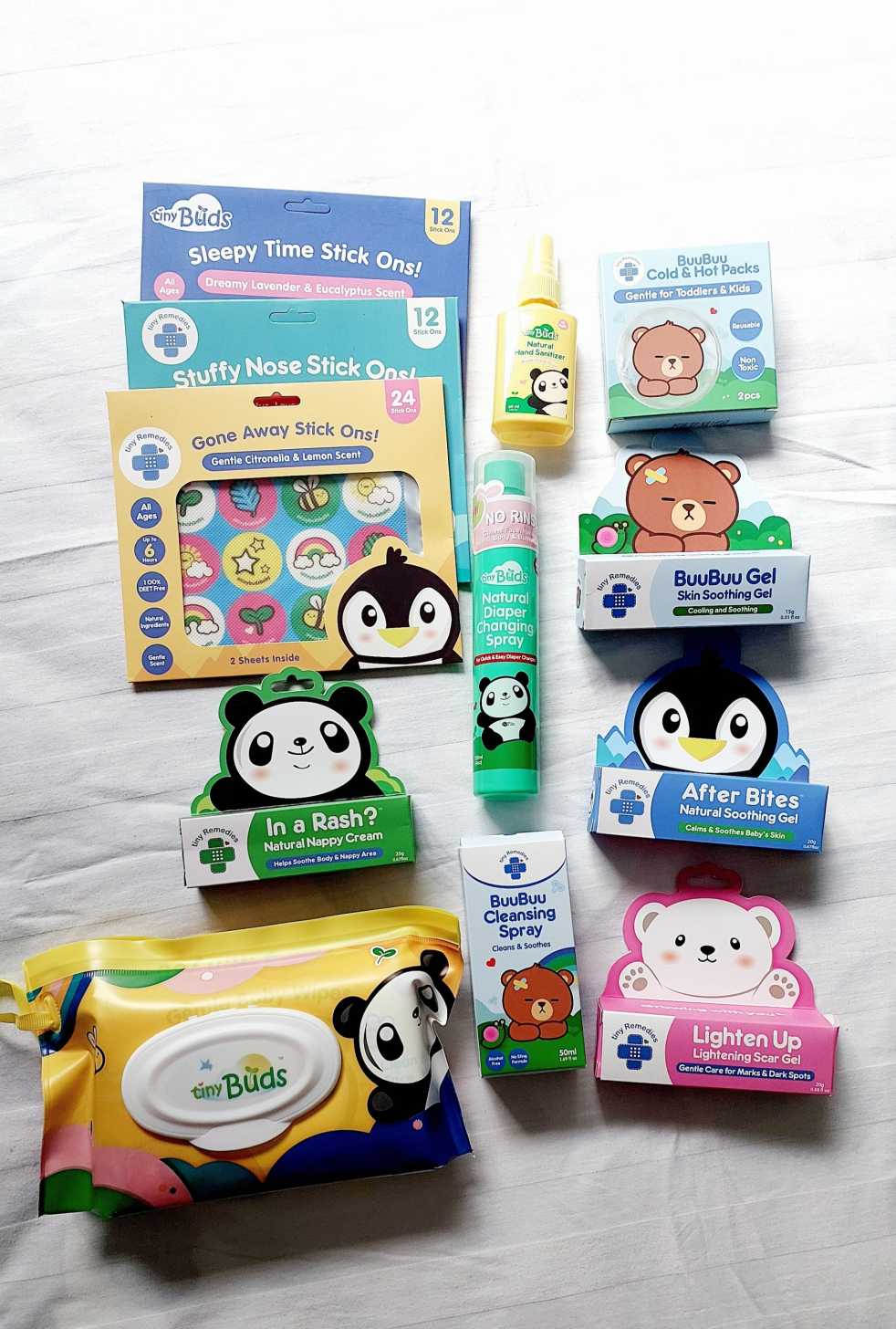
Your baby’s skin is more delicate than most, this is why you have to choose products that are designed for sensitive skin. Tiny Buds is a pioneer in integrating natural ingredients into baby care and today has over 50 innovative natural baby care essentials and is one of the Top Baby Personal Care brands. Here… Continue reading Product Review: Tiny Buds Baby Naturals Baby Essentials
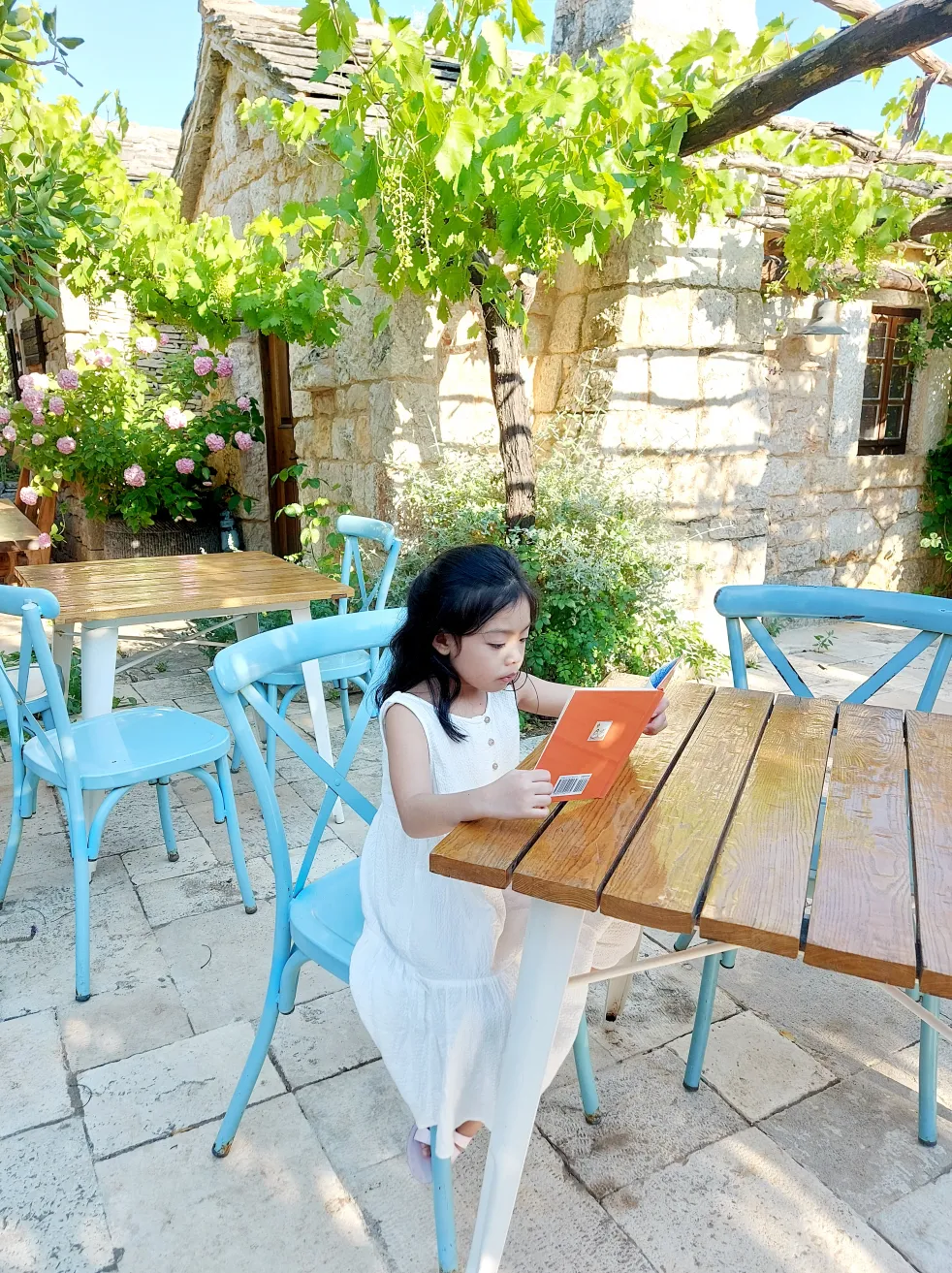
Where your child goes to school is a big decision and shouldn’t be taken lightly. Given how their education can impact their future, you might be tempted to take control and decide for them. However, you might be doing more damage than helping them in the long run. Your job as parents is to support… Continue reading HOW TO CHOOSE THE BEST SCHOOL FOR YOUR CHILD

As poet and philosopher Rumi once eloquently said, “raise your words, not your voice. It is rain that grows flowers, not thunder.” Parenting is a challenging journey, and the truth is that nobody has everything figured out. One parenting style might suit others best, and some might favor other methods. However, children respond better to… Continue reading A SIMPLE GUIDE TO GENTLE PARENTING

Whether you’re a new mom to be, mom of a toddler, mom who have school-aged kids, you’re bound to have so many questions. Let's start with your baby's skin. Infant skin has unique needs; gentle care is essential to prevent damage to the skin barrier, which can lead to irritation. When caring for infant skin,… Continue reading Keeping Baby’s Diapered Skin Healthy

As parents, we want to give our child the best possible start in life and that begins with nurturing their intelligence. Throughout history, the notion of success has been linked to academic intelligence. However, there has been an increased awareness on the importance of emotional intelligence. This question gets at the heart of the never-ending… Continue reading IQ or EQ, which one is a better predictor of your child’s success?
 wondermomma.net