

Last August, IKEA Philippines engaged with Better World Smokey Mountain, a newly opened community center operated by the San Miguel Foundation, which shares a similar goal of improving the lives of many Filipino people. Through this partnership, IKEA Philippines provided and assembled home furnishings for the classrooms and library of Better World Smokey Mountain community… Continue reading Help Create a Better World with IKEA Soft Toys
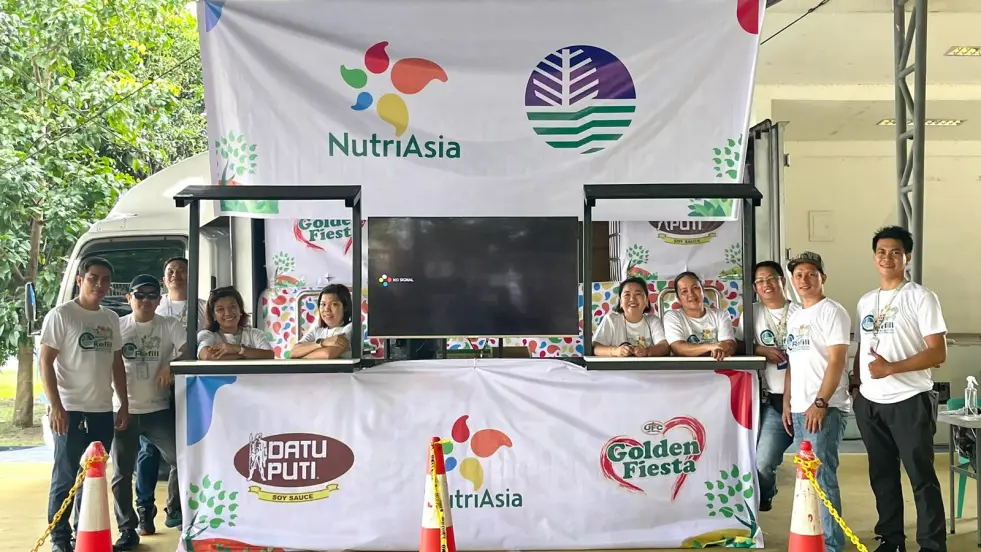
NutriAsia, the country’s top producer of condiments and sauces, continues its support of Refill Revolution; a project by the Department of Environment and Natural Resources EMB 3 that aims to help reduce Filipinos’ single-use plastics consumption. At Refill Revolution, residents get to recycle their single-use plastic bottles by reusing and filling it with their choice… Continue reading NutriAsia and DENR renews partnership for Refill Revolution

How to Cut Your Toddler’s Fingernails Without Tears
Trimming a toddler’s fingernails can turn into a surprisingly dramatic parenting moment. A child may pull away, close their hands tightly, or become upset as soon as the nail clippers appear. The fear is often less about pain and more about feeling restrained or not knowing what will happen.
Long nails can collect dirt and scratch delicate skin, especially during play, meals, and cuddles. Regular nail care is also helpful for reducing accidental scratches on siblings and caregivers. With the right timing, tools, and calm routine, nail trimming can become a familiar part of personal care rather than a battle.
The goal is not to finish as quickly as possible. It is to help your child feel secure while making tiny, careful cuts. A flexible approach works best: some toddlers cooperate when they are distracted, while others need to practice holding the clippers before any trimming begins.
Choose the calmest moment
Timing makes a major difference. Try trimming nails after a bath, when the nails are softer and your toddler is relaxed, or while they are sleepy and comfortable. A quiet period after a snack may also work well, provided your child is not overtired or hungry.
Avoid starting when your toddler is rushing to play, already frustrated, or recovering from a tantrum. If the child notices the clippers and immediately resists, pause instead of forcing the issue. You can try one nail later, then gradually build up to more.
Some parents prefer trimming nails while their toddler watches a short, familiar program. Others sit beside the child and sing a simple song. Keep the routine predictable: wash hands, show the tool, trim a few nails, and finish with praise or a cuddle.
Prepare safe tools and good lighting
Use toddler-sized nail clippers or rounded baby scissors designed for small fingers. Adult nail clippers can be too large and may make it difficult to see the edge of the nail. Keep a nail file nearby to smooth sharp corners instead of cutting deeper than necessary.
Bright lighting is essential. Sit near a window during the day or use a lamp that clearly illuminates the fingertips. Good visibility helps you avoid the quick, the sensitive area containing blood vessels and nerves beneath the nail.
Clean the tools before and after use, and keep them stored out of reach. Never share nail tools without cleaning them properly. If your child has a cut, rash, swelling, or signs of infection around a nail, postpone trimming that finger and seek medical advice when appropriate.
Help your toddler feel in control
Toddlers often object to nail cutting because an adult is holding their hand still. Give small choices to create a sense of control: let your child choose between clippers and a file, decide which hand to start with, or pick a song to hear. The choices should be limited and practical rather than open-ended.
Let your toddler examine the tool while it is closed. Explain in simple language what will happen: “The clippers will make a tiny click, and we will cut one nail.” Demonstrating on yourself or on a toy’s pretend hand can make the process less mysterious.
Avoid sneaking up on your child or pretending the clippers are harmless if they are nervous. Honest, reassuring language builds trust. You can say, “I will hold your finger gently. We can stop if you need a break.” This approach supports the same respectful caregiving principles that help children feel secure as they grow through early developmental milestones.
Use a gentle trimming technique
Hold your toddler’s finger firmly enough to prevent a sudden movement, but do not squeeze. Press the fingertip pad down and away from the nail so the nail edge is easier to see. Trim small sections rather than attempting one large cut.
For fingernails, follow the natural curve without cutting extremely close to the skin. Leave a narrow white edge. Cutting into the corners or down the sides can cause discomfort and may increase the chance of an ingrown nail.
Work slowly, and consider stopping after two or three nails if your child becomes tense. There is no rule that says every nail must be finished in one sitting. A short, successful session is better than completing the job while your toddler is crying and frightened.
| Method | Best suited for | Benefits | Possible drawback |
|---|---|---|---|
| Toddler nail clippers | Children who can keep still briefly | Quick and easy to control | The clicking sound may worry some toddlers |
| Rounded baby scissors | Parents who prefer a wider view of the nail | Precise for small fingertips | Requires steady handling and good lighting |
| Soft nail file | Nervous children or finishing sharp edges | Quiet and gentle | Takes longer and may not shorten very long nails quickly |
| Trimming during sleep | Toddlers who strongly resist hand care | Often calmer and more efficient | A sudden movement can make the cut less predictable |
| Two-person approach | Children who need reassurance | One adult comforts while the other trims | Can feel overwhelming if both adults hold the child tightly |
Turn nail care into familiar play
Practice when no trimming is needed. Let your toddler pretend to cut a stuffed animal’s nails, tap the closed clippers against your own fingernails, or file a doll’s fingertips. Keep these practice sessions brief and playful so the tool becomes ordinary.
A consistent phrase can also help. Saying “one little clip” before each cut gives your child a clear signal. Count the nails together, sing a short song, or place a sticker on a simple care chart after the session. Praise cooperation specifically: “You kept your hand still while I trimmed that nail.”
Do not use shame, threats, or force as the main strategy. Statements such as “Big children do not cry” can make a child feel embarrassed about a normal fear. Calm repetition teaches more effectively than pressure, especially when the child is still developing patience and body awareness.
Handle resistance, nicks, and rough edges
If your toddler pulls away, stop the clipper immediately and check the finger. Offer comfort without making the moment sound alarming. A small nick can usually be managed by applying gentle pressure with clean gauze or a tissue until bleeding stops. Avoid putting a finger in your mouth, as this can introduce bacteria.
If a nail edge feels sharp after trimming, smooth it lightly with a fine baby nail file. Do not keep cutting to make the nail perfectly even. A slightly uneven nail is safer than one trimmed too short.
Seek medical guidance if bleeding does not stop with gentle pressure, or if the finger later becomes increasingly red, swollen, warm, painful, or produces discharge. Persistent nail changes or repeated ingrown nails also deserve professional attention.
Build a low-stress routine
Most toddlers need nail care about once a week, although growth rates vary. Check the nails during bath time or before bed so trimming does not come as a surprise. Keeping the tools in the same place can make the routine easier for both parent and child.
If your toddler is having a particularly difficult day, focus on maintenance rather than perfection. Trim the longest or sharpest nails first and leave the rest for another time. You can also ask another trusted caregiver to take over if your child responds more calmly to them.
The routine should gradually become less significant. As your child becomes familiar with the sounds, sensations, and sequence, resistance often decreases. Your steady voice, gentle touch, and willingness to pause are more important than completing every nail in one session.
Keep these habits in place
- Check fingernails weekly for dirt, sharp points, or rough edges.
- Use child-sized tools that are clean, sharp, and easy to control.
- Trim after a bath or during another naturally calm part of the day.
- Leave a small white edge and avoid cutting into the corners.
- Stop when your toddler becomes distressed, then try again later.
A calm nail-trimming routine is built through repetition, trust, and realistic expectations. Some sessions may involve only one successful fingernail, and that still counts as progress. With patience and a gentle approach, your toddler can learn that personal care is safe, predictable, and manageable.
Start with the next calm moment rather than waiting for perfect cooperation. Gather the right tool, explain the first tiny step, and let your child experience success one nail at a time.

Mercato Centrale, in collaboration with Indian Women in Enterprise Philippines (I-We), is set to host "The Great Indian Fiesta" to mark 75 years of friendship between India and the Philippines. The dynamic two-day event is scheduled to take place on September 30 to October 1, 2023, at Paseo De Roxas Street, Makati City. Aiming to… Continue reading Mercato Centrale Partners with I-We to Host ‘The Great Indian Fiesta’, Commemorating 75 Years of India-Philippines Friendship

My stomach would usually start growling at 10 am even after taking a big breakfast. This is probably because I am a morning person and I move a lot throughout the day hence snacking is something that I can't avoid. This potatoes and chicken wrap recipe is easy to prepare and would keep me full… Continue reading Potato and Chicken Wrap
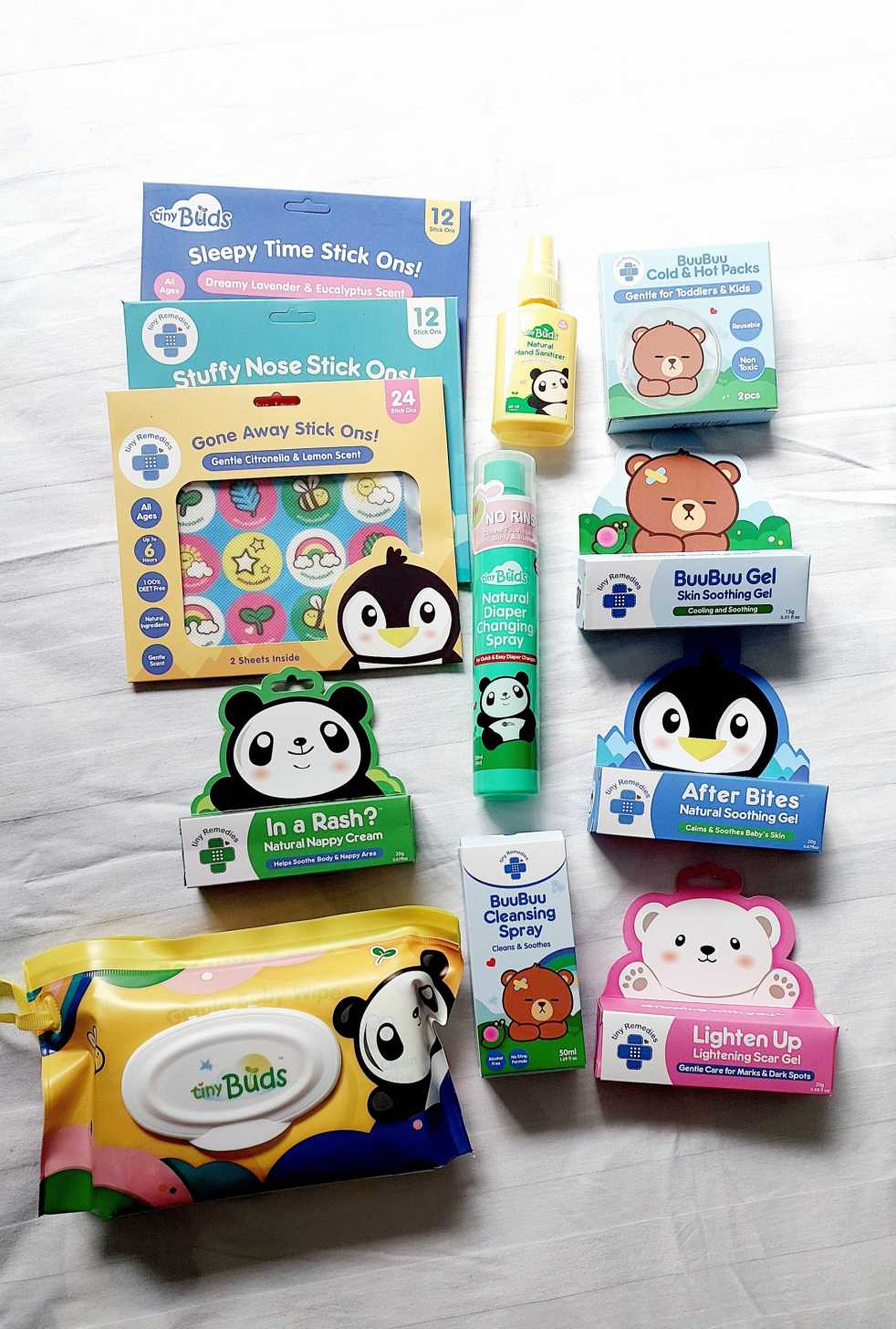
Your baby’s skin is more delicate than most, this is why you have to choose products that are designed for sensitive skin. Tiny Buds is a pioneer in integrating natural ingredients into baby care and today has over 50 innovative natural baby care essentials and is one of the Top Baby Personal Care brands. Here… Continue reading Product Review: Tiny Buds Baby Naturals Baby Essentials
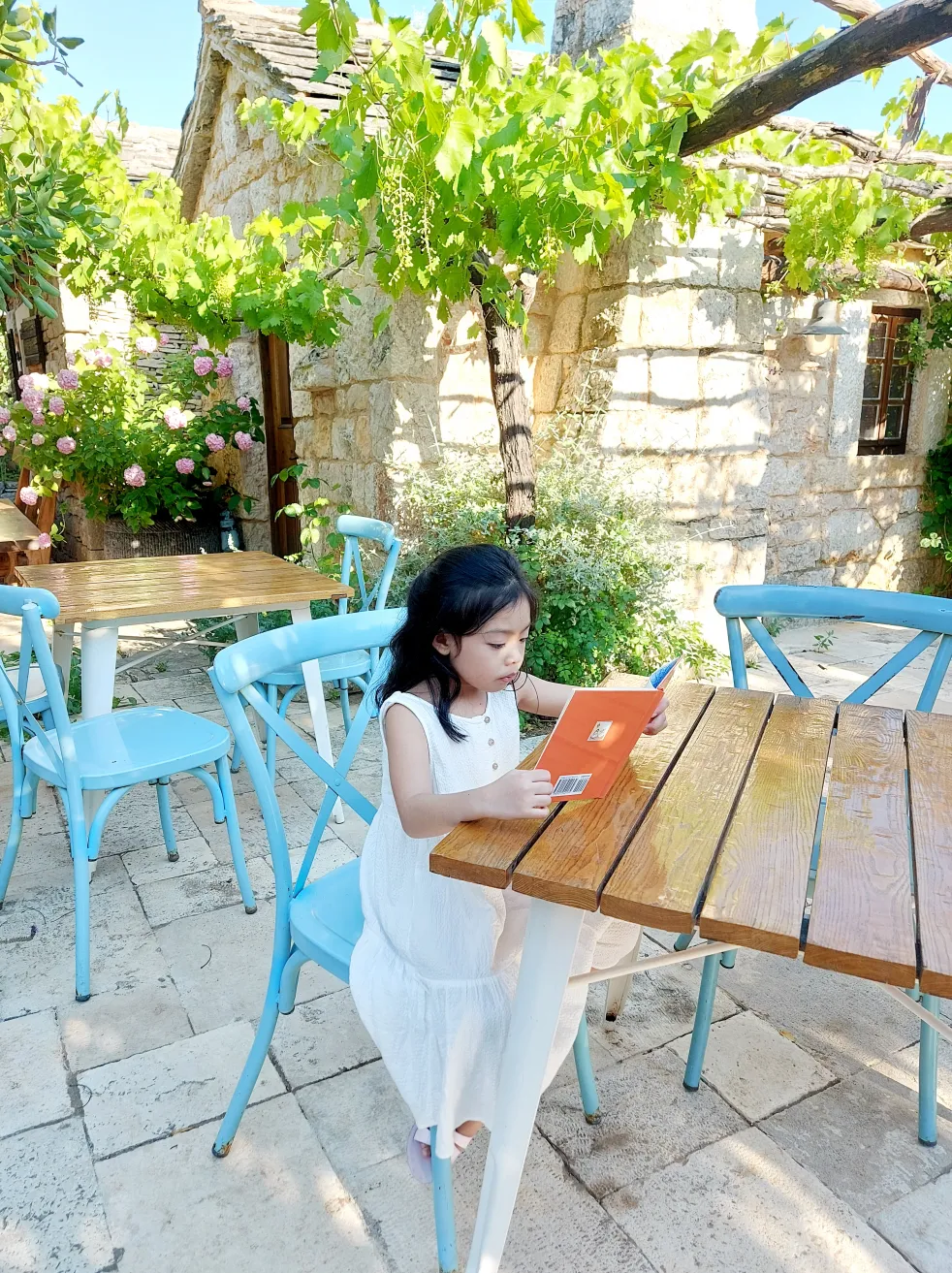
Where your child goes to school is a big decision and shouldn’t be taken lightly. Given how their education can impact their future, you might be tempted to take control and decide for them. However, you might be doing more damage than helping them in the long run. Your job as parents is to support… Continue reading HOW TO CHOOSE THE BEST SCHOOL FOR YOUR CHILD
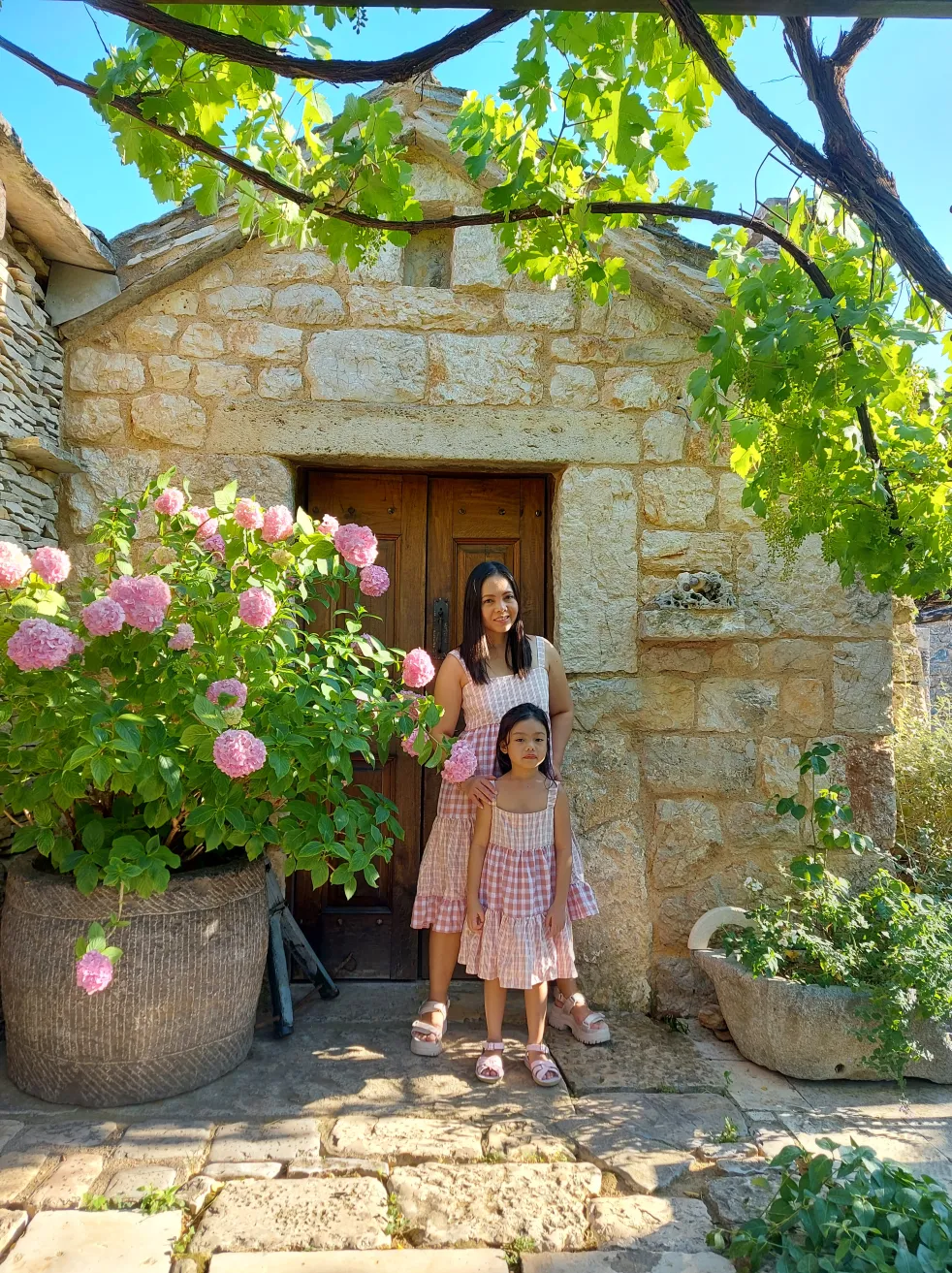
As poet and philosopher Rumi once eloquently said, “raise your words, not your voice. It is rain that grows flowers, not thunder.” Parenting is a challenging journey, and the truth is that nobody has everything figured out. One parenting style might suit others best, and some might favor other methods. However, children respond better to… Continue reading A SIMPLE GUIDE TO GENTLE PARENTING

Whether you’re a new mom to be, mom of a toddler, mom who have school-aged kids, you’re bound to have so many questions. Let's start with your baby's skin. Infant skin has unique needs; gentle care is essential to prevent damage to the skin barrier, which can lead to irritation. When caring for infant skin,… Continue reading Keeping Baby’s Diapered Skin Healthy
As parents, we want to give our child the best possible start in life and that begins with nurturing their intelligence. Throughout history, the notion of success has been linked to academic intelligence. However, there has been an increased awareness on the importance of emotional intelligence. This question gets at the heart of the never-ending… Continue reading IQ or EQ, which one is a better predictor of your child’s success?
 wondermomma.net