

Last August, IKEA Philippines engaged with Better World Smokey Mountain, a newly opened community center operated by the San Miguel Foundation, which shares a similar goal of improving the lives of many Filipino people. Through this partnership, IKEA Philippines provided and assembled home furnishings for the classrooms and library of Better World Smokey Mountain community… Continue reading Help Create a Better World with IKEA Soft Toys
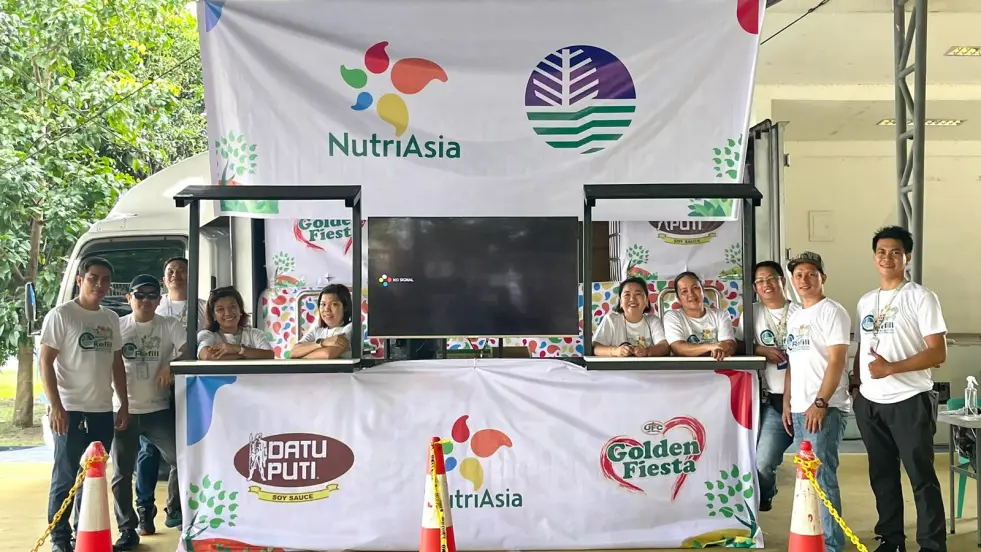
NutriAsia, the country’s top producer of condiments and sauces, continues its support of Refill Revolution; a project by the Department of Environment and Natural Resources EMB 3 that aims to help reduce Filipinos’ single-use plastics consumption. At Refill Revolution, residents get to recycle their single-use plastic bottles by reusing and filling it with their choice… Continue reading NutriAsia and DENR renews partnership for Refill Revolution

How to Create a Weekly Meal Plan for a Picky Family
Feeding a family can feel like a daily negotiation when everyone has different preferences. One child may reject vegetables, another may want the same breakfast every morning, while adults are trying to serve balanced meals without spending hours in the kitchen. A weekly meal plan can make those decisions calmer and more predictable.
The goal is not to prepare perfect meals or convince a selective eater to enjoy every food. Instead, thoughtful meal planning creates regular opportunities to try different flavors while ensuring that each family member has something familiar and acceptable on the plate.
A flexible plan is especially helpful for busy Filipino households. Rice, eggs, chicken, fish, vegetables, fruit, and simple soups can be combined in many ways, making it easier to work with familiar foods, local ingredients, a family budget, and the changing appetites of children.
Start With Your Family’s Real Eating Habits
Before choosing recipes, observe what your family already eats. Write down preferred breakfasts, reliable snacks, favorite proteins, accepted fruits, and foods that usually end up untouched. This list is not a judgment; it is a practical starting point for building meals your family is more likely to eat.
Look for patterns instead of focusing on individual refusals. A child who rejects steamed carrots might accept them in a soup, omelet, or fried rice. Someone who dislikes fish may eat fish cakes or a mild fish fillet. Understanding texture, temperature, appearance, and seasoning preferences can help you make better food choices.
Include every family member in a simple planning conversation. Younger children can choose between two vegetables or select one dinner for the week. Older children can help find recipes, wash produce, or prepare a snack. Participation gives children a sense of control without allowing them to decide that every meal must be fast food or dessert.
Build Meals Around Familiar Favorites
A picky eater often feels safer when a meal includes at least one known food. This is sometimes called a safe food: rice, bread, banana, plain noodles, corn, yogurt, or another item the child usually accepts. Serve it alongside the family meal rather than preparing a completely separate dish.
Use a familiar-food-plus-new-food approach. Pair chicken nuggets with cucumber slices, rice with a small portion of sautéed vegetables, or toast with scrambled egg. The new item can be offered in a tiny portion, such as one slice or one teaspoon. Children do not need to eat it immediately for the exposure to be useful.
Keep family meals recognizable while varying only one element at a time. If Monday’s meal includes rice, grilled chicken, and cucumber, Tuesday might use the same rice with chicken soup and cucumber sticks. This gives children a sense of routine while gradually expanding their food preferences.
Balance Nutrition Without Making Meals Complicated
A practical meal plan usually includes a source of carbohydrates, protein, fruit or vegetables, and a drink. These components do not need to appear in equal amounts at every meal. Nutrition is built across the week, so one meal with plain pasta does not ruin the family’s overall eating pattern.
Use repeat ingredients to reduce cost and preparation time. A roast chicken can become sandwiches, rice bowls, or soup. Cooked ground meat can be used for pasta sauce, lettuce wraps, or stuffed bread. A large batch of rice can support several meals, while chopped vegetables can be added to omelets, noodles, and stir-fries.
The following sample schedule shows how familiar foods and gentle variety can work together. Adjust portions, seasonings, and ingredients for your family’s age, allergies, culture, and budget.
| Day | Breakfast | Lunch | Dinner | Simple Snack |
|---|---|---|---|---|
| Monday | Banana, toast, and egg | Chicken rice bowl with cucumber | Fish fillet, rice, and corn | Yogurt or fruit |
| Tuesday | Oatmeal with mango | Leftover chicken in a sandwich | Beef or tofu stir-fry with noodles | Crackers and cheese |
| Wednesday | Pandesal with cheese and fruit | Egg fried rice with peas | Chicken soup with vegetables | Banana slices |
| Thursday | Scrambled egg and toast | Tuna or chicken pasta | Pork, tofu, or vegetable rice bowl | Homemade muffins |
| Friday | Pancakes with banana | Leftover soup and rice | Homemade pizza with familiar toppings | Fruit shake |
| Saturday | Rice porridge with egg | Grilled chicken wrap | Mild spaghetti with vegetables blended into sauce | Popcorn for older children |
| Sunday | Family breakfast favorite | Flexible leftovers | Build-your-own meal plates | Yogurt, fruit, or bread |
Make New Foods Feel Safe
Pressure can make mealtimes more stressful and may increase food refusal. Avoid demanding that a child finish vegetables, take “just one bite,” or remain at the table until the plate is clean. A calm invitation is more helpful than a battle over food.
Serve a small amount of unfamiliar food beside something your child likes. Let the child look at it, touch it, smell it, or leave it on the plate. Repeated exposure can take many attempts. The purpose is to make the food ordinary, not to force an immediate taste.
Parents can decide what food is offered, when meals happen, and where the family eats. Children can decide whether to eat and how much. This division of responsibility supports gentle parenting and helps children notice hunger and fullness cues.
Keep the atmosphere pleasant by talking about the day, eating together when possible, and limiting distractions. Avoid describing food as “good” or “bad,” and do not use sweets as a reward for eating vegetables. Neutral language helps children develop a healthier relationship with food.
Shop And Prepare For Busy Days
A meal plan works best when it matches your actual schedule. Mark school days, work-from-home days, sports practices, family events, and evenings when cooking will be difficult. Choose quick meals for the busiest nights and save more involved recipes for days when you have extra time.
Create a grocery list based on the plan, grouping items into produce, proteins, grains, dairy, pantry staples, and snacks. Check the refrigerator and cupboards first to avoid buying duplicates. Frozen vegetables, canned beans, eggs, oats, and shelf-stable fish can be useful backup ingredients.
Prepare a few components in advance rather than cooking every meal completely. Wash fruit, portion snacks, boil eggs, marinate chicken, or cook extra rice. Store food safely in labeled containers and refrigerate perishable leftovers promptly. Involving children in safe kitchen tasks can also build confidence and interest in food.
Keep The Routine Flexible
A weekly menu should guide the family, not create additional pressure. If a child is tired or a planned recipe fails, swap meals between days. Keep two or three emergency options available, such as scrambled eggs with rice, peanut butter toast where appropriate, soup, or a simple sandwich.
Plan leftovers intentionally. Label them with the date and place them where they are easy to see. A leftover lunch can save money and reduce food waste, while ingredients that need to be used soon can be added to omelets, fried rice, pasta, or smoothies.
Small Habits That Make Planning Easier
- Choose five dinners instead of planning every meal in detail, then leave room for leftovers and spontaneous family meals.
- Include one familiar food at every meal, especially when serving a new recipe.
- Offer two simple choices, such as apple or banana, rather than preparing several separate meals.
- Repeat successful meals without worrying that the menu lacks variety.
- Review the plan at the end of the week and keep the ideas that made mealtimes easier.
A successful family food routine is measured by consistency, reduced stress, and gradual progress. Some weeks will include more vegetables and homemade meals, while others may rely on leftovers or quick pantry dishes. What matters is creating a supportive pattern that respects children’s preferences while continuing to offer nourishing choices.
Save a few favorite meals, keep a running grocery list, and begin with a plan for just one week. With patience and small adjustments, meal planning can turn daily food decisions into a calmer family rhythm.

Mercato Centrale, in collaboration with Indian Women in Enterprise Philippines (I-We), is set to host "The Great Indian Fiesta" to mark 75 years of friendship between India and the Philippines. The dynamic two-day event is scheduled to take place on September 30 to October 1, 2023, at Paseo De Roxas Street, Makati City. Aiming to… Continue reading Mercato Centrale Partners with I-We to Host ‘The Great Indian Fiesta’, Commemorating 75 Years of India-Philippines Friendship

My stomach would usually start growling at 10 am even after taking a big breakfast. This is probably because I am a morning person and I move a lot throughout the day hence snacking is something that I can't avoid. This potatoes and chicken wrap recipe is easy to prepare and would keep me full… Continue reading Potato and Chicken Wrap
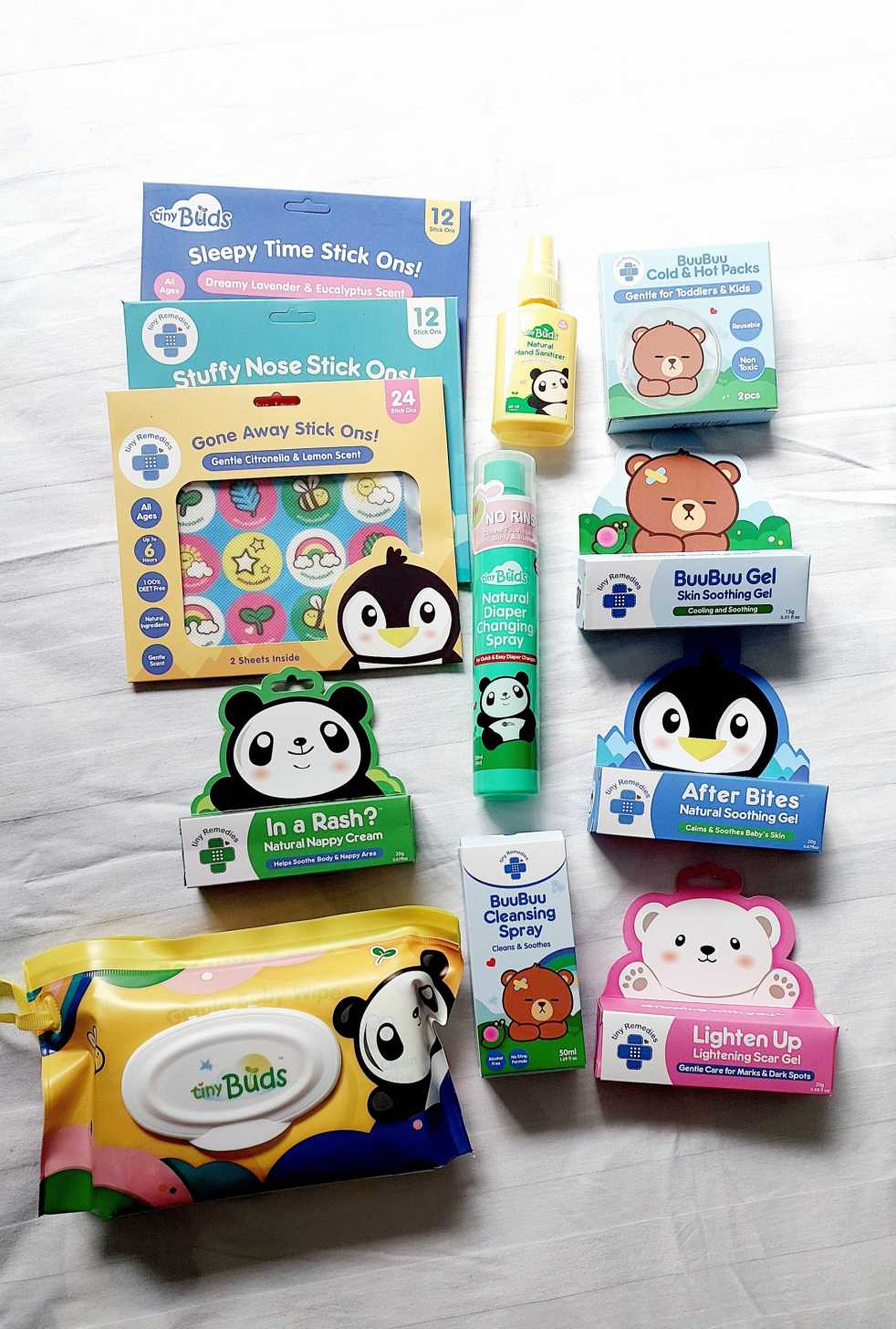
Your baby’s skin is more delicate than most, this is why you have to choose products that are designed for sensitive skin. Tiny Buds is a pioneer in integrating natural ingredients into baby care and today has over 50 innovative natural baby care essentials and is one of the Top Baby Personal Care brands. Here… Continue reading Product Review: Tiny Buds Baby Naturals Baby Essentials
Where your child goes to school is a big decision and shouldn’t be taken lightly. Given how their education can impact their future, you might be tempted to take control and decide for them. However, you might be doing more damage than helping them in the long run. Your job as parents is to support… Continue reading HOW TO CHOOSE THE BEST SCHOOL FOR YOUR CHILD

As poet and philosopher Rumi once eloquently said, “raise your words, not your voice. It is rain that grows flowers, not thunder.” Parenting is a challenging journey, and the truth is that nobody has everything figured out. One parenting style might suit others best, and some might favor other methods. However, children respond better to… Continue reading A SIMPLE GUIDE TO GENTLE PARENTING

Whether you’re a new mom to be, mom of a toddler, mom who have school-aged kids, you’re bound to have so many questions. Let's start with your baby's skin. Infant skin has unique needs; gentle care is essential to prevent damage to the skin barrier, which can lead to irritation. When caring for infant skin,… Continue reading Keeping Baby’s Diapered Skin Healthy
As parents, we want to give our child the best possible start in life and that begins with nurturing their intelligence. Throughout history, the notion of success has been linked to academic intelligence. However, there has been an increased awareness on the importance of emotional intelligence. This question gets at the heart of the never-ending… Continue reading IQ or EQ, which one is a better predictor of your child’s success?
 wondermomma.net