

Last August, IKEA Philippines engaged with Better World Smokey Mountain, a newly opened community center operated by the San Miguel Foundation, which shares a similar goal of improving the lives of many Filipino people. Through this partnership, IKEA Philippines provided and assembled home furnishings for the classrooms and library of Better World Smokey Mountain community… Continue reading Help Create a Better World with IKEA Soft Toys
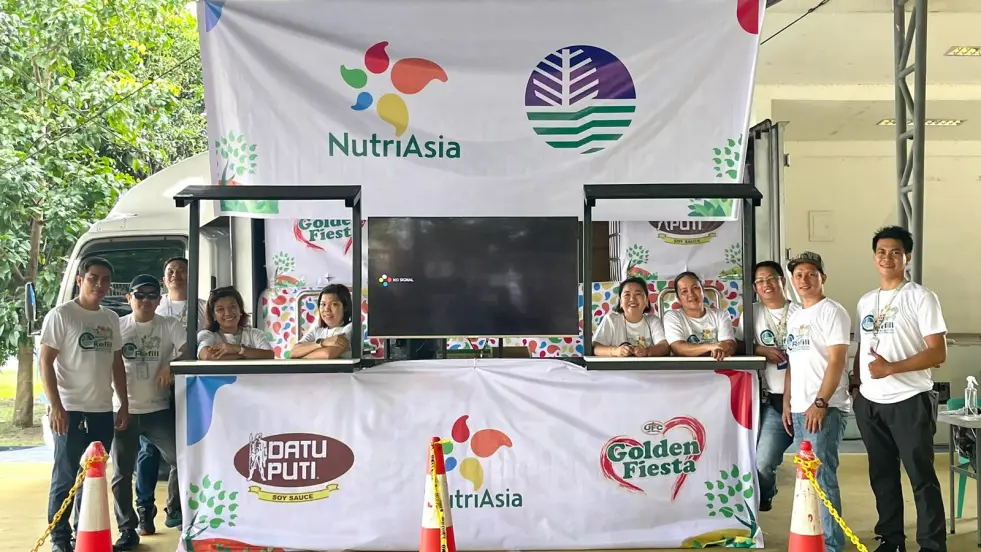
NutriAsia, the country’s top producer of condiments and sauces, continues its support of Refill Revolution; a project by the Department of Environment and Natural Resources EMB 3 that aims to help reduce Filipinos’ single-use plastics consumption. At Refill Revolution, residents get to recycle their single-use plastic bottles by reusing and filling it with their choice… Continue reading NutriAsia and DENR renews partnership for Refill Revolution

How to Create a Summer Schedule That Keeps Kids Busy
School holidays can feel wonderfully open at first. Then the days stretch out, the weather turns hot, and children begin announcing that they are bored before breakfast. A simple summer rhythm gives everyone a sense of what is happening without making the holidays feel like another school term.
The best holiday timetable leaves room for rest, spontaneous play and family time. It can include structured activities such as swimming lessons, craft projects and library visits, balanced with quiet periods when children choose what to do. The aim is a flexible routine that supports independence rather than filling every hour.
Australian summer holidays also bring practical considerations. School break dates vary between states and territories, temperatures can change quickly, and outdoor activities need to fit around strong UV levels. A little planning helps families enjoy parks, beaches, backyards and local attractions safely.
| Schedule style | Works well for | What it includes | Main benefit |
|---|---|---|---|
| Loose daily rhythm | Preschoolers and relaxed families | Regular meal, rest and outdoor periods | Keeps the day predictable |
| Activity blocks | Primary-aged children | Morning, afternoon and quiet-time plans | Reduces boredom |
| Weekly theme | Children who enjoy projects | A different focus each day | Encourages creativity |
| Choice-based routine | Older children and siblings | A menu of approved activities | Builds responsibility |
| Weather-ready plan | Hot or changeable regions | Indoor and outdoor alternatives | Prevents last-minute stress |
Build A Rhythm Rather Than A Rigid Timetable
Begin with a few anchors that happen at roughly the same time each day. Breakfast, getting dressed, lunch, screen time, afternoon tea and bedtime can create a reassuring pattern. The exact time does not need to be identical, especially during school holidays, but children should know what comes next.
A useful summer routine might start with a slow morning, followed by an outdoor activity before the hottest part of the day. After lunch, children can have quiet time, read, listen to an audiobook or enjoy a limited amount of screen entertainment. Late afternoon is suitable for a backyard game, a walk or a trip to the park when the temperature begins to ease.
Keep the language simple. A visual calendar with pictures works well for younger children, while older children may prefer a weekly whiteboard. Include empty spaces labelled “free choice” so the schedule feels supportive rather than controlling. A holiday plan should guide the day, not turn it into a list of demands.
Plan Around Energy, Weather And Safety
Outdoor play is often easiest before 10 am or later in the afternoon, particularly during a heatwave. Check the Bureau of Meteorology forecast and UV information before planning a long playground visit, bike ride or beach outing. Shade, water, hats, sunscreen and light clothing should be part of the routine rather than afterthoughts.
For families near the coast, a morning at the beach can be a highlight of the week. Choose a patrolled area, follow local signs and keep young children within arm’s reach around water. A council pool, splash park or creek walk may provide another option, although supervision remains essential wherever water is present.
Make every outdoor plan weather-proof. If rain arrives in Melbourne, a hot northerly wind affects Adelaide, or severe storms are forecast in Brisbane, move the activity indoors without treating it as a disappointment. Keep a small list of alternatives, such as baking, building with blocks, drawing, a library visit or a family movie afternoon.
Quick Checks Before Leaving Home
- Check the forecast, UV index and local fire or storm warnings.
- Pack water bottles, hats, sunscreen and a change of clothes.
- Choose shaded areas or air-conditioned venues during extreme heat.
- Confirm opening hours for pools, libraries and holiday programmes.
Use Weekly Themes To Spark Ideas
A weekly theme reduces the effort of inventing activities every morning. It can be as simple as “around Australia”, “things that grow”, “space”, “our neighbourhood” or “creative kitchen”. Children can explore the theme through books, craft, outdoor observation, cooking and conversation.
An “around Australia” week might include reading about the Great Barrier Reef, making a map of the country, looking at native leaves and preparing damper. A nature theme could involve planting herbs, watching insects in the garden and visiting a local botanic garden. These activities build knowledge while still feeling like play.
Local resources can stretch the family budget. Many Australian councils run free or low-cost holiday programmes, and public libraries often host story time, craft sessions and science activities. A visit to the local library can also help children choose books for independent reading, especially when school assignments are not setting the agenda.
Avoid turning each theme into a lesson plan. Let children follow their interests. If a child becomes fascinated by ants while exploring the garden, that observation can lead to drawing, counting, reading or building a pretend insect habitat. Curiosity is often more valuable than completing a planned craft.
Balance Active Play With Quiet Time
Children need movement, but they also need opportunities to reset. A daily schedule that includes constant outings may leave younger children overtired and older children irritable. Quiet time after lunch gives everyone a break, including parents and carers.
Quiet time does not have to mean sleep. Younger children might look at books, complete a simple puzzle or play with soft toys. Older children can write stories, practise an instrument, do origami or watch a pre-agreed programme. If screens are part of the routine, decide when they are available and what happens before and after use.
A Simple Choice Menu For Children
- Make something: paint, cook, build, sew or create a collage.
- Move your body: ride, swim, dance, stretch or play a ball game.
- Explore: visit a park, library, museum, market or nature reserve.
- Reset: read, listen to music, rest, draw or enjoy calm screen time.
Give children two or three choices instead of asking them to decide how to fill an entire day. “Would you like to bake or build this morning?” is easier to answer than “What do you want to do?” As children become more capable, they can help add activities to the family calendar and gather the materials they need.
Share Responsibility And Keep Costs Manageable
A summer schedule works better when children have a role in maintaining it. They can tick off activities, pack a picnic, water the garden, choose a recipe or help set up a craft station. These small jobs teach planning and make the routine feel like a shared family project.
Cost does not determine whether a holiday is enjoyable. A backyard obstacle course, scavenger hunt, water-play tub or homemade café can be as engaging as a paid attraction. Use local playgrounds, free galleries, community events and council facilities where available. In Australia, a family membership or multi-visit pass may be worthwhile for a nearby zoo, museum or swimming centre, but compare the total cost with the number of visits you are likely to make.
Leave room for spontaneous “arvo” plans. An unplanned ice cream after a park visit, a neighbour’s water-play invitation or a sunset walk can become a favourite memory. The schedule should hold the family’s priorities while allowing ordinary summer moments to happen.
Before the holidays begin, talk about the household expectations. Children should know how toys are packed away, when devices are charged, which areas are off-limits and how siblings can ask for space. Clear boundaries reduce repeated reminders and help children manage the freedom that comes with longer days.
Adjust The Plan As Children Grow
A routine for a toddler will look different from one designed for a twelve-year-old. Young children benefit from short activities, frequent snacks and predictable rest. Primary-aged children can manage longer projects, simple chores and supervised neighbourhood play. Teenagers may need privacy, later starts and opportunities to meet friends safely.
Siblings also need different forms of engagement. A shared morning activity can be followed by age-appropriate choices. One child might read while another works on a Lego build. If conflict is common, plan separate spaces and short periods of individual attention rather than expecting children to spend every hour together.
Review the schedule after several days. Notice when children seem energised, restless or overwhelmed. If a planned outing consistently clashes with nap time or the hottest part of the day, move it. If a child repeatedly chooses drawing over organised activities, make creative time a regular feature.
The strongest holiday routine changes with the family. It protects sleep, meals, safety and connection while leaving enough freedom for children to play, explore and recover from a busy year. With a few reliable anchors and a collection of flexible ideas, summer days can feel calmer, more purposeful and much easier to enjoy.

Mercato Centrale, in collaboration with Indian Women in Enterprise Philippines (I-We), is set to host "The Great Indian Fiesta" to mark 75 years of friendship between India and the Philippines. The dynamic two-day event is scheduled to take place on September 30 to October 1, 2023, at Paseo De Roxas Street, Makati City. Aiming to… Continue reading Mercato Centrale Partners with I-We to Host ‘The Great Indian Fiesta’, Commemorating 75 Years of India-Philippines Friendship

My stomach would usually start growling at 10 am even after taking a big breakfast. This is probably because I am a morning person and I move a lot throughout the day hence snacking is something that I can't avoid. This potatoes and chicken wrap recipe is easy to prepare and would keep me full… Continue reading Potato and Chicken Wrap
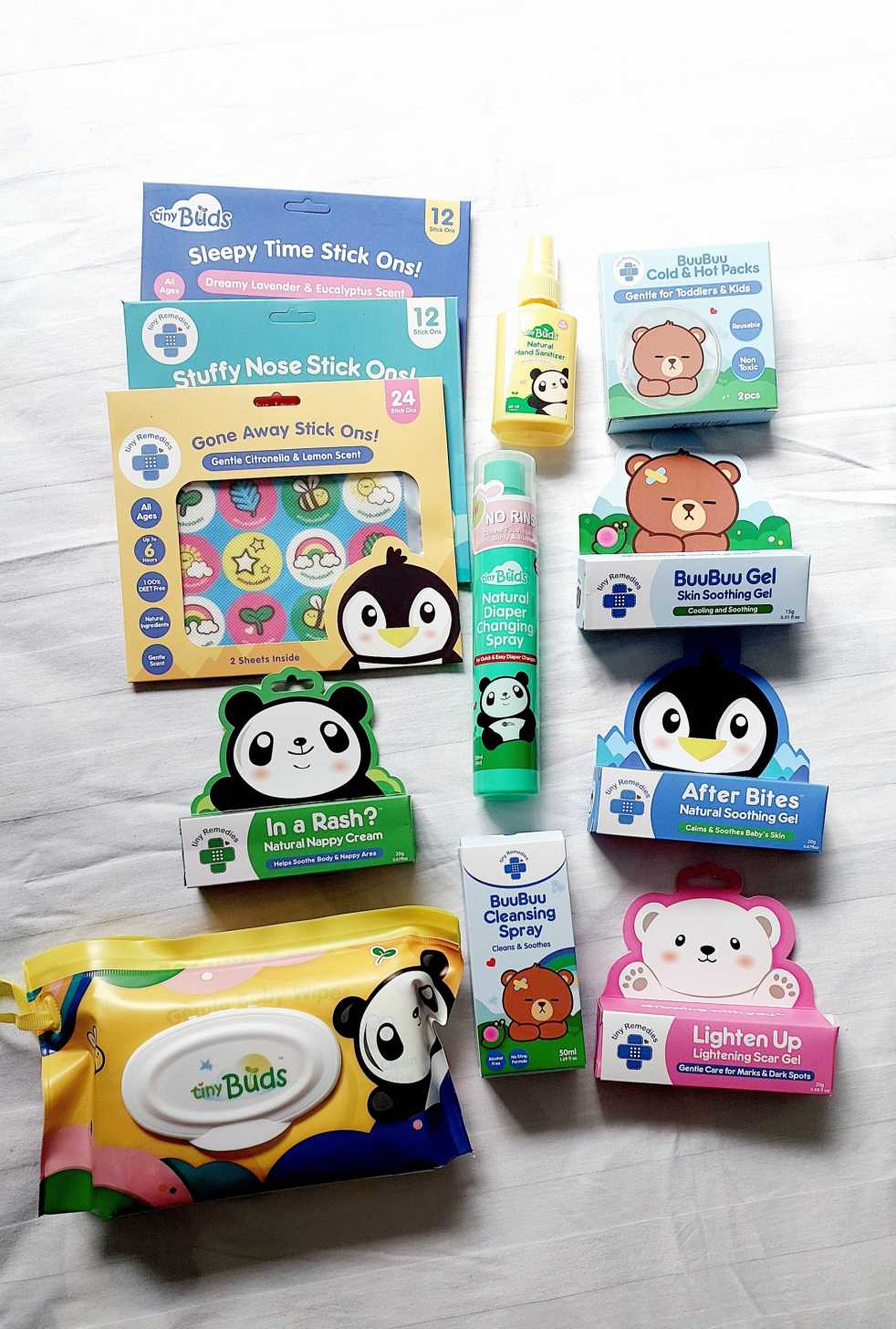
Your baby’s skin is more delicate than most, this is why you have to choose products that are designed for sensitive skin. Tiny Buds is a pioneer in integrating natural ingredients into baby care and today has over 50 innovative natural baby care essentials and is one of the Top Baby Personal Care brands. Here… Continue reading Product Review: Tiny Buds Baby Naturals Baby Essentials
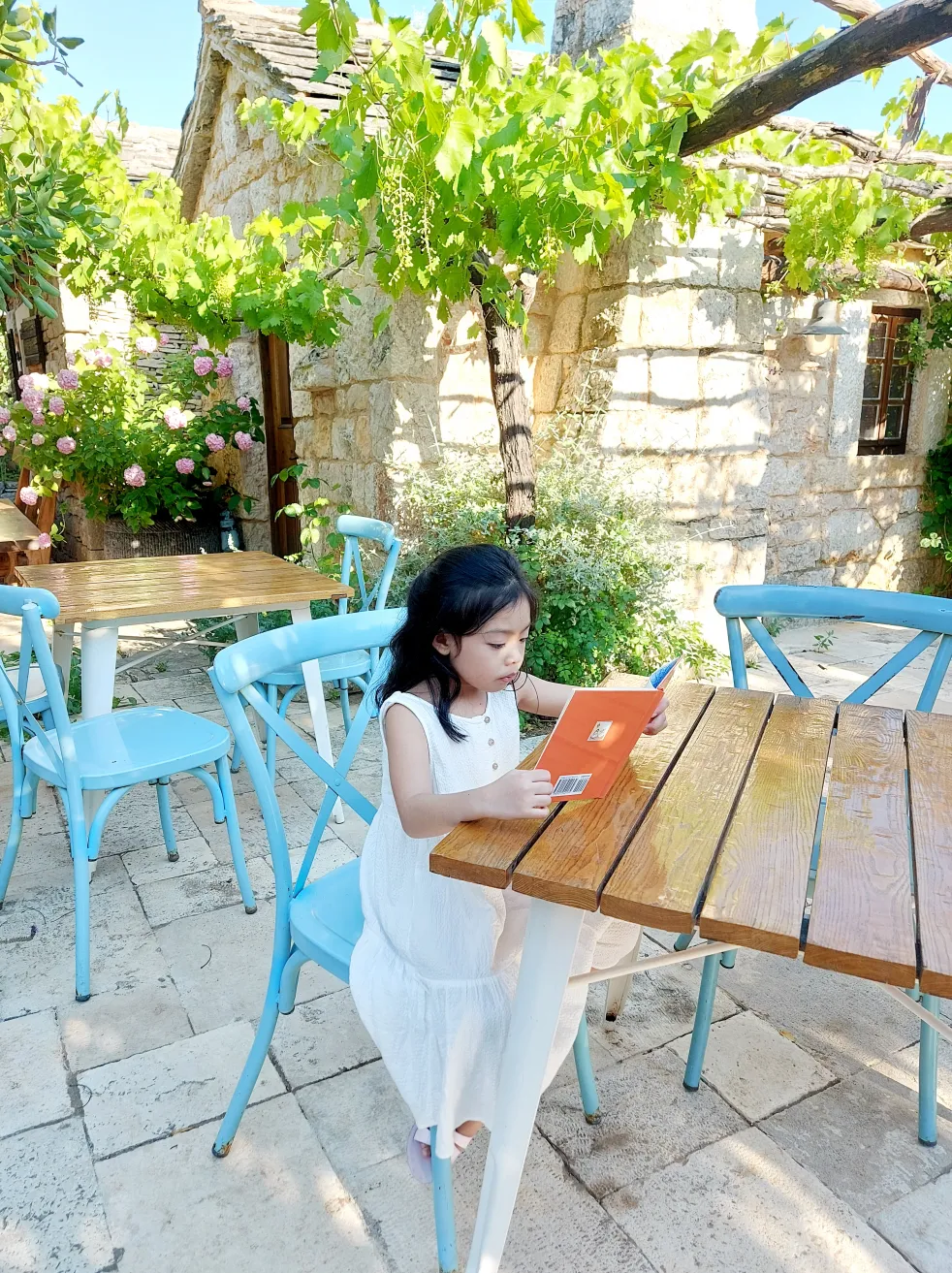
Where your child goes to school is a big decision and shouldn’t be taken lightly. Given how their education can impact their future, you might be tempted to take control and decide for them. However, you might be doing more damage than helping them in the long run. Your job as parents is to support… Continue reading HOW TO CHOOSE THE BEST SCHOOL FOR YOUR CHILD
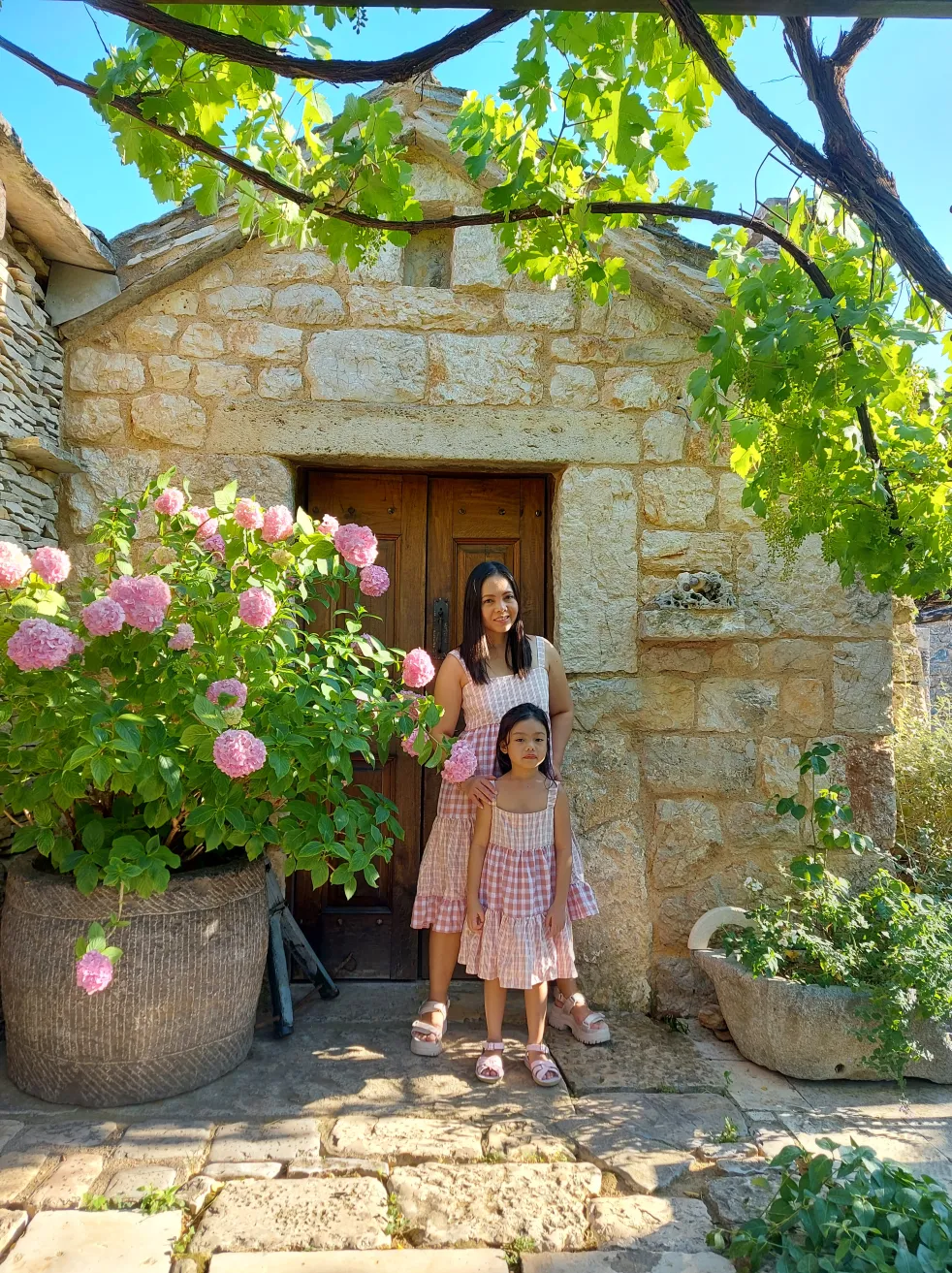
As poet and philosopher Rumi once eloquently said, “raise your words, not your voice. It is rain that grows flowers, not thunder.” Parenting is a challenging journey, and the truth is that nobody has everything figured out. One parenting style might suit others best, and some might favor other methods. However, children respond better to… Continue reading A SIMPLE GUIDE TO GENTLE PARENTING

Whether you’re a new mom to be, mom of a toddler, mom who have school-aged kids, you’re bound to have so many questions. Let's start with your baby's skin. Infant skin has unique needs; gentle care is essential to prevent damage to the skin barrier, which can lead to irritation. When caring for infant skin,… Continue reading Keeping Baby’s Diapered Skin Healthy
As parents, we want to give our child the best possible start in life and that begins with nurturing their intelligence. Throughout history, the notion of success has been linked to academic intelligence. However, there has been an increased awareness on the importance of emotional intelligence. This question gets at the heart of the never-ending… Continue reading IQ or EQ, which one is a better predictor of your child’s success?
 wondermomma.net