

Last August, IKEA Philippines engaged with Better World Smokey Mountain, a newly opened community center operated by the San Miguel Foundation, which shares a similar goal of improving the lives of many Filipino people. Through this partnership, IKEA Philippines provided and assembled home furnishings for the classrooms and library of Better World Smokey Mountain community… Continue reading Help Create a Better World with IKEA Soft Toys

NutriAsia, the country’s top producer of condiments and sauces, continues its support of Refill Revolution; a project by the Department of Environment and Natural Resources EMB 3 that aims to help reduce Filipinos’ single-use plastics consumption. At Refill Revolution, residents get to recycle their single-use plastic bottles by reusing and filling it with their choice… Continue reading NutriAsia and DENR renews partnership for Refill Revolution

How to create a safe sleep environment for your newborn
A newborn spends much of the day asleep, so the place where your baby rests deserves careful attention. A safe sleep setup can reduce common hazards such as suffocation, overheating, falls, and accidental covering while also making nighttime care easier for parents.
The safest arrangement is simple: place your baby on their back, on a firm and flat mattress, inside a clear cot, bassinet, or play yard. The sleep space should be close to your bed but separate from it. This allows you to respond quickly during feeds and soothing without placing the baby in an adult bed.
Families in the Philippines may need to consider warm weather, electric fans, air-conditioning, small bedrooms, and frequent travel between homes. These practical details can be managed without adding pillows, loose blankets, or soft accessories that make the sleep surface less safe.
Choose a separate, firm sleep space
Use a cot, bedside bassinet, or properly designed play yard that meets current safety standards and is suitable for a newborn’s age and size. The mattress should be firm, flat, and correctly fitted, with no gaps around the edges. A fitted sheet made for that specific mattress is all the bedding your baby needs.
Avoid letting a newborn sleep on sofas, armchairs, adult mattresses, beanbags, or padded loungers. These surfaces can trap a baby between cushions or allow the head and neck to fall into an unsafe position. Car seats, strollers, and baby carriers are useful for transport, but they are not intended to replace a flat sleep surface once you arrive home.
Check the sleep product regularly for broken slats, loose screws, damaged mesh, or a mattress that shifts. If you are using a secondhand cot, confirm that it has all its original parts and has not been recalled. Do not modify it with homemade padding, extra mattresses, or tied-on decorations.
Keep the sleep area clear
A newborn’s cot should contain only the baby and a tightly fitted sheet. Keep pillows, quilts, comforters, stuffed toys, nursing pillows, bumper pads, sleep positioners, and decorative items outside the sleep space. Even products marketed for comfort or prevention of rolling can create an obstruction near a baby’s face.
Loose blankets are especially easy for a young baby to pull over their nose and mouth. If your baby needs an additional layer, dress them in suitable sleep clothing or use a correctly sized wearable blanket that cannot ride up over the face. Swaddling should never be tight around the hips, and it must stop as soon as your baby shows signs of rolling.
Do not place cords, charging cables, mosquito nets, ribbons, or curtain ties within reach of the cot. In homes where mosquito protection is necessary, use a safe, properly installed solution that cannot sag onto the baby or create loose fabric. Follow the product instructions and keep all attachments away from the mattress.
Position your baby safely
Always place your baby on their back for every sleep, including naps. Back sleeping is recommended for newborns and should continue until the child is one year old, unless a healthcare professional gives specific medical instructions. Once a baby can roll from back to front and front to back independently, you should still begin every sleep on the back, but you do not need to keep turning them back constantly.
Tummy time is important for development, head control, and strength, but it should happen only while your baby is awake and closely supervised. It is not a sleeping position. If your newborn falls asleep during feeding, cuddling, or tummy time, move them to their clear, flat sleep space as soon as practical.
Some babies settle more easily when swaddled. If you choose to swaddle, keep the fabric lightweight, allow room for hip and leg movement, and make sure the baby is placed on their back. Stop swaddling at the first attempts to roll, which may happen earlier than expected.
Manage temperature and airflow
Overheating is a safety concern, particularly in a warm and humid climate. Dress your baby in roughly one light layer more than a comfortable adult would wear in the same room, then check the chest or back of the neck. Sweaty skin, flushed cheeks, damp hair, or a hot chest can indicate that your baby needs fewer layers.
A fan or air-conditioner may be used to keep the room comfortable, but direct strong airflow should not blow continuously onto the baby. Keep the cot away from windows, heaters, kitchen appliances, and direct sunlight. Make sure cords are secured and that the room remains comfortably ventilated.
Room-sharing is recommended during the early months because it makes monitoring and feeding easier, but bed-sharing carries different risks. An adult mattress, especially when combined with pillows, blankets, alcohol, smoking, sedating medication, or extreme tiredness, can be hazardous for a newborn. Return your baby to their own sleep space after feeding or comforting.
| Sleep environment element | Safer choice | Avoid |
|---|---|---|
| Position | Baby placed on the back | Sleeping on the stomach or side |
| Surface | Firm, flat mattress with fitted sheet | Soft mattress, sofa, recliner, or waterbed |
| Location | Cot or bassinet beside the parent’s bed | Adult bed or unattended elevated surface |
| Bedding | Appropriate clothing or wearable blanket | Loose blanket, pillow, quilt, or comforter |
| Temperature | Light layers and comfortable airflow | Overbundling, heavy fabric, or direct hot air |
| Accessories | Clear sleep space | Bumpers, toys, positioners, and cords |
Make nighttime feeding safer
Night feeds can be exhausting, and parents may unintentionally fall asleep while holding a baby. Before feeding, remove pillows, thick blankets, and other soft items from the immediate area. If you do nod off, place your baby back in the cot as soon as you wake.
Feeding in a chair or sofa is particularly risky if you become drowsy because a baby can slip into the side or underneath a cushion. Prepare a safe transfer routine: keep the cot close, use a dim light, and return the baby to the separate sleep space after burping or settling.
Breastfeeding has many benefits, but it does not make an unsafe sleep surface safe. The same back-sleeping and clear-cot principles apply whether your baby receives breast milk, formula, or both. A pacifier may be offered at sleep time if your baby accepts one, but never attach it to a cord, clip, ribbon, or stuffed toy while the baby sleeps.
Review the setup as your baby grows
A safe newborn sleep environment needs regular review. Check the cot after moving it, changing rooms, or replacing a mattress. Keep the base at its lowest safe setting before your baby can sit or pull up, and remove mobiles or hanging toys as soon as the baby can reach them.
As babies become stronger, they may roll, crawl, sit, or pull themselves upright with little warning. A swaddle, bassinet, or compact sleep product may no longer be appropriate at that stage. Follow the manufacturer’s weight, height, and developmental limits rather than relying only on age.
Grandparents, babysitters, and relatives should know the same basic rules. A short written reminder beside the cot can help everyone follow the family’s safe sleep routine, especially during holidays, visits, or overnight stays in another home.
Keep these habits consistent
A few simple habits can make safe sleep easier to maintain during busy newborn days:
- Put your baby on their back for every nap and nighttime sleep.
- Use a firm, flat, separate sleep surface with a fitted sheet only.
- Keep pillows, blankets, toys, bumpers, and cords out of the cot.
- Dress your baby lightly and check for signs of overheating.
- Stop swaddling when your baby begins trying to roll.
- Move your baby from sofas, chairs, car seats, or adult beds to the cot when sleep begins.
If your newborn has a medical condition, was born prematurely, or has difficulty breathing, feeding, or maintaining body temperature, ask your pediatrician for individualized guidance. A healthcare professional can also help assess sleep products or explain how to adapt safe practices to your baby’s needs.
A clear cot, a firm mattress, back sleeping, and a comfortable room provide a strong foundation for newborn sleep. Set up the space before bedtime, share the routine with every caregiver, and check it again as your baby develops. For more practical family guidance, explore WonderMomma’s parenting and baby-care resources and share these safe sleep reminders with the people who care for your little one.

Mercato Centrale, in collaboration with Indian Women in Enterprise Philippines (I-We), is set to host "The Great Indian Fiesta" to mark 75 years of friendship between India and the Philippines. The dynamic two-day event is scheduled to take place on September 30 to October 1, 2023, at Paseo De Roxas Street, Makati City. Aiming to… Continue reading Mercato Centrale Partners with I-We to Host ‘The Great Indian Fiesta’, Commemorating 75 Years of India-Philippines Friendship

My stomach would usually start growling at 10 am even after taking a big breakfast. This is probably because I am a morning person and I move a lot throughout the day hence snacking is something that I can't avoid. This potatoes and chicken wrap recipe is easy to prepare and would keep me full… Continue reading Potato and Chicken Wrap
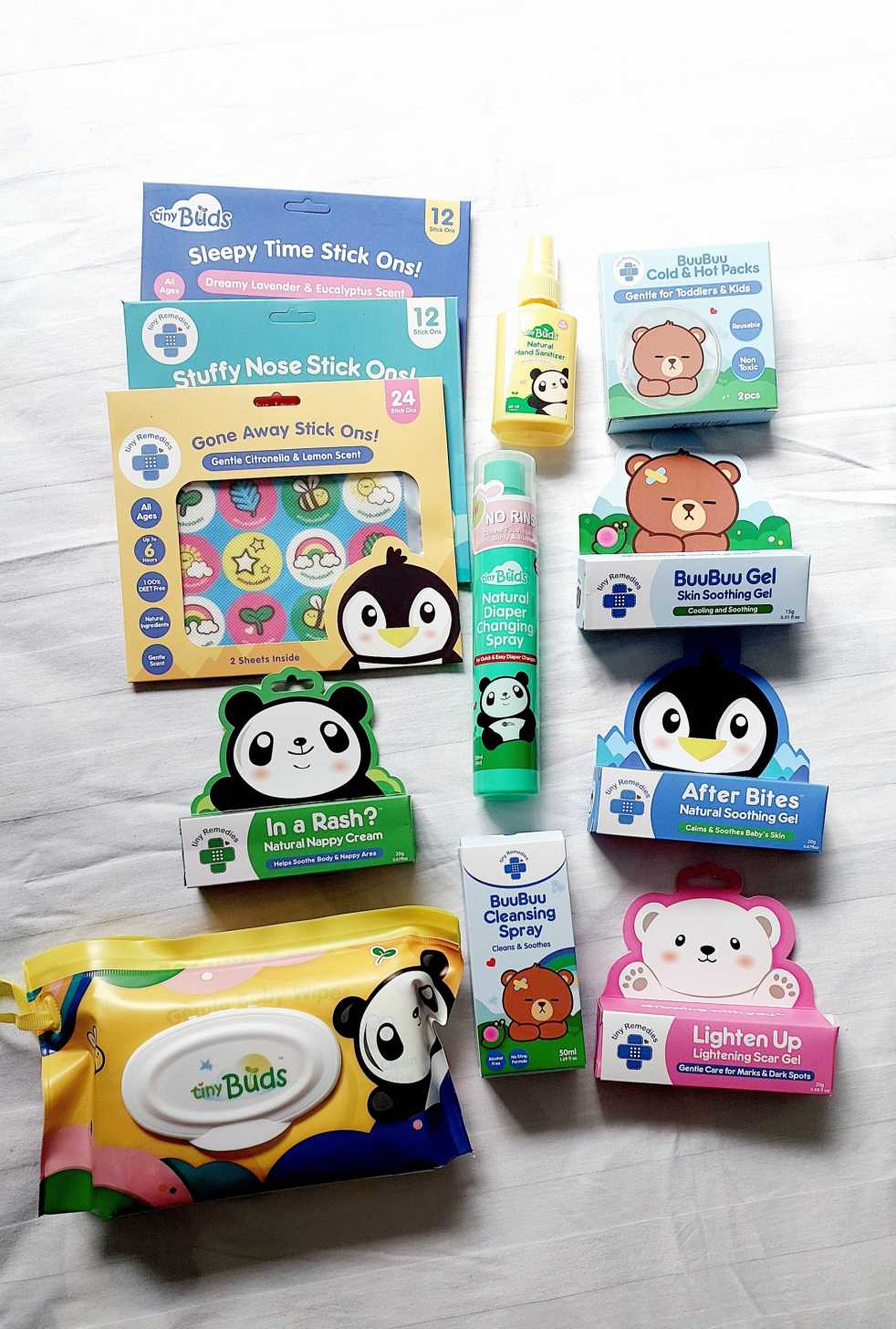
Your baby’s skin is more delicate than most, this is why you have to choose products that are designed for sensitive skin. Tiny Buds is a pioneer in integrating natural ingredients into baby care and today has over 50 innovative natural baby care essentials and is one of the Top Baby Personal Care brands. Here… Continue reading Product Review: Tiny Buds Baby Naturals Baby Essentials
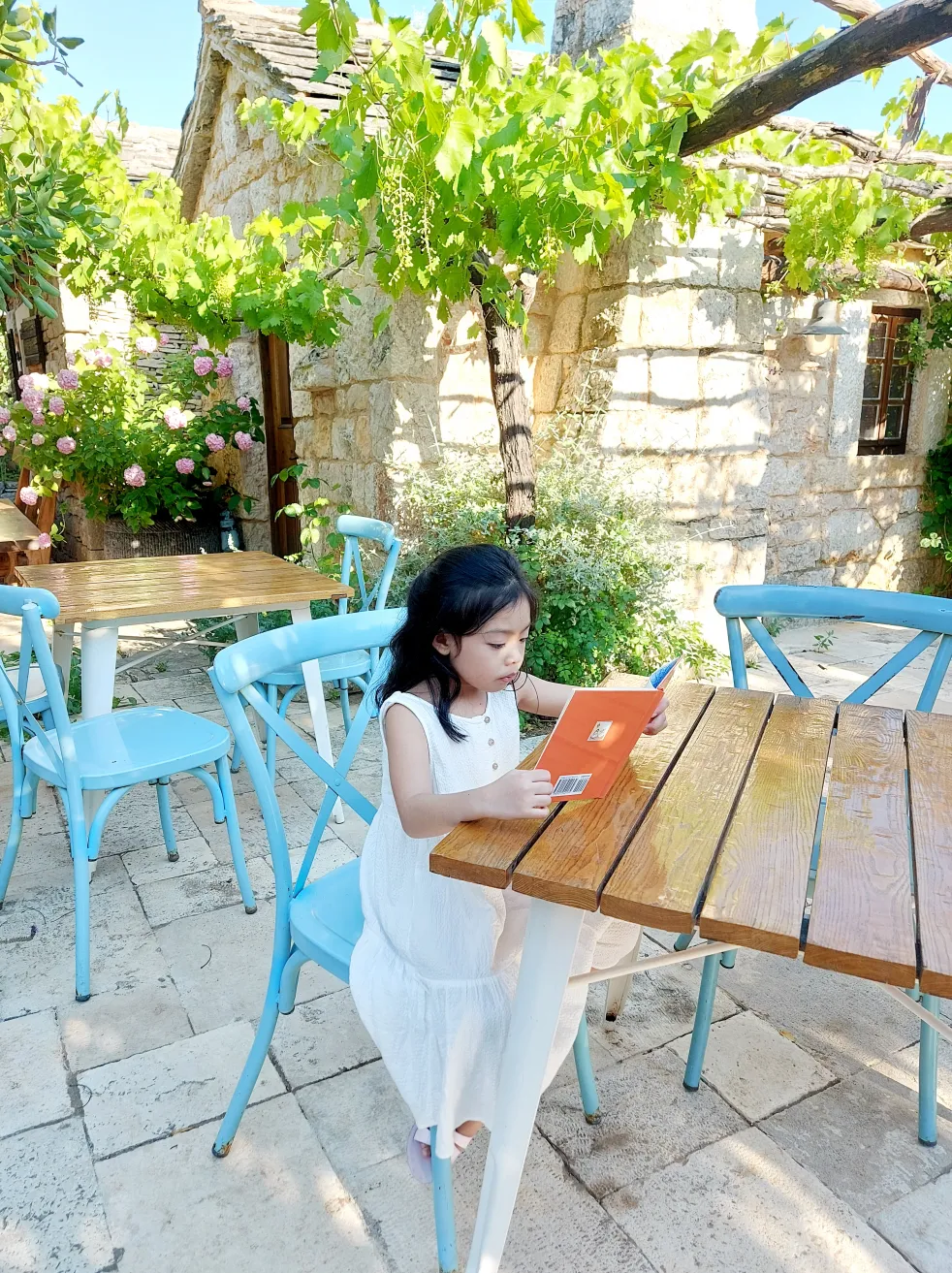
Where your child goes to school is a big decision and shouldn’t be taken lightly. Given how their education can impact their future, you might be tempted to take control and decide for them. However, you might be doing more damage than helping them in the long run. Your job as parents is to support… Continue reading HOW TO CHOOSE THE BEST SCHOOL FOR YOUR CHILD

As poet and philosopher Rumi once eloquently said, “raise your words, not your voice. It is rain that grows flowers, not thunder.” Parenting is a challenging journey, and the truth is that nobody has everything figured out. One parenting style might suit others best, and some might favor other methods. However, children respond better to… Continue reading A SIMPLE GUIDE TO GENTLE PARENTING

Whether you’re a new mom to be, mom of a toddler, mom who have school-aged kids, you’re bound to have so many questions. Let's start with your baby's skin. Infant skin has unique needs; gentle care is essential to prevent damage to the skin barrier, which can lead to irritation. When caring for infant skin,… Continue reading Keeping Baby’s Diapered Skin Healthy
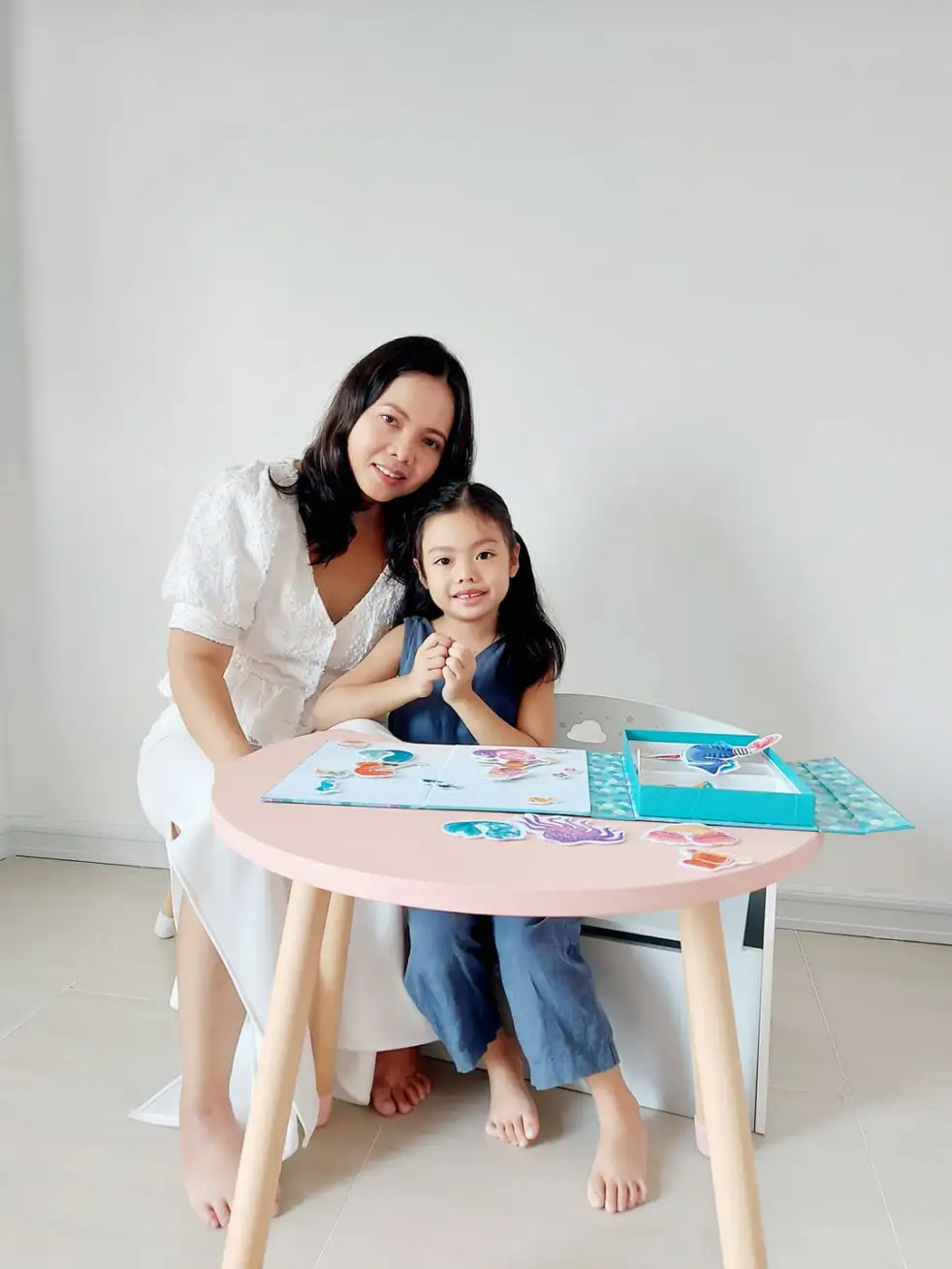
As parents, we want to give our child the best possible start in life and that begins with nurturing their intelligence. Throughout history, the notion of success has been linked to academic intelligence. However, there has been an increased awareness on the importance of emotional intelligence. This question gets at the heart of the never-ending… Continue reading IQ or EQ, which one is a better predictor of your child’s success?
 wondermomma.net