

Last August, IKEA Philippines engaged with Better World Smokey Mountain, a newly opened community center operated by the San Miguel Foundation, which shares a similar goal of improving the lives of many Filipino people. Through this partnership, IKEA Philippines provided and assembled home furnishings for the classrooms and library of Better World Smokey Mountain community… Continue reading Help Create a Better World with IKEA Soft Toys

NutriAsia, the country’s top producer of condiments and sauces, continues its support of Refill Revolution; a project by the Department of Environment and Natural Resources EMB 3 that aims to help reduce Filipinos’ single-use plastics consumption. At Refill Revolution, residents get to recycle their single-use plastic bottles by reusing and filling it with their choice… Continue reading NutriAsia and DENR renews partnership for Refill Revolution

How to create a gentle bedtime routine for your toddler
Bedtime with a toddler can feel unpredictable. One evening your child settles after a story, while the next brings requests for another drink, another cuddle, or one more song. These changes are normal because toddlers are learning independence while still needing plenty of reassurance.
A gentle bedtime routine creates a familiar path from active daytime moments to restful sleep. It does not require strict silence, expensive sleep products, or a perfect schedule. What matters most is consistency, connection, and a pace that helps your child feel safe.
The goal is to guide your toddler toward sleep without pressure or harsh discipline. A calm routine can support emotional regulation, reduce bedtime battles, and help the whole family end the day with less stress.
Why a predictable bedtime helps
Toddlers do not always have the words to explain that they are tired. Instead, they may become clingy, irritable, energetic, or resistant. A regular evening rhythm helps them recognise the signs that sleep is approaching, even before they feel ready to stop playing.
A bedtime routine also gives your child repeated opportunities to connect with you. Simple moments such as washing hands, putting on pyjamas, reading together, and sharing a cuddle provide reassurance. This connection can make separation at bedtime easier, especially after a busy day at childcare or with family.
Keep the routine short enough to maintain every night. Around 20 to 40 minutes is often practical for a toddler, although the best length depends on your child’s age, temperament, and usual sleep needs. A predictable order matters more than following an exact clock time.
Start with your toddler’s natural rhythm
Before changing bedtime, observe when your child naturally becomes sleepy. Look for yawning, slower movement, eye rubbing, quiet play, or a sudden need for extra comfort. If bedtime starts too early, your toddler may resist because they are not tired yet. If it starts too late, overtiredness can make settling much harder.
A consistent wake-up time can help regulate your child’s body clock. Morning sunlight, active play, and regular meal times also support a healthy sleep pattern. In the Philippines, where daylight and household routines may vary throughout the year, use your family’s daily rhythm as a guide rather than aiming for a rigid universal schedule.
If your toddler still naps, consider how the nap affects evening sleep. A late or lengthy afternoon nap may delay bedtime, while skipping a needed nap can lead to tears and hyperactivity. Adjust gradually, moving nap or bedtime by 10 to 15 minutes every few days instead of making a sudden change.
| Bedtime step | Gentle purpose | Helpful approach |
|---|---|---|
| Tidy-up time | Signals that active play is ending | Offer two simple choices, such as blocks or books first |
| Bath or wash-up | Creates a transition into quieter activities | Keep water warm and the atmosphere relaxed |
| Pyjamas and teeth | Builds healthy sleep habits | Let your toddler choose between two pyjama sets |
| Story and connection | Meets the need for closeness | Read a familiar book and keep the pace slow |
| Lights out | Provides a clear ending | Use the same short phrase each night |
Create a calming sequence
Begin with a gentle warning before the routine starts. You might say, “In five minutes, we will put the toys away and get ready for bed.” A timer, song, or visual bedtime chart can make the transition easier for a child who struggles to stop playing.
Use the same general order each night, such as tidy-up, wash, pyjamas, toothbrushing, books, cuddles, and lights out. The activities can change slightly, but the sequence should remain familiar. Toddlers often cooperate more readily when they know what comes next.
Offer limited choices to support independence without opening a long negotiation. Your child can choose the blue or yellow pyjamas, one or two books, or whether to brush teeth before or after a story. Avoid asking open-ended questions such as “Are you ready for bed?” when bedtime is already set, since a tired toddler will usually answer no.
Make the bedroom feel safe and restful
A toddler’s sleep environment should be comfortable, reasonably cool, and free from unnecessary distractions. Dim lighting can help signal nighttime, while a small night-light may reassure a child who dislikes complete darkness. Choose a soft, steady light rather than bright or changing colours.
Keep screens out of the bedtime wind-down when possible. Videos and games can make it harder for a toddler to shift into quiet play, and the excitement may continue after the device is turned off. Replace screen time with music, simple puzzles, picture books, or gentle conversation.
Comfort objects can also support independent settling. A small, age-appropriate soft toy or familiar blanket may help your child feel secure. Keep the sleep space clear of loose items that could be unsafe, and follow current safe-sleep guidance for your child’s age.
Noise is another consideration in a busy home. Complete silence is not essential, particularly if family members are still awake. A steady household sound, quiet fan, or low-volume white noise may help mask sudden noises, provided the device is placed safely and kept at a comfortable volume.
Respond to resistance with calm limits
Bedtime resistance often reflects a real need for connection, control, or more time to process the transition. Get down to your toddler’s level, acknowledge the feeling, and keep the boundary clear: “You want to keep playing. It is hard to stop. Playtime is finished, and now we are going to bed.”
Try not to add new activities each time your child protests. If every request leads to another story, snack, or game, bedtime can become longer and less predictable. Instead, decide in advance what the routine includes and repeat the limit kindly: “We have had two books. Now it is cuddle time.”
When your child leaves the room, guide them back with as little excitement as possible. Use a brief phrase such as, “It is sleep time. I will walk you back.” Repeated calm responses may feel slow at first, but they teach that the boundary is dependable and that your presence remains reassuring.
Some toddlers need extra support when a parent leaves. You can try gradual reassurance, such as sitting beside the bed for a few minutes and slowly increasing the distance over several nights. Choose an approach that suits your child and apply it steadily rather than changing strategies every evening.
Use small choices to build cooperation
Gentle parenting does not mean allowing a toddler to control every part of bedtime. Children feel more secure when adults provide warm, confident leadership. Choices work best when both options are acceptable and the final expectation remains unchanged.
- Let your child choose between two pyjama outfits.
- Offer two bedtime books and allow them to select one or both if the routine permits.
- Invite your toddler to walk to the bathroom or be carried.
- Give a five-minute and one-minute warning before lights out.
- Use a simple picture chart showing each bedtime step.
Praise cooperation specifically instead of relying on vague approval. Say, “You put your book on the shelf when I asked,” or “You came back to bed calmly.” This helps your toddler understand which actions support the family routine.
Avoid making sleep a competition or using shame when your child struggles. Statements such as “Big children sleep alone” can make bedtime feel like a test. Encouragement, patience, and repeated practice are more supportive for a young child who is still developing self-regulation.
Adjust the routine when life changes
Travel, illness, visitors, holidays, and developmental changes can disrupt even a well-established sleep routine. During these periods, keep the most important anchors in place: a familiar phrase, a short story, a comfort item, and the same basic order of events.
If your toddler starts waking frequently, check practical causes first. Hunger, discomfort, a wet nappy, room temperature, teething, or a new fear can affect sleep. A child who snores loudly, struggles to breathe, seems unusually tired during the day, or has ongoing sleep difficulties should be discussed with a paediatrician.
Parents also need realistic expectations. Some nights will be smooth, while others will include tears or repeated requests. The routine has not failed because one evening was difficult. A gentle approach is built through returning to the same calm pattern the next night.
Keep notes for a week if you are unsure what affects your toddler’s sleep. Record wake-up time, nap length, bedtime, evening behaviour, and night waking. Patterns may become easier to see, allowing you to make one small adjustment instead of changing everything at once.
A peaceful bedtime begins with ordinary, repeatable actions: slowing the evening, giving your toddler choices, setting kind limits, and staying emotionally available. Choose a few steps that fit your household, practise them consistently, and let the routine develop over time. Start tonight with one calming transition and one reassuring phrase your child can hear every evening.

Mercato Centrale, in collaboration with Indian Women in Enterprise Philippines (I-We), is set to host "The Great Indian Fiesta" to mark 75 years of friendship between India and the Philippines. The dynamic two-day event is scheduled to take place on September 30 to October 1, 2023, at Paseo De Roxas Street, Makati City. Aiming to… Continue reading Mercato Centrale Partners with I-We to Host ‘The Great Indian Fiesta’, Commemorating 75 Years of India-Philippines Friendship

My stomach would usually start growling at 10 am even after taking a big breakfast. This is probably because I am a morning person and I move a lot throughout the day hence snacking is something that I can't avoid. This potatoes and chicken wrap recipe is easy to prepare and would keep me full… Continue reading Potato and Chicken Wrap
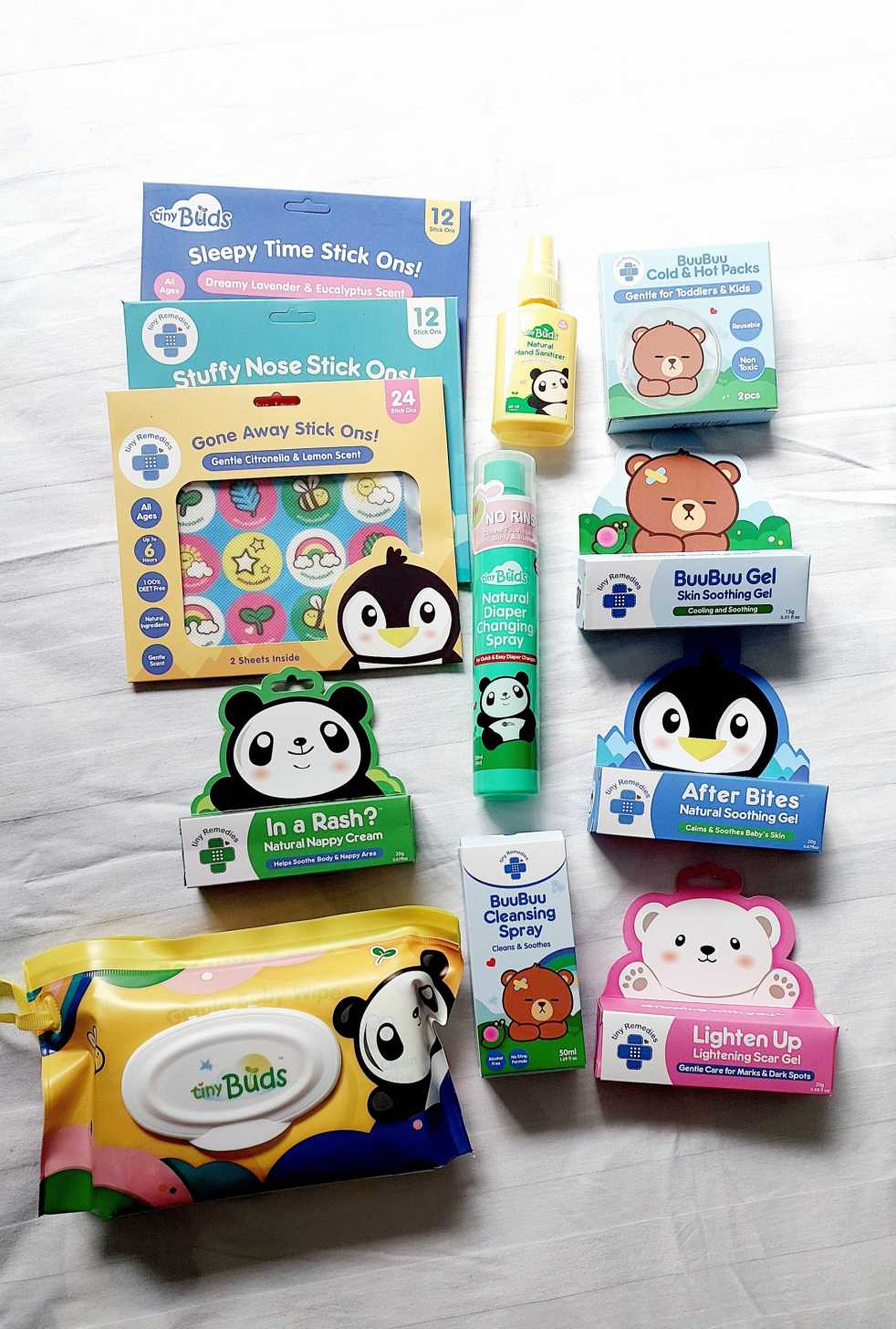
Your baby’s skin is more delicate than most, this is why you have to choose products that are designed for sensitive skin. Tiny Buds is a pioneer in integrating natural ingredients into baby care and today has over 50 innovative natural baby care essentials and is one of the Top Baby Personal Care brands. Here… Continue reading Product Review: Tiny Buds Baby Naturals Baby Essentials
Where your child goes to school is a big decision and shouldn’t be taken lightly. Given how their education can impact their future, you might be tempted to take control and decide for them. However, you might be doing more damage than helping them in the long run. Your job as parents is to support… Continue reading HOW TO CHOOSE THE BEST SCHOOL FOR YOUR CHILD

As poet and philosopher Rumi once eloquently said, “raise your words, not your voice. It is rain that grows flowers, not thunder.” Parenting is a challenging journey, and the truth is that nobody has everything figured out. One parenting style might suit others best, and some might favor other methods. However, children respond better to… Continue reading A SIMPLE GUIDE TO GENTLE PARENTING

Whether you’re a new mom to be, mom of a toddler, mom who have school-aged kids, you’re bound to have so many questions. Let's start with your baby's skin. Infant skin has unique needs; gentle care is essential to prevent damage to the skin barrier, which can lead to irritation. When caring for infant skin,… Continue reading Keeping Baby’s Diapered Skin Healthy
As parents, we want to give our child the best possible start in life and that begins with nurturing their intelligence. Throughout history, the notion of success has been linked to academic intelligence. However, there has been an increased awareness on the importance of emotional intelligence. This question gets at the heart of the never-ending… Continue reading IQ or EQ, which one is a better predictor of your child’s success?
 wondermomma.net