
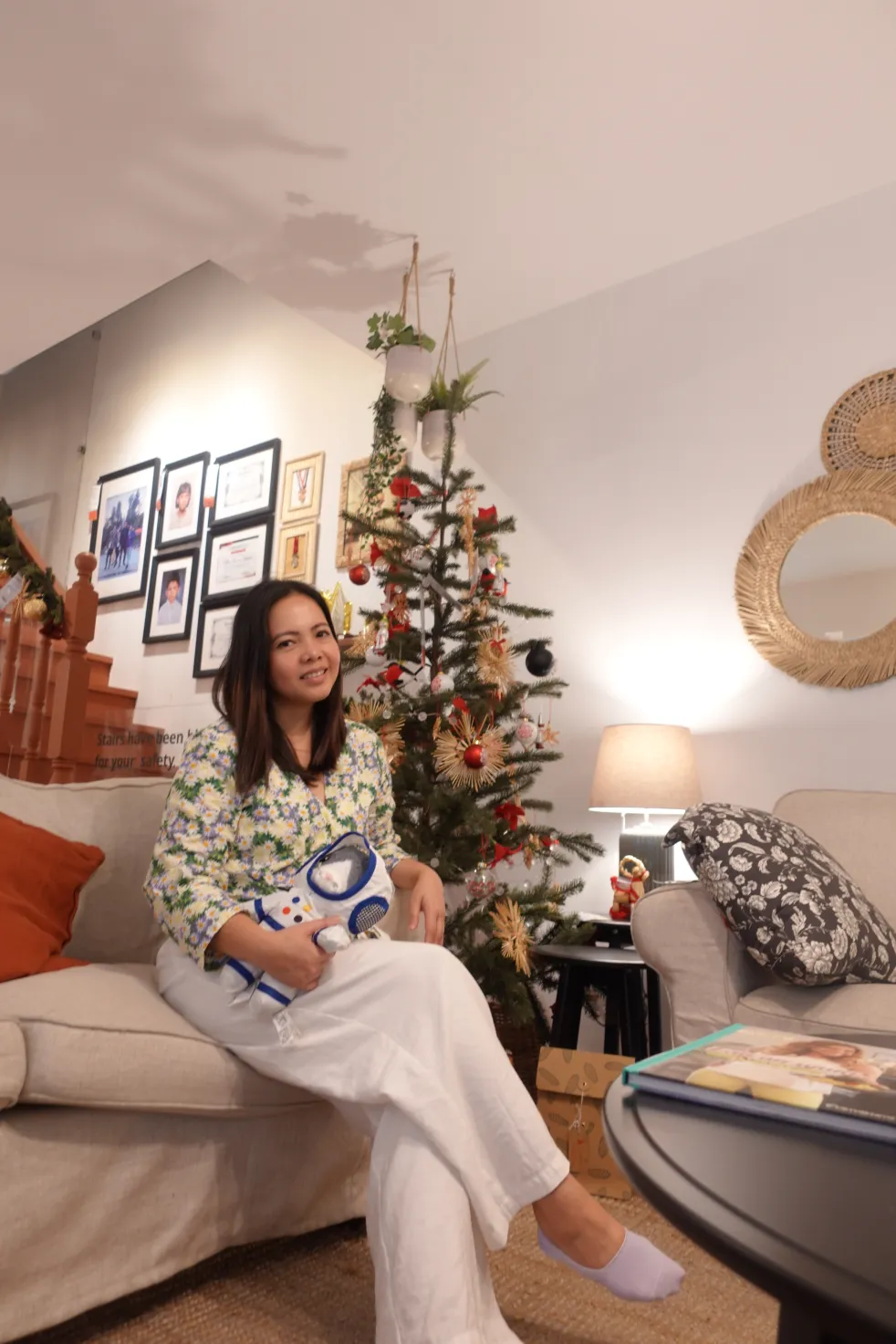
Last August, IKEA Philippines engaged with Better World Smokey Mountain, a newly opened community center operated by the San Miguel Foundation, which shares a similar goal of improving the lives of many Filipino people. Through this partnership, IKEA Philippines provided and assembled home furnishings for the classrooms and library of Better World Smokey Mountain community… Continue reading Help Create a Better World with IKEA Soft Toys

NutriAsia, the country’s top producer of condiments and sauces, continues its support of Refill Revolution; a project by the Department of Environment and Natural Resources EMB 3 that aims to help reduce Filipinos’ single-use plastics consumption. At Refill Revolution, residents get to recycle their single-use plastic bottles by reusing and filling it with their choice… Continue reading NutriAsia and DENR renews partnership for Refill Revolution

How to create a family vision board for the year
A new year gives families a natural opportunity to pause, look at what matters, and decide how they want everyday life to feel. A family vision board turns those hopes into something children and adults can see, discuss, and revisit together. It can include learning goals, family adventures, healthier routines, creative projects, and simple moments of connection.
This activity does not need to look polished or follow a particular aesthetic. A corkboard covered in magazine cutouts can work just as well as a digital collage or a sheet of recycled cardboard. The most meaningful boards reflect the family’s real priorities rather than an idealized lifestyle.
For children, creating a shared vision board can also strengthen communication and decision-making. They learn that goals are built through small actions, while parents gain a practical way to connect family values with daily routines.
Start with a shared family purpose
Before gathering craft supplies, set aside a relaxed time to talk about the year ahead. Choose a moment when nobody is rushing to school, preparing dinner, or managing bedtime. Snacks, music, and a comfortable setting can make the conversation feel like family time instead of a formal planning meeting.
Use simple prompts that suit your children’s ages. Ask what they enjoyed most last year, what they would like to learn, where they hope to go, and how they want family time to feel. Younger children may answer with drawings or single words, while older children may have specific interests such as sports, books, friendships, or travel.
Listen for recurring ideas and shared values. A child may ask for more outdoor play, while a parent may hope for calmer evenings. These can become connected goals: more time at the park, fewer rushed mornings, or a weekly screen-free dinner. The board should represent everyone, including children who are less comfortable speaking in a group.
Gather materials and make room for creativity
The supplies can be simple: a large sheet of paper, poster board, cardboard, glue, scissors, crayons, markers, stickers, old magazines, printed photographs, and colored paper. Digital tools are also useful for families who prefer creating a shared wallpaper or online collage. Reusing materials teaches children that meaningful projects do not require expensive purchases.
Give every family member a space to contribute. One child might draw a bicycle, another might choose a picture of a library, and a parent might write a phrase about restful weekends. Avoid correcting their choices too quickly. A vision board is a snapshot of family hopes, so unusual or playful ideas can reveal what children genuinely value.
Consider adding words alongside images. Pictures are engaging, but short phrases make goals easier to remember. “Read together,” “save for a beach trip,” “practice kindness,” and “make room for rest” are clear reminders that can guide family decisions throughout the year.
Turn big hopes into practical goals
A vision board should inspire the family without becoming a list of impossible resolutions. Help children separate a broad dream from the small habits that support it. “Become a better reader” might lead to choosing library books every Saturday. “Spend more time together” might become a weekly family breakfast or an evening walk.
Use flexible language when discussing progress. Children do not need to achieve every goal perfectly, and circumstances can change during the year. A family budget, school schedule, health concern, or unexpected responsibility may require a plan to be adjusted. The board should encourage cooperation rather than create pressure.
A useful approach is to include a mixture of experiences, habits, and values. Experiences might include visiting relatives or exploring a new place. Habits could involve tidying toys, preparing school items the night before, or limiting late-night screen use. Values such as patience, generosity, curiosity, and courage give the board emotional direction.
Organize the board around family life
Once the family has collected ideas, group them into a few broad areas. Keep the categories easy to understand and leave enough space for images, words, and children’s drawings. The aim is to create a visual family roadmap, not a crowded display that nobody can read.
| Family area | Possible vision | Small action |
|---|---|---|
| Connection | More relaxed time together | Schedule one weekly family activity |
| Health and wellbeing | Feel rested and active | Add outdoor play and a consistent bedtime |
| Learning | Explore new interests | Visit the library or try a monthly project |
| Home life | Make the house calmer | Create simple cleanup routines |
| Adventure | Discover nearby places | Plan low-cost local outings |
| Kindness and community | Help others regularly | Donate, volunteer, or support a neighborhood effort |
| Creativity | Make space for imagination | Keep art materials available and plan creative time |
Include goals that reflect the realities of your household. For a family in the Philippines, this might mean making time for grandparents, planning around school calendars, enjoying local parks, preparing favorite Filipino recipes together, or joining a community activity. Familiar experiences can be just as valuable as ambitious trips.
Be careful with goals that depend heavily on money or outside circumstances. Instead of placing “buy a bigger home” at the center, the family might focus on creating a more organized, peaceful, and welcoming space. That shift keeps attention on actions within the family’s control.
Display the board where life happens
Choose a visible location, such as a family command center, dining area, study corner, or hallway. The board should be easy to see without becoming a source of clutter. If some goals are personal, children can keep smaller individual boards in their bedrooms while the main display focuses on shared priorities.
A peaceful home environment can help the board feel encouraging rather than demanding. Families working on emotional regulation may also create a quiet place nearby; ideas from this guide to a calming corner at home can support a broader goal of making home feel safe and restorative.
Add interactive features so the board remains part of family life. A small calendar can mark planned activities, while sticky notes can record kind actions, new skills, or memories from completed goals. Younger children may enjoy moving a star or placing a sticker after participating in a family habit.
The board should be accessible to children, not displayed so high that only adults can update it. Let them move pieces, add drawings, and suggest changes. This sense of ownership makes the family vision more meaningful and teaches children that their ideas have a place in household decisions.
Build gentle routines around the vision
A board becomes useful when the family returns to it regularly. A short monthly check-in is enough. Look at what the family has tried, celebrate progress, and decide whether any goal needs to be simplified. Keep the conversation warm and specific: praise effort, cooperation, and persistence rather than only completed outcomes.
Avoid turning the board into a performance chart. Children may begin to associate family goals with criticism if every missed habit is highlighted. Instead, ask what made a goal easy or difficult and what support would help. A child who did not practice a new skill may need a shorter activity, a clearer reminder, or more encouragement from an adult.
Use these practices to keep the vision board active:
- Choose one family goal to focus on each month.
- Celebrate small steps with praise, shared time, or a simple family ritual.
- Review the board after major school, work, or household changes.
- Let children remove, revise, or add goals as their interests develop.
- Take photographs of meaningful moments connected to the board.
The review itself can become a family tradition. Prepare a favorite snack, look through photographs, and talk about what everyone learned. This helps children understand that family growth includes both achievements and ordinary moments of care.
A family vision board for the year is most valuable when it reflects the way you want to live together, rather than a collection of impressive accomplishments. Begin with honest conversation, make space for every family member, and translate hopeful ideas into manageable actions. Then place the finished board where it can quietly remind everyone of the relationships, routines, and experiences they are building.
Set aside a little time this week to create your board with materials already at home. Choose one shared goal, take the first small step, and let the vision grow with your family throughout the year.

Mercato Centrale, in collaboration with Indian Women in Enterprise Philippines (I-We), is set to host "The Great Indian Fiesta" to mark 75 years of friendship between India and the Philippines. The dynamic two-day event is scheduled to take place on September 30 to October 1, 2023, at Paseo De Roxas Street, Makati City. Aiming to… Continue reading Mercato Centrale Partners with I-We to Host ‘The Great Indian Fiesta’, Commemorating 75 Years of India-Philippines Friendship

My stomach would usually start growling at 10 am even after taking a big breakfast. This is probably because I am a morning person and I move a lot throughout the day hence snacking is something that I can't avoid. This potatoes and chicken wrap recipe is easy to prepare and would keep me full… Continue reading Potato and Chicken Wrap
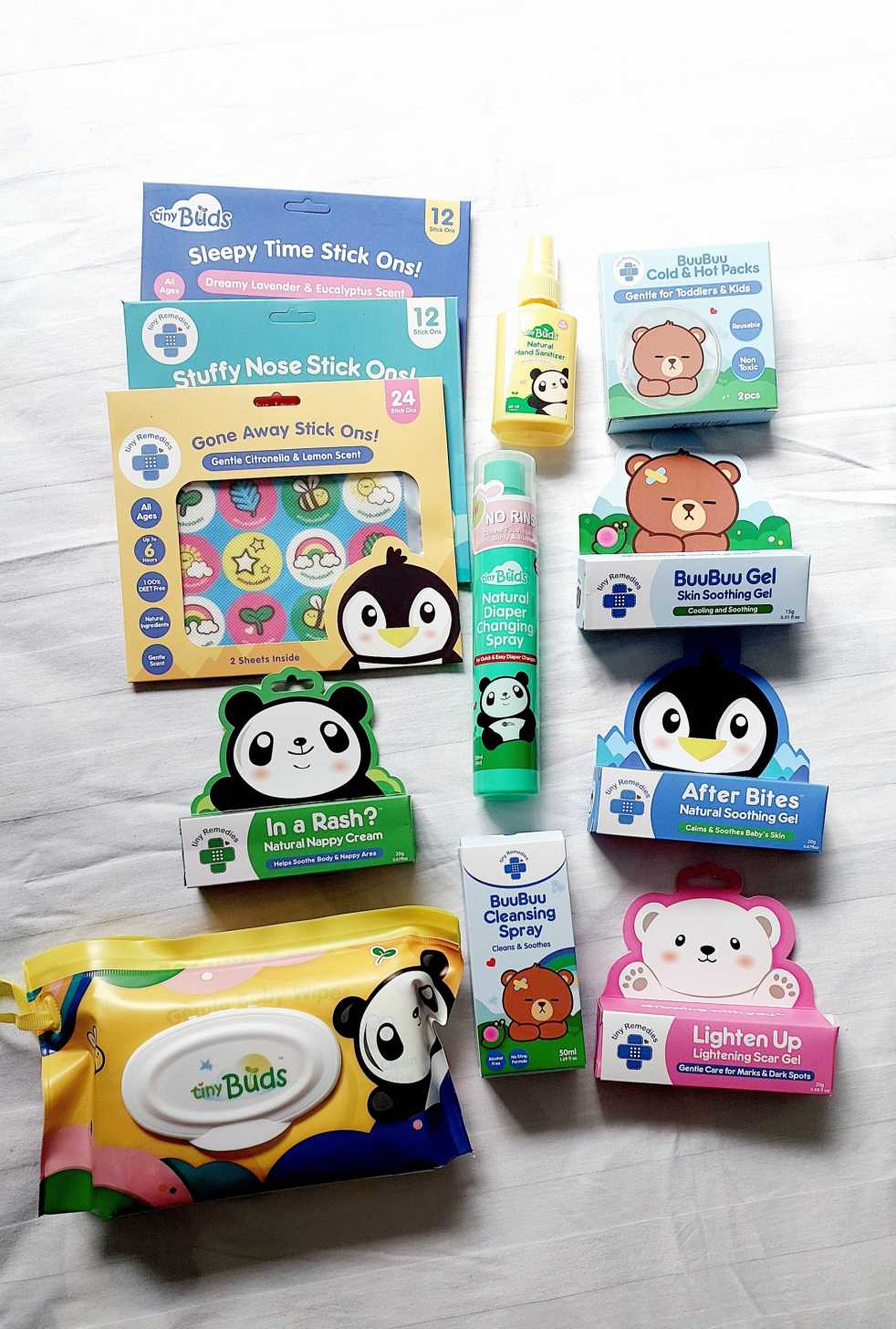
Your baby’s skin is more delicate than most, this is why you have to choose products that are designed for sensitive skin. Tiny Buds is a pioneer in integrating natural ingredients into baby care and today has over 50 innovative natural baby care essentials and is one of the Top Baby Personal Care brands. Here… Continue reading Product Review: Tiny Buds Baby Naturals Baby Essentials
Where your child goes to school is a big decision and shouldn’t be taken lightly. Given how their education can impact their future, you might be tempted to take control and decide for them. However, you might be doing more damage than helping them in the long run. Your job as parents is to support… Continue reading HOW TO CHOOSE THE BEST SCHOOL FOR YOUR CHILD
As poet and philosopher Rumi once eloquently said, “raise your words, not your voice. It is rain that grows flowers, not thunder.” Parenting is a challenging journey, and the truth is that nobody has everything figured out. One parenting style might suit others best, and some might favor other methods. However, children respond better to… Continue reading A SIMPLE GUIDE TO GENTLE PARENTING

Whether you’re a new mom to be, mom of a toddler, mom who have school-aged kids, you’re bound to have so many questions. Let's start with your baby's skin. Infant skin has unique needs; gentle care is essential to prevent damage to the skin barrier, which can lead to irritation. When caring for infant skin,… Continue reading Keeping Baby’s Diapered Skin Healthy
As parents, we want to give our child the best possible start in life and that begins with nurturing their intelligence. Throughout history, the notion of success has been linked to academic intelligence. However, there has been an increased awareness on the importance of emotional intelligence. This question gets at the heart of the never-ending… Continue reading IQ or EQ, which one is a better predictor of your child’s success?
 wondermomma.net