

Last August, IKEA Philippines engaged with Better World Smokey Mountain, a newly opened community center operated by the San Miguel Foundation, which shares a similar goal of improving the lives of many Filipino people. Through this partnership, IKEA Philippines provided and assembled home furnishings for the classrooms and library of Better World Smokey Mountain community… Continue reading Help Create a Better World with IKEA Soft Toys

NutriAsia, the country’s top producer of condiments and sauces, continues its support of Refill Revolution; a project by the Department of Environment and Natural Resources EMB 3 that aims to help reduce Filipinos’ single-use plastics consumption. At Refill Revolution, residents get to recycle their single-use plastic bottles by reusing and filling it with their choice… Continue reading NutriAsia and DENR renews partnership for Refill Revolution

How to create a family mission statement that guides daily life
How to create a family mission statement is less about finding perfect words and more about noticing the principles your household already practises. The result can be one or two sentences that guide parents, partners and children when schedules tighten, siblings disagree or a new challenge arrives. Think of it as a compass, not a rulebook: it offers direction while allowing ordinary family life to remain flexible.
Australian families often balance urban routines with responsibilities spread across distance. A household in Sydney or Melbourne may coordinate school runs, work commutes and care for relatives in regional or remote areas, while a family near Brisbane may manage coastal weather alongside farm or community work. Your mission should fit that context, including cultural traditions, work patterns, financial priorities and the support you genuinely have available.
Children learn values through repeated experiences, so a statement has the greatest impact when it reflects what adults model. Saying care matters might mean packing a warm lunch during a busy morning; saying honesty matters might mean admitting a mistake. Daily choices give the words credibility. A mission built around connection rather than control also gives children room to ask questions, test limits and admit uncertainty.
The best process is a conversation, not a poster bought ready-made. Everyone can contribute ideas, and no one voice needs to dominate. Adults remain responsible for safety and final decisions, while children can have genuine ownership according to their age. Begin with what already feels right, look for shared ground and draft something modest enough to live with. A useful statement can be revised as your children grow and your circumstances change.
Find the heart of your family
Start by choosing a calm time when everyone can speak without rushing towards another activity. A family meal, a slow Sunday morning or a conversation during a drive can work better than a formal meeting. Ask each person to share one moment when they felt proud, supported or connected to the family. These memories often reveal the values already operating beneath the daily noise.
When conversation stalls, family reflection prompts can help move the discussion from general ideas to meaningful experiences. Questions about favourite family traditions, helpful behaviours and difficult moments often provide richer material than asking someone to name an abstract value immediately.
Listen for recurring themes rather than reaching for the most polished answer. Care, honesty, fun, responsibility, faith, fairness, independence or cultural connection may emerge. If people describe similar actions in different words, use that common ground to shape the family’s guiding language.
Name the values that already guide you
Choose three to five values that matter most, then define each one through observable behaviour. “Kindness” becomes more useful when it includes listening before responding, sharing attention and checking on a sibling who has withdrawn. “Responsibility” might mean putting belongings away, caring for a pet or completing one household job without repeated reminders.
Separate values from specific targets. A value describes how you want to live; a target describes what you hope to accomplish. Reliability is a value, while earning enough money to take the children to the theme park is a target. Your mission can guide both, provided it does not turn a value into a promise that circumstances may make impossible.
Australian families will reflect this guiding language differently depending on their community and routines. Choices about a public school, community kindergarten or other care setting may reveal a shared emphasis on belonging, learning, inclusion or faith. Families with multicultural backgrounds may want respect for language, food and traditions to appear clearly, while others may focus on outdoor life, creativity or supporting extended relatives.
Shape a clear and usable statement
A family mission statement works best when it combines a sense of identity with a small number of actions. A simple format is: “We are a family that…”, followed by two or three shared commitments. Keep it broad enough to remain relevant across different stages of family life. If every sentence contains several rules, children are unlikely to remember or use it.
For example: “We are a family that cares for one another, tells the truth kindly and balances learning with play. We listen when someone needs support, share responsibilities fairly and find ways to enjoy life together.” The example sets a direction without claiming that every day will be harmonious. It also makes clear what family members can expect from one another.
Test the wording against three standards: can a young child understand it, can an adult recall it during a busy moment, and does it describe the family accurately? Strong statements use familiar language, balanced verbs and positive actions. Words such as “try”, “learn” and “repair” recognise that family relationships require effort and that mistakes can be followed by repair.
Turn values into everyday agreements
Values become meaningful when they shape routines. If your family values cooperation, create agreements about household jobs, device time and how conflicts are handled. If rest matters, agree on a realistic bedtime routine rather than an ideal one that ignores school travel, sports or shift work. If creativity is important, build in drawing, music, storytelling or unstructured play instead of adding another scheduled activity.
Practical care agreements can also protect children with specific needs. For everyday routines, eczema skincare guidance may help families keep skin care calm, consistent and connected to their wider priorities. The aim is not to turn skincare into another battle, but to treat the child’s comfort as part of the family’s commitment to care.
Local routines can provide concrete examples of shared responsibility. A weekly shop at Coles, Woolworths or Aldi might involve children comparing prices, choosing suitable food or helping put groceries away, while a visit to a farmers market can introduce conversations about seasonality and where food comes from. In Australian communities, care may also include sunscreen on the way to the playground and following local health advice during bushfire smoke or severe pollen seasons.
Let children contribute in age-appropriate ways
Young children can select family symbols, act out values through play or draw pictures of helpful behaviour. Primary-aged children can suggest agreements, help maintain a display or lead part of a weekly reflection. Older children can take responsibility for one family commitment while explaining why it matters. Participation grows naturally when children have enough influence to recognise their contribution.
Let children disagree without treating every difference as a threat to the mission. A child may resist tidiness because drawing feels more important, while another may want greater quiet at home. Adults can listen, explain the safety needs behind a boundary and negotiate a fair solution. Children then learn that a shared statement can hold different experiences without making every voice identical.
Cultural and community participation can also become part of the mission. An Acknowledgement of Country at a community gathering can offer an age-appropriate lesson about place and respect when families choose to include it. Children can learn that caring for community means valuing First Nations histories and cultures, showing hospitality to visitors and treating shared spaces thoughtfully.
Review the statement as life changes
Review the mission at a natural pause in the family calendar, such as the start of a school term or after a major transition. Children may outgrow an agreement, a parent may change jobs, or a family may move from a busy metropolitan area to a regional town or a rural property. A statement that survives these changes is likely to be built around enduring needs such as safety, connection, honesty and belonging.
Seasonal celebrations offer useful moments for reflection. Around Easter, Christmas or ANZAC Day, invite children to consider which family traditions feel meaningful, which need adapting and who has been missing from them. Holidays can reveal whether the mission truly welcomes changing traditions, different ways of celebrating and extended family members with varying needs.
Keep earlier versions rather than replacing them without explanation. Children can see that a family’s direction grows from its experiences. When something must change because a younger child needs more sleep or an older child needs greater independence, record the reason and the new agreement. This prevents revision from looking like failure and keeps the statement connected to real family life.
Make the mission visible and alive
Display the statement where everyone can see it, but avoid treating it as a decorative command. A framed copy in the kitchen, a note on the family fridge or a card on the lounge-room wall can support brief conversations. Each week, ask family members to name one action that reflected the mission and one moment when the words could have guided a choice more closely.
| Element | Superficial wording | Grounded family wording |
|---|---|---|
| Identity | “We are a happy family.” | “We care for each other and try again after disagreements.” |
| Values | “We value kindness and respect.” | “We speak calmly, listen when others are upset and repair harm.” |
| Actions | “Always do the right thing.” | “We share household jobs, protect rest and check in after school.” |
| Review | “We made this once.” | “We revisit our promise each term and let children suggest changes.” |
Read the statement aloud occasionally and connect it to what is happening in the household. When a child shares a difficult day, acknowledge the effort involved in choosing the family’s values. When an adult falls short, model the same honesty and willingness to repair that the statement expects from children.
Used consistently, the statement becomes a promise made together. Its influence appears in welcoming a worried sibling, sharing the last piece of fruit, taking responsibility for a small task or pausing before a frustrated reply. Those everyday choices give a family mission statement meaning beyond the words on the wall.

Mercato Centrale, in collaboration with Indian Women in Enterprise Philippines (I-We), is set to host "The Great Indian Fiesta" to mark 75 years of friendship between India and the Philippines. The dynamic two-day event is scheduled to take place on September 30 to October 1, 2023, at Paseo De Roxas Street, Makati City. Aiming to… Continue reading Mercato Centrale Partners with I-We to Host ‘The Great Indian Fiesta’, Commemorating 75 Years of India-Philippines Friendship

My stomach would usually start growling at 10 am even after taking a big breakfast. This is probably because I am a morning person and I move a lot throughout the day hence snacking is something that I can't avoid. This potatoes and chicken wrap recipe is easy to prepare and would keep me full… Continue reading Potato and Chicken Wrap
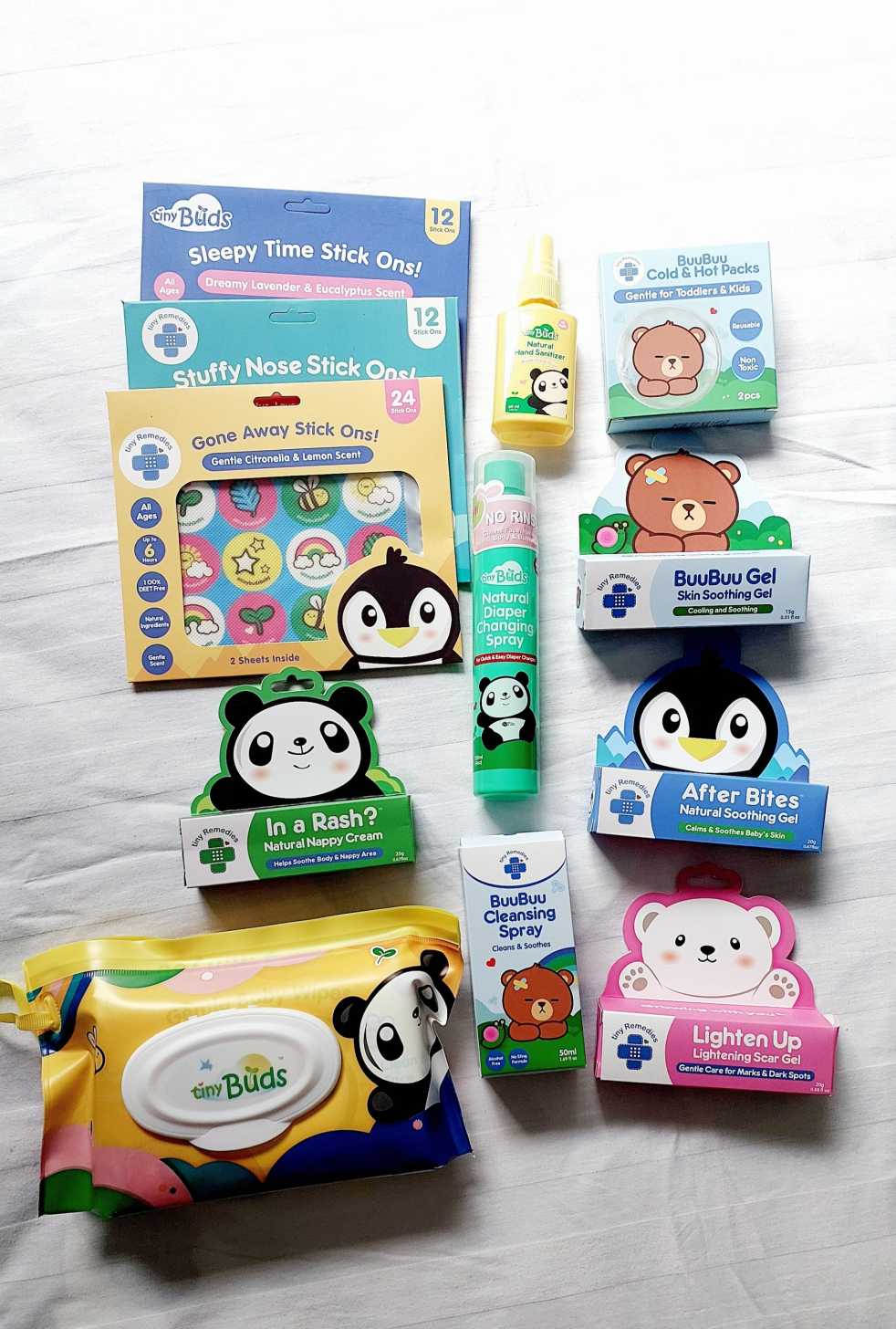
Your baby’s skin is more delicate than most, this is why you have to choose products that are designed for sensitive skin. Tiny Buds is a pioneer in integrating natural ingredients into baby care and today has over 50 innovative natural baby care essentials and is one of the Top Baby Personal Care brands. Here… Continue reading Product Review: Tiny Buds Baby Naturals Baby Essentials
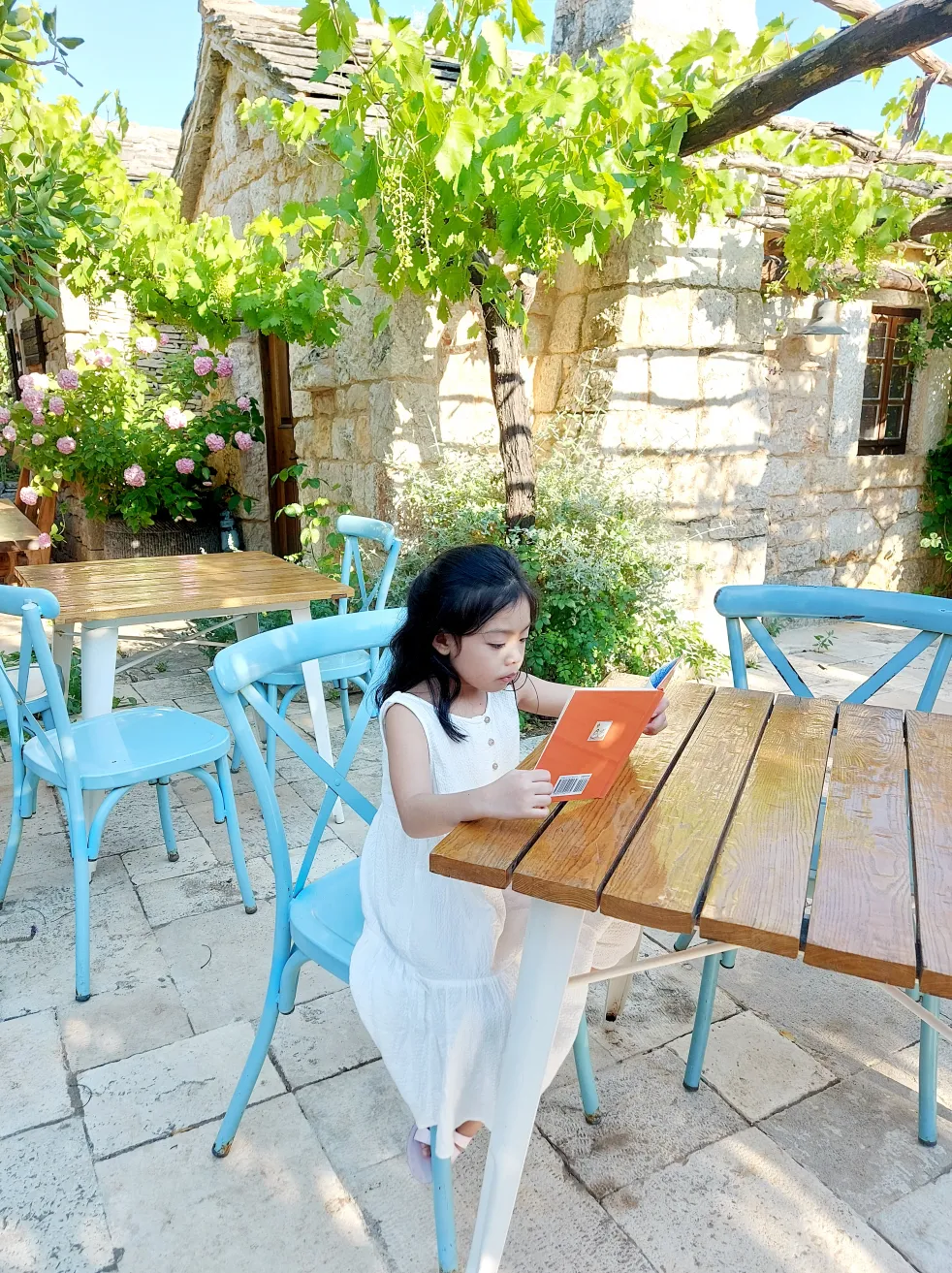
Where your child goes to school is a big decision and shouldn’t be taken lightly. Given how their education can impact their future, you might be tempted to take control and decide for them. However, you might be doing more damage than helping them in the long run. Your job as parents is to support… Continue reading HOW TO CHOOSE THE BEST SCHOOL FOR YOUR CHILD
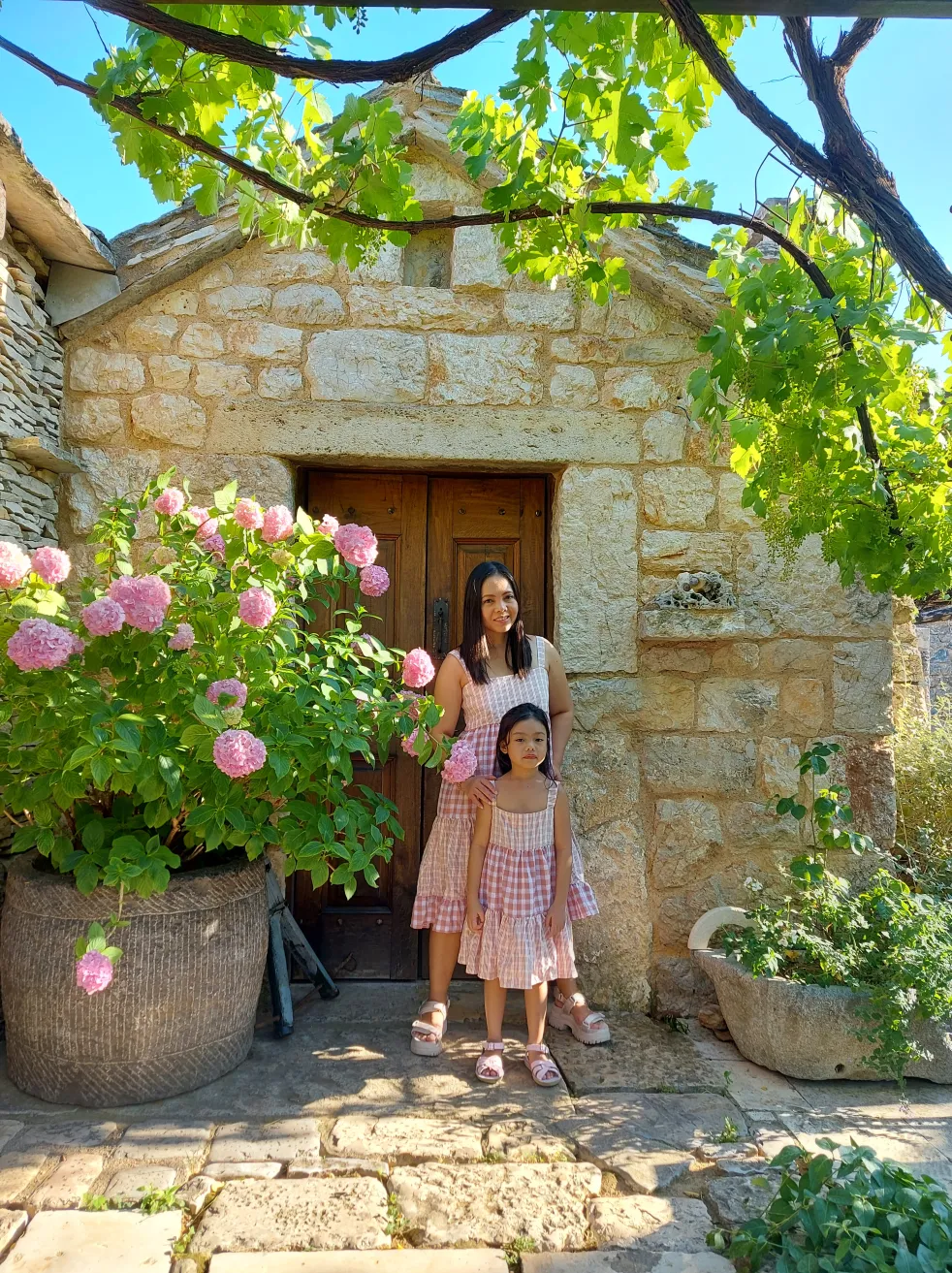
As poet and philosopher Rumi once eloquently said, “raise your words, not your voice. It is rain that grows flowers, not thunder.” Parenting is a challenging journey, and the truth is that nobody has everything figured out. One parenting style might suit others best, and some might favor other methods. However, children respond better to… Continue reading A SIMPLE GUIDE TO GENTLE PARENTING

Whether you’re a new mom to be, mom of a toddler, mom who have school-aged kids, you’re bound to have so many questions. Let's start with your baby's skin. Infant skin has unique needs; gentle care is essential to prevent damage to the skin barrier, which can lead to irritation. When caring for infant skin,… Continue reading Keeping Baby’s Diapered Skin Healthy
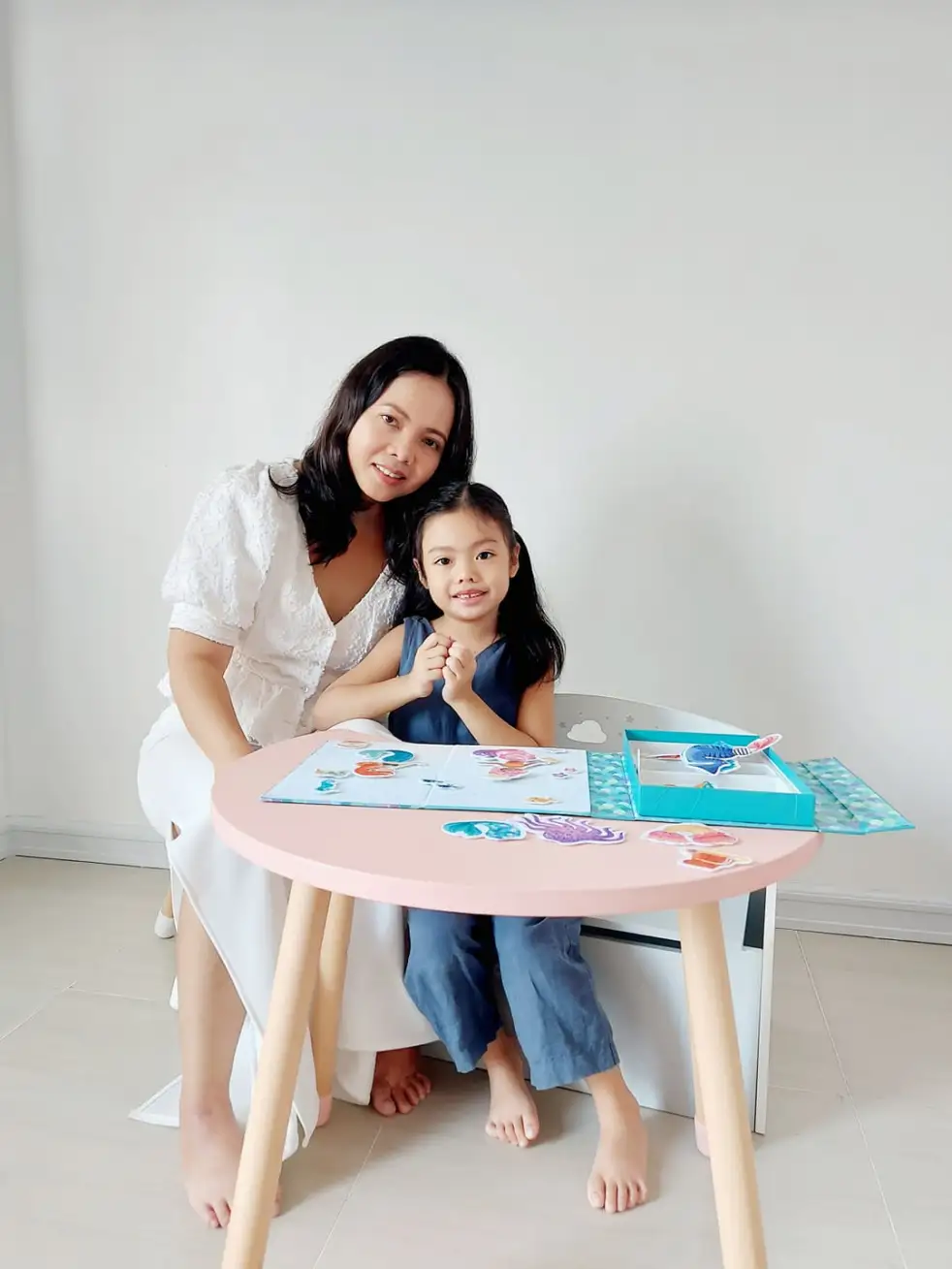
As parents, we want to give our child the best possible start in life and that begins with nurturing their intelligence. Throughout history, the notion of success has been linked to academic intelligence. However, there has been an increased awareness on the importance of emotional intelligence. This question gets at the heart of the never-ending… Continue reading IQ or EQ, which one is a better predictor of your child’s success?
 wondermomma.net