

Last August, IKEA Philippines engaged with Better World Smokey Mountain, a newly opened community center operated by the San Miguel Foundation, which shares a similar goal of improving the lives of many Filipino people. Through this partnership, IKEA Philippines provided and assembled home furnishings for the classrooms and library of Better World Smokey Mountain community… Continue reading Help Create a Better World with IKEA Soft Toys

NutriAsia, the country’s top producer of condiments and sauces, continues its support of Refill Revolution; a project by the Department of Environment and Natural Resources EMB 3 that aims to help reduce Filipinos’ single-use plastics consumption. At Refill Revolution, residents get to recycle their single-use plastic bottles by reusing and filling it with their choice… Continue reading NutriAsia and DENR renews partnership for Refill Revolution

A Calm, Practical Emergency Plan for Families With Young Children
Emergencies can happen with little warning. In the Philippines, families may need to respond to typhoons, floods, earthquakes, fires, power outages, or health emergencies. A family emergency plan helps parents make clear decisions when stress is high, while giving children familiar steps they can follow.
Young children may not understand why adults are suddenly rushing, why the lights are out, or why they must leave home. They can become frightened, clingy, or confused. Simple preparation helps replace uncertainty with routines, reassuring language, and practical support.
The best plan is one that fits your household. It should include contact details, evacuation routes, emergency supplies, medical information, and a way to stay connected if family members are separated. Keep it simple enough for a preschooler to understand and detailed enough for adults to use.
Identify the risks around your home
Begin by considering the emergencies most likely to affect your area. A family living near a river may need a strong flood evacuation plan, while a household in an earthquake-prone area should focus on safe places indoors, falling objects, and blocked roads. Coastal communities may also need to prepare for storm surges and severe weather.
Walk through your home and look for hazards. Secure tall shelves, televisions, mirrors, and heavy decorations. Keep cleaning products, medicines, matches, and sharp objects out of children’s reach. Check whether doors and windows can open easily, and identify at least two ways to leave the house if the main exit is blocked.
Discuss the location of the nearest evacuation center, barangay hall, fire station, clinic, or other safe facility. Local government units and barangay disaster risk reduction offices can provide area-specific guidance. Save their contact information rather than relying on memory during a crisis.
Choose contacts and meeting places
Every family needs an out-of-area contact person who can help share information when local phone networks are busy. This could be a trusted relative or close friend living in another city or province. Each adult should save the person’s number, and older children can keep it on a small card in their bag.
Choose two meeting points. The first should be close to home, such as a neighbor’s safe house or a clearly marked location outside the building. The second should be farther away, such as a school, community center, or relative’s home, in case your neighborhood must be evacuated. Avoid choosing places near rivers, unstable structures, or busy roads.
Write down essential details for every household member. Include full names, birth dates, blood types if known, allergies, medications, medical conditions, and important phone numbers. Add contact information for the child’s school, daycare, pediatrician, caregiver, and authorized pickup adults.
Match the response to the emergency
Children benefit from short instructions that describe what to do rather than what to fear. For example, say, “When the shaking starts, get low and cover your head,” instead of giving a long explanation about an earthquake. Use the same words each time so the steps become familiar.
| Emergency | Immediate family action | Young-child considerations |
|---|---|---|
| Earthquake | Drop, cover, and hold on away from windows and tall furniture | Practice moving beside a sturdy table and wearing shoes afterward |
| Fire | Leave immediately, stay low if there is smoke, and never go back inside | Teach children that adults will handle belongings and that hiding is unsafe |
| Flood or typhoon | Move to higher, safer ground and follow official evacuation instructions | Keep children away from floodwater, drains, and electrical wires |
| Power outage | Use flashlights, unplug sensitive appliances, and conserve phone batteries | Prepare comfort items, safe snacks, and a familiar activity |
| Medical emergency | Call emergency services and follow first-aid guidance | Keep medication details and consent information easy to find |
For a fire, teach children to leave without stopping for toys. Make sure everyone knows that smoke alarms are a signal to move, not a reason to hide. Practice touching a door with the back of the hand before opening it, and teach children to crawl beneath smoke if they must pass through it.
During an earthquake, children should stay away from windows and heavy furniture. After the shaking stops, adults should check for injuries, fire, broken glass, and damaged electrical lines before moving everyone outside. During flooding, never allow a child to play in or walk through moving water, since drains, contaminated water, and hidden debris can create serious danger.
Prepare a child-friendly emergency kit
A household emergency kit should support the family for at least several days when possible. Store supplies in a waterproof container or backpack that an adult can carry quickly. Keep one kit at home and consider smaller grab bags for the car, workplace, or child’s school arrangements.
Pack enough drinking water, ready-to-eat food, a manual can opener, basic cooking supplies, a first-aid kit, prescription medicines, fever medication recommended by your child’s healthcare provider, masks, hand sanitizer, soap, and sanitary products. Include a flashlight, spare batteries, power bank, whistle, copies of important documents, cash in small bills, and a battery-powered or hand-crank radio.
Young children need extra comfort and care items. Add diapers, wipes, formula or feeding supplies, bottles, a change of clothes, sturdy shoes, a blanket, sunscreen, and any special health equipment. A small favorite toy, book, family photo, or comfort object can reduce distress and make an unfamiliar evacuation center feel less frightening.
Store water and food safely, check expiry dates, and rotate supplies into everyday use. Keep a list of what needs replacing on the refrigerator or inside the kit. During hot weather, protect medicines, batteries, and other temperature-sensitive items from excessive heat.
Make communication easy for children
Children may be separated from their parents at school, daycare, or a relative’s house when an emergency happens. Ask the school or childcare provider about its reunification process, authorized pickup rules, evacuation location, and communication channels. Update the list whenever a caregiver, phone number, or school arrangement changes.
Young children may not be able to remember an address or phone number. Use an identification card with their name, parent or guardian contacts, allergies, and medical needs. Keep a copy in a bag or clothing pocket, but teach children never to share personal information with strangers unless they are speaking with a trusted responder or designated adult.
Older preschoolers can learn their full name, a parent’s first name, and how to call for help. Avoid telling children to keep secrets from rescuers. Explain that firefighters, police officers, medical workers, teachers, and barangay responders are adults who can help them find their family.
Phone calls may fail during a disaster. Agree that text messages may be more practical when networks are congested. Families can also use a shared messaging group, a neighborhood communication plan, or a designated contact who informs relatives instead of having everyone call at once.
Practice without creating fear
A plan becomes useful when children have rehearsed it calmly. Hold short practice sessions during the day and describe them as family safety practice. Walk through the exit route, identify the meeting points, and let children take part in safe tasks such as carrying a small backpack or checking that a flashlight is present.
Keep drills age appropriate. Toddlers can practice holding an adult’s hand and moving toward the door. Preschoolers can learn to respond to an alarm, stay with their caregiver, and avoid returning for toys. School-age children can help read a checklist, locate emergency supplies, and share the family meeting place.
Use reassuring language throughout the practice. Tell children that adults prepare because they are responsible for keeping everyone safe. Avoid graphic details, frightening videos, or repeated exposure to disaster coverage. After a real emergency, allow children to talk, draw, play, and ask questions, while watching for ongoing sleep problems, extreme fear, or major changes in behavior.
Keep the plan visible and current
Place a printed copy of the emergency plan near an exit, inside the emergency kit, and in another secure location. Digital copies can be stored on phones or in cloud storage, but paper remains useful during a power or internet outage. Include a simple map with exits, utility shutoff points, meeting places, and nearby landmarks.
Review the plan twice a year and after major changes. Update it when a child starts school, a baby begins new medication, a caregiver moves, or the family changes address. Check emergency supplies before typhoon season and after using anything from the kit.
Use a short family checklist to keep preparation manageable:
Make the plan easier to follow
- Assign each adult a clear role, such as gathering children, carrying the emergency kit, contacting relatives, or checking pets.
- Teach children one immediate action for each major hazard instead of asking them to memorize a long procedure.
- Keep shoes, flashlights, and important medicines where adults can reach them quickly.
- Save local emergency contacts, the national emergency hotline 911, school numbers, and trusted relatives in every adult’s phone.
- Practice leaving calmly and meeting at the agreed location at least twice a year.
A family plan should also include pets, elderly relatives, household helpers, and anyone with mobility, hearing, vision, or communication needs. Prepare carriers, mobility aids, spare glasses, hearing-device batteries, and clear instructions for support. Ask neighbors or relatives for backup help if one adult may be away during an emergency.
Preparation does not remove every risk, but it gives families a shared response. Children learn that safety steps are familiar routines, adults know where to turn, and everyone has a better chance of staying together.
Set aside a few minutes this week to write down your contacts, choose meeting points, and pack a child-friendly emergency bag. Then practice one simple drill as a family, keeping the tone calm, supportive, and reassuring.

Mercato Centrale, in collaboration with Indian Women in Enterprise Philippines (I-We), is set to host "The Great Indian Fiesta" to mark 75 years of friendship between India and the Philippines. The dynamic two-day event is scheduled to take place on September 30 to October 1, 2023, at Paseo De Roxas Street, Makati City. Aiming to… Continue reading Mercato Centrale Partners with I-We to Host ‘The Great Indian Fiesta’, Commemorating 75 Years of India-Philippines Friendship

My stomach would usually start growling at 10 am even after taking a big breakfast. This is probably because I am a morning person and I move a lot throughout the day hence snacking is something that I can't avoid. This potatoes and chicken wrap recipe is easy to prepare and would keep me full… Continue reading Potato and Chicken Wrap
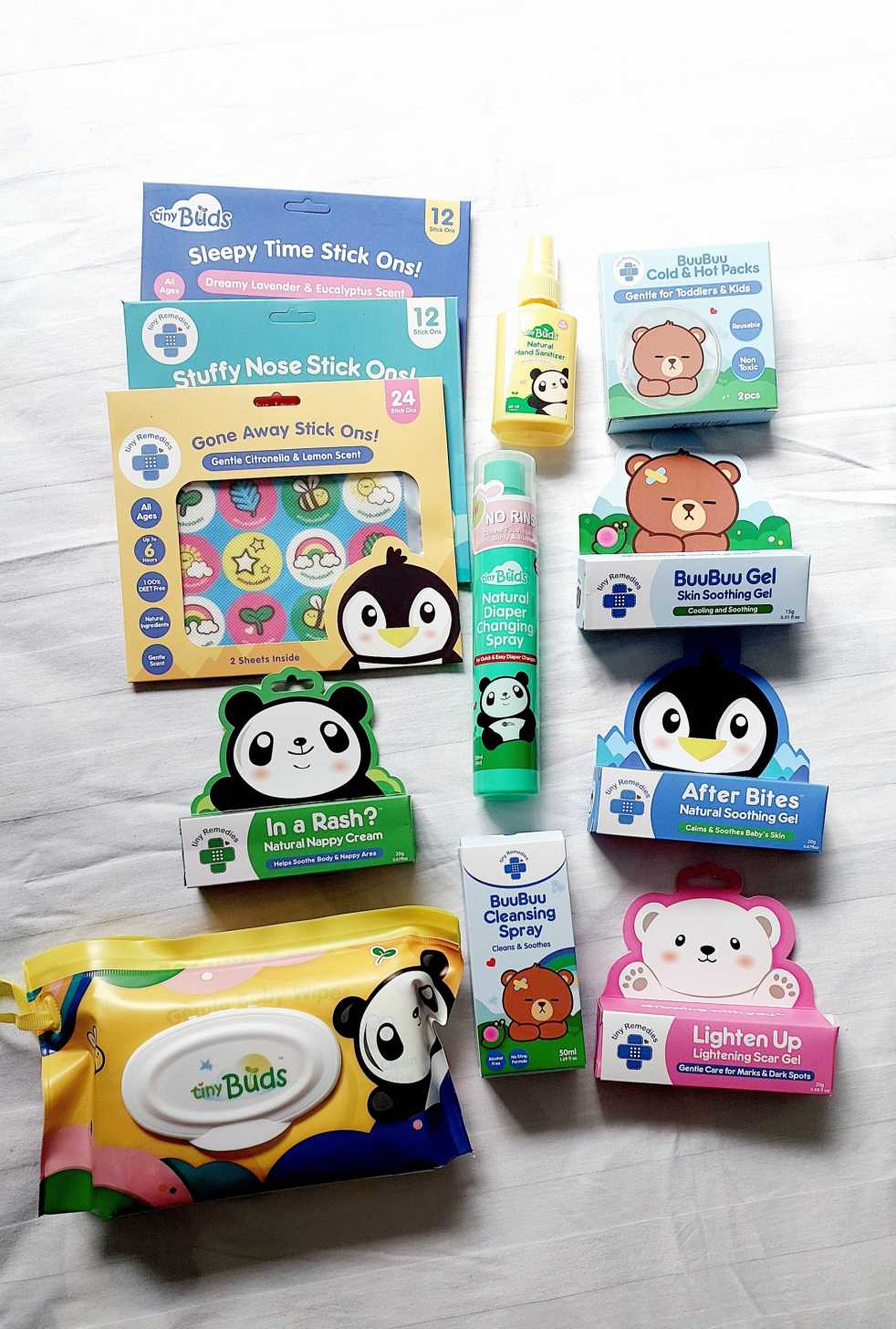
Your baby’s skin is more delicate than most, this is why you have to choose products that are designed for sensitive skin. Tiny Buds is a pioneer in integrating natural ingredients into baby care and today has over 50 innovative natural baby care essentials and is one of the Top Baby Personal Care brands. Here… Continue reading Product Review: Tiny Buds Baby Naturals Baby Essentials
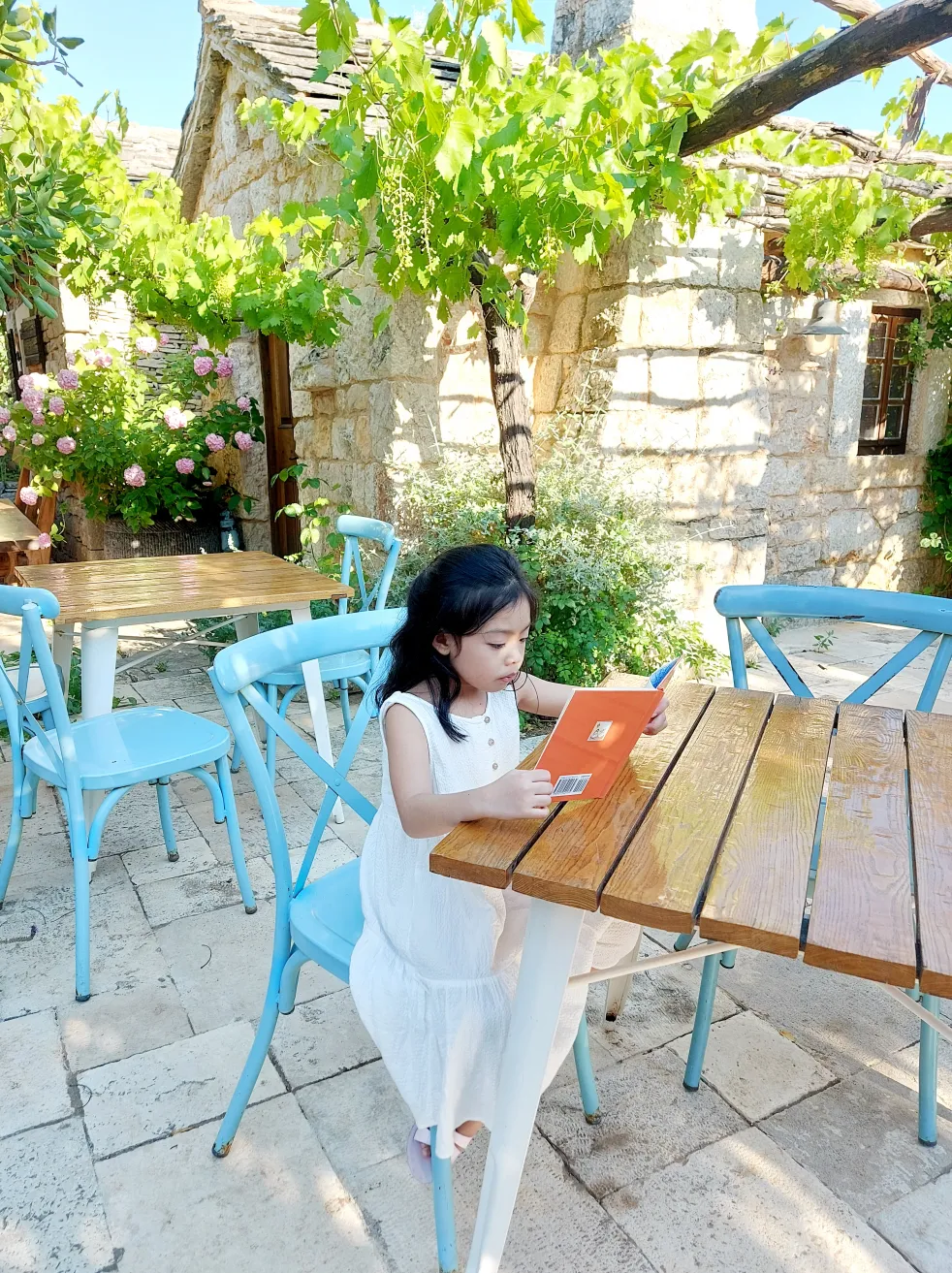
Where your child goes to school is a big decision and shouldn’t be taken lightly. Given how their education can impact their future, you might be tempted to take control and decide for them. However, you might be doing more damage than helping them in the long run. Your job as parents is to support… Continue reading HOW TO CHOOSE THE BEST SCHOOL FOR YOUR CHILD

As poet and philosopher Rumi once eloquently said, “raise your words, not your voice. It is rain that grows flowers, not thunder.” Parenting is a challenging journey, and the truth is that nobody has everything figured out. One parenting style might suit others best, and some might favor other methods. However, children respond better to… Continue reading A SIMPLE GUIDE TO GENTLE PARENTING

Whether you’re a new mom to be, mom of a toddler, mom who have school-aged kids, you’re bound to have so many questions. Let's start with your baby's skin. Infant skin has unique needs; gentle care is essential to prevent damage to the skin barrier, which can lead to irritation. When caring for infant skin,… Continue reading Keeping Baby’s Diapered Skin Healthy
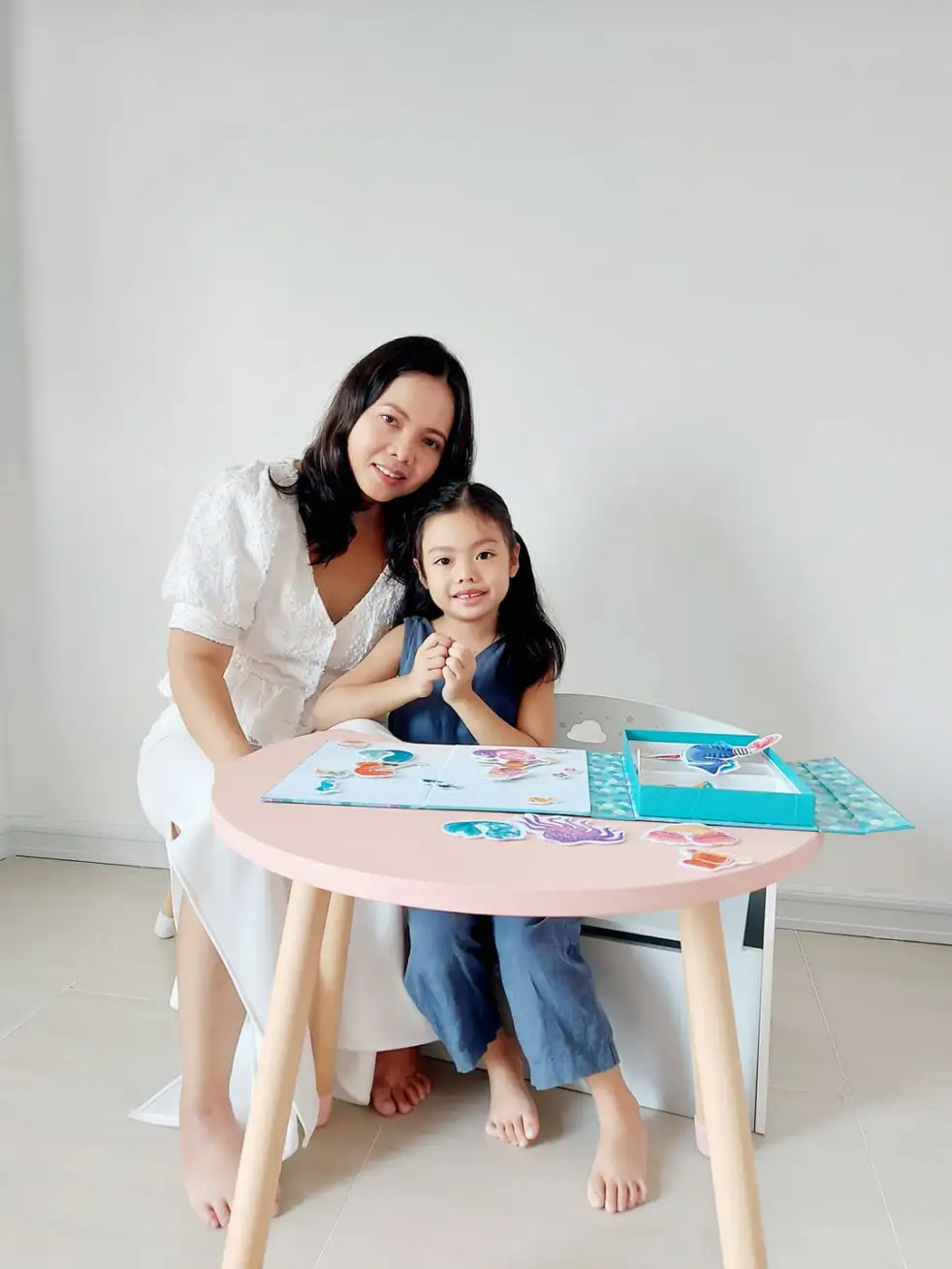
As parents, we want to give our child the best possible start in life and that begins with nurturing their intelligence. Throughout history, the notion of success has been linked to academic intelligence. However, there has been an increased awareness on the importance of emotional intelligence. This question gets at the heart of the never-ending… Continue reading IQ or EQ, which one is a better predictor of your child’s success?
 wondermomma.net