

Last August, IKEA Philippines engaged with Better World Smokey Mountain, a newly opened community center operated by the San Miguel Foundation, which shares a similar goal of improving the lives of many Filipino people. Through this partnership, IKEA Philippines provided and assembled home furnishings for the classrooms and library of Better World Smokey Mountain community… Continue reading Help Create a Better World with IKEA Soft Toys

NutriAsia, the country’s top producer of condiments and sauces, continues its support of Refill Revolution; a project by the Department of Environment and Natural Resources EMB 3 that aims to help reduce Filipinos’ single-use plastics consumption. At Refill Revolution, residents get to recycle their single-use plastic bottles by reusing and filling it with their choice… Continue reading NutriAsia and DENR renews partnership for Refill Revolution

A Family Calendar That Works For Real Family Life
A family calendar can turn a crowded week into something the whole household can understand. School drop-offs, work shifts, sport, appointments, birthdays and quiet time all compete for attention, so a shared planning system needs to be simple enough for children and adults to use every day.
The best approach is practical rather than perfect. Your calendar should show where everyone needs to be, who is responsible for getting them there and what needs to be prepared beforehand. It should reduce last-minute messages instead of becoming another task to maintain.
Australian families often manage changing school terms, before- and after-school care, weekend sport, family visits and public holidays that vary between states and territories. A well-organised household calendar gives these moving parts a visible place without filling every hour.
Start with one central system, then make it easy to check. Some families prefer a large wall planner, while others use Google Calendar, Apple Calendar or a school app such as Compass or Sentral. The right choice is the one people actually open and update.
| Calendar Style | Best For | Strengths | Possible Drawback |
|---|---|---|---|
| Wall planner | Younger children and visual learners | Easy to see, hands-on, works without a device | Needs manual updates |
| Shared digital calendar | Busy parents and older children | Reminders, recurring events and access anywhere | Can become confusing without clear labels |
| Family command centre | Households with many routines | Combines calendar, notes, menus and school information | Takes space and regular upkeep |
| Hybrid system | Families with different preferences | Gives children a visual view and adults useful alerts | Requires two systems to stay aligned |
Choose One Reliable Home Base
Begin by deciding where the official version of the week will live. A large calendar on the fridge may work well when children need to see the plan before school. A shared digital calendar is useful when parents are at work, commuting or managing separate drop-offs. Using both can work, provided they carry the same important information.
Keep the main calendar limited to events that affect the family schedule. Add school excursions, dental visits, parent-teacher meetings, swimming lessons, sport training, birthdays and travel days. Private work meetings and personal reminders can stay in individual calendars unless they change school pick-up or household responsibilities.
Place the physical calendar somewhere naturally visible, such as near the kitchen bench or family noticeboard. In a smaller Australian home or apartment, a magnetic whiteboard on the fridge can provide the same function without taking over a wall. Digital users should choose one shared account or calendar that every relevant adult can access.
Build A Clear Colour System
Colour coding allows everyone to understand the week quickly. Give each person a colour, then add a few household categories for events that involve everyone. For example, one colour can represent school, another appointments, another sport and another family time.
Avoid using too many shades. Children may struggle to tell similar colours apart, and a busy calendar can become harder to read than a plain one. Use short labels such as “Mia—netball”, “Dad—late shift” or “Year 3 excursion”, rather than full descriptions that crowd the page.
A wall calendar can use coloured markers, stickers or removable dots. In a digital system, use consistent calendar names and symbols. Add the location and essential details in the event notes, including parking information, uniform requirements or whether a parent needs to remain onsite.
Add School And Care Commitments First
School dates should form the foundation of the family schedule. Enter the full term dates, pupil-free days, excursions, assemblies, camps and assessment periods as soon as the information becomes available. Include school holidays early, especially if your family needs vacation care or plans to travel.
Australian term dates are not identical across the country. A family in New South Wales may be planning around different holidays from relatives in Victoria, Queensland or Western Australia. Check your state education department, school newsletter and school app rather than relying on a national date list.
Add childcare bookings, before-school care and after-school care beside the school events. Include the regular collection time, the name of the person collecting the child and any changes to the usual arrangement. This is particularly helpful when a grandparent, babysitter or au pair steps in during a busy week.
Plan Responsibilities As Well As Events
A calendar that lists activities without assigning responsibility still leaves the household guessing. Add the adult who is taking a child to each appointment, picking them up or preparing what they need. If an event is shared, label it clearly so nobody assumes someone else has handled it.
Use a weekly family check-in to review the next seven days. Ten minutes on Sunday evening can reveal clashes before they become stressful. Look at transport, meals, uniforms, homework, medication, permission notes and equipment. In Australia, this is also a useful time to check whether Saturday sport, footy, netball or a local swimming lesson will affect errands and family visits.
Build in travel time rather than entering only the start time. A music lesson may be thirty minutes away, while a Saturday game can involve parking, changing and waiting after the final whistle. Add a preparation reminder the night before for items such as library books, hats, water bottles, lunchboxes and sports gear.
Make The Calendar Child-Friendly
Children are more likely to use a family planner when they can understand and influence it. Young children may respond well to pictures, simple words and a “today” marker. Older children can enter their own homework deadlines, social plans and activities, while parents retain responsibility for medical, school and transport details.
Create a small area for routines that happen every day but do not need a separate calendar event. A morning checklist might include getting dressed, eating breakfast, brushing teeth and packing a bag. An evening checklist can cover homework, charging devices, laying out clothes and preparing lunch.
Leave some blank space. A calendar packed with activities can make family life feel like a series of appointments, especially for children who need downtime. Protect regular periods for free play, reading, rest and unplanned family time. A quiet afternoon can be as important to the household rhythm as a booked class.
Use Reminders Without Creating Noise
Digital reminders are helpful when they arrive at the right time. Set one alert for preparation and another for departure when an event requires travel or special equipment. Avoid sending repeated notifications for every ordinary activity, as too many alerts encourage people to ignore the system.
Recurring events save time for regular routines such as school, childcare, dance class, rubbish collection or weekly grocery shopping. Review these entries at the beginning of each school term because class times, coaches and care arrangements can change. Delete old activities instead of allowing an inaccurate calendar to continue.
Privacy deserves attention when children’s information is stored online. Share calendars only with trusted adults, use strong passwords and avoid including unnecessary details about a child’s health or location. For medical appointments, it may be enough to write “clinic appointment” and keep sensitive information in a private record.
Review The System Each Term
A family calendar should change as family life changes. At the end of each school term, remove expired events, update recurring commitments and check whether activities are still manageable. A child may move from swimming lessons to athletics, or a parent’s roster may change after a new work arrangement.
Use Australian public holidays and local events when planning the year. State-based holidays, regional show days and long weekends can affect childcare availability, travel time and accommodation costs. Families in Melbourne may also need to account for the AFL Grand Final public holiday, while households in Queensland may plan around local show holidays or school activities.
Keep a short notes section for information that does not belong in a date box, such as emergency contacts, uniform reminders or upcoming enrolment deadlines. A simple monthly review prevents forgotten forms and rushed bookings. When the calendar reflects real responsibilities, it becomes a shared family tool rather than another source of pressure.

Mercato Centrale, in collaboration with Indian Women in Enterprise Philippines (I-We), is set to host "The Great Indian Fiesta" to mark 75 years of friendship between India and the Philippines. The dynamic two-day event is scheduled to take place on September 30 to October 1, 2023, at Paseo De Roxas Street, Makati City. Aiming to… Continue reading Mercato Centrale Partners with I-We to Host ‘The Great Indian Fiesta’, Commemorating 75 Years of India-Philippines Friendship

My stomach would usually start growling at 10 am even after taking a big breakfast. This is probably because I am a morning person and I move a lot throughout the day hence snacking is something that I can't avoid. This potatoes and chicken wrap recipe is easy to prepare and would keep me full… Continue reading Potato and Chicken Wrap
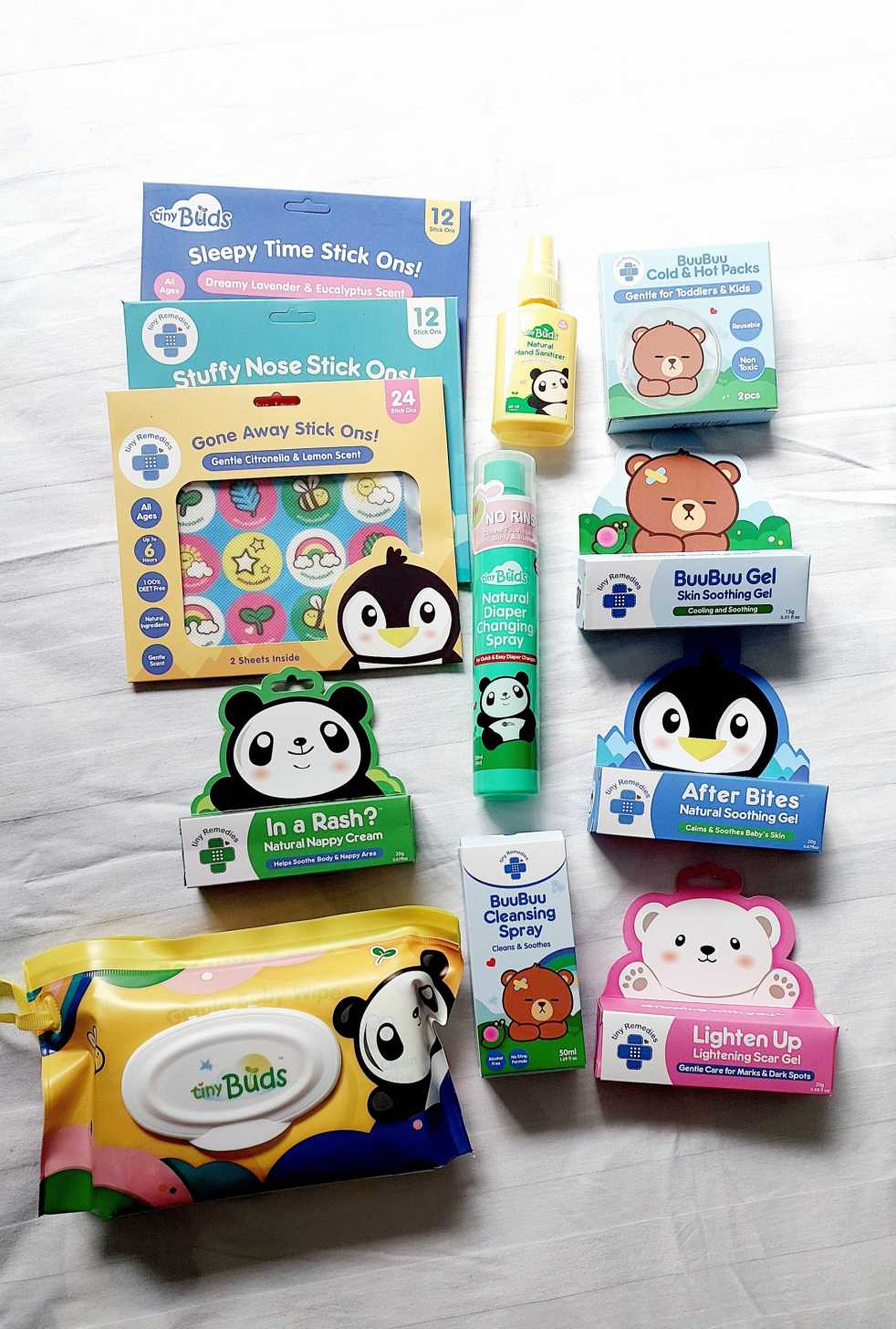
Your baby’s skin is more delicate than most, this is why you have to choose products that are designed for sensitive skin. Tiny Buds is a pioneer in integrating natural ingredients into baby care and today has over 50 innovative natural baby care essentials and is one of the Top Baby Personal Care brands. Here… Continue reading Product Review: Tiny Buds Baby Naturals Baby Essentials
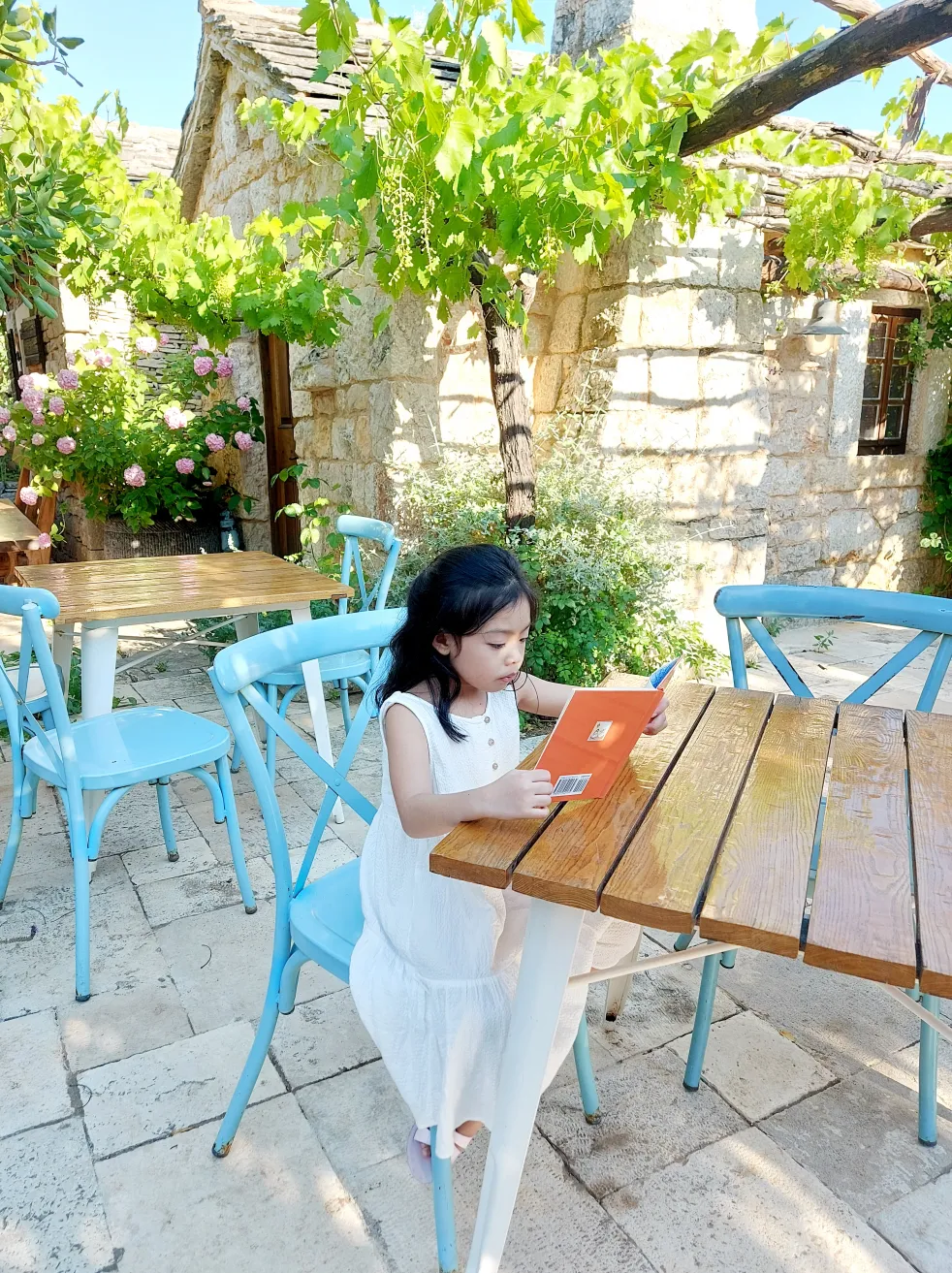
Where your child goes to school is a big decision and shouldn’t be taken lightly. Given how their education can impact their future, you might be tempted to take control and decide for them. However, you might be doing more damage than helping them in the long run. Your job as parents is to support… Continue reading HOW TO CHOOSE THE BEST SCHOOL FOR YOUR CHILD

As poet and philosopher Rumi once eloquently said, “raise your words, not your voice. It is rain that grows flowers, not thunder.” Parenting is a challenging journey, and the truth is that nobody has everything figured out. One parenting style might suit others best, and some might favor other methods. However, children respond better to… Continue reading A SIMPLE GUIDE TO GENTLE PARENTING

Whether you’re a new mom to be, mom of a toddler, mom who have school-aged kids, you’re bound to have so many questions. Let's start with your baby's skin. Infant skin has unique needs; gentle care is essential to prevent damage to the skin barrier, which can lead to irritation. When caring for infant skin,… Continue reading Keeping Baby’s Diapered Skin Healthy
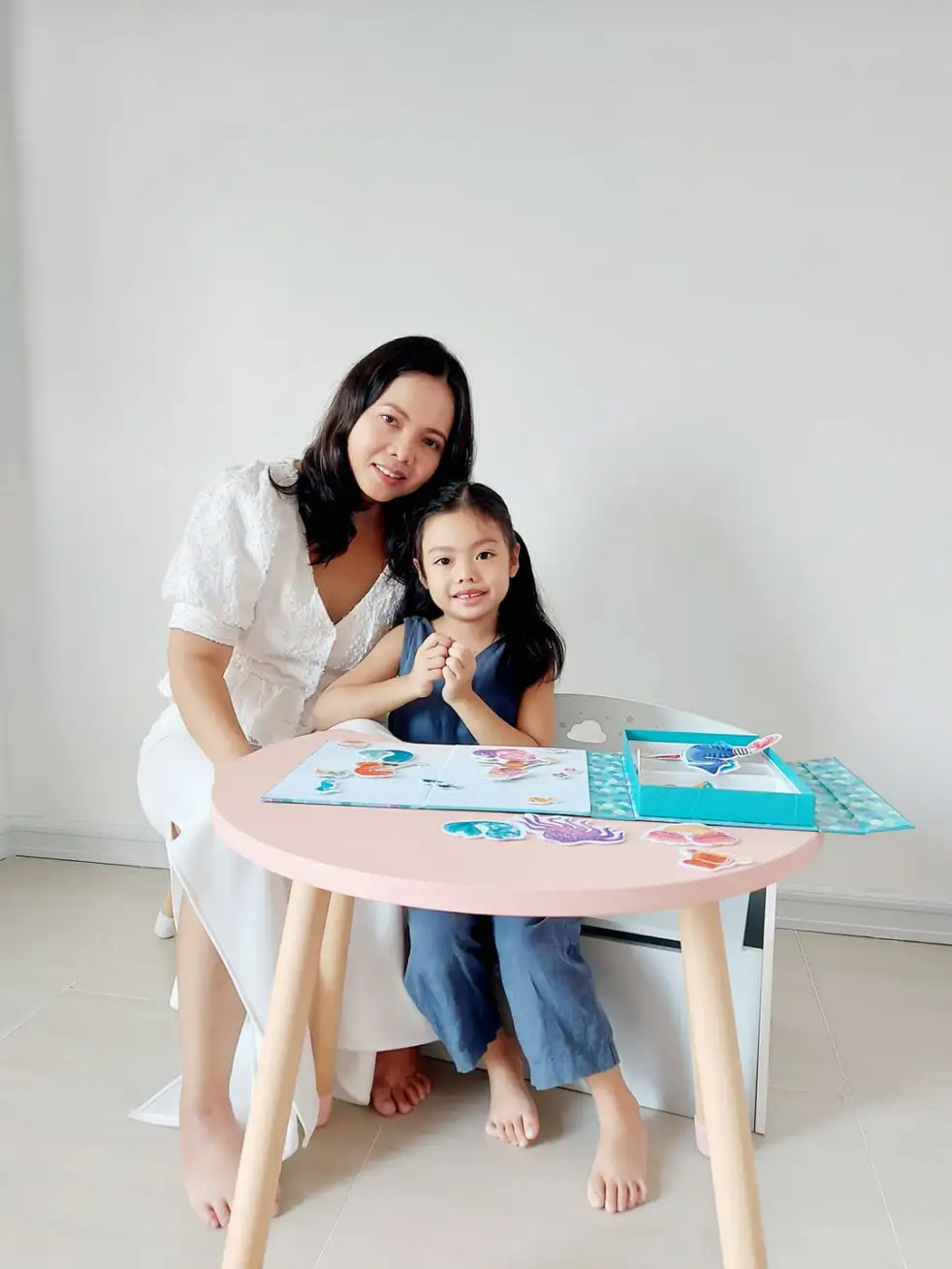
As parents, we want to give our child the best possible start in life and that begins with nurturing their intelligence. Throughout history, the notion of success has been linked to academic intelligence. However, there has been an increased awareness on the importance of emotional intelligence. This question gets at the heart of the never-ending… Continue reading IQ or EQ, which one is a better predictor of your child’s success?
 wondermomma.net