

Last August, IKEA Philippines engaged with Better World Smokey Mountain, a newly opened community center operated by the San Miguel Foundation, which shares a similar goal of improving the lives of many Filipino people. Through this partnership, IKEA Philippines provided and assembled home furnishings for the classrooms and library of Better World Smokey Mountain community… Continue reading Help Create a Better World with IKEA Soft Toys

NutriAsia, the country’s top producer of condiments and sauces, continues its support of Refill Revolution; a project by the Department of Environment and Natural Resources EMB 3 that aims to help reduce Filipinos’ single-use plastics consumption. At Refill Revolution, residents get to recycle their single-use plastic bottles by reusing and filling it with their choice… Continue reading NutriAsia and DENR renews partnership for Refill Revolution

How to create a consistent bedtime routine for your baby
A predictable bedtime routine can help your baby recognise that sleep is approaching, while giving you a calm sequence to follow each evening. It does not need to be elaborate or perfectly timed. A few familiar steps, repeated in the same order, can gradually make the transition from play and feeding to sleep feel more secure.
Every baby develops differently, and sleep patterns change quickly during the first year. Newborns may wake often for feeds, while older babies might manage a longer stretch overnight but resist naps or experience separation anxiety. The aim is a flexible rhythm that supports your baby’s needs rather than a strict schedule that creates pressure.
Start with the right timing
A bedtime routine works best when it begins before your baby becomes overtired. Early tired signs can include yawning, staring into space, turning away, losing interest in play, or becoming quieter. Crying, arching the back and frantic movements can be later signs that your baby has already become very tired, making settling more difficult.
Watch your baby’s behaviour alongside the clock. A newborn may be ready for sleep after a relatively short period awake, whereas a six-month-old may stay comfortable for several hours. The appropriate bedtime can also vary from one day to the next, especially when naps, growth spurts, vaccinations or family outings affect the day.
A calm wind-down period of 20 to 40 minutes is usually enough. If your baby becomes upset before the routine is finished, shorten it and move towards settling. Consistency comes from the order and tone of the steps, rather than making your baby wait for a particular time.
Build a simple evening sequence
Choose three to five quiet activities that can be repeated most nights. For example, dim the lights, change your baby into a clean nappy and sleepsuit, offer a feed, read a short board book, sing a lullaby, then place your baby in the cot. The exact activities matter less than their familiar order.
Keep active play, loud music and screens away from the final part of the evening. A warm bath may relax some babies, but it is optional and does not need to happen every night. If bathing makes your baby alert or hungry, move it earlier or leave it out.
A short phrase can become a useful sleep cue, such as “It’s bedtime now.” Use the same words, song or gentle cuddle each night. Babies learn through repetition, so these small signals may become reassuring reminders that sleep is coming.
Create a safe sleep environment
Place your baby on their back for every sleep, on a firm, flat and uncluttered mattress. Keep pillows, doonas, cot bumpers, soft toys and loose blankets out of the cot. A well-fitting sleep bag can help keep your baby warm without loose bedding, provided it is suitable for the room temperature and your baby’s size.
Red Nose’s safe sleep guidance is widely followed in Australia and recommends keeping the baby’s face and head uncovered, avoiding overheating and sharing the same room without sharing the same sleep surface. Room-sharing can make overnight feeds and reassurance easier during the early months. Never settle a baby to sleep on a sofa, armchair or adult bed if you might fall asleep.
When buying a cot in Australia, look for products that comply with the mandatory cot safety requirements and check that the mattress fits snugly. Avoid second-hand cots with missing instructions, damaged bars or uncertain safety history. In warm areas such as Brisbane or Darwin, light clothing, ventilation and a comfortable room temperature are especially important; feel your baby’s chest or back rather than relying on cold hands as a guide.
Respond calmly when your baby wakes
Night waking is normal, particularly for young babies who need regular milk feeds. A consistent bedtime routine does not mean your baby will sleep through the night. Keep overnight care quiet and boring: use low lighting, speak softly, change the nappy only when needed and return to the familiar settling approach after a feed.
Responsive settling can include holding, rocking, patting, shushing or offering a dummy if your family uses one. Some babies settle when placed down drowsy but awake, while others need more hands-on comfort. You can gradually reduce the amount of help when your baby seems ready, but there is no need to ignore crying or follow a method that feels unsuitable for your family.
If your baby wakes shortly after being put down, pause briefly to see whether they resettle, unless they are distressed or need attention. Go in calmly and repeat a simple cue. Avoid turning the wake-up into playtime, as bright lights and animated interaction can make it harder to return to sleep.
Adapt the routine as your baby grows
A newborn’s evening may be unpredictable because feeding, digestion and day-night rhythms are still developing. Focus on a calming pattern rather than a fixed bedtime. Frequent waking is expected, and feeds should follow your baby’s hunger cues and health professional advice.
From around three to six months, many babies begin to develop a clearer sleep pattern. You might introduce a more regular sequence and notice that the final nap affects bedtime. If the last nap ends too late, your baby may resist sleep; if it ends too early, overtiredness may appear. Small adjustments of 10 to 15 minutes can be more helpful than sudden changes.
Older babies often become more mobile and socially alert. Crawling, pulling up, teething and separation anxiety can temporarily disrupt sleep. Keep the bedtime signals steady while offering extra reassurance. If your baby can stand in the cot, calmly help them lie down or provide comfort without making the process exciting.
Australian family life may also influence the rhythm. Daylight saving in Sydney, Melbourne, Canberra, Hobart and Adelaide can shift evening light and routines, while Western Australia, Queensland and the Northern Territory do not observe it. Dark curtains, softer indoor lighting and a gradual adjustment can help when the clock changes or summer evenings stay bright.
Make the routine work for your household
The most sustainable routine is one that both caregivers can follow. Write the steps on the fridge, keep pyjamas and sleep bags together, and decide who will handle the final feed or story when possible. This can be particularly useful when one parent works late, older children have activities, or evenings in a busy city household involve commuting and dinner preparation.
If your baby attends childcare, share the home sleep cues with educators and ask about the day’s naps. Under Australia’s National Quality Framework, approved services are expected to provide children with appropriate opportunities for rest and sleep, while families can discuss individual needs with the service. A similar phrase, song or comfort approach can create continuity between childcare and home.
Local products can vary widely, from Australian-made cotton sleep bags to imported white-noise machines and bassinets. Check age recommendations, electrical safety information and independent safety guidance rather than relying solely on marketing claims. White noise should be kept low, placed away from the cot and stopped if it seems to disturb your baby.
Seek medical advice if your baby snores loudly, has breathing pauses, struggles to feed, seems unusually sleepy, has reflux symptoms causing significant distress or is difficult to settle over an extended period. In Australia, you can speak with your child and family health nurse, GP or maternal and child health service. Sudden changes in sleep alongside illness also deserve attention.
| Baby’s stage | Helpful bedtime focus | What to expect |
|---|---|---|
| Newborn to 3 months | Feed, nappy change, dim lights, cuddle and safe settling | Irregular sleep and frequent feeds are normal |
| Around 3–6 months | Repeat a 20–40 minute wind-down sequence | A clearer evening rhythm may develop, with occasional regressions |
| Around 6–12 months | Keep cues consistent and respond to separation anxiety | Mobility, teething and changing naps can disrupt sleep |
| Any age | Back sleeping, clear cot and suitable room temperature | Safety and responsive care remain more important than a fixed schedule |
A bedtime routine should feel like a dependable framework, not a test that your baby must pass. Keep the steps simple, respond to hunger and comfort needs, and return to the same calm pattern after difficult nights. Over time, those repeated cues can help your baby understand when the day is winding down, while leaving room for normal growth, family life and changing sleep needs.

Mercato Centrale, in collaboration with Indian Women in Enterprise Philippines (I-We), is set to host "The Great Indian Fiesta" to mark 75 years of friendship between India and the Philippines. The dynamic two-day event is scheduled to take place on September 30 to October 1, 2023, at Paseo De Roxas Street, Makati City. Aiming to… Continue reading Mercato Centrale Partners with I-We to Host ‘The Great Indian Fiesta’, Commemorating 75 Years of India-Philippines Friendship

My stomach would usually start growling at 10 am even after taking a big breakfast. This is probably because I am a morning person and I move a lot throughout the day hence snacking is something that I can't avoid. This potatoes and chicken wrap recipe is easy to prepare and would keep me full… Continue reading Potato and Chicken Wrap
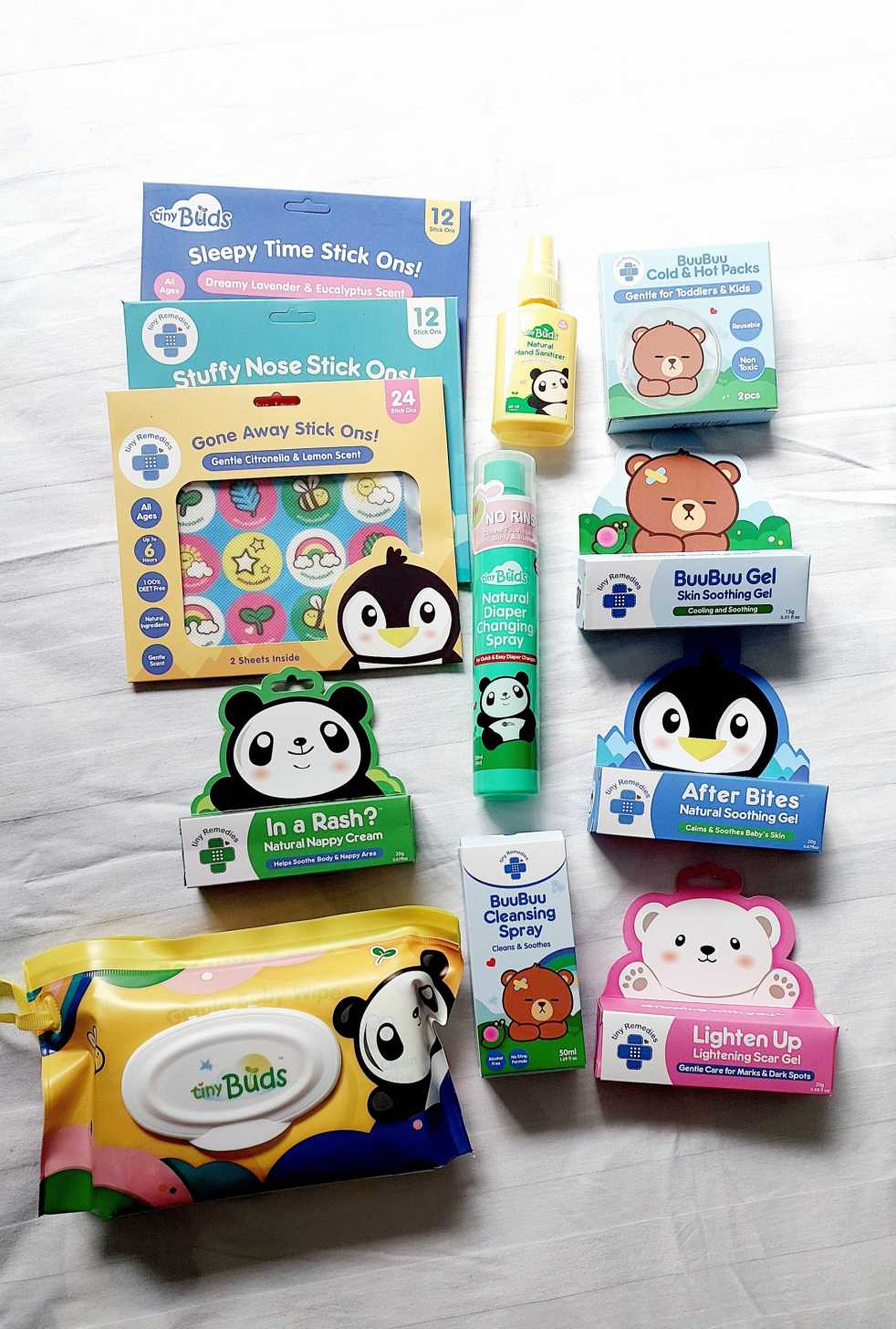
Your baby’s skin is more delicate than most, this is why you have to choose products that are designed for sensitive skin. Tiny Buds is a pioneer in integrating natural ingredients into baby care and today has over 50 innovative natural baby care essentials and is one of the Top Baby Personal Care brands. Here… Continue reading Product Review: Tiny Buds Baby Naturals Baby Essentials

Where your child goes to school is a big decision and shouldn’t be taken lightly. Given how their education can impact their future, you might be tempted to take control and decide for them. However, you might be doing more damage than helping them in the long run. Your job as parents is to support… Continue reading HOW TO CHOOSE THE BEST SCHOOL FOR YOUR CHILD

As poet and philosopher Rumi once eloquently said, “raise your words, not your voice. It is rain that grows flowers, not thunder.” Parenting is a challenging journey, and the truth is that nobody has everything figured out. One parenting style might suit others best, and some might favor other methods. However, children respond better to… Continue reading A SIMPLE GUIDE TO GENTLE PARENTING

Whether you’re a new mom to be, mom of a toddler, mom who have school-aged kids, you’re bound to have so many questions. Let's start with your baby's skin. Infant skin has unique needs; gentle care is essential to prevent damage to the skin barrier, which can lead to irritation. When caring for infant skin,… Continue reading Keeping Baby’s Diapered Skin Healthy

As parents, we want to give our child the best possible start in life and that begins with nurturing their intelligence. Throughout history, the notion of success has been linked to academic intelligence. However, there has been an increased awareness on the importance of emotional intelligence. This question gets at the heart of the never-ending… Continue reading IQ or EQ, which one is a better predictor of your child’s success?
 wondermomma.net