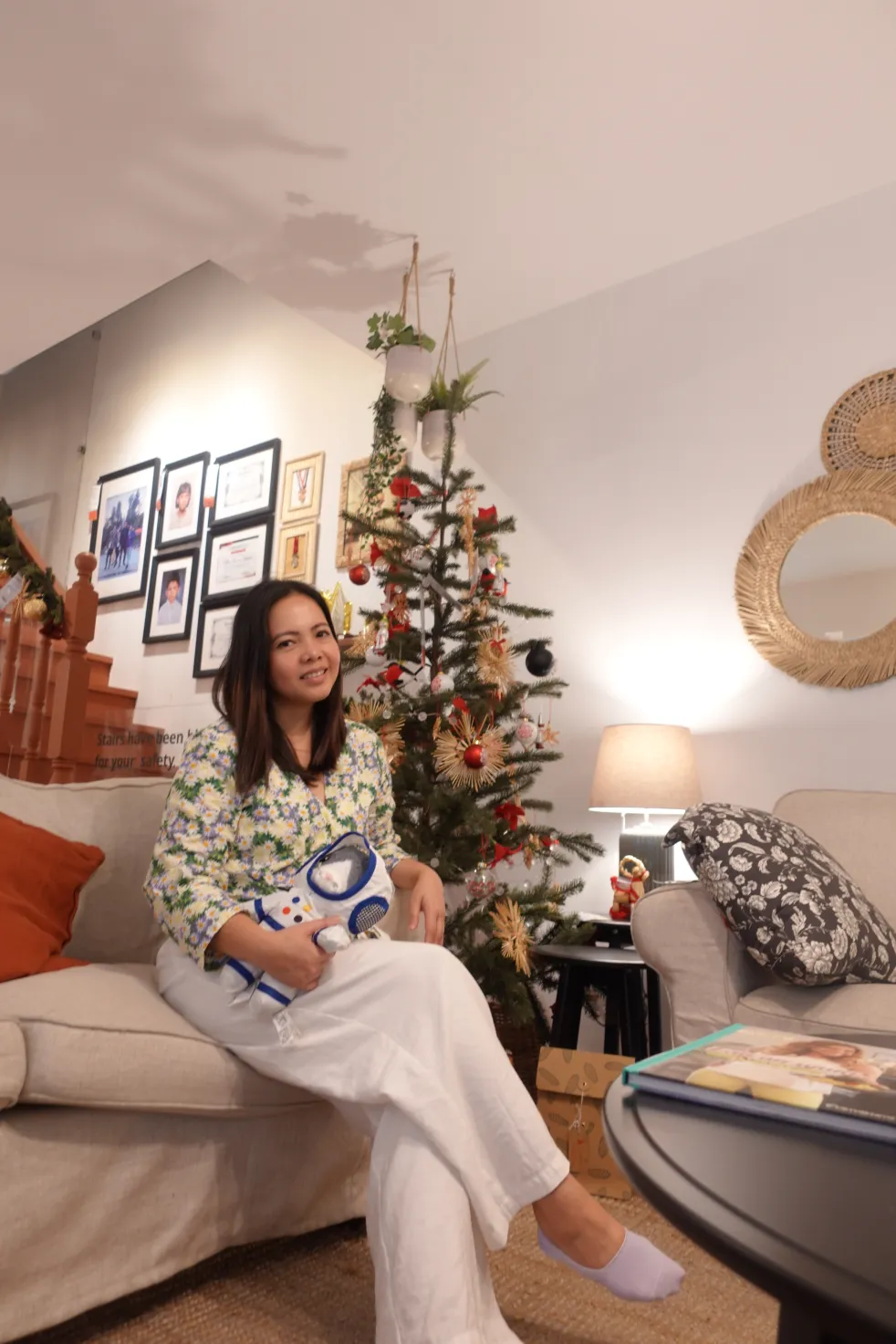
Last August, IKEA Philippines engaged with Better World Smokey Mountain, a newly opened community center operated by the San Miguel Foundation, which shares a similar goal of improving the lives of many Filipino people. Through this partnership, IKEA Philippines provided and assembled home furnishings for the classrooms and library of Better World Smokey Mountain community… Continue reading Help Create a Better World with IKEA Soft Toys
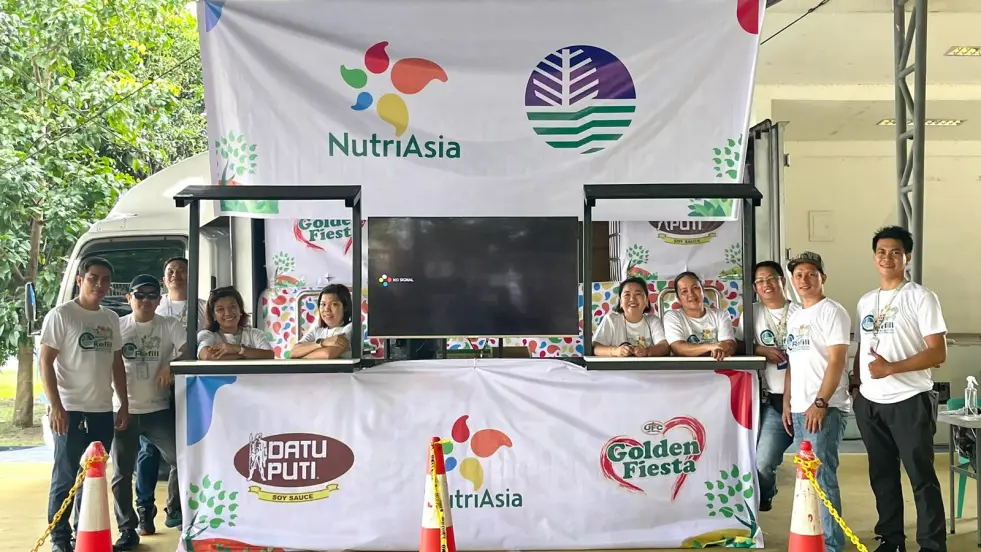
NutriAsia, the country’s top producer of condiments and sauces, continues its support of Refill Revolution; a project by the Department of Environment and Natural Resources EMB 3 that aims to help reduce Filipinos’ single-use plastics consumption. At Refill Revolution, residents get to recycle their single-use plastic bottles by reusing and filling it with their choice… Continue reading NutriAsia and DENR renews partnership for Refill Revolution

A Simple Chore Chart for Your Preschooler
A chore chart can help a preschooler understand that family life is a shared effort. At this age, children are still learning routines, motor skills, and the satisfaction of completing a small responsibility. The goal is not a spotless home or perfect follow-through. It is to give your child manageable ways to participate.
A well-designed chart turns vague instructions into visible steps. Instead of repeatedly saying, “Please clean up,” you can point to a picture showing where toys, books, or dirty clothes belong. This makes expectations easier to understand and gives your child a sense of ownership.
The best preschool chore charts are simple, flexible, and encouraging. They fit your family’s schedule, your child’s abilities, and the reality that some days will go smoothly while others will not.
Why household tasks help young children
Small chores build practical life skills through repetition. Putting toys in a basket, carrying a plastic cup to the sink, or placing shoes by the door helps children develop coordination, sequencing, and independence. These tasks also show that everyday work has a purpose.
Chores can support emotional development, too. When a child contributes to the household, they begin to see themselves as a capable member of the family. Praise such as “You remembered where the blocks go” focuses on effort and responsibility rather than making approval dependent on doing everything perfectly.
A preschooler may need several reminders before a routine becomes familiar. That is normal. Children often learn best when adults stay nearby, demonstrate the task, and use calm, consistent language.
Choose age-appropriate responsibilities
A preschool chore should be short, concrete, and safe. Tasks that take a few minutes are usually more successful than large jobs that require sustained attention. Choose activities your child can complete with limited help, then gradually add steps as confidence grows.
Good options include placing toys in a storage bin, returning books to a low shelf, matching socks, putting napkins on the table, feeding a pet with supervision, or wiping a small spill with a damp cloth. Children can also help put dirty clothes in a hamper, make a bed with assistance, or carry lightweight items to another room.
Safety matters more than speed. Avoid chores involving sharp tools, hot surfaces, strong cleaning products, electrical appliances, or heavy objects. If your family includes toddlers, keep the chart focused on preschool responsibilities and provide close supervision whenever the task involves pets, water, or shared household spaces.
Build a chart your child can understand
Start with three to five chores rather than filling the chart with every possible responsibility. Too many choices can make the routine feel like a punishment. Select tasks connected to parts of the day your child already recognizes, such as waking up, mealtime, playtime, and bedtime.
Use large print, simple words, and pictures. A drawing or photograph can show “put toys away” more clearly than a written phrase. You can make a homemade chart with cardboard and stickers, print a weekly chore tracker, or use a magnetic board placed at your child’s eye level.
Decide whether the chart should show daily tasks, weekly tasks, or both. Daily responsibilities are usually easier for preschoolers because they become part of a predictable rhythm. A weekly task, such as helping sort laundry, can be added when your child is comfortable with the basic routine.
| Part of the chart | Preschool-friendly approach | Helpful example |
|---|---|---|
| Number of tasks | Begin with three to five | Put toys away, place clothes in hamper, set napkins |
| Visual design | Use pictures and short phrases | Photo of a toy basket beside “Clean up toys” |
| Timing | Connect tasks to familiar routines | Before lunch or after bath |
| Tracking method | Choose a simple, reusable marker | Velcro symbol, magnet, or sticker |
| Adult support | Demonstrate and guide as needed | Complete the first step together |
| Rewards | Emphasize encouragement and progress | Specific praise, extra story, or family activity |
Connect chores to everyday routines
A chore chart works best when it is attached to something that already happens. After playing, your child can return toys before moving to a snack. Before dinner, they can place napkins on the table. After changing clothes, they can put pajamas or daytime clothes in the hamper.
Keep instructions brief and give one direction at a time. “Put the cars in the basket” is easier to follow than “Clean the whole room.” When the first step is finished, offer the next one. This approach reduces frustration and helps a child experience completion.
Transition warnings can make cleanup easier. Tell your child that play will end in five minutes, then again in one minute. A short song or timer can signal the beginning of tidying. If play involves rice, water, or other hands-on materials, a cleanup step can be added after trying sensory play ideas together.
Keep motivation positive and realistic
Preschoolers usually respond better to connection and encouragement than to pressure. Notice specific actions: “You carried your plate carefully,” or “You put every puzzle piece back in the box.” This tells your child exactly what they did well and helps reinforce the behavior.
Stickers can be useful, but they do not have to be the main reward. Some families use a sticker for each completed routine and celebrate several stickers with an extra bedtime story, choosing a family game, or helping prepare a favorite snack. Keep rewards small and predictable so the chart remains a tool for building habits rather than a constant negotiation.
Avoid removing affection, food, or essential activities when a chore is missed. Preschoolers may be tired, hungry, overstimulated, or still developing the skills required for the task. A calm response might be, “The blocks still need to go in the basket. I’ll help you start.” Gentle guidance protects the relationship while maintaining the expectation.
Adjust the chart as your child grows
Review the chart every few weeks. A task that once required full assistance may become easy, while another may be too difficult or poorly timed. If your child regularly refuses one chore, consider whether the task is unclear, physically challenging, or placed during a rushed part of the day.
You can also invite your preschooler to help decorate the chart or choose between two acceptable chores. Giving limited choices supports autonomy without handing over the entire routine. For example, your child might choose between matching socks and putting books away.
Practical ways to make the routine stick
- Place the chart where your child can see it, such as near the toy shelf, bedroom door, or dining area.
- Demonstrate each task slowly, then let your child try while you provide only the help needed.
- Use the same short phrases each day so the instructions become familiar.
- Keep cleanup supplies accessible, including low baskets, child-sized cloths, and a hamper.
- Celebrate participation and persistence, even when the result is incomplete.
A chore chart should serve your family rather than control it. If the morning is rushed, move a task to the afternoon. If a child is sick or unusually tired, pause the expectation and return to it later. Consistency is valuable, but flexibility teaches children that responsibilities can be managed with care.
The chart can also become a gentle way to talk about teamwork. Explain that everyone contributes in different ways and that adults remain responsible for jobs children cannot safely do. This helps preschoolers understand that helping is part of family life, not a way to earn love or avoid punishment.
Choose a few responsibilities today, create a picture-based chart, and practice the first task together. With patience and regular encouragement, your preschooler can turn small daily actions into lasting habits of independence and cooperation.

Mercato Centrale, in collaboration with Indian Women in Enterprise Philippines (I-We), is set to host "The Great Indian Fiesta" to mark 75 years of friendship between India and the Philippines. The dynamic two-day event is scheduled to take place on September 30 to October 1, 2023, at Paseo De Roxas Street, Makati City. Aiming to… Continue reading Mercato Centrale Partners with I-We to Host ‘The Great Indian Fiesta’, Commemorating 75 Years of India-Philippines Friendship

My stomach would usually start growling at 10 am even after taking a big breakfast. This is probably because I am a morning person and I move a lot throughout the day hence snacking is something that I can't avoid. This potatoes and chicken wrap recipe is easy to prepare and would keep me full… Continue reading Potato and Chicken Wrap
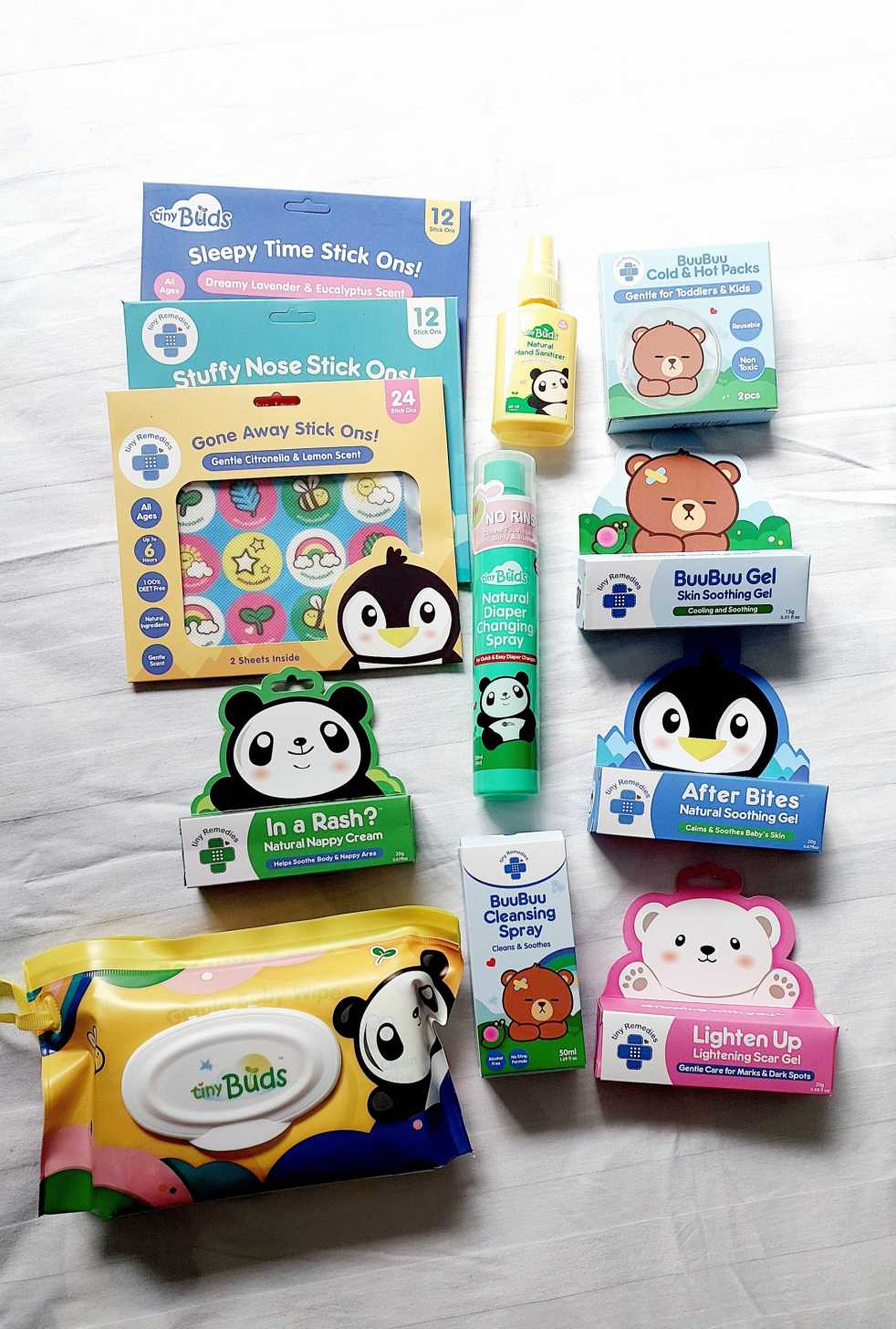
Your baby’s skin is more delicate than most, this is why you have to choose products that are designed for sensitive skin. Tiny Buds is a pioneer in integrating natural ingredients into baby care and today has over 50 innovative natural baby care essentials and is one of the Top Baby Personal Care brands. Here… Continue reading Product Review: Tiny Buds Baby Naturals Baby Essentials
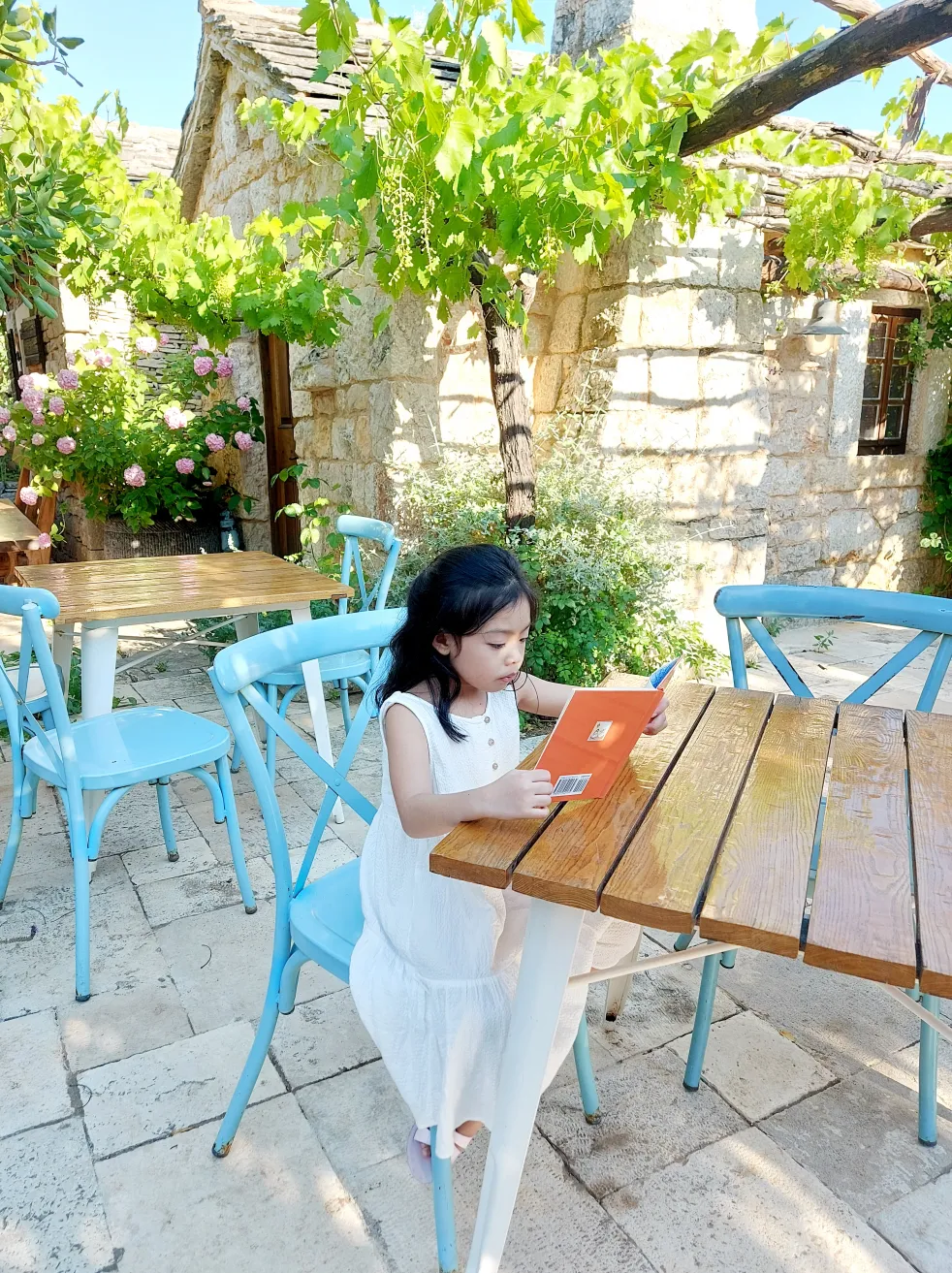
Where your child goes to school is a big decision and shouldn’t be taken lightly. Given how their education can impact their future, you might be tempted to take control and decide for them. However, you might be doing more damage than helping them in the long run. Your job as parents is to support… Continue reading HOW TO CHOOSE THE BEST SCHOOL FOR YOUR CHILD
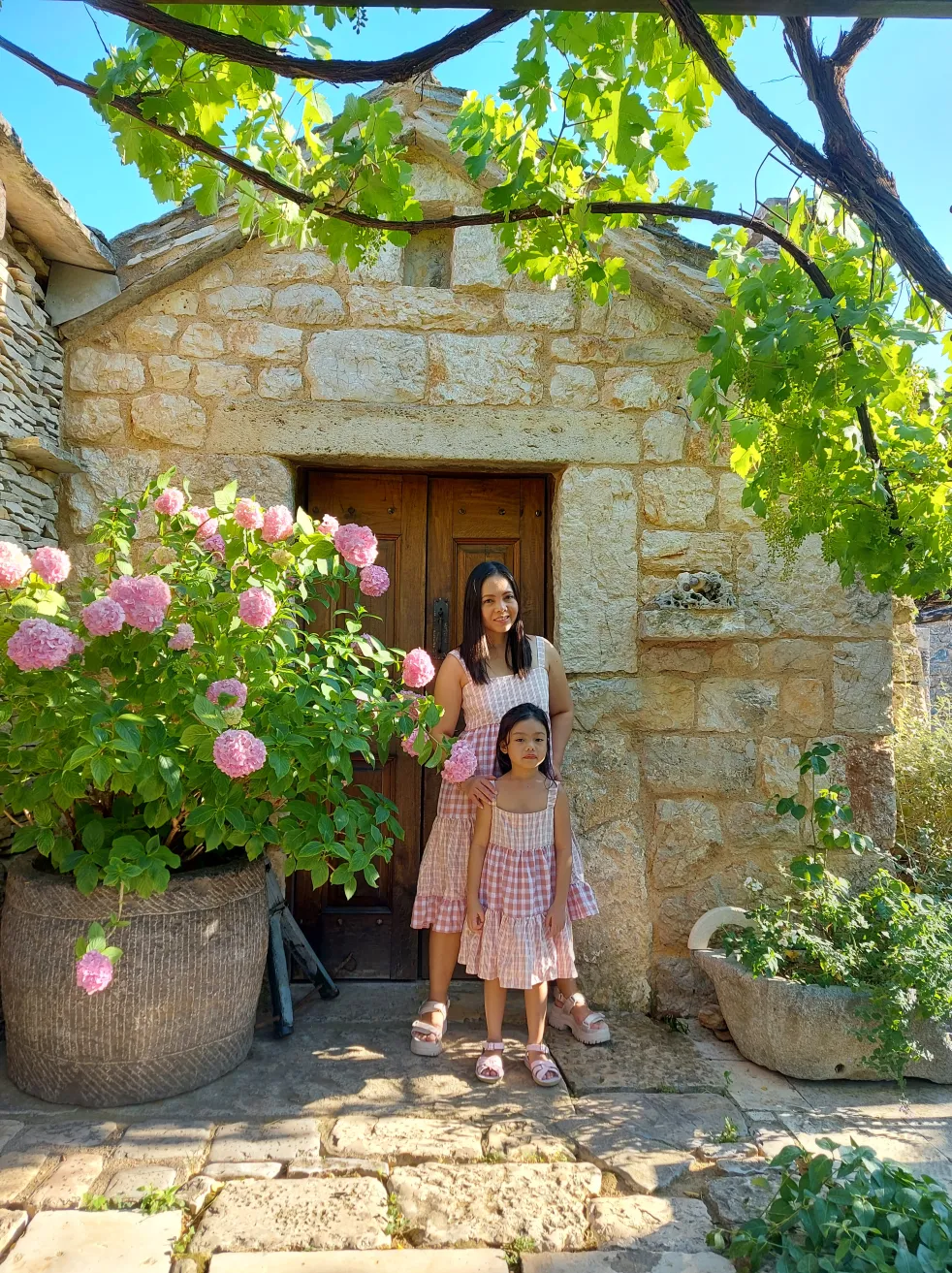
As poet and philosopher Rumi once eloquently said, “raise your words, not your voice. It is rain that grows flowers, not thunder.” Parenting is a challenging journey, and the truth is that nobody has everything figured out. One parenting style might suit others best, and some might favor other methods. However, children respond better to… Continue reading A SIMPLE GUIDE TO GENTLE PARENTING
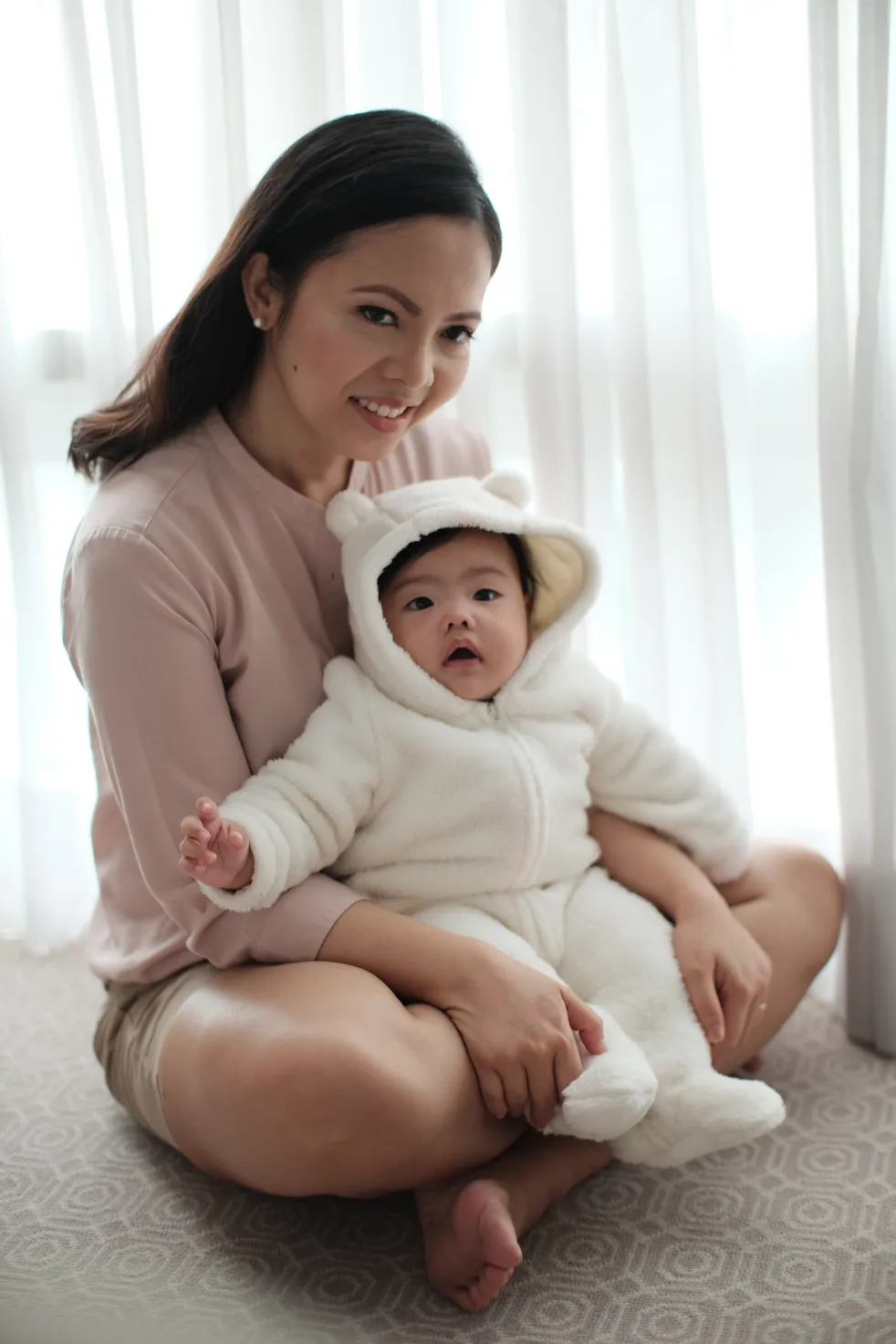
Whether you’re a new mom to be, mom of a toddler, mom who have school-aged kids, you’re bound to have so many questions. Let's start with your baby's skin. Infant skin has unique needs; gentle care is essential to prevent damage to the skin barrier, which can lead to irritation. When caring for infant skin,… Continue reading Keeping Baby’s Diapered Skin Healthy
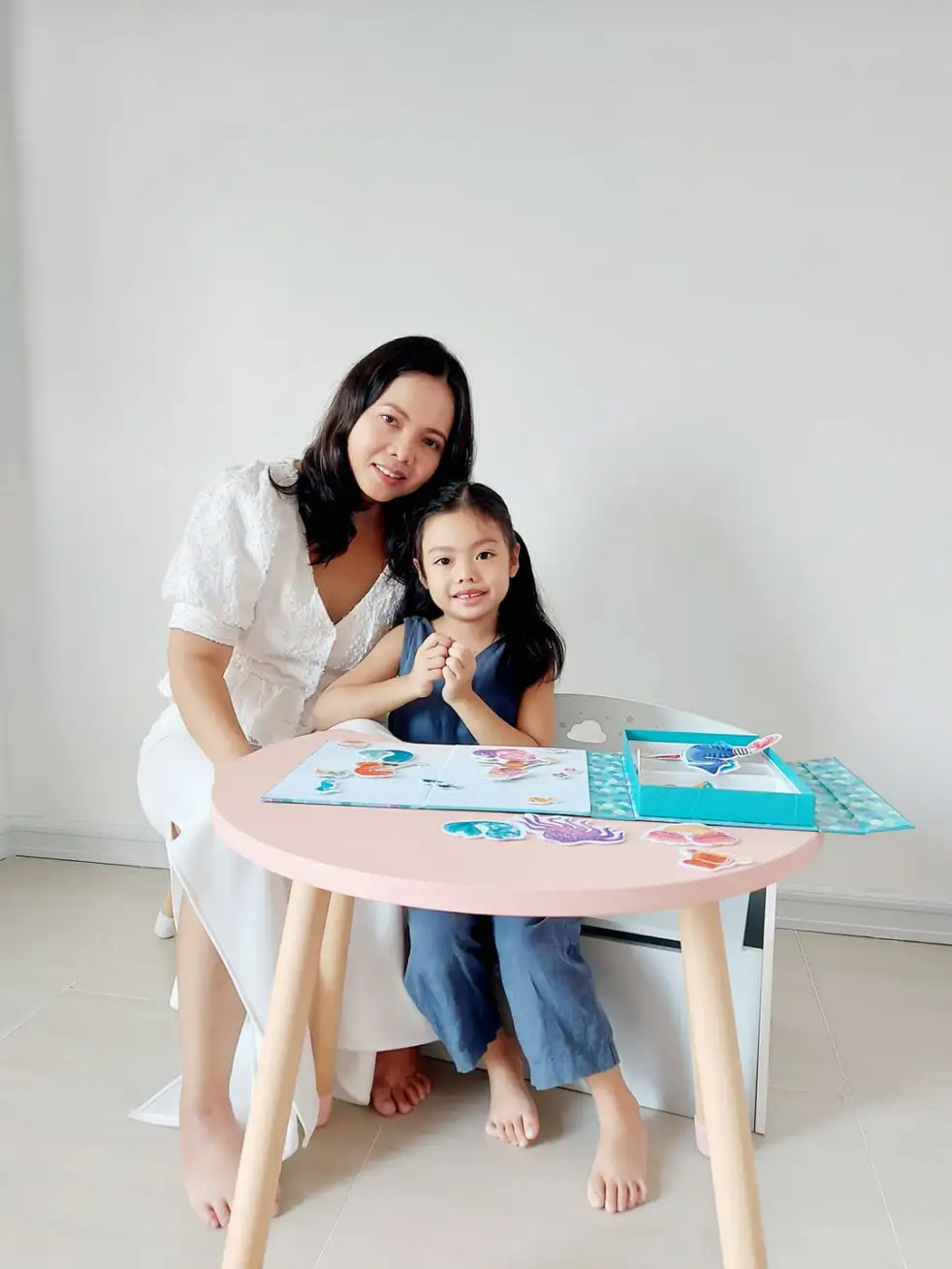
As parents, we want to give our child the best possible start in life and that begins with nurturing their intelligence. Throughout history, the notion of success has been linked to academic intelligence. However, there has been an increased awareness on the importance of emotional intelligence. This question gets at the heart of the never-ending… Continue reading IQ or EQ, which one is a better predictor of your child’s success?
 wondermomma.net