

Last August, IKEA Philippines engaged with Better World Smokey Mountain, a newly opened community center operated by the San Miguel Foundation, which shares a similar goal of improving the lives of many Filipino people. Through this partnership, IKEA Philippines provided and assembled home furnishings for the classrooms and library of Better World Smokey Mountain community… Continue reading Help Create a Better World with IKEA Soft Toys

NutriAsia, the country’s top producer of condiments and sauces, continues its support of Refill Revolution; a project by the Department of Environment and Natural Resources EMB 3 that aims to help reduce Filipinos’ single-use plastics consumption. At Refill Revolution, residents get to recycle their single-use plastic bottles by reusing and filling it with their choice… Continue reading NutriAsia and DENR renews partnership for Refill Revolution

How to Create a Calm-Down Corner for Your Toddler at Home
Toddlers experience big emotions before they have the words, impulse control, or perspective to manage them. A small calm-down corner gives your child a predictable place to pause, reconnect, and practise simple self-regulation skills. It is not a spot for isolation or punishment. It is a supportive part of your home that says, “Your feelings are safe, and I will help you through them.”
A peaceful space can be especially useful during transitions, sibling disagreements, tired afternoons, or moments when your toddler feels overwhelmed by noise and activity. The goal is not to make every upset disappear. Instead, the space helps your child gradually learn what calm feels like and how to return to it with a trusted adult nearby.
The best setup does not need expensive equipment or a separate room. A soft mat, a few carefully chosen items, and a consistent caregiving response can turn a quiet corner into a practical emotional regulation tool for everyday family life.
Why A Calm-Down Corner Helps Toddlers
Young children are still developing the part of the brain responsible for managing impulses and strong emotions. When a toddler cries, shouts, throws a toy, or drops to the floor, they may be overwhelmed rather than deliberately difficult. A calm-down area creates a physical cue that helps the child move from distress toward comfort.
The corner also gives parents a chance to respond with gentle parenting principles. Instead of demanding immediate silence, you can acknowledge the feeling, set a safe boundary, and offer support. You might say, “You are angry because playtime is finished. I will not let you hit. Let us sit here and breathe together.”
Use the area before emotions reach their highest point whenever possible. It can be a place for reading, cuddling, stretching, listening to quiet music, or looking at a feelings card during calm moments. Regular positive experiences help prevent your toddler from connecting the space only with correction.
Choose The Right Location And Setup
Look for a low-traffic area where your child can see you or another trusted adult. A corner of the living room, bedroom, or playroom may work well. Avoid placing it near a television, busy doorway, kitchen hazards, or anything that could easily become a distraction. The space should feel private enough for a pause but never like a locked-off area.
Comfort and safety matter more than decoration. Use a washable floor mat, small cushion, or child-sized chair. In warm, humid homes, choose breathable fabrics and items that can be cleaned regularly. Keep cords, breakable objects, small pieces, and heavy items out of reach, and check that shelves or furniture are securely anchored.
Invite your toddler to help choose a name, cushion, or stuffed animal for the space. This simple involvement can create a sense of ownership. You might call it the quiet corner, breathing space, or feelings nook, depending on the words your family naturally uses.
Fill It With Simple Regulation Tools
A toddler calm-down kit should contain only a few useful objects. Too many toys can turn the area into another play station, while overly complicated tools may frustrate a child who is already upset. Choose items that support touch, breathing, comfort, or communication.
Helpful choices include a board book about feelings, a soft toy, a small pillow, a visual breathing card, and a simple sensory item such as a textured ball. A sealed glitter jar can be soothing for some children, but avoid breakable containers and supervise its use. A small basket makes it easy for your child to see and return each item.
The tools should match your child’s development and preferences. Some toddlers calm through a hug, while others need a little space. Some enjoy humming or looking at pictures; others respond to rhythmic movement. Observe what helps your child settle rather than expecting a single technique to work every time.
| Tool Or Feature | How It May Help | Safety And Use Notes |
|---|---|---|
| Soft cushion or mat | Provides physical comfort and a defined resting place | Choose washable materials and place it on a stable floor |
| Feelings book or cards | Gives simple names to emotions and supports communication | Use a few clear pictures rather than long explanations |
| Stuffed toy | Offers comfort and a safe object to hold | Check stitching, buttons, and loose parts regularly |
| Breathing prompt | Helps practise slow breathing with an adult | Demonstrate it during calm moments; do not force breathing |
| Textured ball | Gives small hands a safe sensory activity | Select a large, durable item without detachable pieces |
Teach The Space Before Big Feelings
A calm-down corner works best when your toddler understands it before an emotional storm begins. Show the area during a relaxed part of the day and explain its purpose in a few simple words. “This is where we go when feelings feel too big. We can rest here together.”
Practise one or two actions at a time. Sit on the mat, take a slow breath, squeeze a pillow, or point to a feelings card. Keep practice playful and brief. You can model your own use of the space by saying, “I feel frustrated, so I am going to take a quiet breath.” This shows that everyone has emotions and everyone can use calming strategies.
During a meltdown, reduce language and stay physically close if your child welcomes it. A toddler may not be able to process a lecture or choose from many options. Try, “You are safe. I am here. Hands are for gentle touch.” Once your child is calmer, offer a short reflection rather than a long discussion about what went wrong.
Respond With Connection And Boundaries
The corner should never be used as forced solitary time, a threat, or a way to shame your child. Saying, “Go there until you stop crying,” can make the area feel rejecting. Instead, guide your toddler there with warmth when safety allows: “Your body is having a hard time. Let us go to our quiet space.”
Connection does not mean allowing unsafe behaviour. You can hold a hand gently to prevent hitting, move a hard object away, or block kicks while staying calm. Name the limit clearly: “I will not let you hurt me. You can stomp on the mat or squeeze the cushion.” This combines emotional validation with firm, age-appropriate boundaries.
If your toddler refuses the corner, do not turn it into another battle. Stay nearby, make the environment safe, and offer comfort in the place where the upset is happening. The aim is to build trust around calming, not to make your child perform relaxation on demand.
Adjust The Corner As Your Child Grows
A space that works for an eighteen-month-old may need to change when your child becomes three or four. At first, the corner may mainly provide closeness and sensory comfort. Later, you can add a feelings chart, simple choices, or a small timer that shows when it is time to return to an activity.
Pay attention to whether the space remains calming. If your child throws every object inside, remove extra items and keep only one soft comfort object. If the corner feels boring or disconnected, add a familiar book or a family photo. The setup should reflect your child’s temperament, sensory needs, language, and daily routine.
Families can also use local language and familiar cultural practices. A short prayer, lullaby, breathing phrase, or comforting song may feel more natural than a formal mindfulness exercise. What matters is that the approach is respectful, consistent, and easy for the adults in the home to maintain.
Build Calm Habits Into Daily Life
A quiet space becomes more effective when calming skills are practised beyond moments of conflict. Use it after active play, before bedtime, or during a gentle morning routine. These low-pressure opportunities help your toddler connect the corner with comfort rather than with being “in trouble.”
Keep expectations realistic. A toddler may need an adult beside them every time, and progress may look like calming a little faster, accepting a hug, or using one new word for an emotion. Celebrate these small steps without demanding a perfect response.
- Keep the space simple, clean, and free from hazards.
- Practise calming techniques when your toddler is already relaxed.
- Use short, reassuring phrases during emotional moments.
- Offer choices such as sitting, hugging, breathing, or holding a soft toy.
- Review the setup every few months as your child’s needs change.
Make The Space Part Of Family Life
A calm-down corner is most powerful when it is part of a wider family culture of emotional safety. Adults can model apologising, taking a pause, naming frustration, and repairing after conflict. Children learn regulation through repeated experiences with caring adults, not through a decorated space alone.
Start with whatever you already have: a clean corner, a cushion, a favourite book, and your steady presence. Introduce the space gently, practise using it during peaceful moments, and allow your toddler’s needs to guide small changes. With time, this simple area can become a reassuring place where your child learns that feelings can be handled safely and that support is always nearby.

Mercato Centrale, in collaboration with Indian Women in Enterprise Philippines (I-We), is set to host "The Great Indian Fiesta" to mark 75 years of friendship between India and the Philippines. The dynamic two-day event is scheduled to take place on September 30 to October 1, 2023, at Paseo De Roxas Street, Makati City. Aiming to… Continue reading Mercato Centrale Partners with I-We to Host ‘The Great Indian Fiesta’, Commemorating 75 Years of India-Philippines Friendship

My stomach would usually start growling at 10 am even after taking a big breakfast. This is probably because I am a morning person and I move a lot throughout the day hence snacking is something that I can't avoid. This potatoes and chicken wrap recipe is easy to prepare and would keep me full… Continue reading Potato and Chicken Wrap
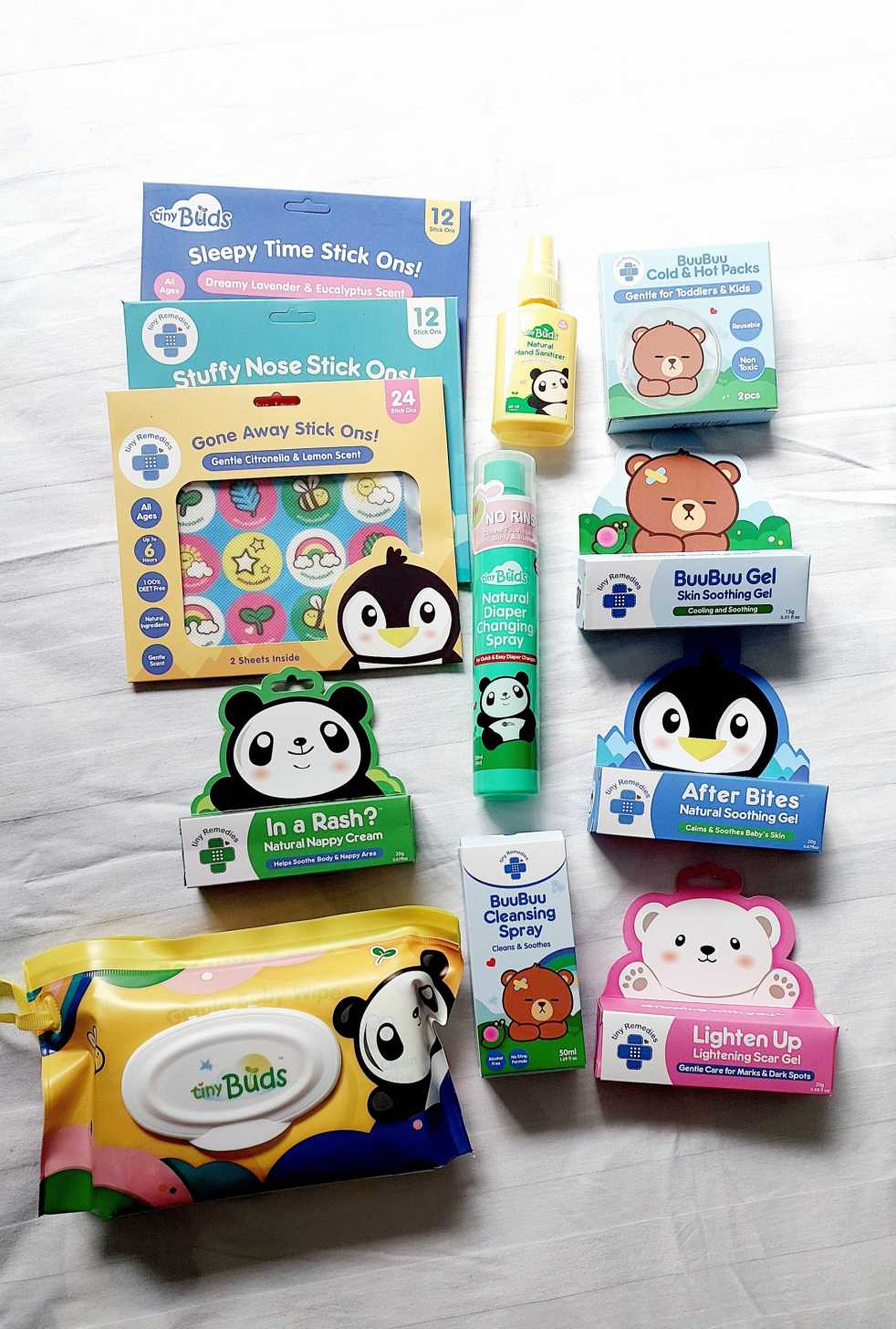
Your baby’s skin is more delicate than most, this is why you have to choose products that are designed for sensitive skin. Tiny Buds is a pioneer in integrating natural ingredients into baby care and today has over 50 innovative natural baby care essentials and is one of the Top Baby Personal Care brands. Here… Continue reading Product Review: Tiny Buds Baby Naturals Baby Essentials
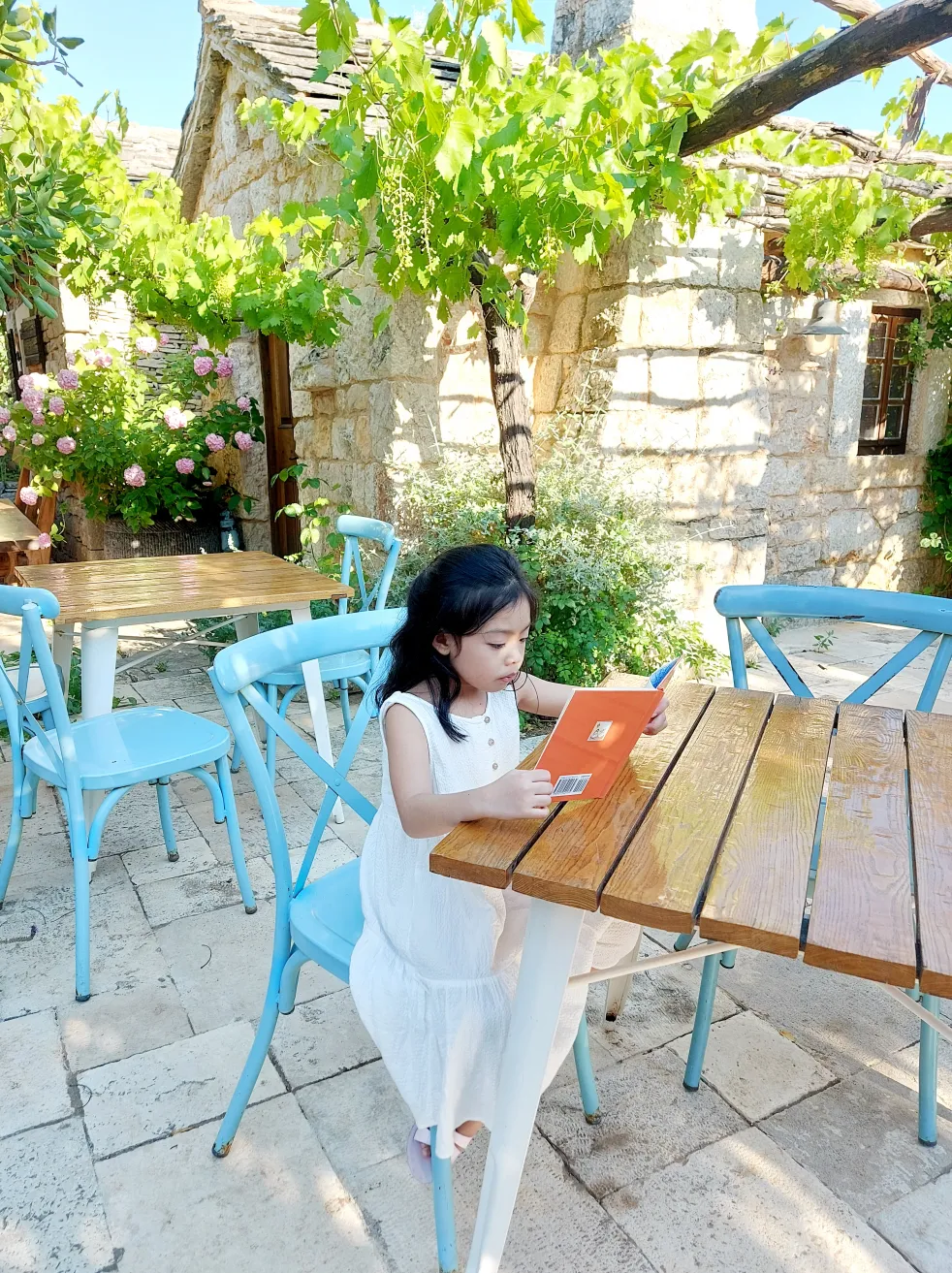
Where your child goes to school is a big decision and shouldn’t be taken lightly. Given how their education can impact their future, you might be tempted to take control and decide for them. However, you might be doing more damage than helping them in the long run. Your job as parents is to support… Continue reading HOW TO CHOOSE THE BEST SCHOOL FOR YOUR CHILD
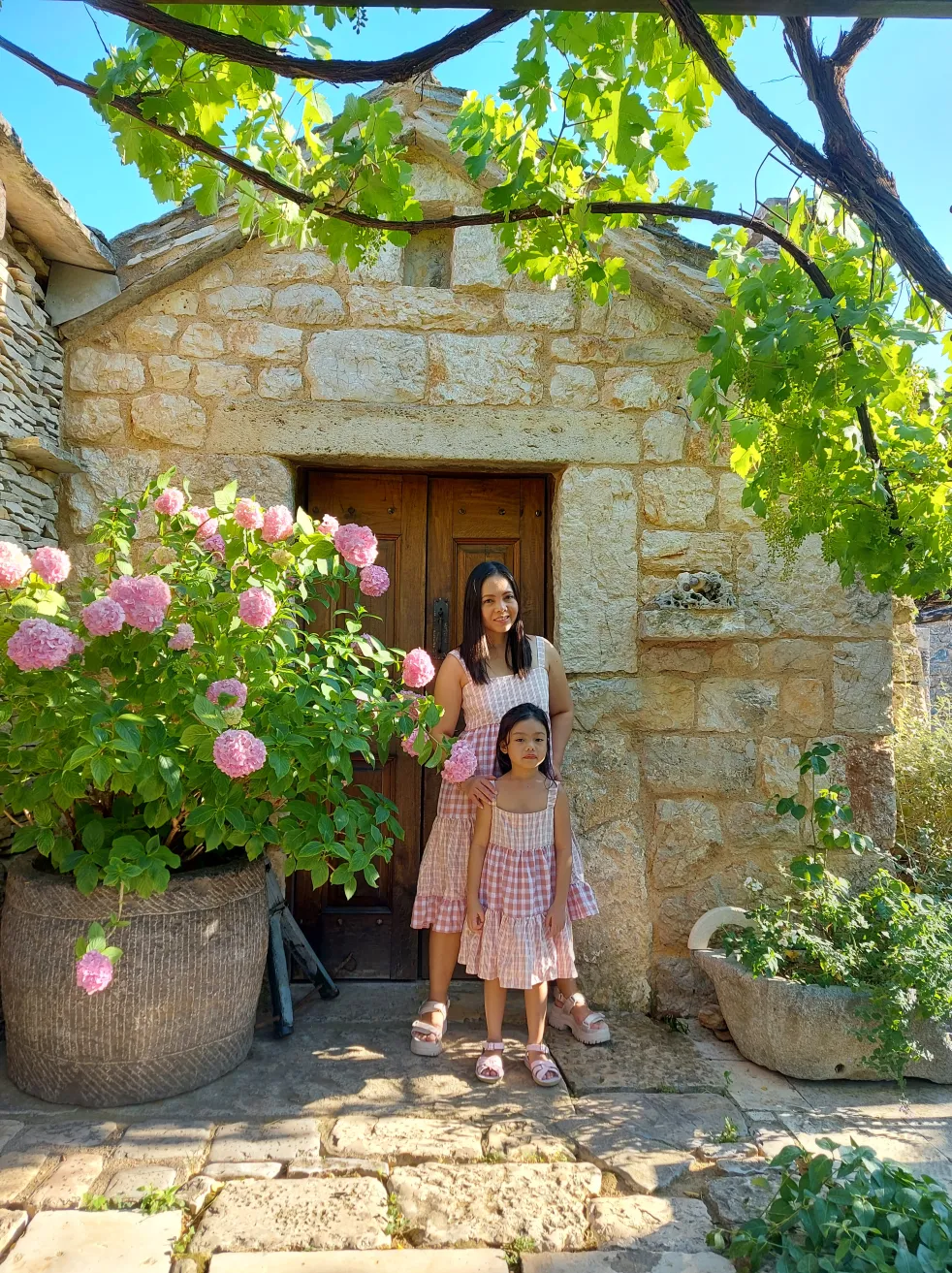
As poet and philosopher Rumi once eloquently said, “raise your words, not your voice. It is rain that grows flowers, not thunder.” Parenting is a challenging journey, and the truth is that nobody has everything figured out. One parenting style might suit others best, and some might favor other methods. However, children respond better to… Continue reading A SIMPLE GUIDE TO GENTLE PARENTING

Whether you’re a new mom to be, mom of a toddler, mom who have school-aged kids, you’re bound to have so many questions. Let's start with your baby's skin. Infant skin has unique needs; gentle care is essential to prevent damage to the skin barrier, which can lead to irritation. When caring for infant skin,… Continue reading Keeping Baby’s Diapered Skin Healthy
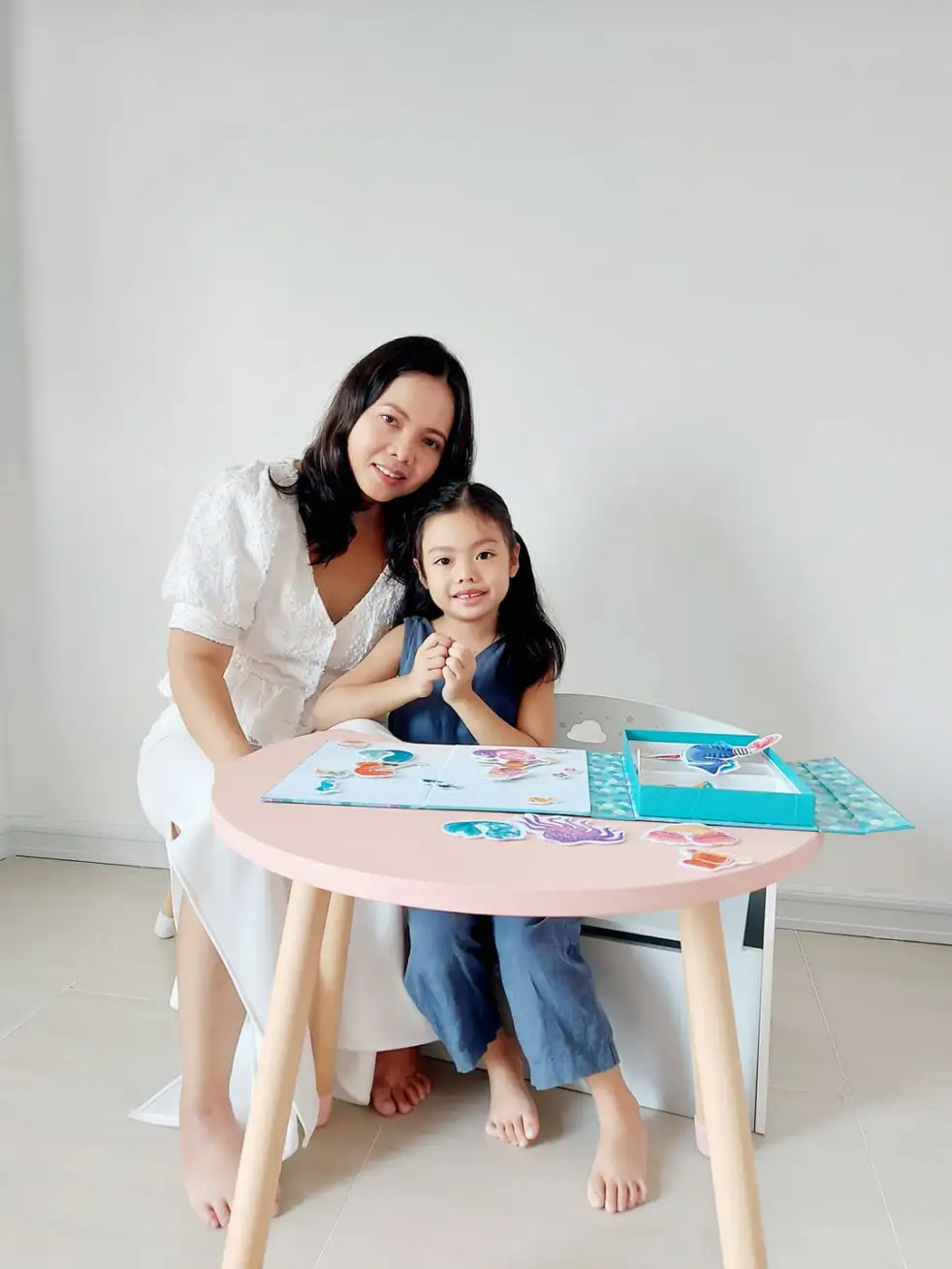
As parents, we want to give our child the best possible start in life and that begins with nurturing their intelligence. Throughout history, the notion of success has been linked to academic intelligence. However, there has been an increased awareness on the importance of emotional intelligence. This question gets at the heart of the never-ending… Continue reading IQ or EQ, which one is a better predictor of your child’s success?
 wondermomma.net