

Last August, IKEA Philippines engaged with Better World Smokey Mountain, a newly opened community center operated by the San Miguel Foundation, which shares a similar goal of improving the lives of many Filipino people. Through this partnership, IKEA Philippines provided and assembled home furnishings for the classrooms and library of Better World Smokey Mountain community… Continue reading Help Create a Better World with IKEA Soft Toys
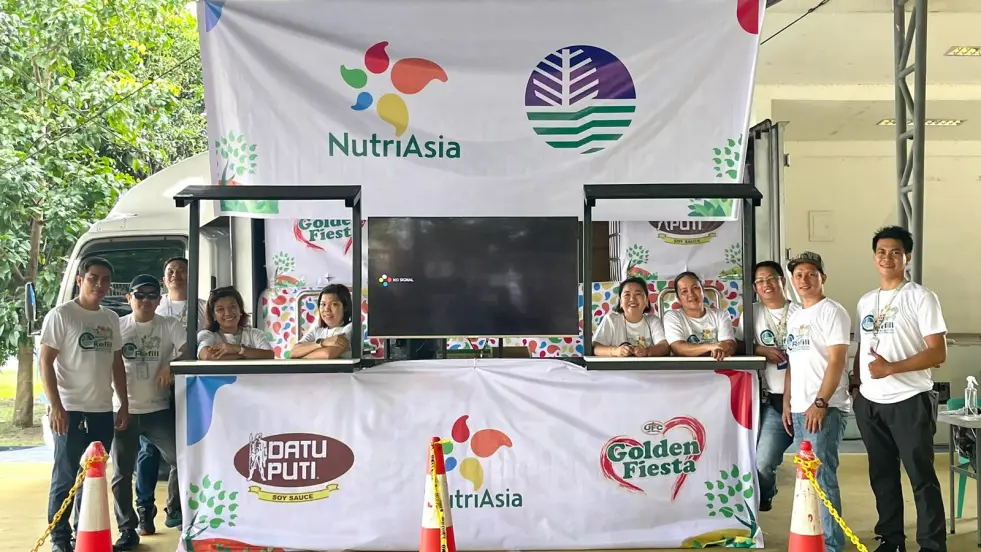
NutriAsia, the country’s top producer of condiments and sauces, continues its support of Refill Revolution; a project by the Department of Environment and Natural Resources EMB 3 that aims to help reduce Filipinos’ single-use plastics consumption. At Refill Revolution, residents get to recycle their single-use plastic bottles by reusing and filling it with their choice… Continue reading NutriAsia and DENR renews partnership for Refill Revolution

Calming a Child's Fear of Thunder and Lightning
When the first rumble rolls across rooftops in Brisbane or Sydney, the reactions from little ones can range from mild worry to full-blown tears. Thunderstorms are a regular feature of Australian summers, particularly between November and March when warm, humid air fuels powerful cells along the eastern seaboard. Many parents spend those afternoons wondering how to comfort a child who is afraid of thunder and lightning without making the fear grow.
The good news is that there are gentle, age-appropriate ways to help kids feel safe during a storm. Some strategies are practical, some are playful, and a few rely on understanding what is actually happening in the sky. Drawing from family-friendly traditions used across the country, here is a guide to weathering the next electrical storm together.
Understanding Why Storms Feel So Big
For toddlers and preschoolers, lightning is a magic trick they cannot explain and thunder is a noise without a source. The brain reads both as threats because they come from above, are loud, and arrive without warning. This is sometimes called astraphobia in older children, though most kids simply describe being scared of the boom or the flash. Helping a child understand that thunder is just air rushing apart gives them a mental hook to hang their fear on.
Storm anxiety often runs in cycles too. A child who is fine at the first flash can become overwhelmed later when the storm settles over the neighbourhood, which is common for slow-moving Queensland cells. Their nervous system is responding the way it would to any unpredictable loud event, and the response is strongest when little ones are already tired or hungry.
The Bureau of Meteorology regularly issues warnings across the eastern states during the warmer months, and the occasional supercell can rattle adults too. Validating that the storm feels big without calling it dangerous keeps the conversation open.
Preparing Before the First Boom
A little preparation goes a long way, and the hours before a forecasted storm are ideal for setting up a sense of control. In Melbourne, where the weather can swing from sunshine to sideways rain in twenty minutes, families often keep a small "storm kit" near the couch: a charged power bank, a torch, a favourite blanket, and a board book. Having these items visible signals to a nervous child that grown-ups have a plan.
Talking through the forecast the night before can also reduce the surprise factor. Phrases like "tomorrow afternoon we might hear some big drums in the sky, and we will be inside where it is dry" give advance notice without dwelling on the worst. Some families even point to the rain on the radar together, which works well for kids around four or five who can grasp that the dark blob on the screen will pass.
If your child is craft-minded, making something before the storm can serve double duty. These simple handprint crafts to preserve as keepsakes keep little hands busy and become a calming ritual to revisit whenever a thunderstorm is on the way, anchoring the memory to something made rather than something feared.
Building a Cosy Shelter During the Storm
When the clouds roll in, the goal shifts from preparation to presence. Choose one room in the house as your temporary storm base. A bedroom with thick curtains works well in Darwin during the wet season, while in Adelaide a built-up window seat can become a makeshift cubby. Bring in pillows, the softest doona you own, and the beloved stuffed animal that has survived every wash cycle.
A torch for soft lighting and a long-lasting snack help anchor the room. If your family enjoys screen time, a familiar animated film at low volume offers steady predictability while the weather does its loudest work outside. The sound of a washing machine in the next room can also help, as the low hum provides gentle white noise that masks some of the sharper thunder cracks.
For kids old enough to enjoy it, lying together and counting the seconds between a flash and the rumble gives them a small, useful task. The "flash to bang" count is something grown-ups use too, and turning it into a shared game helps the child feel like an active participant rather than a passive victim of the storm rolling through the suburbs.
Distraction and Playful Techniques
Distraction is one of the most powerful tools, especially with toddlers who live in the moment. Singing familiar songs, reciting nursery rhymes, or making up silly stories about where the thunder is headed next can pull attention away from the flashes. The very Australian tradition of narrating storm behaviour with made-up characters, such as a grumpy cloud or a grumbling wombat, works surprisingly well with primary-aged children too.
Sensory play also helps regulate a frazzled nervous system. A bowl of dry rice, a squishy stress ball, or a quiet colouring-in sheet gives hands something to do. Some parents swear by a scented wheat pack warmed in the microwave for a minute, though this needs supervision with younger children.
Once the rain has cleared, a sheltered verandah becomes the perfect spot to watch the last raindrops fall. Letting kids stomp safely through a few puddles turns the storm into something they helped outlast rather than something that simply happened to them.
What to Say and What to Avoid
Language matters enormously. Telling a crying child that "it is just a bit of rain" dismisses their feelings, and promising "it won't be scary" sets up a moment where trust can break. Instead, try phrases like "I can see that the noise is really loud for you" or "we are safe in here together, and the storm will pass." Naming the emotion validates it and lets the feeling move through rather than lodge deeper.
Avoid using the storm as a disciplinary metaphor, such as "if you are not careful, the thunder will get you," which can quietly turn a small phobia into something that follows a child into adulthood. Likewise, try not to share your own storm fears in front of them, even if Perth's wild October skies still set your teeth on edge. Modelling calm is one of the most powerful forms of reassurance.
If your child is verbal, ask what would help. Sometimes the answer is something tiny and unexpected, like holding a particular toy or peeking out the window together to count the rain. Drawing a small list of "things that make storms easier" with the child's own illustrations gives them ownership of the coping process.
Long-Term Habits That Build Resilience
Storm season is really only intense for a few months, so building year-round familiarity with weather makes each December to March less daunting. Reading picture books about clouds, watching gentle documentaries together, or visiting a science centre during a holiday in Canberra can seed curiosity that gradually replaces fear. Curiosity is one of the strongest antidotes to anxiety at every age.
Some families create a yearly "storm badge" tradition, marking each successful storm with a sticker on a chart. Older siblings can add their own entries and encourage younger ones, turning the family into a team rather than leaving the scared child feeling singled out. This gentle tracking is especially helpful in regional areas where power outages sometimes follow big cells through the Wheatbelt or the Top End.
If you have a four-legged family member who is also storm-anxious, comfort them at the same time. Children learn a great deal about emotional regulation from watching how parents care for a frightened pet, and many Australian households with a rescue greyhound or anxious kelpie know just how dramatic thunder can be for sensitive animals.
When to Reach Out for More Support
Most children eventually grow out of thunder fear, but some need extra support. If your child is having nightmares, refusing to go to bed during storm season, or showing physical symptoms like tummy aches whenever clouds gather, it is worth chatting with your GP or paediatrician. In Australia, free support is available through services like Pregnancy Birth and Baby, and your local community health centre can point you toward child psychologists experienced in anxiety.
Thunderstorm asthma is a different medical concern that mainly affects adults in places like Melbourne, but it is a useful reminder that stormy weather affects the whole household in different ways. Keeping reliever medication on hand if prescribed, and being aware of pollen counts during the warmer months, is part of looking after the family together.
Above all, your presence during a storm is doing far more heavy lifting than any clever trick. Years from now, your child will not remember exactly how they felt when the thunder crashed, but they will remember that you sat with them, that you listened, and that the storm eventually passed.
| Age Group | Common Reactions | Helpful Approaches |
|---|---|---|
| Toddlers (1–3) | Crying, clinging, hiding | Hold close, use a familiar voice, offer a comfort toy |
| Preschoolers (3–5) | Asking lots of questions, covering ears | Simple science explanations, role-play with soft toys, read a calming book |
| Early primary (6–8) | Refusing to sleep alone, vivid worries | Flash-to-bang counting, drawing the storm, keeping a weather journal |
| Tweens (9–12) | Hiding the fear, getting irritable | Validate feelings, watch BOM radar together, teach breathing techniques |

Mercato Centrale, in collaboration with Indian Women in Enterprise Philippines (I-We), is set to host "The Great Indian Fiesta" to mark 75 years of friendship between India and the Philippines. The dynamic two-day event is scheduled to take place on September 30 to October 1, 2023, at Paseo De Roxas Street, Makati City. Aiming to… Continue reading Mercato Centrale Partners with I-We to Host ‘The Great Indian Fiesta’, Commemorating 75 Years of India-Philippines Friendship

My stomach would usually start growling at 10 am even after taking a big breakfast. This is probably because I am a morning person and I move a lot throughout the day hence snacking is something that I can't avoid. This potatoes and chicken wrap recipe is easy to prepare and would keep me full… Continue reading Potato and Chicken Wrap
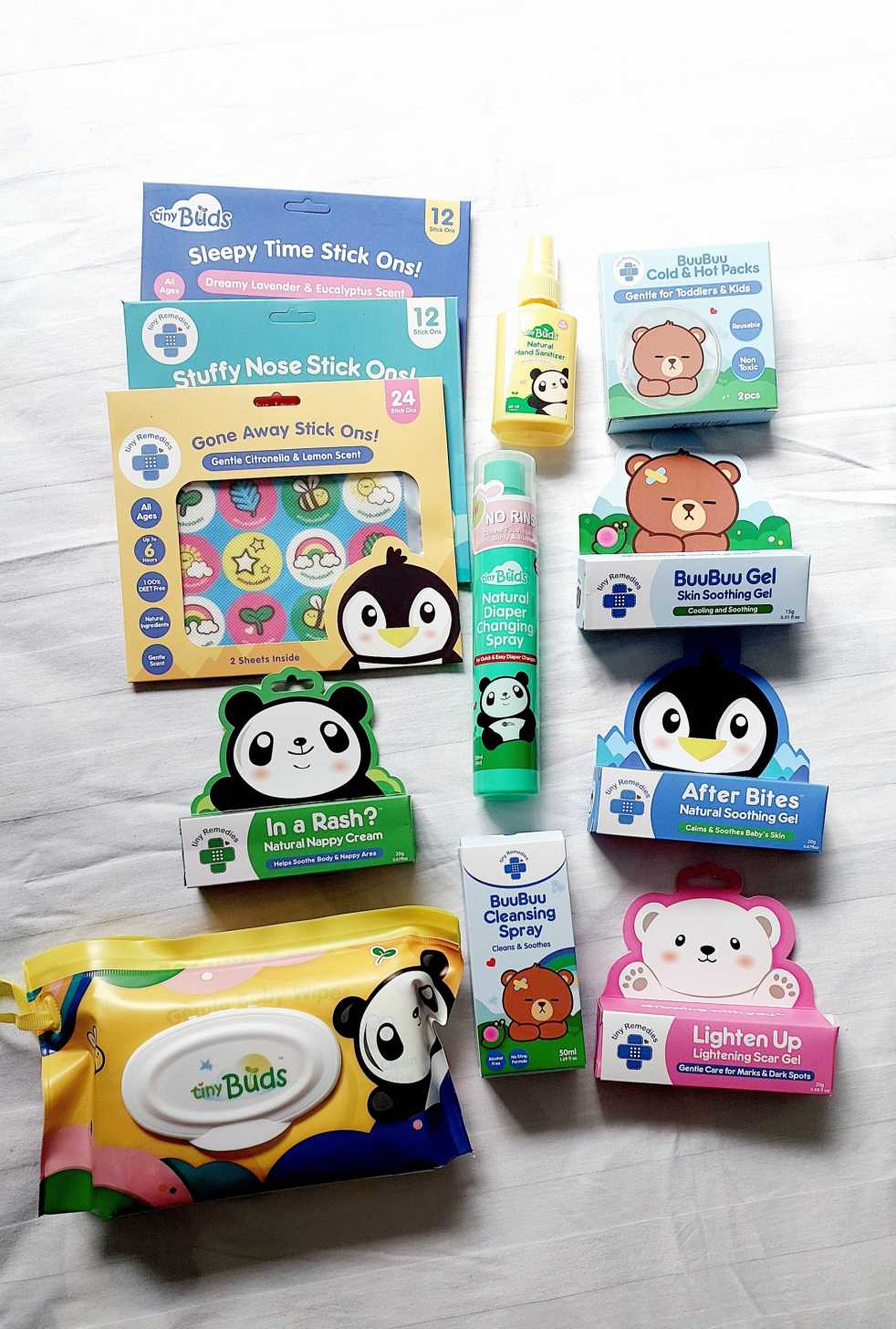
Your baby’s skin is more delicate than most, this is why you have to choose products that are designed for sensitive skin. Tiny Buds is a pioneer in integrating natural ingredients into baby care and today has over 50 innovative natural baby care essentials and is one of the Top Baby Personal Care brands. Here… Continue reading Product Review: Tiny Buds Baby Naturals Baby Essentials
Where your child goes to school is a big decision and shouldn’t be taken lightly. Given how their education can impact their future, you might be tempted to take control and decide for them. However, you might be doing more damage than helping them in the long run. Your job as parents is to support… Continue reading HOW TO CHOOSE THE BEST SCHOOL FOR YOUR CHILD
As poet and philosopher Rumi once eloquently said, “raise your words, not your voice. It is rain that grows flowers, not thunder.” Parenting is a challenging journey, and the truth is that nobody has everything figured out. One parenting style might suit others best, and some might favor other methods. However, children respond better to… Continue reading A SIMPLE GUIDE TO GENTLE PARENTING

Whether you’re a new mom to be, mom of a toddler, mom who have school-aged kids, you’re bound to have so many questions. Let's start with your baby's skin. Infant skin has unique needs; gentle care is essential to prevent damage to the skin barrier, which can lead to irritation. When caring for infant skin,… Continue reading Keeping Baby’s Diapered Skin Healthy
As parents, we want to give our child the best possible start in life and that begins with nurturing their intelligence. Throughout history, the notion of success has been linked to academic intelligence. However, there has been an increased awareness on the importance of emotional intelligence. This question gets at the heart of the never-ending… Continue reading IQ or EQ, which one is a better predictor of your child’s success?
 wondermomma.net