

Last August, IKEA Philippines engaged with Better World Smokey Mountain, a newly opened community center operated by the San Miguel Foundation, which shares a similar goal of improving the lives of many Filipino people. Through this partnership, IKEA Philippines provided and assembled home furnishings for the classrooms and library of Better World Smokey Mountain community… Continue reading Help Create a Better World with IKEA Soft Toys

NutriAsia, the country’s top producer of condiments and sauces, continues its support of Refill Revolution; a project by the Department of Environment and Natural Resources EMB 3 that aims to help reduce Filipinos’ single-use plastics consumption. At Refill Revolution, residents get to recycle their single-use plastic bottles by reusing and filling it with their choice… Continue reading NutriAsia and DENR renews partnership for Refill Revolution

How to choose the right size diapers for your growing baby
Choosing a diaper size can feel confusing when brands use different weight ranges, styles, and measurements. A baby may fit one brand’s medium diaper comfortably while needing a larger size in another. Body shape, absorbency, and the diaper design all affect the final fit.
The right diaper should keep your baby dry and comfortable while preventing leaks around the waist and legs. Weight is a helpful starting point, but it should not be the only factor. A baby’s thighs, tummy, movement, and changing routine can all signal when it is time to adjust the size.
For families in the Philippines, hot and humid weather can make diaper fit even more important. A diaper that is too tight may contribute to heat, rubbing, and irritation, while one that is too loose can lead to leaks and damp clothing. A few simple checks can make size changes easier and less wasteful.
Weight is the best starting point
Most disposable diapers display a recommended weight range on the packaging. Newborn sizes are usually designed for smaller babies, while sizes increase as your child gains weight. Use your baby’s current weight as a guide, but remember that these ranges are estimates rather than strict rules.
If your baby is between two sizes, consider body shape and the diaper’s fit. A slim baby may stay comfortable in the smaller size for longer, while a baby with rounder thighs or a fuller tummy may need the next size sooner. Growth is also uneven, so a baby may gain weight quickly for a few weeks and then remain at a similar size.
Cloth diapers follow a different sizing system. Some are made for specific weight ranges, while adjustable “one-size” diapers use snaps, elastic, or folded inserts. In this case, the absorbent insert and outer cover must both fit well. A bulky insert may cause gaps even when the cover seems large enough.
Learn what a good fit looks like
A properly fitted diaper should sit securely below the belly button or around the waist without leaving deep marks. The leg openings should rest comfortably against the skin, with the elastic lying flat rather than folding inward. You should be able to slide one or two fingers under the waistband without forcing them.
Check the back and front after fastening the diaper. The material should cover your baby’s bottom fully, and the absorbent center should be positioned between the legs. For baby boys, make sure the penis points downward before closing the diaper. This helps direct urine into the absorbent area.
A good fit also supports movement. Your baby should be able to kick, crawl, sit, or walk without the diaper pulling tightly at the hips. If the diaper looks stretched across the tummy, rides down at the back, or leaves red lines that remain after changing, it may be too small.
Compare diaper styles and sizing
Disposable diapers come in several designs, and each can fit differently. Traditional taped diapers are useful for newborns because they can be adjusted while your baby is lying down. They also make it easier to check the navel area during the early weeks.
Pull-up or pant-style diapers are convenient for active babies and toddlers who crawl, stand, or resist lying down. They usually have stretchy sides and can be pulled on quickly. However, a pull-up that is too small may feel tight around the legs, while one that is too large may sag and leak during play.
| Diaper style | Useful stage | Fit details to check | Common reason to change size |
|---|---|---|---|
| Newborn or small taped diaper | Early newborn days | Navel area, waist, leg gaps | Baby reaches the weight limit or tabs no longer meet comfortably |
| Standard taped diaper | Infancy | Waist coverage, back fit, leg seal | Frequent leaks, red marks, or a tight fastening area |
| Larger taped diaper | Older babies | Full bottom coverage and flexible waist | Diaper feels stretched or cannot contain overnight wetness |
| Pull-up or diaper pants | Crawling, standing, and toddler years | Stretch around thighs and waist | Sagging, difficult pulling, or tight leg openings |
| Adjustable cloth diaper | Various stages | Snap setting, insert thickness, elastic | Gaps, compression leaks, or poor movement |
Brand sizing charts are worth checking before buying a large pack. Some manufacturers use labels such as small, medium, large, and extra-large, while others combine size numbers with weight ranges. Comparing the chart with your baby’s current measurements can prevent an inconvenient purchase.
Signs it is time to move up
Frequent leaks are one of the clearest indications that a diaper may be too small. If the absorbent area becomes full quickly, urine may escape even when the diaper was changed recently. Leaks can also happen when the diaper is too large, so inspect the leg openings and fastening position before moving up automatically.
Look for red marks around the waist, thighs, or hips that remain after the diaper is removed. Temporary impressions from elastic can be normal, but deep or persistent marks suggest pressure. Chafing, rubbing, and increased fussiness during diaper changes are additional reasons to reassess the fit.
Another sign is difficulty fastening the tabs. If the tabs barely reach the landing area, sit at an angle, or pull the front panel into a tight band, choose the next size. The same applies when the diaper no longer covers the baby’s bottom completely or the back sits too low.
A larger diaper does not always solve overnight wetness. Before changing size, check whether the diaper was positioned correctly, whether your baby needs a more absorbent option, and whether a change is needed before a long nap or bedtime. For older babies, a nighttime diaper may offer better absorbency without requiring a much larger fit.
Buying diapers without waste
Buy a small pack when testing a new brand or size. Even if the weight range appears suitable, the cut may not match your baby’s body. Taped diapers may fit differently from diaper pants, and scented or treated materials may not suit babies with sensitive skin.
Keep track of when leaks occur. A pattern can reveal whether the issue is size, placement, absorbency, or timing. For example, leaks at the thighs often point to gaps or incorrect positioning, while leaks at the back may indicate that the diaper is too small or has shifted during movement.
If you have unopened diapers that no longer fit, consider passing them to a family member, community group, or local donation drive. In the Philippines, parenting groups and neighborhood organizations may accept clean, sealed packs for families who need them. This helps reduce waste while keeping useful supplies in circulation.
For cloth diaper users, adjust the rise snaps and check the insert arrangement before changing the entire diaper size. A thicker insert can create leg gaps, while a flatter, well-positioned insert may improve both comfort and absorbency. Wash and dry inserts thoroughly, especially in humid weather, to help prevent odor and skin irritation.
A simple fit check for every change
Make diaper checks part of your regular routine, especially after a growth spurt or a change in feeding and sleeping patterns. Babies can outgrow a size gradually, so the change may first appear as a small leak or a mark on the skin rather than an obvious problem.
Use these quick checks:
- Confirm that the diaper covers the entire bottom and reaches comfortably around the waist.
- Run a finger around the leg openings to make sure the elastic is flat and free of gaps.
- Check for red marks, rubbing, or damp skin after removing the diaper.
- Fasten taped diapers symmetrically, and point the absorbent center between the legs.
- Recheck the fit after your baby starts crawling, standing, walking, or sleeping longer.
A diaper that fits well should stay in place through ordinary movement without restricting your baby. It should also make changes easier for the caregiver, whether you are using disposable diapers, cloth nappies, taped designs, or pull-up pants.
As your baby grows, review the size chart regularly and buy in smaller quantities during transition periods. Notice the combination of weight, comfort, coverage, and leak protection rather than relying on the label alone. With these checks, you can choose diapers that support healthy skin, comfortable movement, and calmer changes from the newborn stage through the toddler years.
Keep this guide handy during your next diaper run, compare your baby’s current fit with the signs above, and choose the next pack based on comfort and performance rather than size number alone.

Mercato Centrale, in collaboration with Indian Women in Enterprise Philippines (I-We), is set to host "The Great Indian Fiesta" to mark 75 years of friendship between India and the Philippines. The dynamic two-day event is scheduled to take place on September 30 to October 1, 2023, at Paseo De Roxas Street, Makati City. Aiming to… Continue reading Mercato Centrale Partners with I-We to Host ‘The Great Indian Fiesta’, Commemorating 75 Years of India-Philippines Friendship

My stomach would usually start growling at 10 am even after taking a big breakfast. This is probably because I am a morning person and I move a lot throughout the day hence snacking is something that I can't avoid. This potatoes and chicken wrap recipe is easy to prepare and would keep me full… Continue reading Potato and Chicken Wrap
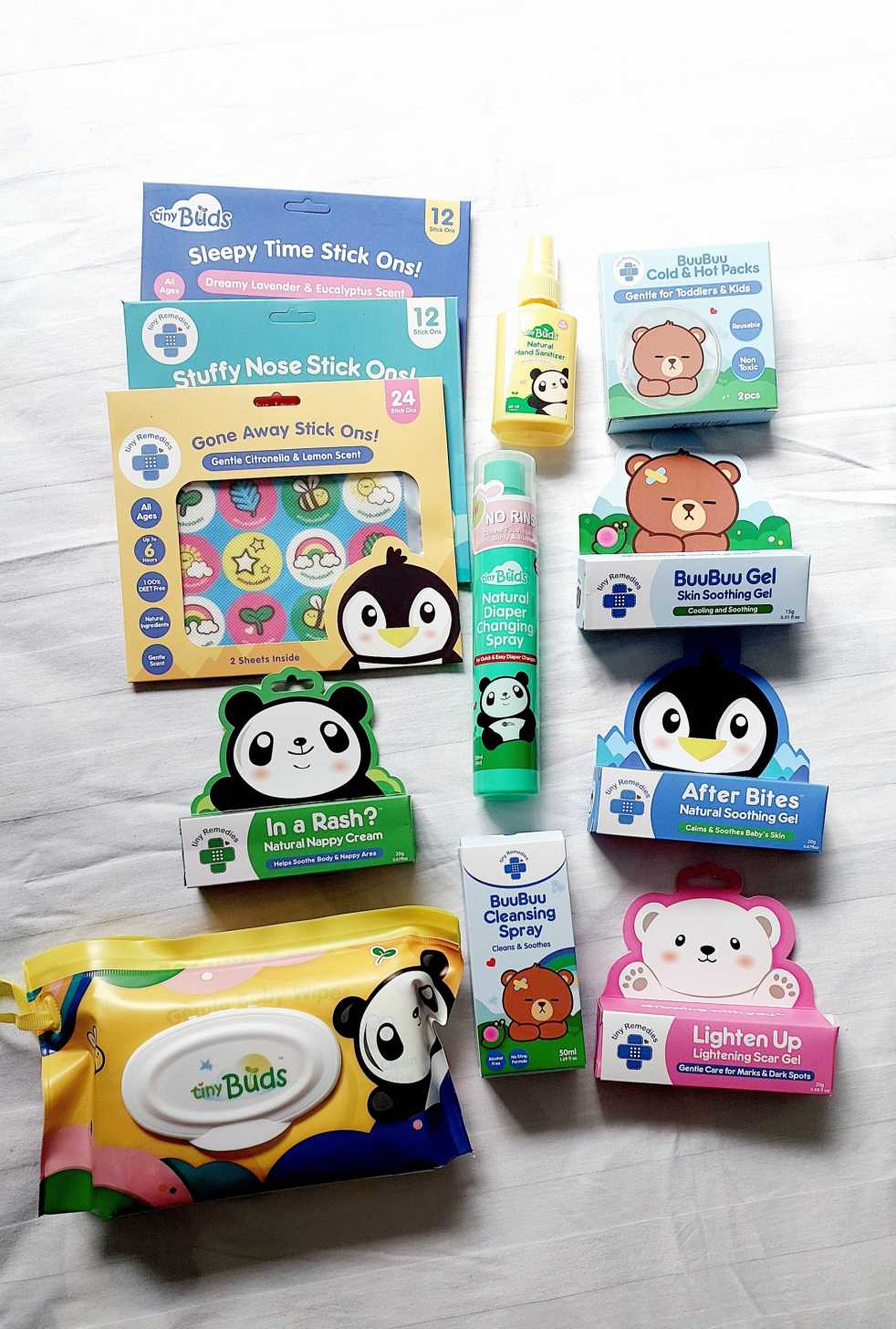
Your baby’s skin is more delicate than most, this is why you have to choose products that are designed for sensitive skin. Tiny Buds is a pioneer in integrating natural ingredients into baby care and today has over 50 innovative natural baby care essentials and is one of the Top Baby Personal Care brands. Here… Continue reading Product Review: Tiny Buds Baby Naturals Baby Essentials

Where your child goes to school is a big decision and shouldn’t be taken lightly. Given how their education can impact their future, you might be tempted to take control and decide for them. However, you might be doing more damage than helping them in the long run. Your job as parents is to support… Continue reading HOW TO CHOOSE THE BEST SCHOOL FOR YOUR CHILD

As poet and philosopher Rumi once eloquently said, “raise your words, not your voice. It is rain that grows flowers, not thunder.” Parenting is a challenging journey, and the truth is that nobody has everything figured out. One parenting style might suit others best, and some might favor other methods. However, children respond better to… Continue reading A SIMPLE GUIDE TO GENTLE PARENTING

Whether you’re a new mom to be, mom of a toddler, mom who have school-aged kids, you’re bound to have so many questions. Let's start with your baby's skin. Infant skin has unique needs; gentle care is essential to prevent damage to the skin barrier, which can lead to irritation. When caring for infant skin,… Continue reading Keeping Baby’s Diapered Skin Healthy

As parents, we want to give our child the best possible start in life and that begins with nurturing their intelligence. Throughout history, the notion of success has been linked to academic intelligence. However, there has been an increased awareness on the importance of emotional intelligence. This question gets at the heart of the never-ending… Continue reading IQ or EQ, which one is a better predictor of your child’s success?
 wondermomma.net