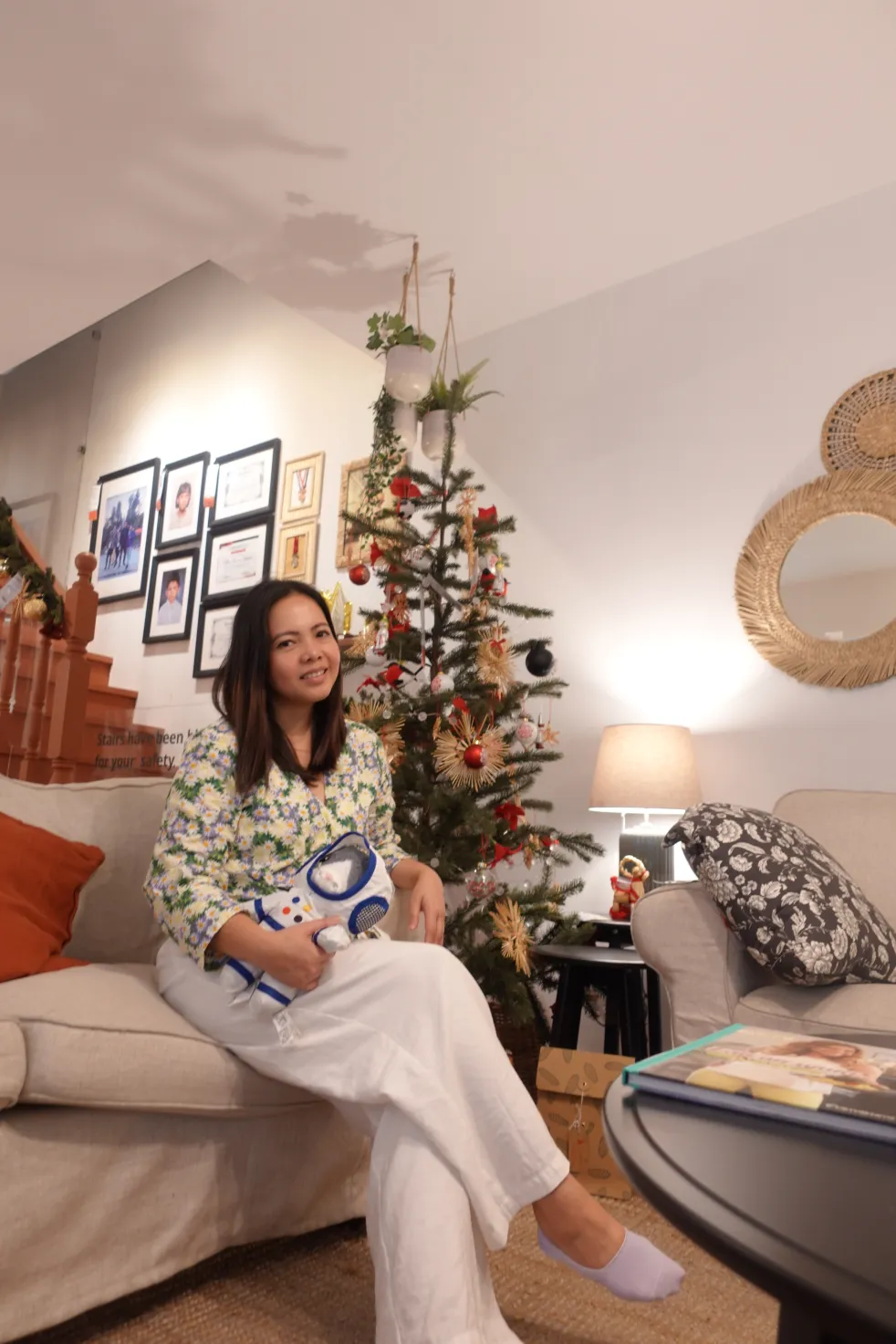
Last August, IKEA Philippines engaged with Better World Smokey Mountain, a newly opened community center operated by the San Miguel Foundation, which shares a similar goal of improving the lives of many Filipino people. Through this partnership, IKEA Philippines provided and assembled home furnishings for the classrooms and library of Better World Smokey Mountain community… Continue reading Help Create a Better World with IKEA Soft Toys
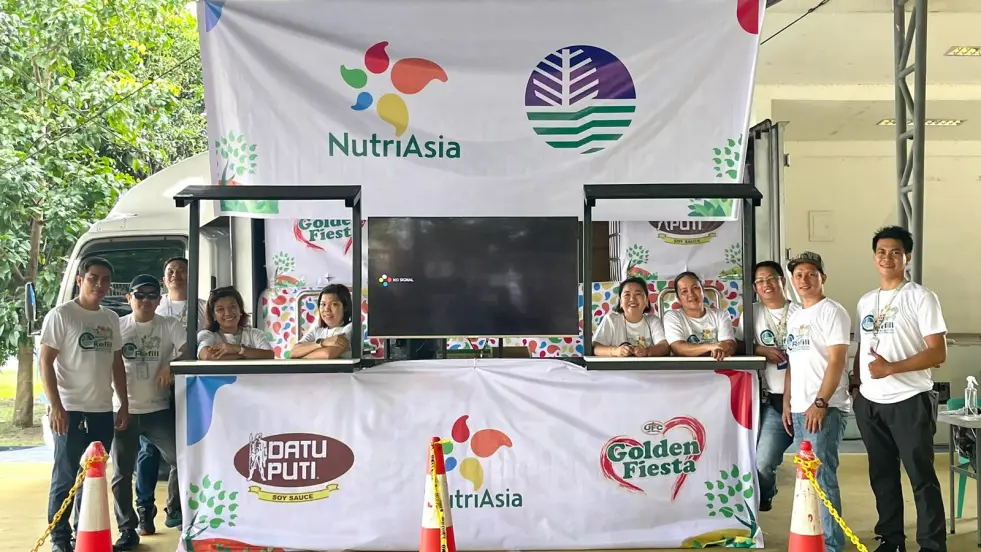
NutriAsia, the country’s top producer of condiments and sauces, continues its support of Refill Revolution; a project by the Department of Environment and Natural Resources EMB 3 that aims to help reduce Filipinos’ single-use plastics consumption. At Refill Revolution, residents get to recycle their single-use plastic bottles by reusing and filling it with their choice… Continue reading NutriAsia and DENR renews partnership for Refill Revolution
Choosing A Comfortable School Bag For Your Preschooler
A preschool bag carries more than spare clothes and a lunchbox. For a young child, it is part of the morning routine, a symbol of growing independence and a practical way to transport the small things they need during the day. The right design should feel comfortable, remain easy to manage and suit the way your family travels to and from preschool.
Australian families may choose between walking, driving, public transport or a childcare bus, and each routine creates different needs. A bag for a child walking through a rainy Melbourne winter may need different features from one used for short car trips in Brisbane. Looking at fit, weight, fabric, organisation and safety will help you choose a preschool backpack that works in everyday family life.
Start With Your Child’s Daily Routine
Before comparing colours and characters, think about what the bag will carry. Many preschoolers need a change of clothes, a water bottle, a hat, lunch or snacks, sunscreen, comfort items and artwork. Some centres ask families to provide bedding, while others keep spare clothes and nap items on site. Checking the centre’s list prevents you from buying a bag that is too small or encouraging your child to carry unnecessary weight.
The journey also matters. A child who walks from a Sydney home to preschool may benefit from a secure chest strap and reflective details. A child travelling by car may need a compact bag that fits beside a booster seat without becoming a distraction. For families using trains or buses in Melbourne, Brisbane or Perth, strong zips and a shape that stays close to the body make crowded commutes easier.
Preschool storage can influence the best size as well. Some services provide small individual lockers, so an oversized backpack may be awkward to fit. Ask about the available space and whether the bag must hang from a hook. A simple, appropriately sized design is usually more useful than a large school bag chosen with future primary school years in mind.
Check The Fit And Weight
A preschool backpack should sit high on the back, with its base resting around the waist rather than below the child’s bottom. The shoulder straps should be padded, adjustable and wide enough to distribute pressure comfortably. A chest strap can stop the straps sliding off narrow shoulders, especially when a child is wearing a jumper or raincoat.
Fill the bag with the items your child will actually take, then check how it feels when they walk, bend and climb. The load should stay close to the back and should not pull the child backwards. A commonly used guide is to keep a school bag to roughly 10 per cent of body weight, although children vary and the lightest practical load is preferable. Preschoolers generally do not need heavy books, so a bulky bag is a sign that the design or packing routine needs reconsideration.
Watch your child move naturally rather than asking only whether the bag feels fine. Look for leaning, raised shoulders, rubbing, red marks or difficulty putting it on. If discomfort continues, speak with a GP or physiotherapist. A supportive bag cannot correct an unsuitable fit, excessive contents or an existing posture or musculoskeletal concern.
Choose Materials For Australian Conditions
The Australian climate can be hard on everyday belongings. A water-resistant fabric helps protect spare clothes and drawings during a sudden downpour, while a wipe-clean lining is useful after a leaking yoghurt pouch or drink bottle. Fully waterproof bags can cost more and may be unnecessary if the bag is usually carried from the front door to a car, so match the feature to your routine.
Breathable padding on the back can make a difference during warm Queensland mornings or humid summer days. Mesh panels may improve airflow, but inspect them for loose threads and weak stitching. Smooth zips, reinforced seams and a sturdy base often matter more than decorative extras because preschool bags are placed on floors, playground surfaces and outdoor benches.
A bag should be easy to identify without relying on a child’s ability to read. Choose a distinctive colour, add a name tag inside and follow the preschool’s labelling policy. Avoid displaying a child’s full name on the outside, especially when the bag will be used in public places. Reflective strips or bright panels can improve visibility during winter mornings and late-afternoon pickups.
Australian families have plenty of choices through department stores, children’s retailers, independent shops and online marketplaces. Kmart, Big W and Target often carry affordable preschool backpacks, while specialist brands may offer more detailed ergonomic features. Price is not a reliable measure of fit; compare measurements, fabric quality and return conditions rather than purchasing based on a familiar character or logo alone.
Make It Easy For Your Child To Use
A preschool bag should support independence without turning every morning into a test. Look for a wide opening, large zip pulls and one or two clearly defined compartments. Too many pockets can confuse a young child, while a single deep compartment may allow a wet change of clothes to mix with food. A separate bottle holder is helpful if it keeps the bottle upright.
Consider whether your child can manage the fastenings. Buckles, clips and zips should open with a little effort but not release accidentally. Practise at home by asking your child to put the bag on, remove it, open the lunch section and return the water bottle. Gentle practice builds confidence and lets you discover problems before the first preschool morning.
Comfort items deserve space too. A small toy, muslin cloth or family photo may help a child settle, but the bag should not become so full that it is difficult to close. Agree on what belongs inside and keep a simple routine: pack together, place the bag by the door and check that wet or dirty items come out each afternoon.
Safety should guide design decisions. Avoid long dangling cords, loose decorative pieces and small detachable accessories that could create a choking risk for younger children. Keep the bag away from bicycle wheels, escalators and moving doors. If your child uses a wheeled bag, check the preschool’s rules and consider whether pulling it over uneven paths or stairs is practical; for many preschoolers, a lightweight backpack is easier to control.
Compare Value, Standards And Everyday Care
A good purchase should remain useful after months of washing, dragging and repeated packing. Inspect the stitching around the straps, the strength of the top handle and the quality of the zip tracks. If shopping online, measure the bag rather than relying on age labels. “Preschool size” can mean very different dimensions between brands.
Read care instructions before buying. A machine-washable bag is convenient, but some padded designs must be spot-cleaned. Empty crumbs and tissues regularly, wipe the interior and air the bag fully after spills. Keep a second set of spare clothes at preschool if the service allows it, reducing the temptation to overfill the daily bag.
Safety claims deserve careful attention. In Australia, the Australian Consumer Law applies to products sold by businesses, including children’s bags. Goods should be of acceptable quality, safe, durable and fit for any purpose the seller has represented. If a bag is faulty, a consumer may be entitled to a remedy, so retain the receipt and read the retailer’s returns policy. These rights are separate from a shop’s voluntary change-of-mind policy.
Preschool policies can also affect your choice. Some centres prohibit bags with particular cords, ask families to use a named pocket or require a specific type of drink bottle. Policies vary between services and states, so check with the centre before buying. A bag that meets your child’s needs and the service’s storage and safety requirements is a better value purchase than one that looks impressive but cannot be used comfortably.
Features Worth Prioritising
- A lightweight structure with padded, adjustable shoulder straps and, where suitable, a chest clip
- A size that holds daily essentials without encouraging your child to carry excess weight
- A wide opening, easy zip pulls and simple compartments your preschooler can manage independently
- Durable, wipe-clean fabric with water resistance suited to your local climate and travel routine
- Secure identification inside the bag, reflective details and no loose cords or detachable small parts

Mercato Centrale, in collaboration with Indian Women in Enterprise Philippines (I-We), is set to host "The Great Indian Fiesta" to mark 75 years of friendship between India and the Philippines. The dynamic two-day event is scheduled to take place on September 30 to October 1, 2023, at Paseo De Roxas Street, Makati City. Aiming to… Continue reading Mercato Centrale Partners with I-We to Host ‘The Great Indian Fiesta’, Commemorating 75 Years of India-Philippines Friendship

My stomach would usually start growling at 10 am even after taking a big breakfast. This is probably because I am a morning person and I move a lot throughout the day hence snacking is something that I can't avoid. This potatoes and chicken wrap recipe is easy to prepare and would keep me full… Continue reading Potato and Chicken Wrap
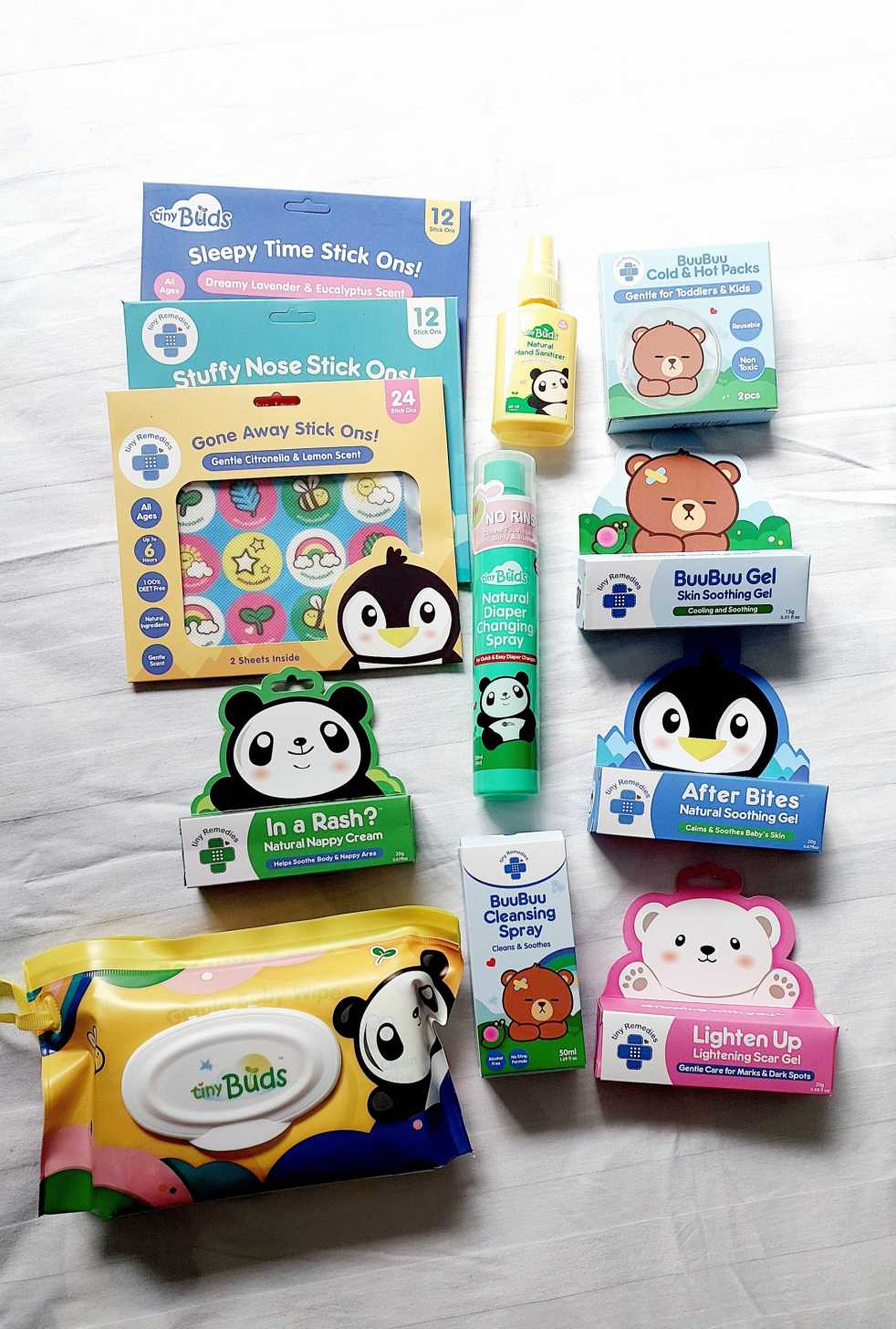
Your baby’s skin is more delicate than most, this is why you have to choose products that are designed for sensitive skin. Tiny Buds is a pioneer in integrating natural ingredients into baby care and today has over 50 innovative natural baby care essentials and is one of the Top Baby Personal Care brands. Here… Continue reading Product Review: Tiny Buds Baby Naturals Baby Essentials
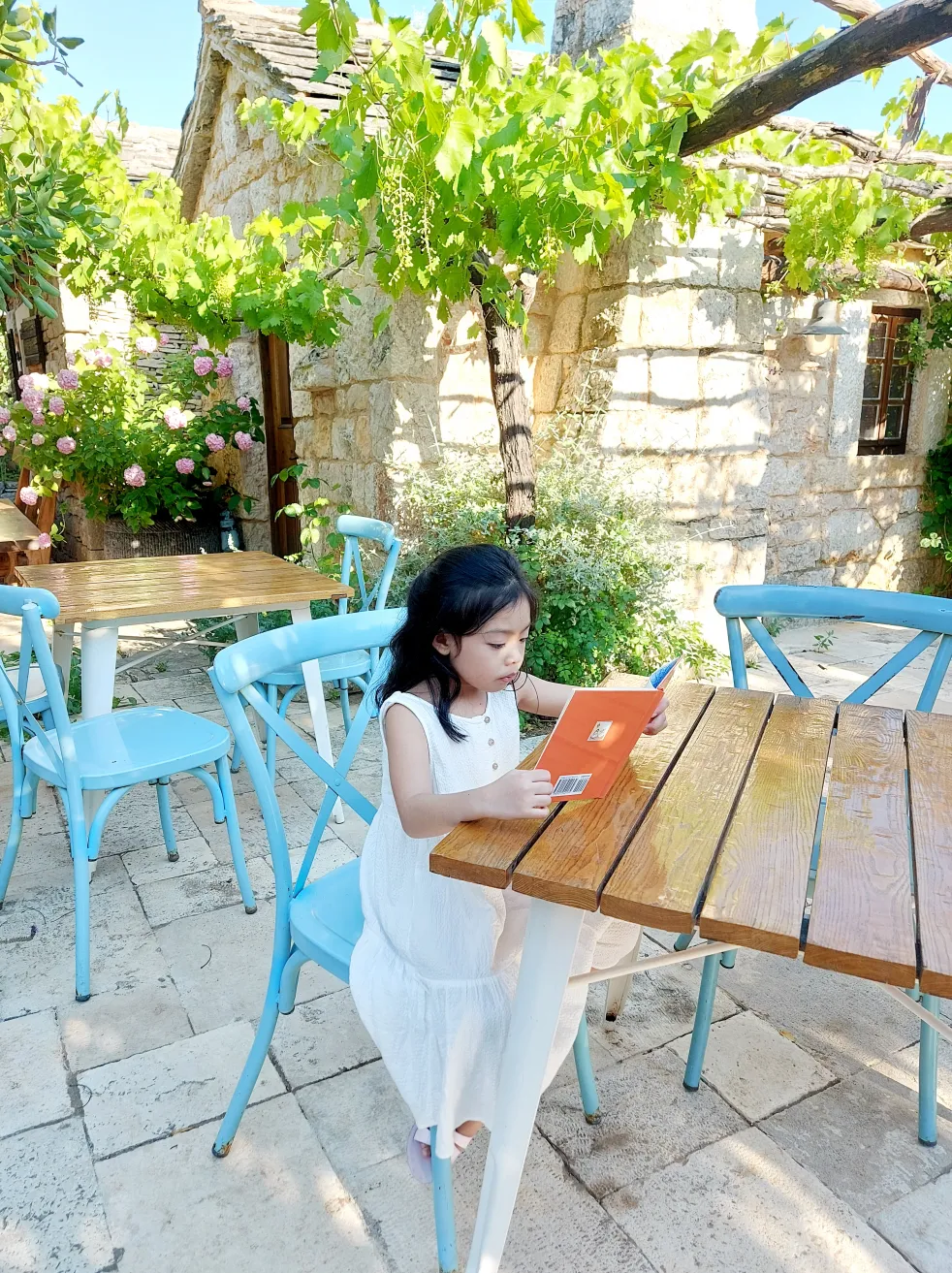
Where your child goes to school is a big decision and shouldn’t be taken lightly. Given how their education can impact their future, you might be tempted to take control and decide for them. However, you might be doing more damage than helping them in the long run. Your job as parents is to support… Continue reading HOW TO CHOOSE THE BEST SCHOOL FOR YOUR CHILD
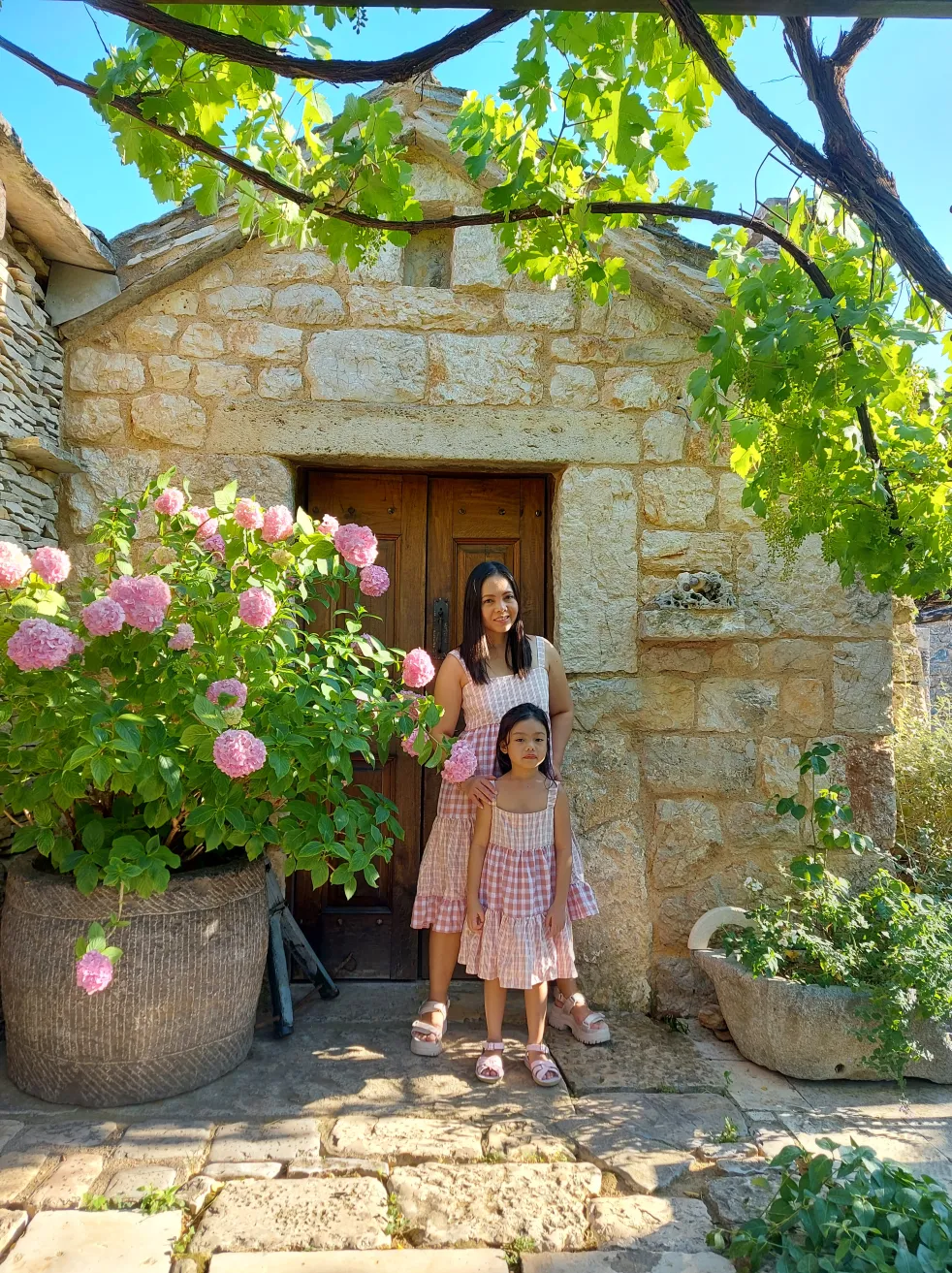
As poet and philosopher Rumi once eloquently said, “raise your words, not your voice. It is rain that grows flowers, not thunder.” Parenting is a challenging journey, and the truth is that nobody has everything figured out. One parenting style might suit others best, and some might favor other methods. However, children respond better to… Continue reading A SIMPLE GUIDE TO GENTLE PARENTING
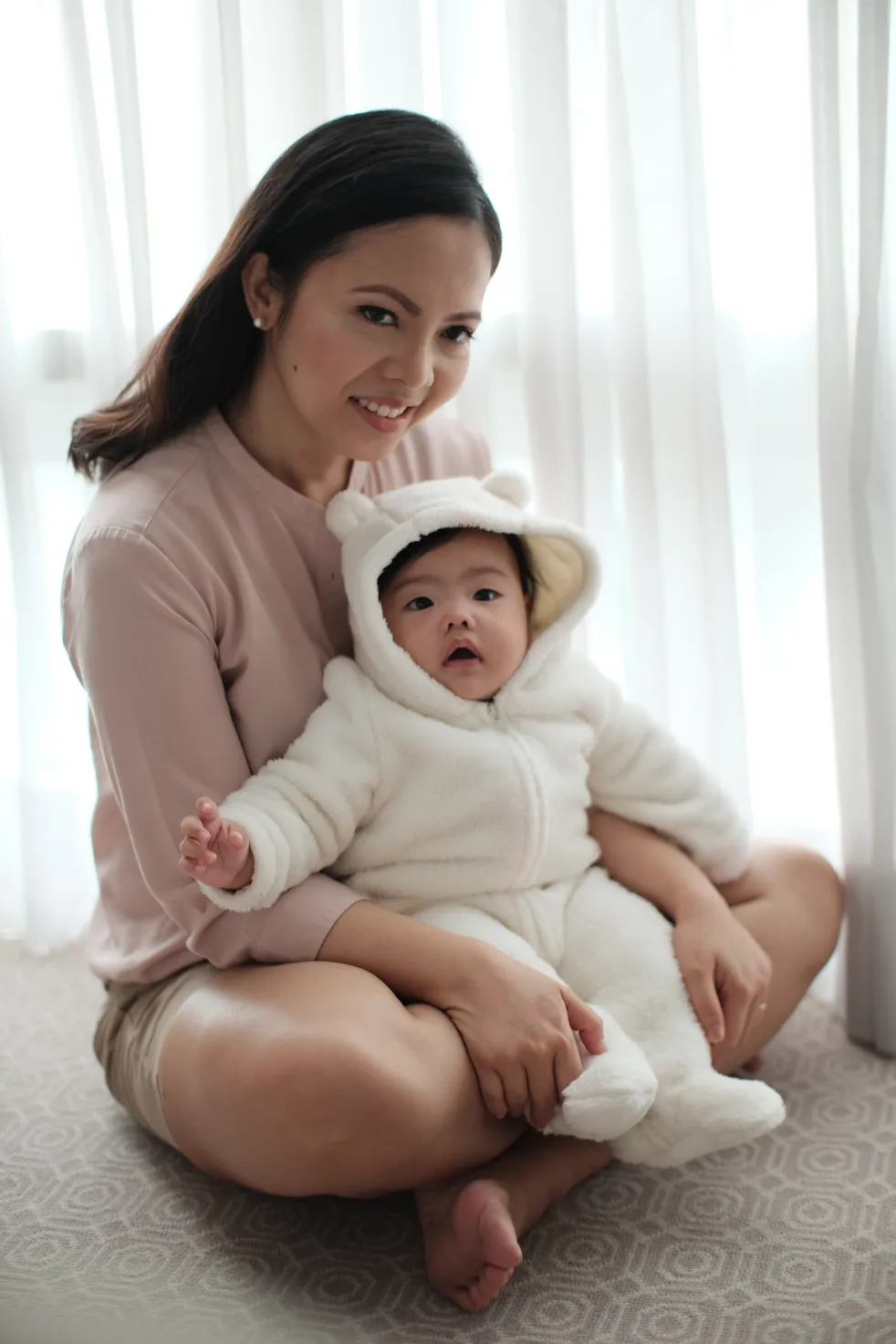
Whether you’re a new mom to be, mom of a toddler, mom who have school-aged kids, you’re bound to have so many questions. Let's start with your baby's skin. Infant skin has unique needs; gentle care is essential to prevent damage to the skin barrier, which can lead to irritation. When caring for infant skin,… Continue reading Keeping Baby’s Diapered Skin Healthy
As parents, we want to give our child the best possible start in life and that begins with nurturing their intelligence. Throughout history, the notion of success has been linked to academic intelligence. However, there has been an increased awareness on the importance of emotional intelligence. This question gets at the heart of the never-ending… Continue reading IQ or EQ, which one is a better predictor of your child’s success?
 wondermomma.net