

Last August, IKEA Philippines engaged with Better World Smokey Mountain, a newly opened community center operated by the San Miguel Foundation, which shares a similar goal of improving the lives of many Filipino people. Through this partnership, IKEA Philippines provided and assembled home furnishings for the classrooms and library of Better World Smokey Mountain community… Continue reading Help Create a Better World with IKEA Soft Toys

NutriAsia, the country’s top producer of condiments and sauces, continues its support of Refill Revolution; a project by the Department of Environment and Natural Resources EMB 3 that aims to help reduce Filipinos’ single-use plastics consumption. At Refill Revolution, residents get to recycle their single-use plastic bottles by reusing and filling it with their choice… Continue reading NutriAsia and DENR renews partnership for Refill Revolution

Choosing a Pediatrician Who Fits Your Family
Finding the right pediatrician can make everyday parenting feel more manageable. A trusted child health specialist becomes a partner through newborn checks, immunisations, feeding concerns, sleep changes, developmental questions and those sudden illnesses that seem to arrive overnight. The best choice is rarely based on qualifications alone; it also depends on communication, access, cost and the way the doctor works with your family.
Australian families may use a general practitioner for routine care and seek a paediatrician when a child needs specialist assessment. In some cases, a GP referral is required, particularly when claiming through Medicare or visiting a hospital outpatient clinic. Taking time to compare local options can help you find care that suits your child’s needs, your location and your family’s preferences.
| What to compare | Questions to ask | Why it matters |
|---|---|---|
| Qualifications and experience | Does the doctor treat children in your child’s age group? | Relevant experience supports accurate, age-appropriate care |
| Availability | How soon are appointments offered? Is after-hours advice available? | Children often become unwell outside standard clinic hours |
| Communication | Will the doctor explain options and welcome questions? | Clear discussions build confidence and support shared decisions |
| Fees | Does the clinic bulk bill, accept Medicare rebates or offer payment plans? | Costs can affect how often your child receives care |
| Location and services | Is the practice close to home, childcare or school? | Convenient access makes follow-up visits easier |
Start With Your Child’s Needs
Begin by considering why you are looking for a pediatrician or child health specialist. A newborn may need support with feeding, reflux, weight gain or sleep, while an older child may require assessment for asthma, allergies, eczema, learning difficulties or delayed development. A family managing a complex medical condition will need different expertise from parents seeking general developmental guidance.
Ask your GP, maternal and child health nurse, pharmacist or trusted local parents for recommendations. In Victoria, families may also receive early support through Maternal and Child Health services, while parents in New South Wales can use community child and family health clinics for guidance. These services can help you understand whether your child needs a specialist appointment or whether a GP can manage the concern.
Think about your family’s practical circumstances as well. A clinic near your home in Brisbane, Perth or Adelaide may be more useful than a highly recommended practice several suburbs away. Consider school and childcare pickup times, public transport, parking, the needs of siblings and how easily you could attend repeated appointments.
Check Qualifications And Clinical Experience
In Australia, paediatricians are specialist doctors who have completed medical training and specialist education through the Royal Australasian College of Physicians. You can check a doctor’s registration through the Australian Health Practitioner Regulation Agency. A clinic’s website may also explain areas of interest, such as developmental paediatrics, respiratory conditions, adolescent health or infant feeding.
Look for experience that matches your child rather than choosing solely by reputation. A doctor who regularly supports children with autism, ADHD, food allergies or chronic respiratory conditions may be especially suitable for a family seeking that type of care. If your child has a rare or serious condition, ask whether the paediatrician works with a multidisciplinary team, hospital specialists, allied health professionals or community services.
It is also sensible to ask how the doctor approaches referrals. Some children benefit from a speech pathologist, occupational therapist, psychologist, dietitian or physiotherapist. A paediatrician who communicates well with other professionals can help coordinate care and reduce the burden of repeating your child’s history at every appointment.
Helpful Questions Before Booking
- Does the doctor have experience with my child’s age and health concerns?
- Which hospital or specialist teams do they work with?
- How are referrals, test results and follow-up appointments managed?
- Can the clinic support children with disability or additional needs?
Assess Communication And Parenting Philosophy
A good consultation should leave you with a clearer understanding of your child’s health, what to watch for and when to seek further help. Notice whether the doctor listens without rushing, explains medical terms in plain language and takes your observations seriously. Parents know their children’s usual behaviour, routines and symptoms, so this information should be treated as valuable clinical context.
Ask how the practice handles common parenting concerns, including sleep, feeding, screen use, toilet training, discipline and emotional regulation. You may prefer a gentle, evidence-informed approach that respects the child’s temperament and the family’s circumstances. The doctor does not need to agree with every parenting decision, but they should discuss concerns respectfully and explain the reasoning behind recommendations.
Cultural safety and accessibility matter too. Families may want a practitioner who understands multilingual households, blended families, disability, adoption, foster care or Aboriginal and Torres Strait Islander health perspectives. If an interpreter, longer appointment or communication aid is needed, ask whether the practice can arrange it before the first visit.
For practical family reading, parenting resources can complement professional advice, but online information should not replace an individual medical assessment. A paediatrician should be willing to discuss anything you have read and help you distinguish reliable guidance from alarming or unsupported claims.
Compare Access, Fees And Clinic Services
Availability can be as important as expertise. Ask how long new patients usually wait, whether urgent appointments are reserved each day and how the clinic handles phone advice. Some practices provide a nurse line, secure online messaging or telehealth follow-ups, while others require every concern to be discussed during a face-to-face visit.
Medicare may cover some services or provide a rebate, but specialist fees vary widely. Ask about the initial consultation price, follow-up fees, cancellation policy, gap payment and costs for reports or forms. Bulk billing policies differ between clinics and may depend on the child’s age, appointment type or family circumstances. Private health insurance may help with hospital treatment, but it does not necessarily cover every out-of-hospital specialist appointment.
Location and opening hours also deserve careful attention. A clinic close to a major children’s hospital, such as the Royal Children’s Hospital in Melbourne or Sydney Children’s Hospital in Randwick, may be useful for families needing coordinated specialist care. However, a nearby community practice can be more convenient for routine follow-up. Check parking, lift access, pram space and whether siblings can safely wait in reception.
Practical Access Checks
- Confirm appointment fees, Medicare rebates and cancellation rules.
- Ask about urgent visits, telehealth and after-hours advice.
- Check travel time, parking and accessibility for prams or mobility aids.
- Find out how test results and referrals will be communicated.
Prepare For The First Appointment
A first appointment is an opportunity to assess the relationship as well as the medical service. Bring your child’s Medicare details, immunisation history, medication list and relevant reports. The Australian Immunisation Register can help confirm vaccination records, while your GP may have information about previous illnesses, growth measurements or referrals.
Write down your main concerns and include details such as when symptoms started, what makes them better or worse, changes in appetite or sleep, and how the issue affects school, childcare or family life. If you are worried about development, note examples rather than relying on broad descriptions. Short videos or a symptom diary may be helpful when behaviour does not occur during the appointment.
Pay attention to your child’s response. Babies and young children may become unsettled in an unfamiliar clinic, so one difficult visit does not automatically mean the doctor is unsuitable. Still, the paediatrician should make reasonable efforts to build trust, explain examinations and respect your child’s comfort and privacy.
Afterward, consider whether you understand the care plan. You should know what action to take, which warning signs require urgent attention, when to return and how to contact the practice. If the doctor’s approach feels dismissive, confusing or poorly matched to your family, it is reasonable to seek a second opinion.
Build A Reliable Care Partnership
Choosing a child health specialist is the beginning of an ongoing partnership rather than a single decision. Children change quickly, and the doctor who suits a newborn may not be the best fit for an adolescent with different health or communication needs. Review the relationship over time, especially if appointments become difficult to access or your concerns are repeatedly overlooked.
Keep a simple record of diagnoses, medications, referrals and questions for future visits. Share relevant information with your GP, childcare centre or school only with appropriate consent and privacy safeguards. A coordinated approach can help everyone support your child consistently, particularly when managing asthma action plans, allergies, developmental therapies or learning accommodations.
Trust is built through respectful conversations and dependable follow-up. The right paediatrician will combine sound medical knowledge with patience, practical advice and an understanding of family life in Australia. When expertise, communication, affordability and access come together, your child is more likely to receive care that feels safe, consistent and genuinely useful.

Mercato Centrale, in collaboration with Indian Women in Enterprise Philippines (I-We), is set to host "The Great Indian Fiesta" to mark 75 years of friendship between India and the Philippines. The dynamic two-day event is scheduled to take place on September 30 to October 1, 2023, at Paseo De Roxas Street, Makati City. Aiming to… Continue reading Mercato Centrale Partners with I-We to Host ‘The Great Indian Fiesta’, Commemorating 75 Years of India-Philippines Friendship

My stomach would usually start growling at 10 am even after taking a big breakfast. This is probably because I am a morning person and I move a lot throughout the day hence snacking is something that I can't avoid. This potatoes and chicken wrap recipe is easy to prepare and would keep me full… Continue reading Potato and Chicken Wrap
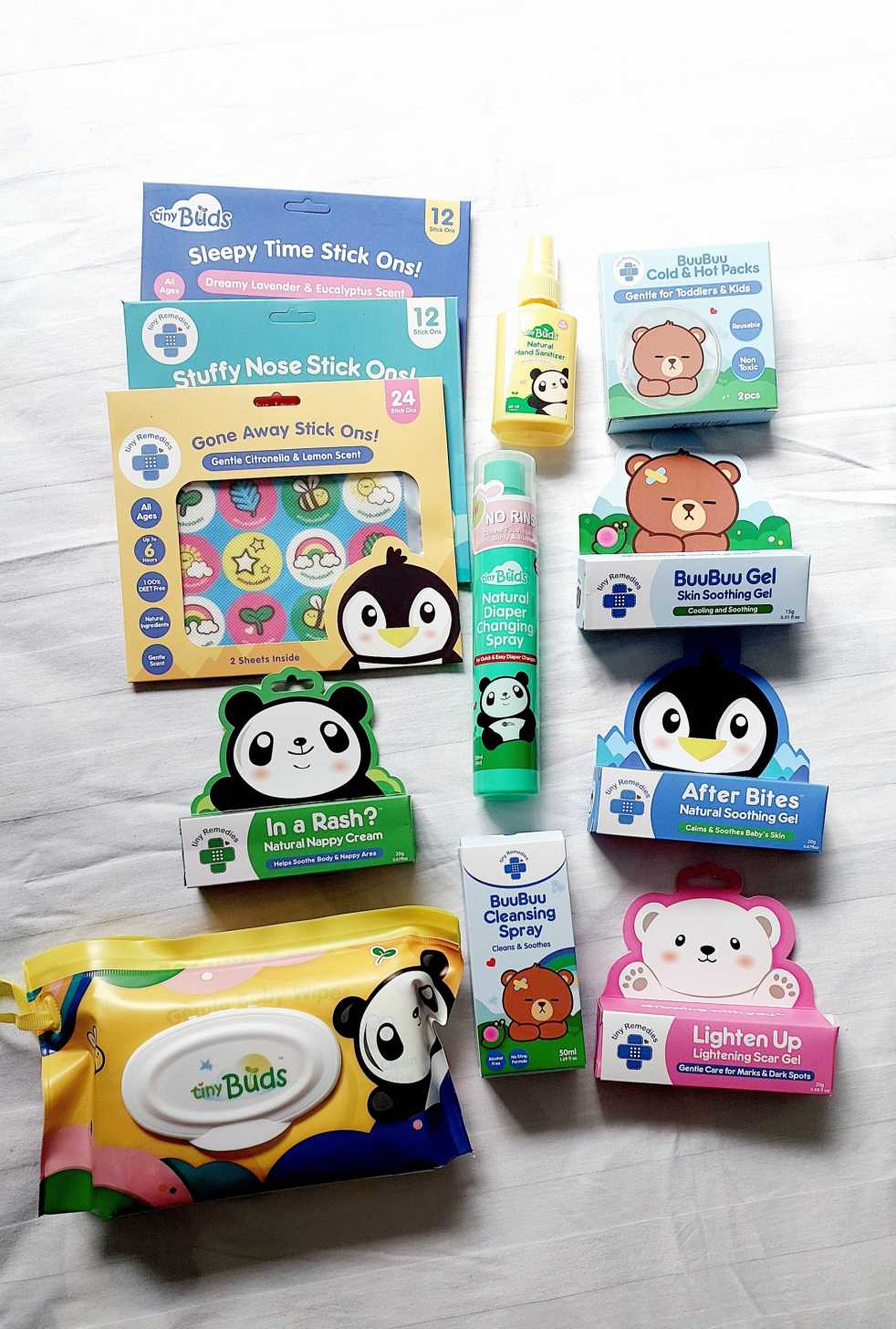
Your baby’s skin is more delicate than most, this is why you have to choose products that are designed for sensitive skin. Tiny Buds is a pioneer in integrating natural ingredients into baby care and today has over 50 innovative natural baby care essentials and is one of the Top Baby Personal Care brands. Here… Continue reading Product Review: Tiny Buds Baby Naturals Baby Essentials

Where your child goes to school is a big decision and shouldn’t be taken lightly. Given how their education can impact their future, you might be tempted to take control and decide for them. However, you might be doing more damage than helping them in the long run. Your job as parents is to support… Continue reading HOW TO CHOOSE THE BEST SCHOOL FOR YOUR CHILD

As poet and philosopher Rumi once eloquently said, “raise your words, not your voice. It is rain that grows flowers, not thunder.” Parenting is a challenging journey, and the truth is that nobody has everything figured out. One parenting style might suit others best, and some might favor other methods. However, children respond better to… Continue reading A SIMPLE GUIDE TO GENTLE PARENTING

Whether you’re a new mom to be, mom of a toddler, mom who have school-aged kids, you’re bound to have so many questions. Let's start with your baby's skin. Infant skin has unique needs; gentle care is essential to prevent damage to the skin barrier, which can lead to irritation. When caring for infant skin,… Continue reading Keeping Baby’s Diapered Skin Healthy

As parents, we want to give our child the best possible start in life and that begins with nurturing their intelligence. Throughout history, the notion of success has been linked to academic intelligence. However, there has been an increased awareness on the importance of emotional intelligence. This question gets at the heart of the never-ending… Continue reading IQ or EQ, which one is a better predictor of your child’s success?
 wondermomma.net