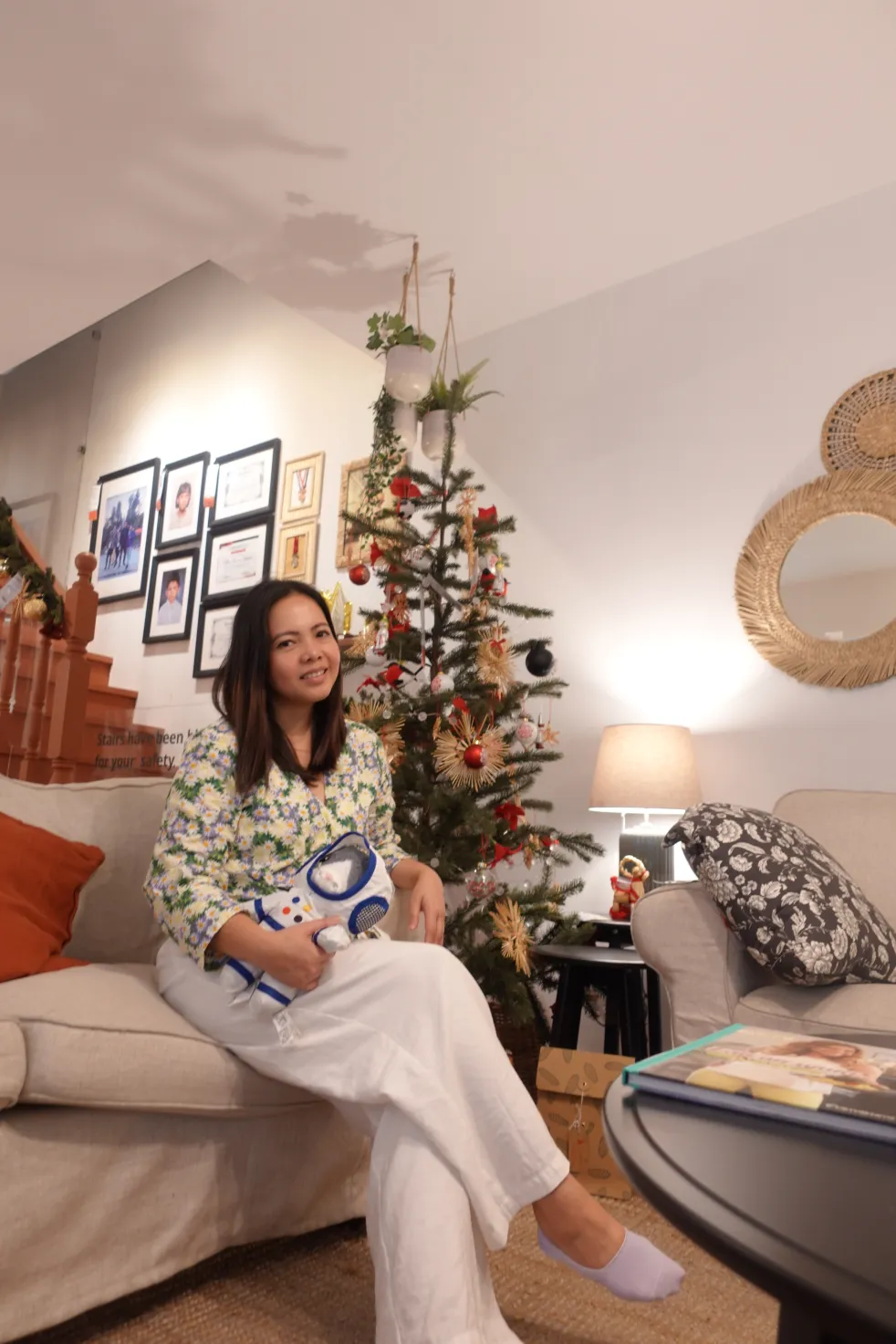
Last August, IKEA Philippines engaged with Better World Smokey Mountain, a newly opened community center operated by the San Miguel Foundation, which shares a similar goal of improving the lives of many Filipino people. Through this partnership, IKEA Philippines provided and assembled home furnishings for the classrooms and library of Better World Smokey Mountain community… Continue reading Help Create a Better World with IKEA Soft Toys
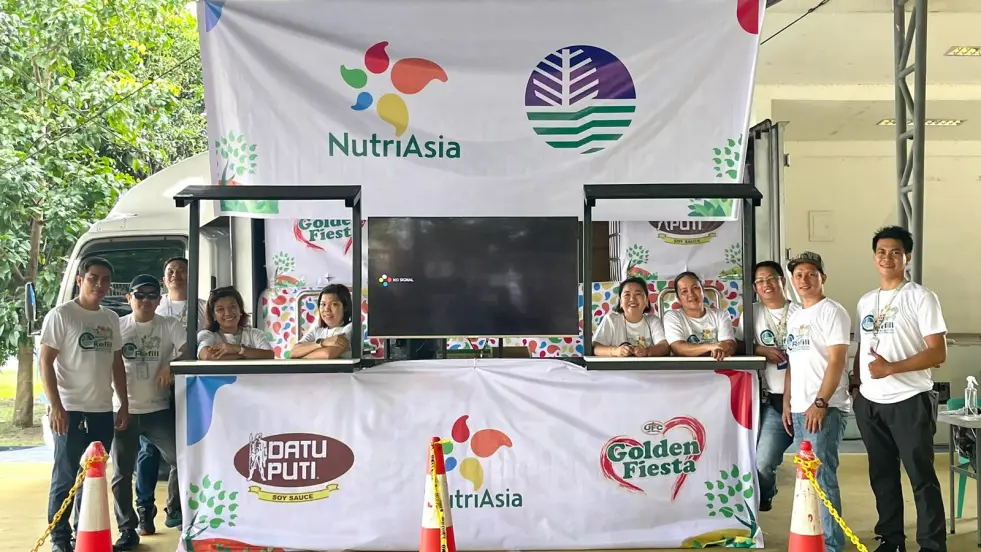
NutriAsia, the country’s top producer of condiments and sauces, continues its support of Refill Revolution; a project by the Department of Environment and Natural Resources EMB 3 that aims to help reduce Filipinos’ single-use plastics consumption. At Refill Revolution, residents get to recycle their single-use plastic bottles by reusing and filling it with their choice… Continue reading NutriAsia and DENR renews partnership for Refill Revolution
Choosing a Safe Car Seat for Philippine Road Conditions
A child restraint that works well on Australian roads may face very different demands in the Philippines. Families may travel through heavy Metro Manila traffic, uneven provincial roads, sudden flooding, crowded loading areas, and intense heat. Taxis, hired cars, vans, jeepneys, and private vehicles can also have different seat-belt arrangements and anchor points.
For Australian parents travelling with children, visiting relatives, or arranging a car seat for a Philippine household, safety begins with the child’s size, the vehicle and the applicable standard. A suitable seat should be securely installed, correctly adjusted and used on every trip, even when the journey seems short.
Begin With The Child And The Vehicle
Choose a restraint according to the child’s height, weight, age and developmental readiness rather than appearance or a broad age label. Infants need a rear-facing capsule or convertible seat with a snug harness. Toddlers should remain rear-facing for as long as the seat allows, because this position supports the head, neck and spine during a crash.
A Philippine vehicle may be a small sedan, an SUV, a family van or an older imported model. Before buying, check whether it has accessible three-point seat belts, ISOFIX or compatible lower anchors, and a top-tether point where required. A restraint that fits a spacious Australian SUV might be difficult to install correctly in a compact car used in Cebu City or Quezon City.
Measure the back seat as well as the child. Some vehicles have deeply contoured cushions, short seat belts, narrow middle seats or folding armrests that interfere with a stable installation. If two or three children travel together, test every position before purchase rather than assuming that several seats will fit side by side.
Understand Australian And Philippine Standards
In Australia, child restraints sold for road use should carry approval under Australian Standard AS/NZS 1754. Australian law generally requires rear-facing restraints for babies under six months, an approved child restraint for children from six months to four years, and an approved restraint or booster for children aged four to seven. Requirements can vary by state and territory, and children over seven still need a booster if the adult belt does not sit correctly.
A seat imported from overseas may have attractive features but lack Australian approval. It may also use different belt paths, anchorage systems or crash-test requirements. Do not assume that an American, European or Philippine label makes a restraint legal for regular use in Australia. Check the product approval mark, instruction manual and advice from an authorised child-restraint fitter.
The Philippines has its own Child Safety in Motor Vehicles legislation, commonly associated with Republic Act No. 11229. Requirements can depend on the child’s age and size, the vehicle category and available restraint systems. Public utility vehicles, taxis and local enforcement may be treated differently from private cars, so families should verify current rules before travelling. Legal minimums should be treated as a starting point, not a safety target.
A restraint bought for use in Australia should meet Australian requirements, while one purchased and left in the Philippines should be suitable for the vehicle and regulations there. When a seat will move between countries, professional advice is especially valuable because approval in one market does not automatically transfer to another.
Prioritise Secure Installation
A properly fitted basic seat is safer than a premium model installed loosely. Follow the manufacturer’s manual from the first page, including instructions about recline angle, belt routing, locking clips and top-tether use. The seat should not move more than about 2.5 centimetres at the belt path when tested with firm force from side to side and front to back.
Avoid placing a rear-facing restraint in front of an active passenger airbag. For forward-facing seats, use the top tether whenever the vehicle and restraint require it. A tether limits forward movement in a crash, but it must attach to a designated anchorage rather than a luggage hook or an improvised bolt.
ISOFIX can make installation simpler, but it is not a guarantee of correct fit. Some Australian parents prefer ISOFIX for the school run in Sydney or Melbourne, while others use the vehicle belt because it permits a better position or accommodates a heavier child. Read the weight limits for the lower anchors and use the method allowed by both the car and seat manuals.
A child-restraint fitting station can identify problems that are easy to miss at home. In Australia, authorised fitters are available through specialist services and some motoring organisations. For a Philippine trip, practise installing the seat before leaving, especially if a relative, driver or hired-car service will be responsible for it.
Choose Features For Heat And Rough Roads
The Philippine climate makes ventilation and fabric choice important. Look for breathable, washable covers, smooth harness padding and materials that do not become excessively hot in direct sunlight. A sunshade can reduce heat on the shell, but never cover the seat with a thick blanket while the child is inside because trapped heat can rise quickly.
Heat can also affect everyday habits in Australia. A car parked outdoors in Brisbane, Perth or regional areas can become dangerously hot, so check the buckle and harness before placing a child in the seat. Never leave a child alone in a parked vehicle, even with windows partly open or the air conditioner recently switched off.
For rough roads, choose a restraint with a stable base, clear belt guides and durable adjustment hardware rather than adding aftermarket padding or accessories. Bumpy roads can make a loose harness gradually uncomfortable, encouraging caregivers to loosen it. The shoulder straps should sit at the correct height, and the harness should pass the pinch test: webbing at the shoulder should not be loose enough to pinch between the fingers.
Avoid bulky toys, unapproved head supports, thick coats and aftermarket liners that change the way the harness fits. A small towel may sometimes be permitted beneath a seat for vehicle-seat protection, but only when the manufacturer allows it. Never place padding behind the child’s back or under the harness without checking the manual.
Buy From A Reliable Local Source
The Australian market includes child-restraint specialists, major baby retailers, vehicle accessory stores and online sellers. Online convenience is useful, but confirm that the exact model is approved for Australia and that replacement covers, buckles and instructions are available locally. A very cheap marketplace listing may be missing parts, have unclear crash history or be an imitation.
Second-hand seats require careful checking. Avoid any restraint with an unknown crash history, expired approval, missing labels, damaged shell, frayed harness or incomplete instructions. Do not rely on a seller’s statement that it was “barely used.” A seat can look clean while having weakened components or damage from a previous collision.
For families sending a restraint to the Philippines, consider serviceability as well as price. Is there a trusted adult who can learn the installation? Can the seat be kept away from prolonged sun and moisture? Are replacement parts available in the Philippines, or would a damaged buckle require international shipping? These practical issues matter when a family car is used daily.
Reliable child-safety information should be easy to understand and grounded in family life; resources such as parenting and family advice can complement, but not replace, the restraint manual and professional fitting guidance. Keep the manual in the vehicle or save a digital copy so another caregiver can check the correct belt path and harness settings.
Build A Safe Travel Routine
A car seat is part of a routine, especially during the school run, airport transfer or long family trip. Before moving, confirm that the child’s back is flat against the seat, the harness is snug, the chest clip or buckle is positioned as instructed, and straps are free from twists. Remove bulky jackets and adjust clothing so the harness rests directly over the child’s body.
Traffic around Manila, Davao and other growing urban areas can turn a short trip into hours in a stationary car. Plan water, ventilation and breaks without compromising restraint use. In heavy congestion, an adult should sit beside a young child when possible, but the child should remain buckled rather than being held on a lap. Never allow a child to stand between seats or share an adult seat belt.
These checks help compare common choices:
| Feature | Why It Matters In The Philippines | What Australian Families Should Check |
|---|---|---|
| Rear-facing capacity | Supports a young child during sudden braking and collisions | Keep the child rear-facing until the approved limit |
| Three-point installation | Useful when vehicle anchor systems vary | Confirm the belt path and locking method |
| ISOFIX compatibility | Can simplify fitting in newer vehicles | Check anchor and weight limits in both manuals |
| Top tether | Reduces forward movement for many forward-facing seats | Use only the designated anchorage |
| Breathable, washable cover | Helps with heat, sweat and frequent cleaning | Confirm replacement-cover availability |
| Clear adjustment system | Makes correct daily use more likely | Harness should be snug and free from twists |
| Australian approval | Required for lawful use in Australia | Look for the AS/NZS 1754 approval information |
| Tested second-hand history | Reduces the risk of hidden crash damage | Avoid seats with unknown history or missing parts |
After a collision, replace the restraint even if there is no visible damage, unless the manufacturer provides a specific inspection and replacement policy. Recheck the installation whenever the seat moves between cars, after deep cleaning or when the child grows into a new harness position. Consistent fitting, suitable approval and calm everyday habits provide the strongest protection across Philippine roads and Australian family travel.

Mercato Centrale, in collaboration with Indian Women in Enterprise Philippines (I-We), is set to host "The Great Indian Fiesta" to mark 75 years of friendship between India and the Philippines. The dynamic two-day event is scheduled to take place on September 30 to October 1, 2023, at Paseo De Roxas Street, Makati City. Aiming to… Continue reading Mercato Centrale Partners with I-We to Host ‘The Great Indian Fiesta’, Commemorating 75 Years of India-Philippines Friendship

My stomach would usually start growling at 10 am even after taking a big breakfast. This is probably because I am a morning person and I move a lot throughout the day hence snacking is something that I can't avoid. This potatoes and chicken wrap recipe is easy to prepare and would keep me full… Continue reading Potato and Chicken Wrap
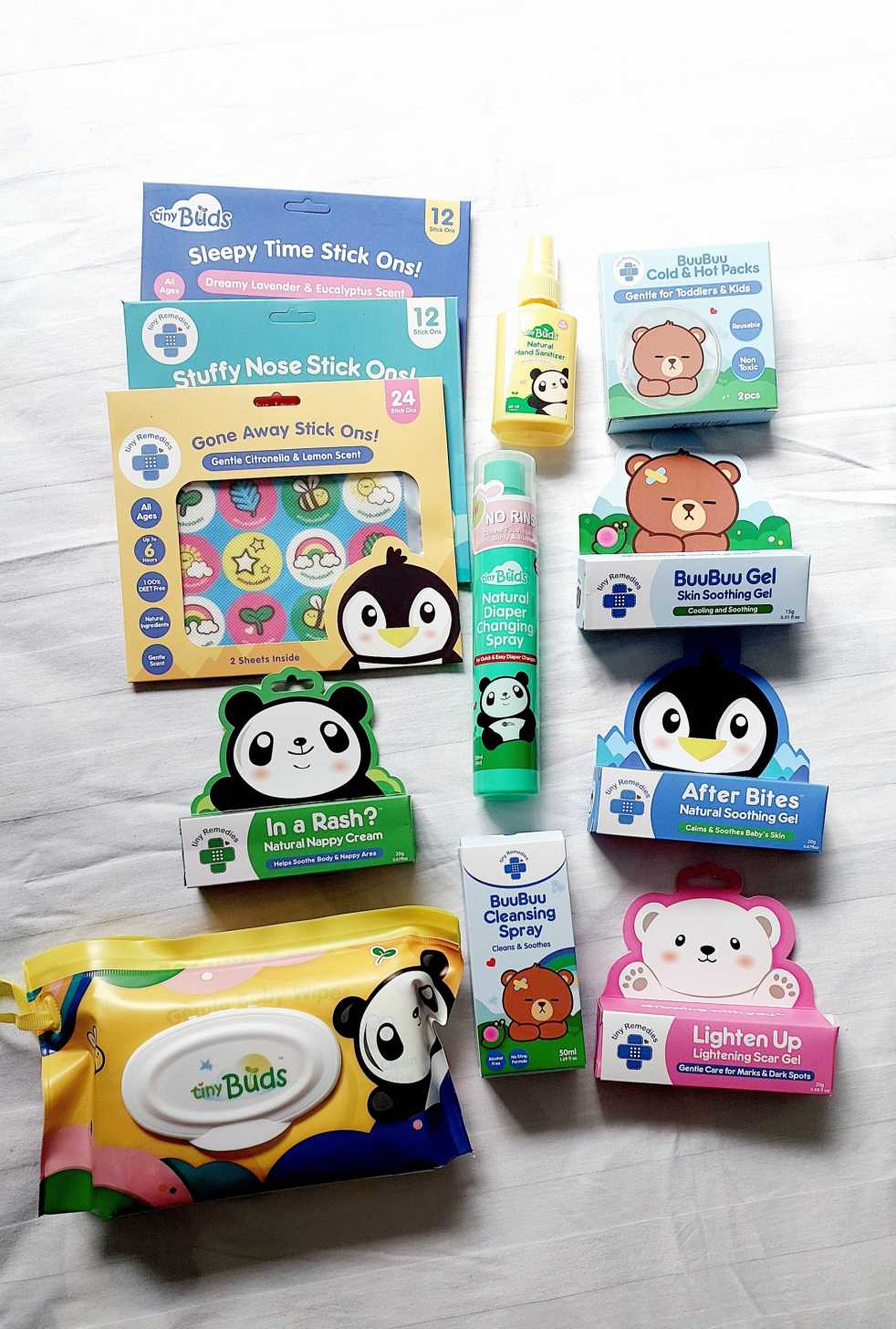
Your baby’s skin is more delicate than most, this is why you have to choose products that are designed for sensitive skin. Tiny Buds is a pioneer in integrating natural ingredients into baby care and today has over 50 innovative natural baby care essentials and is one of the Top Baby Personal Care brands. Here… Continue reading Product Review: Tiny Buds Baby Naturals Baby Essentials
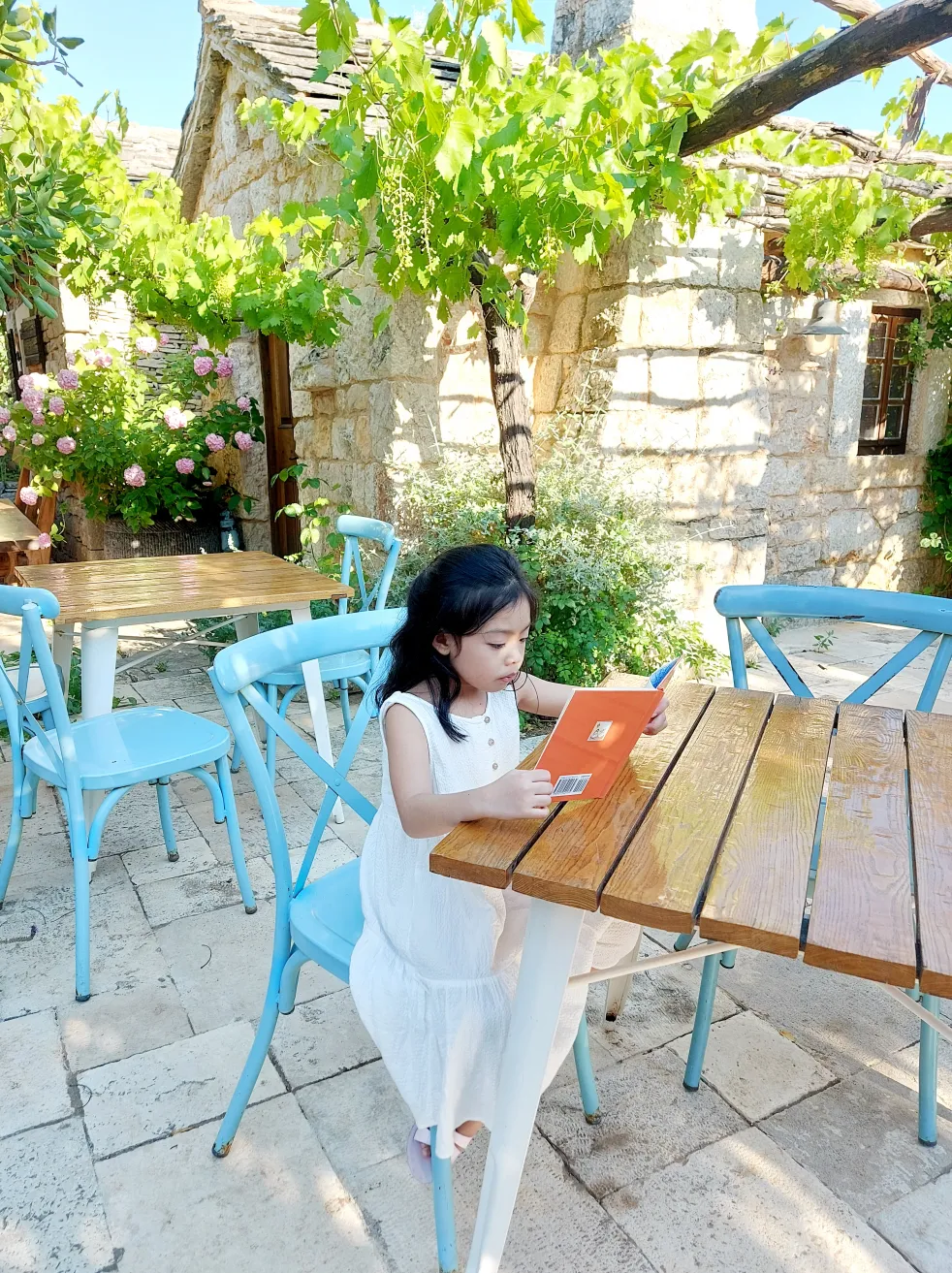
Where your child goes to school is a big decision and shouldn’t be taken lightly. Given how their education can impact their future, you might be tempted to take control and decide for them. However, you might be doing more damage than helping them in the long run. Your job as parents is to support… Continue reading HOW TO CHOOSE THE BEST SCHOOL FOR YOUR CHILD
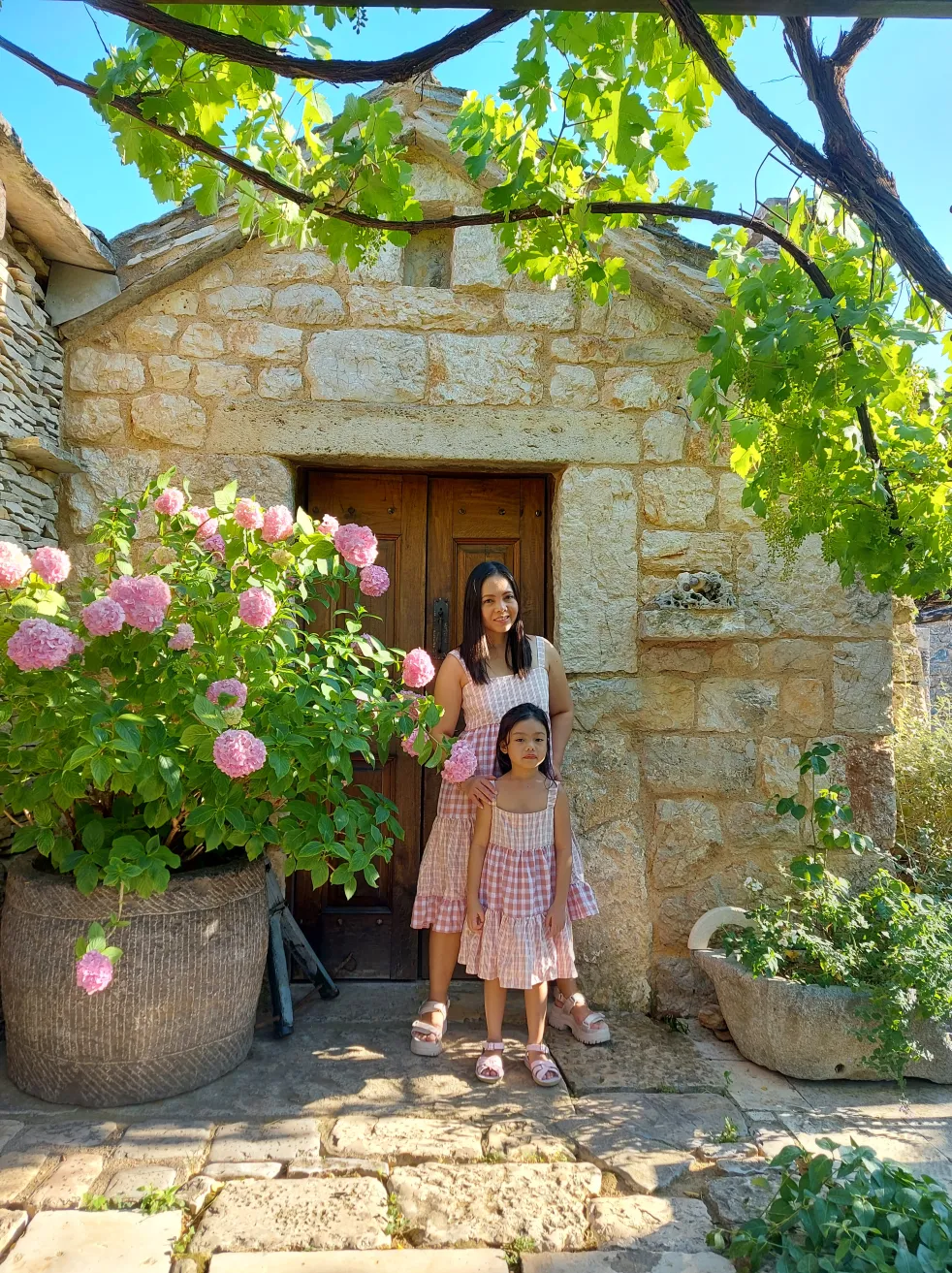
As poet and philosopher Rumi once eloquently said, “raise your words, not your voice. It is rain that grows flowers, not thunder.” Parenting is a challenging journey, and the truth is that nobody has everything figured out. One parenting style might suit others best, and some might favor other methods. However, children respond better to… Continue reading A SIMPLE GUIDE TO GENTLE PARENTING
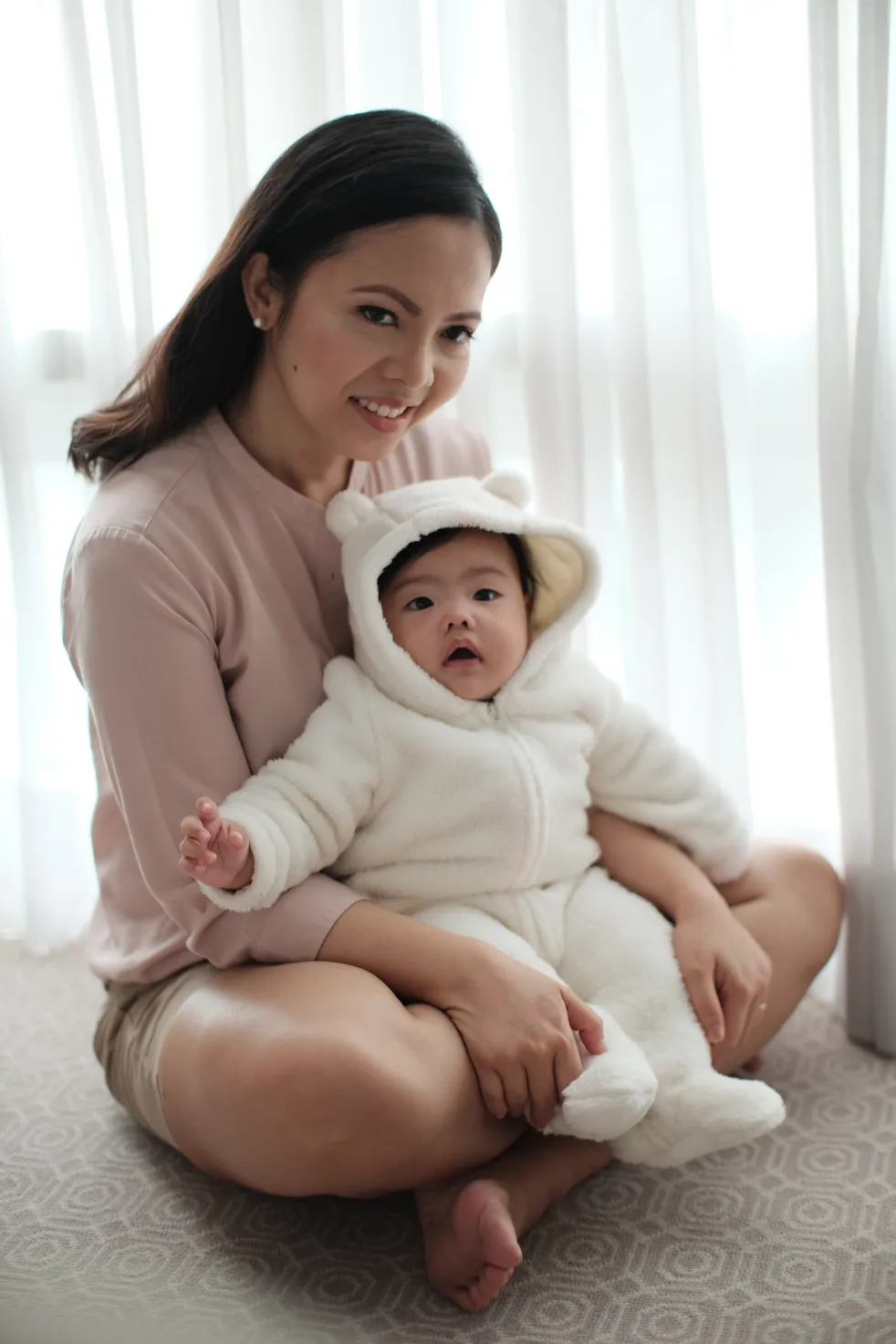
Whether you’re a new mom to be, mom of a toddler, mom who have school-aged kids, you’re bound to have so many questions. Let's start with your baby's skin. Infant skin has unique needs; gentle care is essential to prevent damage to the skin barrier, which can lead to irritation. When caring for infant skin,… Continue reading Keeping Baby’s Diapered Skin Healthy
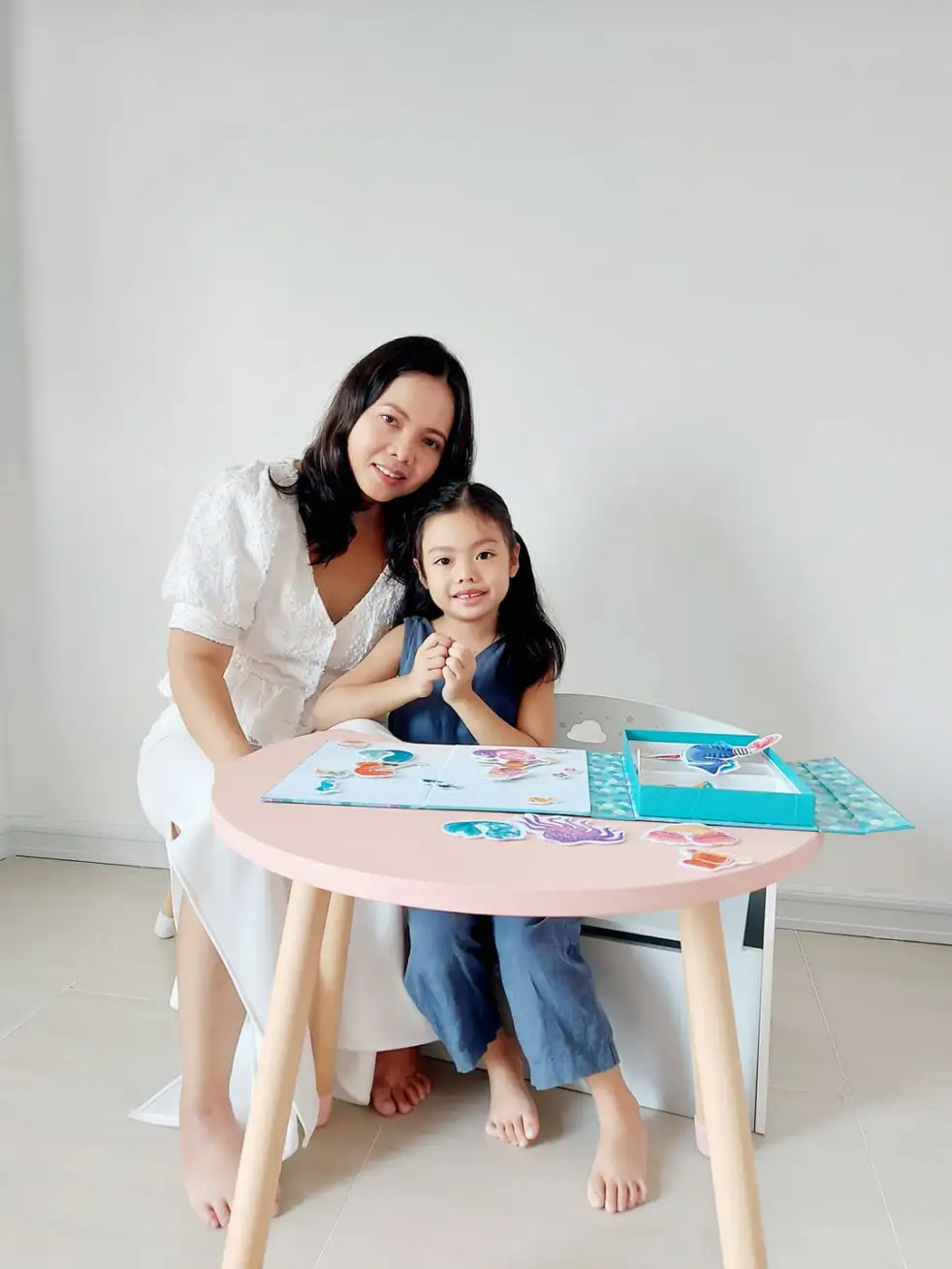
As parents, we want to give our child the best possible start in life and that begins with nurturing their intelligence. Throughout history, the notion of success has been linked to academic intelligence. However, there has been an increased awareness on the importance of emotional intelligence. This question gets at the heart of the never-ending… Continue reading IQ or EQ, which one is a better predictor of your child’s success?
 wondermomma.net