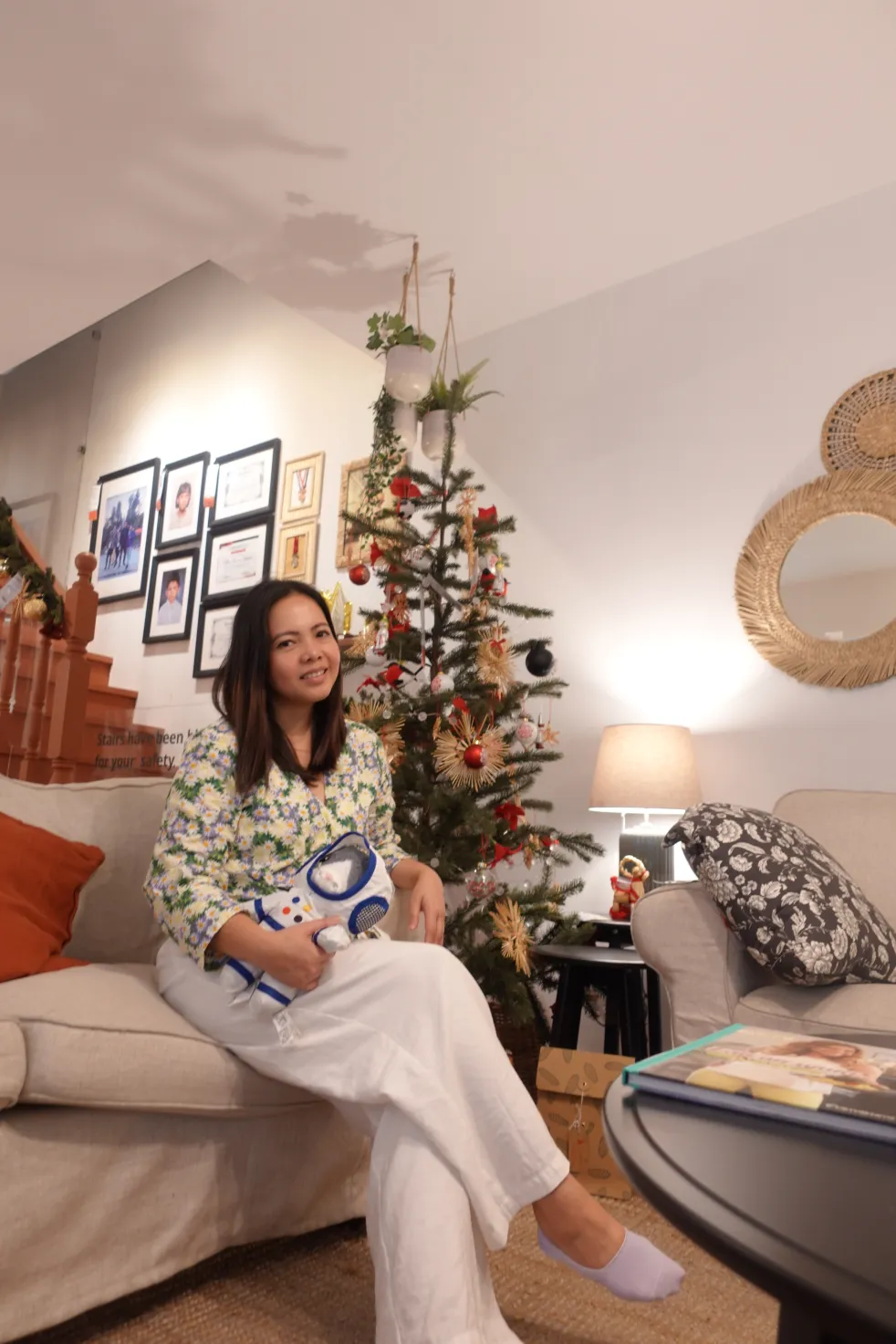
Last August, IKEA Philippines engaged with Better World Smokey Mountain, a newly opened community center operated by the San Miguel Foundation, which shares a similar goal of improving the lives of many Filipino people. Through this partnership, IKEA Philippines provided and assembled home furnishings for the classrooms and library of Better World Smokey Mountain community… Continue reading Help Create a Better World with IKEA Soft Toys
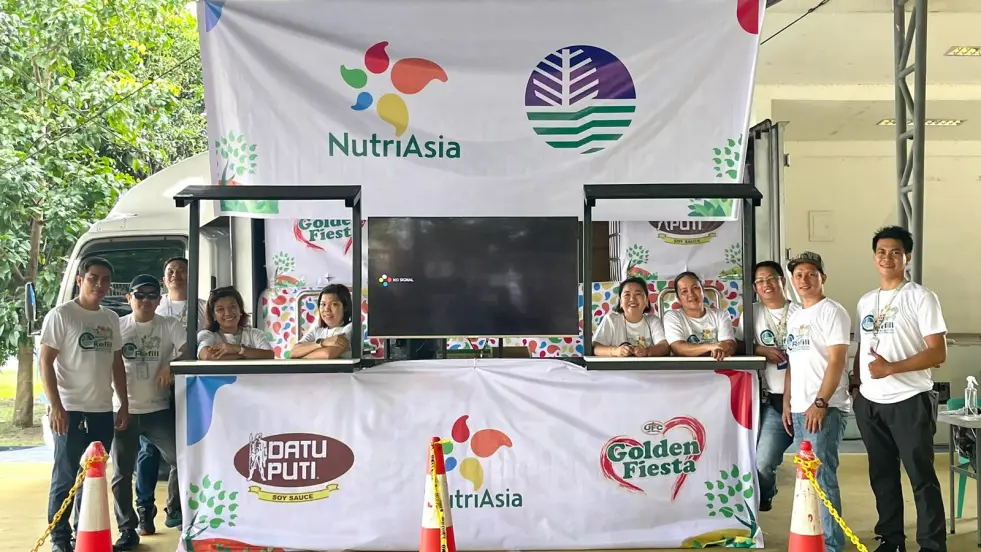
NutriAsia, the country’s top producer of condiments and sauces, continues its support of Refill Revolution; a project by the Department of Environment and Natural Resources EMB 3 that aims to help reduce Filipinos’ single-use plastics consumption. At Refill Revolution, residents get to recycle their single-use plastic bottles by reusing and filling it with their choice… Continue reading NutriAsia and DENR renews partnership for Refill Revolution

Choosing a Preschool in Metro Manila: A Guide for Australian Parents
For Filipino-Australian families, the question of where a young child will spend their earliest classroom years can be unexpectedly complex. Some parents in Sydney, Melbourne, and Brisbane send children to grandparents in the Philippines, while others plan extended visits or eventual relocation. Whatever the reason, evaluating a preschool in Metro Manila involves different standards than those outlined by ACECQA under Australia's National Quality Framework, and a clear checklist helps bridge the gap.
The Philippine capital offers hundreds of options, from neighbourhood playgroups to large international chains. Tuition ranges from modest to substantial, and the regulatory environment differs from the Child Care Subsidy framework back home. This guide walks through the checkpoints Australian families should use, with attention to safety, curriculum, logistics, and budget.
Understanding the Early Education Landscape
Preschool in the Philippines generally covers children aged three to five, though some centres accept toddlers from eighteen months. The Department of Education oversees Kindergarten for five-year-olds, but private preschools operate more independently, often adopting Montessori, Reggio Emilia, or play-based approaches. Many sit within church compounds, gated communities, or international campuses.
In Melbourne or Perth, parents usually check the National Quality Standard rating and EYLF alignment before booking a tour. In Manila, parents must ask more probing questions themselves, since public oversight focuses heavily on safety compliance rather than pedagogical quality.
Geography matters too. Traffic defines daily life, and a school close on the map may mean an hour across EDSA or C5. Quezon City, Makati, Pasig, and Alabang host concentrations of well-regarded centres, while newer developments in Cavite and Parañaque have their own clusters.
| Preschool Type | Age Range | Approach | Approximate Monthly Fee (PHP) |
|---|---|---|---|
| Play-based nursery | 1.5–4 yrs | Free play, circle time | 4,000–12,000 |
| Montessori school | 2.5–6 yrs | Self-directed, mixed-age | 12,000–25,000 |
| Religious-affiliated | 3–5 yrs | Values-based, structured | 8,000–18,000 |
| International preschool | 2–5 yrs | Inquiry-based, English-immersive | 25,000–60,000 |
| Home-based daycare | 1–4 yrs | Informal, caregiver-led | 3,000–8,000 |
Accreditation and Safety Benchmarks
Every legitimate preschool must hold a permit from the local government and DepEd recognition for larger operations. Ask to see the business permit, fire safety clearance, and DepEd documents during a visit. These confirm the building has passed basic inspections, a sensible first filter.
In Australia, parents expect the ACECQA rating displayed at every long daycare centre. The Philippine equivalent is less visible, so requesting documentation directly is normal. Ask how long the centre has operated, whether the permit is current, and whether there have been recent complaints. Local Facebook parent groups, organised by suburb, are useful informal sources.
Confirm emergency procedures are in place, including earthquake drills (the Philippines sits on the Pacific Ring of Fire), typhoon protocols, and marked evacuation routes. Cleanliness of toilets, kitchens, and play areas tells you much about overall standards.
Location and Daily Logistics
Traffic shapes every family decision, and preschool choice is no exception. A centre near a parent's workplace or a trusted relative's home often works better than one with slightly better curriculum but a brutal commute. Many families rely on a yaya or family driver for drop-offs, so proximity to either helper or family simplifies mornings.
Consider the pickup window and security procedures. Reputable centres require a password or ID check before releasing a child, and many have CCTV in classrooms. Ask how the school handles late pickups, since this can become an unexpected fee category. Some centres offer optional shuttle services, which can be a deciding factor for working parents.
Also consider the broader environment. Air quality in dense areas like Makati and BGC differs from greener suburbs like Antipolo or Alabang. Families with asthmatic children may want to factor this in, just as Australian parents monitor bushfire smoke or pollen at home.
Curriculum Styles and Learning Philosophy
Manila offers nearly every major philosophy. Montessori remains dominant in the upper-middle bracket, with both AMS and AMI affiliations present. Reggio-inspired centres are growing within international communities. Play-based approaches are common among smaller independent nurseries, while faith-based schools blend structured academics with values education.
The practical question is what fits the child's temperament and the family's long-term plans. A child returning to a Brisbane or Sydney school later benefits from a centre emphasising early literacy, socialisation, and self-regulation, aligning with the Early Years Learning Framework. A child staying long-term may benefit from stronger academic preparation, particularly in English and Filipino reading readiness.
Request a sample daily schedule and observe a class. Watch how teachers speak to children during transitions, how conflict is handled, and whether children appear engaged. A glossy website tells you little compared with fifteen minutes on the floor during a busy morning.
Teachers, Ratios, and Classroom Culture
Teacher quality varies enormously. Many preschool teachers hold a Bachelor in Early Childhood Education, but others have shorter certificates or Montessori-specific training. Ask about staff turnover, since high churn signals deeper problems. A centre where teachers have stayed three or more years is generally a healthy sign.
Staff ratios matter as well. Philippine regulations require at least one adult per twenty-five children, though good centres aim for closer to one per ten or twelve. Smaller groups mean more attention and safer supervision. Ask about the ratio in each classroom and whether there is a dedicated aide alongside the lead teacher.
Observe how teachers interact with parents. Centres that welcome questions, send daily updates via messaging apps, and hold regular conferences tend to run more smoothly than those with rigid communication walls.
Health, Hygiene, and Nutrition
Meals and snacks are often included in monthly fees, through an in-house kitchen or catering service. Visit the kitchen or ask for a sample menu. Look for fresh ingredients, balanced portions, and clear allergy protocols. Many centres handle Filipino staples well, but international options may need to be requested.
Hygiene routines should be visible throughout the day. Handwashing before meals, regular cleaning of shared toys, and clear procedures for sick children are basic expectations. Ask what the policy is when a child has a fever, diarrhoea, or contagious illness, and how parents are notified of outbreaks.
If a child has specific medical needs such as asthma or allergies, confirm staff are trained to administer medication and that emergency contacts are clearly documented. Australian families used to detailed health plans should expect the same level of documentation here.
Budget Planning and Fee Realities
Fees in Metro Manila cover a wide range, and hidden costs can catch families off guard. Beyond tuition, expect enrolment fees, uniform costs, field trip charges, and occasional activity fees. Some centres require a refundable bond, while others raise fees annually by five to ten percent.
Compared with Child Care Subsidy rebates, the out-of-pocket picture is very different. There is no equivalent subsidy for Philippine preschools, so families typically pay full fees. Sending funds through international bank transfers or arranging payments through a trusted relative requires planning. Currency fluctuations between the Australian dollar and peso can shift budgets over time.
A practical approach is to total the annual cost including uniforms, meals, transport, and contingency expenses, then compare against the long-term plan. Some families decide that two or three years at a stronger international centre beats a longer stretch at a basic neighbourhood option.
Practical Recommendations Before Enrolling
- Request and verify the business permit, DepEd recognition, and fire safety clearance before paying any deposit.
- Visit during a normal school day rather than a scheduled open house, so routines look as they usually do.
- Ask for a written fee breakdown covering enrolment, tuition, meals, uniforms, and activity charges.
- Speak with at least two current parents who are not connected to management for unfiltered feedback.
- Confirm pickup security procedures and how the centre communicates during typhoons or emergencies.
- Observe how teachers handle transitions, mealtimes, and playground conflicts before deciding.
- Document any allergy or medical plans in writing, signed by both the centre director and the family physician.

Mercato Centrale, in collaboration with Indian Women in Enterprise Philippines (I-We), is set to host "The Great Indian Fiesta" to mark 75 years of friendship between India and the Philippines. The dynamic two-day event is scheduled to take place on September 30 to October 1, 2023, at Paseo De Roxas Street, Makati City. Aiming to… Continue reading Mercato Centrale Partners with I-We to Host ‘The Great Indian Fiesta’, Commemorating 75 Years of India-Philippines Friendship

My stomach would usually start growling at 10 am even after taking a big breakfast. This is probably because I am a morning person and I move a lot throughout the day hence snacking is something that I can't avoid. This potatoes and chicken wrap recipe is easy to prepare and would keep me full… Continue reading Potato and Chicken Wrap
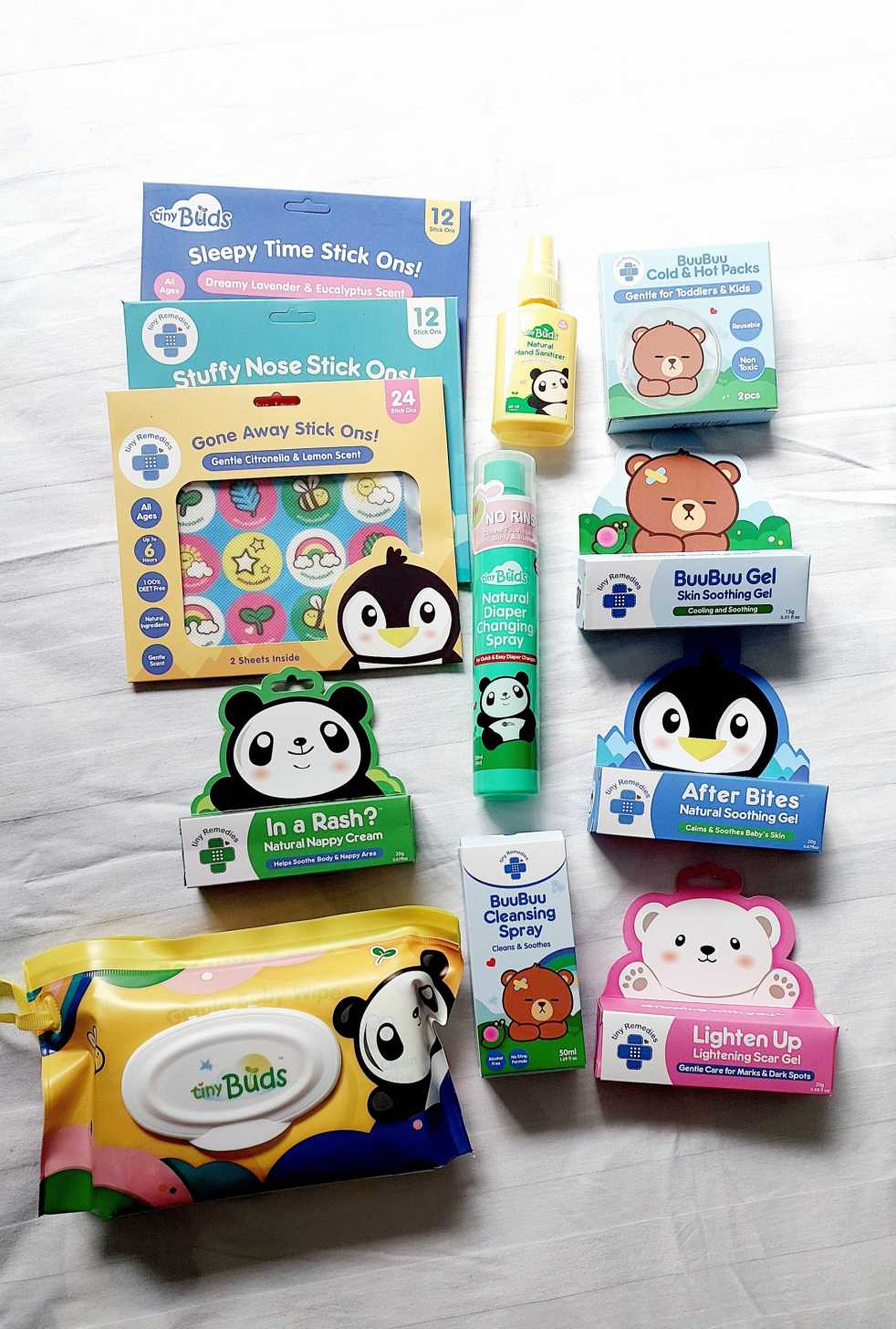
Your baby’s skin is more delicate than most, this is why you have to choose products that are designed for sensitive skin. Tiny Buds is a pioneer in integrating natural ingredients into baby care and today has over 50 innovative natural baby care essentials and is one of the Top Baby Personal Care brands. Here… Continue reading Product Review: Tiny Buds Baby Naturals Baby Essentials
Where your child goes to school is a big decision and shouldn’t be taken lightly. Given how their education can impact their future, you might be tempted to take control and decide for them. However, you might be doing more damage than helping them in the long run. Your job as parents is to support… Continue reading HOW TO CHOOSE THE BEST SCHOOL FOR YOUR CHILD
As poet and philosopher Rumi once eloquently said, “raise your words, not your voice. It is rain that grows flowers, not thunder.” Parenting is a challenging journey, and the truth is that nobody has everything figured out. One parenting style might suit others best, and some might favor other methods. However, children respond better to… Continue reading A SIMPLE GUIDE TO GENTLE PARENTING
Whether you’re a new mom to be, mom of a toddler, mom who have school-aged kids, you’re bound to have so many questions. Let's start with your baby's skin. Infant skin has unique needs; gentle care is essential to prevent damage to the skin barrier, which can lead to irritation. When caring for infant skin,… Continue reading Keeping Baby’s Diapered Skin Healthy
As parents, we want to give our child the best possible start in life and that begins with nurturing their intelligence. Throughout history, the notion of success has been linked to academic intelligence. However, there has been an increased awareness on the importance of emotional intelligence. This question gets at the heart of the never-ending… Continue reading IQ or EQ, which one is a better predictor of your child’s success?
 wondermomma.net