

Last August, IKEA Philippines engaged with Better World Smokey Mountain, a newly opened community center operated by the San Miguel Foundation, which shares a similar goal of improving the lives of many Filipino people. Through this partnership, IKEA Philippines provided and assembled home furnishings for the classrooms and library of Better World Smokey Mountain community… Continue reading Help Create a Better World with IKEA Soft Toys

NutriAsia, the country’s top producer of condiments and sauces, continues its support of Refill Revolution; a project by the Department of Environment and Natural Resources EMB 3 that aims to help reduce Filipinos’ single-use plastics consumption. At Refill Revolution, residents get to recycle their single-use plastic bottles by reusing and filling it with their choice… Continue reading NutriAsia and DENR renews partnership for Refill Revolution

How to Choose a Pediatrician in the Philippines
Choosing a pediatrician is one of the most important healthcare decisions for a growing family. A trusted doctor becomes a partner through newborn checkups, vaccinations, common childhood illnesses, developmental concerns, and the many small questions that arise during the early years.
Families in the Philippines may choose among private clinics, hospital-based pediatricians, community health centers, and teleconsultation services. Location, consultation fees, HMO coverage, clinic hours, and the doctor’s communication style can all affect whether a child receives consistent care.
The best choice is not always the most famous specialist or the doctor with the longest list of credentials. It is the pediatrician who is qualified, accessible, attentive, and suited to your child’s needs and your family’s practical circumstances.
Start With Your Child’s Healthcare Needs
A newborn may need frequent wellness visits, breastfeeding support, newborn screening follow-up, weight monitoring, and an immunization plan. An older child may need help with allergies, asthma, nutrition, sleep, school concerns, or recurring infections. Consider your child’s current age, medical history, and any ongoing treatment before searching for a doctor.
If your child was born prematurely, has a chronic condition, or needs regular developmental monitoring, look for a pediatrician with relevant experience. Some children may eventually need referrals to specialists such as a pediatric pulmonologist, allergist, neurologist, gastroenterologist, or developmental-behavioral pediatrician.
You can begin by asking your maternity hospital, trusted relatives, parent groups, or your obstetrician for recommendations. Philippine hospitals often list their affiliated pediatricians online, while local health centers and rural health units may provide accessible primary care and vaccination services. Recommendations are useful starting points, but they should be checked against your own priorities.
Verify Credentials And Professional Standing
A pediatrician practicing in the Philippines should be licensed by the Professional Regulation Commission. You can verify a physician’s license through the PRC’s official verification system. It is also helpful to check whether the doctor is a diplomate or fellow of the Philippine Pediatric Society, particularly if you want a board-certified pediatric specialist.
Hospital affiliations can provide additional information about where the doctor admits patients, arranges laboratory tests, or coordinates emergency care. Ask whether the pediatrician practices at a hospital that is reasonably accessible from your home. During an urgent situation, knowing where to go can save valuable time.
Credentials are important, but they do not tell the whole story. A highly qualified physician may not be the right fit if appointments are consistently difficult to obtain, the clinic is too far away, or explanations are rushed. Look for a balance between professional training, dependable service, and a communication style that makes you comfortable raising concerns.
Compare Access, Fees, And Coverage
Healthcare costs vary between Metro Manila, major cities, provincial communities, and private hospitals. Before booking, ask about the consultation fee, follow-up charges, vaccination fees, laboratory costs, and payment methods. Some clinics charge separately for forms, certificates, or after-hours advice.
Review your PhilHealth benefits and private HMO coverage, but do not assume that every pediatrician in a covered hospital accepts your plan. Confirm whether the doctor is an HMO-accredited provider, whether prior authorization is needed, and which services are included. Vaccines are frequently billed separately from the consultation, especially when brands or combination vaccines differ.
Access also includes practical details such as travel time, parking, public transportation, online booking, clinic schedule, and telemedicine availability. A nearby doctor with a predictable schedule may be more useful than a distant specialist who is difficult to reach for routine care.
| Factor | What To Check | Why It Matters |
|---|---|---|
| Qualifications | PRC license, pediatric training, professional affiliations | Helps confirm legal practice and relevant expertise |
| Location | Distance, traffic, parking, hospital access | Makes regular visits and urgent care more manageable |
| Fees | Consultation, follow-ups, vaccines, tests, certificates | Prevents unexpected healthcare expenses |
| HMO and PhilHealth | Accreditation, covered services, authorization rules | Clarifies out-of-pocket costs |
| Communication | Explanations, response policy, respectful listening | Supports informed and confident parenting decisions |
| Clinic operations | Appointment system, waiting time, teleconsult options | Makes care easier to maintain consistently |
| Emergency plan | Hospital affiliation and after-hours instructions | Provides a clear response when a child becomes seriously ill |
Assess Communication And Parenting Philosophy
During the first consultation, notice whether the pediatrician listens carefully to your concerns and examines your child without unnecessary rushing. A good doctor should explain a diagnosis, treatment options, expected symptoms, and warning signs in language that parents can understand. You should feel able to ask about medicine doses, side effects, feeding, sleep, development, and vaccines.
Many families prefer a pediatrician who uses a gentle, evidence-based approach. This may include supporting responsive caregiving, avoiding shame-based advice, respecting breastfeeding or informed formula-feeding choices, and discussing discipline in an age-appropriate way. The doctor does not need to agree with every family preference, but discussions should be respectful and medically grounded.
Pay attention to how the pediatrician responds when you disagree or need more information. A collaborative doctor welcomes reasonable questions and explains why a test, antibiotic, supplement, or referral is recommended. Be cautious of pressure to purchase unnecessary products, unproven treatments, or packages that are not clearly explained.
Ask About Preventive And Developmental Care
Pediatric care involves much more than treating fever and cough. Ask how the doctor handles routine wellness checks, growth charts, nutrition, oral health, sleep, vision, hearing, developmental milestones, and school readiness. Regular monitoring can help identify concerns early, when support may be most effective.
Discuss the childhood immunization schedule recommended by the Department of Health and the Philippine Pediatric Society. Ask which vaccines are available at the clinic, how records are maintained, and what happens if a dose is delayed. If your child has allergies, a chronic illness, or a previous vaccine reaction, share the complete history before future doses.
It is also useful to learn how the pediatrician approaches common concerns such as diarrhea, respiratory infections, skin rashes, fever, and antibiotic use. A responsible clinician should explain when home care is appropriate, when a follow-up is needed, and which symptoms require emergency attention.
Understand The Clinic’s Follow-Up System
Before leaving the first appointment, ask how to contact the clinic for non-emergency concerns. Some pediatricians use a clinic landline, nurse coordinator, secure messaging platform, or teleconsultation service. Find out who responds, during which hours, and whether advice given by message has a separate fee.
Ask what happens if the pediatrician is unavailable. A well-organized practice should have a covering doctor, an on-call arrangement, or clear instructions for hospital consultation. This is particularly important for newborns and children with medical conditions that may change quickly.
Keep a personal health folder with your child’s birth records, newborn screening results, immunization card, prescriptions, laboratory results, allergies, and previous diagnoses. Digital copies can be useful when visiting another doctor or an emergency department. Consistent records help any healthcare provider make safer decisions.
Use The First Visit To Make A Decision
A first appointment is an opportunity to evaluate the entire experience. Was the clinic clean and child-friendly? Did staff protect patient privacy? Was the waiting process organized? Did the doctor perform an appropriate examination and give clear instructions? These details can reveal whether the practice is likely to meet your family’s needs over time.
Prepare a short list of questions and bring your child’s medical records. Ask about the recommended visit schedule, vaccination plan, growth or developmental concerns, medicine instructions, and the signs that should prompt urgent care. Taking notes can help, especially when the appointment includes several new recommendations.
Practical Checks Before Choosing
- Confirm the pediatrician’s PRC registration and relevant specialist credentials.
- Verify consultation fees, vaccine prices, HMO accreditation, and payment policies.
- Check the clinic’s location, appointment process, waiting time, and after-hours support.
- Ask how the doctor handles referrals, teleconsultations, urgent symptoms, and follow-up questions.
- Choose a provider who listens respectfully and explains care without fear-based pressure.
No single pediatrician will suit every family. You may also decide to use a primary pediatrician for regular care while consulting a subspecialist for a specific condition. Changing doctors is reasonable when communication breaks down, appointments become impractical, or your child’s needs change.
Seek emergency care immediately for serious symptoms such as difficulty breathing, bluish lips, unresponsiveness, severe dehydration, a seizure, heavy bleeding, or a rapidly worsening condition. A pediatrician can guide routine and urgent care, but emergency symptoms should be assessed at the nearest appropriate emergency facility.
Start your search by listing your child’s needs, nearby hospitals and clinics, expected costs, and preferred communication options. Verify the candidates’ credentials, schedule an initial visit, and choose the doctor who offers qualified medical care with clear guidance and genuine respect for your family.

Mercato Centrale, in collaboration with Indian Women in Enterprise Philippines (I-We), is set to host "The Great Indian Fiesta" to mark 75 years of friendship between India and the Philippines. The dynamic two-day event is scheduled to take place on September 30 to October 1, 2023, at Paseo De Roxas Street, Makati City. Aiming to… Continue reading Mercato Centrale Partners with I-We to Host ‘The Great Indian Fiesta’, Commemorating 75 Years of India-Philippines Friendship

My stomach would usually start growling at 10 am even after taking a big breakfast. This is probably because I am a morning person and I move a lot throughout the day hence snacking is something that I can't avoid. This potatoes and chicken wrap recipe is easy to prepare and would keep me full… Continue reading Potato and Chicken Wrap
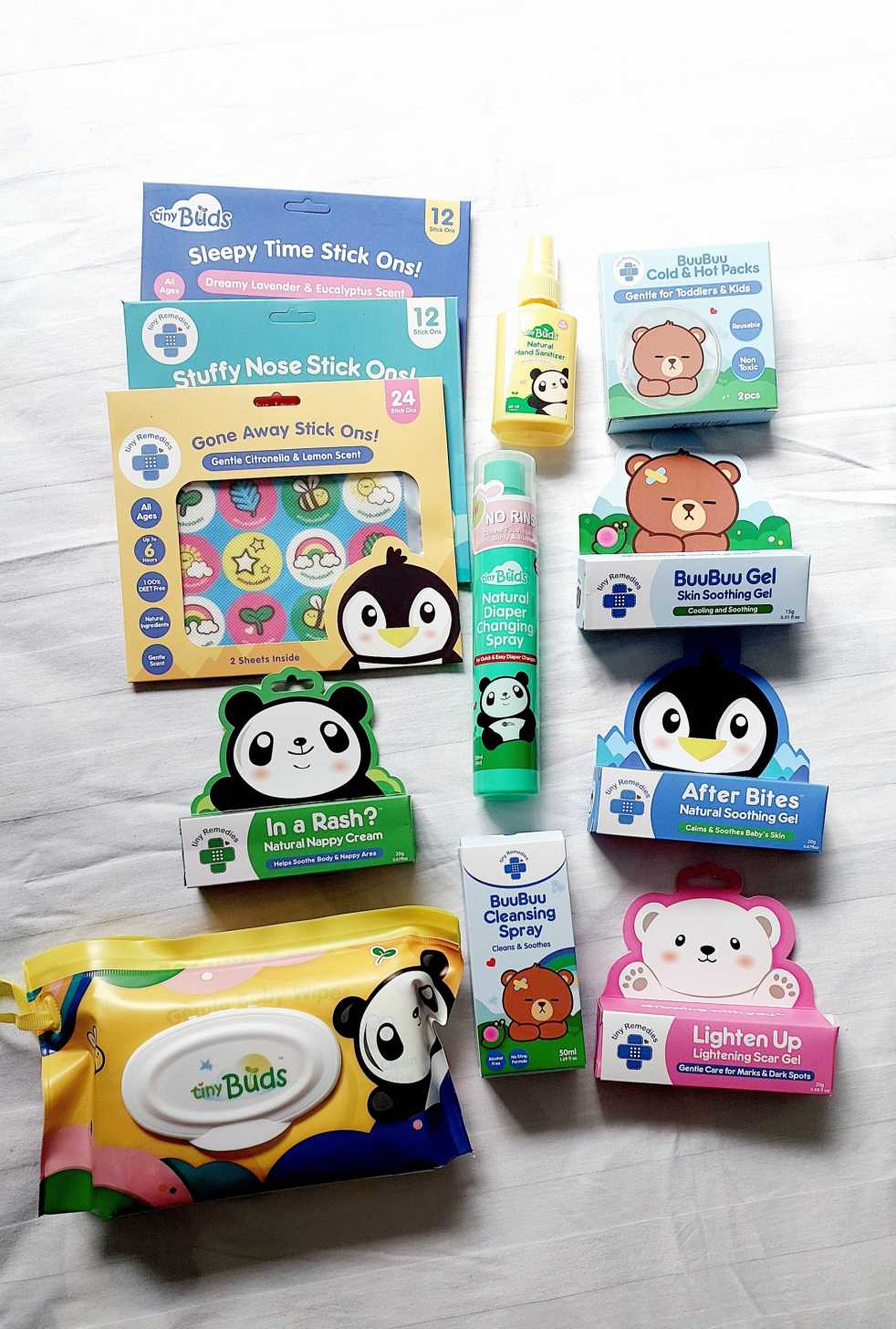
Your baby’s skin is more delicate than most, this is why you have to choose products that are designed for sensitive skin. Tiny Buds is a pioneer in integrating natural ingredients into baby care and today has over 50 innovative natural baby care essentials and is one of the Top Baby Personal Care brands. Here… Continue reading Product Review: Tiny Buds Baby Naturals Baby Essentials

Where your child goes to school is a big decision and shouldn’t be taken lightly. Given how their education can impact their future, you might be tempted to take control and decide for them. However, you might be doing more damage than helping them in the long run. Your job as parents is to support… Continue reading HOW TO CHOOSE THE BEST SCHOOL FOR YOUR CHILD

As poet and philosopher Rumi once eloquently said, “raise your words, not your voice. It is rain that grows flowers, not thunder.” Parenting is a challenging journey, and the truth is that nobody has everything figured out. One parenting style might suit others best, and some might favor other methods. However, children respond better to… Continue reading A SIMPLE GUIDE TO GENTLE PARENTING

Whether you’re a new mom to be, mom of a toddler, mom who have school-aged kids, you’re bound to have so many questions. Let's start with your baby's skin. Infant skin has unique needs; gentle care is essential to prevent damage to the skin barrier, which can lead to irritation. When caring for infant skin,… Continue reading Keeping Baby’s Diapered Skin Healthy

As parents, we want to give our child the best possible start in life and that begins with nurturing their intelligence. Throughout history, the notion of success has been linked to academic intelligence. However, there has been an increased awareness on the importance of emotional intelligence. This question gets at the heart of the never-ending… Continue reading IQ or EQ, which one is a better predictor of your child’s success?
 wondermomma.net