

Last August, IKEA Philippines engaged with Better World Smokey Mountain, a newly opened community center operated by the San Miguel Foundation, which shares a similar goal of improving the lives of many Filipino people. Through this partnership, IKEA Philippines provided and assembled home furnishings for the classrooms and library of Better World Smokey Mountain community… Continue reading Help Create a Better World with IKEA Soft Toys

NutriAsia, the country’s top producer of condiments and sauces, continues its support of Refill Revolution; a project by the Department of Environment and Natural Resources EMB 3 that aims to help reduce Filipinos’ single-use plastics consumption. At Refill Revolution, residents get to recycle their single-use plastic bottles by reusing and filling it with their choice… Continue reading NutriAsia and DENR renews partnership for Refill Revolution

How to Choose a Daycare That Matches Your Parenting Style
Choosing a daycare is one of the first major decisions many parents make after the baby years. The right setting can support your child’s independence, social skills, language development, and emotional security while giving your family a dependable daily routine.
A daycare may look excellent on paper yet feel unsuitable once you learn how teachers respond to crying, guide behaviour, serve meals, or communicate with families. Quality care is important, but compatibility matters too. Your child will spend many hours there, so the centre’s daily habits should feel reasonably aligned with the values you practise at home.
Families in the Philippines may be comparing traditional daycare centres, preschool programmes, home-based childcare, Montessori-inspired schools, and community childcare options. Each setting has strengths and limitations. A thoughtful visit, clear questions, and an honest look at your own priorities can help you make a confident decision.
Start With Your Family Values
Begin by describing your parenting style in practical terms rather than relying on labels. You may value gentle discipline, predictable routines, responsive caregiving, outdoor play, faith-based learning, academic preparation, or plenty of unstructured exploration. Writing down your three highest priorities will make it easier to compare different providers.
For example, a family that follows gentle parenting may want adults who acknowledge feelings, use calm redirection, and avoid shame or threats. Another family may prefer a highly structured programme with clear classroom rules and early learning targets. Neither choice is automatically best for every child; the important point is that the centre’s approach should be understandable and acceptable to your family.
Consider your child’s temperament as well. A shy toddler may need a warm settling-in process and a smaller group, while an energetic preschooler may benefit from movement, sensory activities, and outdoor time. Your child’s sleep needs, allergies, communication abilities, and comfort with transitions should also influence your search.
Look Beyond the Programme Description
Ask the daycare to describe a normal day from arrival to pick-up. Find out when children eat, nap, play outdoors, practise early literacy, and move between activities. A balanced routine usually includes active and quiet periods, free play, guided learning, creative work, and opportunities for social interaction.
A programme that advertises advanced academics may spend much of the day on worksheets or memorisation. That can be unsuitable for a young child who learns best through play and conversation. Conversely, a very relaxed setting may not provide enough routine for a child who feels secure when activities follow a familiar order.
Observe whether the children appear engaged rather than simply quiet. Look for age-appropriate materials within reach, teachers speaking respectfully, and activities that allow children to make choices. A clean, attractive room is helpful, but the relationships between adults and children reveal much more about the quality of care.
Examine Discipline And Emotional Support
Ask directly how staff respond when a child bites, hits, refuses to participate, cries for a parent, or struggles to share. A provider should be able to explain its behaviour guidance policy clearly. Vague answers such as “We make children obey” or “We do whatever works” deserve further examination.
A setting compatible with respectful parenting will usually describe calm intervention, close supervision, clear boundaries, and teaching replacement behaviours. Staff should protect other children while helping the child understand what happened. They should not rely on humiliation, physical punishment, public isolation, food as a reward, or frightening threats.
Ask how the centre handles separation anxiety during the first weeks. A gradual settling-in plan, familiar comfort item, and consistent handover routine can ease the transition. Teachers should also be able to tell you how they comfort children without dismissing their feelings or rushing them to stop crying.
| What To Compare | Questions To Ask | Signs Of A Good Fit |
|---|---|---|
| Discipline | How do you respond to hitting, biting, or refusal? | Calm limits, redirection, supervision, and teaching |
| Daily routine | How much time is spent on play, rest, meals, and outdoor activity? | A balanced, age-appropriate schedule |
| Communication | How are incidents, progress, and daily needs shared? | Timely updates and respectful two-way communication |
| Health and safety | What are your illness, allergy, emergency, and pick-up procedures? | Written policies, trained staff, and secure routines |
| Learning approach | How do children develop language, movement, and social skills? | Play-based, engaging activities suited to age |
| Family involvement | Can parents share relevant routines, traditions, or concerns? | Openness without undermining professional boundaries |
Check Safety, Hygiene, And Staffing
Safety should be assessed carefully during an in-person visit. Check whether entrances are controlled, visitors are recorded, emergency exits are accessible, and children are supervised during indoor and outdoor activities. Ask how the centre verifies authorised pick-up adults and what happens if someone arrives late.
Find out how staff manage fever, contagious illness, injuries, medication, food allergies, and emergencies. The centre should have written procedures, a first-aid kit, accessible emergency contacts, and staff who know what to do before professional help arrives. Ask whether incident reports are shared with parents and how serious events are documented.
Hygiene practices are especially important for babies and toddlers. Look at handwashing areas, diaper-changing spaces, toilets, food preparation, drinking water, and toy cleaning routines. Ask how nap mats and bedding are labelled and washed. In a warm climate, also consider ventilation, heat management, mosquito prevention, and whether outdoor areas are shaded.
Staffing deserves equal attention. A low child-to-adult ratio allows caregivers to notice distress, support toileting, supervise play, and respond to individual needs. Ask about staff qualifications, background checks, turnover, substitute arrangements, and how long the current teachers have worked at the centre.
Evaluate Communication With Parents
A daycare that matches your parenting approach should treat parents as partners. Ask how updates are delivered: through a messaging app, notebook, daily report, phone call, or parent portal. You should know who to contact about meals, naps, behaviour, health concerns, and developmental progress.
Good communication is specific and balanced. Instead of simply reporting that a child was “good” or “difficult,” a teacher might explain what happened, what support was offered, and whether the child recovered. This information helps you maintain consistency at home without turning every daily update into a formal assessment.
Clarify how the centre handles disagreements. You may have preferences about bottles, toilet learning, screen use, comfort objects, food, or nap routines. Ask which requests can be accommodated and where the provider has non-negotiable policies. A trustworthy centre will explain its boundaries honestly rather than promising everything before enrolment.
It is also useful to ask about parent meetings, developmental observations, photographs, celebrations, and classroom events. Family participation can strengthen a child’s sense of belonging, but you should understand how privacy, consent, and online sharing are managed.
Weigh Location, Schedule, And Cost
Practical details can determine whether a daycare remains sustainable for your family. Consider travel time during rush hour, available parking or public transport, opening and closing times, holiday schedules, and arrangements for unexpected delays. A centre with excellent values may still create daily stress if the commute is too demanding.
Request a complete fee breakdown. In addition to tuition, there may be registration charges, supplies, uniforms, meals, field trips, late pick-up fees, enrichment classes, and holiday care. Ask about payment schedules, deposits, refunds, sibling discounts, and the process for leaving the programme.
Think about the schedule your child can realistically manage. Long hours may be necessary for working parents, but a young child may need a shorter first week or a gradual increase in attendance. Check whether nap times, meal routines, and rest periods can accommodate your child’s needs.
Affordability should be considered alongside reliability and care quality. A lower fee may not represent good value if staff changes constantly, communication is poor, or you need to pay for frequent last-minute childcare. Create a monthly estimate that includes transport and extra charges before making your decision.
Build A Thoughtful Shortlist
After visiting several centres, record your impressions while they are fresh. It is easy to remember a bright classroom or friendly administrator and overlook important details such as staff turnover or unclear illness rules. A simple scoring sheet can help you compare providers using the same standards.
Use your notes to identify the strongest matches, then arrange a second visit if possible. Speak with the teacher who would care for your child, not only the owner or admissions coordinator. Ask whether you can observe at a busy time, because normal arrival, meal, or transition periods may reveal more than a quiet tour.
Your shortlist should include practical and emotional considerations. The best daycare is one where your child can feel safe and understood, your family can communicate openly, and the daily arrangement fits your budget and schedule.
- Prioritise three family values, such as respectful discipline, play-based learning, or predictable routines.
- Visit during an active part of the day and observe how adults speak to children.
- Request written policies for safety, illness, discipline, food, medication, and authorised pick-up.
- Compare the full monthly cost, including transport, supplies, meals, and late fees.
- Arrange a gradual transition and share your child’s routines, comfort strategies, and health needs.
Trust your observations, but give yourself permission to gather more information before enrolling. References from other parents can be useful, yet each child and family has different needs. A centre that worked beautifully for one household may not suit a child who needs quieter spaces, more movement, or additional emotional support.
Before signing an agreement, discuss your expectations with the child’s future teacher and confirm what will happen during the first weeks. Keep communication open after enrolment, notice how your child settles over time, and address concerns early. Visit WonderMomma for more practical parenting guidance as your family grows and your childcare needs change.

Mercato Centrale, in collaboration with Indian Women in Enterprise Philippines (I-We), is set to host "The Great Indian Fiesta" to mark 75 years of friendship between India and the Philippines. The dynamic two-day event is scheduled to take place on September 30 to October 1, 2023, at Paseo De Roxas Street, Makati City. Aiming to… Continue reading Mercato Centrale Partners with I-We to Host ‘The Great Indian Fiesta’, Commemorating 75 Years of India-Philippines Friendship

My stomach would usually start growling at 10 am even after taking a big breakfast. This is probably because I am a morning person and I move a lot throughout the day hence snacking is something that I can't avoid. This potatoes and chicken wrap recipe is easy to prepare and would keep me full… Continue reading Potato and Chicken Wrap
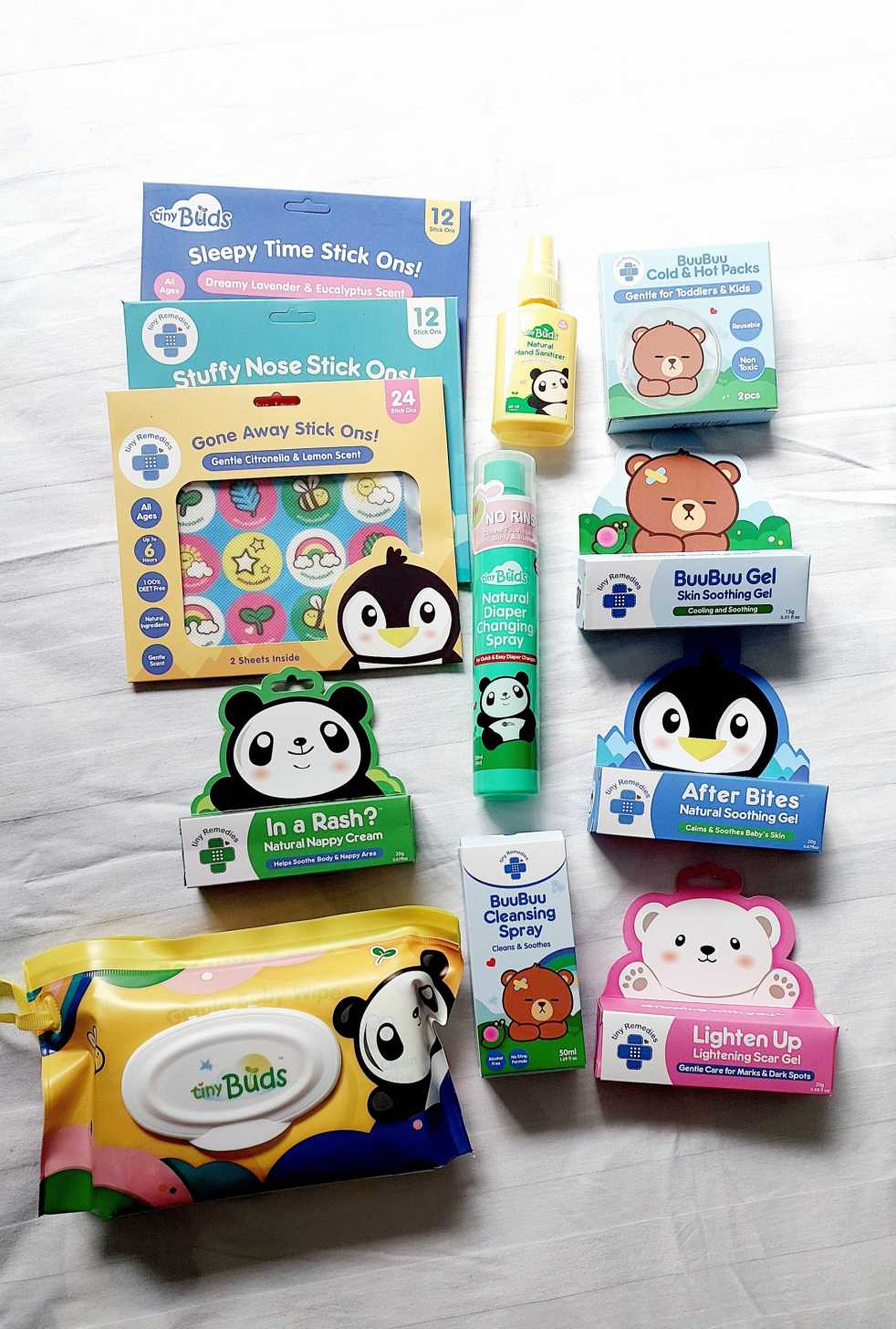
Your baby’s skin is more delicate than most, this is why you have to choose products that are designed for sensitive skin. Tiny Buds is a pioneer in integrating natural ingredients into baby care and today has over 50 innovative natural baby care essentials and is one of the Top Baby Personal Care brands. Here… Continue reading Product Review: Tiny Buds Baby Naturals Baby Essentials
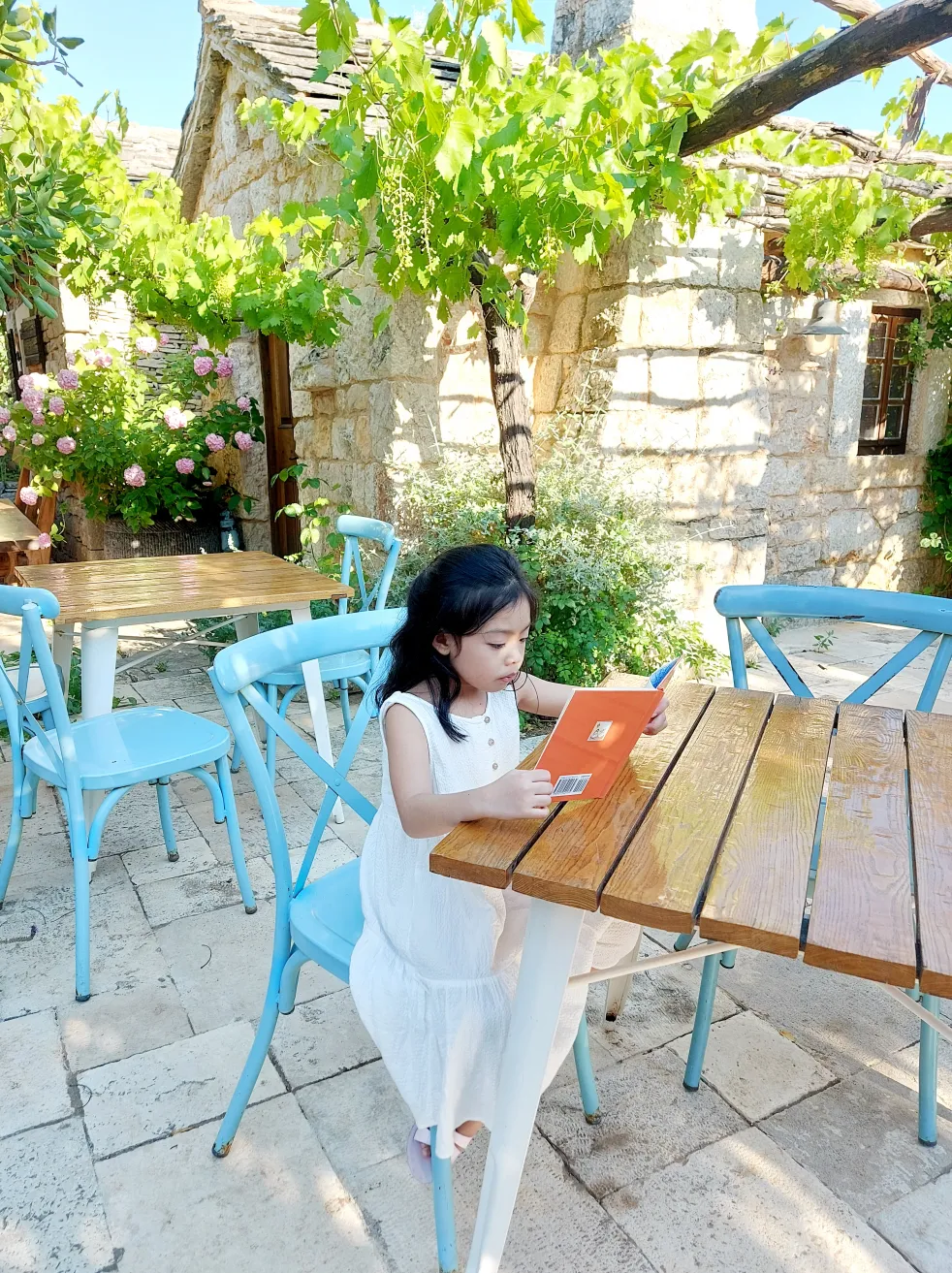
Where your child goes to school is a big decision and shouldn’t be taken lightly. Given how their education can impact their future, you might be tempted to take control and decide for them. However, you might be doing more damage than helping them in the long run. Your job as parents is to support… Continue reading HOW TO CHOOSE THE BEST SCHOOL FOR YOUR CHILD

As poet and philosopher Rumi once eloquently said, “raise your words, not your voice. It is rain that grows flowers, not thunder.” Parenting is a challenging journey, and the truth is that nobody has everything figured out. One parenting style might suit others best, and some might favor other methods. However, children respond better to… Continue reading A SIMPLE GUIDE TO GENTLE PARENTING

Whether you’re a new mom to be, mom of a toddler, mom who have school-aged kids, you’re bound to have so many questions. Let's start with your baby's skin. Infant skin has unique needs; gentle care is essential to prevent damage to the skin barrier, which can lead to irritation. When caring for infant skin,… Continue reading Keeping Baby’s Diapered Skin Healthy

As parents, we want to give our child the best possible start in life and that begins with nurturing their intelligence. Throughout history, the notion of success has been linked to academic intelligence. However, there has been an increased awareness on the importance of emotional intelligence. This question gets at the heart of the never-ending… Continue reading IQ or EQ, which one is a better predictor of your child’s success?
 wondermomma.net