

Last August, IKEA Philippines engaged with Better World Smokey Mountain, a newly opened community center operated by the San Miguel Foundation, which shares a similar goal of improving the lives of many Filipino people. Through this partnership, IKEA Philippines provided and assembled home furnishings for the classrooms and library of Better World Smokey Mountain community… Continue reading Help Create a Better World with IKEA Soft Toys
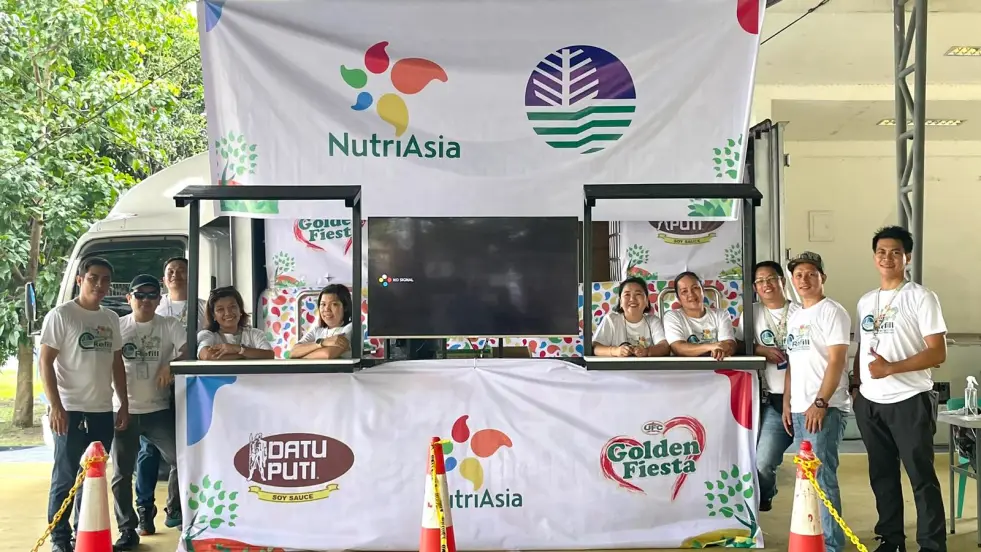
NutriAsia, the country’s top producer of condiments and sauces, continues its support of Refill Revolution; a project by the Department of Environment and Natural Resources EMB 3 that aims to help reduce Filipinos’ single-use plastics consumption. At Refill Revolution, residents get to recycle their single-use plastic bottles by reusing and filling it with their choice… Continue reading NutriAsia and DENR renews partnership for Refill Revolution

Meaningful Christmas celebrations for young kids in Australia
Learning how to celebrate Christmas with young kids meaningfully is less about creating a perfect festive production and more about building small, repeated moments that feel safe, joyful and connected. Young children remember how they were included: whether they helped stir cookie batter, chose the story, placed a star on a branch or sat with the family while adults talked quietly. The best family traditions are simple enough to sustain, flexible enough for different ages and honest about what Christmas means to your household.
For Australian families, December brings warm afternoons, school-holiday routines and plenty of space for outdoor play. Christmas also lands in the middle of summer, so water play, picnics and trips to places such as Bondi Beach can become part of the celebration instead of competing with it. Use the local rhythm rather than copying a snowy Northern Hemisphere scene.
Start with family values, not a packed calendar
Meaningful celebrations begin with values your child can recognise: kindness, welcome, sharing, care or wonder. Choose two or three ideas and let them shape the Christmas plan. A family might combine making food for neighbours, reading a festive story and giving time together. This keeps the focus on shared experience rather than the number of decorations or gifts.
Whether your household centres on the Christian story of Christmas, follows another faith or keeps the season mainly secular, explain the celebration in language suited to your child’s age. Families observing Advent can include a short candle ritual, while others can tell a story about giving. In Australia’s religiously diverse communities, a warm “Merry Christmas” works without assuming one belief. Children cope best when adults are clear about what will happen and when.
Invite children to make one or two decisions, such as choosing the carol, decorating the table or deciding which recipe to cook. Give them jobs that match their abilities rather than using them to entertain adults. A preschooler can place paper stars on a low branch, while an older child can help plan a surprise. Their contribution becomes part of the memory, not merely preparation for someone else’s event.
Create calm rituals children can understand
Keep the run-up predictable with a visual countdown and a small number of familiar activities. A row of paper stars, each marked with a simple symbol for storytime, baking or decorating, gives a toddler a clear sense of what comes next. Try one planned festive activity each day, then leave plenty of unscheduled time. Young children often need recovery from busy outings and loud crowds.
Santa is part of Australian Christmas folklore, and many families visit Santa at shopping-centre grottos during the school holidays. Westfield centres and other large malls often create bookable photo sessions in the weeks before Christmas, so families can compare queues, costs and session times before committing. If Santa is part of your family tradition, decide together whether he visits at home, appears through a window or leaves a note and small parcel. Children who dislike being photographed need an easy exit, and nobody should force them into a lap.
Australian families often use the unhurried “arvo” for an outdoor gathering, decorating or early dinner with relatives. That late-afternoon stretch can include lawn games, a bubble station and cousins arriving together. If the day includes a long drive, bring familiar comfort items and allow a quiet period after the excitement. The pace matters more than the itinerary.
Choose summer-friendly ways to celebrate
Australian Christmas falls in summer, and many children are already on school holidays when the festivities begin. Plan around their energy rather than adding another demanding event. A bucket-and-spade Christmas at Bondi Beach, a sprinkler game in the garden, a shaded picnic or a dusk walk can hold the wonder of the season without heavy coats or crowded indoor rooms. Pack sunscreen, hats, water and a change of clothes, and keep one flexible indoor option nearby.
| Children or setting | Meaningful activity | Australian setting | Keep it simple |
|---|---|---|---|
| Toddlers | Decorate felt stars and sing familiar songs | A quiet corner at home or shaded verandah | Repeat the same short ritual each day |
| Preschoolers | Make cookies or Christmas-tree artwork | Kitchen bench or back patio | Let them stir, sprinkle and choose colours |
| Primary-age children | Read stories and complete a kindness calendar | Public library, community centre or neighbourhood park | Pair each task with a family member |
| Mixed ages | Plan a picnic, photo session or kindness project | Shopping centre, local park or home | Give every child one clear job |
Pick one anchor activity for the day and let it unfold slowly. A story can become a drawing, a walk can end with a leaf collection, or a cookie-making session can supply the whole family with lunch. These extensions make children active participants while keeping adult preparation manageable. Avoid filling every gap with Christmas content; ordinary play and family downtime still belong in the holiday.
Before setting out to a carols event or another busy attraction, check the weather, crowd size, sound levels, travel time and access to a quiet space. For a very young or sensory-sensitive child, a small gathering at home may be more memorable than a large spectacle. Familiar songs, a small cushion and permission to leave early can make a public event feel manageable.
Keep gifts simple and full of meaning
The most memorable gift is often time, not an overflowing pile of toys. Offer choices: a story read together, a morning at the playground, a special lunch or help making the family’s Christmas meal. These experiences cost less than many toys, can be repeated and work across ages. For a toddler, ten focused minutes of play may hold more appeal than an expensive box that is quickly put aside.
Gift-giving often combines practical items with handmade contributions, second-hand finds and small treats. Some children receive a book, a beloved game, clothes or an experience, while others have only a stocking. There is no need to match what relatives give. A locally made bookplate, decorated paper bag or baked treat can carry the same emotional weight, especially when the child helps make it. A much-loved used toy or a carefully chosen story can also feel generous without adding to the pressure to spend.
Before opening presents, make the giving part visible. Read any note, show a photo or explain the story behind a handmade gift, then let your child say thank you in their own way. A three-year-old might point, smile or wave; that is enough. The aim is connection rather than perfect manners.
- Pair each present with dedicated time, such as one story, a dance or a special breakfast.
- Choose a mix of practical items, books, open-ended play and one small surprise.
- Let children make presents for people who matter to them, using ideas suited to their age.
- Borrow festive books from the local library and revisit familiar stories throughout the holiday.
- Keep the main gift affordable by using second-hand toys, swaps or homemade favourites.
- Give children time to play before opening more presents so excitement does not overwhelm them.
Bring kindness and community into the season
Christmas lunch is a chance to keep family food traditions while making room for children’s preferences and different household customs. Many Australian tables feature ham, roast vegetables and pavlova, while seafood, salads or dishes from other cultures may sit beside them. Let children help with tasks that do not depend on precise timing: washing produce, arranging place settings, stirring batter or decorating napkins. Say clearly what each person contributed, because children often feel proud when their part is visible at the table.
Community events can turn a private celebration into a shared one. School fetes often include craft stalls, raffles and food fundraisers, and a Bunnings sausage sizzle is a familiar Australian way for families to raise money for schools or childcare centres. Check what the organiser actually needs before donating money, food or time. A food pantry may have a current wish list, while a community garden might value tools, mulch or a gardening hour. Care becomes real when it responds to a local need.
Whatever mix of faith, food and family traditions you choose, protect the child’s part in it. Let them choose one thing they will remember, one person they helped and one way they showed kindness. Years later, those small moments may matter more than any performance, present or perfectly themed event. The Christmas your child carries forward will be shaped by the warmth and attention you offered them.

Mercato Centrale, in collaboration with Indian Women in Enterprise Philippines (I-We), is set to host "The Great Indian Fiesta" to mark 75 years of friendship between India and the Philippines. The dynamic two-day event is scheduled to take place on September 30 to October 1, 2023, at Paseo De Roxas Street, Makati City. Aiming to… Continue reading Mercato Centrale Partners with I-We to Host ‘The Great Indian Fiesta’, Commemorating 75 Years of India-Philippines Friendship

My stomach would usually start growling at 10 am even after taking a big breakfast. This is probably because I am a morning person and I move a lot throughout the day hence snacking is something that I can't avoid. This potatoes and chicken wrap recipe is easy to prepare and would keep me full… Continue reading Potato and Chicken Wrap
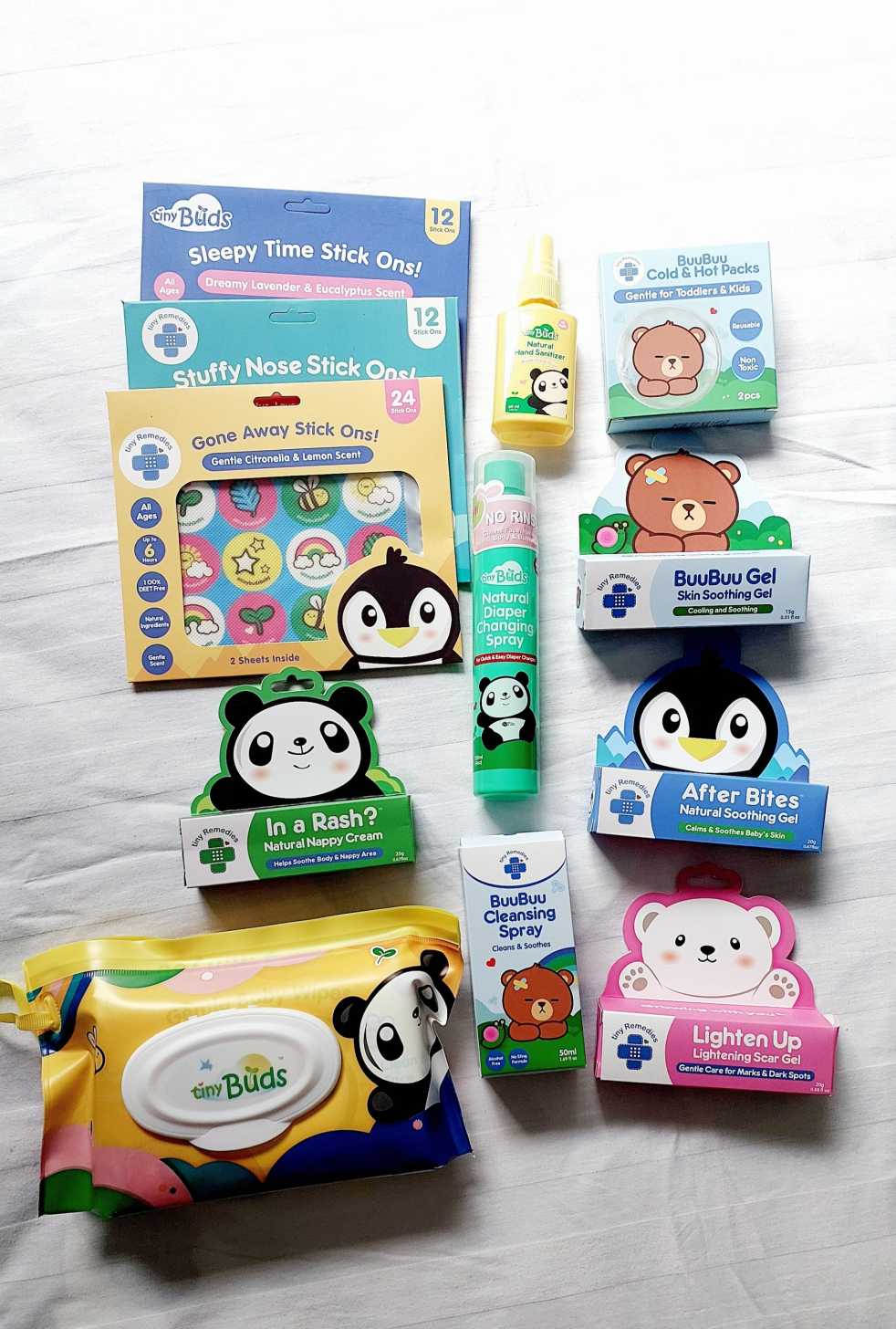
Your baby’s skin is more delicate than most, this is why you have to choose products that are designed for sensitive skin. Tiny Buds is a pioneer in integrating natural ingredients into baby care and today has over 50 innovative natural baby care essentials and is one of the Top Baby Personal Care brands. Here… Continue reading Product Review: Tiny Buds Baby Naturals Baby Essentials
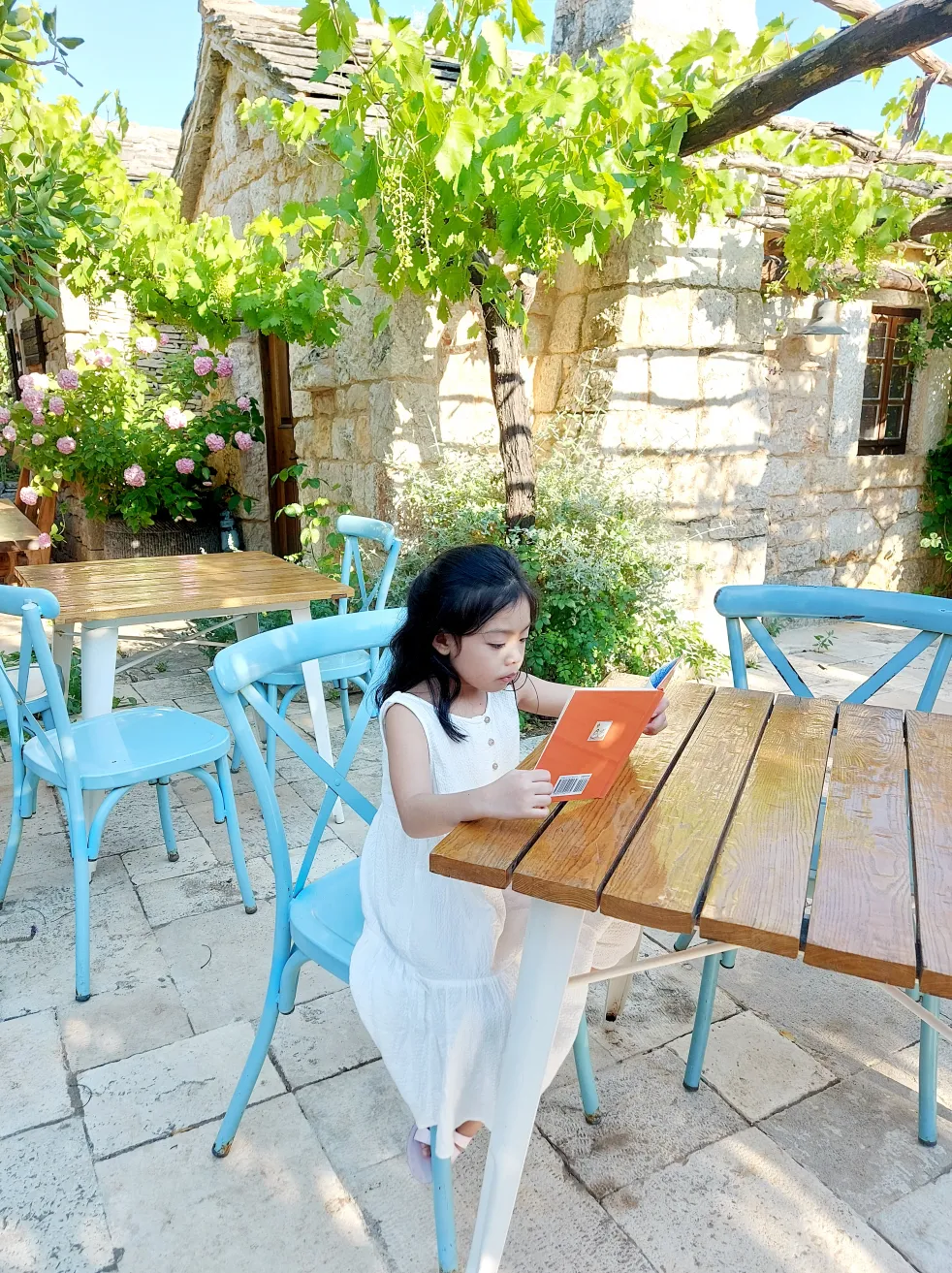
Where your child goes to school is a big decision and shouldn’t be taken lightly. Given how their education can impact their future, you might be tempted to take control and decide for them. However, you might be doing more damage than helping them in the long run. Your job as parents is to support… Continue reading HOW TO CHOOSE THE BEST SCHOOL FOR YOUR CHILD
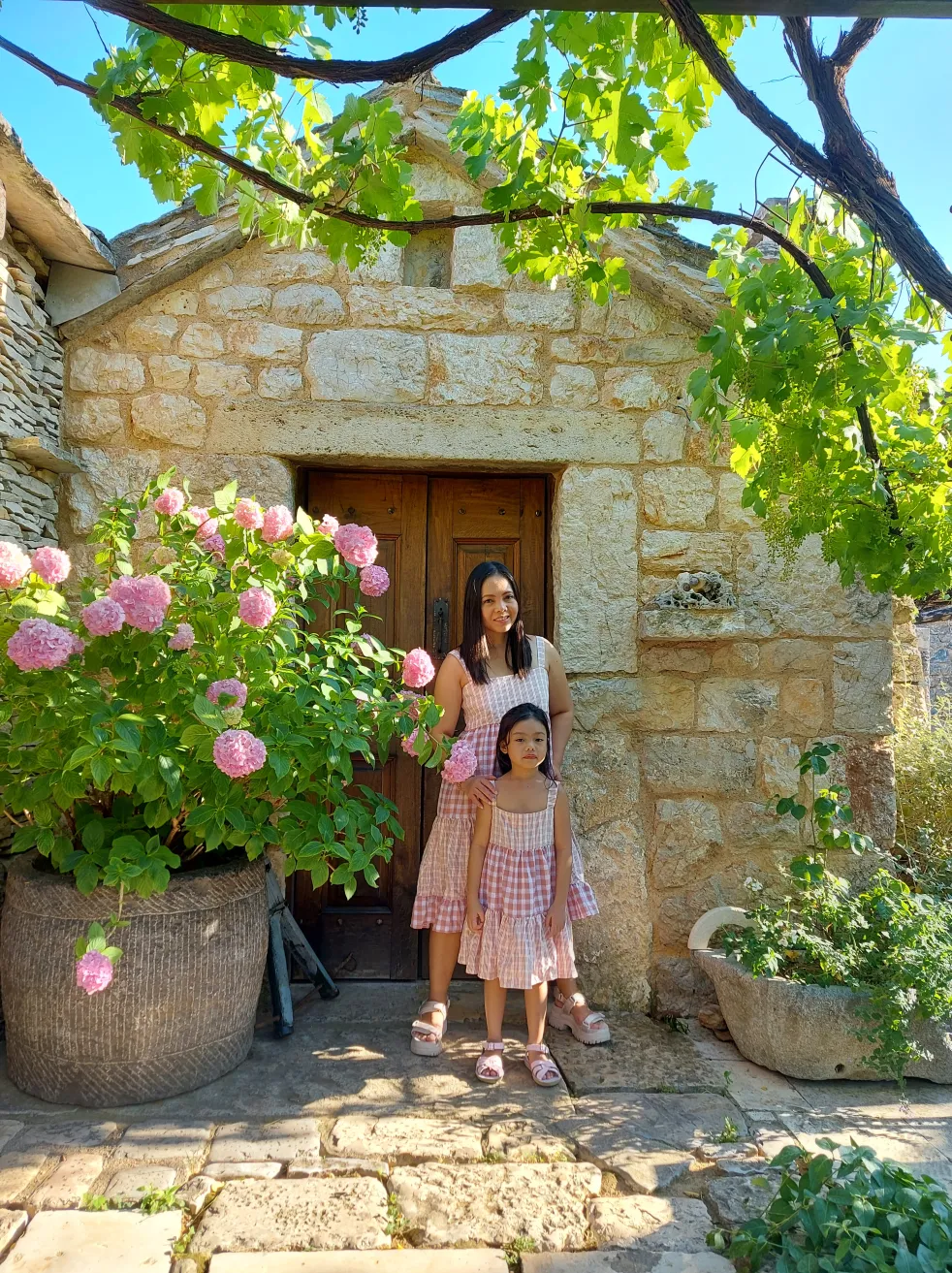
As poet and philosopher Rumi once eloquently said, “raise your words, not your voice. It is rain that grows flowers, not thunder.” Parenting is a challenging journey, and the truth is that nobody has everything figured out. One parenting style might suit others best, and some might favor other methods. However, children respond better to… Continue reading A SIMPLE GUIDE TO GENTLE PARENTING
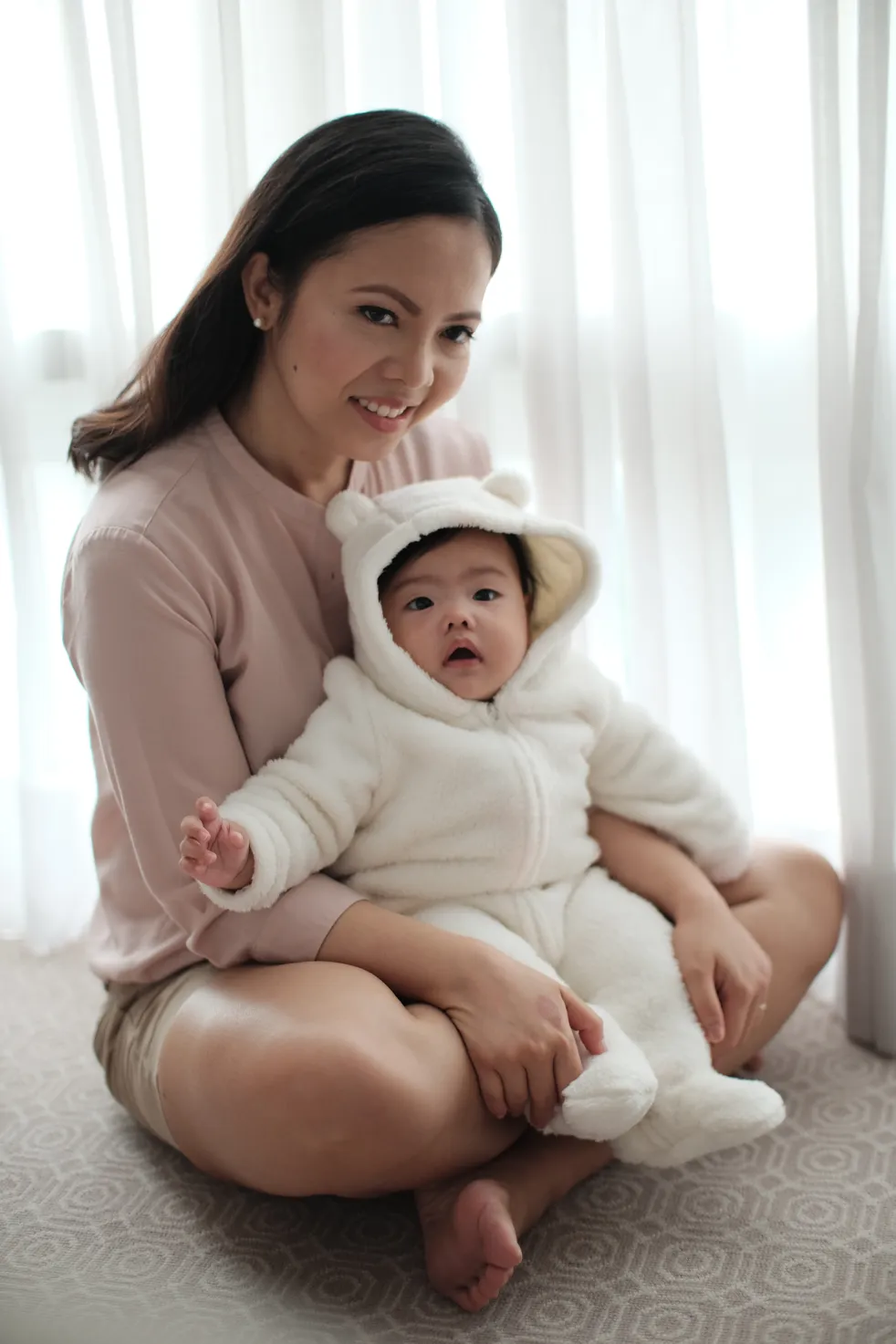
Whether you’re a new mom to be, mom of a toddler, mom who have school-aged kids, you’re bound to have so many questions. Let's start with your baby's skin. Infant skin has unique needs; gentle care is essential to prevent damage to the skin barrier, which can lead to irritation. When caring for infant skin,… Continue reading Keeping Baby’s Diapered Skin Healthy
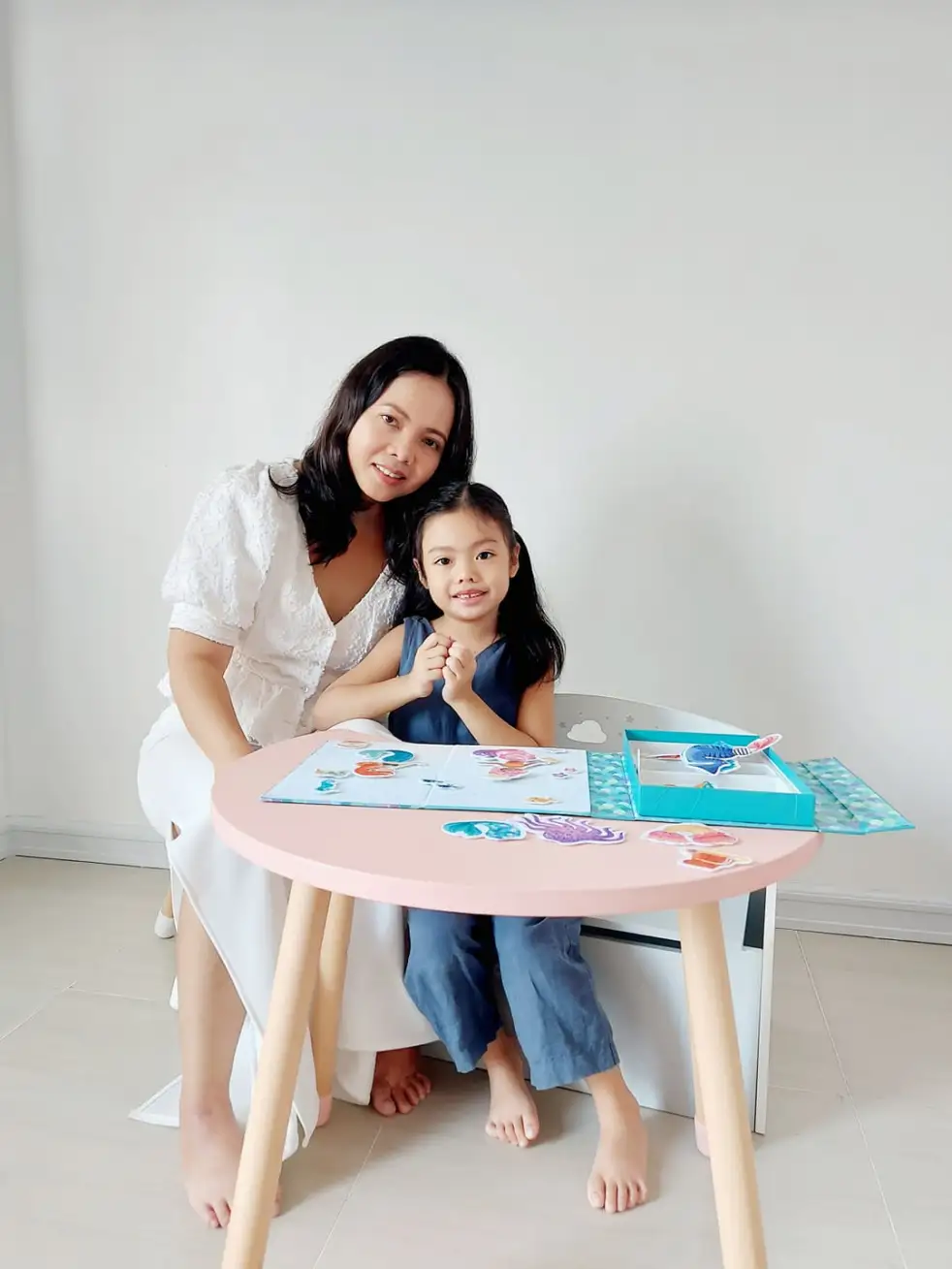
As parents, we want to give our child the best possible start in life and that begins with nurturing their intelligence. Throughout history, the notion of success has been linked to academic intelligence. However, there has been an increased awareness on the importance of emotional intelligence. This question gets at the heart of the never-ending… Continue reading IQ or EQ, which one is a better predictor of your child’s success?
 wondermomma.net