
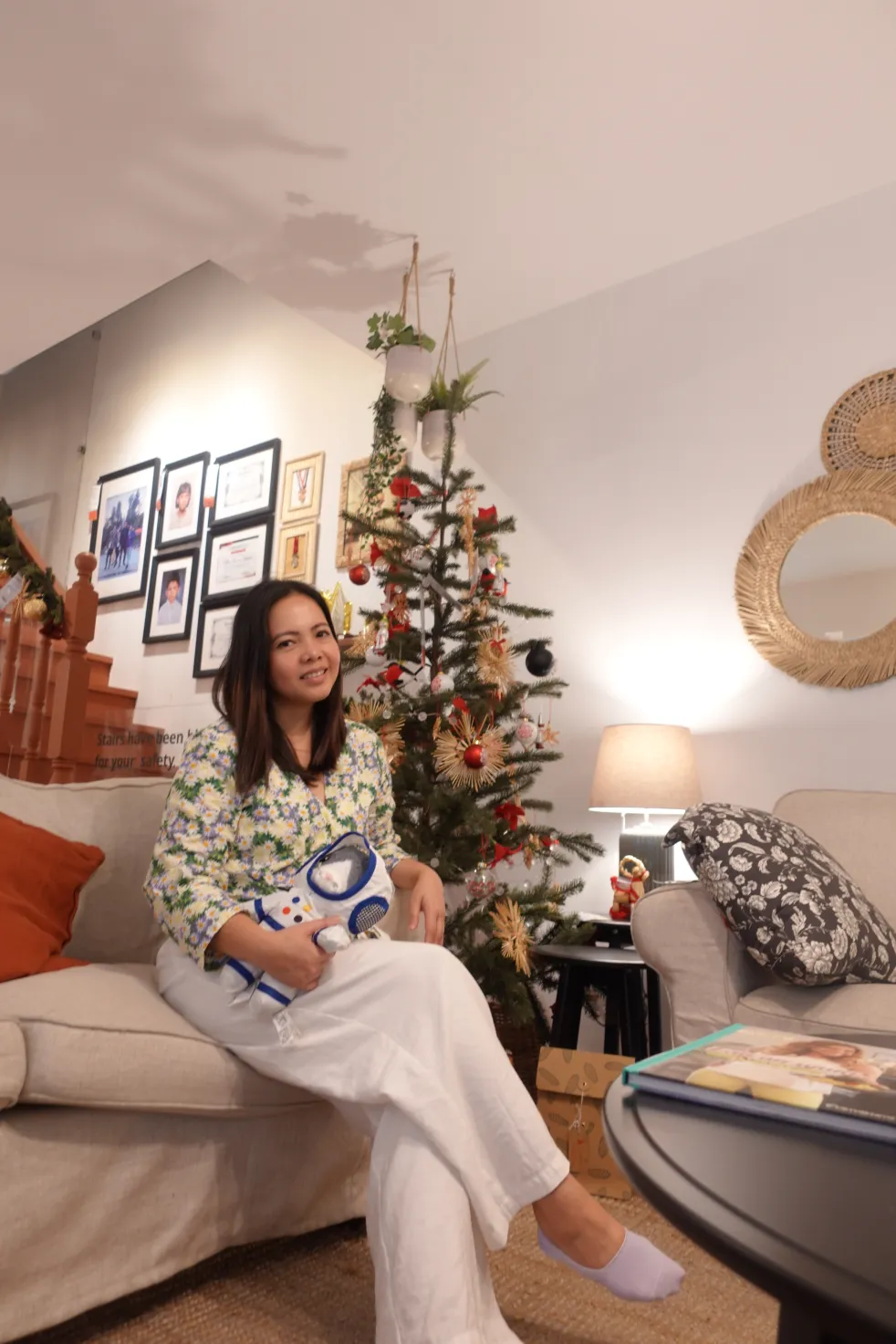
Last August, IKEA Philippines engaged with Better World Smokey Mountain, a newly opened community center operated by the San Miguel Foundation, which shares a similar goal of improving the lives of many Filipino people. Through this partnership, IKEA Philippines provided and assembled home furnishings for the classrooms and library of Better World Smokey Mountain community… Continue reading Help Create a Better World with IKEA Soft Toys
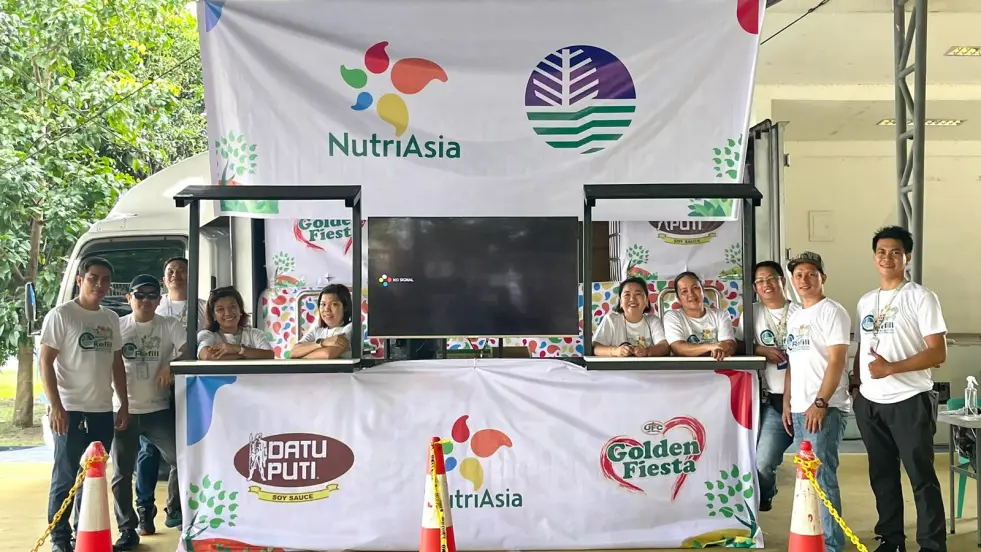
NutriAsia, the country’s top producer of condiments and sauces, continues its support of Refill Revolution; a project by the Department of Environment and Natural Resources EMB 3 that aims to help reduce Filipinos’ single-use plastics consumption. At Refill Revolution, residents get to recycle their single-use plastic bottles by reusing and filling it with their choice… Continue reading NutriAsia and DENR renews partnership for Refill Revolution

How to Build a Simple Sensory Bin with Household Items
A sensory bin is an easy way to give children hands-on play using textures, sounds, colours and movement. It can be as simple as a shallow tub filled with dry pasta, rolled socks, paper scraps or water, with a few safe tools for scooping and pouring. You do not need a specialised activity kit or a large playroom to create a useful sensory experience.
For Australian families, a homemade sensory bin can suit a quiet morning in Melbourne, an indoor afternoon during Brisbane rain, or shaded play on a Sydney balcony. The key is choosing age-appropriate materials, supervising closely and keeping the setup simple enough to pack away when play finishes.
Why sensory play supports early learning
Sensory play encourages children to explore cause and effect. When a toddler pours rice from a cup, squeezes a sponge or searches for a toy beneath shredded paper, they practise coordination while learning how materials behave. These activities also build early mathematical ideas such as full and empty, heavy and light, more and less, and sorting by colour or size.
The experience can support language development as well. Describe what your child is doing with simple words such as “rough”, “smooth”, “under”, “inside”, “pour” and “shake”. Older preschoolers can make predictions, explain their choices and invent stories around the objects in the tub. A child who is reluctant to touch a particular texture can watch, use a scoop or take part for a few seconds without pressure.
Sensory play is also a useful way to create a slower rhythm at home. After a busy childcare day or a long school day in Perth, repetitive scooping and arranging may help some children settle. It should never be used as a test of tolerance, however. Children can opt out of a texture, and the activity can be adapted around sensitivities, allergies or a preference for dry play.
Choose a container and a safe base
Start with a sturdy, low-sided container that your child can reach without leaning across it. A clean washing-up tub, baking dish, storage box or large cardboard carton can work well. For younger children, a wide tray makes it easier to see every item and reduces the chance of tipping the entire bin onto the floor. Place it on a washable mat, an old sheet or a tiled surface.
For a dry base, try uncooked rice, large pasta shapes, rolled-up paper, fabric scraps, clean pom-poms or shredded newspaper. Lentils and flour are also common household choices, though fine powders can become dusty and may irritate some children. If you use food items, store the bin separately from cooking ingredients and avoid anything that could be confused with a snack during play.
Water offers a different type of sensory experience. Add a small amount to a shallow tub with plastic cups, bath toys, sponges and a ladle. Use only a few centimetres of water, keep the container within arm’s reach and empty it immediately afterwards. A child can drown in very little water, so water play requires active supervision rather than occasional checking.
Add household tools and interesting objects
The best additions are open-ended objects that can be moved, filled, grouped and compared. Measuring cups, wooden spoons, silicone muffin cases, kitchen tongs, funnels and empty yoghurt containers give children several ways to interact with the base. Wash everything carefully first, remove sharp edges and avoid items with peeling paint, loose parts or brittle plastic.
You can create a theme from what is already available. A “laundry day” bin might contain clean face washers, pegs and rolled socks. A garden-themed version could use large plastic insects, scoops and artificial leaves. For a transport theme, add chunky toy cars and cardboard tubes. A pretend café can include large bowls, spoons and paper menus, with dry materials standing in for ingredients.
Check every object against your child’s age and mouthing habits. Small pasta, beads, coins, marbles, bottle caps and miniature toy parts are choking hazards. Button batteries require particular care: Australian mandatory safety standards cover products containing button or coin batteries, but loose batteries and poorly secured household items should never be placed in a sensory activity. Keep batteries, magnets and medication completely away from children.
Make the activity comfortable in an Australian home
Set up the bin where you can supervise without constantly interrupting play. A kitchen floor may be practical in Adelaide, while a shaded outdoor table can suit a dry morning in Canberra. Avoid direct sun, especially when using plastic containers or water, because surfaces can heat quickly. On hot days, check the temperature with your hand before inviting a child to play.
If the activity takes place outside, remember that shade does not provide complete protection from ultraviolet radiation. A wide-brimmed hat, covered clothing and regular breaks are sensible additions, and guidance on baby sun protection can help families choose suitable products for younger children. Sunscreen should complement shade and clothing rather than replace them.
Keep the bin small enough to supervise and clean. A dry sensory base can be used for several sessions if it stays clean and dry, but discard it if it becomes wet, contaminated or attracts insects. Water should be poured away after each use. Wash tools with warm soapy water and allow them to dry fully before storing them in a sealed container.
Extend play without making it complicated
Begin by presenting two or three tools instead of filling the bin with every possible object. Too many choices can overwhelm a young child and make the play harder to supervise. Sit nearby for the first few minutes, model one action and then allow your child to lead. You might say, “The pasta is going through the tube,” or “You found the red cup under the paper.”
As children grow, add simple challenges. Invite them to sort objects into bowls, count scoops, find hidden shapes or transfer materials using tongs. Preschoolers can make a pretend shop, rescue toy animals from a “mud pit” made with shredded paper, or design a pattern with coloured items. Keep expectations flexible: filling and emptying the same cup repeatedly is meaningful play for a toddler.
Use these practical habits to make sensory activities safer and easier to repeat:
- Match the materials to your child’s age, development and tendency to mouth objects.
- Stay close and maintain active supervision, especially with water or small loose pieces.
- Choose washable tools and place the bin on a mat, tray or outdoor surface.
- Offer gloves, scoops or a different base if your child dislikes touching a texture.
- Check the bin before every session for broken pieces, mould, pests or missing parts.
- Store the activity securely and clean hands and surfaces after play.
- Keep sensory play separate from meals so dry food materials are not mistaken for snacks.
| Sensory base | Useful household additions | Best suited to | Main precautions |
|---|---|---|---|
| Dry rice or large pasta | Cups, funnels, spoons and bowls | Pouring, filling and early maths | Avoid for children who still mouth small pieces |
| Shredded paper | Cardboard tubes, pegs and toy animals | Searching, pretend play and language | Remove staples and watch for paper cuts |
| Fabric scraps or rolled socks | Tongs, baskets and containers | Sorting and gentle tactile exploration | Use clean, washable fabrics without loose threads |
| Shallow water | Sponges, bath toys and ladles | Pouring, squeezing and cause-and-effect play | Use active supervision and empty immediately |
| Large pom-poms | Muffin cases, scoops and colour cards | Colour matching and transferring | Choose oversized pieces and check for shedding fibres |

Mercato Centrale, in collaboration with Indian Women in Enterprise Philippines (I-We), is set to host "The Great Indian Fiesta" to mark 75 years of friendship between India and the Philippines. The dynamic two-day event is scheduled to take place on September 30 to October 1, 2023, at Paseo De Roxas Street, Makati City. Aiming to… Continue reading Mercato Centrale Partners with I-We to Host ‘The Great Indian Fiesta’, Commemorating 75 Years of India-Philippines Friendship

My stomach would usually start growling at 10 am even after taking a big breakfast. This is probably because I am a morning person and I move a lot throughout the day hence snacking is something that I can't avoid. This potatoes and chicken wrap recipe is easy to prepare and would keep me full… Continue reading Potato and Chicken Wrap
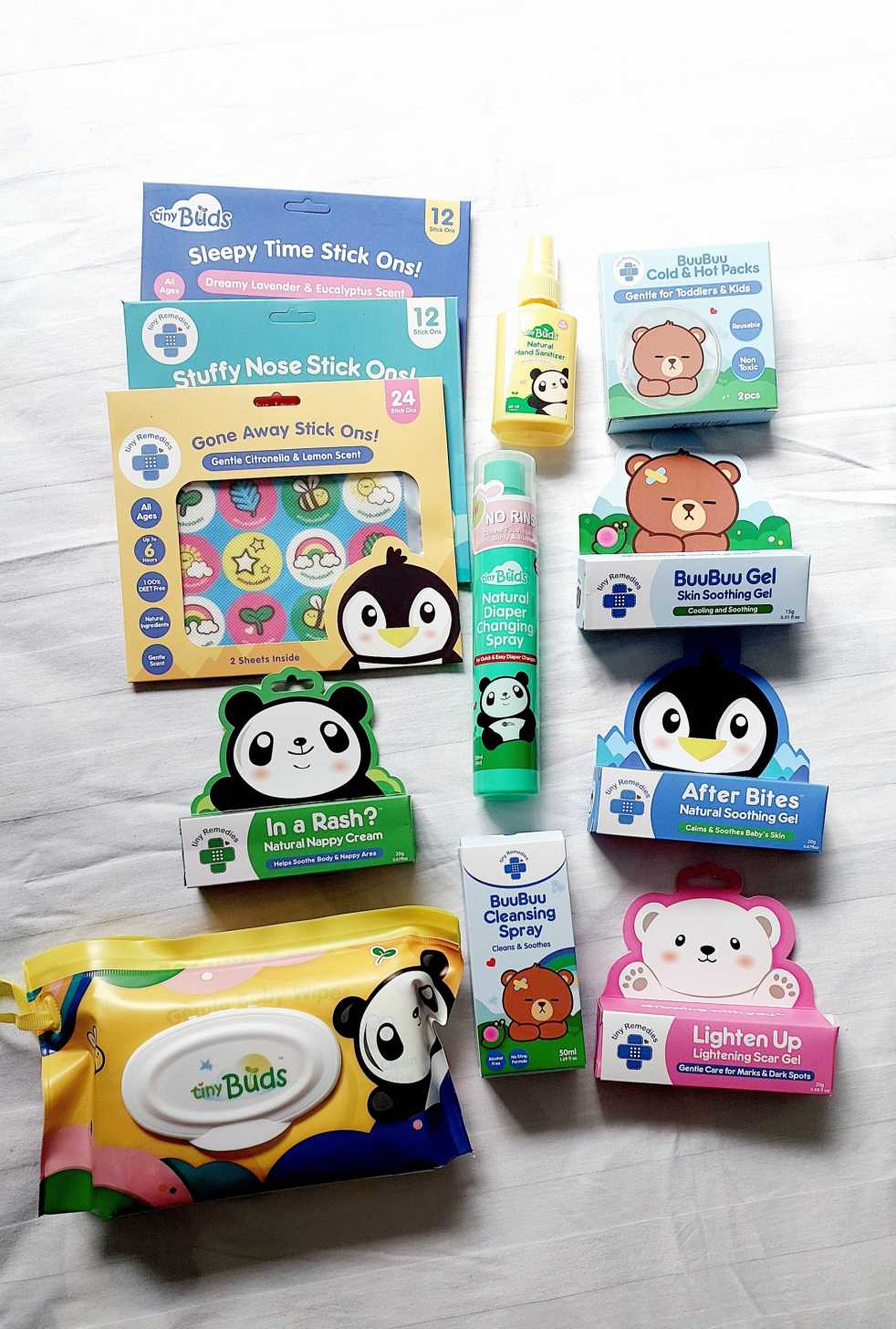
Your baby’s skin is more delicate than most, this is why you have to choose products that are designed for sensitive skin. Tiny Buds is a pioneer in integrating natural ingredients into baby care and today has over 50 innovative natural baby care essentials and is one of the Top Baby Personal Care brands. Here… Continue reading Product Review: Tiny Buds Baby Naturals Baby Essentials
Where your child goes to school is a big decision and shouldn’t be taken lightly. Given how their education can impact their future, you might be tempted to take control and decide for them. However, you might be doing more damage than helping them in the long run. Your job as parents is to support… Continue reading HOW TO CHOOSE THE BEST SCHOOL FOR YOUR CHILD
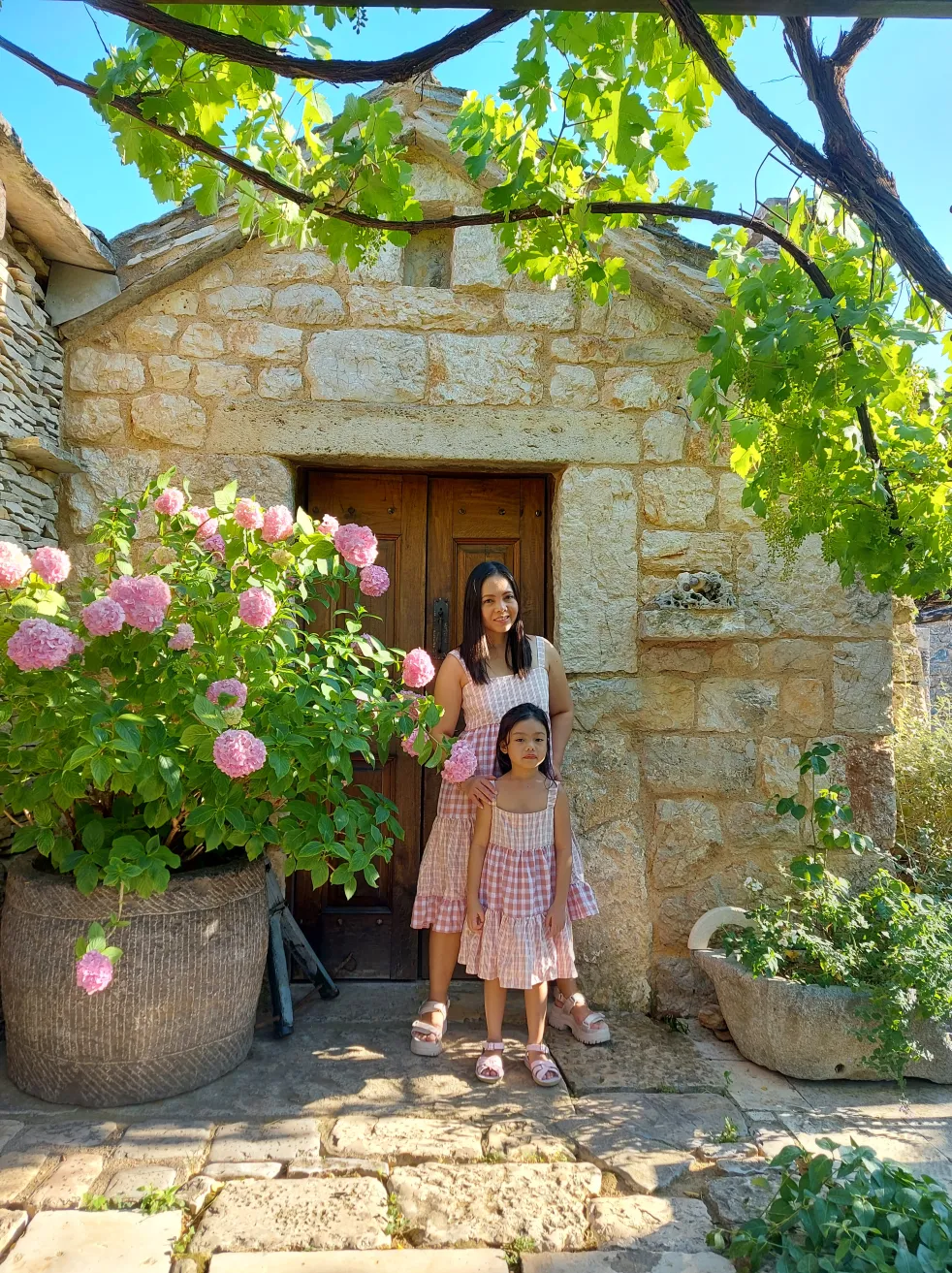
As poet and philosopher Rumi once eloquently said, “raise your words, not your voice. It is rain that grows flowers, not thunder.” Parenting is a challenging journey, and the truth is that nobody has everything figured out. One parenting style might suit others best, and some might favor other methods. However, children respond better to… Continue reading A SIMPLE GUIDE TO GENTLE PARENTING
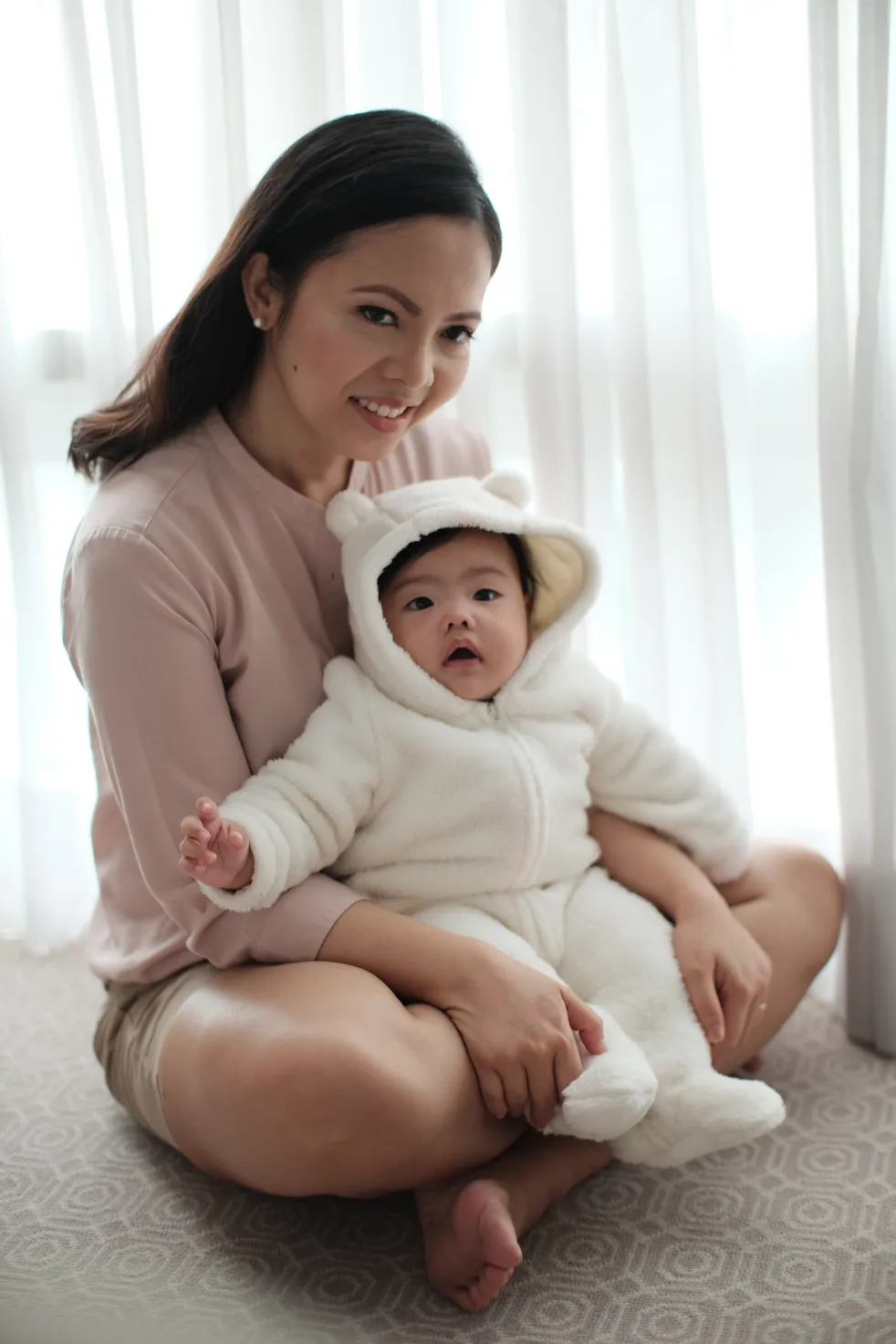
Whether you’re a new mom to be, mom of a toddler, mom who have school-aged kids, you’re bound to have so many questions. Let's start with your baby's skin. Infant skin has unique needs; gentle care is essential to prevent damage to the skin barrier, which can lead to irritation. When caring for infant skin,… Continue reading Keeping Baby’s Diapered Skin Healthy
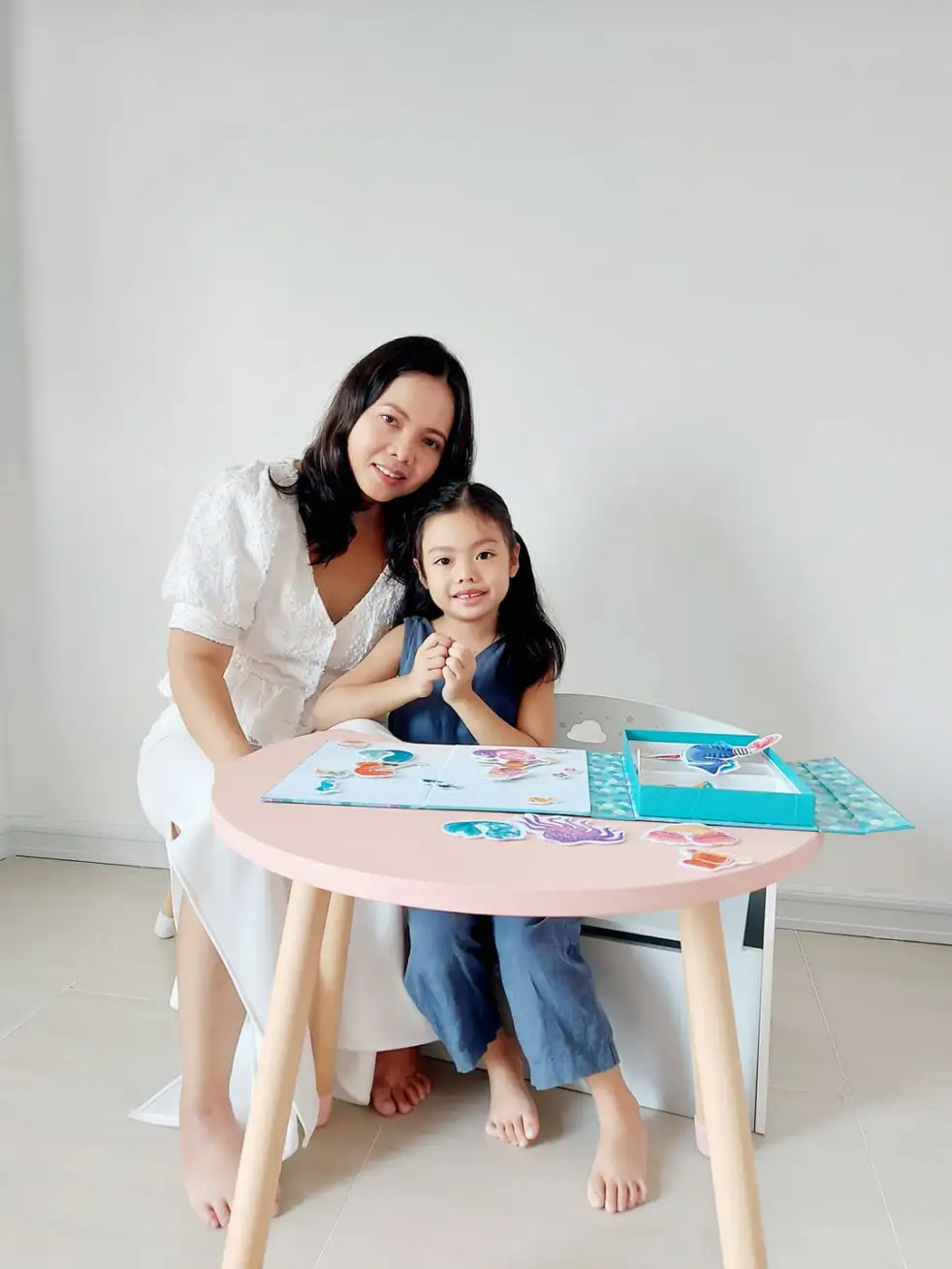
As parents, we want to give our child the best possible start in life and that begins with nurturing their intelligence. Throughout history, the notion of success has been linked to academic intelligence. However, there has been an increased awareness on the importance of emotional intelligence. This question gets at the heart of the never-ending… Continue reading IQ or EQ, which one is a better predictor of your child’s success?
 wondermomma.net