

Last August, IKEA Philippines engaged with Better World Smokey Mountain, a newly opened community center operated by the San Miguel Foundation, which shares a similar goal of improving the lives of many Filipino people. Through this partnership, IKEA Philippines provided and assembled home furnishings for the classrooms and library of Better World Smokey Mountain community… Continue reading Help Create a Better World with IKEA Soft Toys

NutriAsia, the country’s top producer of condiments and sauces, continues its support of Refill Revolution; a project by the Department of Environment and Natural Resources EMB 3 that aims to help reduce Filipinos’ single-use plastics consumption. At Refill Revolution, residents get to recycle their single-use plastic bottles by reusing and filling it with their choice… Continue reading NutriAsia and DENR renews partnership for Refill Revolution

How to Build A Reading Habit With Your Baby From Day One
A baby does not need to understand every word to benefit from a story. From the first weeks of life, reading creates a warm pattern of voices, faces, sounds, and shared attention. Your baby learns that books are connected with comfort and closeness long before they can turn a page or name a picture.
Reading together also supports early language development. Babies hear the rhythm of speech, notice changes in tone, and begin to recognize familiar words. A short board book after a bath or a few nursery rhymes before bedtime can become a meaningful part of family life.
For parents in the Philippines, this habit can include English, Filipino, Cebuano, or any language spoken at home. The most valuable ingredient is regular interaction. A baby who hears a loving caregiver talk, sing, point, and respond is already building the foundations for communication and literacy.
Why Early Reading Matters
Shared reading gives babies repeated exposure to language during a stage when their brains are rapidly developing. Even when your baby seems more interested in chewing the book than listening to the story, they are learning about sounds, expressions, and the back-and-forth nature of communication.
Books also offer a simple way to practice focus. Your newborn may look at your face for a few seconds, while an older baby may follow a bright image or reach toward a page. These small moments of attention gradually become longer periods of engagement.
The emotional benefit is just as important. Holding your baby close while reading creates a calm opportunity for bonding. Your voice becomes familiar and reassuring, helping books feel like a safe part of the day rather than a formal learning task.
Choose Books That Invite Interaction
For newborns, look for books with strong contrasts, clear shapes, and simple illustrations. Soft fabric books, black-and-white designs, and sturdy board books are practical choices during the early months. Babies often explore with their mouths, so washable or wipe-clean materials can make reading less stressful.
As your baby grows, select books with large pictures, repeated phrases, animal sounds, and familiar objects. Stories about food, family members, bath time, transportation, and daily routines help babies connect printed pages with their own experiences.
There is no need to build an expensive library immediately. A few well-loved books are enough to begin. Borrow titles from a local library, exchange books with relatives, or explore affordable options from Filipino authors and publishers. Repetition is valuable, so a favorite story may deserve a permanent place near your baby’s play area.
Create A Gentle Daily Rhythm
A reading habit works best when it fits naturally into routines you already have. Try one book after the morning feed, during tummy time, before an afternoon nap, or as part of the bedtime ritual. Start with five minutes and allow the routine to grow at your baby’s pace.
Newborns may only stay alert for a short time. If your baby turns away, fusses, or falls asleep, the session has still been worthwhile. Reading should feel like a flexible invitation, not an activity that must be completed from the first page to the last.
Keep books where you can reach them easily. A small basket beside the changing station, nursing chair, or family bed makes spontaneous reading more likely. When books are visible and accessible, it becomes easier to pick one up during a quiet moment instead of waiting for a perfect schedule.
| Baby’s stage | What your baby may enjoy | Helpful reading approach |
|---|---|---|
| Newborn to 3 months | Your voice, facial expressions, contrast, rhythm | Hold your baby close, read slowly, and pause often |
| 4 to 6 months | Bright pictures, repeated sounds, familiar voices | Point to images, exaggerate expressions, and copy sounds |
| 7 to 12 months | Flaps, textures, page turning, predictable phrases | Let your baby touch the book and finish repeated lines |
| 12 to 24 months | Naming objects, simple stories, movement | Ask simple questions and connect pictures to daily life |
| 2 years and beyond | Longer stories, pretend play, favorite characters | Follow your child’s interests and encourage retelling |
Read With Your Whole Voice
Babies respond to the musical quality of speech. You can vary your pitch, slow down for emphasis, and use a gentle expression when a character speaks. There is no need to perform perfectly. Your natural voice, especially when warm and animated, is what makes the experience meaningful.
Point to pictures and name what you see: “This is a dog,” “The baby is sleeping,” or “That car is red.” Leave small pauses after speaking so your baby has time to look, move, or make a sound. These pauses support early conversational skills because your child begins to experience a pattern of taking turns.
Include songs, rhymes, and family stories in your reading time. A lullaby in a home language, a traditional Filipino rhyme, or a familiar story told without a book can support vocabulary and cultural connection. Babies benefit from hearing many kinds of language in loving, responsive settings.
Let Your Baby Lead The Session
Reading with an infant is more interactive than simply delivering a story. Your baby may stare at one picture, grab the page, babble, or crawl away. Follow these signals instead of trying to keep the book moving at a fixed pace.
If your baby reaches for a page, let them explore it safely. If they keep returning to one picture, talk about that image for a little longer. When a baby turns away, treat it as a need for a break rather than a sign that reading has failed.
Books with flaps and textures can encourage participation, but ordinary board books are enough. You can make any book interactive by pointing, naming, copying sounds, and connecting the story to something your baby sees at home.
Make Reading Easy To Repeat
Parents often maintain a reading routine more successfully when they remove small obstacles. Keep sessions short, choose predictable times, and accept that some days will be busier than others. Consistency means returning to the habit, not reading for a specific number of minutes every day.
These simple practices can help:
- Keep two or three books in the rooms where your baby spends the most time.
- Read the same favorite story repeatedly without worrying about boredom.
- Use a baby-safe basket or low shelf so books become familiar household objects.
- Invite grandparents, older siblings, and other caregivers to read in their own style.
- Replace damaged books when needed and treat chewing or bending as part of early exploration.
Reading can also fit into waiting time. A small cloth book in a diaper bag may be useful during clinic visits, travel, or quiet moments outdoors. The goal is to make stories a normal part of family life, rather than an activity reserved for special occasions.
Grow The Habit As Your Baby Grows
Around six months, your baby may begin reaching, sitting, and turning pages with help. Choose books that support these new abilities, but continue offering simple stories. At this stage, naming pictures and repeating sounds can be more engaging than reading every sentence.
By the end of the first year, many babies enjoy books with familiar routines and predictable endings. Invite them to clap, point, wave, or imitate an animal sound. These actions turn reading into play while strengthening comprehension and memory.
Toddlers often want the same book many times. Repetition helps them recognize words, anticipate what comes next, and feel confident participating. You can gradually add questions such as “Where is the cat?” or “What happens next?” Keep them simple and accept gestures or sounds as valid answers.
As your child gets older, continue protecting the emotional side of reading. A story before bed, a book during a rainy afternoon, or a few pages after school can remain a dependable moment of connection. The habit may begin with a newborn listening to your voice, but it can grow into a lifelong love of stories.
Start today with one book, a comfortable cuddle, and a few unhurried minutes. Read in the language that feels most natural, follow your baby’s cues, and return to the habit tomorrow. Each shared page builds language, closeness, and a positive association with books.

Mercato Centrale, in collaboration with Indian Women in Enterprise Philippines (I-We), is set to host "The Great Indian Fiesta" to mark 75 years of friendship between India and the Philippines. The dynamic two-day event is scheduled to take place on September 30 to October 1, 2023, at Paseo De Roxas Street, Makati City. Aiming to… Continue reading Mercato Centrale Partners with I-We to Host ‘The Great Indian Fiesta’, Commemorating 75 Years of India-Philippines Friendship

My stomach would usually start growling at 10 am even after taking a big breakfast. This is probably because I am a morning person and I move a lot throughout the day hence snacking is something that I can't avoid. This potatoes and chicken wrap recipe is easy to prepare and would keep me full… Continue reading Potato and Chicken Wrap
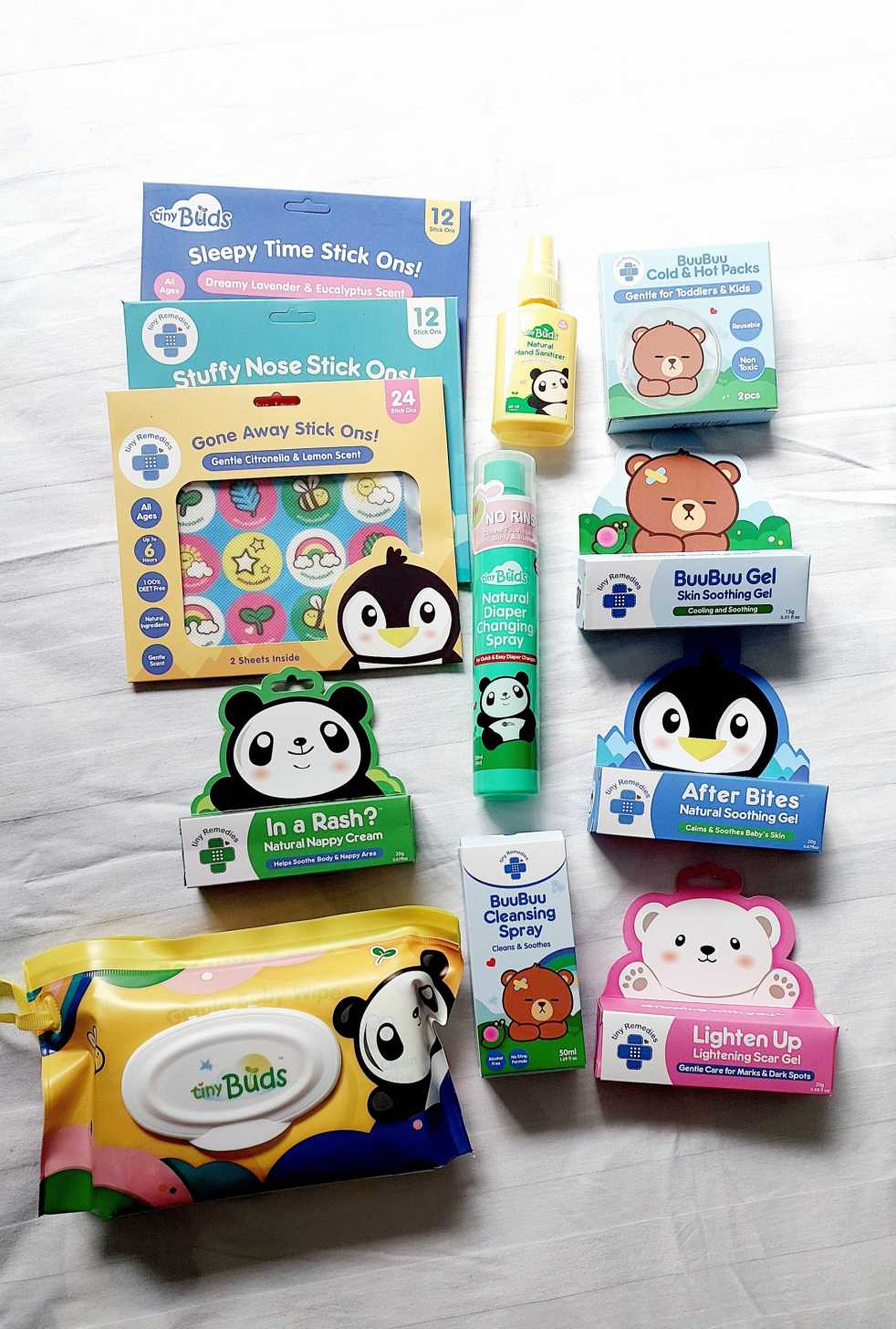
Your baby’s skin is more delicate than most, this is why you have to choose products that are designed for sensitive skin. Tiny Buds is a pioneer in integrating natural ingredients into baby care and today has over 50 innovative natural baby care essentials and is one of the Top Baby Personal Care brands. Here… Continue reading Product Review: Tiny Buds Baby Naturals Baby Essentials
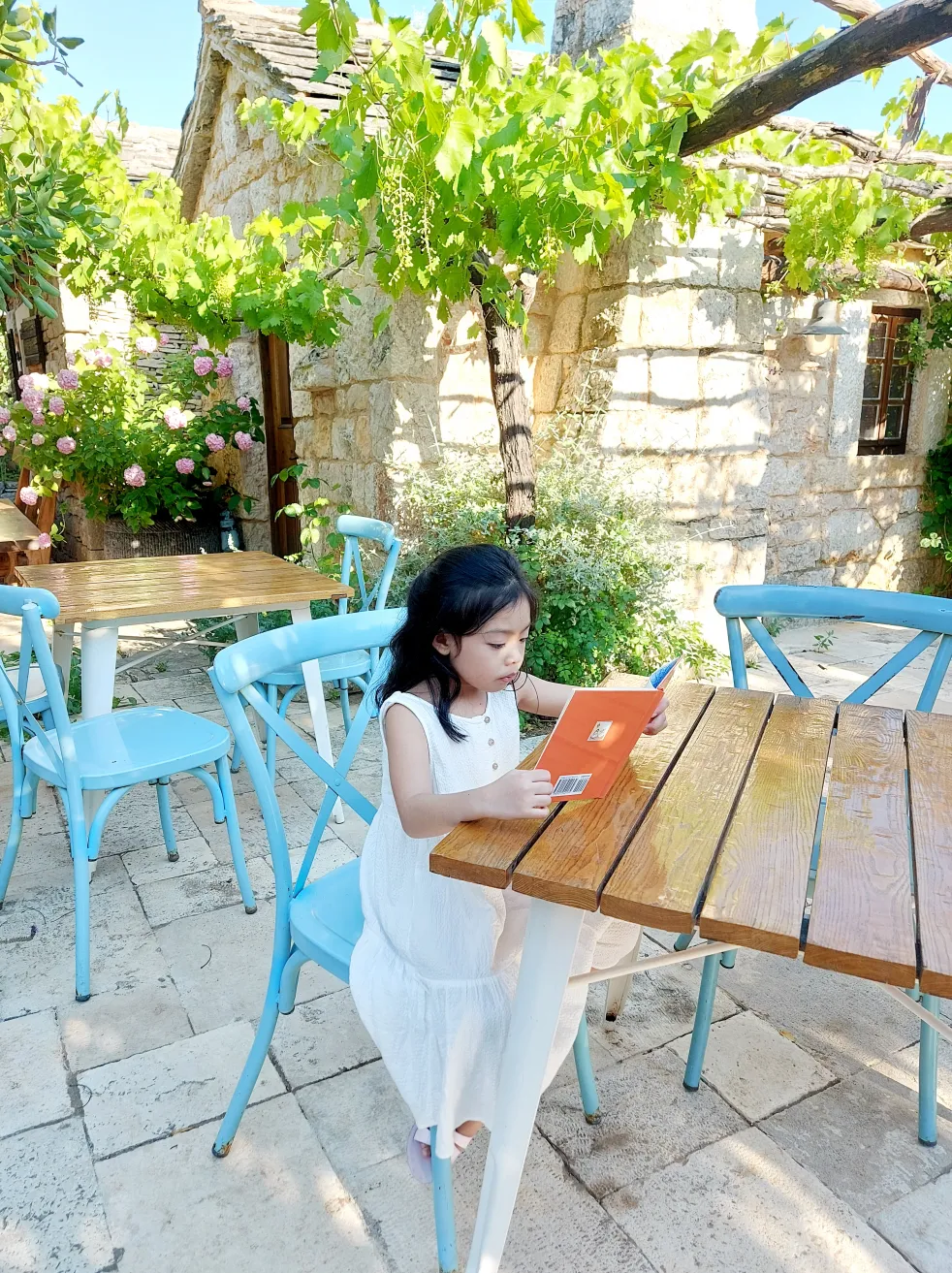
Where your child goes to school is a big decision and shouldn’t be taken lightly. Given how their education can impact their future, you might be tempted to take control and decide for them. However, you might be doing more damage than helping them in the long run. Your job as parents is to support… Continue reading HOW TO CHOOSE THE BEST SCHOOL FOR YOUR CHILD
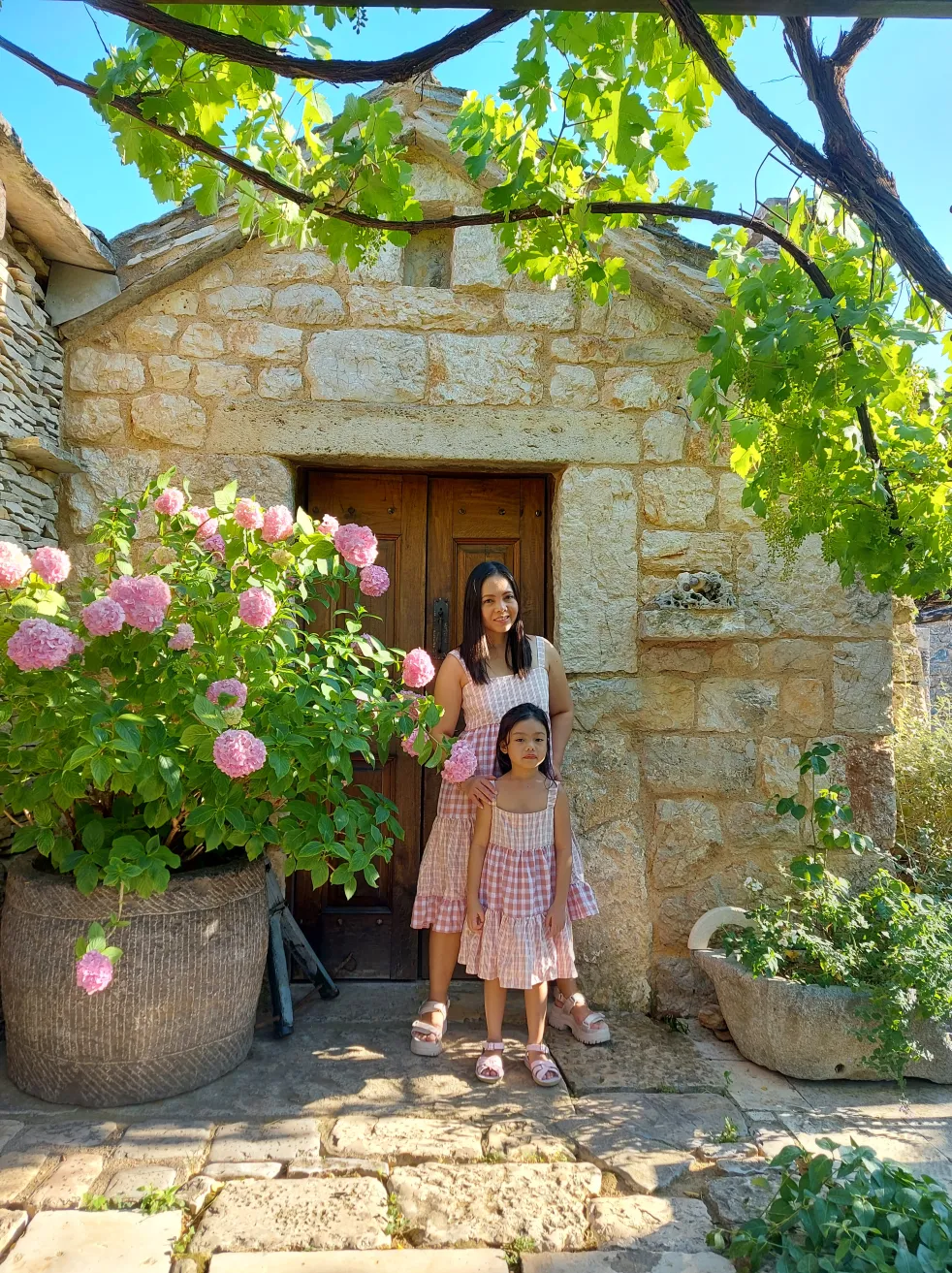
As poet and philosopher Rumi once eloquently said, “raise your words, not your voice. It is rain that grows flowers, not thunder.” Parenting is a challenging journey, and the truth is that nobody has everything figured out. One parenting style might suit others best, and some might favor other methods. However, children respond better to… Continue reading A SIMPLE GUIDE TO GENTLE PARENTING
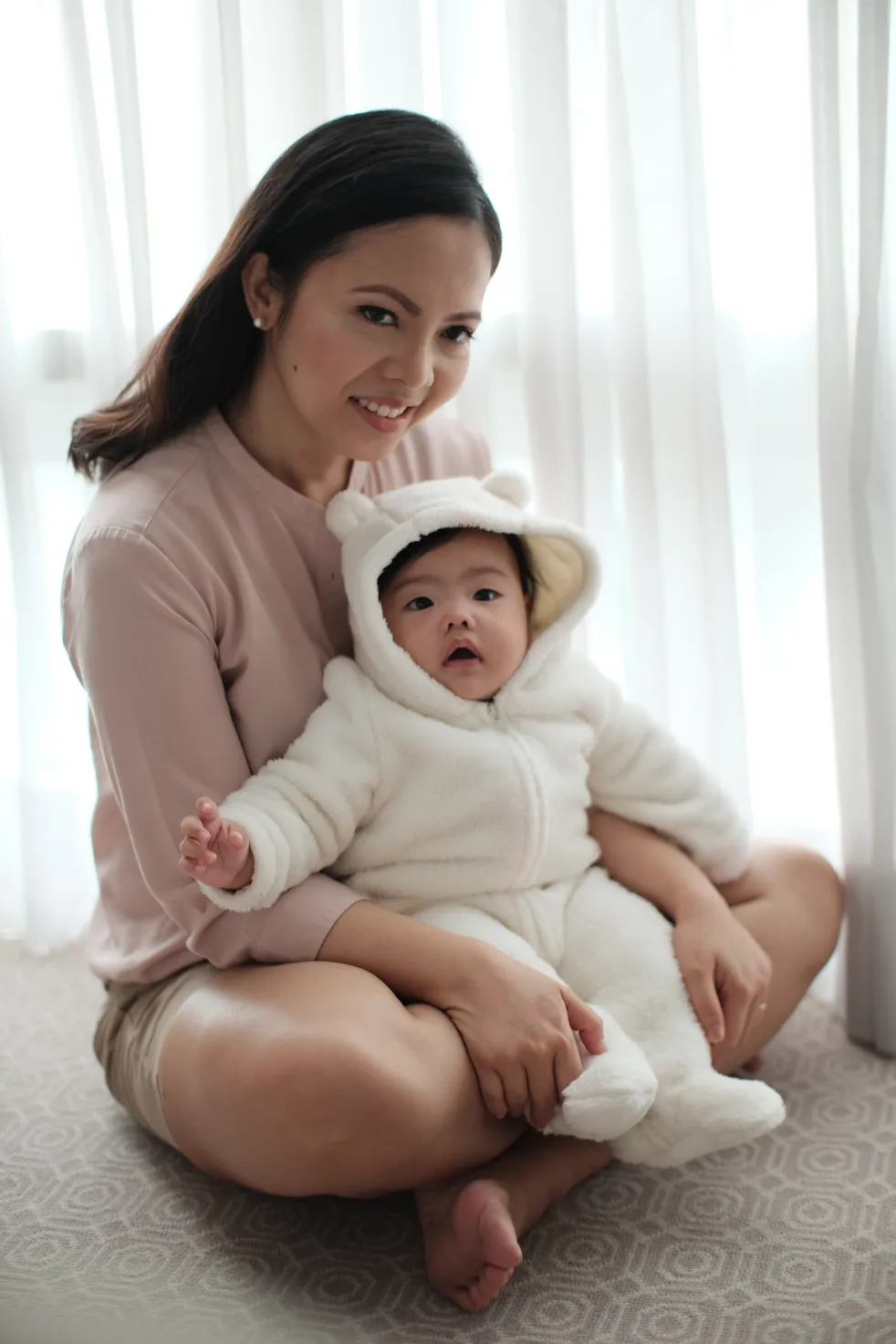
Whether you’re a new mom to be, mom of a toddler, mom who have school-aged kids, you’re bound to have so many questions. Let's start with your baby's skin. Infant skin has unique needs; gentle care is essential to prevent damage to the skin barrier, which can lead to irritation. When caring for infant skin,… Continue reading Keeping Baby’s Diapered Skin Healthy
As parents, we want to give our child the best possible start in life and that begins with nurturing their intelligence. Throughout history, the notion of success has been linked to academic intelligence. However, there has been an increased awareness on the importance of emotional intelligence. This question gets at the heart of the never-ending… Continue reading IQ or EQ, which one is a better predictor of your child’s success?
 wondermomma.net