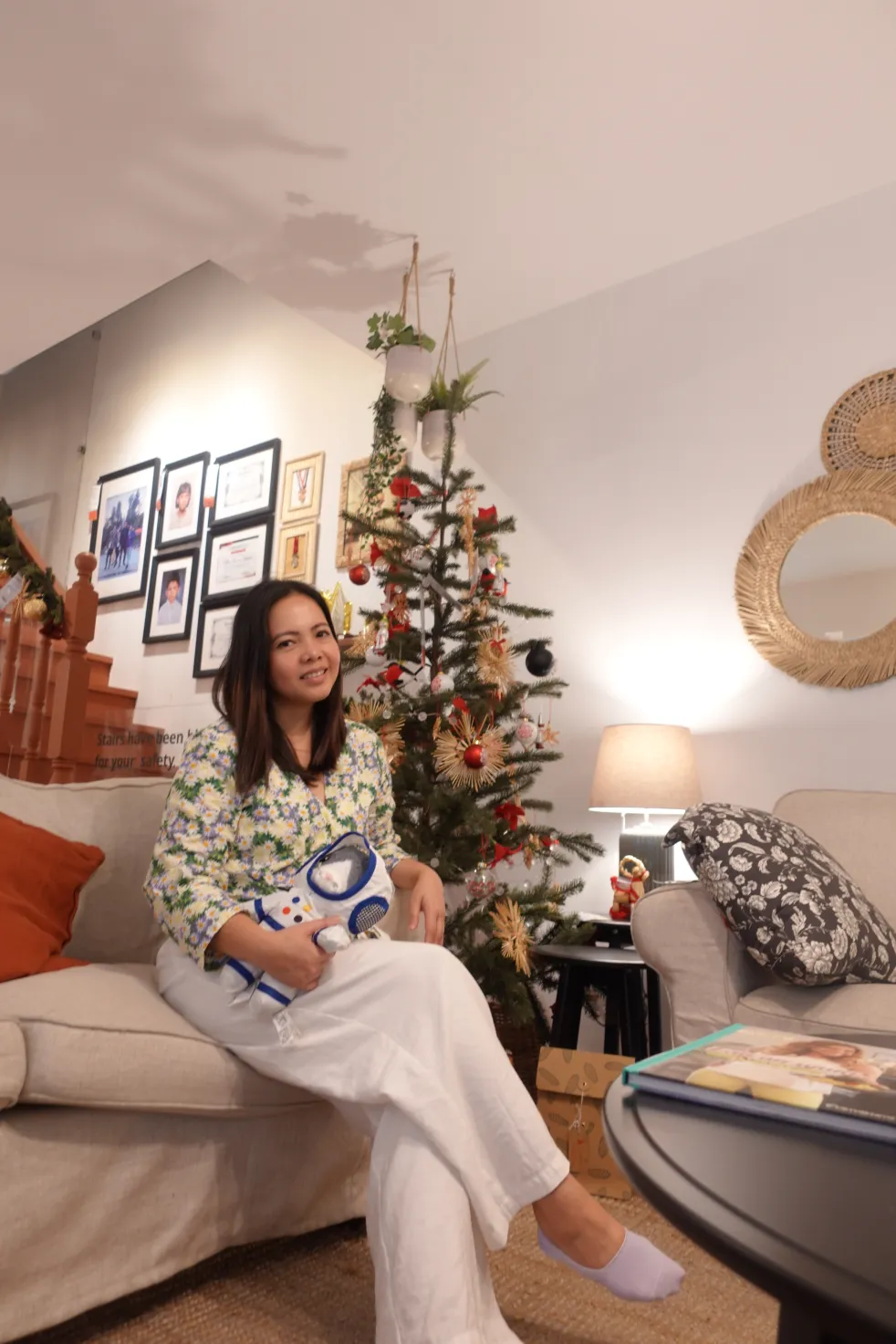
Last August, IKEA Philippines engaged with Better World Smokey Mountain, a newly opened community center operated by the San Miguel Foundation, which shares a similar goal of improving the lives of many Filipino people. Through this partnership, IKEA Philippines provided and assembled home furnishings for the classrooms and library of Better World Smokey Mountain community… Continue reading Help Create a Better World with IKEA Soft Toys
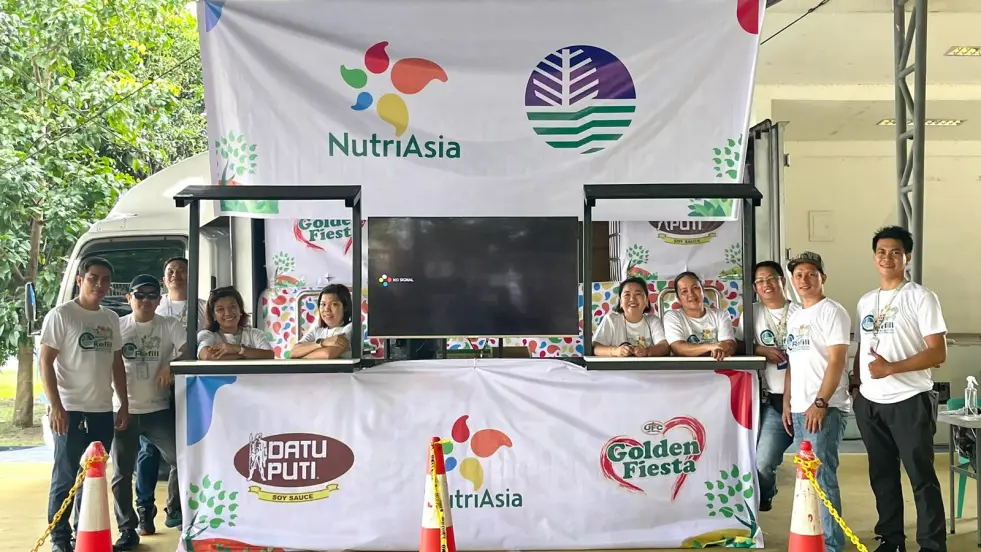
NutriAsia, the country’s top producer of condiments and sauces, continues its support of Refill Revolution; a project by the Department of Environment and Natural Resources EMB 3 that aims to help reduce Filipinos’ single-use plastics consumption. At Refill Revolution, residents get to recycle their single-use plastic bottles by reusing and filling it with their choice… Continue reading NutriAsia and DENR renews partnership for Refill Revolution
How to build a home library for your child on a budget
A child’s home library does not need expensive shelves, matching book sets, or hundreds of new releases. A small collection of thoughtfully chosen books can support language development, imagination, emotional growth, and a lasting love of reading. What matters most is that books are easy to see, easy to reach, and connected to your child’s interests.
Building a reading corner is also a practical way to create calm family routines. A few minutes of shared reading before bed, during a rainy afternoon, or while waiting for dinner can become a comforting daily habit. Families looking for more family reading ideas can begin with what they already have at home and add books gradually.
A budget-friendly library can include board books, picture books, early readers, nonfiction titles, Filipino stories, poetry, and gently used copies. The collection will become more valuable when children are invited to choose, browse, revisit, and talk about what they read.
Start with a reading space you already have
You do not need a dedicated room to create a children’s library. A low shelf, a sturdy basket, a wooden crate, or a section of an existing bookcase can work well. Place the books where your child can reach them safely, with a few covers facing outward. Seeing the cover often encourages children to pick up a book independently.
Choose a spot with comfortable lighting and enough floor space for sitting. A mat, pillow, folded blanket, or small chair can make the area inviting without adding much cost. In a smaller home, use a basket that can be moved between the living room and bedroom.
Keep the first collection manageable. Ten to twenty books may be enough for a young child, especially when several are reread regularly. Rotate some titles every few weeks so familiar books feel fresh while favorite stories remain available.
Set a practical book budget
A home library grows best when book buying becomes a small, planned expense rather than an occasional impulse purchase. Decide on a monthly or quarterly amount that fits your family’s budget. Even a modest amount can build a strong collection when combined with library visits, swaps, and secondhand shopping.
Before buying, check whether a book fills a real need. You might be looking for a story about welcoming a new sibling, a book that supports potty learning, a simple science title, or a story featuring Filipino families and places. Buying with a purpose helps prevent shelves from filling with books your child rarely opens.
Consider setting aside gift money for books during birthdays and holidays. Relatives can contribute a favorite story instead of another toy, or give bookstore vouchers that allow your child to choose. A “book fund” jar can also help children understand saving and make selecting a new title feel meaningful.
Find affordable books in several places
Secondhand bookstores, community markets, school fairs, garage sales, and online resale groups can offer excellent children’s books at a fraction of their original price. Look for sturdy pages, clean surfaces, intact bindings, and books without strong odors or signs of mold. A little wear is usually acceptable if the book is safe and readable.
Public libraries are another valuable resource. Regular borrowing allows your child to explore new subjects without requiring you to purchase every title. Some libraries also hold book sales, reading programs, storytelling sessions, or donation shelves where families can find low-cost or free books.
Book swaps work especially well among families with children of different ages. One child may have outgrown board books while another is ready for them. Ask relatives, neighbors, parent groups, or your child’s school whether they would like to exchange books. Digital reading can supplement a physical collection, but young children often benefit from handling real pages and seeing print up close.
When buying new books, compare prices across independent bookstores, major retailers, publisher sales, and local fairs. Bundles can be economical when they contain titles your child is likely to enjoy. Avoid purchasing a large set solely because it looks attractive; a few well-loved books are more useful than an untouched collection.
| Book source | Typical cost | Best use | What to check |
|---|---|---|---|
| Public library | Free or low membership cost | Exploring many topics | Borrowing rules and due dates |
| Used bookstore | Low to moderate | Building a varied collection | Clean pages and firm binding |
| Book swap | Free | Replacing outgrown titles | Age suitability and condition |
| School or community fair | Low | Finding familiar series and classics | Missing pages or writing |
| New sale or bundle | Moderate | Special interests or gifts | Quality and relevance |
Choose books for different stages
For babies and toddlers, prioritize board books with clear images, simple words, rhythm, repetition, and sturdy pages. Books about faces, animals, everyday routines, colors, and body parts are easy to share. Touch-and-feel books can be engaging, but they are not essential for a strong starter collection.
Preschoolers often enjoy stories with predictable patterns, humor, pretend play, and recognizable emotions. Include books that help children name feelings, solve small problems, and understand daily experiences. Stories about kindness, visiting a doctor, starting school, or sharing with others can support conversations without turning reading into a lesson.
Early readers need a mixture of decodable books, phonics-friendly texts, simple nonfiction, and stories they can listen to while an adult reads aloud. Do not remove picture books when a child begins reading independently. Rich vocabulary and complex ideas can still be enjoyed through read-aloud time.
Try to represent your child’s world and expand it at the same time. Include local settings, familiar family structures, different abilities, varied cultures, and characters who experience life in different ways. Filipino authors, legends, folktales, and contemporary stories can help children see their own community reflected in books while discovering other perspectives.
Build variety without overspending
A useful home library does not need one book for every possible topic, but it should offer different kinds of reading. Balance stories with nonfiction, humor with quiet books, and familiar themes with new ideas. A small poetry collection, an alphabet book, a recipe book for children, or a simple atlas can add variety.
Use everyday life to guide your choices. If your child loves construction vehicles, begin with one story and one factual book about machines. If they are fascinated by insects, choose a picture book about a bug and a beginner’s nature guide. This approach makes the collection personal and reduces the risk of buying books that do not connect with your child.
Avoid treating books as rewards that must be earned or as tools for correcting behavior. Reading remains more enjoyable when children can choose silly, repetitive, easy, or familiar books. A child who reads the same train story every night is practicing memory, sequencing, language, and confidence.
A simple buying guide for a balanced shelf
Use these priorities when you are deciding which title to buy next:
- Choose one book your child already wants to read and one that introduces a new interest.
- Look for strong storytelling, clear illustrations, and language that sounds natural when read aloud.
- Add books that reflect your family, neighborhood, culture, and everyday experiences.
- Check whether the book can grow with your child through repeated reading and discussion.
- Prefer durable formats for toddlers, while choosing affordable paperbacks for older children when appropriate.
Organize books so children can use them
Group books in a way that makes sense to your child rather than arranging them only by author or size. You might create baskets for bedtime stories, animals, vehicles, feelings, fairy tales, and books about real life. Picture labels can help toddlers return books to the right place without needing to read words.
Keep only a portion of the collection on display. Too many choices can overwhelm young children, while a small selection encourages focused browsing. Store extra books in a closet or another safe area and rotate them based on seasons, interests, or developmental changes.
Teach basic book care through modeling. Show your child how to turn pages gently, keep books away from food and water, and return them to the shelf. At the same time, expect some wear, especially with books used by toddlers. The goal is active reading, not a perfectly preserved display.
Make reading part of family life
A library becomes meaningful through regular use. Set aside ten or fifteen minutes for reading, but stay flexible when your child wants more or needs a break. Reading at the same time each day can help establish a routine, although spontaneous reading during quiet moments is just as valuable.
Talk about the story without turning every session into a quiz. Comment on a character’s feelings, point out an interesting detail, or connect the plot to something your child has experienced. Give children time to respond, make predictions, retell events, and ask questions.
Let children see adults reading too. Your own books, magazines, recipes, or newspapers show that reading is useful and enjoyable beyond schoolwork. A shared family reading hour can include different books for different ages, followed by a relaxed conversation about what everyone discovered.
Refresh the collection as your child grows. Donate books that are no longer relevant, keep especially beloved titles, and replace damaged copies when necessary. A library built slowly will change with your family, and every well-chosen book can become part of a child’s memories.
Begin with one accessible reading spot and a small group of books your child can enjoy today. Borrow before buying, explore secondhand options, and invite family members to support the collection with meaningful titles. With consistency and care, even a modest shelf can become a rich source of comfort, learning, and imagination.

Mercato Centrale, in collaboration with Indian Women in Enterprise Philippines (I-We), is set to host "The Great Indian Fiesta" to mark 75 years of friendship between India and the Philippines. The dynamic two-day event is scheduled to take place on September 30 to October 1, 2023, at Paseo De Roxas Street, Makati City. Aiming to… Continue reading Mercato Centrale Partners with I-We to Host ‘The Great Indian Fiesta’, Commemorating 75 Years of India-Philippines Friendship

My stomach would usually start growling at 10 am even after taking a big breakfast. This is probably because I am a morning person and I move a lot throughout the day hence snacking is something that I can't avoid. This potatoes and chicken wrap recipe is easy to prepare and would keep me full… Continue reading Potato and Chicken Wrap
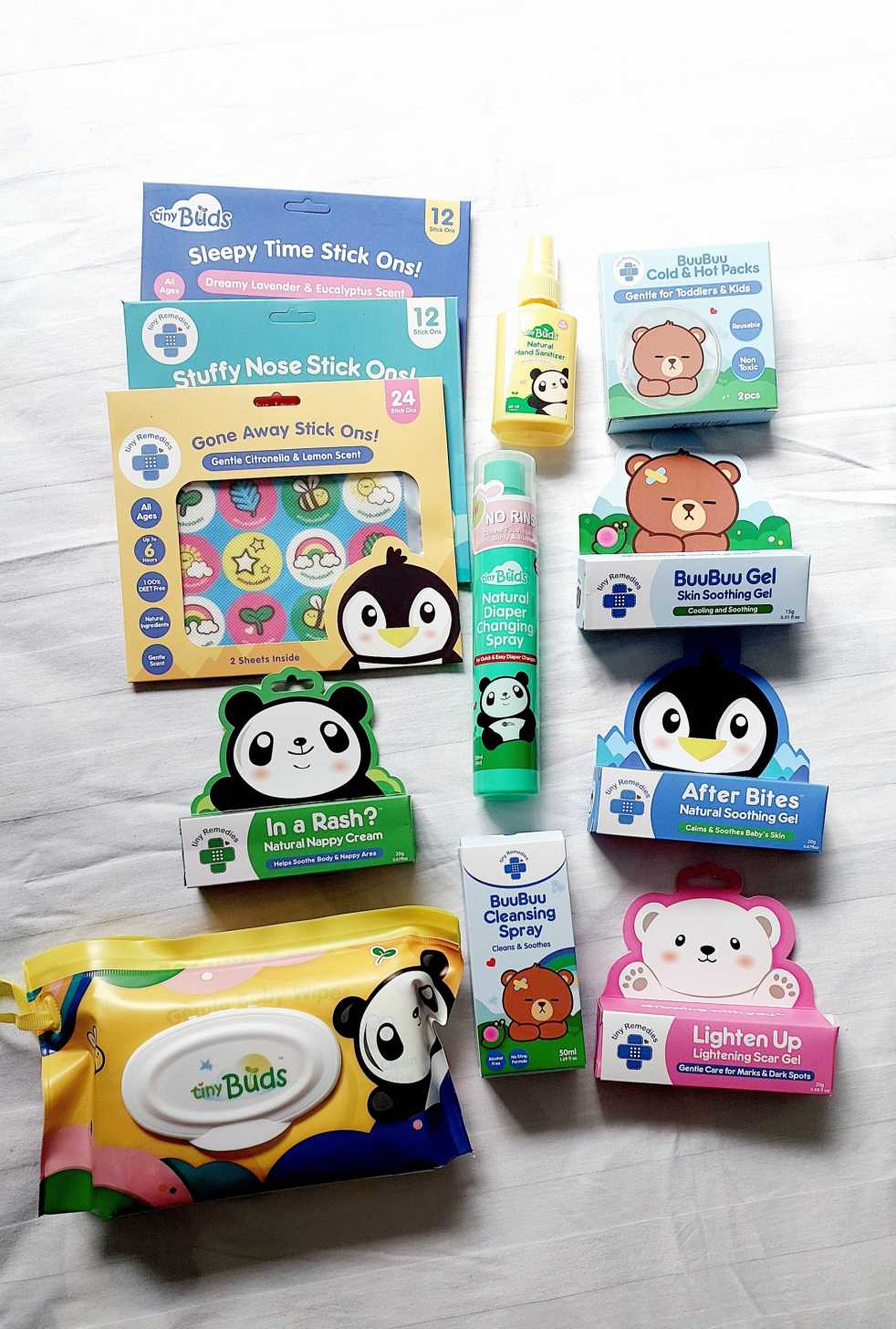
Your baby’s skin is more delicate than most, this is why you have to choose products that are designed for sensitive skin. Tiny Buds is a pioneer in integrating natural ingredients into baby care and today has over 50 innovative natural baby care essentials and is one of the Top Baby Personal Care brands. Here… Continue reading Product Review: Tiny Buds Baby Naturals Baby Essentials
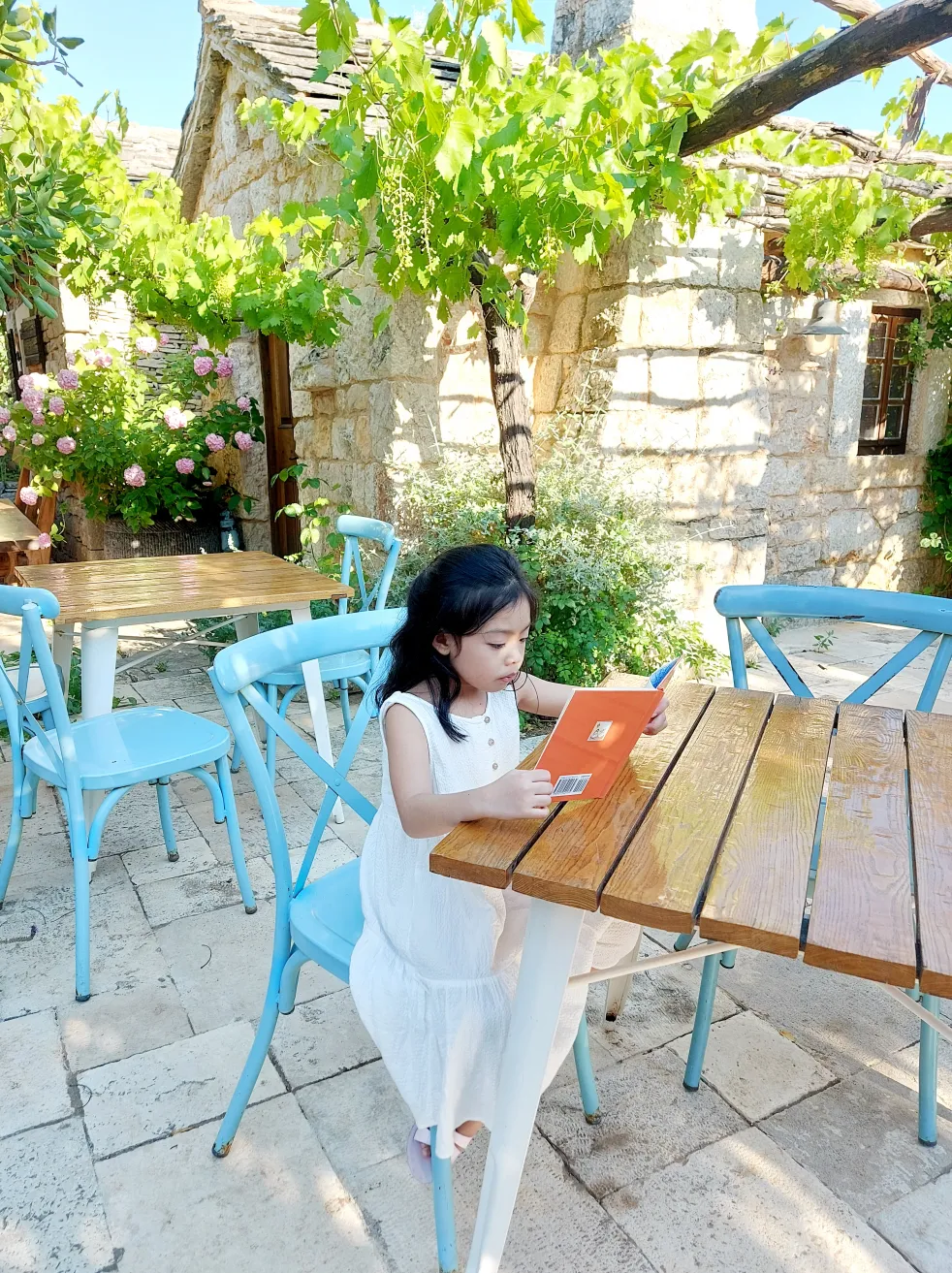
Where your child goes to school is a big decision and shouldn’t be taken lightly. Given how their education can impact their future, you might be tempted to take control and decide for them. However, you might be doing more damage than helping them in the long run. Your job as parents is to support… Continue reading HOW TO CHOOSE THE BEST SCHOOL FOR YOUR CHILD
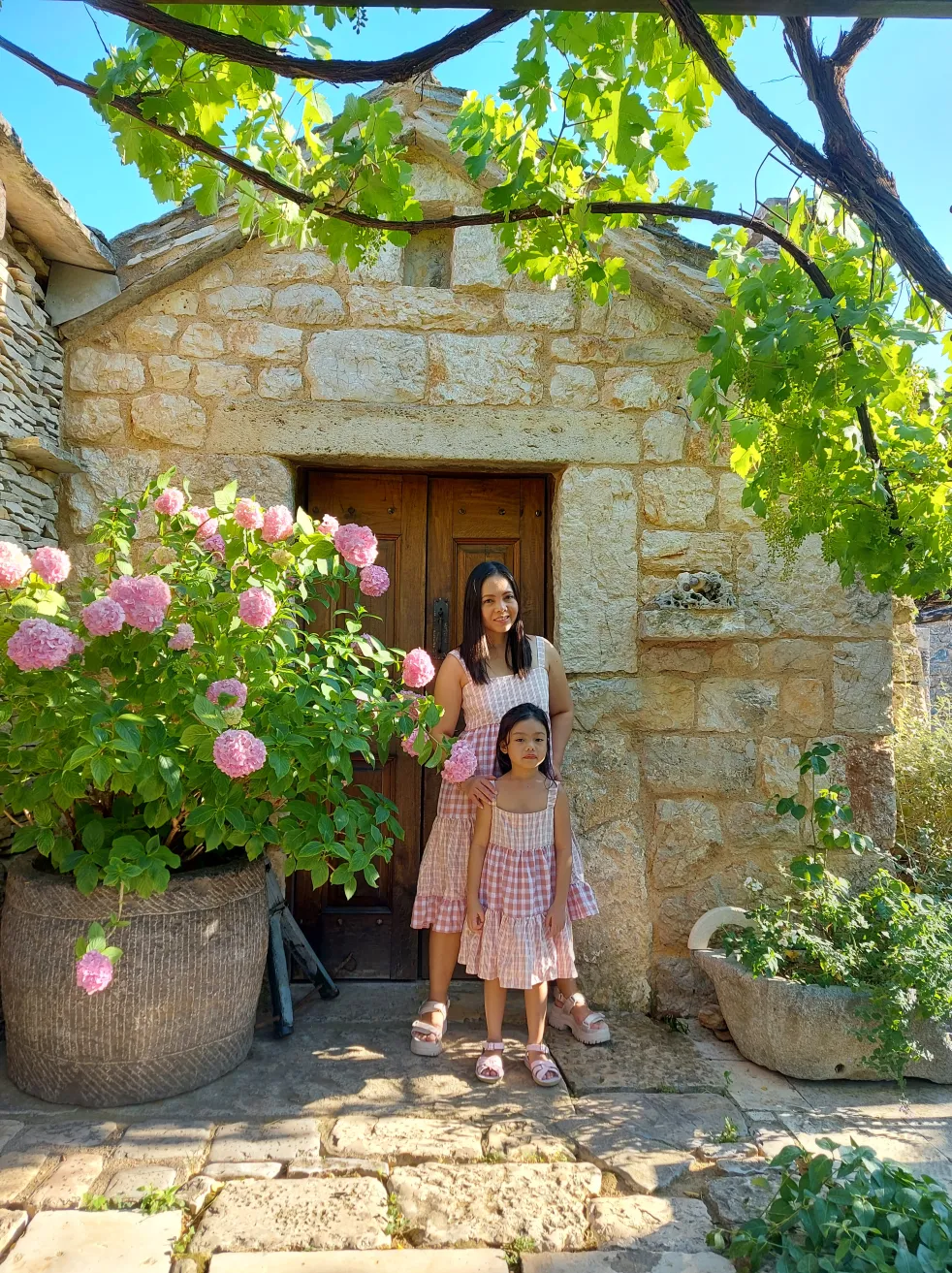
As poet and philosopher Rumi once eloquently said, “raise your words, not your voice. It is rain that grows flowers, not thunder.” Parenting is a challenging journey, and the truth is that nobody has everything figured out. One parenting style might suit others best, and some might favor other methods. However, children respond better to… Continue reading A SIMPLE GUIDE TO GENTLE PARENTING
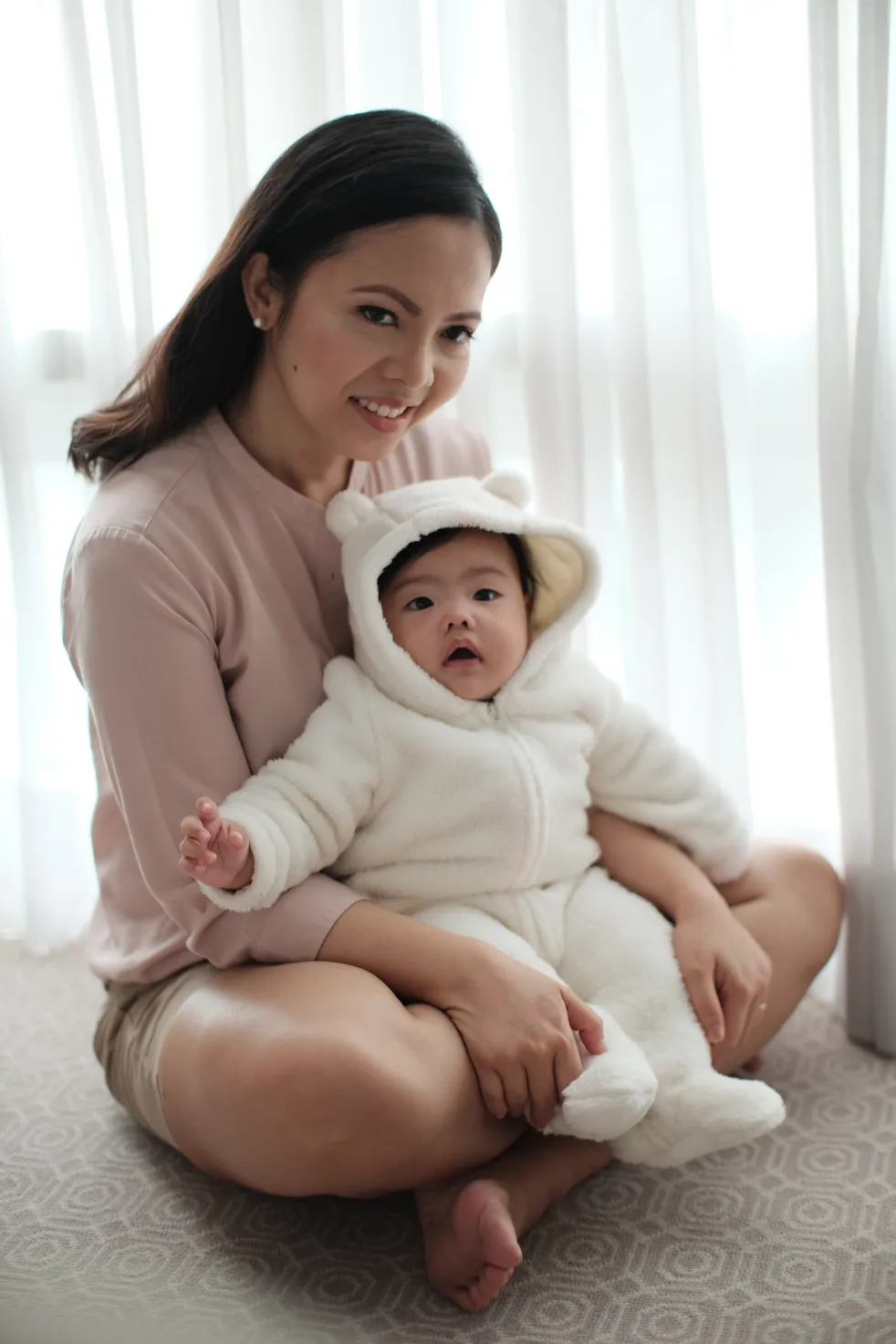
Whether you’re a new mom to be, mom of a toddler, mom who have school-aged kids, you’re bound to have so many questions. Let's start with your baby's skin. Infant skin has unique needs; gentle care is essential to prevent damage to the skin barrier, which can lead to irritation. When caring for infant skin,… Continue reading Keeping Baby’s Diapered Skin Healthy
As parents, we want to give our child the best possible start in life and that begins with nurturing their intelligence. Throughout history, the notion of success has been linked to academic intelligence. However, there has been an increased awareness on the importance of emotional intelligence. This question gets at the heart of the never-ending… Continue reading IQ or EQ, which one is a better predictor of your child’s success?
 wondermomma.net