

Last August, IKEA Philippines engaged with Better World Smokey Mountain, a newly opened community center operated by the San Miguel Foundation, which shares a similar goal of improving the lives of many Filipino people. Through this partnership, IKEA Philippines provided and assembled home furnishings for the classrooms and library of Better World Smokey Mountain community… Continue reading Help Create a Better World with IKEA Soft Toys

NutriAsia, the country’s top producer of condiments and sauces, continues its support of Refill Revolution; a project by the Department of Environment and Natural Resources EMB 3 that aims to help reduce Filipinos’ single-use plastics consumption. At Refill Revolution, residents get to recycle their single-use plastic bottles by reusing and filling it with their choice… Continue reading NutriAsia and DENR renews partnership for Refill Revolution

How to Balance Work and Motherhood Without Burnout
Working motherhood often means moving between professional responsibilities, household tasks, school schedules, and a child’s emotional needs within the same day. The pressure can feel especially intense when every role seems to demand your full attention at once. Finding a sustainable rhythm is less about doing everything perfectly and more about making daily life manageable.
Burnout usually develops through small, repeated strains: insufficient sleep, unfinished tasks, constant notifications, skipped meals, and the belief that asking for help means falling short. A healthier approach creates room for work, family, rest, and the ordinary messiness of life.
For mothers in the Philippines, family support may include grandparents, relatives, neighbours, household helpers, or trusted childcare providers. Each family has different resources, so the goal is to build a system that reflects your actual circumstances instead of copying someone else’s routine.
Define What Matters Most Right Now
A balanced life begins with realistic priorities. During one season, a work deadline may require extra attention. At another time, a baby’s sleep changes, a child starts school, or a family member needs care. Your priorities can shift without meaning that you are failing at the other parts of your life.
Choose three essential areas for the current week. These might include completing a major work project, preparing simple family meals, and getting enough rest to function well. Everything else can be placed in a secondary list. This does not mean those tasks are unimportant; it means they do not all deserve urgent attention today.
It also helps to define what “good enough” looks like. A nutritious meal can be eggs, rice, fruit, and vegetables rather than an elaborate recipe. A clean home can mean clear walkways and washed dishes, not spotless rooms. Clear standards reduce guilt and protect time for meaningful connection with your children.
Create A Rhythm Instead Of A Rigid Schedule
A fixed timetable can become stressful when a child wakes early, gets sick, or needs unexpected comfort. A flexible rhythm provides structure while leaving space for real family life. Try organising the day around anchors such as waking, meals, school or childcare, work blocks, bath time, and bedtime.
Use a shared calendar for work meetings, school activities, medical appointments, bills, and family commitments. Colour-coding can make the week easier to read at a glance. A paper planner on the refrigerator may work just as well as a digital app, especially when other household members need access.
Prepare for transition points. Keep school items in one place, pack bags the night before, and decide on easy breakfasts for busy mornings. If you work from home, a short routine can mark the beginning and end of the workday: change clothes, tidy the desk, take a brief walk, or spend ten focused minutes reconnecting with your child.
Protect Your Energy As Carefully As Your Time
Time management cannot solve exhaustion when your physical and emotional reserves are already depleted. Pay attention to the basics that support energy: regular meals, hydration, movement, sleep, and short periods without demands. These are forms of maintenance, not rewards that must be earned after every task is complete.
Small breaks can be effective. Five minutes of quiet breathing, stretching while your child plays, or sitting outside with a drink may help your nervous system settle. A longer rest period is valuable too, even if it happens in short intervals. When possible, share early-morning or nighttime childcare so you are not carrying every sleep disruption alone.
Watch for signs of parental burnout, including constant irritability, numbness, dread, frequent headaches, loss of interest, or feeling unable to cope with ordinary responsibilities. Persistent symptoms deserve support from a doctor, counsellor, or mental health professional. Seeking help is a responsible step for you and your family.
| Daily Pressure Point | A More Sustainable Adjustment | Why It Helps |
|---|---|---|
| Rushed mornings | Prepare clothes, bags, and breakfast items the night before | Reduces decisions and last-minute conflict |
| Too many work interruptions | Set clear focus periods and a visible “available” signal | Helps colleagues and children understand when you need concentration |
| Evening meal stress | Rotate simple meals and use planned leftovers | Preserves energy for family connection |
| Uneven household duties | Assign specific responsibilities instead of asking for general help | Makes ownership clear and reduces mental load |
| Little personal time | Schedule brief, protected recovery periods | Supports emotional regulation and long-term stamina |
Share The Mental Load Clearly
Many mothers carry invisible work: remembering appointments, monitoring school notices, replacing household supplies, planning meals, and anticipating everyone’s needs. This mental load can be heavier than the visible chores. A fairer arrangement starts with naming the responsibilities that must happen each week.
Have a practical conversation with your partner or support network. Instead of saying, “I need more help,” specify the task and its ownership. One person might manage school communication and uniforms, while another handles grocery planning and bedtime clean-up. Responsibilities should include planning and follow-through, not only the final physical task.
Children can contribute in age-appropriate ways. A toddler may place toys in a basket, while a school-age child can pack a bag, put laundry away, or clear their plate. These routines build independence and teach that family life is a shared effort. Keep instructions simple and allow children to learn without expecting perfection.
Make Work Boundaries Visible
Remote work can blur the line between earning a living and being present at home. If possible, establish a dedicated work area, even if it is a small desk or a particular corner of a room. Store work materials there and close the space when your working hours end. This physical signal can help the whole household understand the difference between work time and family time.
Discuss realistic expectations with your employer. Clear communication about core working hours, deadlines, meeting availability, and occasional flexibility is more useful than silently trying to respond at all times. If you are returning from maternity leave or adjusting to a new role, review which tasks truly require immediate attention and which can be delegated or delayed.
Avoid measuring productivity by constant online presence. Focused work completed during a planned block is often more valuable than responding to messages all day. Turn off nonessential notifications, group similar tasks together, and protect your most productive hours for work that requires concentration.
Build A Support System That Fits Your Family
Support does not have to look the same for every mother. It may involve a partner, grandparent, sibling, friend, babysitter, daycare centre, school programme, or trusted community group. In the Philippines, relatives may provide meaningful assistance, though boundaries and clear expectations still matter when several generations share caregiving.
Create a backup plan for common disruptions. List who can collect a child from school, stay with a sick child for a short period, help with meals, or handle an urgent errand. Keep important contact details accessible. A support network becomes easier to use when requests are specific, reasonable, and made before a crisis.
When professional childcare or household help is part of your arrangement, discuss schedules, duties, safety expectations, and rest days clearly. Treat caregivers with respect and maintain appropriate privacy and boundaries. Reliable support should make family life healthier, not create another source of uncertainty.
Use Small Habits To Prevent Overload
A few repeatable practices can reduce decision fatigue and create breathing room. Choose the habits that match your family’s age, schedule, and available support rather than attempting a complete lifestyle overhaul.
- Keep a short “must do” list with no more than three priority tasks each day.
- Prepare one or two reliable meals for demanding workdays.
- Set a regular time to review the family calendar and upcoming expenses.
- Create a phone-free connection period, even if it lasts only fifteen minutes.
- Schedule rest before your energy is completely depleted.
Children also benefit from simple moments of focused attention. Reading one story, sharing a snack, listening to a school experience, or cuddling before sleep can strengthen connection without requiring a full day of entertainment. Quality time is often found in ordinary routines.
Give yourself permission to revise the system. A routine that works for a preschooler may fail once primary school begins. A schedule that suits a full-time office role may need changes during remote work, pregnancy, or family illness. Flexibility is a strength because it keeps your approach responsive to changing needs.
Work and motherhood can coexist more sustainably when the standard is support rather than perfection. Start with one boundary, one shared responsibility, and one restorative habit this week. Small adjustments repeated consistently can create a calmer home, protect your wellbeing, and help you stay present for the people and work that matter most.

Mercato Centrale, in collaboration with Indian Women in Enterprise Philippines (I-We), is set to host "The Great Indian Fiesta" to mark 75 years of friendship between India and the Philippines. The dynamic two-day event is scheduled to take place on September 30 to October 1, 2023, at Paseo De Roxas Street, Makati City. Aiming to… Continue reading Mercato Centrale Partners with I-We to Host ‘The Great Indian Fiesta’, Commemorating 75 Years of India-Philippines Friendship

My stomach would usually start growling at 10 am even after taking a big breakfast. This is probably because I am a morning person and I move a lot throughout the day hence snacking is something that I can't avoid. This potatoes and chicken wrap recipe is easy to prepare and would keep me full… Continue reading Potato and Chicken Wrap
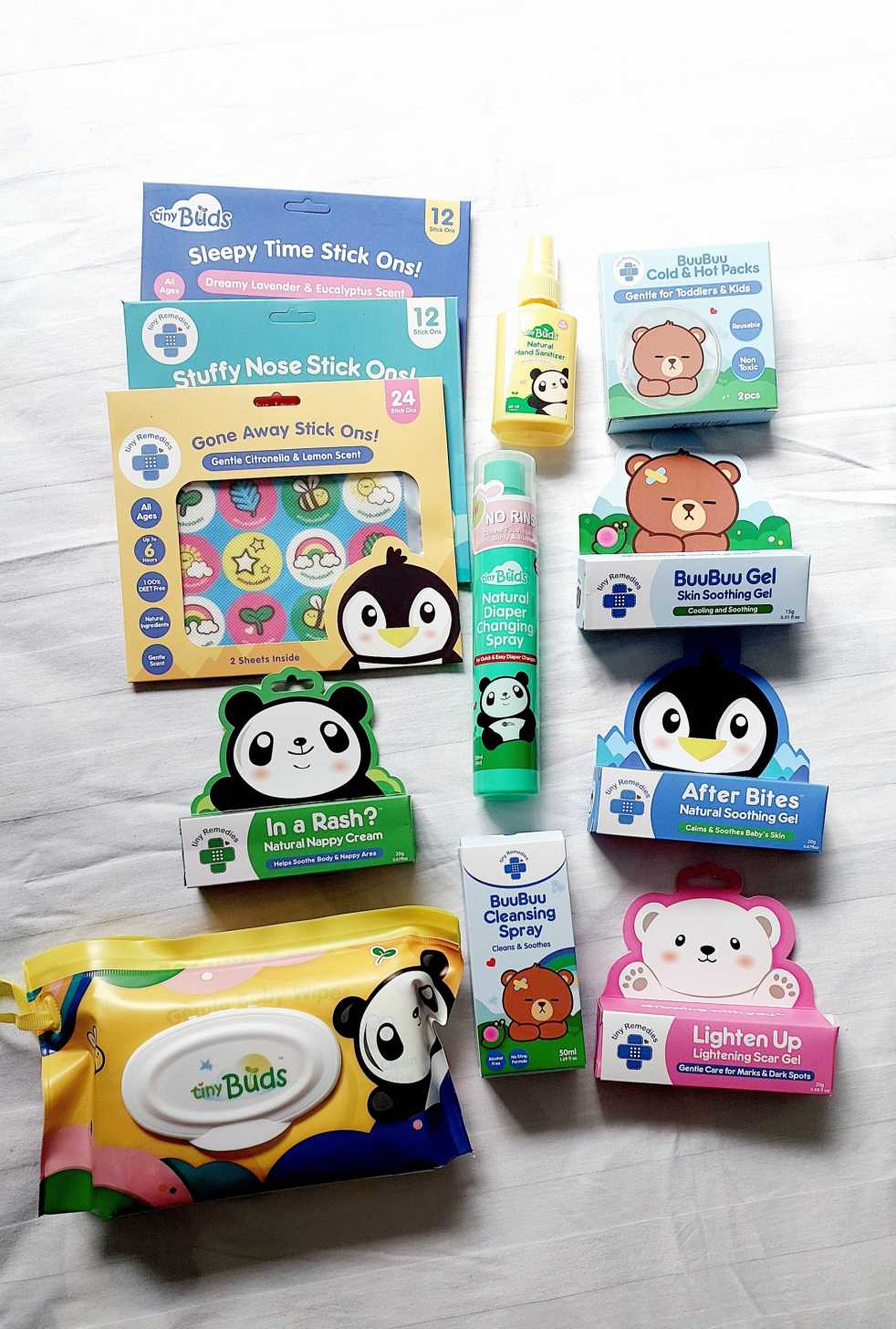
Your baby’s skin is more delicate than most, this is why you have to choose products that are designed for sensitive skin. Tiny Buds is a pioneer in integrating natural ingredients into baby care and today has over 50 innovative natural baby care essentials and is one of the Top Baby Personal Care brands. Here… Continue reading Product Review: Tiny Buds Baby Naturals Baby Essentials

Where your child goes to school is a big decision and shouldn’t be taken lightly. Given how their education can impact their future, you might be tempted to take control and decide for them. However, you might be doing more damage than helping them in the long run. Your job as parents is to support… Continue reading HOW TO CHOOSE THE BEST SCHOOL FOR YOUR CHILD

As poet and philosopher Rumi once eloquently said, “raise your words, not your voice. It is rain that grows flowers, not thunder.” Parenting is a challenging journey, and the truth is that nobody has everything figured out. One parenting style might suit others best, and some might favor other methods. However, children respond better to… Continue reading A SIMPLE GUIDE TO GENTLE PARENTING

Whether you’re a new mom to be, mom of a toddler, mom who have school-aged kids, you’re bound to have so many questions. Let's start with your baby's skin. Infant skin has unique needs; gentle care is essential to prevent damage to the skin barrier, which can lead to irritation. When caring for infant skin,… Continue reading Keeping Baby’s Diapered Skin Healthy
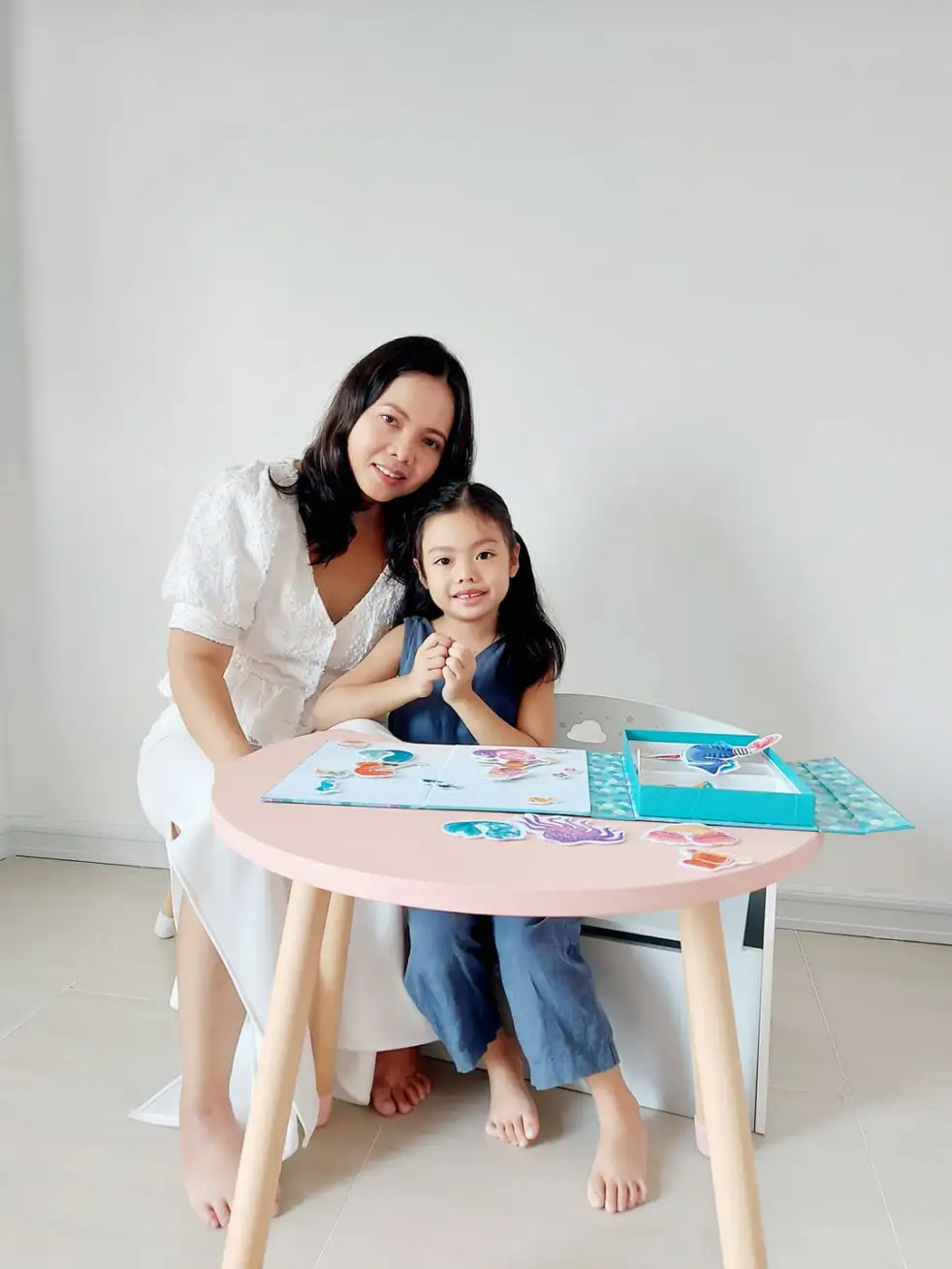
As parents, we want to give our child the best possible start in life and that begins with nurturing their intelligence. Throughout history, the notion of success has been linked to academic intelligence. However, there has been an increased awareness on the importance of emotional intelligence. This question gets at the heart of the never-ending… Continue reading IQ or EQ, which one is a better predictor of your child’s success?
 wondermomma.net