

Last August, IKEA Philippines engaged with Better World Smokey Mountain, a newly opened community center operated by the San Miguel Foundation, which shares a similar goal of improving the lives of many Filipino people. Through this partnership, IKEA Philippines provided and assembled home furnishings for the classrooms and library of Better World Smokey Mountain community… Continue reading Help Create a Better World with IKEA Soft Toys

NutriAsia, the country’s top producer of condiments and sauces, continues its support of Refill Revolution; a project by the Department of Environment and Natural Resources EMB 3 that aims to help reduce Filipinos’ single-use plastics consumption. At Refill Revolution, residents get to recycle their single-use plastic bottles by reusing and filling it with their choice… Continue reading NutriAsia and DENR renews partnership for Refill Revolution

Helping your toddler adjust to a new baby
Helping your toddler adjust to a new baby can bring tenderness, jealousy and unexpected regressions. A three-year-old may ask for the bottle she no longer uses, become glued to your legs or insist the newborn is “not in our house.” These reactions are not signs that she has failed to love her sibling. They show that the toddler is trying to make sense of a changed family.
Adjustment does not follow a deadline. In Australia, where many families live in busy cities such as Sydney, Melbourne, Brisbane and Perth, a consistent daily rhythm can matter more than a perfect plan. Your toddler needs reassurance that she is still cared for, clear boundaries and plenty of chances to enjoy being a big sister or brother without always being asked to entertain the baby.
What changes when the baby arrives
The shift starts before birth. Your toddler may hear people discuss the baby, notice a changed routine or sense that your attention has moved elsewhere. Explain what is coming in simple terms, answer questions honestly and avoid promising that nothing will change. Familiar language and predictable choices help her feel safer than a detailed explanation she cannot yet understand.
| Area | Before the baby arrives | During adjustment |
|---|---|---|
| Routine | Familiar meals, naps and bedtimes | The same events may suddenly feel disrupted |
| Attention | Your toddler is the main focus | Attention is divided between two children |
| Feelings | Curiosity, excitement or uncertainty | Jealousy, worry or regression may appear |
| Family role | She is the only child | She is becoming a sister or brother, with new rights and responsibilities |
Notice changes rather than judging them. A toddler who wants to be carried, asks for your knee or cries when the baby cries may be asking for certainty. Respond with connection and simple limits: “I can carry you for a little while I hold the baby.” This acknowledges the request without suggesting that the newborn has taken something that belongs to your toddler.
Preparing before the birth
Talk through the arrival rather than testing your toddler with baby photos all day. A picture book, a chat about carrying and a visit to the hospital birth centre can make the event feel real. If there is an older child, let them choose a small job, such as finding a clean nappy or holding a washcloth.
Keep the toddler's bedtime, bath, story songs and breakfast rituals intact where possible. These familiar points reduce the amount of change she must manage. Mark baby-only tasks on a simple calendar so your toddler can see when you are busy and when one-to-one time is available. Predictability matters even when the routine cannot be perfectly kept.
Before buying duplicate gear, family-focused product reviews can help you choose useful items rather than extra ones. An Australian baby shower may include practical gifts, but your toddler can make a keepsake, a picture or a band for the baby. It is also sensible to check what you already own before shopping at Australian retailers such as Baby Bunting or your local pharmacy; many families have spare clothes and unopened nappies.
The first weeks at home
The first weeks are often the busiest. Feed, change and settle the newborn, then try to preserve one reliable moment with your toddler. A shared cup of tea on the veranda, a bath together or ten minutes of drawing before the baby wakes can become a reassuring anchor. If a neighbour or relative offers to hold the baby while you focus on your toddler, accept the help.
Visitors may bring gifts, praise the baby and ask your toddler to peek into the pram. Prepare her for this attention and keep visits manageable. A simple phrase such as “the baby is small and sleeping now” gives her an explanation without making her responsible for entertaining guests. Australian nappy routines also offer familiar cues, but adults can still need reminders to slow down.
State-funded maternal and child health services can support the whole family, not only the baby. Contact your local maternal and child health nurse if you want guidance on settling, feeding or your own wellbeing. Keep the newborn on their back in a firm, flat cot with no pillows or loose bedding, and follow current Australian safe-sleep guidance, while your toddler gets her own bed or room if that is usual. Protecting rest for both children prevents exhaustion from becoming the family's default rhythm.
Jealousy, attention and difficult feelings
Newborns demand attention without understanding whose turn it is. Your toddler may push past the pram, pull the baby's blanket or announce that the baby must go away. These are bids for connection, not proof of a bad heart. Give her your full attention when you can and narrate touch gently: “You are frustrated, and I can see you want my help.”
Use books and pretend play to rehearse being a big sibling. Let your toddler care for a doll, sing to the baby from a safe distance or make a “big sister care pack.” Such play offers an outlet for mixed feelings. Avoid comparisons such as “you were this needy once.” It erases your toddler's current experience and can make her feel like a problem to be managed.
Boundaries should stay simple and kind. If hitting occurs, stop it, check the child and caregiver for injuries, and describe what happened without shame: “I won't let you hit your sister. I can help you find another way.” A toddler also needs permission not to hug on demand. For unsafe behaviour, a few calm minutes in a designated safe place can help everyone reset.
Simple routines for toddlers and babies
Predictable routines give the toddler a sense of control, while the baby's needs change from day to day. Choose a few anchors that can survive busy mornings and late nights.
- Keep one familiar breakfast, song or bedtime routine in place.
- Let your toddler choose the first book or pyjamas each evening.
- Give a brief preview before changes such as a nappy change or outing.
- Keep a small comfort item nearby during challenging moments.
At meals, give the toddler her own safe portion and avoid negotiations over the baby's food. Children can notice that a new baby receives attention for feeding. Adults can acknowledge this without making every meal about the toddler.
- Keep baby supplies together so you can change a nappy without leaving the toddler unattended.
- Use the same short welcome song or hand-washing cue for everyone.
- Let the toddler have a simple, genuine job at the table.
- Show family photos and talk about the baby in warm, everyday moments.
When your baby reaches about six months and is ready for solids, a step-by-step solids guide can help you prepare suitable foods and textures. Follow current guidance and your baby's health professional rather than copying another child's pace. The toddler's interest in the baby's bowl is normal, so offer safe food and supervise closely rather than making a contest.
When support would be helpful
Most children show some adjustment within a few weeks, and brief regressions are common after illness, travel or a major change. Seek advice if a skill that had been reliable disappears for several weeks, if delays appear alongside a loss of skills, or if feeding, sleep or behaviour remains seriously difficult for your family. Your GP can assess medical concerns and help decide whether developmental support is useful.
Practical help is available across Australia. State maternal and child health services, local GPs and child care teams can guide you, while many councils in Sydney, Melbourne, Brisbane and Perth run toy libraries, parent groups or early learning sessions. In a new suburb, a council playgroup can provide conversation and a familiar routine before the baby becomes the focus of every outing.
If your child is unsafe, extremely distressed or not recovering from a brief emotional outburst, seek prompt professional support. In an emergency, call Triple Zero. Parents also deserve support: a trusted friend, GP or mental health service can help when sleep loss and overwhelm feel unmanageable. Reassurance works best when it is paired with steady care and safe boundaries. Across ordinary days, those repeated moments of closeness help the toddler build security and the whole family find its new balance.

Mercato Centrale, in collaboration with Indian Women in Enterprise Philippines (I-We), is set to host "The Great Indian Fiesta" to mark 75 years of friendship between India and the Philippines. The dynamic two-day event is scheduled to take place on September 30 to October 1, 2023, at Paseo De Roxas Street, Makati City. Aiming to… Continue reading Mercato Centrale Partners with I-We to Host ‘The Great Indian Fiesta’, Commemorating 75 Years of India-Philippines Friendship

My stomach would usually start growling at 10 am even after taking a big breakfast. This is probably because I am a morning person and I move a lot throughout the day hence snacking is something that I can't avoid. This potatoes and chicken wrap recipe is easy to prepare and would keep me full… Continue reading Potato and Chicken Wrap
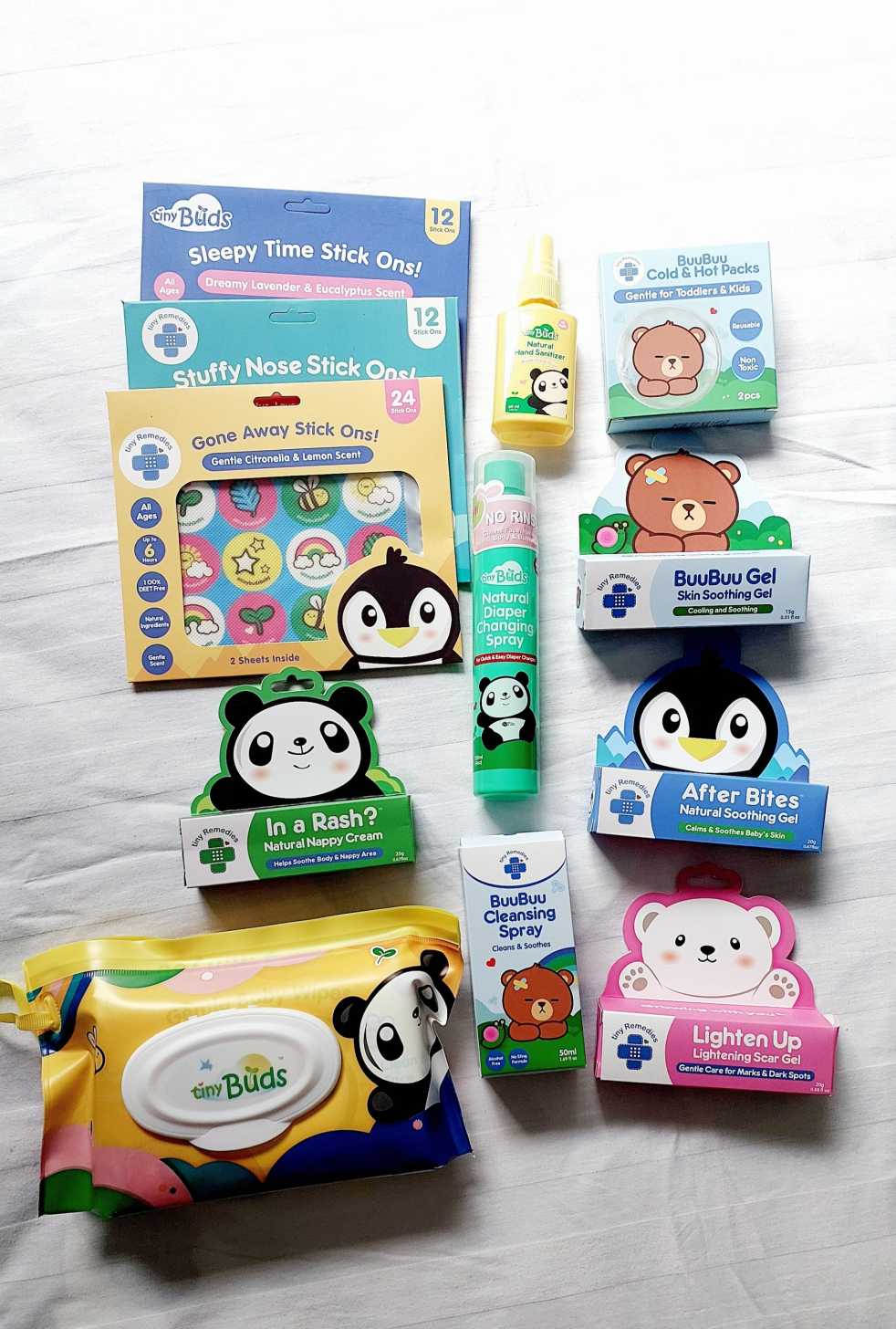
Your baby’s skin is more delicate than most, this is why you have to choose products that are designed for sensitive skin. Tiny Buds is a pioneer in integrating natural ingredients into baby care and today has over 50 innovative natural baby care essentials and is one of the Top Baby Personal Care brands. Here… Continue reading Product Review: Tiny Buds Baby Naturals Baby Essentials
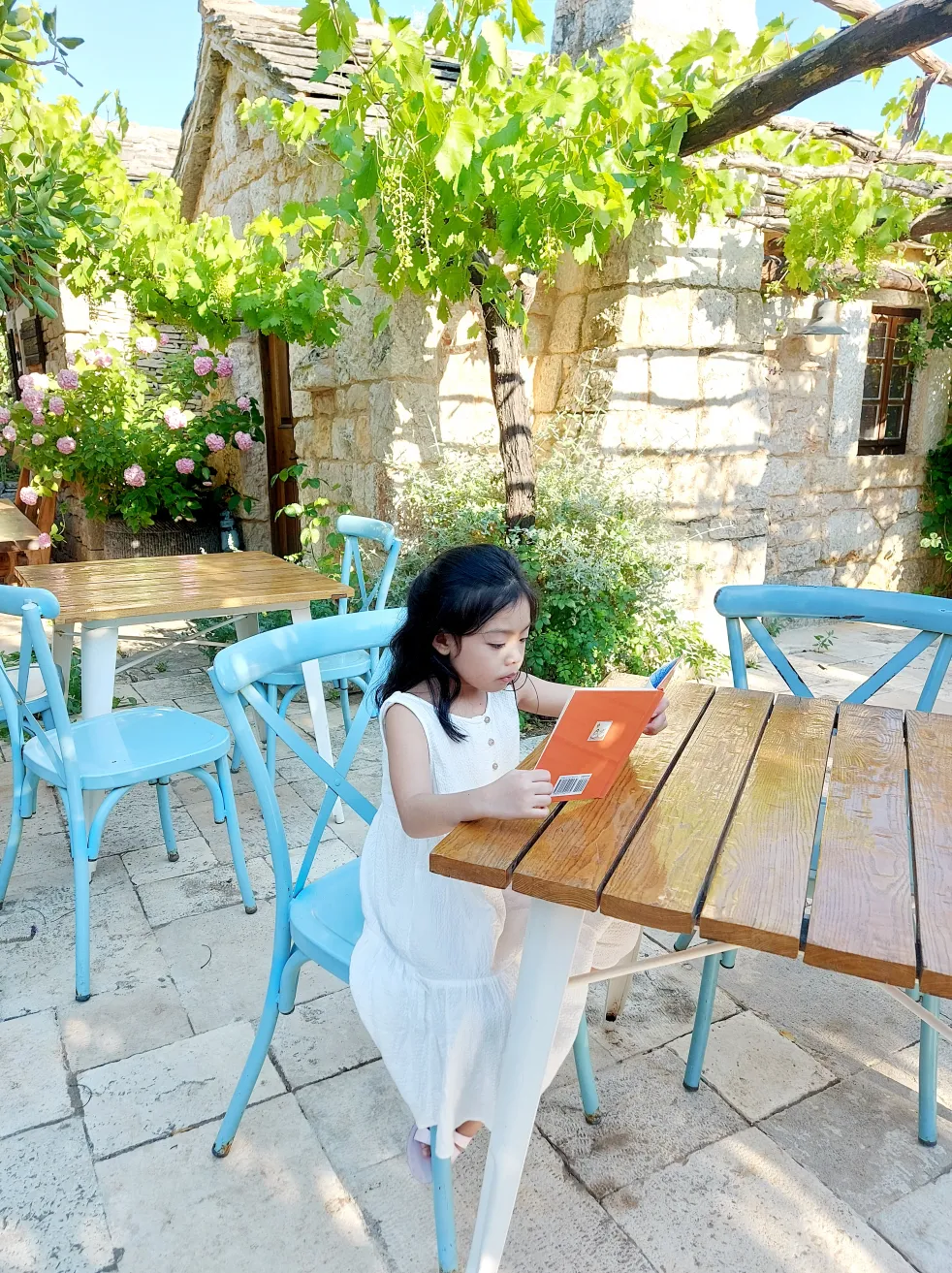
Where your child goes to school is a big decision and shouldn’t be taken lightly. Given how their education can impact their future, you might be tempted to take control and decide for them. However, you might be doing more damage than helping them in the long run. Your job as parents is to support… Continue reading HOW TO CHOOSE THE BEST SCHOOL FOR YOUR CHILD

As poet and philosopher Rumi once eloquently said, “raise your words, not your voice. It is rain that grows flowers, not thunder.” Parenting is a challenging journey, and the truth is that nobody has everything figured out. One parenting style might suit others best, and some might favor other methods. However, children respond better to… Continue reading A SIMPLE GUIDE TO GENTLE PARENTING

Whether you’re a new mom to be, mom of a toddler, mom who have school-aged kids, you’re bound to have so many questions. Let's start with your baby's skin. Infant skin has unique needs; gentle care is essential to prevent damage to the skin barrier, which can lead to irritation. When caring for infant skin,… Continue reading Keeping Baby’s Diapered Skin Healthy
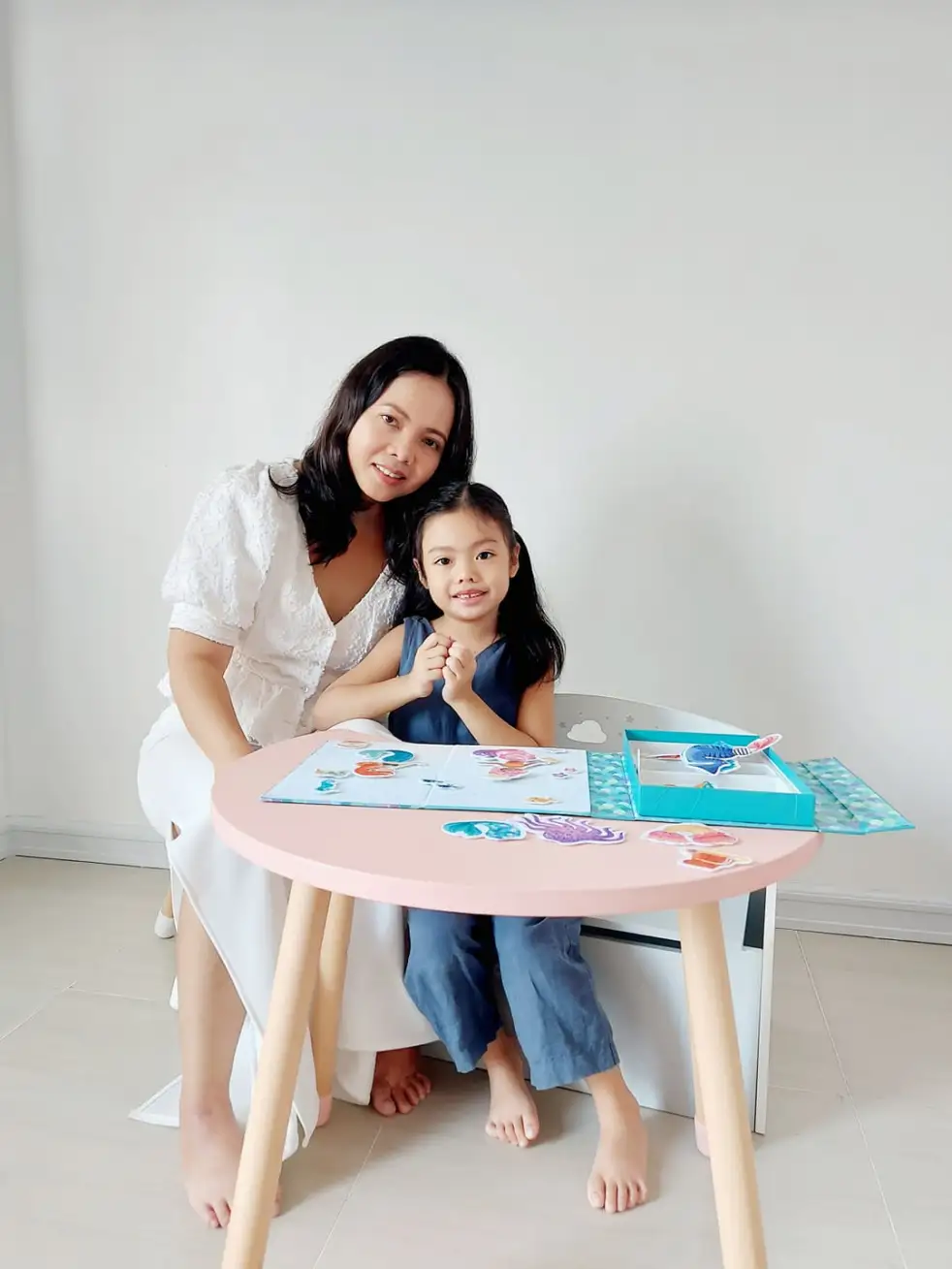
As parents, we want to give our child the best possible start in life and that begins with nurturing their intelligence. Throughout history, the notion of success has been linked to academic intelligence. However, there has been an increased awareness on the importance of emotional intelligence. This question gets at the heart of the never-ending… Continue reading IQ or EQ, which one is a better predictor of your child’s success?
 wondermomma.net