

Last August, IKEA Philippines engaged with Better World Smokey Mountain, a newly opened community center operated by the San Miguel Foundation, which shares a similar goal of improving the lives of many Filipino people. Through this partnership, IKEA Philippines provided and assembled home furnishings for the classrooms and library of Better World Smokey Mountain community… Continue reading Help Create a Better World with IKEA Soft Toys

NutriAsia, the country’s top producer of condiments and sauces, continues its support of Refill Revolution; a project by the Department of Environment and Natural Resources EMB 3 that aims to help reduce Filipinos’ single-use plastics consumption. At Refill Revolution, residents get to recycle their single-use plastic bottles by reusing and filling it with their choice… Continue reading NutriAsia and DENR renews partnership for Refill Revolution

Helping Your Child Understand And Express Big Emotions
Children experience powerful feelings before they have the language, self-control or perspective to manage them. A preschooler may collapse over the wrong-coloured cup, while an older child may slam a door after a difficult day at school. These reactions can look dramatic, but they often reflect a nervous system asking for support rather than deliberate misbehaviour.
Helping your child understand and express big emotions starts with connection. Children learn emotional regulation through repeated experiences of being noticed, accepted and guided. Calm support does not mean allowing unsafe behaviour; it means separating the feeling from the action and showing what can happen next.
Australian family life brings its own pressures. Long childcare days, school drop-off at 8 am, busy weekend sport and hot summer afternoons can all reduce a child’s capacity to cope. A tired child in Brisbane humidity or a hungry child after the school run in Melbourne may need practical care before they can talk about what went wrong.
The goal is not to raise a child who never feels angry, worried, jealous or disappointed. It is to help them recognise emotions, communicate their needs and gradually choose safer responses. These skills develop slowly through everyday moments at home, in the car, at the playground and around the dinner table.
Notice What The Behaviour Is Communicating
Behaviour is often the visible part of an emotional experience. Hitting, yelling, hiding, refusing, crying or throwing toys may signal fear, frustration, sensory overload, tiredness or a need for connection. Looking beneath the behaviour helps you respond to the cause instead of focusing only on stopping the noise.
Start by observing patterns. Does your child become upset before childcare, when siblings receive attention, after screen time or during rushed mornings? Keep a simple mental note of the setting, trigger and behaviour. You may discover that recurring meltdowns happen when meals are delayed, transitions are sudden or the environment is too loud.
You do not need to identify the feeling perfectly every time. Gentle guesses are useful: “You were building a tower and it fell. That looks really disappointing,” or “The supermarket is noisy and your body seems overwhelmed.” If your guess is wrong, your child can correct you. That exchange still teaches them that emotions can be explored rather than feared.
Name Feelings Without Judging Them
Children need a broad emotional vocabulary, including words beyond happy, sad and angry. Introduce terms such as nervous, disappointed, embarrassed, lonely, excited, frustrated, proud, confused and relieved during ordinary conversations. Picture books, television stories and family experiences provide natural opportunities to discuss what characters or people might be feeling.
Keep your language simple when emotions are intense. “You’re angry because playtime ended” is easier to process than a long explanation about gratitude or acceptable behaviour. Once your child is calmer, you can add detail: “You wanted more time, and stopping suddenly felt unfair.”
Avoid labelling emotions as bad. Feelings are information, not moral failures. You can say, “Anger is okay. I won’t let you hit,” or “It’s okay to feel jealous when your sister has a turn. We still use gentle hands.” This approach protects boundaries while teaching that difficult emotions do not make a child difficult or unlovable.
Co-Regulate Before You Teach
A distressed child may not be able to listen, reason or use a coping strategy. Their body needs help returning to a calmer state first. Lower your voice, slow your movements and use fewer words. If safe, stay close and offer a hand, cuddle or quiet presence. Some children prefer space, so respect their signals while remaining available.
Your own regulation matters. A parent who is shouting over a shouting child can unintentionally increase the sense of danger. Take one slow breath, relax your shoulders and remind yourself that you are responding to an immature nervous system. This is especially helpful during the evening rush, when everyone is tired and patience is limited.
Physical comfort should always fit the child. One child may want a firm hug; another may pull away and settle under a blanket. Try simple sensory supports such as drinking water, washing hands in cool water, walking to the letterbox or pushing against a wall. These actions can help the body settle without presenting them as punishment.
Build A Family Language For Feelings
Create regular, low-pressure moments to talk about emotional wellbeing. At breakfast, you might describe your own state: “I’m feeling rushed, so I’m going to pack lunches before I answer that.” This models self-awareness without making your child responsible for your feelings. At bedtime, invite them to share one enjoyable moment and one tricky moment, without insisting if they are not ready.
A feelings chart on the fridge can help younger children point when words are difficult. Older children may prefer private conversations in the car, where eye contact is less intense. Families in Sydney, Perth or regional towns can use familiar local experiences—waiting for a bus, missing a goal at weekend sport or coping with a smoky summer day—to make emotional language practical.
Stories and pretend play are valuable because they create emotional distance. A teddy can feel worried about starting school, or toy animals can practise asking for a turn. Ask, “What could help?” rather than immediately supplying the answer. Children often develop thoughtful solutions when the situation feels safe and imaginary.
Words And Tools For Emotional Moments
Scripts give children something to use when their feelings are too large for spontaneous conversation. Practise them when everyone is calm, perhaps during bath time or while driving to school. Keep expectations realistic: a three-year-old may manage “help me” or “stop please”, while a primary-school child may say, “I need a break before we talk.”
Useful phrases for practice include:
- “I’m angry. I need space.”
- “Can you help me?”
- “I don’t like that.”
- “I need another turn.”
Coping tools work best when they are taught before a crisis and available without shame. Make a small calm basket with paper, crayons, playdough, headphones, a soft toy or a book. Low-cost family activity ideas and simple resources can also be found through budget-friendly family ideas, helping parents create supportive routines without buying specialised equipment.
Try a few strategies and notice what genuinely helps your child. Some children benefit from movement, while others need quiet. A short list might include:
- Ten wall pushes or animal walks
- Drawing the feeling with colours
- Counting slowly while breathing out
- Sitting in a quiet, familiar spot
These tools are not meant to force instant calm or remove every uncomfortable emotion. They give children a bridge between feeling overwhelmed and communicating what they need. Celebrate the attempt, even if the strategy only helped for thirty seconds.
Set Boundaries And Repair After Conflict
Emotional acceptance does not remove limits. Children still need clear, predictable boundaries around hitting, biting, damaging property, running away and cruel language. Use a calm statement such as, “I won’t let you hit. I’m moving your hands to keep everyone safe.” Avoid threats or lengthy lectures while the child is highly activated.
Once calm has returned, revisit the event briefly. Talk about what happened, what the feeling may have been and what could be tried next time. Keep the focus on learning rather than shame: “You were furious when the game ended. Next time, you can stomp outside or ask for help. We also need to check that your brother is okay.”
Repair is part of emotional development. A child might help rebuild a block tower, draw an apology picture or practise asking for a turn. Adults can model repair too: “I shouted, and that was frightening. I was frustrated, but I should have taken a breath.” This shows that relationships can recover after mistakes.
Seek extra support if emotional outbursts are persistent, unusually intense, affecting friendships or learning, or creating safety concerns. Your GP, child and family health nurse, school wellbeing team or a registered psychologist can help identify developmental, sensory, anxiety-related or environmental factors. In Australia, early guidance through local health services can make support easier to access before problems become entrenched.
Make Emotional Skills Part Of Everyday Life
Emotional learning is strongest when it is woven into routines rather than delivered as a formal lesson. Give warnings before transitions, offer two acceptable choices and protect regular food and sleep. A child who knows that shoes come after breakfast and a story follows bath time has fewer surprises to manage.
Connection also grows through small rituals. Share a cuddle after school, spend five minutes playing without correcting, or invite your child to help prepare damper, muffins or a family dinner. These moments fill their emotional cup and create opportunities for conversation. They matter in busy households where parents may be balancing commuting, shift work, study or care for several children.
Remember that progress will be uneven. A child may use breathing techniques beautifully one day and scream the next. Development, illness, changes at school and family stress can all affect capacity. Your steady response, repeated language and reliable boundaries gradually become an internal guide your child can carry into classrooms, friendships and the wider world.
When big feelings are met with curiosity and firm kindness, children learn that emotions are manageable experiences rather than emergencies. They begin to recognise what is happening inside, trust adults to help and find safer ways to express themselves. That foundation supports resilience, empathy and confident communication throughout childhood.

Mercato Centrale, in collaboration with Indian Women in Enterprise Philippines (I-We), is set to host "The Great Indian Fiesta" to mark 75 years of friendship between India and the Philippines. The dynamic two-day event is scheduled to take place on September 30 to October 1, 2023, at Paseo De Roxas Street, Makati City. Aiming to… Continue reading Mercato Centrale Partners with I-We to Host ‘The Great Indian Fiesta’, Commemorating 75 Years of India-Philippines Friendship

My stomach would usually start growling at 10 am even after taking a big breakfast. This is probably because I am a morning person and I move a lot throughout the day hence snacking is something that I can't avoid. This potatoes and chicken wrap recipe is easy to prepare and would keep me full… Continue reading Potato and Chicken Wrap
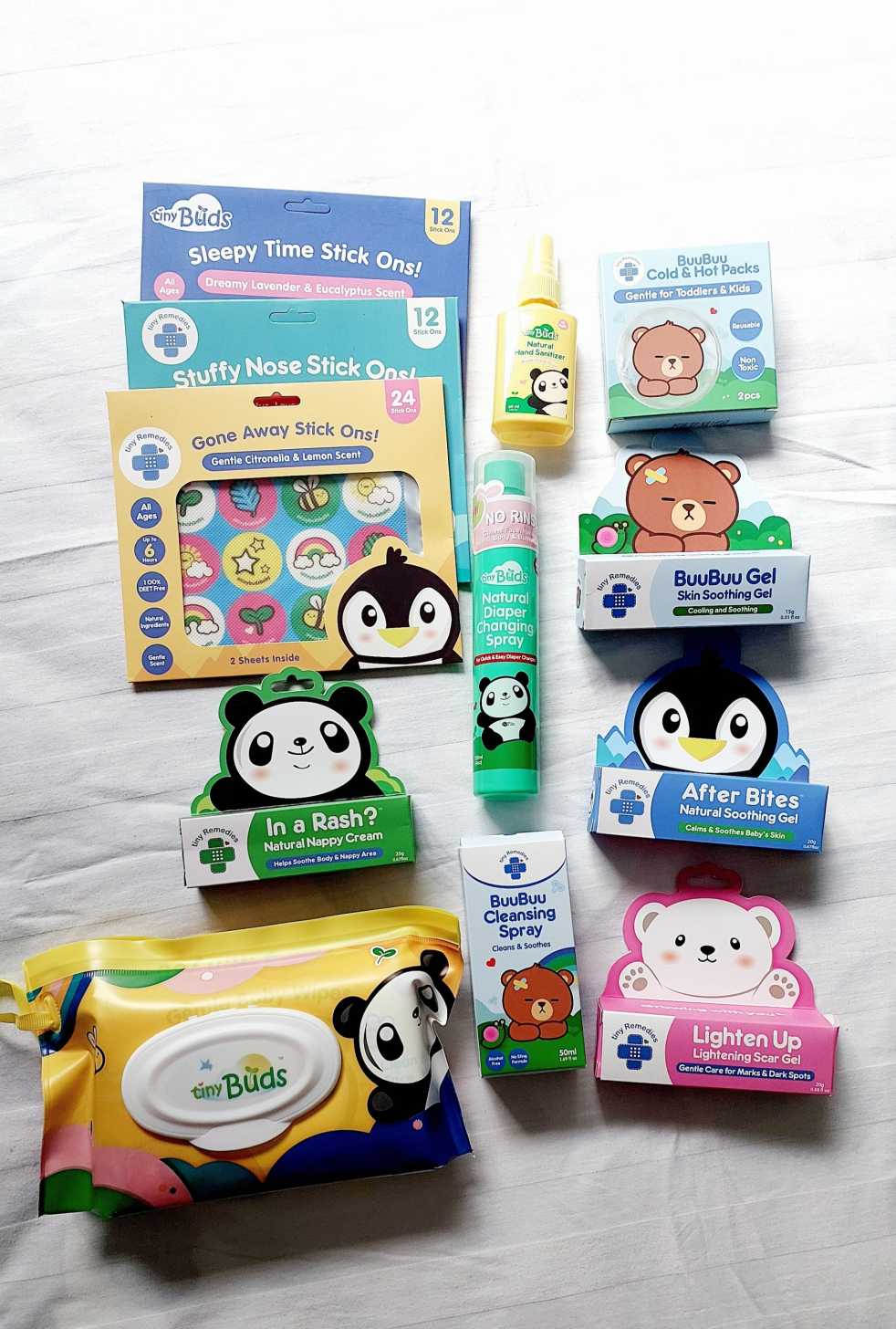
Your baby’s skin is more delicate than most, this is why you have to choose products that are designed for sensitive skin. Tiny Buds is a pioneer in integrating natural ingredients into baby care and today has over 50 innovative natural baby care essentials and is one of the Top Baby Personal Care brands. Here… Continue reading Product Review: Tiny Buds Baby Naturals Baby Essentials
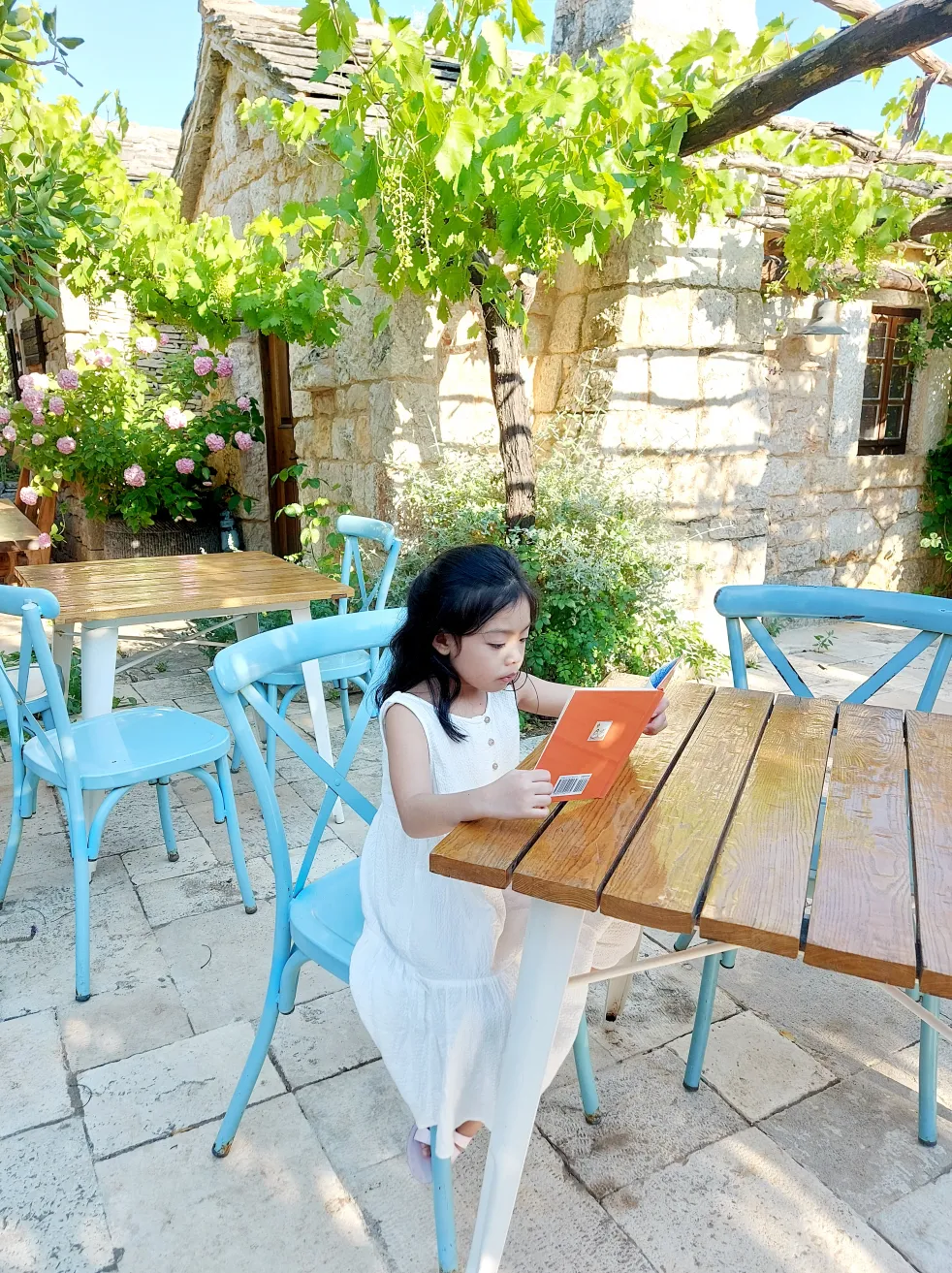
Where your child goes to school is a big decision and shouldn’t be taken lightly. Given how their education can impact their future, you might be tempted to take control and decide for them. However, you might be doing more damage than helping them in the long run. Your job as parents is to support… Continue reading HOW TO CHOOSE THE BEST SCHOOL FOR YOUR CHILD
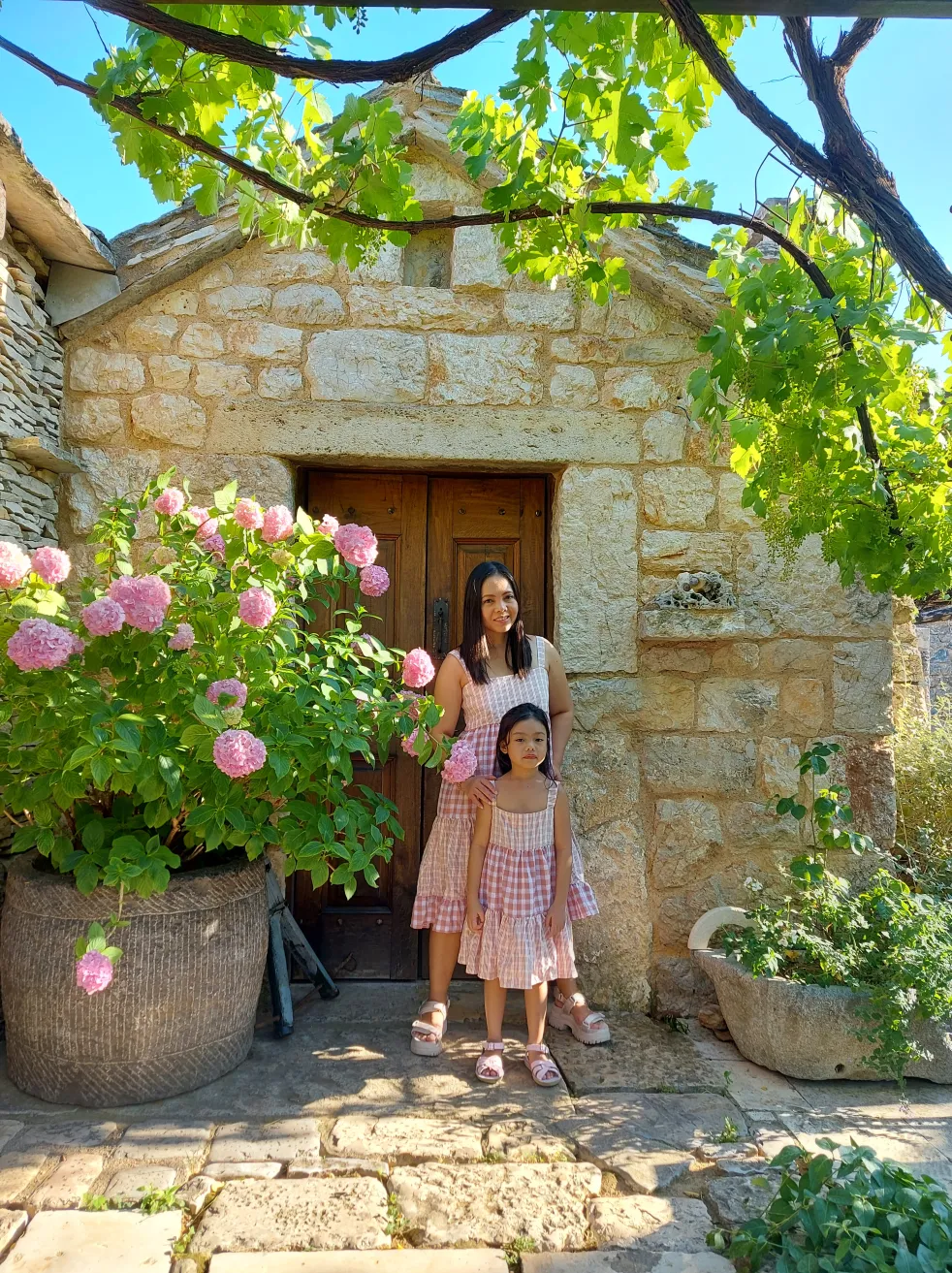
As poet and philosopher Rumi once eloquently said, “raise your words, not your voice. It is rain that grows flowers, not thunder.” Parenting is a challenging journey, and the truth is that nobody has everything figured out. One parenting style might suit others best, and some might favor other methods. However, children respond better to… Continue reading A SIMPLE GUIDE TO GENTLE PARENTING

Whether you’re a new mom to be, mom of a toddler, mom who have school-aged kids, you’re bound to have so many questions. Let's start with your baby's skin. Infant skin has unique needs; gentle care is essential to prevent damage to the skin barrier, which can lead to irritation. When caring for infant skin,… Continue reading Keeping Baby’s Diapered Skin Healthy
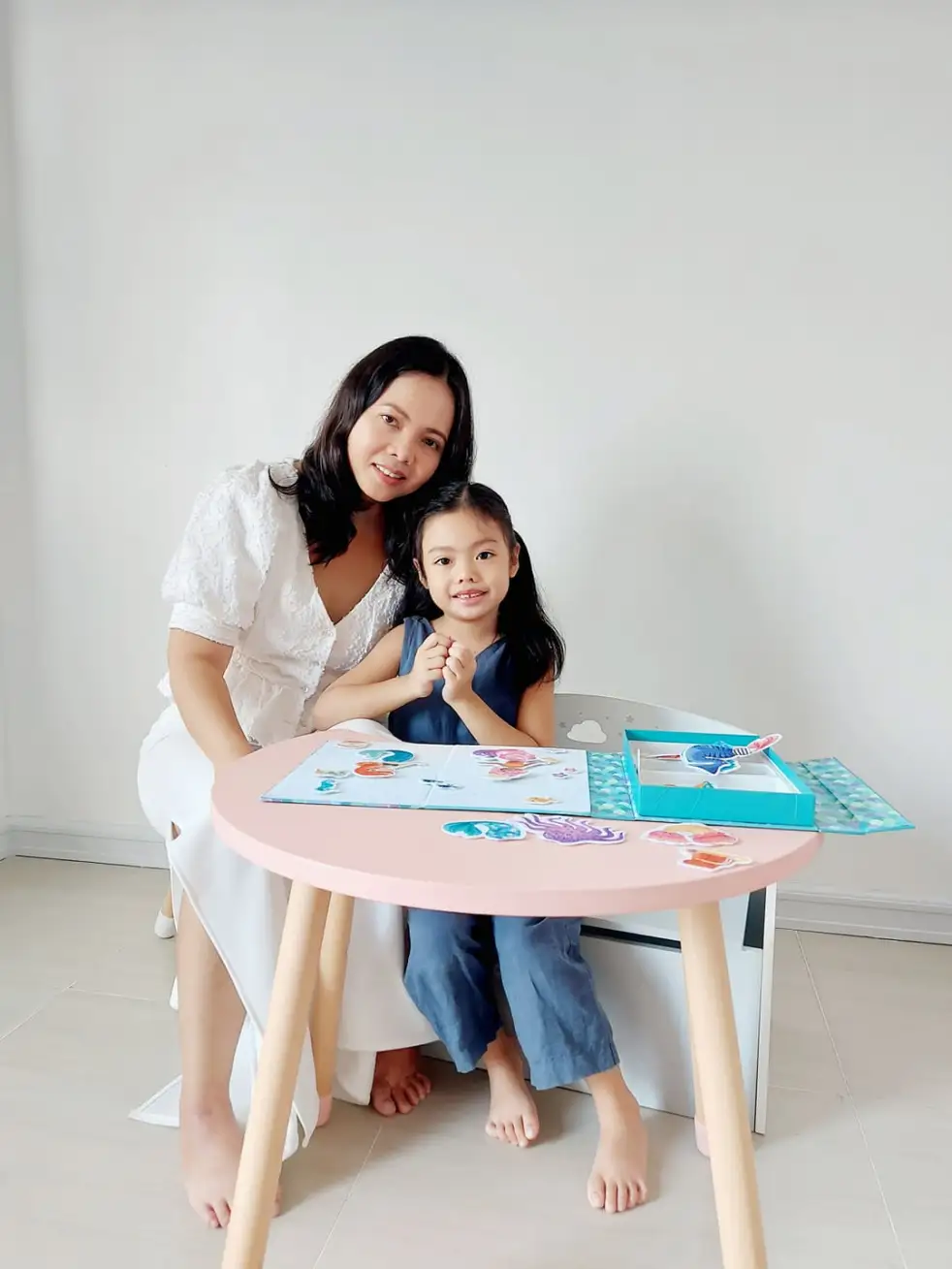
As parents, we want to give our child the best possible start in life and that begins with nurturing their intelligence. Throughout history, the notion of success has been linked to academic intelligence. However, there has been an increased awareness on the importance of emotional intelligence. This question gets at the heart of the never-ending… Continue reading IQ or EQ, which one is a better predictor of your child’s success?
 wondermomma.net