
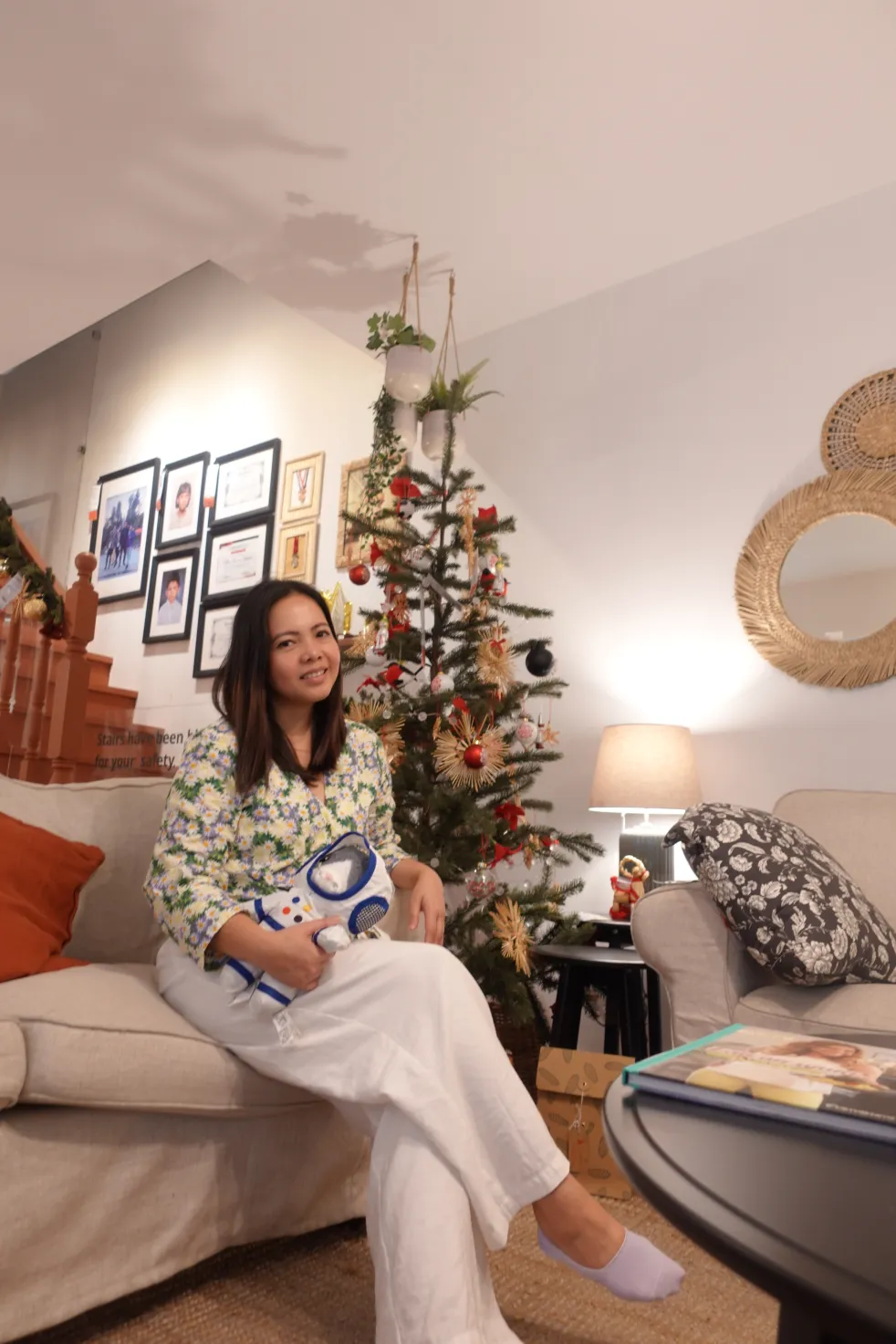
Last August, IKEA Philippines engaged with Better World Smokey Mountain, a newly opened community center operated by the San Miguel Foundation, which shares a similar goal of improving the lives of many Filipino people. Through this partnership, IKEA Philippines provided and assembled home furnishings for the classrooms and library of Better World Smokey Mountain community… Continue reading Help Create a Better World with IKEA Soft Toys

NutriAsia, the country’s top producer of condiments and sauces, continues its support of Refill Revolution; a project by the Department of Environment and Natural Resources EMB 3 that aims to help reduce Filipinos’ single-use plastics consumption. At Refill Revolution, residents get to recycle their single-use plastic bottles by reusing and filling it with their choice… Continue reading NutriAsia and DENR renews partnership for Refill Revolution

Helping Your Child Feel Safe in the Dark
Fear of the dark is common in early childhood. A room that feels ordinary during the day can seem unfamiliar after bedtime, when shadows change shape and familiar sounds become harder to identify. For some children, this worry fades quickly. For others, it can lead to tears, repeated calls, or a strong need for a parent to stay nearby.
A calm response helps your child feel understood without making the fear seem dangerous. The goal is not to force bravery or dismiss the concern. It is to show that nighttime can be predictable, manageable, and safe while giving your child small opportunities to develop confidence.
Families in Australia may notice these worries change with the seasons. Winter brings earlier sunsets in Melbourne, Hobart and Adelaide, while daylight saving gives children in Sydney, Brisbane’s southern neighbours and other eastern areas longer evening light during part of the year. A flexible bedtime routine can help children adjust when darkness arrives at different times.
Why Darkness Can Feel Frightening
Young children are still developing the ability to separate imagination from immediate reality. A coat hanging on a chair may resemble a person, and a tree branch moving outside the window may sound like footsteps. When a child is tired, the brain is more likely to interpret uncertain sights and sounds as threats.
Fear can also become stronger after a frightening story, a scary television scene, illness, family change, or a disrupted routine. Some children are sensitive to noises such as possums on the roof, wind, traffic, or a neighbour’s dog. Others are uneasy because they have recently moved rooms, started preschool, or begun sleeping without a parent nearby.
Listen for the specific worry rather than assuming it is simply “the dark”. Ask gently during the daytime what feels difficult: shadows, being alone, monsters, noises, or separation. This gives you a clearer starting point and helps your child feel taken seriously.
Respond With Calm Reassurance
When your child calls out, use a steady voice and keep your first response brief. You might say, “You are safe. The room looks different at night, and I am nearby.” Acknowledge the feeling before offering reassurance: “That felt scary” is usually more helpful than “There is nothing to be scared of.”
Avoid lengthy investigations of imaginary creatures, because repeatedly checking under the bed can unintentionally suggest that a threat might be present. Complete one calm safety check if needed, then return to the same short phrase and routine. Consistency teaches your child that fear can be met without a dramatic response.
During the day, invite your child to talk about worries through drawing, pretend play, or simple storytelling. If your family enjoys social activities, a relaxed playdate can strengthen your child’s sense of security and independence; these ideas for a smooth playdate plan can help you create a predictable experience.
Create A Gentle Path To Confidence
Children usually cope better when they can practise in small steps. Start with a level that feels manageable, such as sitting beside the bed while the main light is off and a soft lamp remains on. Gradually increase the distance or shorten the time you stay, praising effort rather than demanding a perfect night.
A simple ladder might begin with playing quietly in the bedroom at dusk, followed by a bedtime story with the door open. Next, your child could settle while you sit near the doorway, then while you check at planned intervals. Move back a step if distress becomes intense, and try again another evening.
Give your child limited choices that support the routine: which pyjamas to wear, whether the door stays slightly open, or which safe night-light colour to use. Too many choices can make bedtime harder, while two acceptable options provide a useful sense of control.
Make The Bedroom Predictable
A familiar sequence can reduce bedtime anxiety. Try bath or wash, pyjamas, toilet, teeth, one story, a cuddle, the same goodnight phrase, and lights out. Keep the order similar on school nights and weekends, allowing extra flexibility for family events or travel.
Check whether the room contains confusing shadows. Move tall toys, hanging clothes, or furniture that looks unusual in low light. A small warm-toned night-light may help, although some children sleep better with darkness. Avoid bright blue-white screens, which can be stimulating and interfere with the body’s preparation for sleep.
For families in Australia, summer daylight can make bedtime feel too early, while winter darkness can arrive before dinner. Blockout curtains, commonly available through Australian homeware retailers, can help with late sunsets, and a dim lamp can make the transition into a darker room gentler. Keep cords secured and lights positioned away from bedding.
Use Play To Rehearse Bravery
Play lets children explore fear from a safe distance. Use a torch to make gentle shadow shapes, search for familiar objects in a dim room, or pretend that a favourite toy is learning to sleep alone. Keep the activity silly or reassuring rather than turning it into a test.
Stories can show characters feeling nervous and finding practical ways to cope. Let your child change the ending so the character turns on a light, calls a trusted adult, or discovers that a strange shape was a jumper. Avoid stories that centre on monsters hiding in bedrooms if your child is already highly anxious.
Seasonal events may require extra care. Halloween decorations, costumes and media can make nighttime worries stronger for some toddlers. If your family joins local celebrations, choose age-appropriate material and look at no-sew costume ideas together before deciding what feels comfortable.
Check Practical And Emotional Triggers
A child who suddenly becomes afraid at night may be responding to more than imagination. Pain, blocked ears, reflux, eczema, breathing problems, nightmares, or needing the toilet can make sleep feel unsafe. Notice whether your child snores, wakes gasping, scratches persistently, has recurring nightmares, or seems unusually tired during the day.
The bedroom environment matters too. Check temperature, bedding, outside noise, and whether light from a hallway or street enters the room. In Australian homes, summer heat can make children restless, while winter heating may create dry air or unfamiliar sounds. A comfortable sleep space supports emotional regulation.
Seek guidance from your GP or child and family health nurse if fear lasts for weeks, affects school or family life, causes frequent panic, or leads to persistent sleep loss. Healthdirect and local state health services provide Australian health information, and a professional can help identify anxiety, sleep difficulties, or sensory concerns without blaming the child.
Australian product rules are relevant when choosing comfort items. Button and coin battery products must meet mandatory safety requirements, and loose batteries can cause life-threatening injuries if swallowed. Keep batteries, remote controls and small electronic toys out of reach, and check that any night-light is appropriate for the child’s age and used according to its instructions. Australian Consumer Law also provides consumer guarantees, so retain receipts and report unsafe products.
Match The Response To Your Child
Every child needs a slightly different combination of reassurance, routine and independence. A preschooler may need a parent nearby and a simple phrase, while an older primary-school child may prefer a written plan, a reading light, or scheduled check-ins. Avoid comparing siblings; confidence develops at different speeds.
The comparison below can help you choose a response based on the main pattern you are seeing. It is a guide rather than a strict programme, and you can combine approaches.
| What your child experiences | Helpful response | What to avoid |
|---|---|---|
| Worry about shadows | Rearrange objects, use a dim warm light, practise identifying shapes during the day | Mocking the fear or leaving confusing objects in view |
| Fear of being alone | Use gradual check-ins and a consistent goodnight phrase | Staying for hours without a plan |
| Concern about monsters | Validate the feeling, then gently return to what is real and safe | Repeatedly searching under the bed |
| Distress after scary media | Pause frightening content and offer calm stories or play | Using scary images as a joke |
| Frequent nightmares | Offer comfort, discuss the dream in daylight, and return to a routine | Interpreting the dream as a prediction |
| Sleep problems with physical symptoms | Discuss patterns with a GP or health nurse | Assuming every waking is behavioural |
Praise useful actions: walking back to bed, using a coping phrase, taking slow breaths, or remaining in the room for a little longer. Keep praise specific and warm. A sticker chart may motivate some children, but emotional security should never depend on earning rewards.
Build A Bedtime Plan That Lasts
Write or draw the routine with your child so the steps are visible. Include a short “worry plan”: turn on the approved light, cuddle a toy, take three slow breaths, use the agreed phrase, and call once if help is needed. Practise it during the day, when your child is calm.
Set clear limits with kindness. If your child repeatedly leaves the room, return them quietly with minimal conversation. If they need reassurance, provide it in the same form each time rather than adding new checks, snacks, negotiations, or games. The steady pattern may feel boring to adults, but it is reassuring to children.
Use these practical habits to support progress:
- Keep wake-up and bedtime times reasonably consistent across the week.
- Offer outdoor movement and daylight during the day, especially in winter.
- Stop frightening videos, games and stories well before bedtime.
- Keep a favourite comfort item available if it is safe and age-appropriate.
- Use a dim, secure night-light only if it genuinely helps your child settle.
- Review the plan after several calm nights and make one small change at a time.

Mercato Centrale, in collaboration with Indian Women in Enterprise Philippines (I-We), is set to host "The Great Indian Fiesta" to mark 75 years of friendship between India and the Philippines. The dynamic two-day event is scheduled to take place on September 30 to October 1, 2023, at Paseo De Roxas Street, Makati City. Aiming to… Continue reading Mercato Centrale Partners with I-We to Host ‘The Great Indian Fiesta’, Commemorating 75 Years of India-Philippines Friendship

My stomach would usually start growling at 10 am even after taking a big breakfast. This is probably because I am a morning person and I move a lot throughout the day hence snacking is something that I can't avoid. This potatoes and chicken wrap recipe is easy to prepare and would keep me full… Continue reading Potato and Chicken Wrap
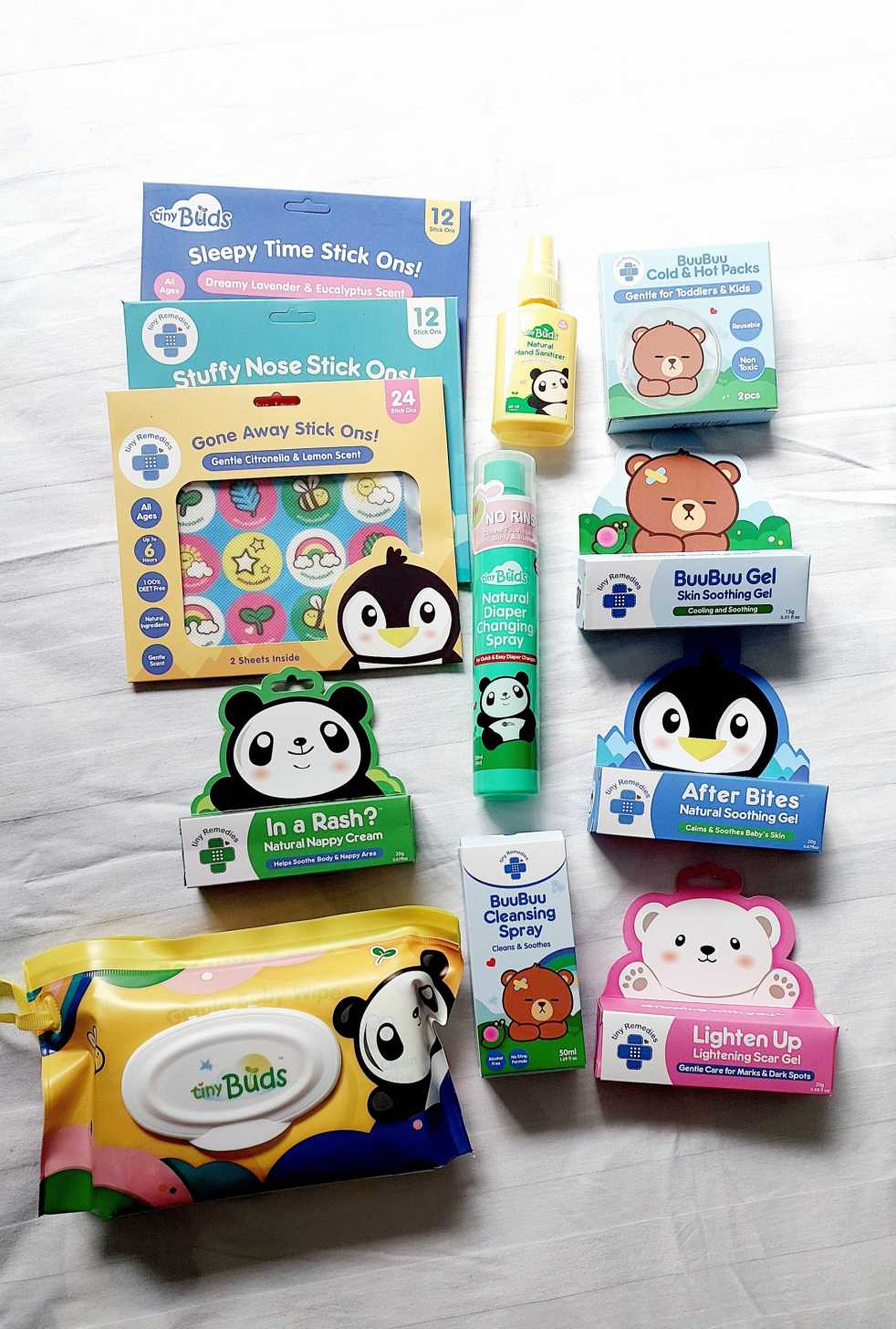
Your baby’s skin is more delicate than most, this is why you have to choose products that are designed for sensitive skin. Tiny Buds is a pioneer in integrating natural ingredients into baby care and today has over 50 innovative natural baby care essentials and is one of the Top Baby Personal Care brands. Here… Continue reading Product Review: Tiny Buds Baby Naturals Baby Essentials
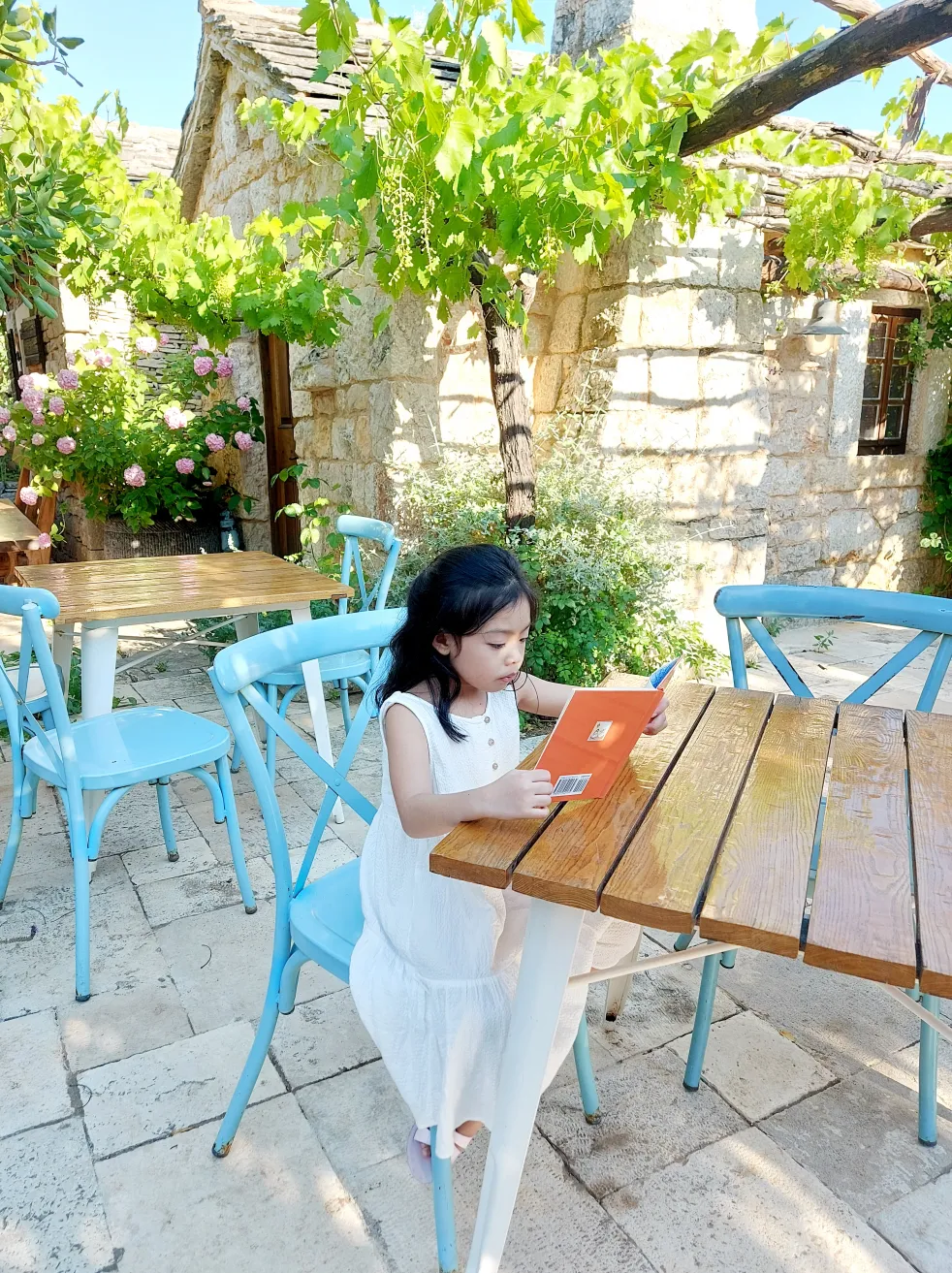
Where your child goes to school is a big decision and shouldn’t be taken lightly. Given how their education can impact their future, you might be tempted to take control and decide for them. However, you might be doing more damage than helping them in the long run. Your job as parents is to support… Continue reading HOW TO CHOOSE THE BEST SCHOOL FOR YOUR CHILD
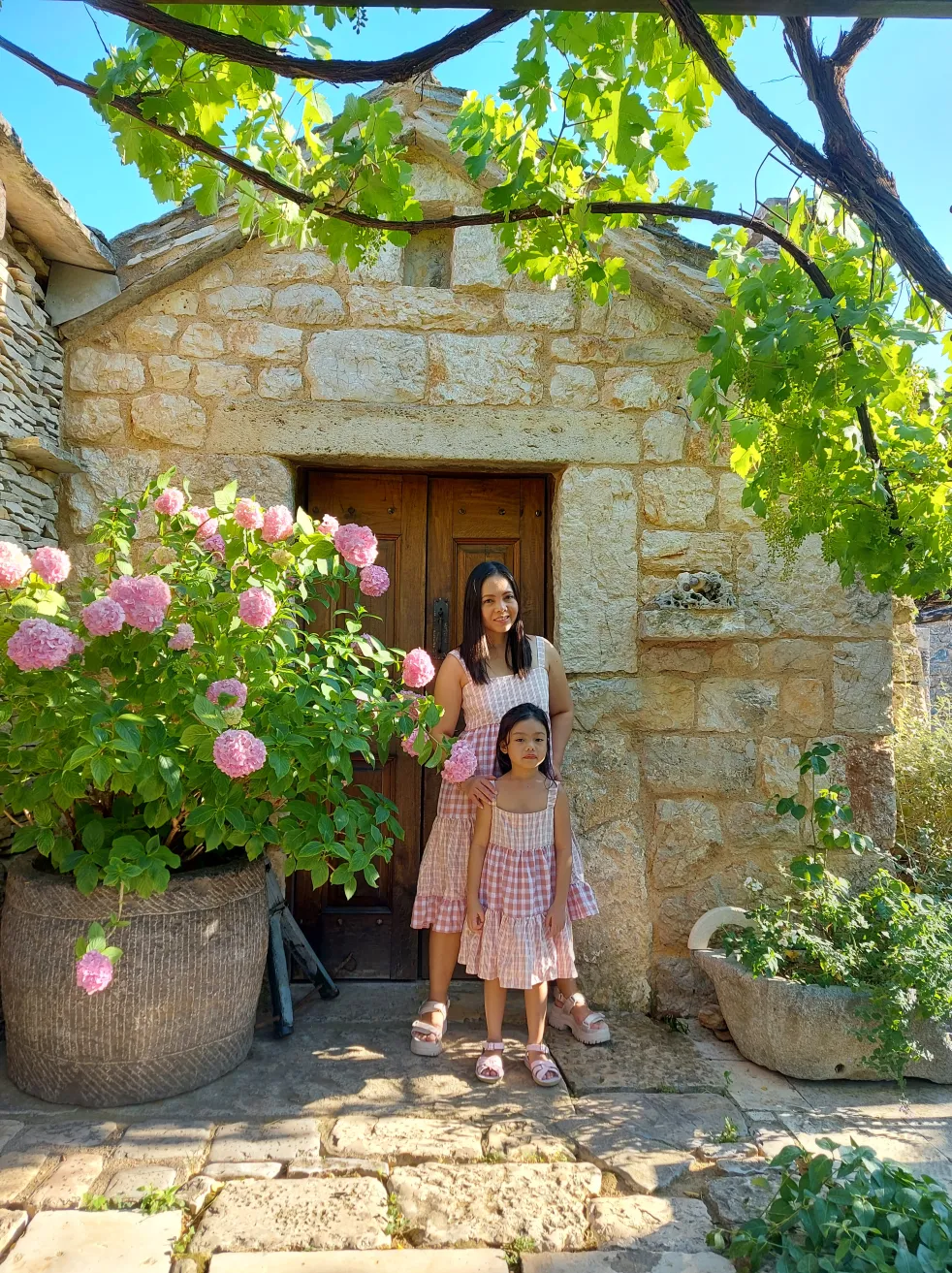
As poet and philosopher Rumi once eloquently said, “raise your words, not your voice. It is rain that grows flowers, not thunder.” Parenting is a challenging journey, and the truth is that nobody has everything figured out. One parenting style might suit others best, and some might favor other methods. However, children respond better to… Continue reading A SIMPLE GUIDE TO GENTLE PARENTING
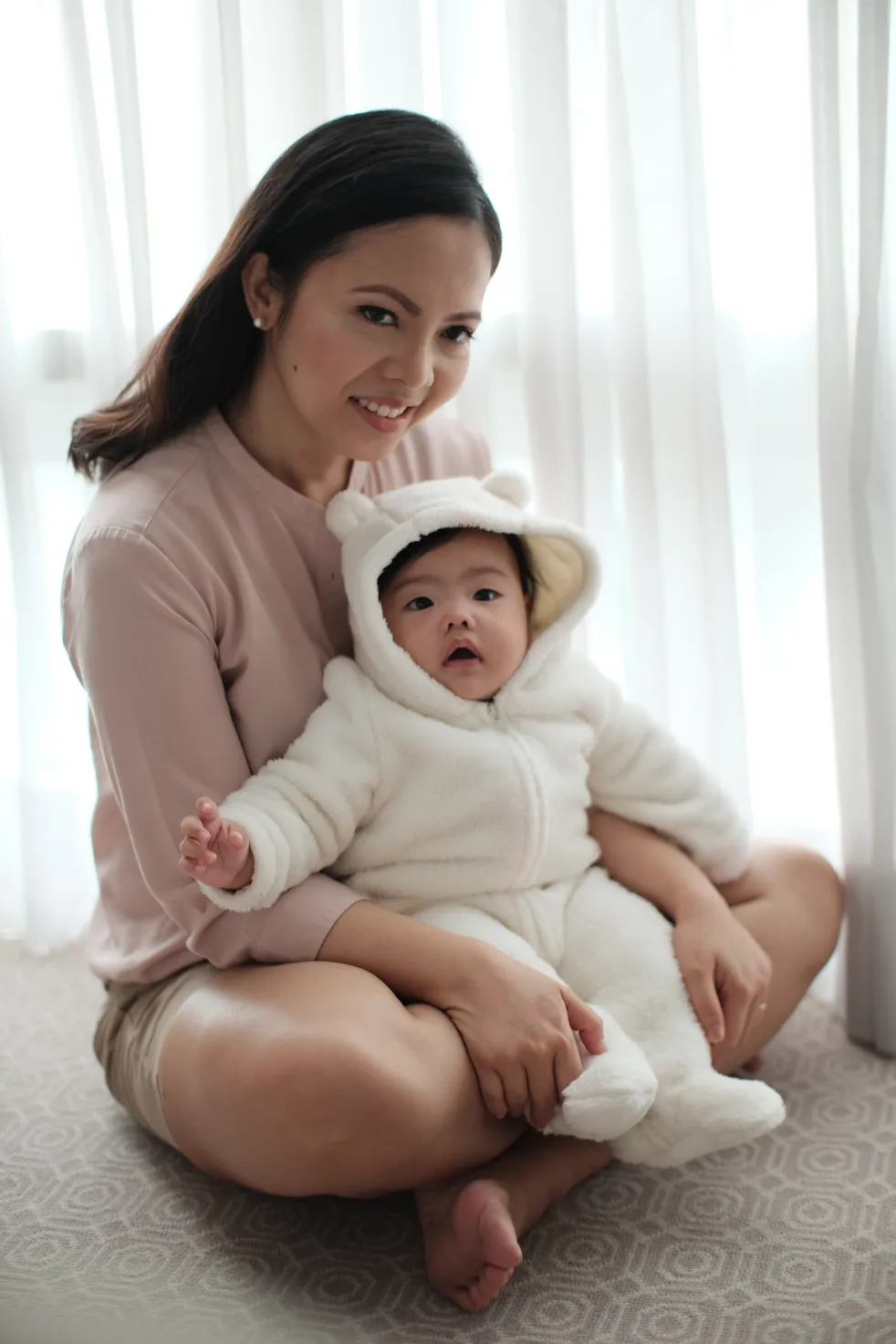
Whether you’re a new mom to be, mom of a toddler, mom who have school-aged kids, you’re bound to have so many questions. Let's start with your baby's skin. Infant skin has unique needs; gentle care is essential to prevent damage to the skin barrier, which can lead to irritation. When caring for infant skin,… Continue reading Keeping Baby’s Diapered Skin Healthy
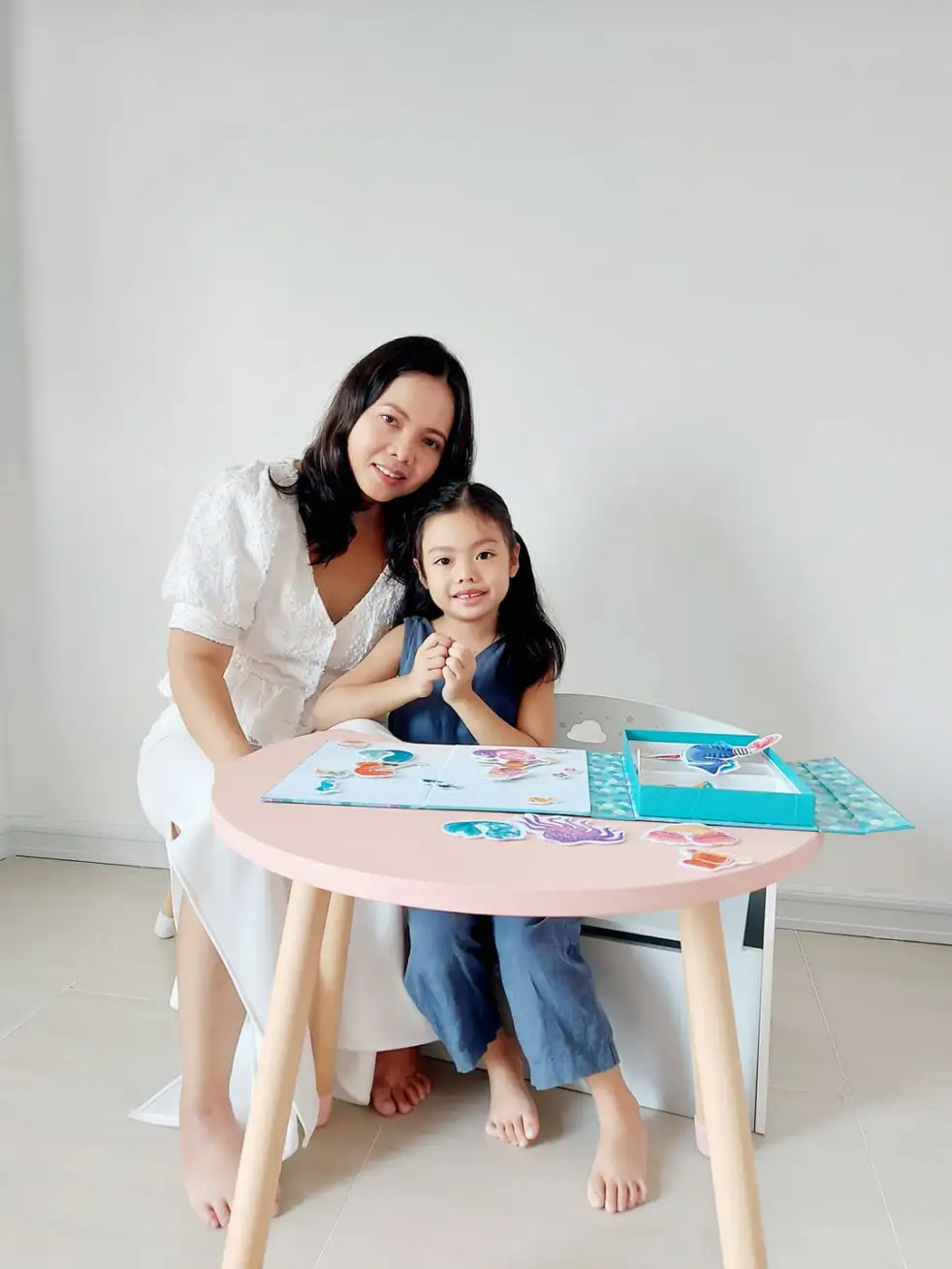
As parents, we want to give our child the best possible start in life and that begins with nurturing their intelligence. Throughout history, the notion of success has been linked to academic intelligence. However, there has been an increased awareness on the importance of emotional intelligence. This question gets at the heart of the never-ending… Continue reading IQ or EQ, which one is a better predictor of your child’s success?
 wondermomma.net