
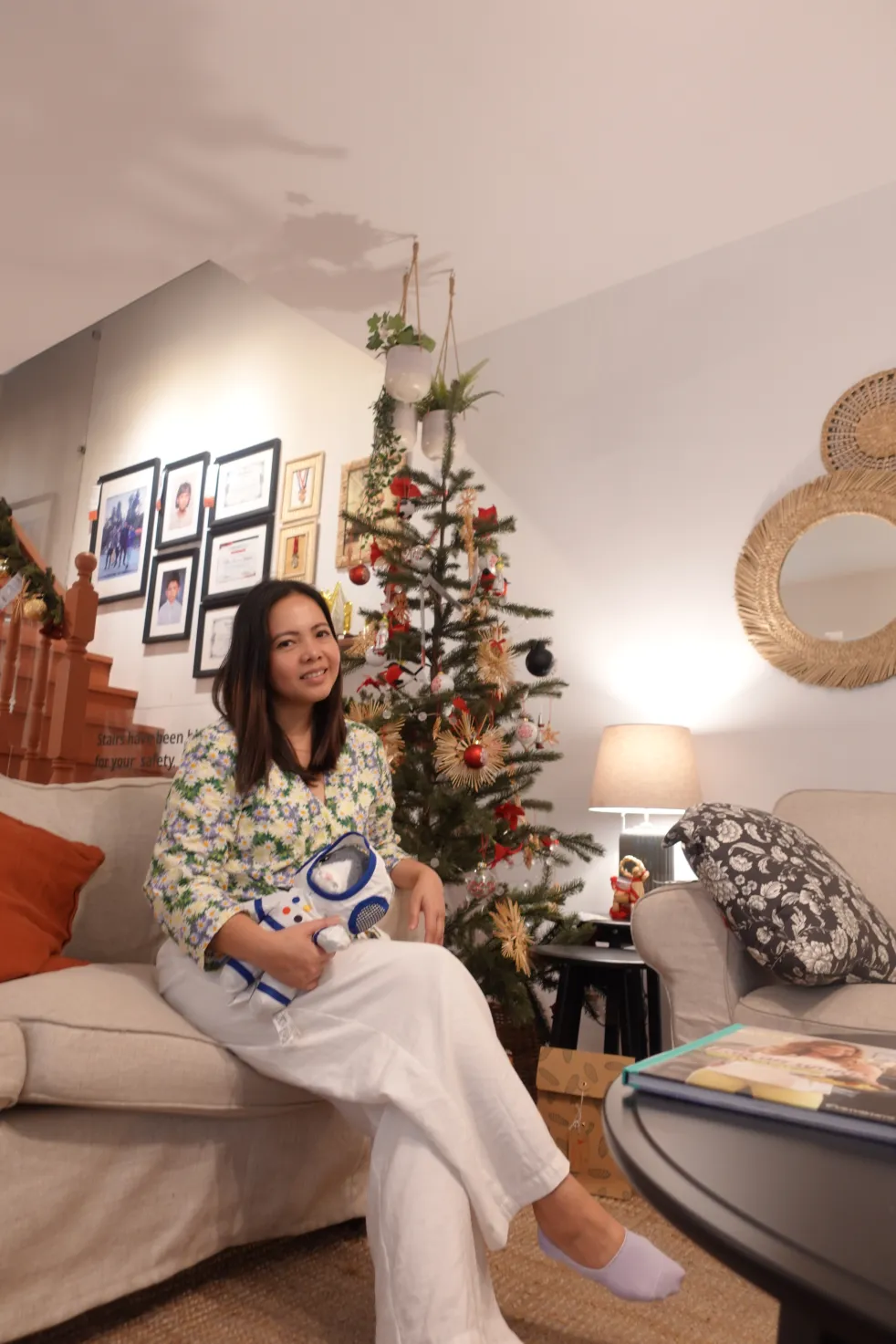
Last August, IKEA Philippines engaged with Better World Smokey Mountain, a newly opened community center operated by the San Miguel Foundation, which shares a similar goal of improving the lives of many Filipino people. Through this partnership, IKEA Philippines provided and assembled home furnishings for the classrooms and library of Better World Smokey Mountain community… Continue reading Help Create a Better World with IKEA Soft Toys
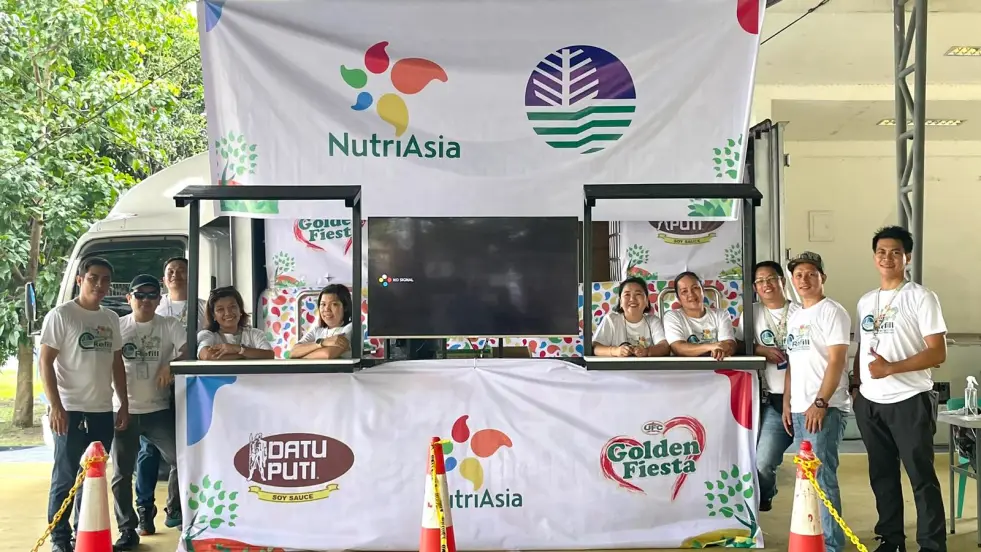
NutriAsia, the country’s top producer of condiments and sauces, continues its support of Refill Revolution; a project by the Department of Environment and Natural Resources EMB 3 that aims to help reduce Filipinos’ single-use plastics consumption. At Refill Revolution, residents get to recycle their single-use plastic bottles by reusing and filling it with their choice… Continue reading NutriAsia and DENR renews partnership for Refill Revolution

Building fine motor skills through playful everyday moments
Fine motor skills are the small, precise movements that help children grip objects, coordinate both hands, feed themselves, dress, draw and eventually write. Helping your child develop fine motor skills through play does not require special equipment or structured lessons. Familiar activities such as building with blocks, handling play dough and finding objects around the house provide meaningful movement in an enjoyable setting.
Children learn best when they are engaged, curious and free to repeat an activity their own way. The most useful play activities meet children where their interests and abilities are, offer manageable challenges and allow plenty of time to explore. Adults can support this learning by noticing what children enjoy, offering a few open-ended materials and joining in without taking over.
Understanding fine motor development
Fine motor development depends on strength, coordination, sensation and vision working together. As babies grow, they progress from reflexive grips to reaching, transferring objects between hands and using a pincer grasp to pick up small items. Later, they gain greater wrist control, bilateral coordination and the ability to rotate, twist and release objects with increasing precision.
Development does not follow one fixed timetable. Some children may focus on a particular skill for weeks, while others try several activities at once. A toddler who is not yet comfortable with a pincer grasp can still strengthen hand muscles by gripping thick crayons, stacking broad blocks or pulling a closed lid from a jar. The key is to provide age-appropriate opportunities rather than expecting a particular milestone on a particular day.
Concerns are worth discussing with a general practitioner if a child loses an established skill, uses one side of the body much less than the other, has unusual stiffness or difficulty coordinating both hands. A paediatrician or occupational therapist can assess whether additional support would be helpful.
Why playful practice builds stronger hands
Play gives children the motivation to repeat movements. Building a tower requires adjusting the angle of a block; opening a container requires opposing fingers to work together; drawing a line requires a steady hand and visual control. These are complex motor tasks, but play makes them feel like puzzles rather than exercises.
Open-ended materials usually provide more developmental variety than a single-purpose toy. Blocks can become roads, towers or pretend shops. Play dough can be rolled, cut, squeezed and reshaped. Large puzzle pieces invite children to rotate them, test their fit and practise releasing them carefully. Electronic toys can also be useful, but they are strongest when paired with active, hands-on exploration.
For wider ideas that fit a gentle parenting approach, WonderMomma’s gentle play guide offers practical context for choosing responsive activities. The best play space is not necessarily a dedicated playroom; a cleared patch of floor, a kitchen bench with close supervision or a table outdoors can work just as well.
Everyday play in Australian family life
Australian families have many opportunities for motor-rich play. Across Sydney, Melbourne, Brisbane, Adelaide, Perth and regional towns, neighbourhood parks provide sand, bark, grass and climbing equipment for digging, balancing and gripping. Local libraries and community centres may also offer toy libraries, rhyme sessions or sensory play activities that families can use alongside childcare and kindergarten routines.
Outdoor play supports more than large-muscle development. Children can collect leaves, move stones, pour water, dig with a small spade and manoeuvre wheeled toys along paths. Because Australian ultraviolet levels can be intense, sun protection becomes part of everyday outings: a broad-brimmed hat, sunscreen, protective clothing and a water bottle are useful items to keep nearby.
The Australian toy market includes locally designed products alongside imported wooden toys, Montessori-inspired kits and electronic learning resources. Shoppers may encounter these through Baby Bunting, specialist toy stores, The Warehouse and online marketplaces. Age labels, material quality and the amount of open-ended play each product encourages deserve consideration alongside its price.
Families can build motor practice into ordinary habits without adding another activity to the schedule. Children can sort recycling by size, wash vegetables, place clothes in baskets, carry a watering can or tear paper for a craft project. These meaningful routines develop precision while giving children a genuine contribution to family life.
Comparing play experiences for motor goals
Different play experiences place different demands on the hands and eyes. The right choice depends on a child’s age, current abilities and interests, rather than on a product’s developmental label alone.
| Play experience | Skills practised | Best fit | Practical note |
|---|---|---|---|
| Pouring sand or water with scoops | Grip, wrist control and bilateral coordination | Around 18–36 months | Use a tray and cups with wide openings |
| Stacking large blocks | Hand strength, balance and visual planning | Around 2–4 years | Allow towers to fall and try again |
| Threading large loops onto thick cord | Pincer control and concentration | Around 2½–4 years | Begin by guiding the cord through one loop |
| Snipping play dough with blunt scissors | Finger strength and scissor skills | Around 3 years and older | Use child-safe scissors and close supervision |
| Drawing with chunky crayons | Grip, hand-eye coordination and line control | Around 18 months to 4 years | Let marks be experimental rather than precise |
A useful activity should challenge without frustrating. If threading becomes difficult, the child could decorate large cards instead. If stacking blocks is no longer engaging, the same blocks could become animals, barriers or a counting game. Changing the purpose keeps the motor demand while restoring enjoyment.
Matching play to age and ability
Younger children generally benefit from large objects that are easy to grasp and activities that involve scooping, filling, tearing and pulling. They rarely need to make accurate shapes or copy models at first.
For children around one to two years:
- Tip oversized fabric blocks into a basket and tip them out again.
- Knead play dough, then press stamps into it.
- Peel large stickers from sheets and place them on paper.
- Open and close wide plastic containers with chunky lids.
For children around three to five years:
- Cut soft play dough with blunt child scissors.
- Thread large wooden beads onto thick cord.
- Build roads and bridges for small toy figures.
- Use large tongs to move balls into colour-coded containers.
Follow the child’s attention and adjust the challenge. A younger child might need thick cord, larger holes or an adult hand nearby; an older child may be ready for finer materials or more intricate designs. Keeping the outcome flexible lets children develop control without pressure to produce a perfect result.
Keeping practice safe and enjoyable
Safety standards are especially important when children explore small objects. The Australian Consumer Law and mandatory safety standards for toys sold in Australia cover hazards such as small parts, sharp edges and dangerous cords. Age labels provide a useful guide: a product marked for children over three should not be given to a toddler who may put its components in their mouth. Close supervision remains necessary even when a product is age-appropriate.
Adults can reduce risks by choosing large pieces for babies, checking toys for loose buttons and battery compartments, and using non-toxic materials for crafts. Scissors should be child-sized and used with an adult nearby. Water beads, unbreakable small pieces and homemade mixtures that resemble food are common causes of accidental ingestion and should be kept out of reach.
Children with visual, motor or sensory differences may need adapted equipment, extra time or a quieter play space. An occupational therapist can suggest changes to pencils, containers, seating or toys. Without adaptations, difficult materials may cause frustration or discourage participation, so the activity should be changed rather than the child.
Fine motor skills grow through repeated, purposeful moments: gripping a spoon, fastening a coat, balancing a block and pressing a puzzle piece into place. When these actions are welcomed as part of playful family life, hand strength and coordination can develop alongside confidence, concentration and independence.

Mercato Centrale, in collaboration with Indian Women in Enterprise Philippines (I-We), is set to host "The Great Indian Fiesta" to mark 75 years of friendship between India and the Philippines. The dynamic two-day event is scheduled to take place on September 30 to October 1, 2023, at Paseo De Roxas Street, Makati City. Aiming to… Continue reading Mercato Centrale Partners with I-We to Host ‘The Great Indian Fiesta’, Commemorating 75 Years of India-Philippines Friendship

My stomach would usually start growling at 10 am even after taking a big breakfast. This is probably because I am a morning person and I move a lot throughout the day hence snacking is something that I can't avoid. This potatoes and chicken wrap recipe is easy to prepare and would keep me full… Continue reading Potato and Chicken Wrap
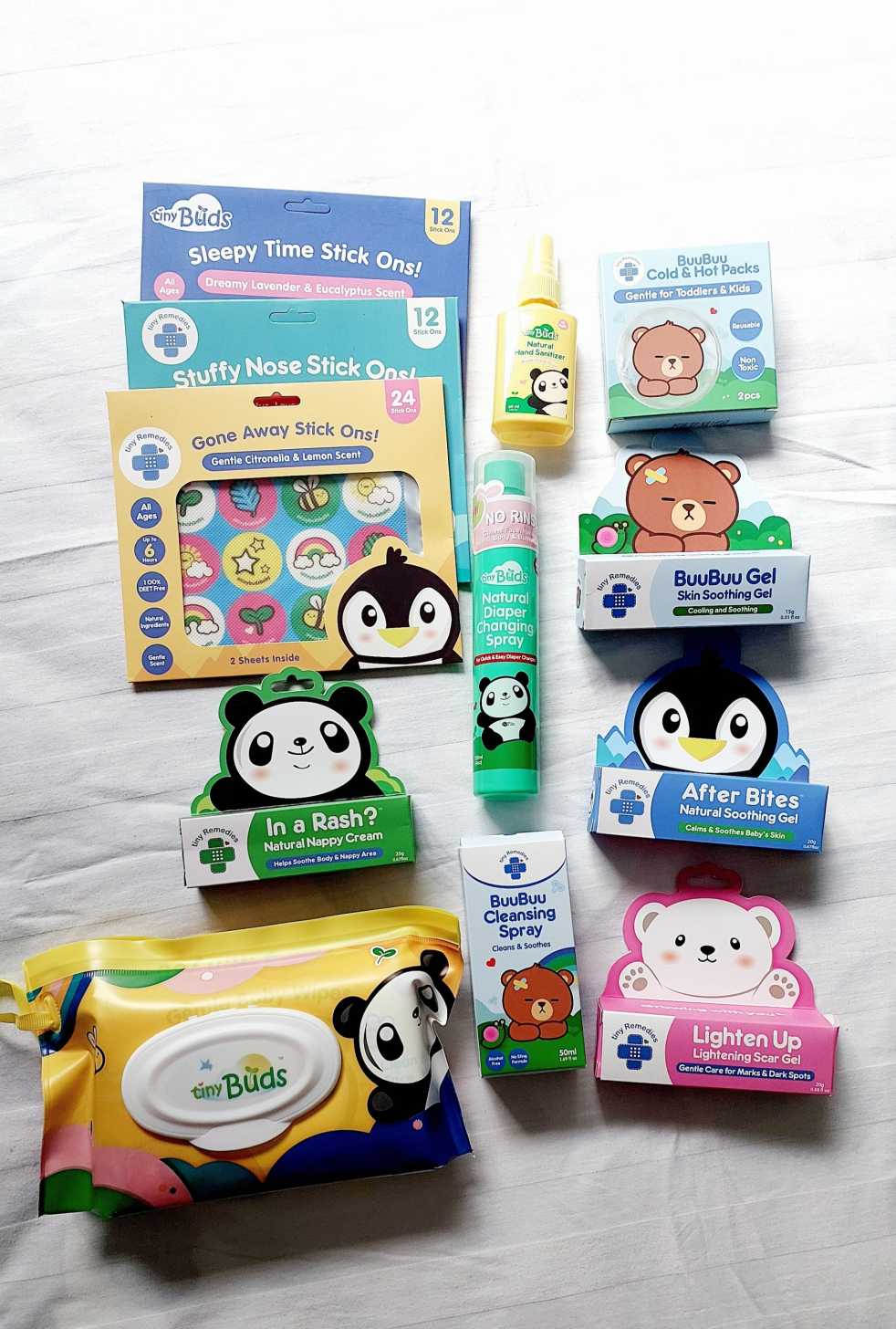
Your baby’s skin is more delicate than most, this is why you have to choose products that are designed for sensitive skin. Tiny Buds is a pioneer in integrating natural ingredients into baby care and today has over 50 innovative natural baby care essentials and is one of the Top Baby Personal Care brands. Here… Continue reading Product Review: Tiny Buds Baby Naturals Baby Essentials
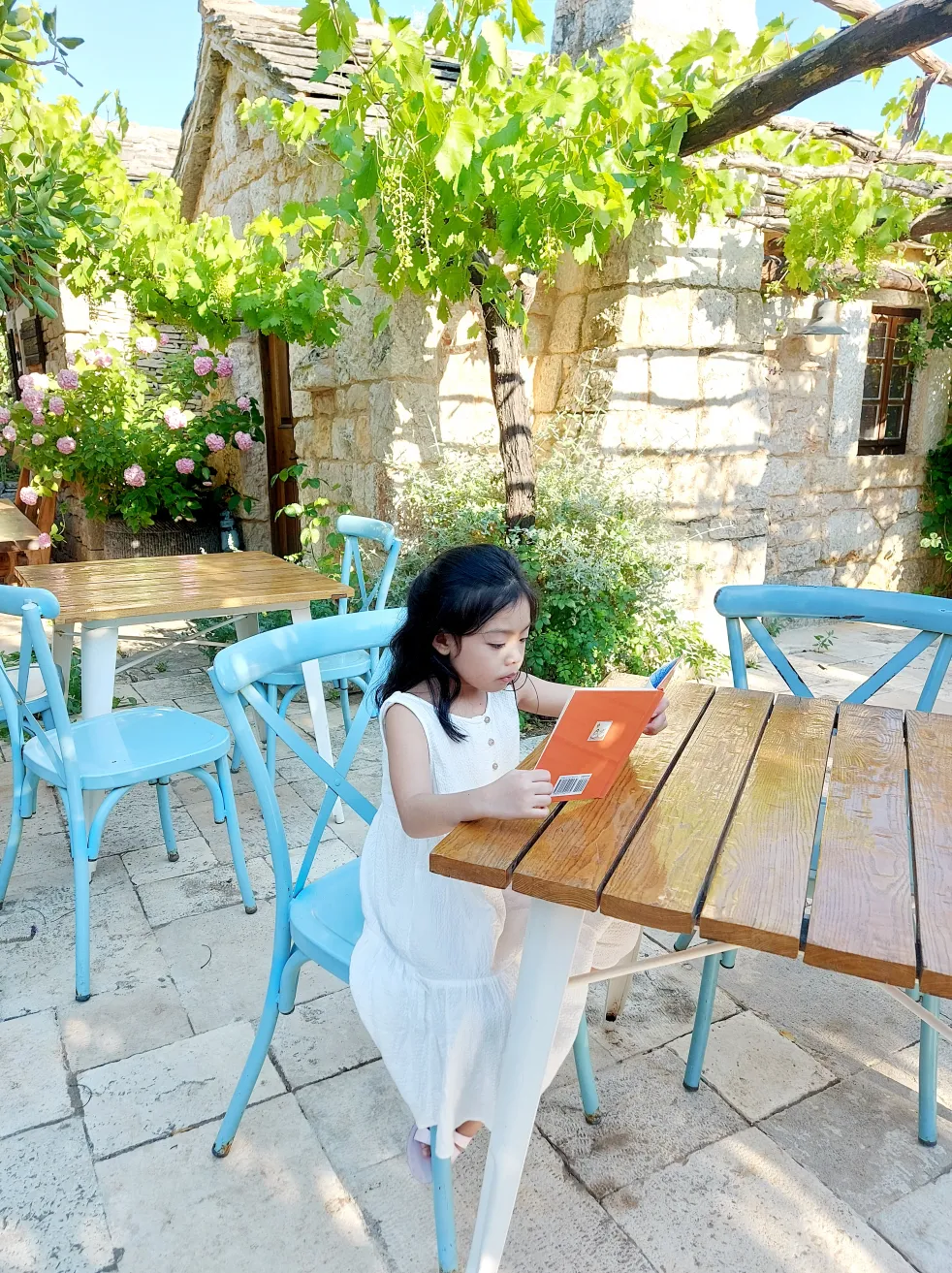
Where your child goes to school is a big decision and shouldn’t be taken lightly. Given how their education can impact their future, you might be tempted to take control and decide for them. However, you might be doing more damage than helping them in the long run. Your job as parents is to support… Continue reading HOW TO CHOOSE THE BEST SCHOOL FOR YOUR CHILD
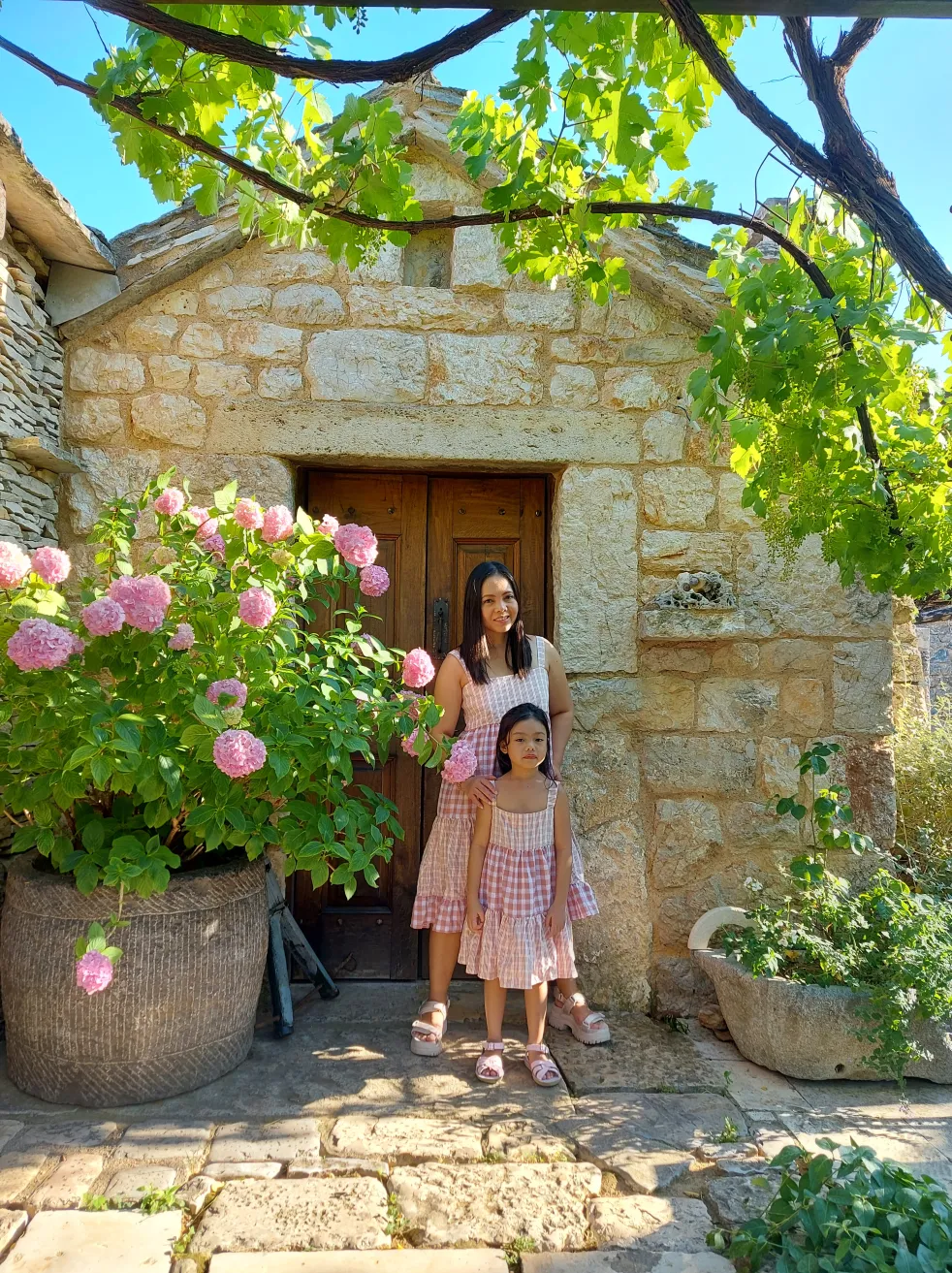
As poet and philosopher Rumi once eloquently said, “raise your words, not your voice. It is rain that grows flowers, not thunder.” Parenting is a challenging journey, and the truth is that nobody has everything figured out. One parenting style might suit others best, and some might favor other methods. However, children respond better to… Continue reading A SIMPLE GUIDE TO GENTLE PARENTING

Whether you’re a new mom to be, mom of a toddler, mom who have school-aged kids, you’re bound to have so many questions. Let's start with your baby's skin. Infant skin has unique needs; gentle care is essential to prevent damage to the skin barrier, which can lead to irritation. When caring for infant skin,… Continue reading Keeping Baby’s Diapered Skin Healthy
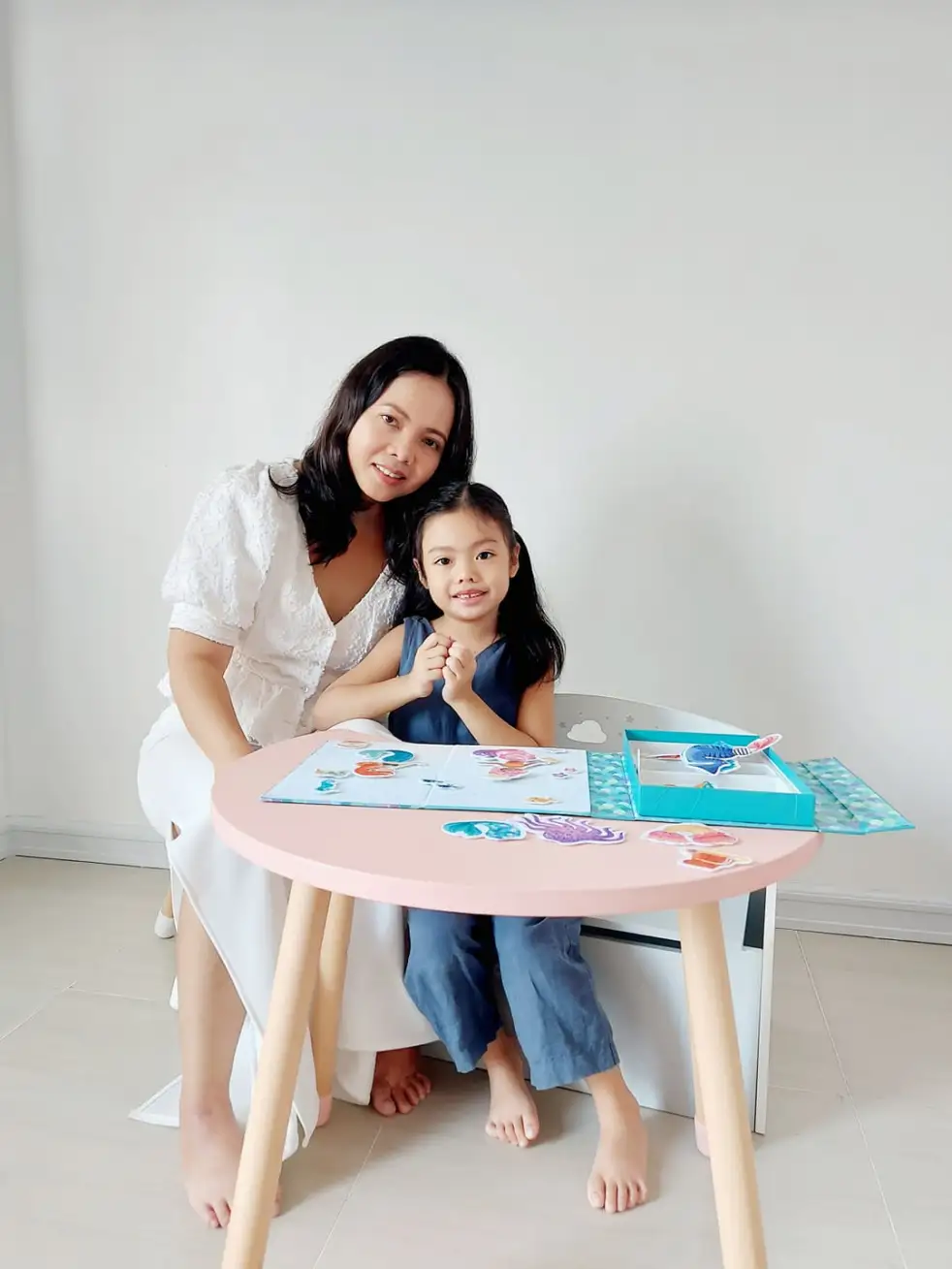
As parents, we want to give our child the best possible start in life and that begins with nurturing their intelligence. Throughout history, the notion of success has been linked to academic intelligence. However, there has been an increased awareness on the importance of emotional intelligence. This question gets at the heart of the never-ending… Continue reading IQ or EQ, which one is a better predictor of your child’s success?
 wondermomma.net