

Last August, IKEA Philippines engaged with Better World Smokey Mountain, a newly opened community center operated by the San Miguel Foundation, which shares a similar goal of improving the lives of many Filipino people. Through this partnership, IKEA Philippines provided and assembled home furnishings for the classrooms and library of Better World Smokey Mountain community… Continue reading Help Create a Better World with IKEA Soft Toys

NutriAsia, the country’s top producer of condiments and sauces, continues its support of Refill Revolution; a project by the Department of Environment and Natural Resources EMB 3 that aims to help reduce Filipinos’ single-use plastics consumption. At Refill Revolution, residents get to recycle their single-use plastic bottles by reusing and filling it with their choice… Continue reading NutriAsia and DENR renews partnership for Refill Revolution

Helping your child cope with grief and loss
When someone a child loves dies, their world can feel unfamiliar and unsafe. Grief may appear as tears, anger, clinginess, silence, sleep problems or sudden bursts of play. Children often move in and out of sadness quickly, so a laughing game one minute and a meltdown the next can both be normal responses to bereavement.
Children also understand death differently at different ages. A preschooler may believe the person will come back, while a primary school child may worry that another family member will die. Teenagers can understand the permanence of death but struggle to talk about feelings, particularly when they are trying to support a grieving parent.
There is no single correct way to mourn. In Australia, families may gather for a funeral, memorial service, wake or “celebration of life”, while Aboriginal and Torres Strait Islander families may follow cultural practices connected with Sorry Business. Respecting family traditions, giving clear explanations and maintaining a steady presence can help a child feel held through a painful change.
Talk about death clearly and gently
Use simple, direct words such as “died” and “death”. Euphemisms like “gone to sleep” or “we lost Nan” can confuse young children or make them afraid of sleeping or becoming lost. A calm explanation might be: “Grandad died because his heart stopped working. His body cannot work again, and we won’t be able to see him in the way we did before.”
Answer the question that has actually been asked, then pause. Children often take in information in small pieces and return to the same question many times. Repeating an explanation is not a sign that they are being difficult; it is how they make sense of a permanent event. If you do not know something, it is safe to say, “I’m not sure, but I will find out.”
Avoid making promises you cannot keep, such as “You will feel better soon.” Instead, reassure your child about the support around them: “You may feel sad for a long time, and I will be here to listen and care for you.” Explain that feelings can change during the day and that grief is not anyone’s fault.
Notice how grief looks at different ages
Toddlers and preschoolers often have a limited understanding of permanence. They may ask when the person is coming home, play out funerals with toys or become unusually demanding. Keep routines predictable, offer extra cuddles and use short explanations. A comfort object, family photograph or simple storybook can provide reassurance when words are too difficult.
Primary school children may ask detailed questions about illness, burial or what happens to the body. They can become anxious about parents travelling, develop tummy aches or worry that their own thoughts caused the death. Gently correct misunderstandings and tell their teacher or school wellbeing coordinator what has happened. Australian schools may be able to arrange a quiet space, flexible deadlines or check-ins with a counsellor.
Teenagers may want privacy, time with friends or practical ways to help. Some express grief through irritability, risk-taking, withdrawal or changes in schoolwork rather than visible sadness. Respect their independence while staying available. A message such as “You don’t have to talk now, but I’m here at any hour” can be more effective than pressing for a conversation.
Create safe ways to remember and express feelings
Children benefit from having choices about participation in a funeral or memorial service. Explain beforehand what they may see and hear, including whether there will be a coffin, cremation or many people crying. Let them decide whether to attend, write a note, draw a picture or say goodbye privately. Arrange a trusted adult to support them so the primary caregiver can grieve as well.
Memory-making can continue after the service. A child might create a memory box, plant a native tree, cook the loved one’s favourite recipe or record stories from relatives. In Australia, visiting a beach, bush track or local park connected with the person can create a quiet ritual. For families observing Sorry Business or another cultural mourning practice, follow the guidance of Elders and community leaders rather than assuming one approach suits everyone.
Creative play, music and drawing can reveal feelings that a child cannot name. Listen without rushing to cheer them up or find a lesson in the loss. Saying “That drawing looks very lonely” or “You really miss your aunty” shows that difficult emotions are welcome. It is also healthy for children to laugh, play and enjoy ordinary moments without feeling disloyal.
Keep everyday life steady
Regular meals, school attendance, bedtime rituals and physical activity give children a sense of safety. Standards may need to be lowered for a while: a simple dinner, extra screen time or a later bedtime can be reasonable during the first days. Still, predictable boundaries help children understand that adults remain able to care for them.
Tell key adults what your child needs and what language your family is using. This may include a teacher, outside-school-hours care team, sports coach, GP or child health nurse. If the family is moving between relatives in Sydney, regional Queensland or elsewhere, keep a familiar bag of books, clothing and comfort items available.
Look after your own grief too. Children notice when adults hide every tear, but they can also feel frightened by overwhelming distress. Briefly explain, “I’m crying because I miss Mum. I’m sad, and I’m safe.” Ask another trusted adult to help with transport, meals and supervision. A local library, community centre, faith group or bereavement service may offer low-cost support, while a GP can discuss suitable professional referrals.
Helpful ways to offer steady support
- Listen more than you speak, and accept repeated questions without criticism.
- Keep photographs and memories accessible while allowing your child to choose when to engage with them.
- Give two small choices, such as attending the service or saying goodbye at home.
- Tell the school and other carers what changes they may notice.
- Seek help if distress is intense, lasts unusually long or affects safety and daily functioning.
Know when extra support is needed
Grief does not follow a timetable, and there is no fixed date when a child should be “over it”. However, ongoing nightmares, severe separation anxiety, persistent physical complaints, self-blame, aggression, school refusal or a marked loss of interest deserve attention. A child who talks about wanting to die, join the deceased person or hurt themselves needs immediate support and supervision.
Start with your GP, who can assess your child and explain local options. In Australia, Medicare may cover some mental health appointments when eligibility requirements are met, although costs and waiting times vary between providers. A school counsellor, private psychologist, child and family health service or bereavement organisation may also help. Kids Helpline can be contacted on 1800 55 1800, and Lifeline is available on 13 11 14 for urgent emotional support.
Support should match the child’s age, personality, culture and relationship with the person who died. A child may need a few conversations and practical reassurance, while another may benefit from grief counselling or a peer group. Consider whether an Aboriginal community-controlled health service, culturally specific organisation or faith leader can provide guidance that feels safe and respectful.
| What you may notice | Support that can help | When to seek extra guidance |
|---|---|---|
| Asking the same questions or becoming clingy | Short, honest answers; predictable routines; reassurance | Confusion or anxiety remains intense for weeks |
| Anger, tantrums or trouble at school | Calm limits, movement, teacher communication and quiet breaks | Aggression threatens safety or learning |
| Withdrawal or avoiding reminders | Gentle invitations, private remembrance and patient listening | Isolation, low mood or loss of interest persists |
| Sleep problems or physical complaints | Bedtime comfort, regular meals and a GP check | Symptoms are severe, worsening or affecting daily life |
| Talking about joining the person who died | Stay close, remove immediate dangers and listen calmly | Seek urgent professional or crisis support immediately |
A child does not need a perfect adult response; they need honest care that continues. Grief may return around birthdays, holidays, school milestones or familiar places. With dependable adults, respectful remembrance and appropriate help, children can carry the loss while gradually rebuilding a sense of safety and connection.

Mercato Centrale, in collaboration with Indian Women in Enterprise Philippines (I-We), is set to host "The Great Indian Fiesta" to mark 75 years of friendship between India and the Philippines. The dynamic two-day event is scheduled to take place on September 30 to October 1, 2023, at Paseo De Roxas Street, Makati City. Aiming to… Continue reading Mercato Centrale Partners with I-We to Host ‘The Great Indian Fiesta’, Commemorating 75 Years of India-Philippines Friendship

My stomach would usually start growling at 10 am even after taking a big breakfast. This is probably because I am a morning person and I move a lot throughout the day hence snacking is something that I can't avoid. This potatoes and chicken wrap recipe is easy to prepare and would keep me full… Continue reading Potato and Chicken Wrap
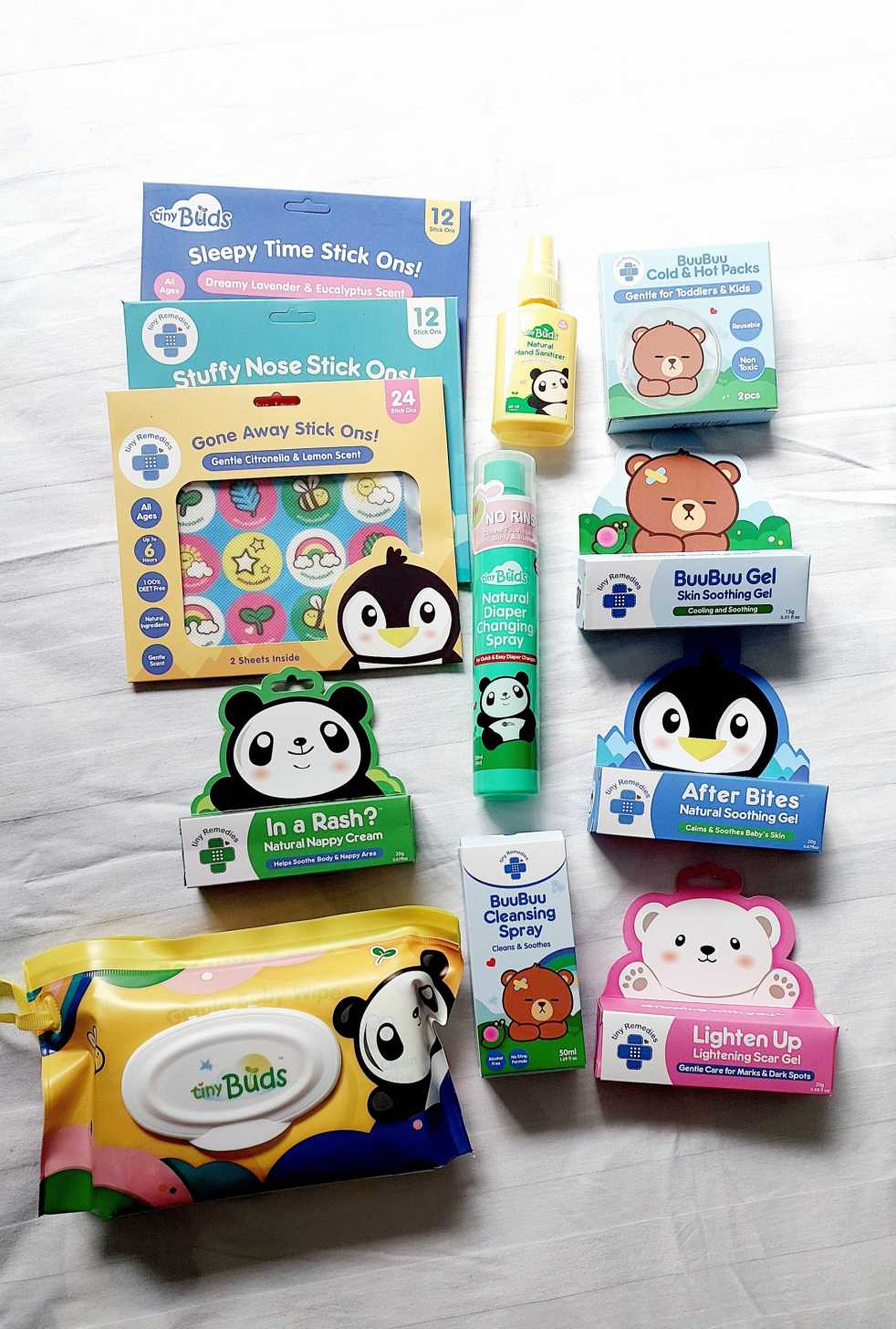
Your baby’s skin is more delicate than most, this is why you have to choose products that are designed for sensitive skin. Tiny Buds is a pioneer in integrating natural ingredients into baby care and today has over 50 innovative natural baby care essentials and is one of the Top Baby Personal Care brands. Here… Continue reading Product Review: Tiny Buds Baby Naturals Baby Essentials
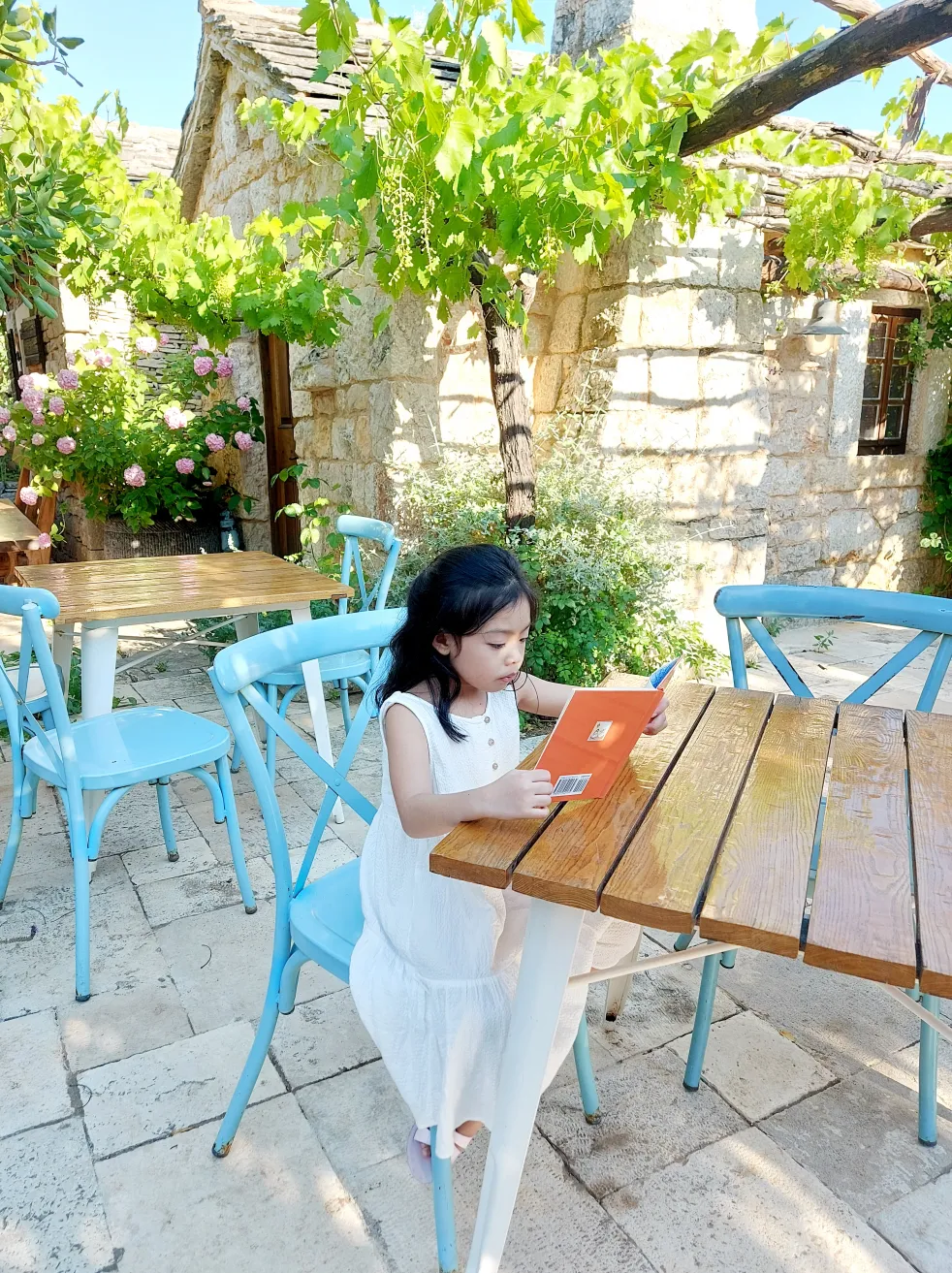
Where your child goes to school is a big decision and shouldn’t be taken lightly. Given how their education can impact their future, you might be tempted to take control and decide for them. However, you might be doing more damage than helping them in the long run. Your job as parents is to support… Continue reading HOW TO CHOOSE THE BEST SCHOOL FOR YOUR CHILD
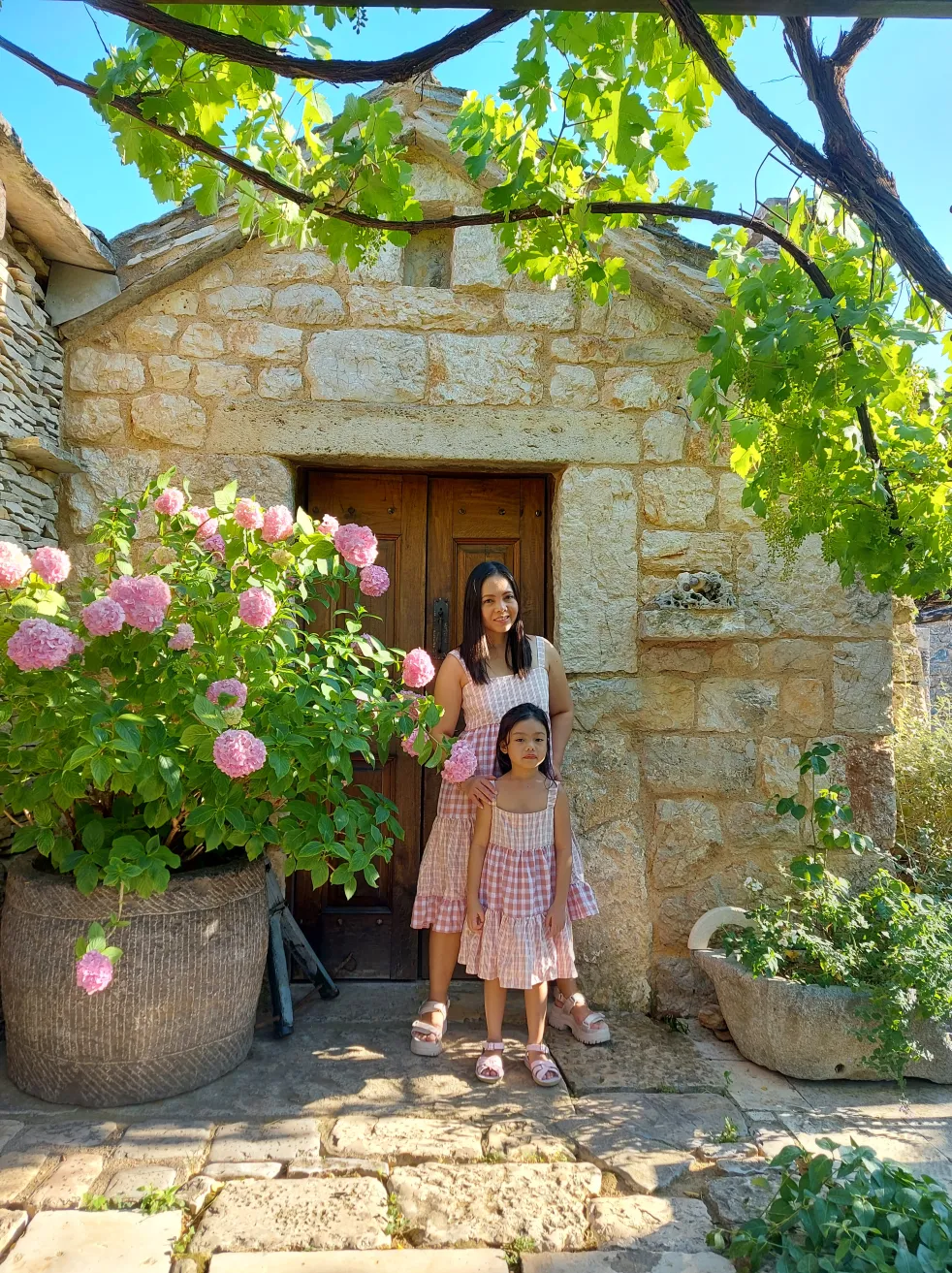
As poet and philosopher Rumi once eloquently said, “raise your words, not your voice. It is rain that grows flowers, not thunder.” Parenting is a challenging journey, and the truth is that nobody has everything figured out. One parenting style might suit others best, and some might favor other methods. However, children respond better to… Continue reading A SIMPLE GUIDE TO GENTLE PARENTING

Whether you’re a new mom to be, mom of a toddler, mom who have school-aged kids, you’re bound to have so many questions. Let's start with your baby's skin. Infant skin has unique needs; gentle care is essential to prevent damage to the skin barrier, which can lead to irritation. When caring for infant skin,… Continue reading Keeping Baby’s Diapered Skin Healthy
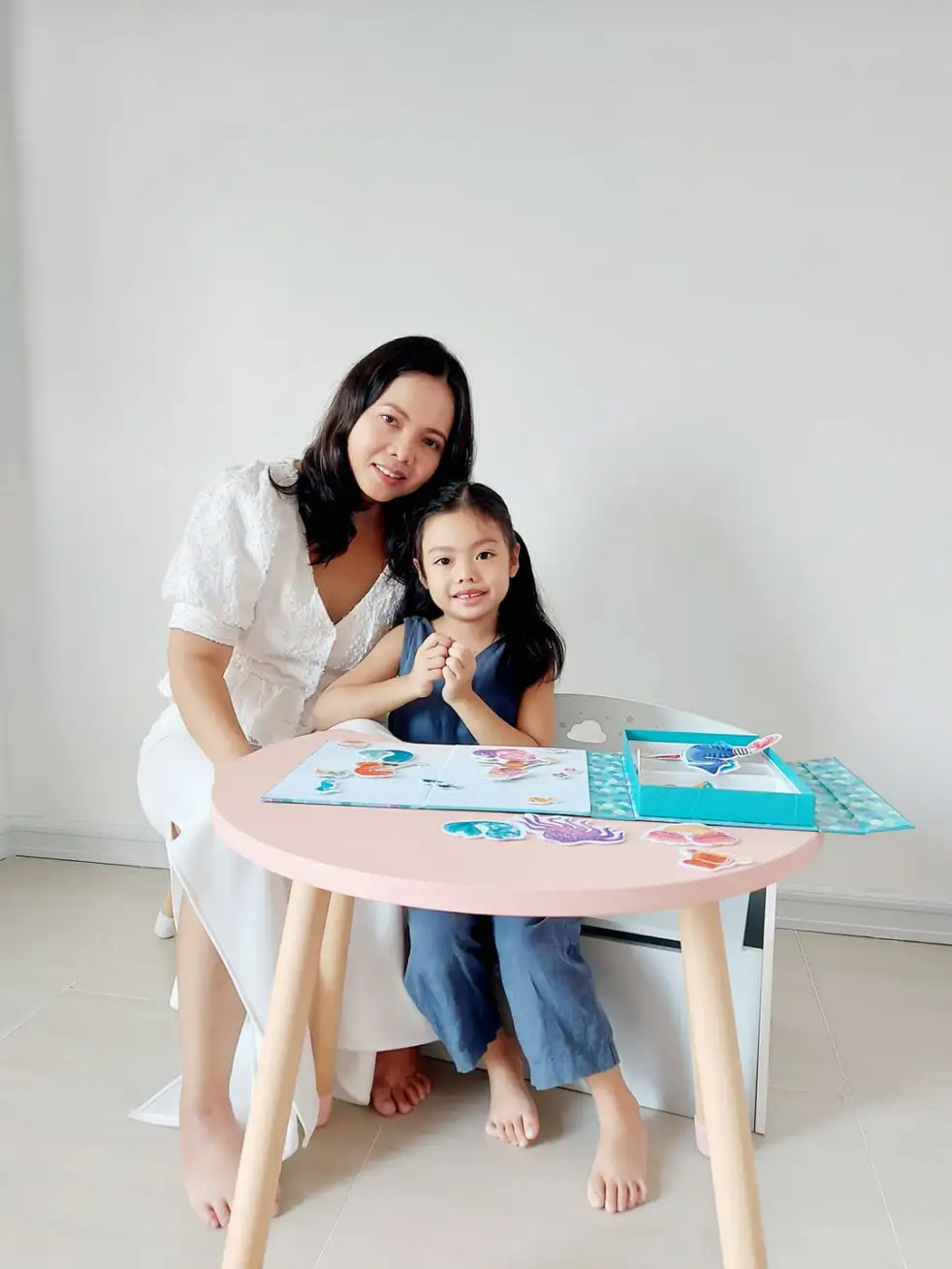
As parents, we want to give our child the best possible start in life and that begins with nurturing their intelligence. Throughout history, the notion of success has been linked to academic intelligence. However, there has been an increased awareness on the importance of emotional intelligence. This question gets at the heart of the never-ending… Continue reading IQ or EQ, which one is a better predictor of your child’s success?
 wondermomma.net