

Last August, IKEA Philippines engaged with Better World Smokey Mountain, a newly opened community center operated by the San Miguel Foundation, which shares a similar goal of improving the lives of many Filipino people. Through this partnership, IKEA Philippines provided and assembled home furnishings for the classrooms and library of Better World Smokey Mountain community… Continue reading Help Create a Better World with IKEA Soft Toys
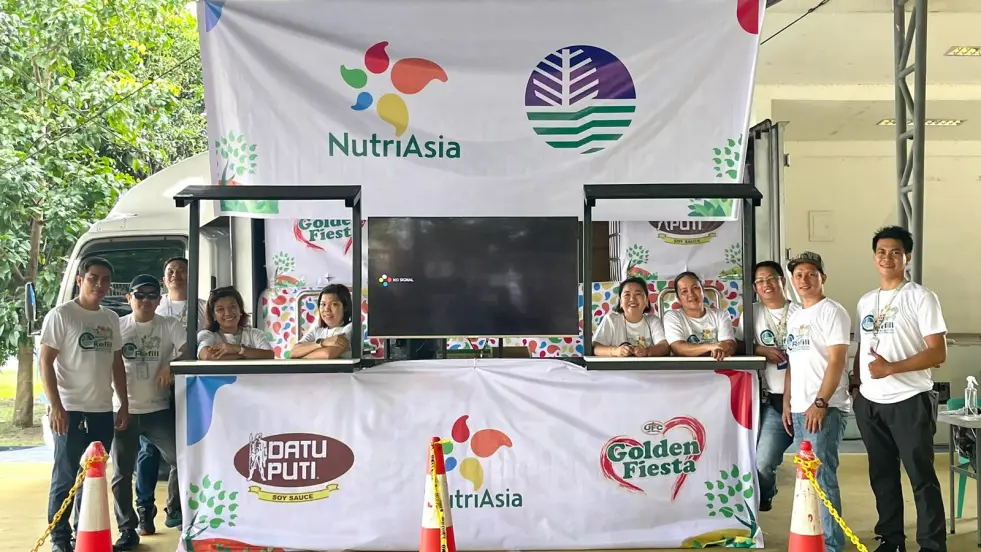
NutriAsia, the country’s top producer of condiments and sauces, continues its support of Refill Revolution; a project by the Department of Environment and Natural Resources EMB 3 that aims to help reduce Filipinos’ single-use plastics consumption. At Refill Revolution, residents get to recycle their single-use plastic bottles by reusing and filling it with their choice… Continue reading NutriAsia and DENR renews partnership for Refill Revolution

Helping Your Child Welcome A New Sibling
A new baby changes the rhythm of family life, even when everyone feels excited. Older children may love touching a newborn’s tiny hands, then become tearful when a parent feeds, settles or cuddles the baby. This shift can be confusing, especially for toddlers who cannot yet explain jealousy, worry or disappointment.
Helping a child adjust to a new sibling begins before the birth and continues well after you arrive home. Preparation, predictable routines and warm one-on-one attention give children a sense of security. Your aim is not to make every reaction cheerful; it is to show your older child that their place in the family remains safe.
Australian families may be balancing school drop-off in Melbourne, a long commute across Sydney, childcare in Brisbane or support from grandparents in Perth. Practical planning matters as much as emotional preparation. Small, repeatable habits can make the transition gentler for parents, babies and older children.
Prepare Your Older Child Before Birth
Use simple, honest language to explain what will happen. A baby will sleep, cry, feed and need help with almost everything. The baby will not immediately play games or share toys, so realistic expectations prevent some disappointment. Picture books about becoming a big brother or sister can make the idea easier to understand.
Talk about the changes your child can see, such as a cot, nappies or a car seat, while reassuring them about what will stay familiar. Mention who will care for them when you go to hospital and where they will sleep. If possible, practise a short separation with a trusted grandparent, relative or family friend.
Invite your child to help in ways that do not create responsibility for the baby. They might choose a muslin wrap, draw a welcome picture or help organise a small basket of nappies. Avoid saying that the baby will need them to be “a big kid” all the time. Children still need permission to be young, dependent and comforted.
Make Space For Big Feelings
Jealousy after a new baby arrives is common and does not mean your child is unkind. An older child may regress by asking for help with dressing, waking overnight or using babyish speech. They may also grab toys, interrupt feeds or say they dislike the baby. These behaviours often communicate a need for connection rather than deliberate disobedience.
Respond with calm limits and emotional language: “You wanted me to keep playing, and it is hard when I am holding the baby.” Then add the boundary: “I will not let you hit. You can stamp your feet or squeeze this cushion.” Gentle parenting still includes firm safety limits; empathy and consistency work together.
Try not to shame your child for feeling possessive. Avoid comparisons such as “The baby is so quiet, unlike you.” When you name the feeling without giving it control, your child learns that anger and love can exist at the same time. This emotional security supports sibling bonding over the long term.
Protect Familiar Routines
Predictable parts of the day help an older child feel that life has not been completely rearranged. Keep bedtime stories, school attendance, weekend outings or a regular bath routine as steady as possible. If a change is unavoidable, explain it beforehand and offer a clear alternative.
For families using long day care, the Child Care Subsidy may help maintain an older child’s usual attendance, subject to eligibility and activity requirements. Local playgroups, libraries and maternal and child health services can also provide familiar social contact. Check arrangements with your state or territory service because programs and advice vary across Australia.
Useful anchors may include:
- A ten-minute bedtime cuddle without the baby present
- The same morning goodbye ritual at childcare or school
- A weekly visit from a grandparent or trusted support person
- A short pram walk followed by a familiar snack
Do not try to preserve every routine perfectly. A newborn’s feeding and sleep patterns are unpredictable. Choose two or three moments that matter most to your older child, then protect those moments with help from your partner, relatives or friends.
Create Safe Moments Together
Sibling connection grows through brief, low-pressure experiences. Let your older child sit near you while you feed the baby, look at a board book beside the bassinet or sing during nappy changes. Stay close and supervise all contact. Even a gentle child may poke, squeeze or place an object near a newborn’s face out of curiosity.
Give your child choices that are genuinely safe: “Would you like to bring the clean nappy or choose the song?” Praise specific actions rather than expecting affection. “You waited while I finished fastening the baby’s wrap” is more helpful than “You are such a good big sister.”
A small basket of special activities can make feeding periods easier. Include stickers, magnetic tiles, colouring materials or a favourite audio story. These items should supplement attention, not replace it. When the feed ends, reconnect with eye contact, a cuddle or a few minutes of focused play.
Gentle shared activities include:
- Looking at family photos and naming everyone
- Singing a familiar song during baby care
- Folding small towels together
- Going outside for a supervised garden or pram break
Never leave a baby and young child together without an attentive adult. Teach the older child to call you for help rather than lifting, carrying or settling the baby. Clear rules protect both children while allowing curiosity to develop safely.
Share Attention Without Pressure
Older children often notice when visitors focus entirely on the newborn. Before family and friends arrive, ask them to greet the older child as well. A visitor might bring a book for the sibling, ask about school or spend ten minutes playing while a parent holds the baby.
Create small one-to-one rituals rather than waiting for a large block of free time. Five minutes of building a train track, watering herbs or sharing fruit at the kitchen bench can feel meaningful when your attention is undivided. In busy Australian households, these moments may fit around school runs, shift work or a hot afternoon indoors.
It is helpful to describe the baby’s needs without making them sound like a competition. Say, “The baby needs a feed, and then I will help you with your puzzle.” When possible, let your child hear you tell the baby, “Please wait while I finish helping your brother.” This shows that everyone’s needs matter, including theirs.
Accept help that gives you capacity for connection. A relative can cook, do a supermarket run or take your older child to the park. Australian parents may also use meal deliveries, community groups or local family services during the early weeks. Support is most useful when it reduces pressure rather than adding expectations.
Build A Flexible Family Plan
Before the birth, discuss practical roles with your partner or support network. Decide who handles school drop-off, dinner, bedtime and appointments during the first fortnight. If you are eligible, Australian Government Parental Leave Pay may help a parent spend more time at home, while annual leave or flexible work arrangements may add further support. Check current rules and workplace policies before relying on an arrangement.
Consider your physical environment too. Keep small toys away from the baby’s sleep space, place feeding supplies within reach and create a child-friendly area where your older child can play safely. In warmer regions such as Darwin or northern Queensland, plan calm indoor activities during the hottest part of the day. In cooler cities, a walk to the local library or playground can provide a change of scene.
| Common moment | Helpful response | Response to avoid |
|---|---|---|
| Your child interrupts a feed | Offer eye contact, a clear limit and a nearby activity | Telling them they are being difficult |
| Your child asks to be treated like a baby | Give brief nurturing attention without embarrassment | Saying they are too old for cuddles |
| Your child handles the baby roughly | Stop the action calmly and show a safe touch | Shouting or labelling them as naughty |
| Visitors praise only the newborn | Invite them to greet and engage with the older child | Expecting the child to wait silently |
Changes in appetite, sleep or behaviour may settle as your child adapts. Keep observing, especially if distress is intense, lasts for several weeks or affects childcare, school, eating or safety. Your GP, child and family health nurse, raisingchildren.net.au and local parenting services can provide guidance suited to your child’s age and your state or territory.
The relationship between siblings does not need to look affectionate every day. Adjustment happens through hundreds of ordinary moments: a parent listening, a boundary held kindly, a familiar story repeated and a child reminded that there is still room for them. With patience and dependable care, the new family arrangement can gradually feel like home.

Mercato Centrale, in collaboration with Indian Women in Enterprise Philippines (I-We), is set to host "The Great Indian Fiesta" to mark 75 years of friendship between India and the Philippines. The dynamic two-day event is scheduled to take place on September 30 to October 1, 2023, at Paseo De Roxas Street, Makati City. Aiming to… Continue reading Mercato Centrale Partners with I-We to Host ‘The Great Indian Fiesta’, Commemorating 75 Years of India-Philippines Friendship

My stomach would usually start growling at 10 am even after taking a big breakfast. This is probably because I am a morning person and I move a lot throughout the day hence snacking is something that I can't avoid. This potatoes and chicken wrap recipe is easy to prepare and would keep me full… Continue reading Potato and Chicken Wrap
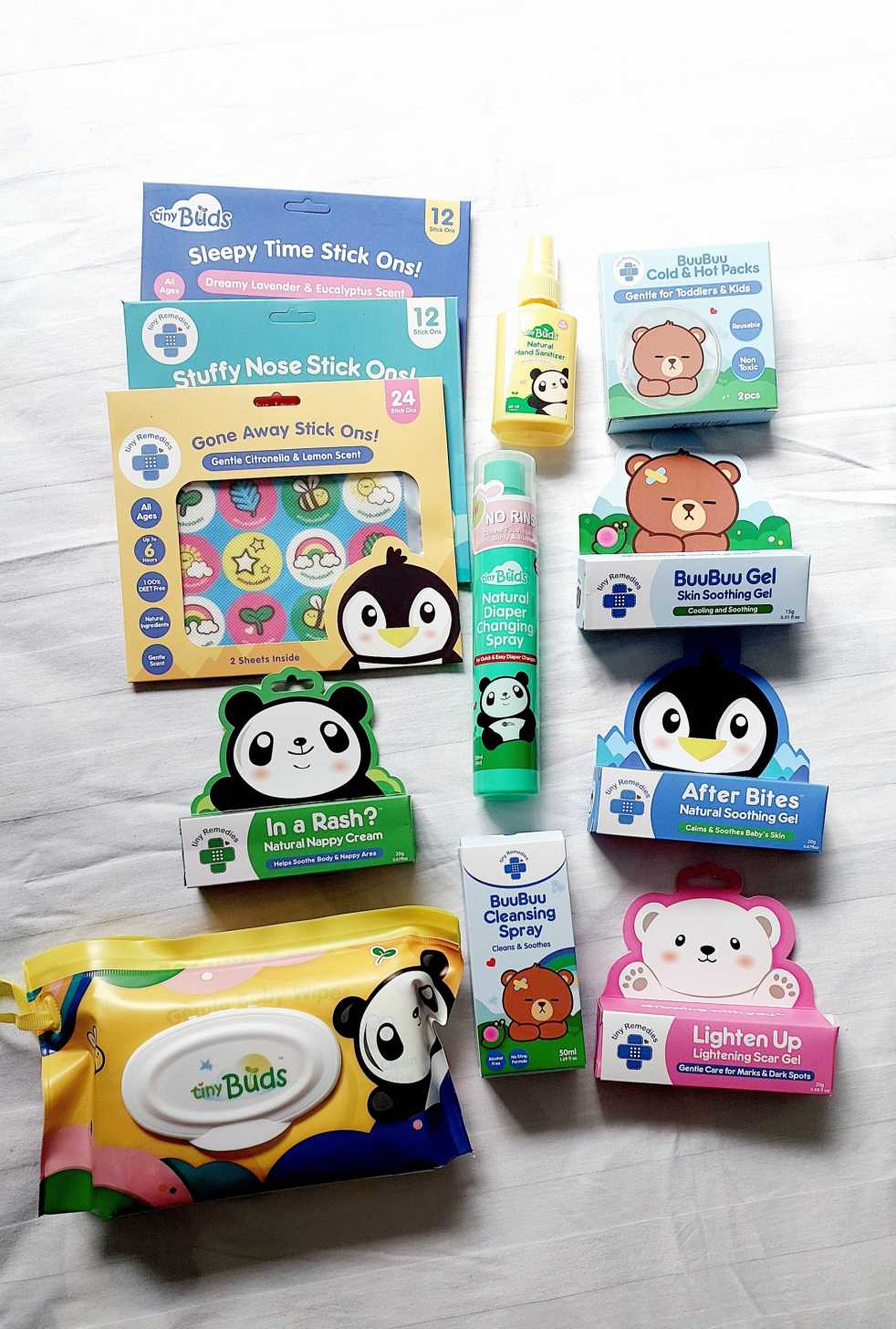
Your baby’s skin is more delicate than most, this is why you have to choose products that are designed for sensitive skin. Tiny Buds is a pioneer in integrating natural ingredients into baby care and today has over 50 innovative natural baby care essentials and is one of the Top Baby Personal Care brands. Here… Continue reading Product Review: Tiny Buds Baby Naturals Baby Essentials
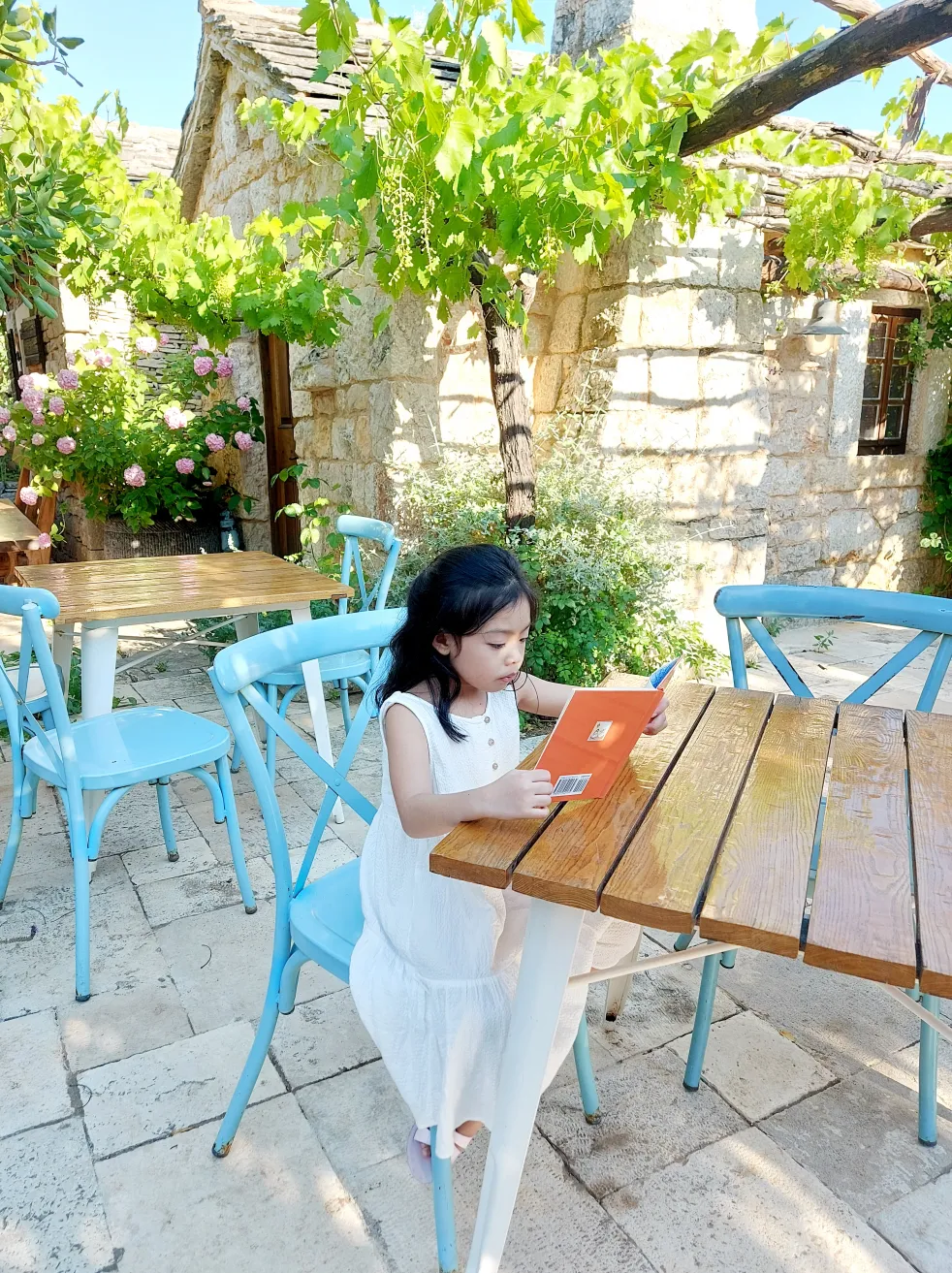
Where your child goes to school is a big decision and shouldn’t be taken lightly. Given how their education can impact their future, you might be tempted to take control and decide for them. However, you might be doing more damage than helping them in the long run. Your job as parents is to support… Continue reading HOW TO CHOOSE THE BEST SCHOOL FOR YOUR CHILD
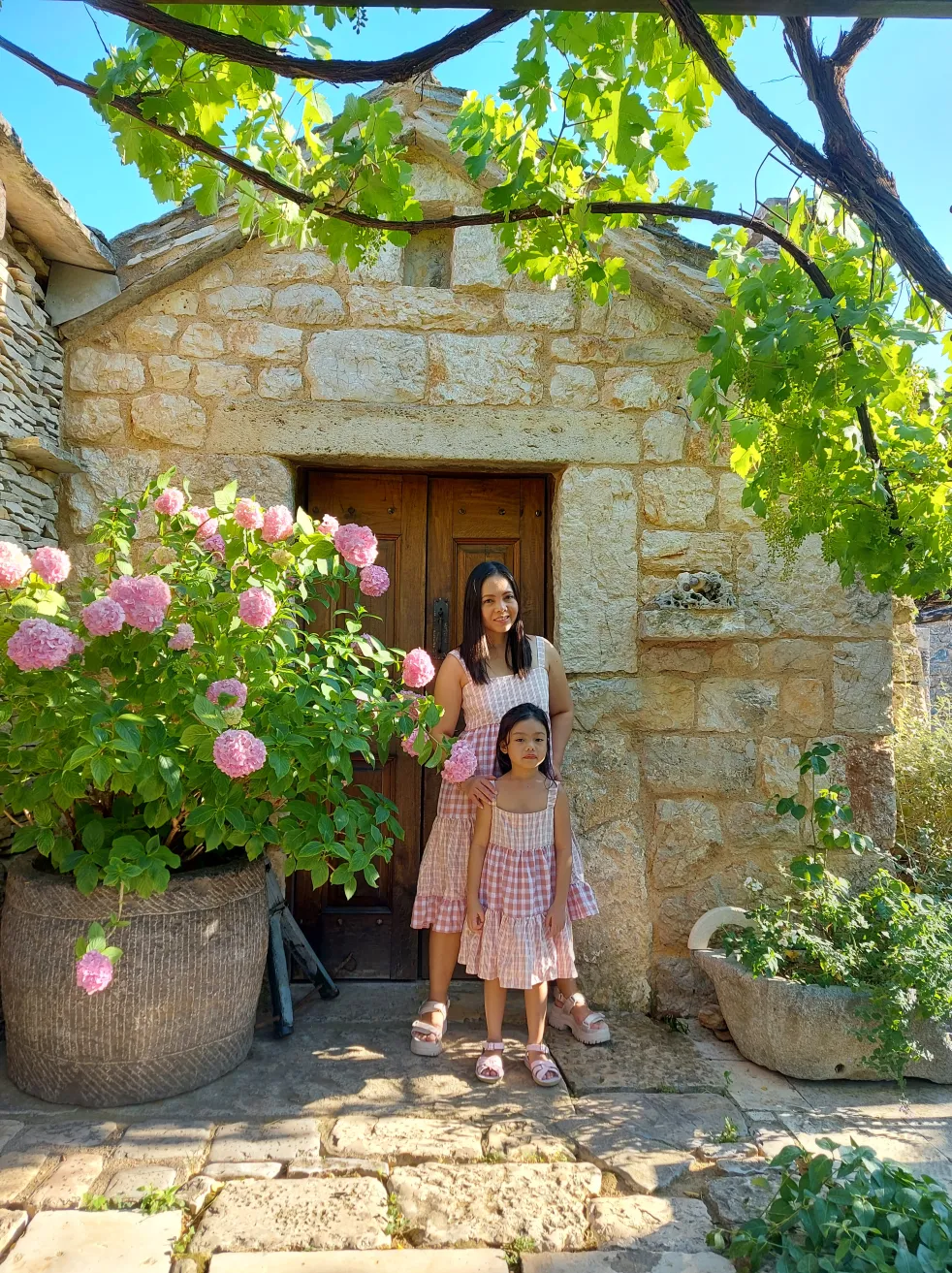
As poet and philosopher Rumi once eloquently said, “raise your words, not your voice. It is rain that grows flowers, not thunder.” Parenting is a challenging journey, and the truth is that nobody has everything figured out. One parenting style might suit others best, and some might favor other methods. However, children respond better to… Continue reading A SIMPLE GUIDE TO GENTLE PARENTING

Whether you’re a new mom to be, mom of a toddler, mom who have school-aged kids, you’re bound to have so many questions. Let's start with your baby's skin. Infant skin has unique needs; gentle care is essential to prevent damage to the skin barrier, which can lead to irritation. When caring for infant skin,… Continue reading Keeping Baby’s Diapered Skin Healthy
As parents, we want to give our child the best possible start in life and that begins with nurturing their intelligence. Throughout history, the notion of success has been linked to academic intelligence. However, there has been an increased awareness on the importance of emotional intelligence. This question gets at the heart of the never-ending… Continue reading IQ or EQ, which one is a better predictor of your child’s success?
 wondermomma.net