

Last August, IKEA Philippines engaged with Better World Smokey Mountain, a newly opened community center operated by the San Miguel Foundation, which shares a similar goal of improving the lives of many Filipino people. Through this partnership, IKEA Philippines provided and assembled home furnishings for the classrooms and library of Better World Smokey Mountain community… Continue reading Help Create a Better World with IKEA Soft Toys
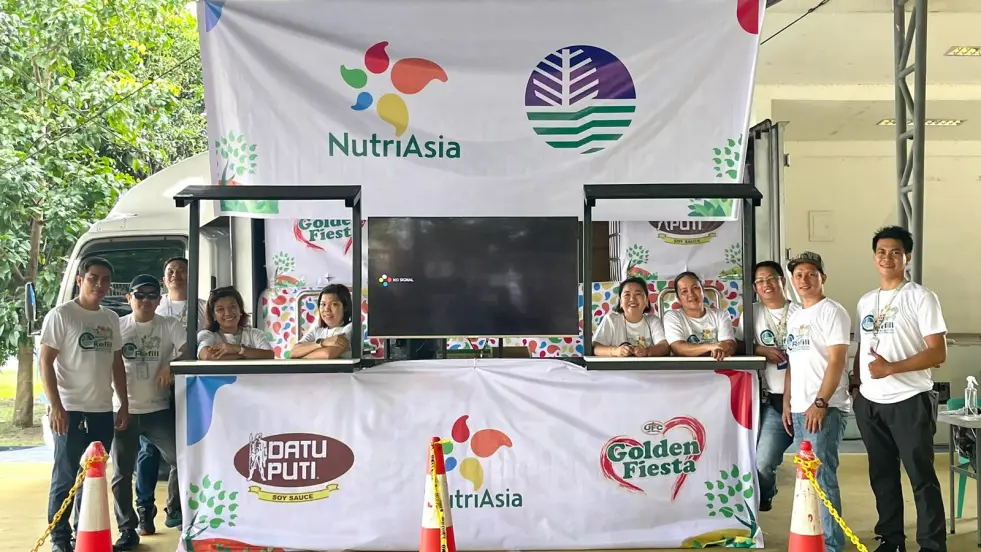
NutriAsia, the country’s top producer of condiments and sauces, continues its support of Refill Revolution; a project by the Department of Environment and Natural Resources EMB 3 that aims to help reduce Filipinos’ single-use plastics consumption. At Refill Revolution, residents get to recycle their single-use plastic bottles by reusing and filling it with their choice… Continue reading NutriAsia and DENR renews partnership for Refill Revolution

Gentle Ways to Teach Your Toddler About Sharing
Sharing is a social skill that grows gradually. A toddler may understand that another child wants a toy, yet still feel unable to hand it over. At this age, ownership, patience, empathy, and impulse control are all developing. Holding tightly to a favorite object is usually a sign of normal development rather than deliberate selfishness.
Parents can support this learning through calm examples and small, manageable experiences. Gentle parenting avoids shame, forced sharing, and labels such as “greedy.” Instead, it helps children recognize feelings, understand simple boundaries, and discover that taking turns can be safe and enjoyable.
The goal is not to make every toy available at every moment. A more realistic aim is to teach toddlers how to share space, wait briefly, exchange objects, offer food, and ask before taking something. These everyday moments create a strong foundation for kindness and cooperation.
Understand What Sharing Means At Toddler Age
Young toddlers often see possessions as extensions of themselves. A toy in their hands can feel deeply important, even if they have ignored it for most of the day. Their brains are still learning to pause, predict another person’s feelings, and imagine how long a wait will last.
This is why telling a two-year-old to “share because you are nice” may not work. The child may hear that their feelings do not matter. A more helpful approach is to describe the situation simply: “You are playing with the truck. Mia would like a turn. You can finish this lap, then we will give it to her.”
Sharing does not have to mean surrendering a treasured item immediately. Toddlers can practice generosity in ways that feel less threatening, such as passing a ball, offering a bite of a snack, or making room beside them. These small actions build social confidence without overwhelming their need for security.
Show The Behavior You Want To See
Children learn cooperation by watching how adults handle everyday interactions. Let your toddler see you offer food, lend an item, take turns speaking, and respect another person’s “not now.” Narrate these moments in simple language: “I am giving Grandma a slice. She asked politely, and I have enough.”
Modeling also includes showing how to respond when someone does not want to share. You might say, “You are still using your book. I will wait,” or “You do not want to give me the car right now. I will choose another one.” This demonstrates that generosity matters, while personal boundaries matter too.
Use warm, specific praise rather than exaggerated approval. “You handed the puzzle piece to your brother” tells your child exactly what they did. “That helped him finish the picture” connects the action with its effect. Over time, toddlers begin to notice the pleasure of helping instead of sharing only to receive praise.
Begin With Short, Predictable Turns
Turn-taking is often easier for a toddler than giving something away permanently. Start with activities that naturally involve a back-and-forth pattern, such as rolling a ball, adding blocks to one tower, or pushing a toy car along a track. Keep the first turns brief so waiting does not become frustrating.
A timer can help older toddlers understand when a turn is changing, although an adult’s calm narration is usually enough for very young children. Say, “Two more pushes, then it will be Sam’s turn.” Follow through consistently. If the child knows what will happen next, they are less likely to feel that a toy is being taken without warning.
Use visual cues when possible. A “my turn, your turn” phrase, a small turn-taking card, or two baskets for two players can make the idea concrete. Avoid expecting a toddler to wait for an indefinite period. A short pause followed by a successful exchange is more useful than a long demand that ends in tears.
| Everyday situation | Gentle phrase | Skill being practiced |
|---|---|---|
| Another child wants a toy | “You are using it. We can offer a turn when you finish.” | Ownership and planning |
| Toddler grabs an object | “Stop. The block is in Ana’s hands. Ask for a turn.” | Impulse control |
| Child offers a snack | “You gave one piece. That was kind.” | Generosity |
| Toddler refuses to share | “You are not ready. This special toy can stay with you.” | Boundaries |
| Two children want the same item | “We will use the timer and take short turns.” | Patience and fairness |
Make Sharing Feel Safe And Concrete
Children are more willing to share when they know their belongings will come back. Before a playdate, let your toddler choose a few special toys to put away. Explain, “These are your favorite things, so we will keep them in your room. The toys in this basket are for playing together.”
This arrangement prevents many conflicts before they begin. It also teaches that sharing is an active choice, not an adult-controlled obligation. If a visitor reaches for a treasured comfort item, step in respectfully: “That is Leo’s special bear. He is keeping it. You may choose the blocks instead.”
Food can provide another gentle opportunity, especially when portions are easy to divide. Offer two small pieces and say, “One is for you, and one can be offered to Dad.” Never pressure a child to give away food they need or strongly want. For families exploring age-appropriate snack ideas, these baby food brands can provide options to discuss with a pediatrician and adapt to a toddler’s needs.
Teach Words For Requests And Feelings
Toddlers often grab because they do not yet have the language to ask. Teach short phrases during calm moments, then repeat them during play: “Can I have a turn?” “Please give it to me.” “I am still using it.” Hand gestures can support children whose spoken language is still emerging.
When a child grabs, block the action gently without scolding. “I won’t let you take it. You want the red shovel. Say, ‘Turn, please.’” If the other child says no, help your toddler cope: “You feel disappointed. The shovel is still being used. You can dig with the blue one or wait.”
Feelings should be accepted while unsafe behavior is limited. “You are angry, and I will not let you hit” is clear and respectful. Move close, protect the children, and keep your words short. Lengthy explanations during a meltdown rarely teach effectively because the toddler’s ability to process language is temporarily reduced.
Respond Calmly During Real Conflicts
Conflict is part of learning, so parents do not need to prevent every disagreement. Stay nearby when toddlers play together, especially when the children are tired or when there are limited toys. Your presence allows you to guide the exchange before grabbing, biting, or hitting escalates.
Describe what happened without assigning blame. “Both of you want the train. Maya had it first, and Noah is pulling it.” Then offer a clear next step: “Maya can finish this track, and Noah can choose the bridge. After that, we will switch.” If needed, gently separate the children and help them calm down before trying again.
Avoid forcing an apology or making one child hand over an object while crying. A scripted “say sorry” may produce words without understanding. Once everyone is calm, encourage repair in a practical form: returning a toy, checking on a friend, helping rebuild a tower, or saying, “Are you okay?” These actions develop empathy more naturally.
Build Sharing Into Daily Family Life
Small routines give toddlers repeated practice without making generosity feel like a special performance. Invite your child to pass napkins, distribute crayons, help place fruit on a plate, or choose a book for family reading. Give them enough time to complete the task, even if their method is slower than yours.
Use cooperative games at home. Build one structure together, make pretend meals for stuffed animals, or take turns adding ingredients to a bowl. Simple recipes can involve offering a spoon, waiting for a parent, and dividing finished food. The focus is participation, not perfect manners.
Keep expectations realistic on difficult days. Hunger, illness, fatigue, and crowded environments can reduce a toddler’s ability to wait or share. A child who manages a turn successfully at home may struggle at a noisy birthday party. Prepare them beforehand, bring a familiar toy if appropriate, and allow breaks when their self-control begins to fade.
Everyday Practices That Encourage Generosity
Gentle teaching works best when it is consistent, brief, and matched to a toddler’s developmental stage. Use these habits throughout the week:
- Model asking before taking someone else’s belongings.
- Keep a few beloved toys private and identify other items as shared playthings.
- Practice short turns with a timer, song, or simple “my turn, your turn” routine.
- Praise specific actions such as offering, waiting, helping, or returning an item.
- Set firm limits around grabbing and hitting while acknowledging disappointment.
With repetition, children gradually learn that sharing is more than giving up possessions. It includes making room, listening to requests, waiting for a turn, and noticing when another person needs help. Some days will bring generous moments, while others will bring resistance. Both are normal parts of development.
Begin with one predictable routine today, such as passing fruit at snack time or taking turns with a favorite ball. Keep your language calm, protect each child’s boundaries, and celebrate small acts of cooperation. These patient moments help your toddler grow into a child who can share with confidence, empathy, and respect.

Mercato Centrale, in collaboration with Indian Women in Enterprise Philippines (I-We), is set to host "The Great Indian Fiesta" to mark 75 years of friendship between India and the Philippines. The dynamic two-day event is scheduled to take place on September 30 to October 1, 2023, at Paseo De Roxas Street, Makati City. Aiming to… Continue reading Mercato Centrale Partners with I-We to Host ‘The Great Indian Fiesta’, Commemorating 75 Years of India-Philippines Friendship

My stomach would usually start growling at 10 am even after taking a big breakfast. This is probably because I am a morning person and I move a lot throughout the day hence snacking is something that I can't avoid. This potatoes and chicken wrap recipe is easy to prepare and would keep me full… Continue reading Potato and Chicken Wrap
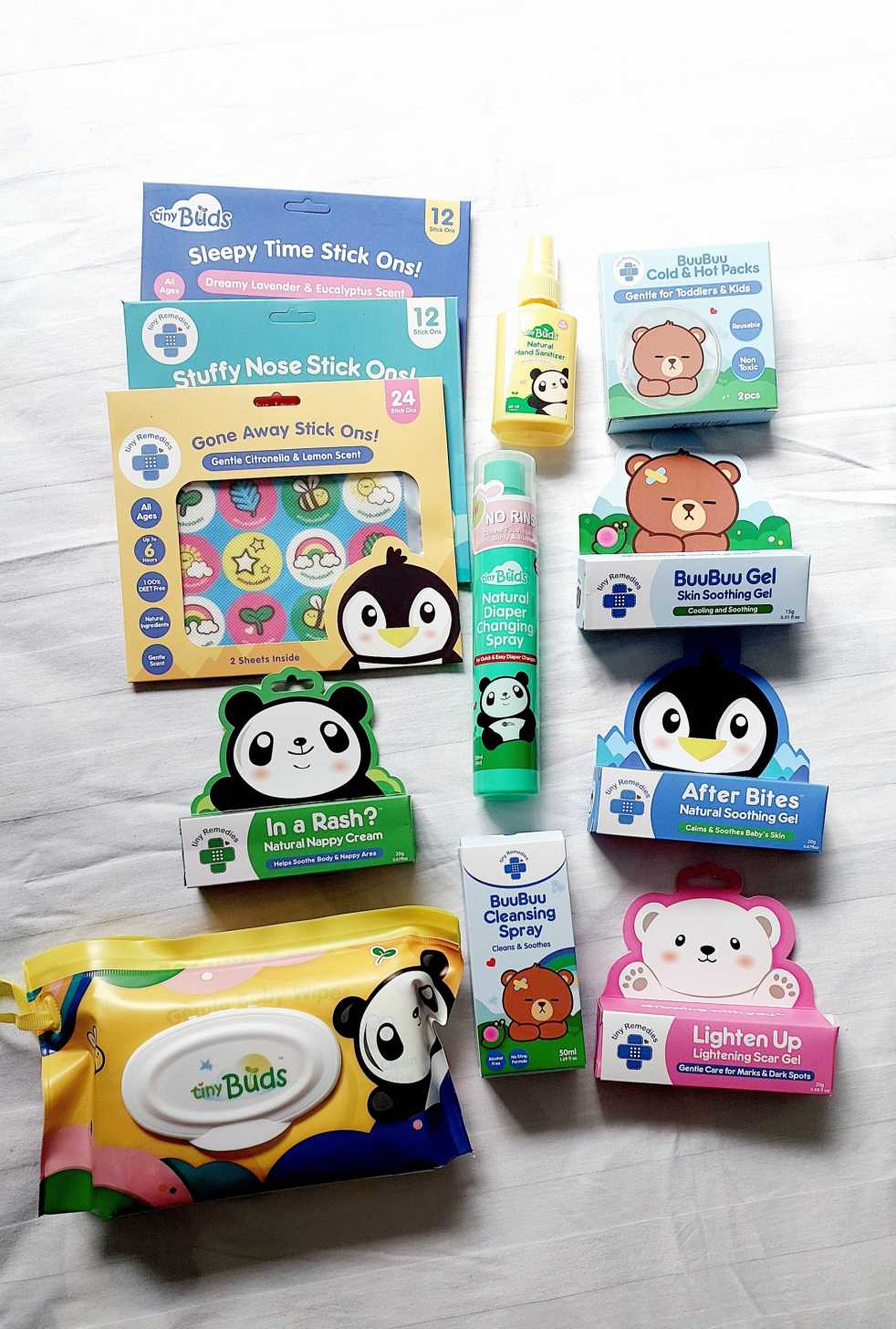
Your baby’s skin is more delicate than most, this is why you have to choose products that are designed for sensitive skin. Tiny Buds is a pioneer in integrating natural ingredients into baby care and today has over 50 innovative natural baby care essentials and is one of the Top Baby Personal Care brands. Here… Continue reading Product Review: Tiny Buds Baby Naturals Baby Essentials
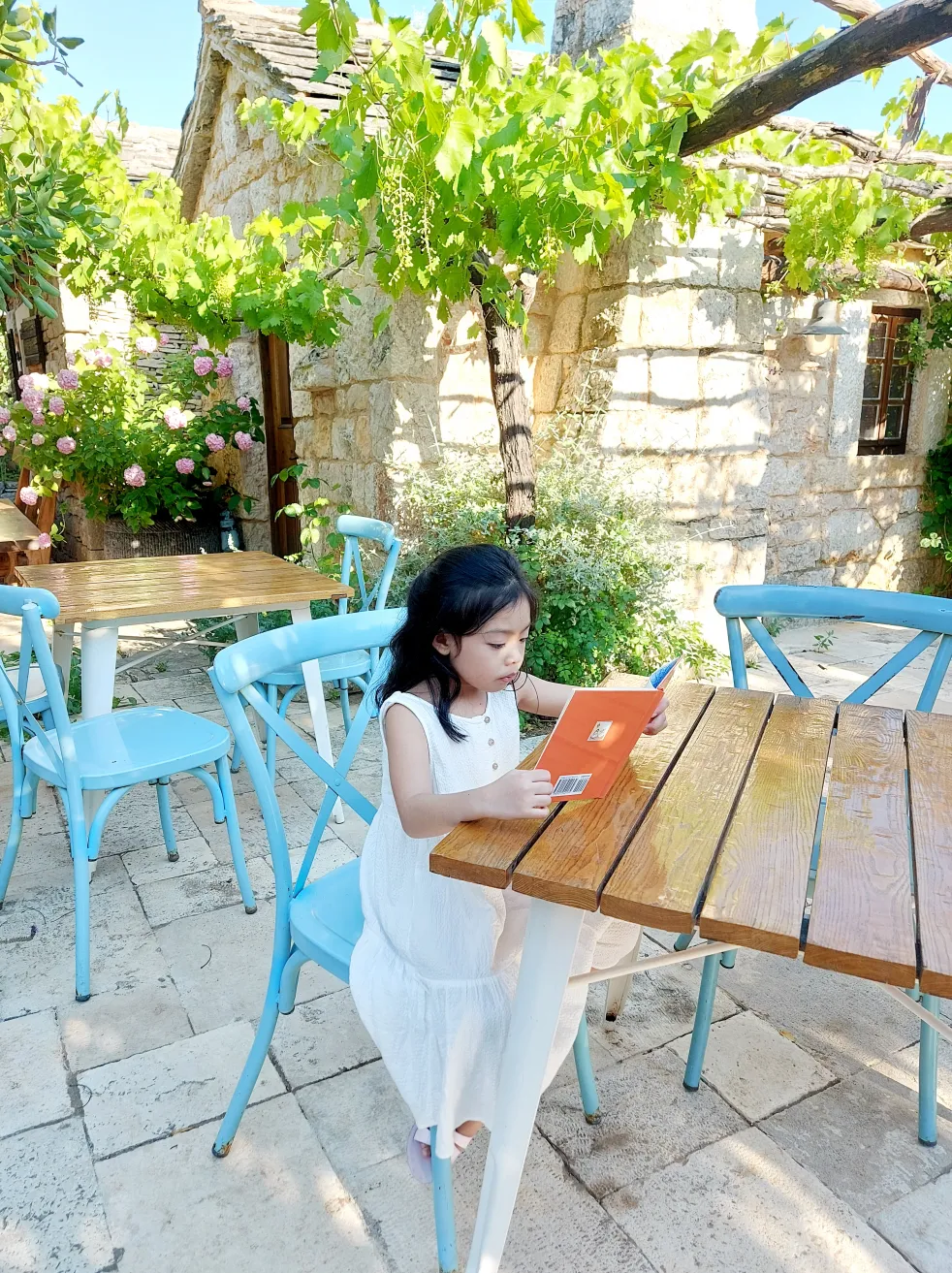
Where your child goes to school is a big decision and shouldn’t be taken lightly. Given how their education can impact their future, you might be tempted to take control and decide for them. However, you might be doing more damage than helping them in the long run. Your job as parents is to support… Continue reading HOW TO CHOOSE THE BEST SCHOOL FOR YOUR CHILD
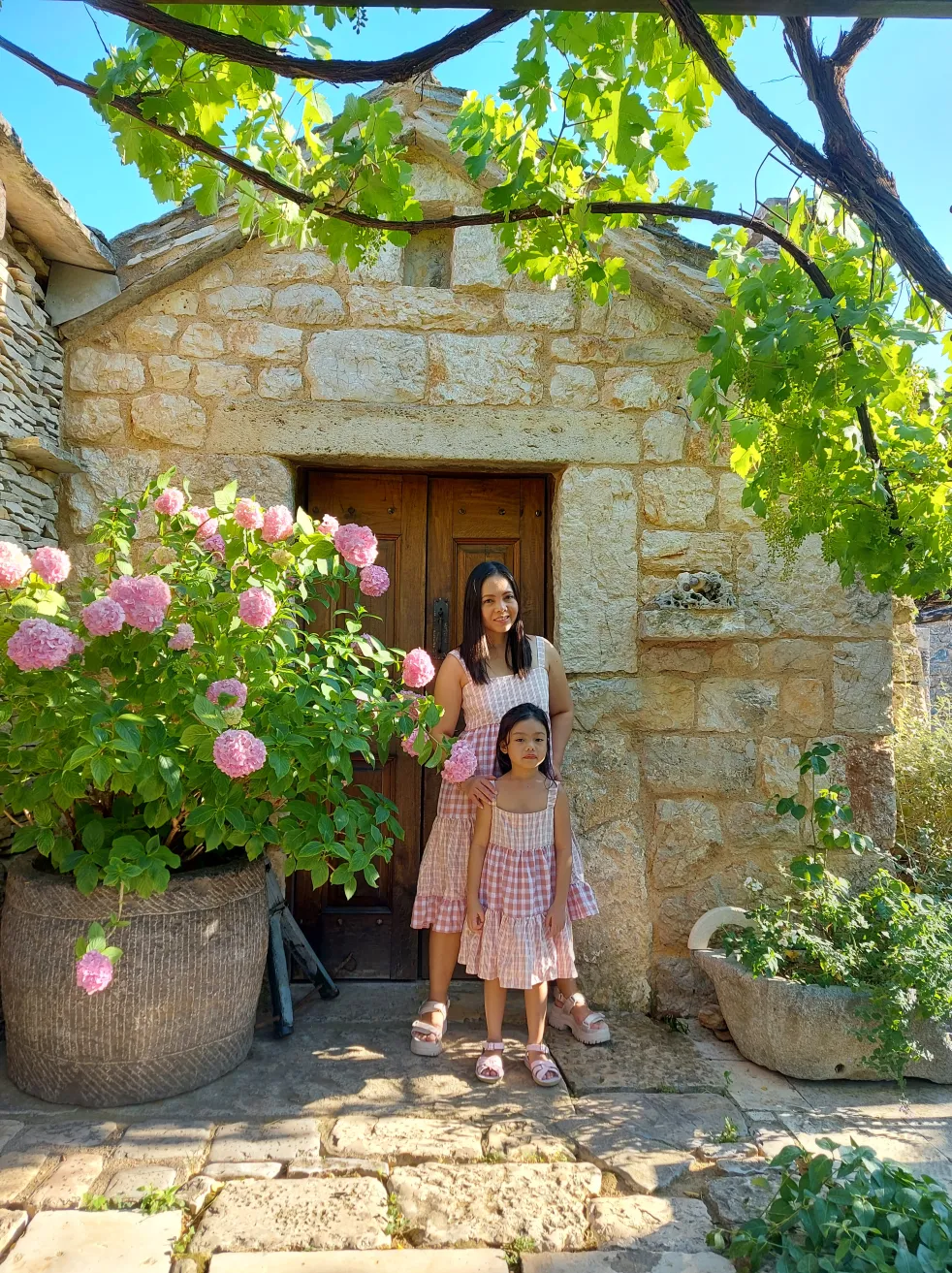
As poet and philosopher Rumi once eloquently said, “raise your words, not your voice. It is rain that grows flowers, not thunder.” Parenting is a challenging journey, and the truth is that nobody has everything figured out. One parenting style might suit others best, and some might favor other methods. However, children respond better to… Continue reading A SIMPLE GUIDE TO GENTLE PARENTING

Whether you’re a new mom to be, mom of a toddler, mom who have school-aged kids, you’re bound to have so many questions. Let's start with your baby's skin. Infant skin has unique needs; gentle care is essential to prevent damage to the skin barrier, which can lead to irritation. When caring for infant skin,… Continue reading Keeping Baby’s Diapered Skin Healthy
As parents, we want to give our child the best possible start in life and that begins with nurturing their intelligence. Throughout history, the notion of success has been linked to academic intelligence. However, there has been an increased awareness on the importance of emotional intelligence. This question gets at the heart of the never-ending… Continue reading IQ or EQ, which one is a better predictor of your child’s success?
 wondermomma.net