

Last August, IKEA Philippines engaged with Better World Smokey Mountain, a newly opened community center operated by the San Miguel Foundation, which shares a similar goal of improving the lives of many Filipino people. Through this partnership, IKEA Philippines provided and assembled home furnishings for the classrooms and library of Better World Smokey Mountain community… Continue reading Help Create a Better World with IKEA Soft Toys
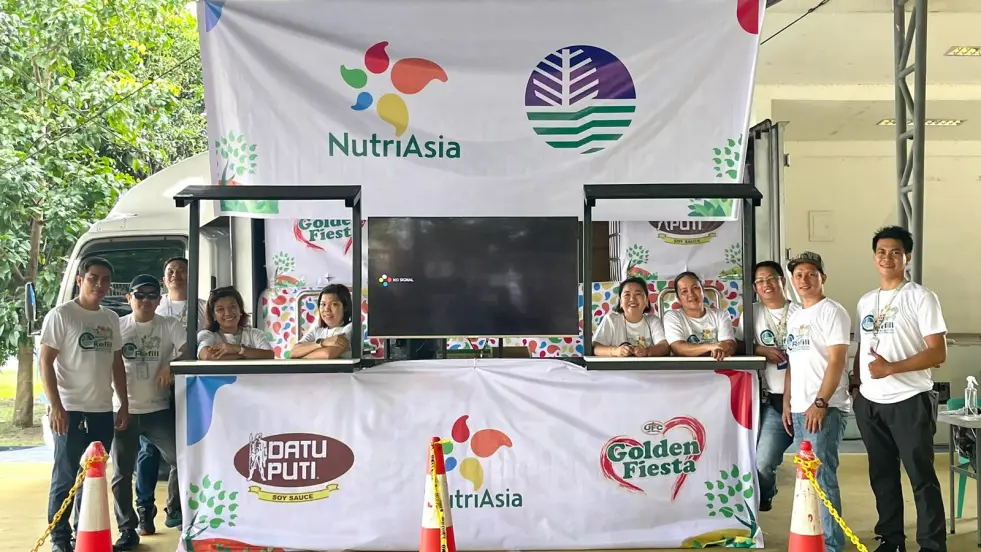
NutriAsia, the country’s top producer of condiments and sauces, continues its support of Refill Revolution; a project by the Department of Environment and Natural Resources EMB 3 that aims to help reduce Filipinos’ single-use plastics consumption. At Refill Revolution, residents get to recycle their single-use plastic bottles by reusing and filling it with their choice… Continue reading NutriAsia and DENR renews partnership for Refill Revolution

Gentle ways to stop your toddler from throwing food
Mealtimes with a toddler can change quickly from a pleasant family routine into a floor covered with rice, vegetables, and half-eaten snacks. Food throwing is common in the early years, but that does not mean parents have to accept endless mess or respond with anger. A calm, consistent approach can teach your child what to do instead.
Toddlers may toss food because they are full, curious, frustrated, seeking attention, or still learning how their hands and bodies work. Sometimes throwing is also a form of communication: your child may be saying “I’m finished,” “I do not like this,” or “I want to see what happens.”
The goal is not to shame a young child into better table manners. It is to set a simple limit, understand the need behind the behavior, and offer an acceptable alternative. Families looking for practical guidance on parenting and everyday routines can also find helpful family resources through WonderMomma.
Why toddlers throw food
Food throwing is often connected to development rather than defiance. A toddler has limited language, impulse control, and patience. Dropping a piece of banana may be an experiment in cause and effect, while sweeping a full plate onto the floor may simply mean that your child has had enough to eat.
Timing matters, too. If your toddler is overtired, very hungry, distracted, or uncomfortable, staying seated and eating neatly becomes harder. Teething pain, constipation, illness, or sensitivity to certain textures can also make meals stressful. Watch for patterns instead of judging the behavior as deliberate mischief.
The social response can become part of the attraction. If food hitting the floor produces a big reaction, a toddler may repeat the action to recreate that exciting moment. A neutral response removes some of the entertainment while keeping the boundary clear.
Look for the message behind the behavior
Before correcting the throwing, consider what your child may be communicating. Many toddlers throw food when they are done eating but do not yet know how to say so. Teaching a phrase such as “all done,” or a simple hand signal, gives them a useful replacement.
You can also look at the food itself. A toddler may drop slippery pieces that are difficult to pick up, reject a strong smell, or push away an unfamiliar texture. This does not mean you need to prepare a separate meal every time. It does mean you can make portions smaller, serve manageable pieces, and introduce new foods without pressure.
Keep an eye on whether your toddler eats better at a different time. A child who throws food five minutes before nap time may need an earlier lunch. Another child may need a short movement break before sitting down. Small changes to the routine can reduce the behavior without turning the meal into a battle.
Set a calm and predictable boundary
Use a brief statement delivered in a steady voice: “Food stays on the table.” Avoid long explanations while your toddler is actively throwing. Young children cannot absorb a lecture in the middle of a frustrating moment, and repeated warnings may give the behavior more attention.
If one piece is tossed, calmly return the focus to the meal. You might say, “If you are finished, say ‘all done.’” If the throwing continues, move the plate away and explain, “I won’t let you throw food. You can try again at the next meal.” Keep your tone firm but kind.
A consequence should be immediate, related, and predictable. It does not need to involve punishment, threats, or forcing your child to finish eating. Removing the food after repeated throwing teaches that meals end when food is used unsafely, while preserving your child’s dignity.
| What you notice | What it may mean | Helpful response |
|---|---|---|
| Throwing begins near the end of the meal | Your toddler may be full | Teach “all done” and clear the plate |
| Food is dropped immediately | The portion, texture, or temperature may be difficult | Offer a smaller, easier-to-hold piece |
| Throwing follows a parent’s strong reaction | The behavior may be getting exciting attention | Respond briefly and neutrally |
| Your child throws only when tired | The schedule may be working against them | Move the meal earlier or shorten it |
| Food is rejected with gagging or distress | There may be a sensory or feeding concern | Observe patterns and discuss concerns with a pediatrician |
Make the meal easier to manage
Toddlers generally do better with small servings. A large mound of food can feel overwhelming and creates more opportunities for sweeping or dumping. Start with one or two bites of each food, then offer more when your child asks or finishes what is available.
Use plates with a stable base and cups that are easy to hold. Some families find that a suction plate helps reduce accidental spills, although it will not solve intentional throwing by itself. A washable mat beneath the chair can make cleanup less stressful, allowing you to focus on teaching rather than reacting to every crumb.
Offer food in forms your toddler can manage independently. Soft strips, bite-sized pieces, and foods with enough grip are often easier than slippery cubes. Give your child a spoon or fork but do not expect perfect utensil use. Hands-on eating is still a normal part of learning.
Keep the eating area free from unnecessary distractions. Screens, toys, and constant movement can make it difficult for a toddler to notice hunger and fullness cues. A short, relaxed meal with family conversation is usually more effective than trying to keep a child seated for too long.
Respond without turning food into a power struggle
Try not to pressure your toddler to eat, taste, or clean the plate. When food becomes a battleground, throwing may become one of the few ways your child feels able to control the situation. Parents can decide what food is offered and where meals happen; toddlers can usually decide whether and how much they eat.
When food lands on the floor, involve your child in a simple repair step if they are willing. Say, “The food fell. Let’s put it in the bin,” and guide them to help. This is different from demanding a lengthy cleanup or using embarrassment. The lesson is responsibility, not punishment.
Praise the behavior you want to see. Notice when your toddler keeps food on the plate, hands you a rejected item, or uses the words “finished eating.” Specific encouragement such as “You put the food on your plate” gives a clearer message than general praise.
Parents also benefit from managing their own stress. Take a breath, lower your voice, and remember that one messy meal does not define your child’s table manners. If you need a moment, another adult can take over while you clean up or reset.
Build skills before the next meal
Practice the replacement behavior outside mealtimes. During play, pretend to eat and demonstrate saying “all done,” placing unwanted items in a bowl, and keeping objects on the table. Toddlers often learn more easily when a new skill is introduced without hunger or frustration.
Use the same words across caregivers whenever possible. If one adult laughs at food throwing, another scolds, and another immediately offers a favorite snack, the toddler receives mixed signals. Agree on a short script and repeat it consistently.
A simple routine can also help: wash hands, sit at the table, eat, ask for more, say “all done,” and help clear the space. Predictable steps give toddlers a sense of control and make the boundary easier to understand.
Try these practical habits for reducing food tossing:
- Serve small portions and add more when your child asks.
- Offer an “all done” bowl or a clear place to put unwanted food.
- Keep meals short enough for your toddler’s attention span.
- Comment warmly when food stays on the plate.
- Clean up calmly without giving the throwing a dramatic reaction.
Know when extra support may help
Occasional food throwing is usually part of toddler development. However, speak with your child’s pediatrician or a feeding professional if meals are consistently distressing, your child gags or chokes often, accepts very few foods, refuses entire textures, or is not growing as expected. These signs deserve attention beyond ordinary table manners.
It may help to keep a brief meal log for several days. Note the time of each meal, foods offered, mood, sleep, throwing episodes, and what happened immediately beforehand. Patterns can reveal whether the main trigger is tiredness, portion size, sensory discomfort, or a need for clearer communication.
Progress rarely happens in a straight line. A toddler may use “all done” successfully for several days and then return to throwing during a growth spurt or illness. Responding with the same calm boundary each time reinforces the skill without making setbacks feel like failure.
Keep mealtimes gentle and consistent
Stopping a toddler from throwing food is less about achieving perfect behavior and more about teaching a useful routine. Offer manageable food, watch for signs of fullness, name the limit, and give your child a respectful way to finish. With repetition, “food stays on the table” becomes a familiar expectation rather than a daily conflict.
Start with one change at the next meal: serve a smaller portion and practice the words “all done.” Respond calmly when food is tossed, celebrate the moments your toddler uses the alternative, and continue building a relaxed family mealtime one step at a time.

Mercato Centrale, in collaboration with Indian Women in Enterprise Philippines (I-We), is set to host "The Great Indian Fiesta" to mark 75 years of friendship between India and the Philippines. The dynamic two-day event is scheduled to take place on September 30 to October 1, 2023, at Paseo De Roxas Street, Makati City. Aiming to… Continue reading Mercato Centrale Partners with I-We to Host ‘The Great Indian Fiesta’, Commemorating 75 Years of India-Philippines Friendship

My stomach would usually start growling at 10 am even after taking a big breakfast. This is probably because I am a morning person and I move a lot throughout the day hence snacking is something that I can't avoid. This potatoes and chicken wrap recipe is easy to prepare and would keep me full… Continue reading Potato and Chicken Wrap
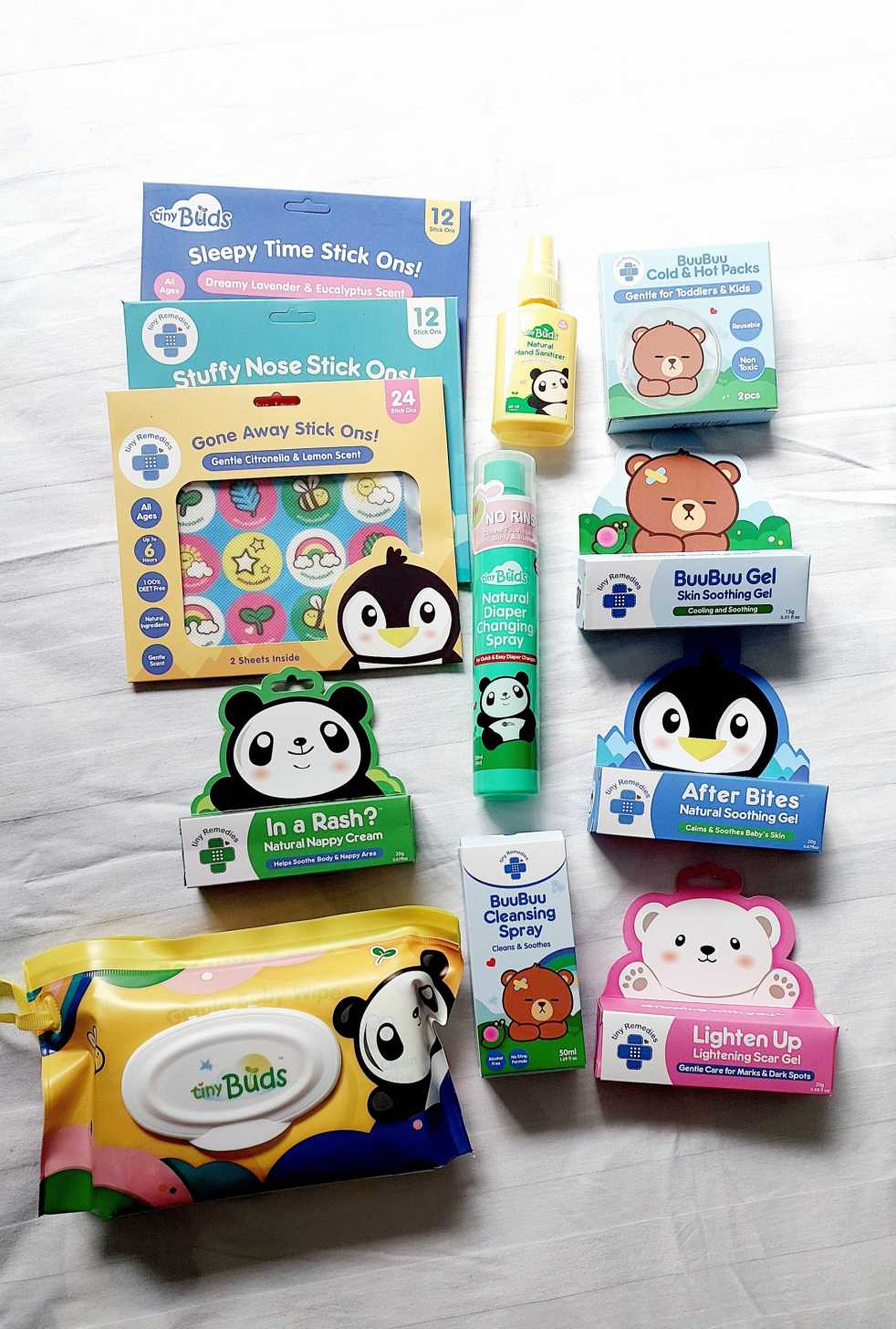
Your baby’s skin is more delicate than most, this is why you have to choose products that are designed for sensitive skin. Tiny Buds is a pioneer in integrating natural ingredients into baby care and today has over 50 innovative natural baby care essentials and is one of the Top Baby Personal Care brands. Here… Continue reading Product Review: Tiny Buds Baby Naturals Baby Essentials
Where your child goes to school is a big decision and shouldn’t be taken lightly. Given how their education can impact their future, you might be tempted to take control and decide for them. However, you might be doing more damage than helping them in the long run. Your job as parents is to support… Continue reading HOW TO CHOOSE THE BEST SCHOOL FOR YOUR CHILD
As poet and philosopher Rumi once eloquently said, “raise your words, not your voice. It is rain that grows flowers, not thunder.” Parenting is a challenging journey, and the truth is that nobody has everything figured out. One parenting style might suit others best, and some might favor other methods. However, children respond better to… Continue reading A SIMPLE GUIDE TO GENTLE PARENTING

Whether you’re a new mom to be, mom of a toddler, mom who have school-aged kids, you’re bound to have so many questions. Let's start with your baby's skin. Infant skin has unique needs; gentle care is essential to prevent damage to the skin barrier, which can lead to irritation. When caring for infant skin,… Continue reading Keeping Baby’s Diapered Skin Healthy
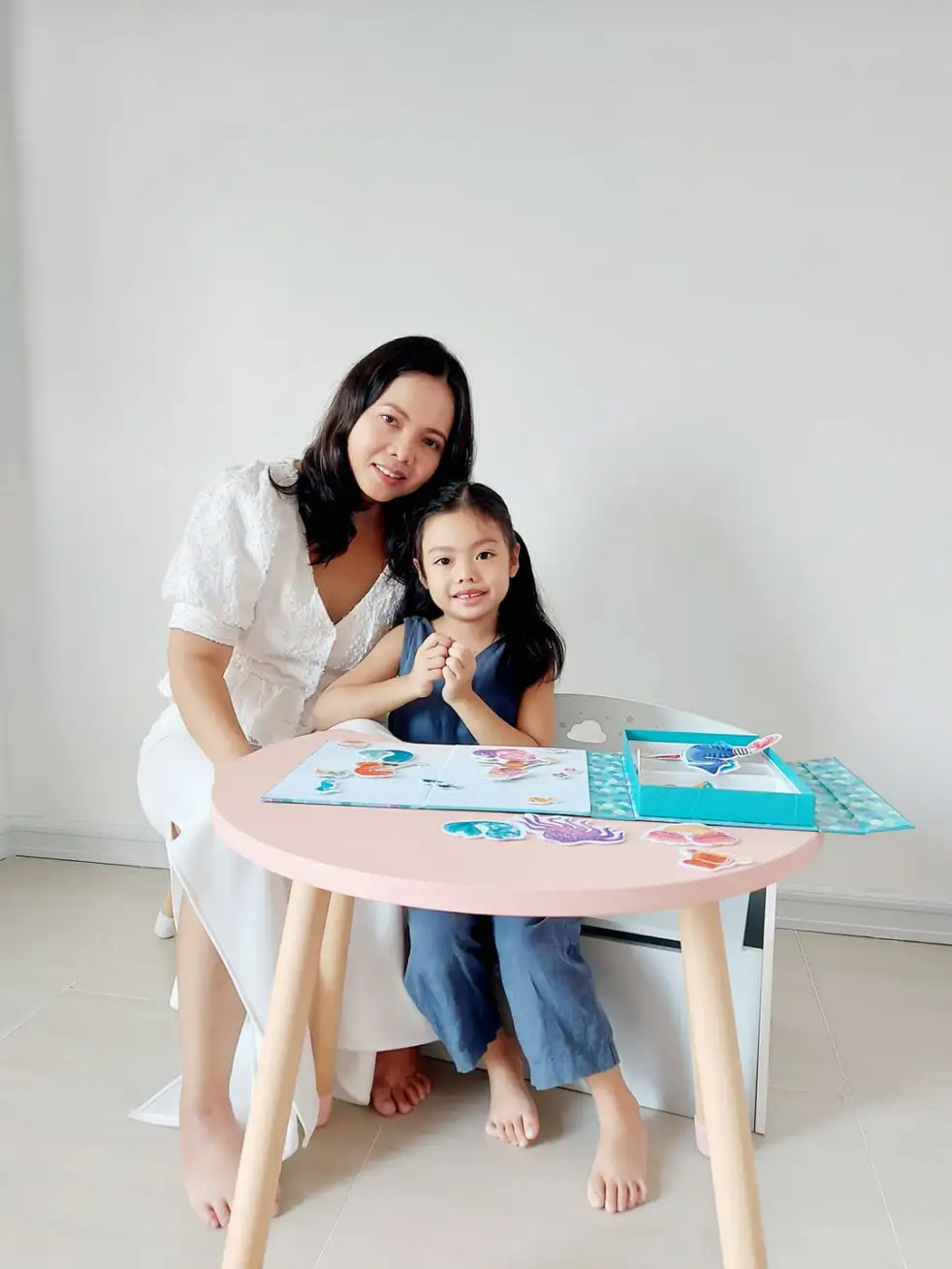
As parents, we want to give our child the best possible start in life and that begins with nurturing their intelligence. Throughout history, the notion of success has been linked to academic intelligence. However, there has been an increased awareness on the importance of emotional intelligence. This question gets at the heart of the never-ending… Continue reading IQ or EQ, which one is a better predictor of your child’s success?
 wondermomma.net