

Last August, IKEA Philippines engaged with Better World Smokey Mountain, a newly opened community center operated by the San Miguel Foundation, which shares a similar goal of improving the lives of many Filipino people. Through this partnership, IKEA Philippines provided and assembled home furnishings for the classrooms and library of Better World Smokey Mountain community… Continue reading Help Create a Better World with IKEA Soft Toys

NutriAsia, the country’s top producer of condiments and sauces, continues its support of Refill Revolution; a project by the Department of Environment and Natural Resources EMB 3 that aims to help reduce Filipinos’ single-use plastics consumption. At Refill Revolution, residents get to recycle their single-use plastic bottles by reusing and filling it with their choice… Continue reading NutriAsia and DENR renews partnership for Refill Revolution

Gentle ways to stop nail biting in young children
Nail biting is a common childhood habit, especially during quiet moments, tired spells, screen time, car trips or big emotional changes. A child may chew without noticing, so stopping it rarely works through reminders alone. The most helpful approach is to understand what their hands and body are communicating, then offer a calmer replacement.
For Australian families, this might mean supporting a child through kindy drop-off, a new school term, a long trip to grandparents or a busy afternoon at the park. Gentle strategies can protect sore skin and short nails while helping children build awareness without feeling embarrassed or blamed.
Understand what sits behind the habit
Young children may bite their nails when they are concentrating, anxious, bored or settling themselves. Some do it while watching Bluey, listening to a story or sitting in the back seat. Others start after a change such as moving house, welcoming a new sibling or beginning preschool.
The behaviour can also be sensory. The pressure of biting may feel comforting, particularly for children who seek oral input or find busy environments overwhelming. It does not automatically mean a child is seriously worried, and it is not a sign of poor parenting.
Watch for patterns over several days rather than reacting to every finger near the mouth. Notice the time, place and activity: school mornings, homework, family conversations, bedtime or Sunday afternoons at home. This information gives you a practical starting point.
Replace reminders with calm awareness
Repeatedly saying “Stop biting your nails” can make a child feel watched and may increase tension. A neutral cue is usually kinder. You might quietly say, “Your fingers are near your mouth,” then offer a choice such as squeezing a soft ball or placing hands under a blanket.
Create a discreet family signal for public places. A gentle touch on the shoulder or a pre-agreed word can work better than correcting a child at the supermarket, on the tram or during school pick-up. Keep your voice matter-of-fact, as if you are helping them notice rather than telling them off.
Praise the moments when your child catches themselves. “You noticed and moved your hand” recognises awareness and effort, even if the habit returns a minute later. Progress often looks like shorter biting episodes, fewer damaged nails or a child accepting a replacement activity.
Make hands and mouths easier to redirect
Offer safe alternatives that match the situation. A small fidget, play dough, drawing, building blocks or a fabric tag can keep hands occupied while a child watches television. At the dinner table, a cup with two hands or a napkin folded between the fingers may provide a simple physical reminder.
For children who chew when tired, try a predictable wind-down routine. A warm bath, story, gentle hand massage or cuddling a soft toy may give the nervous system another way to settle. During a long drive to the coast or a visit to relatives, pack a small activity bag instead of relying on verbal reminders.
Do not replace nail biting with unsafe chewing. Avoid items that can break into small pieces, loose jewellery, pen caps and toys not designed for mouthing. Teething-style silicone products should be age-appropriate, intact and used according to the manufacturer’s directions.
Use nail care as protection, not punishment
Keep nails short and smooth so there are fewer rough edges to catch the child’s attention. Trim them after a bath when they are softer, and file sharp corners gently. Applying a fragrance-free moisturiser to dry cuticles can reduce peeling that invites picking or chewing.
Make nail care relaxed and predictable. Let your child choose between two nail-file colours, sit beside you while you trim your own nails, or add the routine after the evening shower. A child who feels involved is more likely to tolerate care than one who is held down unexpectedly.
Bitter-tasting nail products are available in Australian chemists, including large chains such as Chemist Warehouse, but they are not right for every child. Read the label carefully, check age guidance and avoid products on broken skin. A coating should never be presented as a punishment or used to shame a child.
| Approach | Helpful for | Keep in mind |
|---|---|---|
| Quiet verbal cue | Children who can notice the habit | Use the same brief phrase each time |
| Fidget or craft activity | Boredom, television and car trips | Choose a sturdy, age-suitable item |
| Short, smooth nails | Rough edges and skin picking | Trim gently and avoid cutting cuticles |
| Hand massage or cuddling | Tiredness and emotional regulation | Follow the child’s consent and comfort |
| Reward for noticing | Building awareness and motivation | Reward effort, not a perfect streak |
| Bitter nail coating | Some older children who agree to it | Check ingredients, instructions and skin condition |
Build a supportive family routine
Choose one or two habits to practise rather than changing everything at once. For example, use a cue during screen time and provide a fidget for car journeys. After a week, review what helped. A simple sticker chart can record “noticed and moved hands” rather than “no biting all day”, which is a more achievable goal.
Rewards should be small, warm and connected to family life. Extra time reading together, choosing the weekend park or helping prepare pancakes can be more motivating than sweets. In Australia, a visit to the local oval, library or beach may become a shared reward without turning the child’s body into a competition.
Keep siblings and other adults consistent. Ask grandparents, educators and carers to use the same neutral language. If a teacher or early childhood educator notices biting at kindy, collaborate on a quiet cue and a hand activity rather than asking the child to sit apart or display their hands.
Respond to sore fingers and strong emotions
Check the skin around the nails regularly. Redness, swelling, warmth, pus, bleeding or increasing pain may indicate infection or injury and should be discussed with a GP or health professional. Wash small breaks in the skin gently and avoid harsh antiseptics unless a clinician recommends them.
A child may bite more during family stress, frightening news, conflict, illness or transitions. Offer reassurance without demanding an explanation: “Your body seems busy today. Let’s sit together.” Naming the feeling—worried, cross, tired or unsure—can help a young child find words for sensations that previously came out through their hands.
If the habit causes significant bleeding, damaged teeth, sleep disruption or distress, arrange professional guidance. An Australian GP, child and family health nurse, psychologist or occupational therapist can help identify anxiety, sensory needs or another concern. Seek urgent advice if a wound looks infected or your child is in severe pain.
Help children practise body awareness
Young children often need to learn the difference between an urge and an action. During a calm moment, play a short “hands check” game: are hands in laps, holding something, touching the face or near the mouth? Keep it playful and brief, stopping if it becomes irritating.
Teach a replacement sequence that is easy to remember: notice, pause, move and praise. A child might notice the urge, take one slow breath, place both hands on a cushion and receive encouragement. Practise when the child is relaxed, because new skills are harder to learn in the middle of a stressful moment.
Movement can help too. A quick backyard game, a walk to the playground or carrying light items for dinner may release restless energy before quiet activities. For children who attend long school days, a calm after-school snack and decompression period can make nail biting less likely than immediate questions about homework.
Let progress be gradual and kind
Nail biting may fade for a while and then return during school holidays, illness or a major transition. Treat a setback as information, not failure. Ask what changed in the routine and restore the strategy that previously helped, whether that was hand cream, a fidget or extra connection at bedtime.
Keep conversations focused on comfort and skills rather than appearance. Avoid jokes about “ugly” nails, threats, forced hand coverings or public correction. Children are more likely to cooperate when they feel safe enough to notice their behaviour without defending themselves.
The aim is not perfect hands every day. It is helping a child recognise an urge, protect their skin and discover other ways to regulate. With patient support from parents, carers and educators, many children gradually reduce nail biting as their communication, confidence and self-soothing skills grow.

Mercato Centrale, in collaboration with Indian Women in Enterprise Philippines (I-We), is set to host "The Great Indian Fiesta" to mark 75 years of friendship between India and the Philippines. The dynamic two-day event is scheduled to take place on September 30 to October 1, 2023, at Paseo De Roxas Street, Makati City. Aiming to… Continue reading Mercato Centrale Partners with I-We to Host ‘The Great Indian Fiesta’, Commemorating 75 Years of India-Philippines Friendship

My stomach would usually start growling at 10 am even after taking a big breakfast. This is probably because I am a morning person and I move a lot throughout the day hence snacking is something that I can't avoid. This potatoes and chicken wrap recipe is easy to prepare and would keep me full… Continue reading Potato and Chicken Wrap
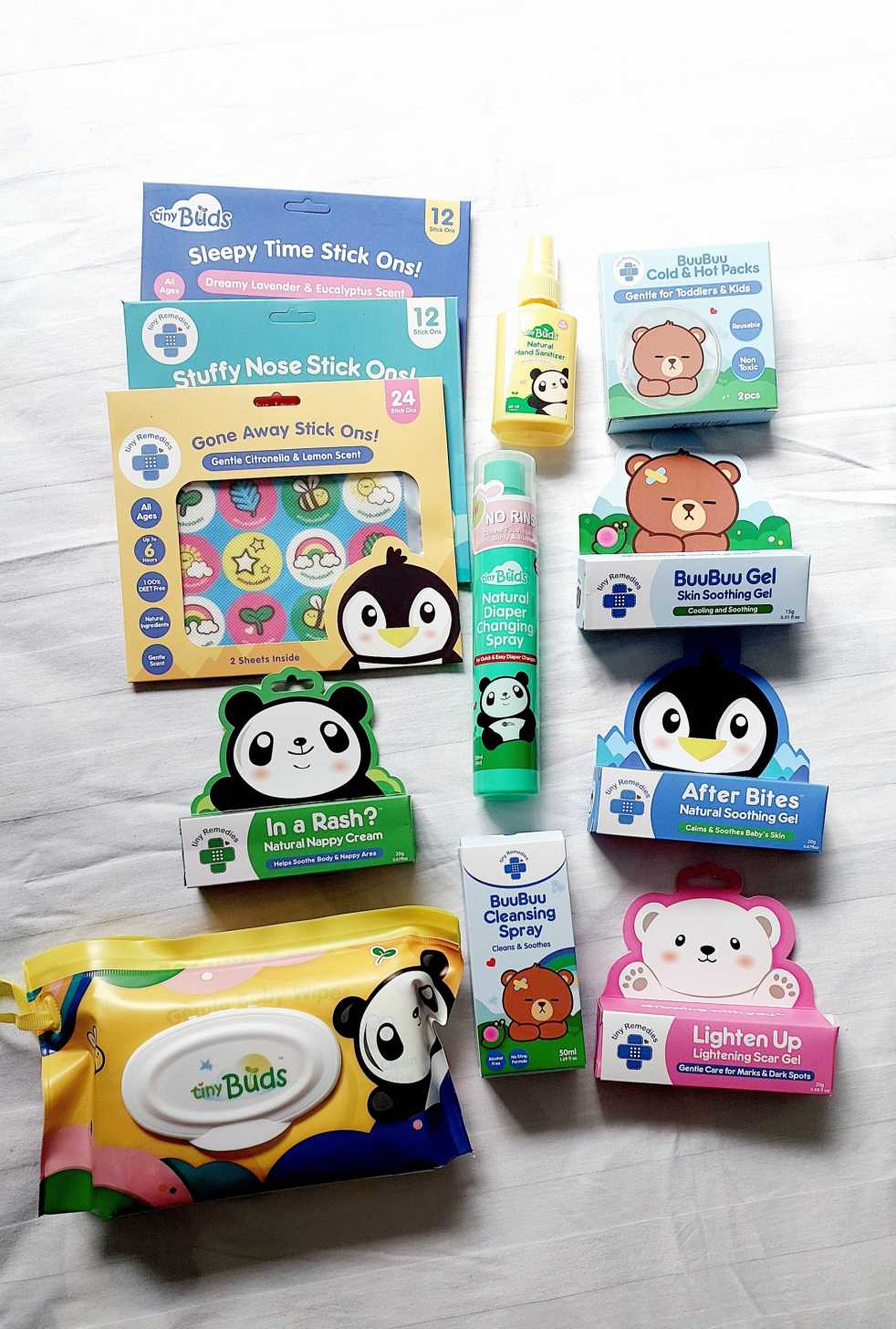
Your baby’s skin is more delicate than most, this is why you have to choose products that are designed for sensitive skin. Tiny Buds is a pioneer in integrating natural ingredients into baby care and today has over 50 innovative natural baby care essentials and is one of the Top Baby Personal Care brands. Here… Continue reading Product Review: Tiny Buds Baby Naturals Baby Essentials
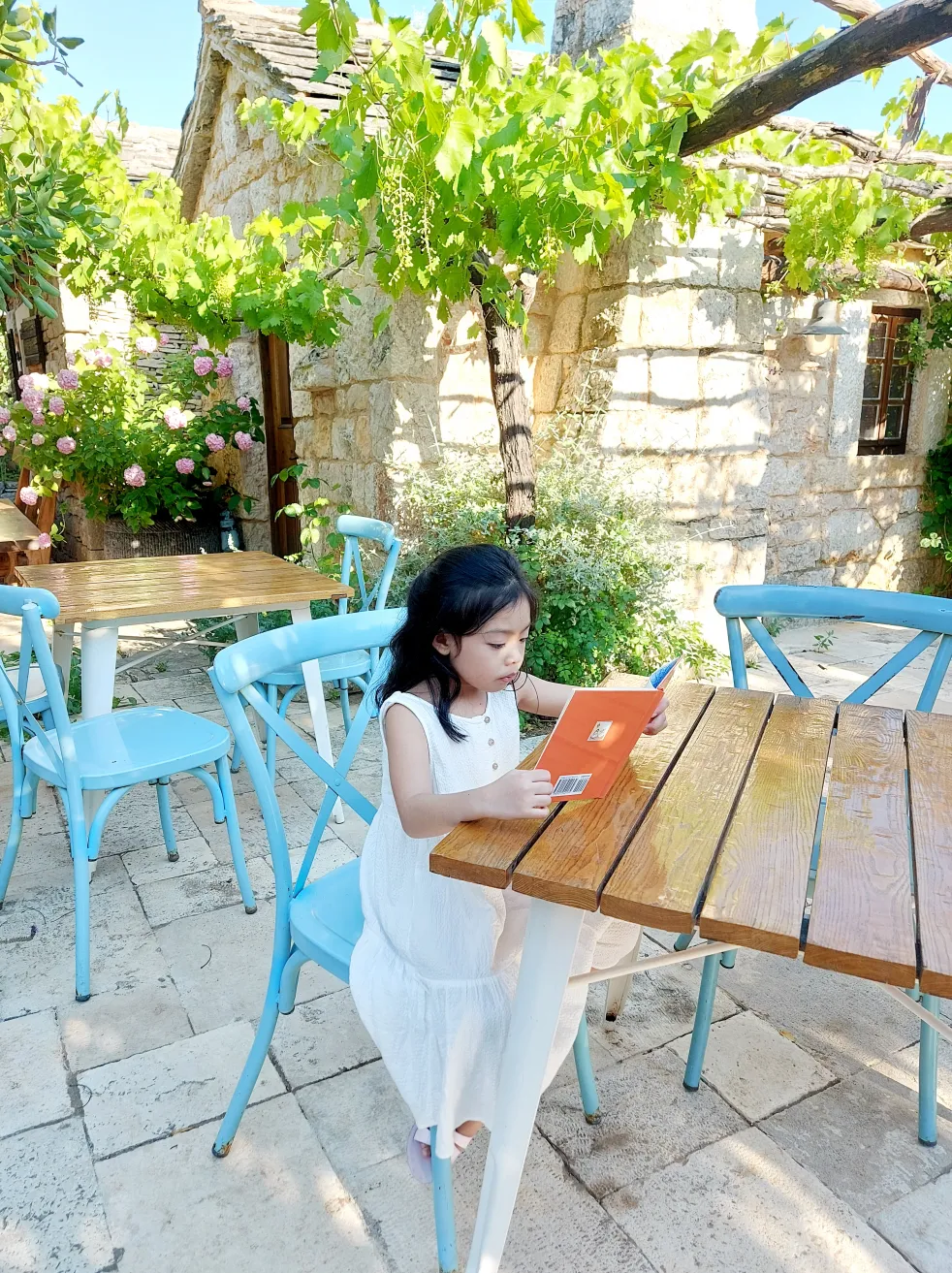
Where your child goes to school is a big decision and shouldn’t be taken lightly. Given how their education can impact their future, you might be tempted to take control and decide for them. However, you might be doing more damage than helping them in the long run. Your job as parents is to support… Continue reading HOW TO CHOOSE THE BEST SCHOOL FOR YOUR CHILD
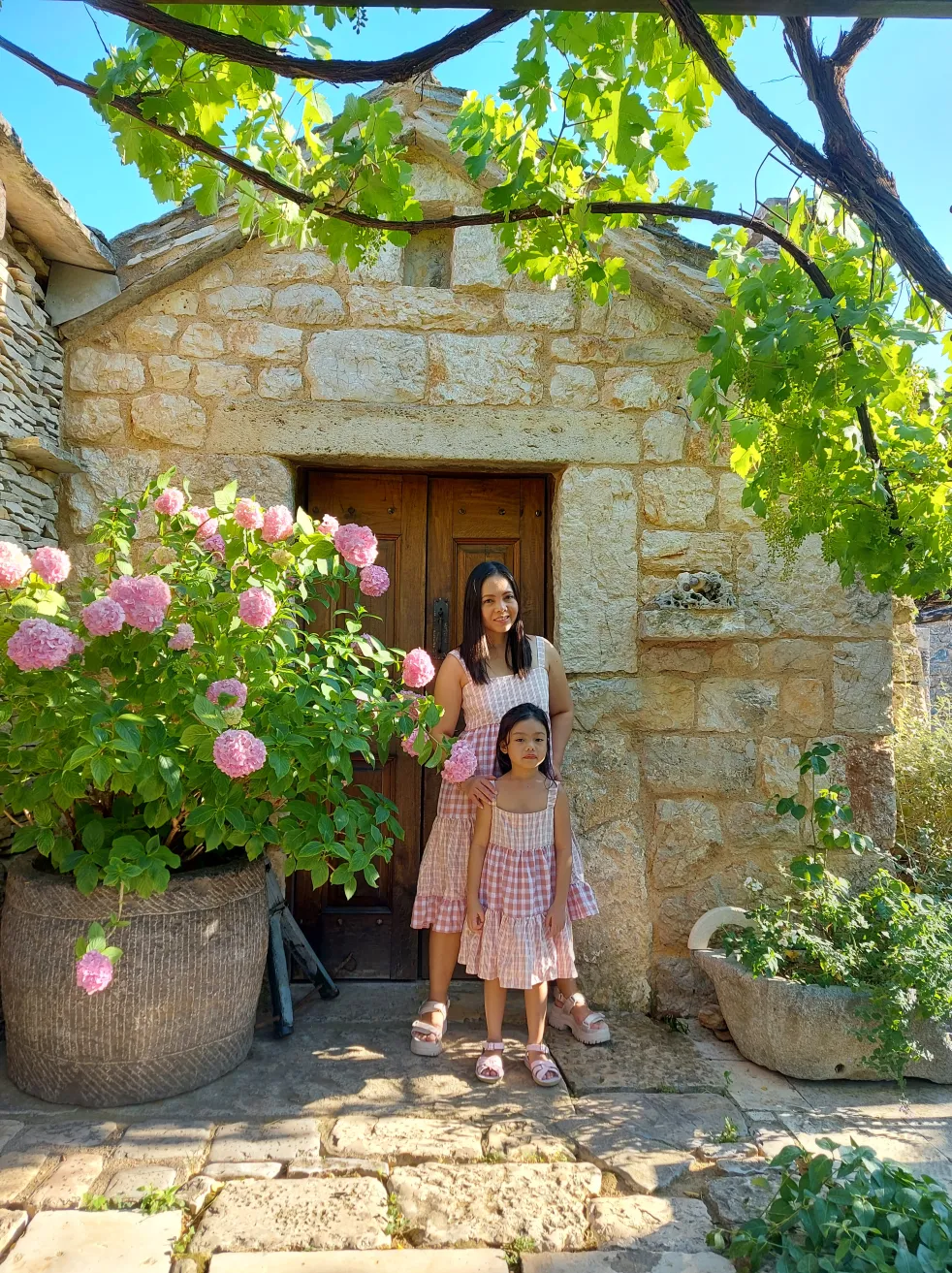
As poet and philosopher Rumi once eloquently said, “raise your words, not your voice. It is rain that grows flowers, not thunder.” Parenting is a challenging journey, and the truth is that nobody has everything figured out. One parenting style might suit others best, and some might favor other methods. However, children respond better to… Continue reading A SIMPLE GUIDE TO GENTLE PARENTING
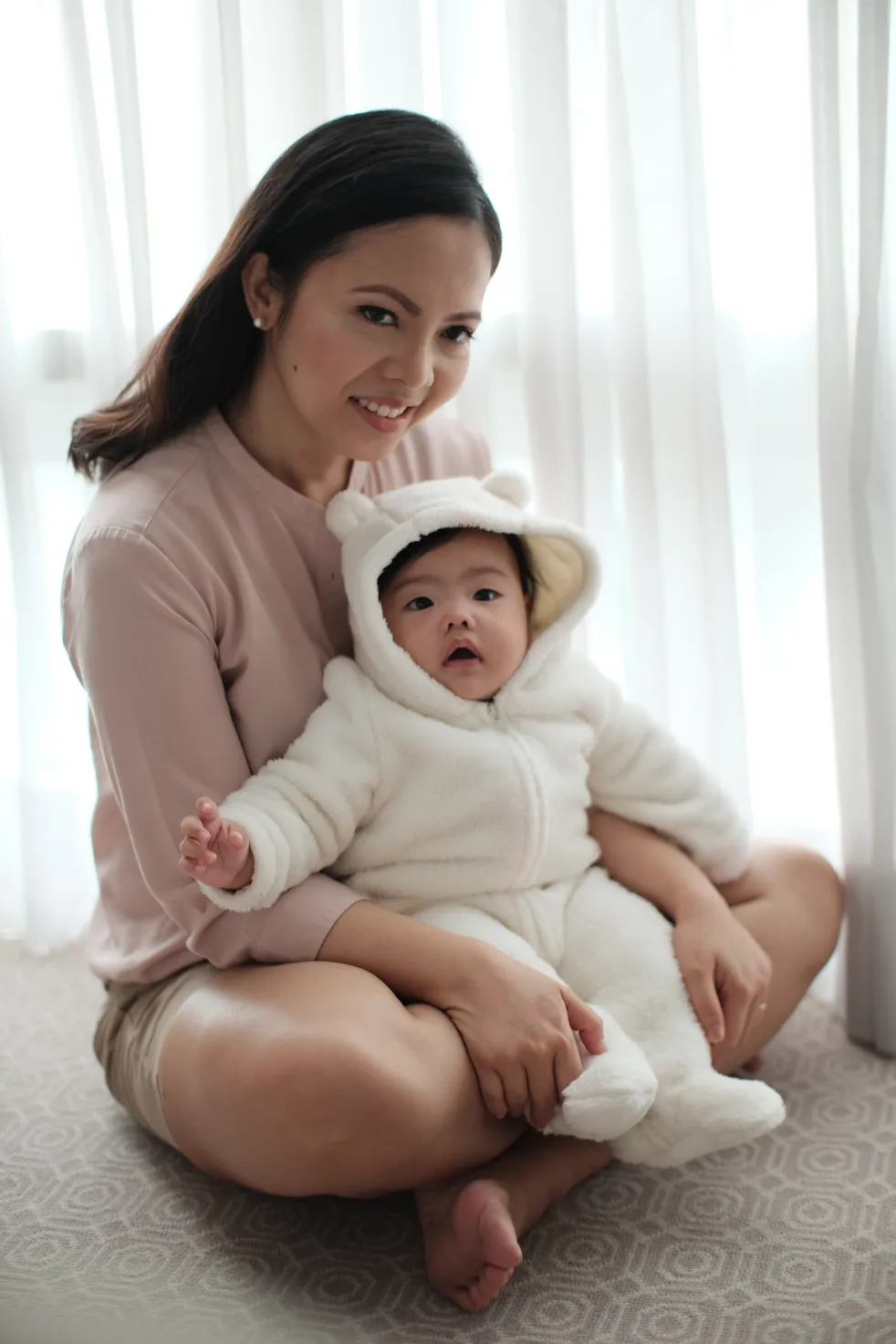
Whether you’re a new mom to be, mom of a toddler, mom who have school-aged kids, you’re bound to have so many questions. Let's start with your baby's skin. Infant skin has unique needs; gentle care is essential to prevent damage to the skin barrier, which can lead to irritation. When caring for infant skin,… Continue reading Keeping Baby’s Diapered Skin Healthy
As parents, we want to give our child the best possible start in life and that begins with nurturing their intelligence. Throughout history, the notion of success has been linked to academic intelligence. However, there has been an increased awareness on the importance of emotional intelligence. This question gets at the heart of the never-ending… Continue reading IQ or EQ, which one is a better predictor of your child’s success?
 wondermomma.net