

Last August, IKEA Philippines engaged with Better World Smokey Mountain, a newly opened community center operated by the San Miguel Foundation, which shares a similar goal of improving the lives of many Filipino people. Through this partnership, IKEA Philippines provided and assembled home furnishings for the classrooms and library of Better World Smokey Mountain community… Continue reading Help Create a Better World with IKEA Soft Toys
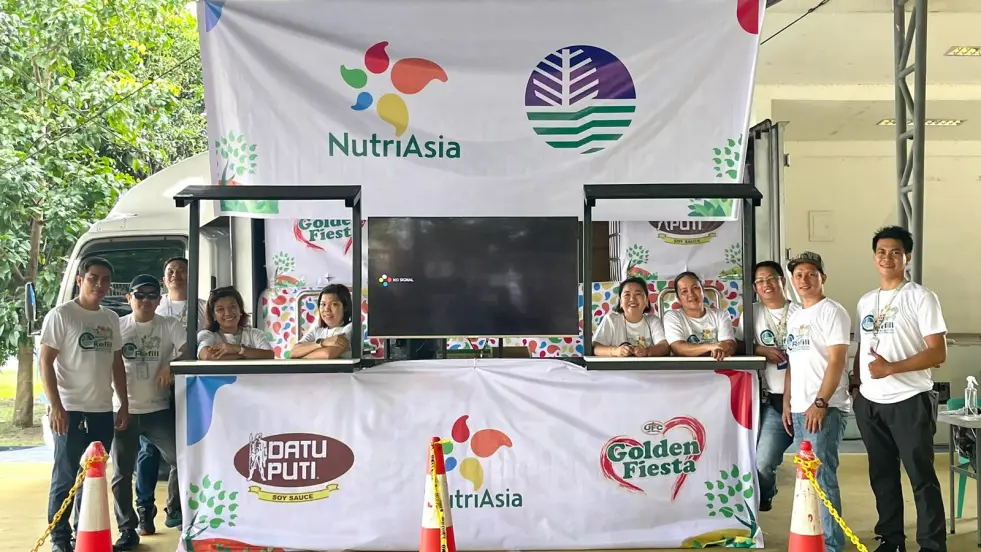
NutriAsia, the country’s top producer of condiments and sauces, continues its support of Refill Revolution; a project by the Department of Environment and Natural Resources EMB 3 that aims to help reduce Filipinos’ single-use plastics consumption. At Refill Revolution, residents get to recycle their single-use plastic bottles by reusing and filling it with their choice… Continue reading NutriAsia and DENR renews partnership for Refill Revolution

Gentle ways to set boundaries with your toddler without yelling
Toddler tantrums in the supermarket aisle, shoes being hurled across the lounge room, or a full-body flop on the floor of a busy playground can leave even the most patient parent feeling like raising their voice is the only option. Yet research consistently shows that yelling at small children rarely teaches the behaviour parents want, and it can quietly chip away at the secure attachment little ones need to thrive. Across Australia, organisations such as the Triple P Positive Parenting Program and Circle of Security have helped families find calmer paths, and many child care services rated under the National Quality Standard actively coach educators in the same gentle approach.
Setting firm, kind limits is less about controlling your child and more about guiding them through a developmental stage where big feelings meet very small impulse control. Children between one and three are still building the neural pathways needed for self-regulation, so they rely on the adults around them to act as their external regulator until those skills catch up. When parents respond with warmth and predictability, toddlers gradually internalise the boundaries and begin managing their own behaviour long after the tears have dried.
Why toddlers push back against limits
Toddlers are wired for autonomy. From around eighteen months, the part of the brain that drives independence grows rapidly, while the regions responsible for reasoning, patience and emotional control are still under construction. That gap is why your child can desperately want to put their shoes on by themselves, yet melt down the moment the Velcro does not cooperate. Recognising this normal developmental surge helps parents see boundary-testing as a sign of healthy growth rather than wilful defiance.
Another layer comes from the everyday environment. Australian family life often involves busy public spaces, long days at the beach, weekend sport in the park, and visits to crowded places such as the Queen Victoria Market or a local Westfield. A toddler who has had too little sleep, missed their morning snack, or been dragged between appointments is far more likely to test limits, simply because their nervous system is overloaded. Harsh responses at those moments tend to escalate the situation rather than resolve it.
Calming your own nervous system first
Before any boundary can be taught, the adult's own nervous system usually needs a reset. Pausing for three slow breaths, naming the feeling out loud, or stepping into another room for thirty seconds can interrupt the cycle of escalation. Many parenting courses offered through community centres in suburbs from Parramatta to Perth recommend this brief pause as a non-negotiable first response, because a regulated adult is far better placed to regulate a small child.
Practical anchors help. Some parents keep a small sensory object, a smooth stone or a textured keyring, in their pocket to fidget with when frustration builds. Drinking a glass of water, lowering the shoulders, or speaking in a deliberately slow voice all send a calming signal to the child, even before words are spoken. The aim is not to suppress frustration but to keep it small enough that thinking remains possible for everyone involved.
Using clear language that toddlers can actually hear
Toddlers understand far more language than they can produce, yet they still process short, concrete phrases much more easily than complex sentences. Replacing a lecture with a brief, factual instruction removes ambiguity and gives the child something to hold onto. Saying "Shoes stay on feet" lands more clearly than "How many times do I have to tell you to stop taking your shoes off, we are going to be late, why do you always do this".
It also helps to pair words with action. Getting down to the child's eye level, placing a gentle hand on their shoulder, or redirecting their hands to an appropriate toy communicates far more than a stream of words from across the room. Australian early childhood guidelines emphasise this combination of verbal and non-verbal cues because it mirrors the way young children naturally learn through watching and copying the adults closest to them.
Offering limited choices within firm limits
Choice is a powerful tool for toddlers, because it satisfies their need for control while still keeping the parent in charge of the boundary. Instead of asking an open-ended "What do you want to wear?", offer two acceptable options laid out on the bed. Instead of "Stop running", try "Walking feet inside, or shall we go outside to the lawn?". Both options honour the limit while giving the child a sense of agency.
This approach works particularly well in moments where resistance is predictable, such as getting into the car seat, brushing teeth, or leaving a friend's house. Many families in Brisbane and Adelaide have found that laying out two toothbrushes, two bedtime stories, or two cups of milk cuts daily battles down to almost nothing. The key is making sure every option offered is one the parent can genuinely accept, so the boundary never wobbles.
Building predictable routines that reduce conflict
Boundaries land more easily when they are part of a predictable rhythm. Toddlers feel safer, and therefore more cooperative, when they know what comes next. A visual chart with simple pictures for morning and bedtime can anchor a routine in a way words alone cannot, especially for children who are still building vocabulary.
Australian family life often includes irregular schedules due to shift work, sporting commitments, and the long daylight hours of summer, so flexibility matters. A loose framework still beats rigid scheduling, because the goal is predictability rather than perfection. Anchoring a few key transitions, such as meals, naps and the bedtime wind-down, gives a toddler enough structure to feel secure without making the whole household revolve around the clock.
| Gentle strategy | Best used for | What it looks like in practice | What to avoid |
|---|---|---|---|
| Pause and breathe | Meltdowns, parent overwhelm | Three slow breaths before responding | Long lectures while dysregulated |
| Offer two choices | Getting dressed, meals, play | "Red cup or blue cup?" | Open-ended questions with no real options |
| Name the feeling | Big emotions, sibling clashes | "You are cross because the tower fell" | Minimising with "You're fine" |
| Redirect attention | Reaching for unsafe items | Swap the remote for a board book | Repeated "no" with no alternative |
| Time-in together | After a hard moment | Sitting close, quiet connection | Solitary time-out as punishment |
Repairing the relationship after a hard moment
Even with the best intentions, every parent will occasionally snap, raise their voice, or respond in a way they regret. What matters most in those moments is the repair. Coming back to the child, getting low, and offering a simple apology models accountability and shows that relationships can bend without breaking. A statement such as "I am sorry I used a loud voice. Mummy was frustrated. I am here now" teaches far more about emotional honesty than a perfect response ever could.
Repair also includes physical reconnection. A cuddle, a shared book, or five minutes of floor play helps both nervous systems settle. Many Australian child health nurses visiting homes through the Maternal and Child Health service suggest building small rituals of reconnection into the day, such as a hello cuddle at pick-up or a quiet snuggle before sleep. Over time, these moments teach toddlers that conflict is safe, mistakes are forgivable, and the adults in their life are reliable even when things go wrong. That sense of security is the foundation on which every other boundary will eventually rest.

Mercato Centrale, in collaboration with Indian Women in Enterprise Philippines (I-We), is set to host "The Great Indian Fiesta" to mark 75 years of friendship between India and the Philippines. The dynamic two-day event is scheduled to take place on September 30 to October 1, 2023, at Paseo De Roxas Street, Makati City. Aiming to… Continue reading Mercato Centrale Partners with I-We to Host ‘The Great Indian Fiesta’, Commemorating 75 Years of India-Philippines Friendship

My stomach would usually start growling at 10 am even after taking a big breakfast. This is probably because I am a morning person and I move a lot throughout the day hence snacking is something that I can't avoid. This potatoes and chicken wrap recipe is easy to prepare and would keep me full… Continue reading Potato and Chicken Wrap
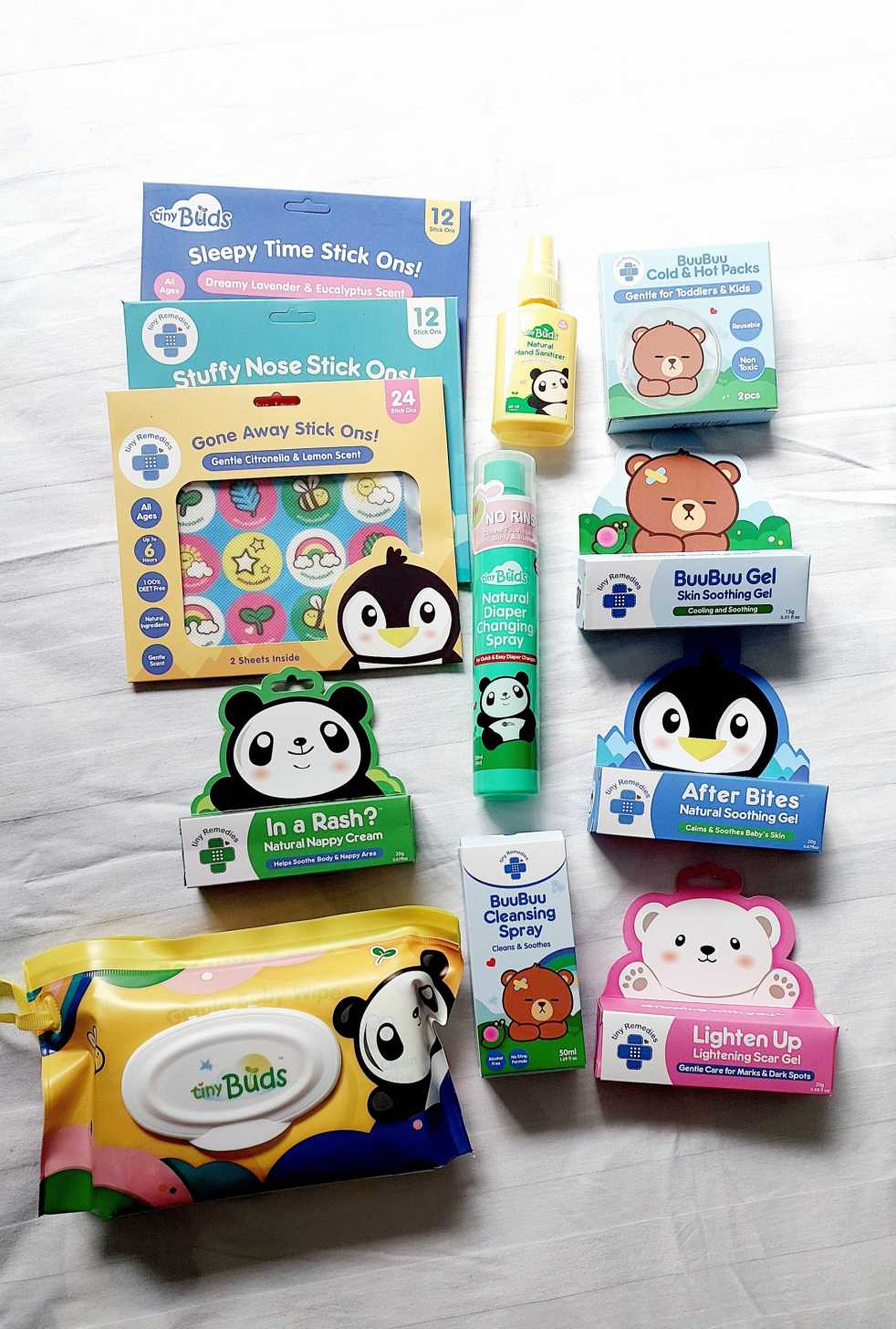
Your baby’s skin is more delicate than most, this is why you have to choose products that are designed for sensitive skin. Tiny Buds is a pioneer in integrating natural ingredients into baby care and today has over 50 innovative natural baby care essentials and is one of the Top Baby Personal Care brands. Here… Continue reading Product Review: Tiny Buds Baby Naturals Baby Essentials
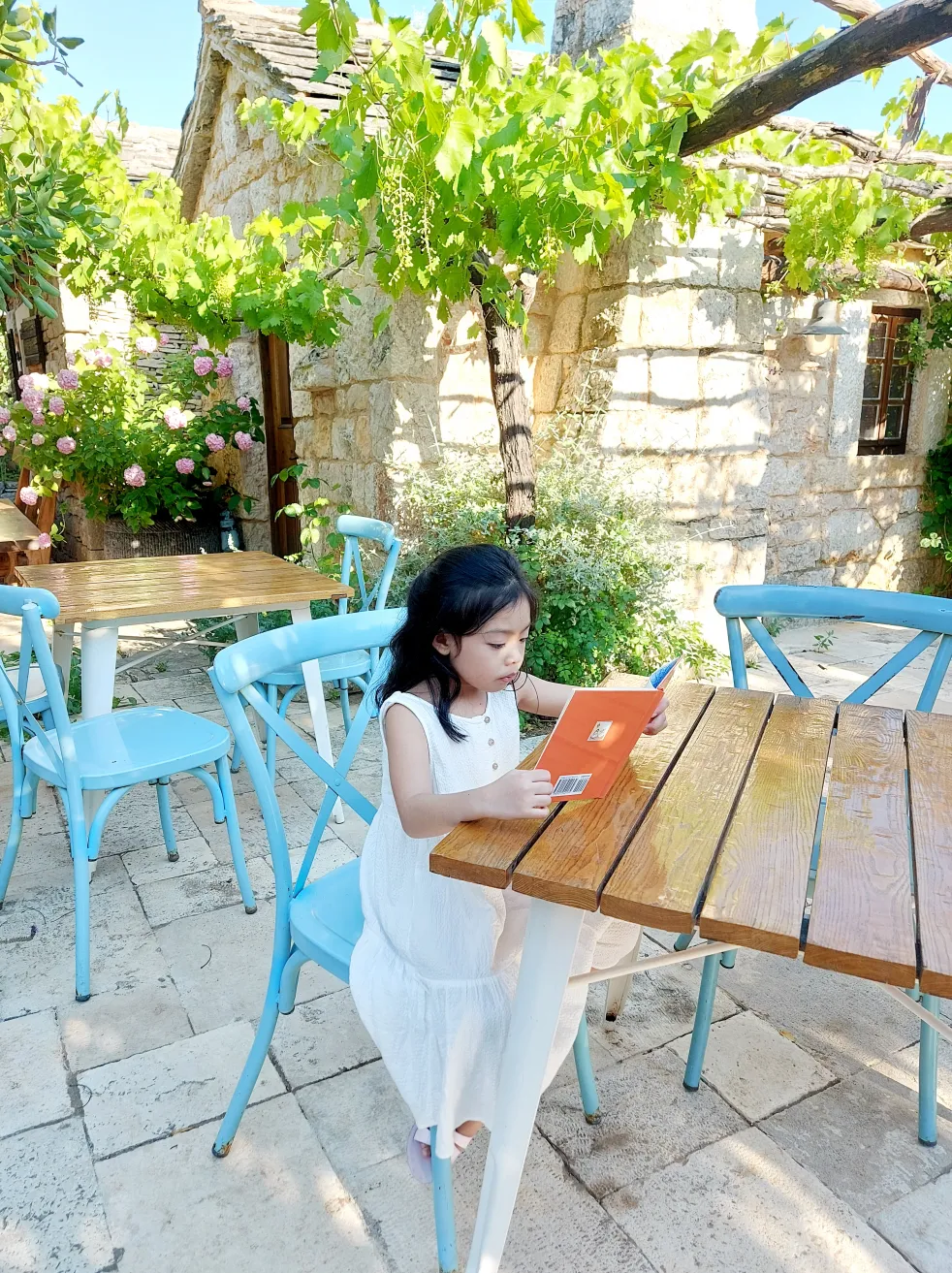
Where your child goes to school is a big decision and shouldn’t be taken lightly. Given how their education can impact their future, you might be tempted to take control and decide for them. However, you might be doing more damage than helping them in the long run. Your job as parents is to support… Continue reading HOW TO CHOOSE THE BEST SCHOOL FOR YOUR CHILD
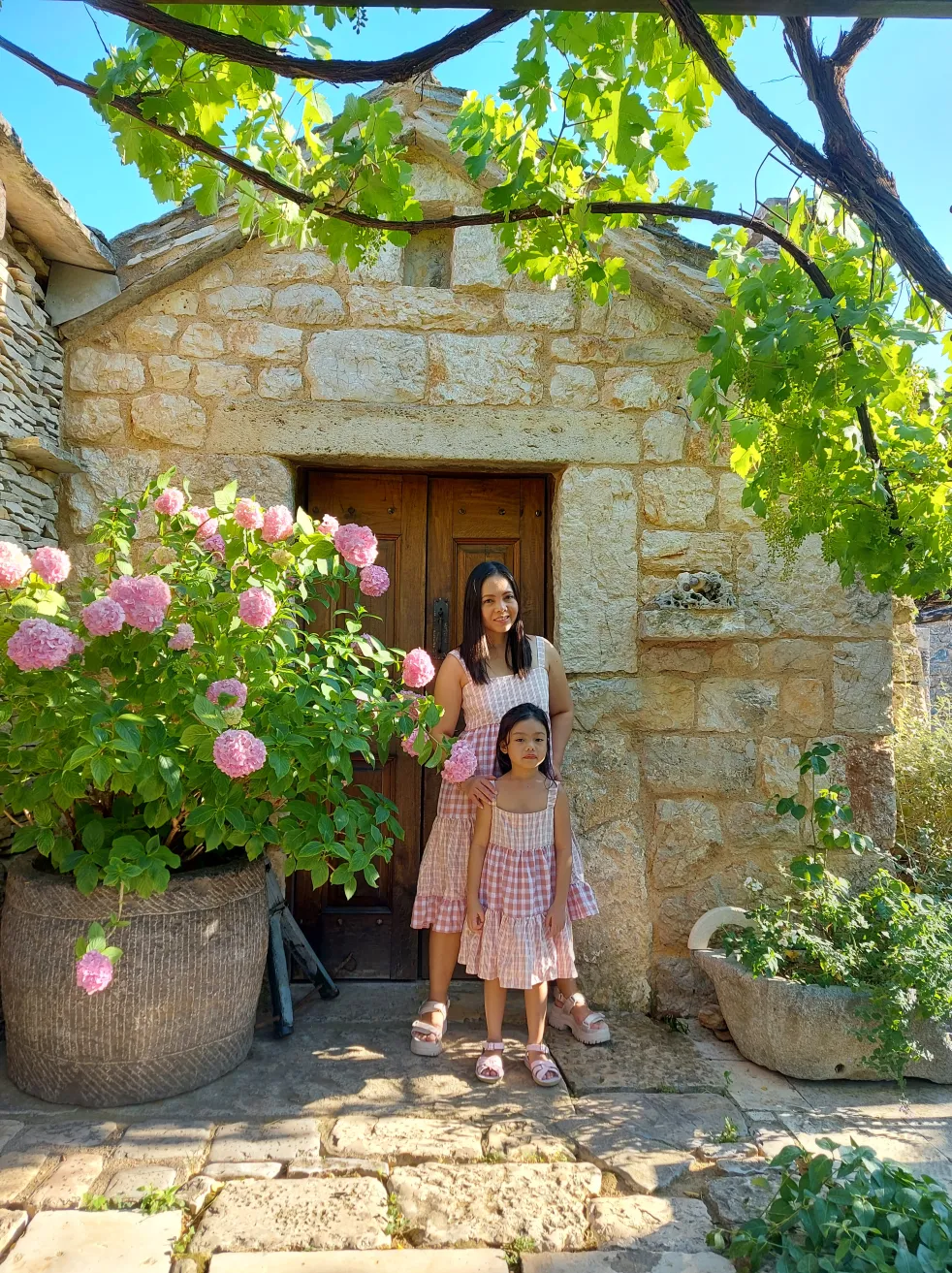
As poet and philosopher Rumi once eloquently said, “raise your words, not your voice. It is rain that grows flowers, not thunder.” Parenting is a challenging journey, and the truth is that nobody has everything figured out. One parenting style might suit others best, and some might favor other methods. However, children respond better to… Continue reading A SIMPLE GUIDE TO GENTLE PARENTING

Whether you’re a new mom to be, mom of a toddler, mom who have school-aged kids, you’re bound to have so many questions. Let's start with your baby's skin. Infant skin has unique needs; gentle care is essential to prevent damage to the skin barrier, which can lead to irritation. When caring for infant skin,… Continue reading Keeping Baby’s Diapered Skin Healthy
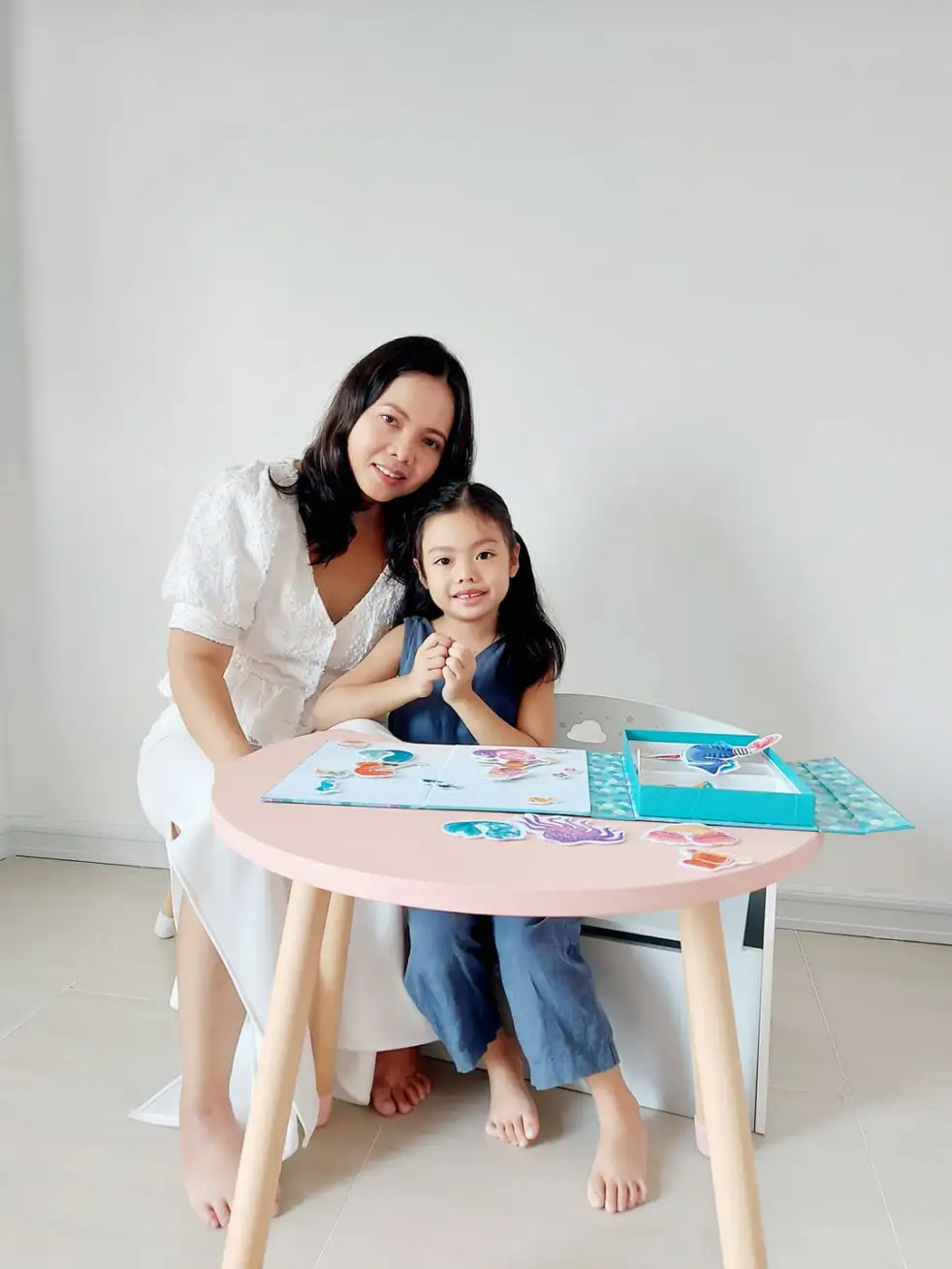
As parents, we want to give our child the best possible start in life and that begins with nurturing their intelligence. Throughout history, the notion of success has been linked to academic intelligence. However, there has been an increased awareness on the importance of emotional intelligence. This question gets at the heart of the never-ending… Continue reading IQ or EQ, which one is a better predictor of your child’s success?
 wondermomma.net