

Last August, IKEA Philippines engaged with Better World Smokey Mountain, a newly opened community center operated by the San Miguel Foundation, which shares a similar goal of improving the lives of many Filipino people. Through this partnership, IKEA Philippines provided and assembled home furnishings for the classrooms and library of Better World Smokey Mountain community… Continue reading Help Create a Better World with IKEA Soft Toys
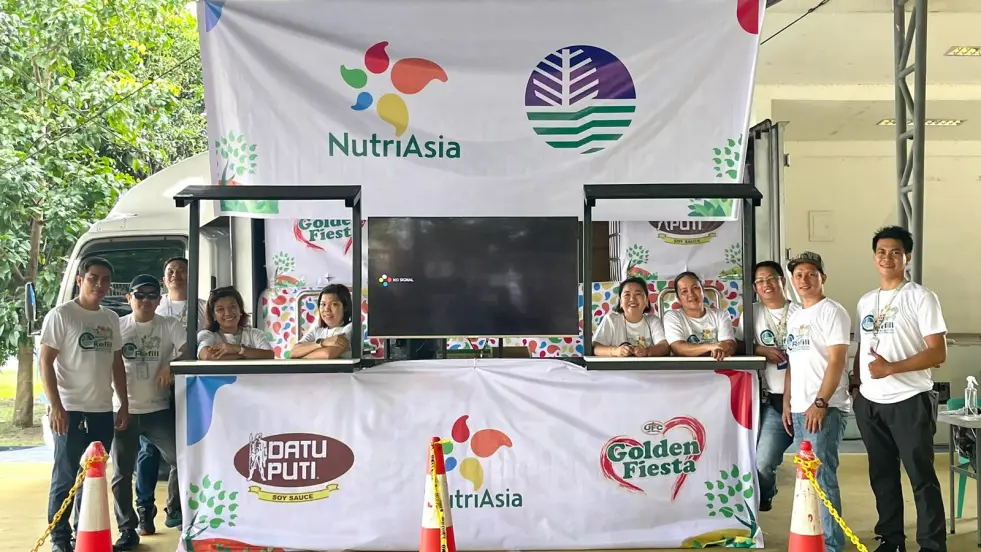
NutriAsia, the country’s top producer of condiments and sauces, continues its support of Refill Revolution; a project by the Department of Environment and Natural Resources EMB 3 that aims to help reduce Filipinos’ single-use plastics consumption. At Refill Revolution, residents get to recycle their single-use plastic bottles by reusing and filling it with their choice… Continue reading NutriAsia and DENR renews partnership for Refill Revolution

Gentle spoon skills for happy toddler mealtimes
Learning to use a spoon is a small milestone with a big role in your toddler’s development. It supports hand-eye coordination, fine motor control, independence, and confidence at the family table. Like walking or speaking, self-feeding develops gradually, with plenty of spills along the way.
A toddler may grab the spoon with enthusiasm one day and return to using their hands the next. This is normal. Children learn through repetition, imitation, and play, so mealtimes work best when they feel safe rather than pressured.
The goal is not perfect table manners or a clean floor. It is to help your child explore utensils at a comfortable pace while enjoying nutritious family food. A calm approach can make spoon practice a positive part of everyday life.
Choose the right time to begin
Many children show interest in a spoon between 12 and 18 months, although readiness varies. Your toddler may reach for your utensil, bring food to their mouth with their fingers, sit steadily in a high chair, or manage thicker purées and soft solids. These signs suggest they are ready to explore self-feeding.
Offer practice when your child is rested and moderately hungry. A very tired toddler may become frustrated, while an extremely hungry child may want food immediately and have little patience for learning. Give a few spoonfuls yourself first, then place a second spoon within reach.
There is no need to remove finger foods. Hand-to-mouth eating helps children understand texture and build coordination. Spoon use can develop alongside grasping soft foods such as steamed vegetables, ripe banana, shredded chicken, rice, or pieces of pandesal.
Make the spoon easy to handle
Select a short, lightweight spoon with a broad, shallow bowl and a chunky, easy-grip handle. A soft silicone tip may feel more comfortable on tender gums. Avoid spoons that are too deep, long, or heavy, since they can make scooping and bringing food to the mouth difficult.
Let your child hold the spoon in whichever hand feels natural. Hand preference may change for several years, so correcting their grip is unnecessary. You can demonstrate a relaxed hold and allow your toddler to copy you without physically forcing their fingers into position.
A stable seat is equally important. Your child’s feet should have support, and the tray or table should be at a comfortable height. A bib with a food-catching pocket, washable mat, and nearby cloth can reduce stress about mess while keeping the focus on learning.
Teach through modelling and shared practice
Sit near your toddler and use your own spoon slowly. Show how to scoop, lift, and bring food to the mouth. Narrate the movement with simple phrases such as “scoop,” “up,” and “bite.” Short, consistent language helps children connect words with actions.
At first, use a hand-under-hand approach if your child accepts it. Gently place your hand beneath theirs and guide the spoon through one movement. This gives support while allowing your toddler to remain in control. Stop if they pull away, stiffen, or show signs of irritation.
Preload the spoon when scooping is still difficult. Place a small amount of food on it and hand it to your child so they can practise lifting and eating. Gradually offer more chances to dip or scoop as their wrist and arm control improves.
Soft, thick foods tend to stay on the spoon better than watery liquids. Try oatmeal, mashed sweet potato, thick yoghurt, congee, mashed squash, or a soft lentil mixture. As skills develop, introduce foods with different consistencies while supervising closely.
| Mealtime stage | Helpful approach | What your toddler may practise |
|---|---|---|
| Early exploration | Offer a short spoon alongside finger foods | Holding, tapping, mouthing, and transferring |
| Supported use | Preload the spoon or guide from underneath | Lifting and bringing food to the mouth |
| Growing confidence | Let your child scoop thick foods independently | Wrist rotation, aim, and portion control |
| More advanced practice | Offer varied textures and family meals | Scooping, dipping, and managing small bites |
Keep the atmosphere calm and pressure-free
Toddlers often learn best when adults avoid rushing, coaxing, or bargaining. Phrases such as “You can try when you’re ready” communicate trust. If your child refuses the spoon, offer it again at another meal without making the refusal a conflict.
Praise the effort rather than the result. Say, “You held the spoon,” or “You brought it close to your mouth.” Specific encouragement helps your child notice progress. Clapping after every bite can create pressure, so keep your response warm and relaxed.
Some days, your toddler may throw the spoon. Treat this as information rather than misbehaviour. They may be finished, overstimulated, or interested in the sound it makes. Calmly retrieve it once or twice, then end the practice if throwing continues.
A predictable routine can help. Wash hands, sit together, serve a small portion, and allow enough time for exploration. Family meals in a quiet setting teach social habits naturally, including watching others, taking turns, and staying at the table for a reasonable period.
Use play to build confidence away from meals
Play provides low-pressure practice for the same movements used during eating. Invite your toddler to transfer water between cups during bath time, scoop dry oats into containers, or move large toy pieces from one bowl to another. Always supervise activities involving small objects or uncooked food.
A toy kitchen can encourage imitation. Let your child pretend to feed a doll or stuffed animal with a spoon, then demonstrate how the toy “takes a bite.” This supports sequencing and hand control without the hunger or mess that may make real mealtimes challenging.
Songs and simple routines can make repetition enjoyable. A short “scoop and lift” rhyme may help your toddler remember the movement. Keep these activities brief and stop while your child is still interested.
Never use play food or utensils as a reason to delay meals. The purpose is exploration, not a test. Even a few minutes of relaxed practice can contribute to gradual improvement.
Handle mess, safety, and nutrition wisely
Mess is part of self-feeding. Place a washable mat under the chair and serve small portions so less food is wasted. You can add more when needed. Avoid wiping your toddler’s face after every bite, since constant cleaning may interrupt concentration and make eating feel tense.
Stay close throughout the meal and make sure food is prepared according to your child’s chewing ability. Cut round foods such as grapes and cherry tomatoes lengthwise, cook vegetables until soft, remove bones and hard skins, and avoid choking hazards such as whole nuts, popcorn, and spoonfuls of thick nut butter. A spoon does not replace active supervision.
Offer balanced choices from the foods your family already enjoys. A toddler’s plate might include rice with soft vegetables and flaked fish, oatmeal with mashed banana, or thick yoghurt with finely chopped fruit. In the Philippines, family dishes can often be adapted by reducing salt, removing bones, and setting aside a soft portion before adding spicy sauces.
Appetite naturally changes from day to day. Let your child decide whether to eat and how much, while you decide what food is offered and when. This responsive feeding approach protects trust and reduces power struggles around the spoon.
Encourage steady progress without comparison
Progress may appear in small steps: holding the spoon longer, accepting a loaded utensil, dipping into a bowl, or spilling slightly less food. Celebrate these moments privately and avoid comparing your toddler with siblings, cousins, or children online. Developmental timelines are individual.
Switching between hands, using the spoon upside down, or taking a bite with help is part of learning. Children often need many opportunities before a movement becomes smooth. Keep offering a spoon at meals, while accepting that finger feeding may remain useful for some foods.
Use your child’s interests to guide practice. If they love yoghurt, start there. If they prefer rice, offer a thick rice mixture that clings to the spoon. Familiar foods can make the new utensil feel less intimidating.
- Offer one child-sized spoon at each suitable meal without demanding its use.
- Start with thick, soft foods that stay on the spoon.
- Demonstrate slowly and use hand-under-hand guidance only when welcomed.
- Praise attempts, independence, and careful movements rather than clean results.
- Stop when your toddler is tired, upset, or repeatedly throwing the utensil.
If your child struggles with many self-feeding movements, frequently coughs or gags during meals, or shows little progress over time, discuss your concerns with a paediatrician or occupational therapist. Professional support can identify sensory, oral-motor, or developmental needs early.
Spoon skills grow through ordinary family moments, not formal lessons. Keep meals warm, give your toddler time, and let practice happen alongside conversation and connection. With patient support, your child can gradually move from exploring the spoon to using it with confidence. Save these ideas for your next mealtime and share them with another parent who is navigating the joyful, messy work of raising an independent eater.

Mercato Centrale, in collaboration with Indian Women in Enterprise Philippines (I-We), is set to host "The Great Indian Fiesta" to mark 75 years of friendship between India and the Philippines. The dynamic two-day event is scheduled to take place on September 30 to October 1, 2023, at Paseo De Roxas Street, Makati City. Aiming to… Continue reading Mercato Centrale Partners with I-We to Host ‘The Great Indian Fiesta’, Commemorating 75 Years of India-Philippines Friendship

My stomach would usually start growling at 10 am even after taking a big breakfast. This is probably because I am a morning person and I move a lot throughout the day hence snacking is something that I can't avoid. This potatoes and chicken wrap recipe is easy to prepare and would keep me full… Continue reading Potato and Chicken Wrap
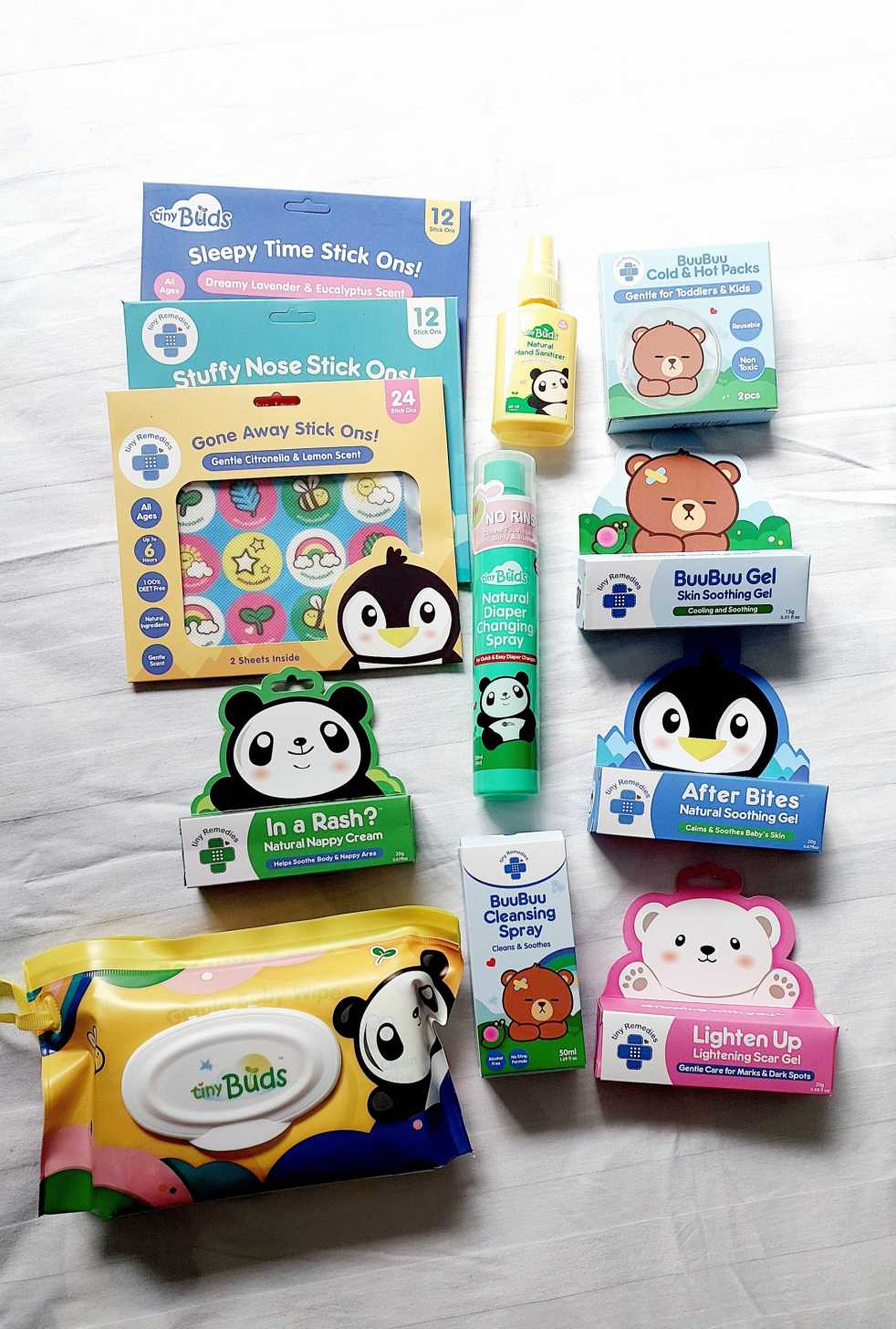
Your baby’s skin is more delicate than most, this is why you have to choose products that are designed for sensitive skin. Tiny Buds is a pioneer in integrating natural ingredients into baby care and today has over 50 innovative natural baby care essentials and is one of the Top Baby Personal Care brands. Here… Continue reading Product Review: Tiny Buds Baby Naturals Baby Essentials
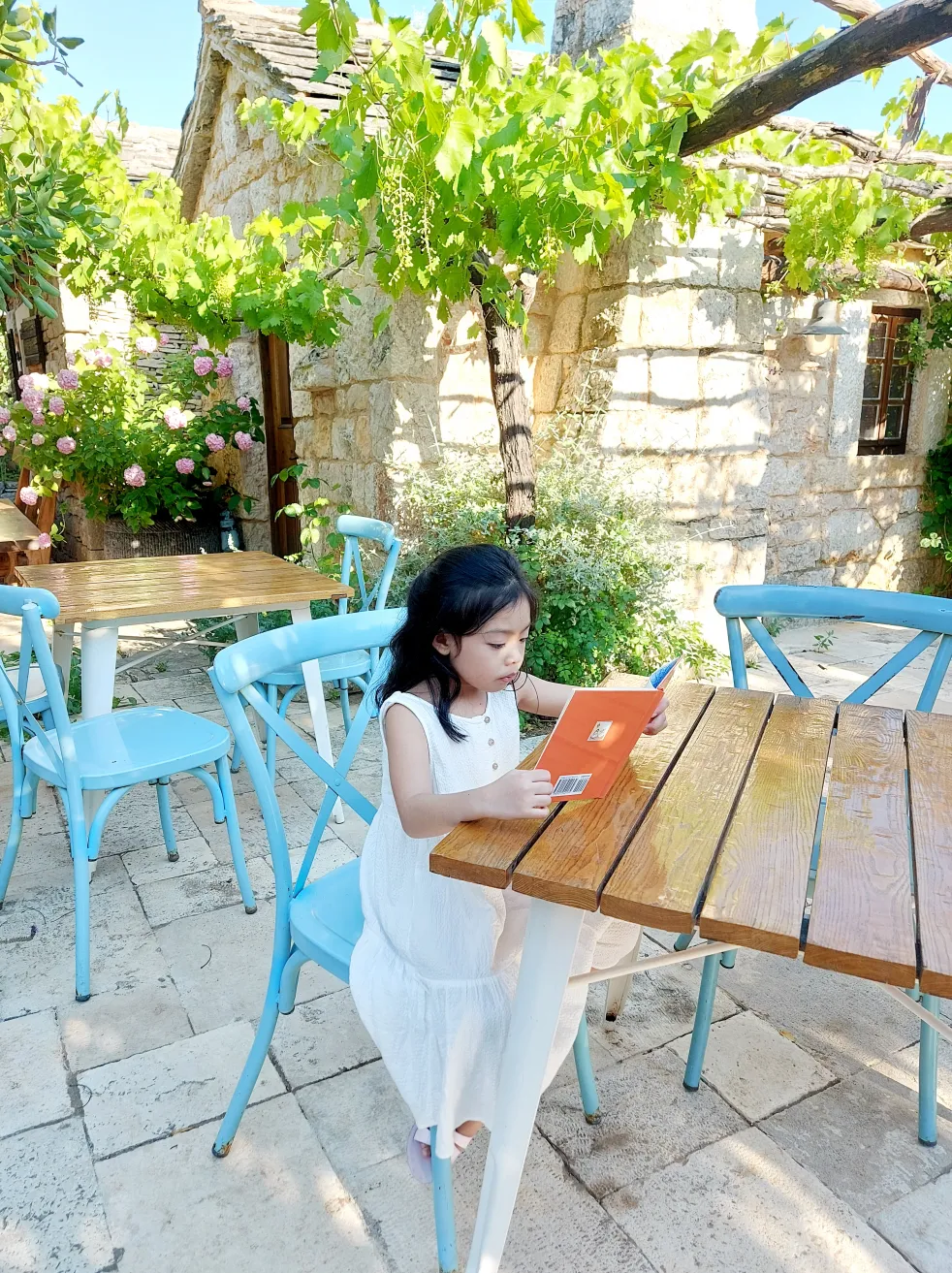
Where your child goes to school is a big decision and shouldn’t be taken lightly. Given how their education can impact their future, you might be tempted to take control and decide for them. However, you might be doing more damage than helping them in the long run. Your job as parents is to support… Continue reading HOW TO CHOOSE THE BEST SCHOOL FOR YOUR CHILD
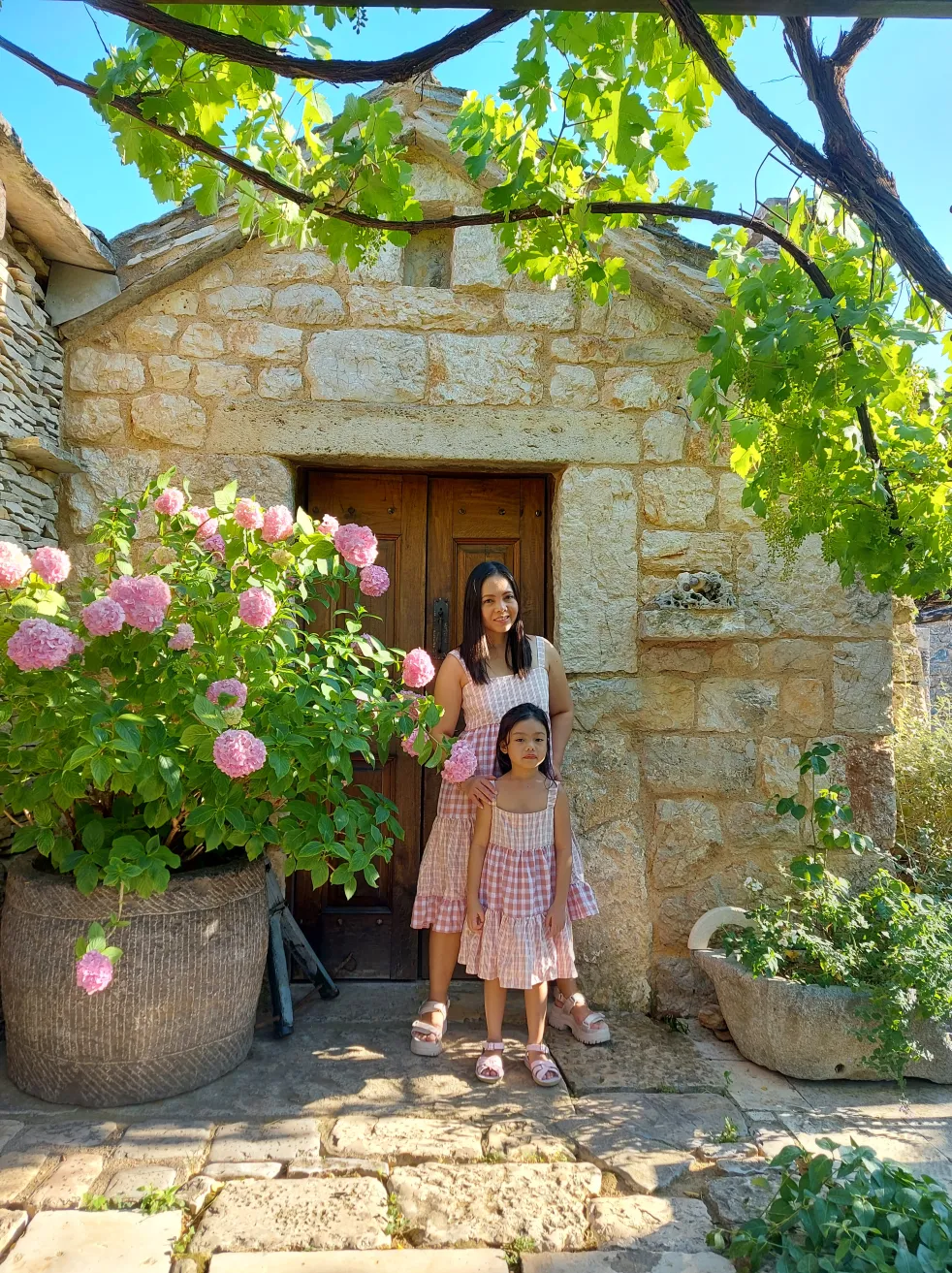
As poet and philosopher Rumi once eloquently said, “raise your words, not your voice. It is rain that grows flowers, not thunder.” Parenting is a challenging journey, and the truth is that nobody has everything figured out. One parenting style might suit others best, and some might favor other methods. However, children respond better to… Continue reading A SIMPLE GUIDE TO GENTLE PARENTING

Whether you’re a new mom to be, mom of a toddler, mom who have school-aged kids, you’re bound to have so many questions. Let's start with your baby's skin. Infant skin has unique needs; gentle care is essential to prevent damage to the skin barrier, which can lead to irritation. When caring for infant skin,… Continue reading Keeping Baby’s Diapered Skin Healthy
As parents, we want to give our child the best possible start in life and that begins with nurturing their intelligence. Throughout history, the notion of success has been linked to academic intelligence. However, there has been an increased awareness on the importance of emotional intelligence. This question gets at the heart of the never-ending… Continue reading IQ or EQ, which one is a better predictor of your child’s success?
 wondermomma.net