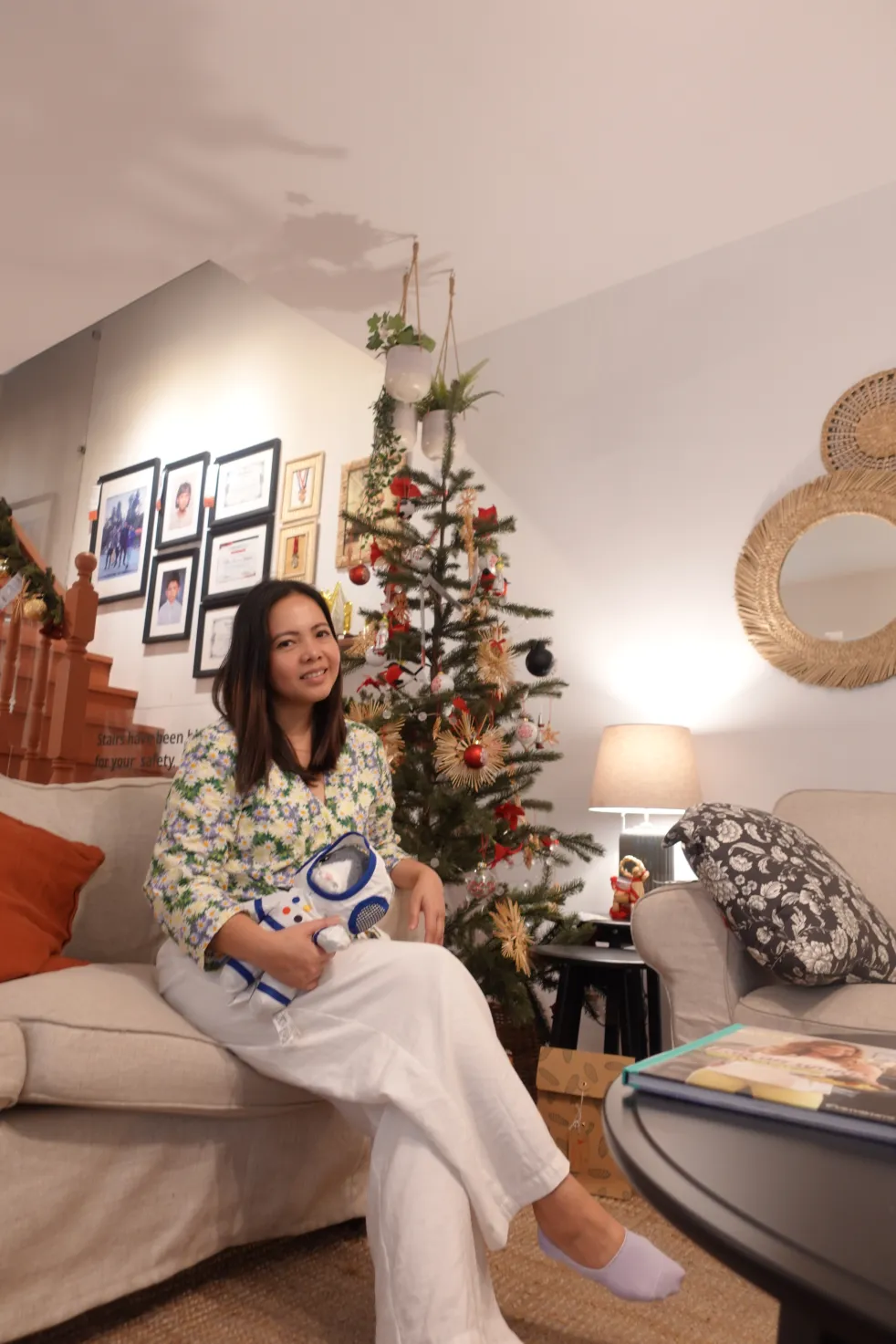
Last August, IKEA Philippines engaged with Better World Smokey Mountain, a newly opened community center operated by the San Miguel Foundation, which shares a similar goal of improving the lives of many Filipino people. Through this partnership, IKEA Philippines provided and assembled home furnishings for the classrooms and library of Better World Smokey Mountain community… Continue reading Help Create a Better World with IKEA Soft Toys
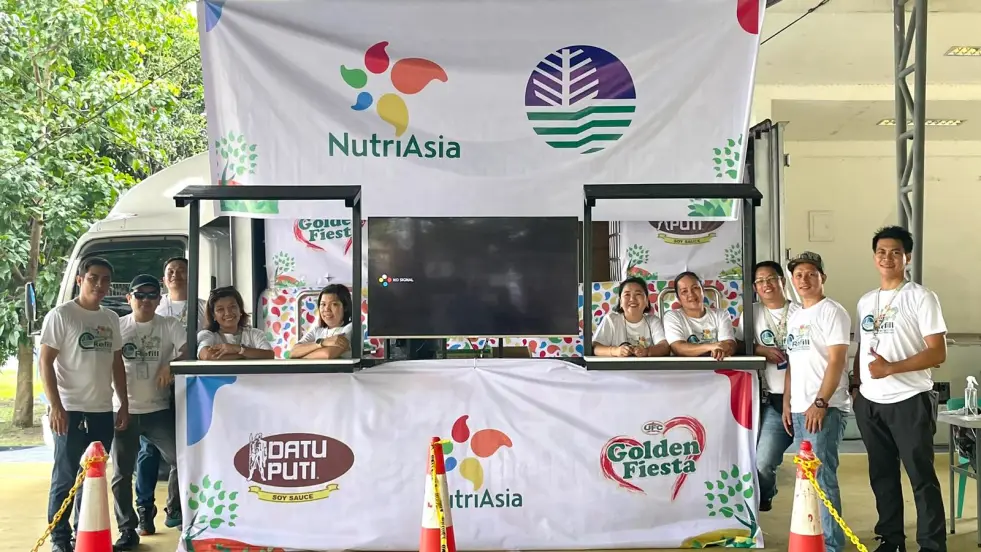
NutriAsia, the country’s top producer of condiments and sauces, continues its support of Refill Revolution; a project by the Department of Environment and Natural Resources EMB 3 that aims to help reduce Filipinos’ single-use plastics consumption. At Refill Revolution, residents get to recycle their single-use plastic bottles by reusing and filling it with their choice… Continue reading NutriAsia and DENR renews partnership for Refill Revolution
Fun Ways to Practise Writing Letters with Preschoolers
Early writing begins with playful experiments, not perfect rows of letters. Preschoolers learn best when pencil work is tied to movement, stories, drawing and everyday routines. A box of sticky notes can become a tiny shop, a painted letter can turn into a friendly character, and a message for Grandma or Grandpa gives writing a clear reason to exist.
Parents looking for fun ways to practise writing letters with preschoolers can turn the breakfast bench into a studio. The aim is not to finish a worksheet before morning tea; it is to build recognition, sound awareness, hand control and confidence. Short, cheerful sessions suit developing attention better than a long lesson, and children do not need to work on the same letters at once.
Young children naturally mix copying, scribbling and pretend writing. Those stages matter because each supports later handwriting. Adults can model a letter, say its sound and invite a child to trace, find or invent it. When an activity feels like play, children are more likely to experiment, repeat movements and remember what they have practised.
Many Australian families already have useful materials at home: pavement chalk, cardboard, sticky notes, wooden spoons and old envelopes. Public libraries in Sydney, Melbourne, Brisbane and regional towns also run story sessions that can spark a letter hunt. The best ideas are flexible, inexpensive and easy to adapt for a preschooler’s current interests.
Make letter learning meaningful through play
Begin with letters that carry personal meaning. Write your preschooler’s name in large print, then invite them to circle the first letter, decorate it or find matching cards. Family names, pet names and the first letter of a favourite book title create immediate connections. For a child who loves trucks, T can become a track, while S might become a snake or a sun.
Turn recognition into a hunt. Hide cardstock letters around the room, ask the child to find one beginning with the /m/ sound, or let them match uppercase and lowercase pairs. Shop and classroom posters offer more material: children can point to a letter while walking past, then copy it into a tiny notebook when they return.
Link sounds with movement. Say a letter, clap its rhythm or draw a giant version with both hands in the air. If the sound starts a familiar word, choose something local and recognisable such as mango, kite, ball or sun. Hearing, saying and seeing the same letter supports early literacy without making the activity feel like a test.
Build strong hands for smoother letter formation
Handwriting develops alongside muscles in the hand, shoulder and arm. A preschooler may begin with large, wobbly shapes before showing narrower movements in letters such as a, m and n. Keep sessions short, change positions often and stop if the child becomes tired. Repeated play builds endurance more effectively than forcing accuracy.
Large-scale writing gives those muscles a useful workout. Tape several sheets of paper together for a floor message, or let the child draw in the air with a finger. Pavement chalk works well for giant names and simple words, especially in a sunny Australian backyard. A wipe-clean mat can bring the same activity indoors when rain interrupts outdoor play.
Fine-motor play prepares the fingers for pencil control. Offer chunky crayons, tweezers, pegs, threading beads or play dough alongside letter activities. Children can trace letters in a tray of clean sand or dry rice under close supervision, then write the same letter in their notebook. Keep materials large enough to grasp and avoid small pieces that could be swallowed.
Give letters a real-life purpose
Give writing a job connected to family life. Stick a notepad to the fridge and let your child copy part of the shopping list from Coles or Woolworths. They can draw a milk bottle beside “milk”, circle the first letter or write one item on a large shopping bag. Familiar brands and real words make letter shapes more relevant than random practice pages.
Set up a neighbourhood post office. Make blank cards, envelopes and pretend stamps, then deliver a letter to the front letterbox or a toy postbox in the lounge. A real trip to an Australia Post counter adds another layer: children can choose a stamp, address the envelope to a relative and watch the message enter the mail. Keep the envelope open as they write so they can guide each letter.
Borrow inspiration from the local library. Storytime sessions in branches across Sydney, Melbourne, Brisbane and regional towns often introduce memorable characters and repeated sounds. Ask the child to write the first sound of a character’s name, make a bookmark or draw the ending for a favourite book. The setting also provides a calm place to revisit letters after a story.
Use stories and surroundings as inspiration
Stories can turn letters into characters. Draw a large A and let the child turn it into an ant, an aeroplane or an apple, then label the picture. For a group of preschoolers, each child can invent one letter creature and combine the drawings into a class book. At home, a simple folded page can become a letter hunt with clues and rewards.
Use recognisable Australian places to make the alphabet local. Draw the Sydney Harbour Bridge, a Melbourne tram or the Brisbane River and invite the child to find letters in the picture. A postcard from a holiday destination offers the same chance: write the place name, decorate the front and post it to a friend. Blank cards, chunky crayons and wooden letters are also readily available from Australian stationery shops, discount stores and independent craft businesses.
Let the day’s weather shape the words. In a southern Australian summer, “sunny”, “swimsuit” and “watermelon” fit naturally into a summer letter book; after rain, “rainy”, “puddle” and “boot” can inspire drawings. Community playgroups and the backyard provide fresh vocabulary, while stickers or crayons can mark which words begin with the chosen letter.
Match the activity to your preschooler
Choose an activity that matches the child’s attention, language and motor skills rather than expecting every learner to follow one script. Some preschoolers will prefer hunting and matching, while others need movement before settling with a pencil. Offer choices, model the action once and let repetition do the teaching. Correct gently by naming the letter and showing another example, without taking the pencil away.
| Play idea | Main skills | Simple materials | Best setting |
|---|---|---|---|
| Letter detective hunt | Recognition, vocabulary and attention | Letter cards and a notebook | Indoors |
| Sensory letter tray | Stroke patterns and hand control | Sand or rice, tray and jumbo crayon | Indoors |
| Giant chalk message | Large movements and letter formation | Pavement chalk and connected paper | Outdoors |
| Pretend post service | Name writing and letter order | Cards, envelopes and pretend stamps | Indoors |
| Story character book | Sound awareness and storytelling | Paper, pencils and crayons | Indoors |
| Place-name postcards | Location words and purposeful writing | Blank postcards, pens and stickers | Anywhere |
For a quick indoor session, gather a few familiar items and keep the activity moving between looking, saying and making:
- Place magnetic letters beside a picture book and ask your child to match each one to its sound.
- Write a family member’s name on sticky notes, then hide the notes around the room.
- Draw a large E with fingers in sand, squash it in play dough and trace it on paper.
For a change of scenery, use movement and the local neighbourhood:
- Chalk a short letter path on a quiet driveway, with a jump at every curve.
- Walk to the local park and collect only fallen leaves to form one big letter.
- Deliver a handmade postcard to a friend or relative using the front letterbox.
- Visit a public library and write the first letter of the next book on a bookmark.
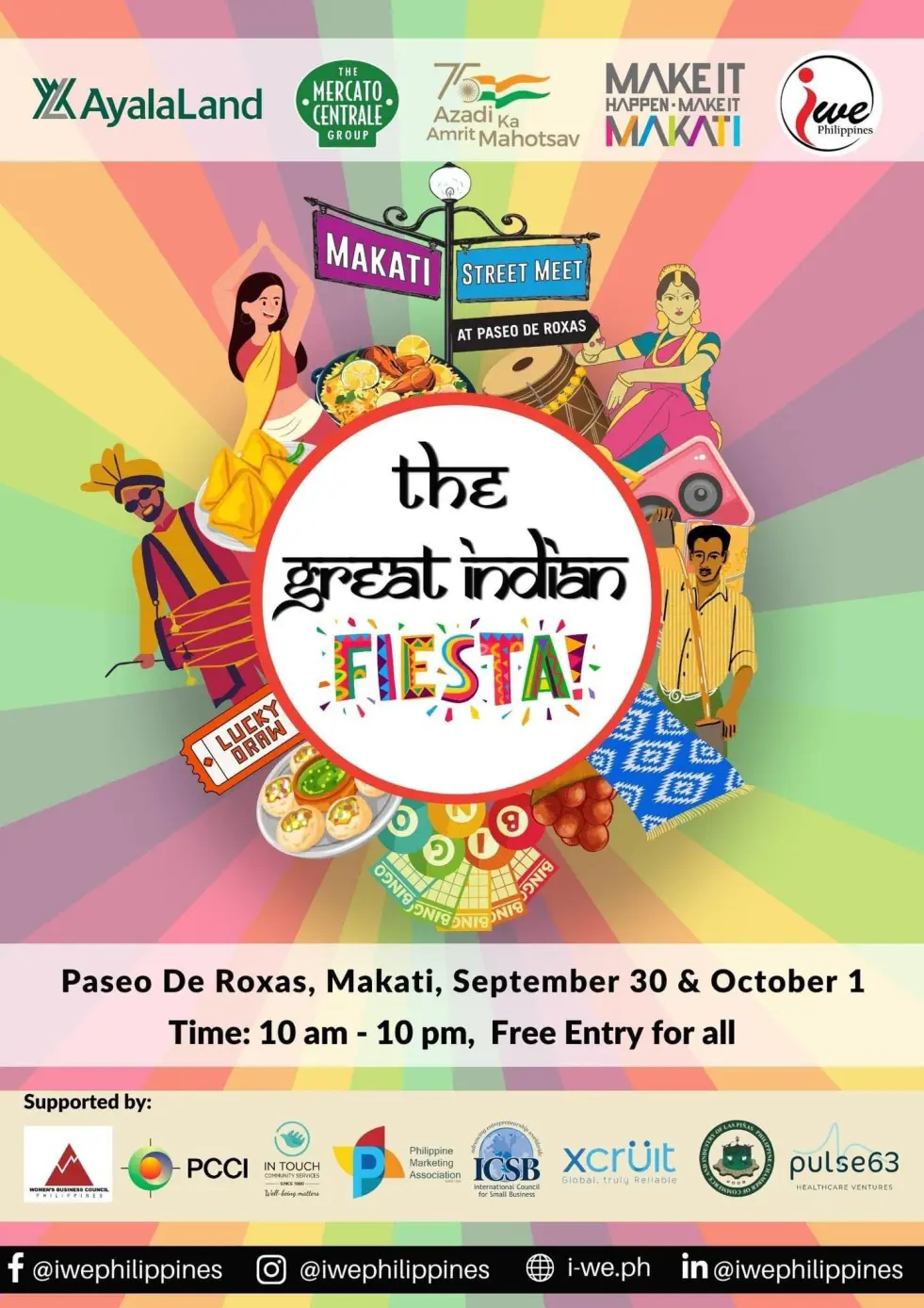
Mercato Centrale, in collaboration with Indian Women in Enterprise Philippines (I-We), is set to host "The Great Indian Fiesta" to mark 75 years of friendship between India and the Philippines. The dynamic two-day event is scheduled to take place on September 30 to October 1, 2023, at Paseo De Roxas Street, Makati City. Aiming to… Continue reading Mercato Centrale Partners with I-We to Host ‘The Great Indian Fiesta’, Commemorating 75 Years of India-Philippines Friendship

My stomach would usually start growling at 10 am even after taking a big breakfast. This is probably because I am a morning person and I move a lot throughout the day hence snacking is something that I can't avoid. This potatoes and chicken wrap recipe is easy to prepare and would keep me full… Continue reading Potato and Chicken Wrap
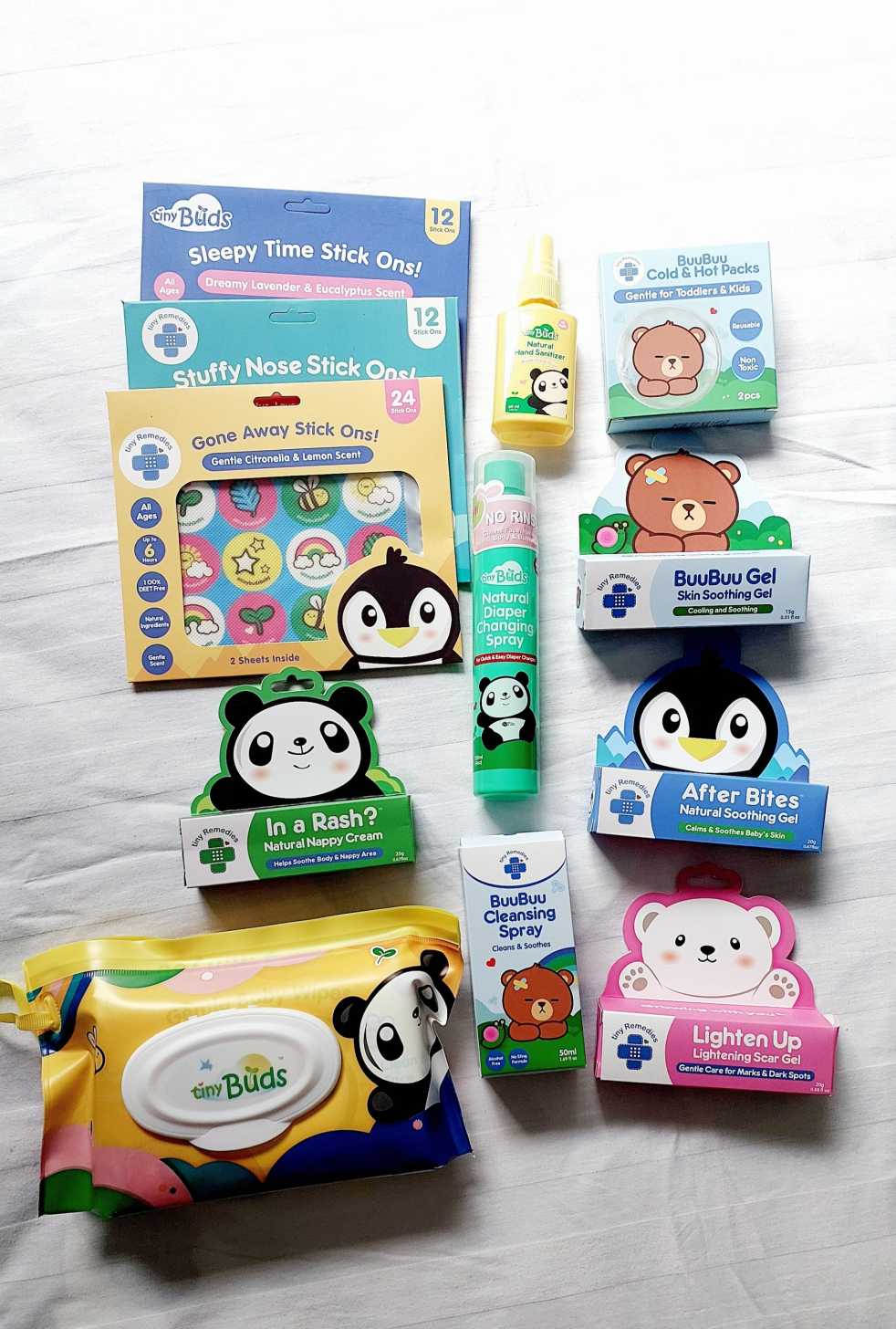
Your baby’s skin is more delicate than most, this is why you have to choose products that are designed for sensitive skin. Tiny Buds is a pioneer in integrating natural ingredients into baby care and today has over 50 innovative natural baby care essentials and is one of the Top Baby Personal Care brands. Here… Continue reading Product Review: Tiny Buds Baby Naturals Baby Essentials
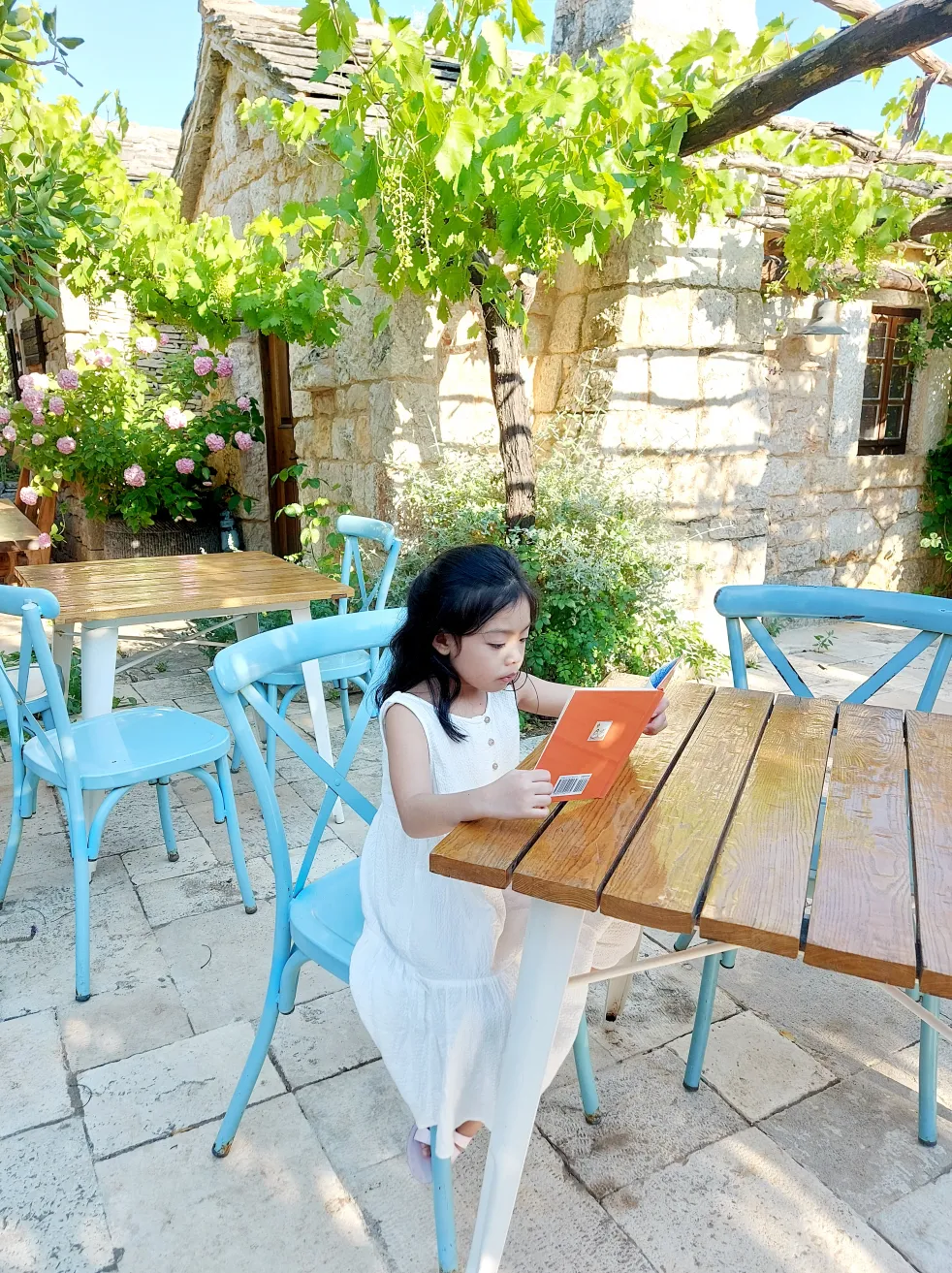
Where your child goes to school is a big decision and shouldn’t be taken lightly. Given how their education can impact their future, you might be tempted to take control and decide for them. However, you might be doing more damage than helping them in the long run. Your job as parents is to support… Continue reading HOW TO CHOOSE THE BEST SCHOOL FOR YOUR CHILD
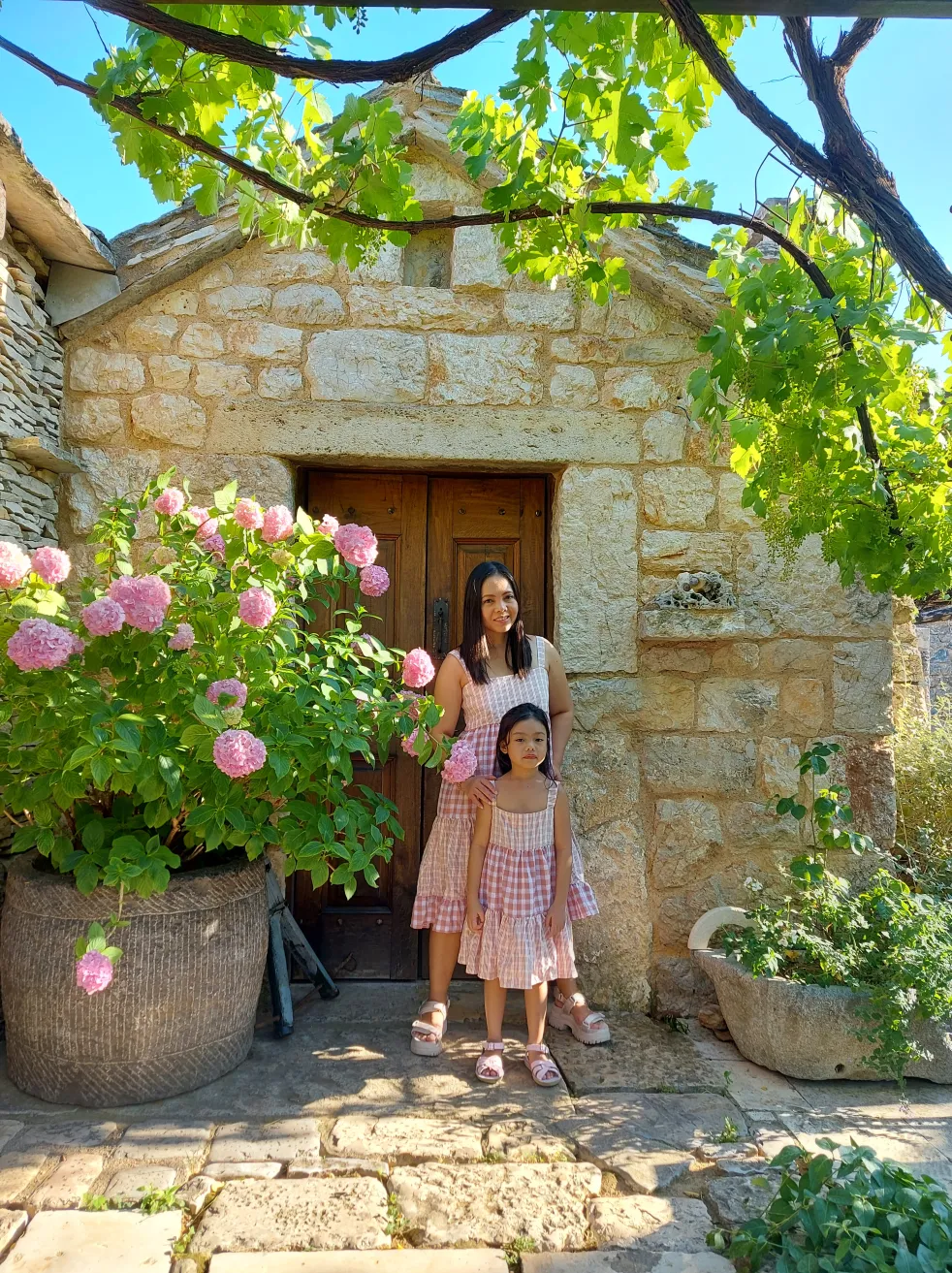
As poet and philosopher Rumi once eloquently said, “raise your words, not your voice. It is rain that grows flowers, not thunder.” Parenting is a challenging journey, and the truth is that nobody has everything figured out. One parenting style might suit others best, and some might favor other methods. However, children respond better to… Continue reading A SIMPLE GUIDE TO GENTLE PARENTING
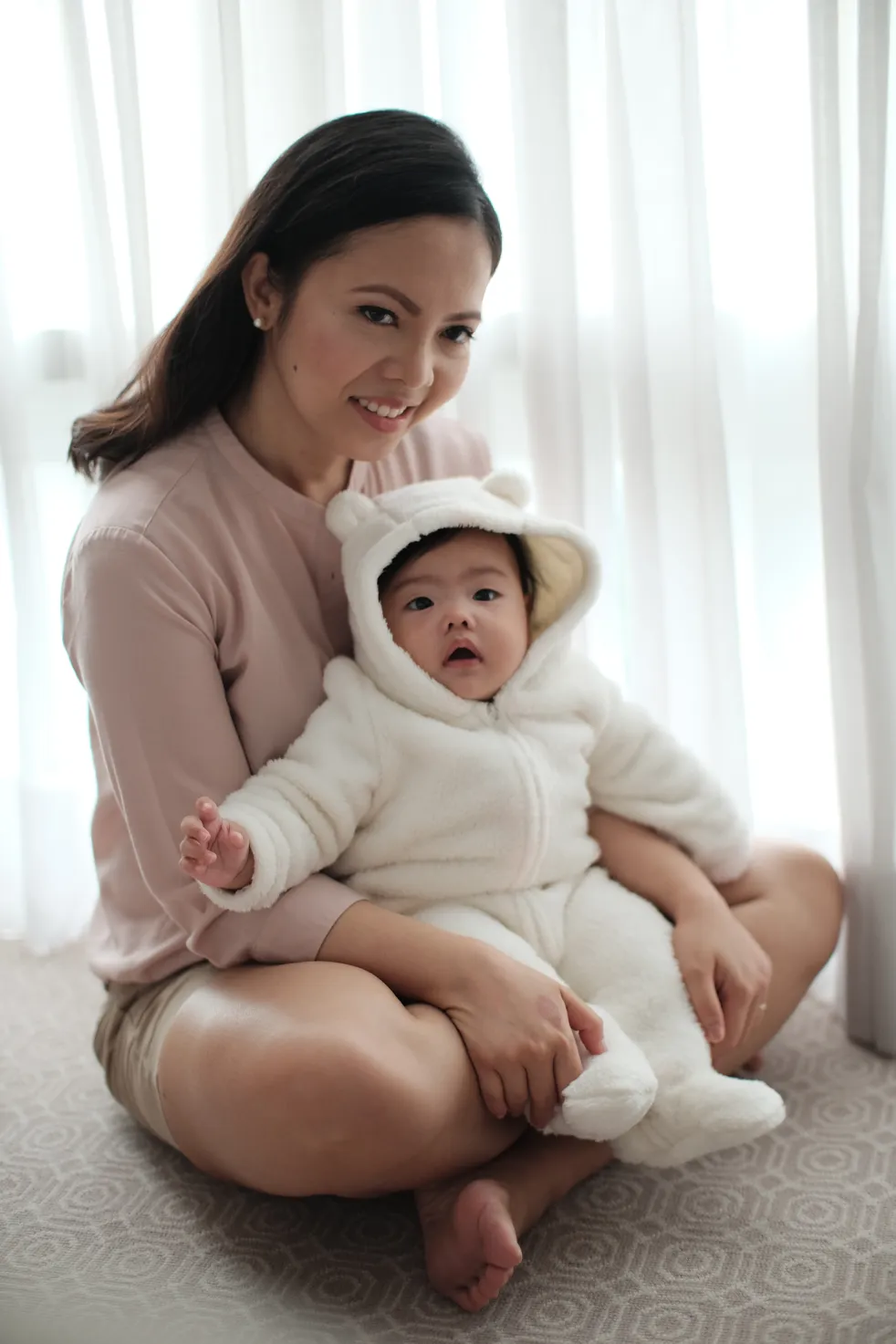
Whether you’re a new mom to be, mom of a toddler, mom who have school-aged kids, you’re bound to have so many questions. Let's start with your baby's skin. Infant skin has unique needs; gentle care is essential to prevent damage to the skin barrier, which can lead to irritation. When caring for infant skin,… Continue reading Keeping Baby’s Diapered Skin Healthy
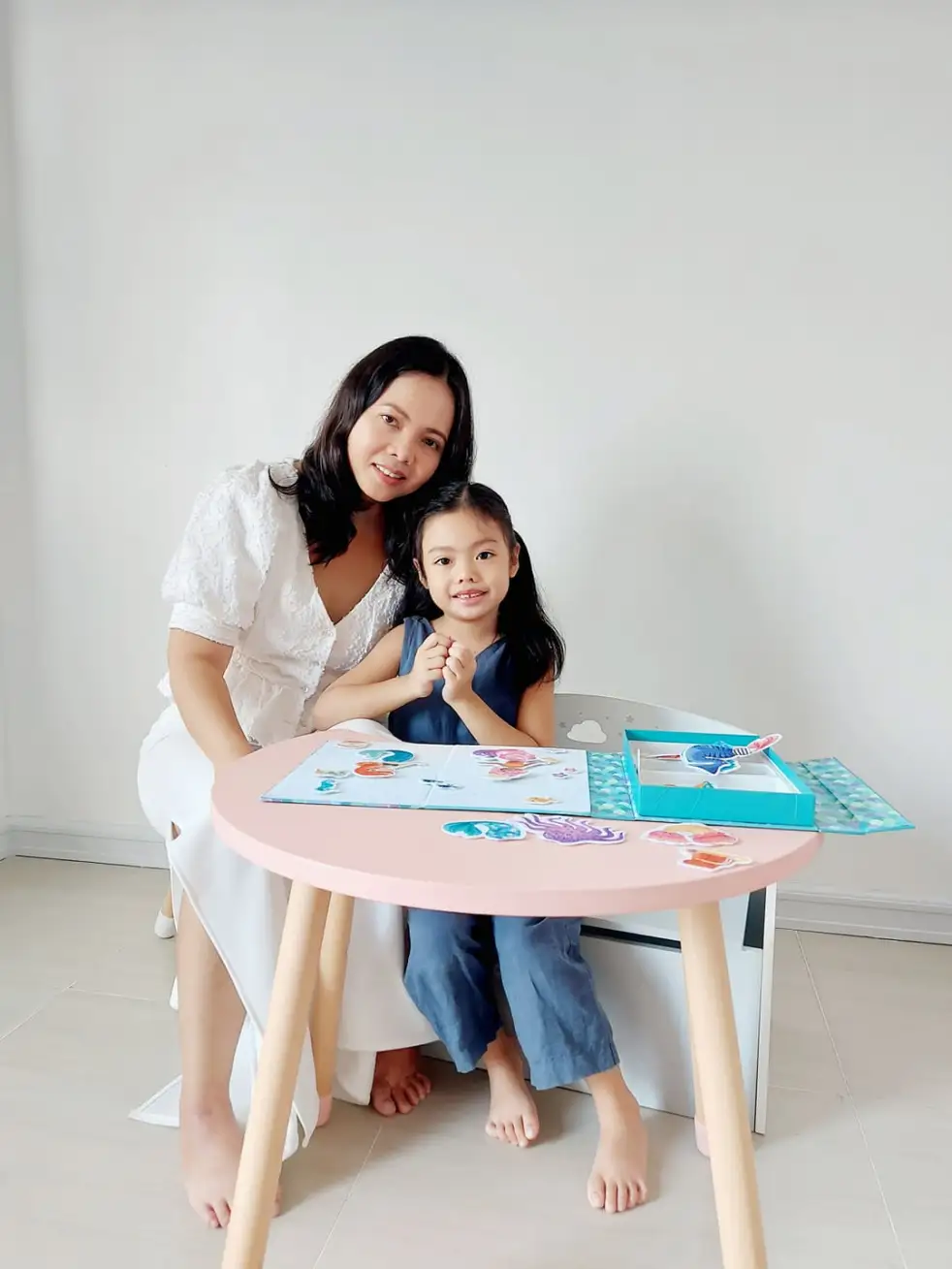
As parents, we want to give our child the best possible start in life and that begins with nurturing their intelligence. Throughout history, the notion of success has been linked to academic intelligence. However, there has been an increased awareness on the importance of emotional intelligence. This question gets at the heart of the never-ending… Continue reading IQ or EQ, which one is a better predictor of your child’s success?
 wondermomma.net