

Last August, IKEA Philippines engaged with Better World Smokey Mountain, a newly opened community center operated by the San Miguel Foundation, which shares a similar goal of improving the lives of many Filipino people. Through this partnership, IKEA Philippines provided and assembled home furnishings for the classrooms and library of Better World Smokey Mountain community… Continue reading Help Create a Better World with IKEA Soft Toys
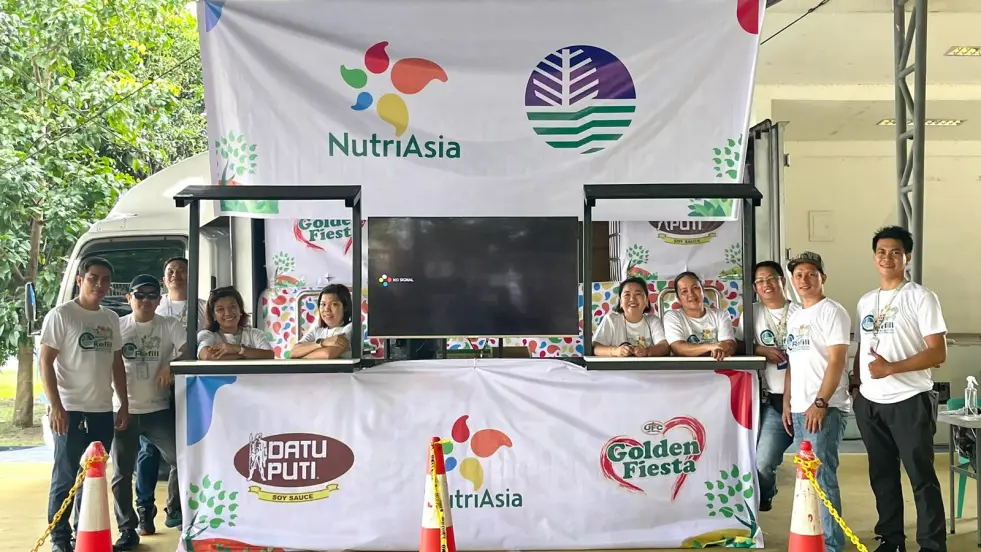
NutriAsia, the country’s top producer of condiments and sauces, continues its support of Refill Revolution; a project by the Department of Environment and Natural Resources EMB 3 that aims to help reduce Filipinos’ single-use plastics consumption. At Refill Revolution, residents get to recycle their single-use plastic bottles by reusing and filling it with their choice… Continue reading NutriAsia and DENR renews partnership for Refill Revolution

Fun water play ideas for hot Manila afternoons
When the Manila heat settles over the neighborhood, children often become restless, sticky, and full of unused energy. A little water can transform an ordinary afternoon into an opportunity for sensory play, movement, creativity, and connection. You do not need a swimming pool or an expensive water table to make it enjoyable.
With a basin, a few household items, and a shaded corner, families can create refreshing activities suited to babies, toddlers, and preschoolers. These ideas work well on balconies, patios, tiled floors, or a small garden area, provided an adult stays close throughout play.
Water play also gives children a gentle way to explore cause and effect. They can pour, scoop, squeeze, float, sink, spray, and wash while building coordination and language skills. The key is to keep the setup simple, the water shallow, and the atmosphere relaxed.
Why water play works in Manila
Hot afternoons can make outdoor activity feel difficult, especially during the dry season. A short water session helps children cool down while still giving them meaningful physical and mental stimulation. Pouring from one container to another strengthens hand control, while reaching, squatting, and carrying small cups support gross motor development.
The activity can also calm children who are overwhelmed by heat or a busy day. Repetitive actions, such as scooping and pouring, offer a soothing rhythm. Parents can use the moment to name colors, textures, sizes, and actions: “The blue cup is full,” “The sponge feels soft,” or “The boat is floating.”
Water play is flexible enough for different ages. A baby may enjoy patting water in a shallow tray, while an older child can design a car wash or conduct a floating experiment. Following the child’s interest keeps the experience playful rather than turning it into a lesson.
Create a cool and safe play station
Choose a shaded location away from stairs, electrical outlets, glass doors, and slippery surfaces. A plastic mat, old shower curtain, or large towel can protect the floor and make cleanup easier. Keep the water shallow—just a few centimeters for young children—and refill small containers as needed instead of filling a large tub.
Never leave a child alone near water, even for a moment. An infant can slip in very little water, and toddlers may move quickly when reaching for a toy. Stay within arm’s reach of babies and young toddlers, and remove the basin as soon as play ends. Empty buckets and storage tubs immediately so they do not collect rainwater or become a hazard.
Use clean tap water and wash the containers before play. Avoid sharp objects, breakable materials, and toys with small parts that could become choking risks. If the sun is strong, position the activity under a roof, umbrella, or tree shade, and pause for drinks and indoor cool-downs.
Easy activities for little hands
A pouring station is one of the simplest ways to begin. Set out plastic cups, measuring spoons, a small funnel, and two bowls. Children can transfer water between containers, fill a bottle, or try to pour without spilling. Add a few drops of food coloring to separate cups only if the materials and surfaces are stain-safe.
For a sensory activity, freeze small plastic toys or fruit pieces in ice and let children rescue them with warm water, spoons, or droppers. This introduces temperature and melting without requiring complicated equipment. Avoid ice cubes for babies who may put them in their mouths, and supervise closely when using any small objects.
A sponge squeeze-and-transfer game is useful for building hand strength. Place one bowl of water beside an empty bowl and invite children to soak a sponge, carry it across, and squeeze it over the second bowl. Toddlers can practice words such as “wet,” “dry,” “heavy,” and “empty” as they play.
For imaginative play, turn a shallow basin into a toy wash station. Cars, plastic animals, or dolls can be cleaned with a soft cloth and a little soapy water. Use only mild, child-safe soap, rinse toys afterward, and avoid harsh detergents that may irritate sensitive skin.
Match the activity to your child
The best water game depends on age, attention span, available space, and how much supervision it requires. Babies benefit from calm, hands-on exploration, while preschoolers may enjoy a story or challenge built around the activity. Children do not need a long session; ten to twenty minutes can be enough when the weather is especially hot.
| Age or stage | Water play idea | Skills supported | Helpful safety note |
|---|---|---|---|
| Babies | Patting water in a shallow tray | Sensory awareness and reaching | Keep water very shallow and stay within arm’s reach |
| Toddlers | Scooping, pouring, and sponge squeezing | Coordination, balance, and early language | Use large, easy-grip items without small parts |
| Preschoolers | Toy car wash or floating boats | Imagination, problem-solving, and social play | Set clear boundaries around the play area |
| Siblings | Cup-filling relay or fishing game | Turn-taking and cooperation | Keep games gentle and avoid running on wet floors |
Older children can make paper boats from waterproof-coated paper or use clean plastic lids as rafts. Ask them to predict which objects will float before testing them. A small collection of leaves, large corks, and plastic spoons can create a simple sink-or-float investigation, as long as everything is large enough for the children using it.
If siblings play together, give each child a role. One can be the “shopkeeper” filling cups, another can deliver water, and a third can wash toys. This reduces grabbing and encourages cooperation. Gentle reminders such as “Let’s take turns with the blue cup” help maintain a peaceful atmosphere.
Keep skin, hair, and cleanup comfortable
Water play should leave children refreshed rather than chilled, sunburned, or irritated. Choose a comfortable time when the sun is less intense, and apply child-friendly sun protection to exposed skin when appropriate. After play, rinse away soap or colored water, dry skin folds carefully, and change children into light, dry clothes.
Parents also deserve a little care during busy family afternoons. If you are already managing the physical changes of early motherhood, practical guidance on postpartum hair loss tips can be a useful reminder that your own comfort matters too. A water activity can be easier when another adult handles setup or cleanup.
For a low-waste routine, use leftover play water to rinse outdoor toys or water suitable plants, provided it contains no soap, food coloring, or other additives. Dry basins and toys in the shade, then store them where mosquitoes and rainwater cannot collect. A quick sweep or towel-dry also helps prevent slips on tile.
Make each session simple and engaging
You can prepare water play in just a few minutes by keeping a small basket of dedicated supplies. Plastic cups, sponges, scoops, funnels, bath toys, soft brushes, and washable cloths are usually enough. Rotate the materials so familiar objects feel fresh without creating clutter.
- Set a clear play boundary with a mat, towel, or a few floor markers.
- Offer two or three activities instead of filling the area with too many toys.
- Give children simple choices, such as pouring, washing, or floating.
- Schedule water breaks and stop play when a child becomes cold, tired, or overstimulated.
- End with a predictable cleanup routine: empty, rinse, dry, and store.
Children often enjoy helping with the final steps. A preschooler can place toys in a basket, while a toddler can hand over a towel. Treating cleanup as part of the game teaches responsibility without making the afternoon feel like a chore.
Bring water play into family routines
Water activities do not have to be reserved for weekends or special occasions. A small basin can become part of an after-nap routine, a cooling activity before dinner, or a way to reconnect after a busy day. Keeping expectations modest makes it easier for parents to enjoy the experience rather than manage every detail.
Follow your child’s lead and allow the play to change naturally. A pouring game may become pretend cooking, a sponge station may become a toy bath, and floating objects may inspire a story about boats traveling around Manila. These open-ended moments support creativity while giving families a chance to slow down together.
Set up one safe, shaded water station this week using items you already have at home. Add a few cups, a sponge, and your child’s favorite washable toys, then let the afternoon unfold through scooping, splashing, and shared laughter.

Mercato Centrale, in collaboration with Indian Women in Enterprise Philippines (I-We), is set to host "The Great Indian Fiesta" to mark 75 years of friendship between India and the Philippines. The dynamic two-day event is scheduled to take place on September 30 to October 1, 2023, at Paseo De Roxas Street, Makati City. Aiming to… Continue reading Mercato Centrale Partners with I-We to Host ‘The Great Indian Fiesta’, Commemorating 75 Years of India-Philippines Friendship

My stomach would usually start growling at 10 am even after taking a big breakfast. This is probably because I am a morning person and I move a lot throughout the day hence snacking is something that I can't avoid. This potatoes and chicken wrap recipe is easy to prepare and would keep me full… Continue reading Potato and Chicken Wrap
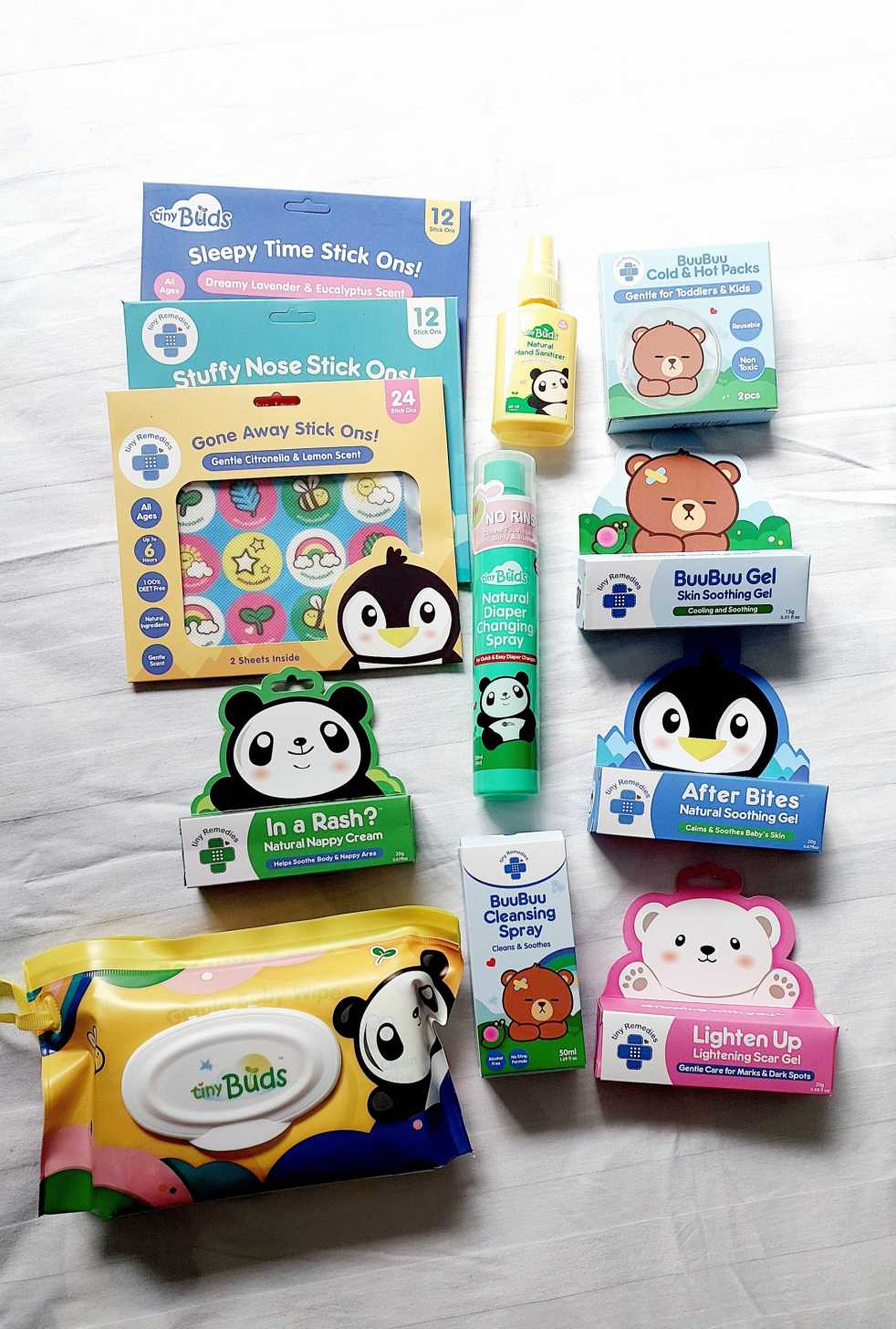
Your baby’s skin is more delicate than most, this is why you have to choose products that are designed for sensitive skin. Tiny Buds is a pioneer in integrating natural ingredients into baby care and today has over 50 innovative natural baby care essentials and is one of the Top Baby Personal Care brands. Here… Continue reading Product Review: Tiny Buds Baby Naturals Baby Essentials
Where your child goes to school is a big decision and shouldn’t be taken lightly. Given how their education can impact their future, you might be tempted to take control and decide for them. However, you might be doing more damage than helping them in the long run. Your job as parents is to support… Continue reading HOW TO CHOOSE THE BEST SCHOOL FOR YOUR CHILD
As poet and philosopher Rumi once eloquently said, “raise your words, not your voice. It is rain that grows flowers, not thunder.” Parenting is a challenging journey, and the truth is that nobody has everything figured out. One parenting style might suit others best, and some might favor other methods. However, children respond better to… Continue reading A SIMPLE GUIDE TO GENTLE PARENTING

Whether you’re a new mom to be, mom of a toddler, mom who have school-aged kids, you’re bound to have so many questions. Let's start with your baby's skin. Infant skin has unique needs; gentle care is essential to prevent damage to the skin barrier, which can lead to irritation. When caring for infant skin,… Continue reading Keeping Baby’s Diapered Skin Healthy
As parents, we want to give our child the best possible start in life and that begins with nurturing their intelligence. Throughout history, the notion of success has been linked to academic intelligence. However, there has been an increased awareness on the importance of emotional intelligence. This question gets at the heart of the never-ending… Continue reading IQ or EQ, which one is a better predictor of your child’s success?
 wondermomma.net