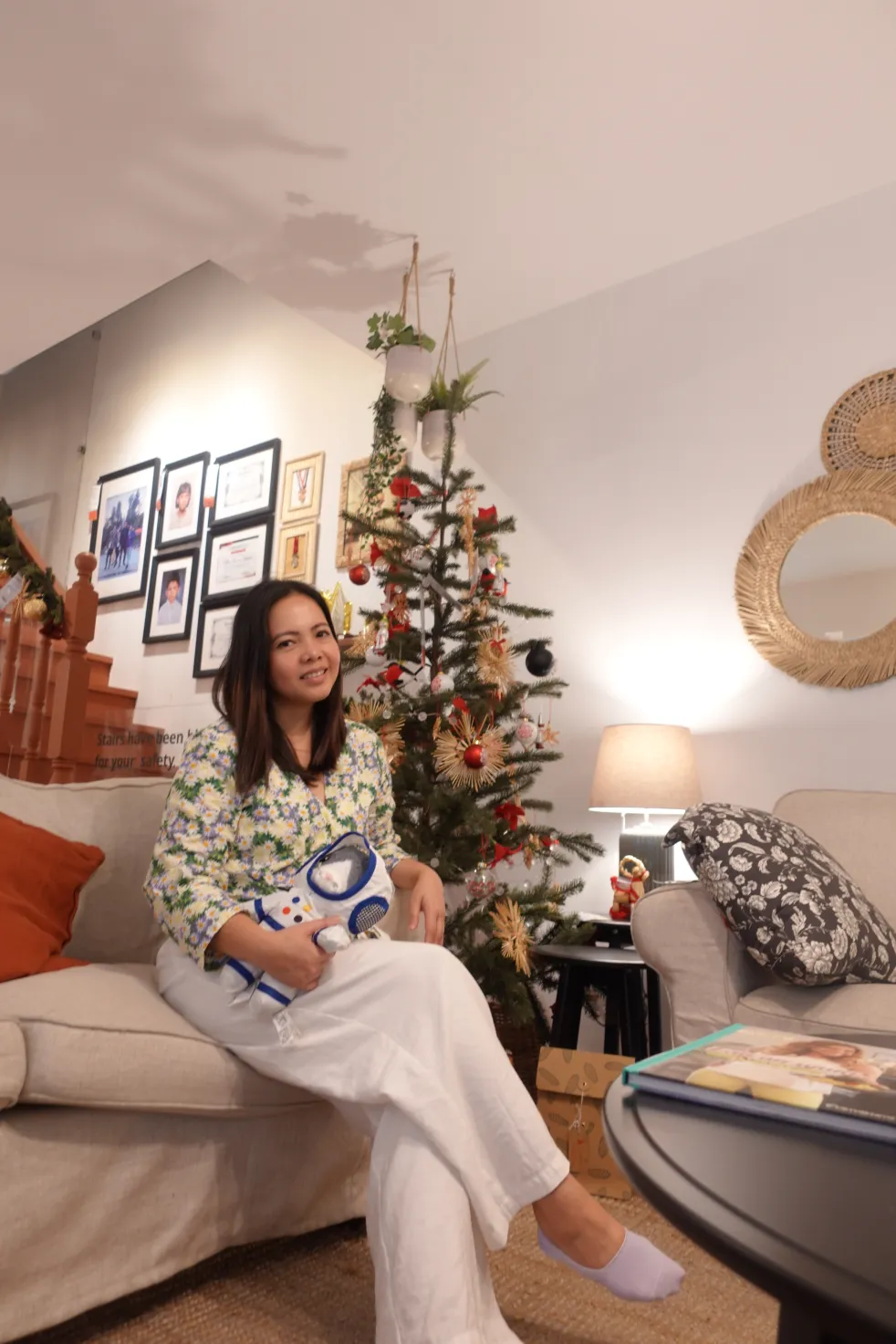
Last August, IKEA Philippines engaged with Better World Smokey Mountain, a newly opened community center operated by the San Miguel Foundation, which shares a similar goal of improving the lives of many Filipino people. Through this partnership, IKEA Philippines provided and assembled home furnishings for the classrooms and library of Better World Smokey Mountain community… Continue reading Help Create a Better World with IKEA Soft Toys
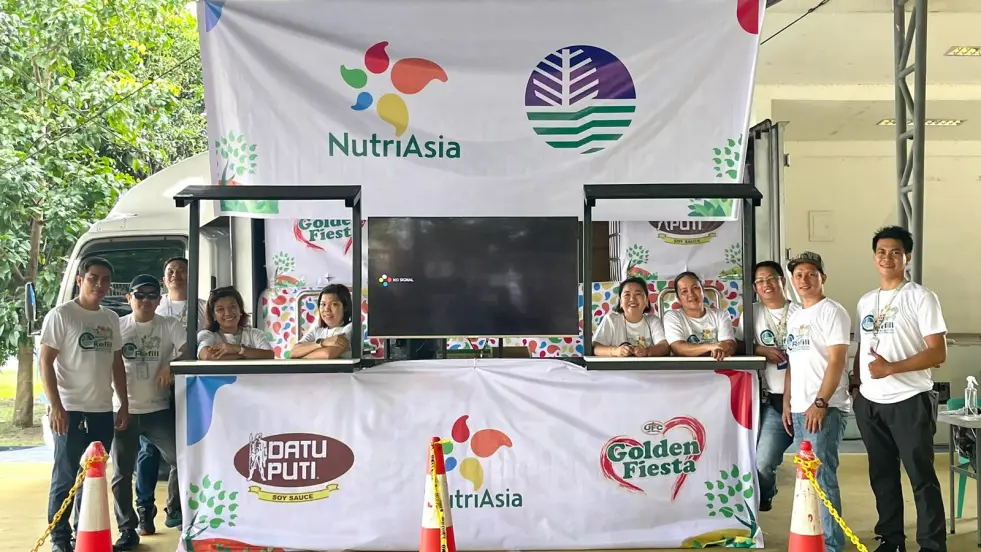
NutriAsia, the country’s top producer of condiments and sauces, continues its support of Refill Revolution; a project by the Department of Environment and Natural Resources EMB 3 that aims to help reduce Filipinos’ single-use plastics consumption. At Refill Revolution, residents get to recycle their single-use plastic bottles by reusing and filling it with their choice… Continue reading NutriAsia and DENR renews partnership for Refill Revolution

Playful Counting Games With Everyday Household Items
Early maths does not need worksheets, flashcards, or expensive learning toys. For toddlers, counting becomes meaningful when it is connected to familiar objects, movement, conversation, and everyday routines. A basket of socks or a handful of bottle caps can become an inviting way to explore numbers.
At this age, children are still learning that number words follow a fixed order and that the last number counted tells “how many” items are in a group. They may skip numbers, count the same object twice, or use a number word without understanding its quantity. These moments are normal parts of development.
Short, relaxed play sessions work best. Follow your toddler’s interest, keep materials within reach, and celebrate attempts rather than expecting perfect one-to-one counting. The goal is to make number sense feel useful, social, and fun.
Why Counting Play Matters
Counting games build more than number vocabulary. When a child touches each object while saying a number, they practise one-to-one correspondence. When they compare two groups, they begin to notice quantity. Sorting objects by colour, size, or purpose also supports early logic and problem-solving.
Play strengthens language at the same time. Use simple phrases such as “one spoon,” “two big buttons,” or “three socks in the basket.” Repeating descriptive words helps toddlers connect quantities with objects and gives them a natural reason to speak, listen, and respond.
Keep expectations realistic. A two-year-old might recite numbers to ten but count only three objects accurately. Another child may recognise small groups without saying every number. Both forms of learning are valuable, so offer many chances to practise without turning play into a test.
Prepare A Safe Counting Basket
Choose household items that are large enough not to become choking hazards and inspect them for sharp edges, loose parts, or breakable pieces. Stay close during play, especially when using lids, clips, small containers, or food items. If an object could fit entirely inside a child’s mouth, replace it with a larger alternative.
A simple counting basket might include plastic cups, wooden spoons, clean washcloths, large toy blocks, empty food containers, and pairs of socks. Use only clean, dry objects, and avoid anything with leftover detergent, medicine, or food residue. A low tray can help contain the activity and make tidying up part of the game.
Let your toddler help gather the materials. Picking up three spoons from the kitchen or finding two matching towels gives the activity a practical purpose. Families looking for more gentle, everyday learning ideas can also browse WonderMomma parenting ideas for activities that fit naturally into family routines.
Easy Games For Busy Hands
A “give me” game is a simple starting point. Place several large objects in front of your child and ask for one cup, then two spoons, or three socks. Count slowly as your toddler hands each item to you. If they give too many, gently count the objects together instead of correcting sharply.
Try a household-item parade by lining up stuffed toys, slippers, or plastic containers. Invite your child to tap each item as you count. Then ask, “Which one is first?” or “Which one is last?” Ordinal words can be introduced casually, without expecting immediate understanding.
For a movement-based activity, place paper plates or folded towels on the floor as stepping spots. Call out a number and encourage your toddler to take that many steps, claps, jumps, or knee taps. Keep the numbers small and adjust the movement for your child’s balance and energy level.
| Household items | Counting activity | Early maths skill | Helpful language |
|---|---|---|---|
| Socks or washcloths | Match pairs and count them | One-to-one matching | “Same,” “different,” “two” |
| Plastic cups | Stack, fill, and arrange | Quantity and order | “More,” “less,” “before” |
| Wooden spoons | Hand over a requested number | Listening and cardinality | “Give me three” |
| Large blocks | Build towers of different heights | Comparing groups | “Taller,” “shorter,” “five blocks” |
| Food containers | Put items inside and take them out | Counting with actions | “One in,” “two out” |
Turn Routines Into Number Practice
Snack time offers many opportunities for gentle maths talk. Count banana slices, crackers, or pieces of fruit onto a plate. Ask your child to place one piece beside each stuffed animal or family member. Use larger food pieces and supervise closely, following age-appropriate feeding guidance.
Laundry can become a matching and counting activity. Ask your toddler to find two socks or place three washcloths in a pile. You can count the items as you fold them, then compare which pile has more. The practical task remains the focus, while number words are woven into the conversation.
During bath time, count cups of water, floating toys, or scoops poured into a container. Keep electronic devices and unsafe objects away from the water, and maintain constant supervision. Saying “the cup is empty” and “now it is full” adds useful early measurement concepts to the counting practice.
Make Counting More Imaginative
Toddlers often participate longer when a game includes pretend play. Turn a cardboard box into a bus and invite your child to put three stuffed passengers inside. Count as each “passenger” boards, then remove them one at a time while saying how many remain.
A pretend shop works well with empty, clean containers. Place two cans, three boxes, or four plastic cups on a low surface and let your child “buy” them. Use a large spoon or cloth bag as a shopping tool. The story gives counting a purpose and encourages turn-taking.
You can also create a “feed the hungry basket” game. Draw a simple face on a sturdy box with a wide opening, then ask your toddler to feed it a certain number of large, safe items such as rolled socks. Count each item going in, then empty the box and start again with a different amount.
Adapt The Games To Your Child
Begin with quantities from one to three, especially if your toddler is new to structured counting play. Once they can handle those amounts comfortably, introduce four and five. Repetition is helpful; using the same game with new objects can strengthen understanding without making the activity feel difficult.
If your child loses interest, add movement, music, or a favourite toy. Some toddlers learn best by carrying and dropping objects, while others prefer sorting them into containers. Follow their natural style and keep each round brief. A few minutes of happy engagement is more useful than a long session filled with pressure.
For a toddler who skips numbers, model the sequence slowly and touch each object once. If they count the same item twice, place counted objects in a separate area. If they are not yet speaking much, they can point, hand over objects, clap, or show quantities with their fingers.
Encourage Learning Without Pressure
Use descriptive praise rather than performance-based praise. Say, “You touched every cup,” “You found two matching socks,” or “You kept trying,” instead of focusing only on whether the final answer is correct. This helps children notice the process and feel confident exploring new ideas.
Avoid turning siblings or playmates into competitors. Comparing groups can be playful, but phrases such as “Let’s see which pile has more” are gentler than declaring a winner. If your child gives an unexpected answer, respond with curiosity: “Let’s check by touching each one together.”
A small collection of familiar objects can support counting, sorting, matching, comparing, and early problem-solving every day. Rotate materials when the activity feels stale, but remember that toddlers often enjoy repeating a favourite game many times. Familiar repetition helps new skills become secure.
Keep These Play Principles In Mind
- Choose large, clean, child-safe objects and supervise closely.
- Start with one to three items before increasing the quantity.
- Touch or move each object once while saying each number.
- Use counting during meals, laundry, bath time, and tidying.
- Stop while the activity is still enjoyable and return to it another day.
Household counting games work because they connect early maths with real life. A child who counts socks, spoons, cups, or blocks is learning that numbers describe the world around them. With warmth, repetition, and plenty of room for mistakes, ordinary family moments can become memorable learning experiences.
Gather a few safe items today, choose one short game, and count, sort, move, and laugh together at your toddler’s pace.

Mercato Centrale, in collaboration with Indian Women in Enterprise Philippines (I-We), is set to host "The Great Indian Fiesta" to mark 75 years of friendship between India and the Philippines. The dynamic two-day event is scheduled to take place on September 30 to October 1, 2023, at Paseo De Roxas Street, Makati City. Aiming to… Continue reading Mercato Centrale Partners with I-We to Host ‘The Great Indian Fiesta’, Commemorating 75 Years of India-Philippines Friendship

My stomach would usually start growling at 10 am even after taking a big breakfast. This is probably because I am a morning person and I move a lot throughout the day hence snacking is something that I can't avoid. This potatoes and chicken wrap recipe is easy to prepare and would keep me full… Continue reading Potato and Chicken Wrap
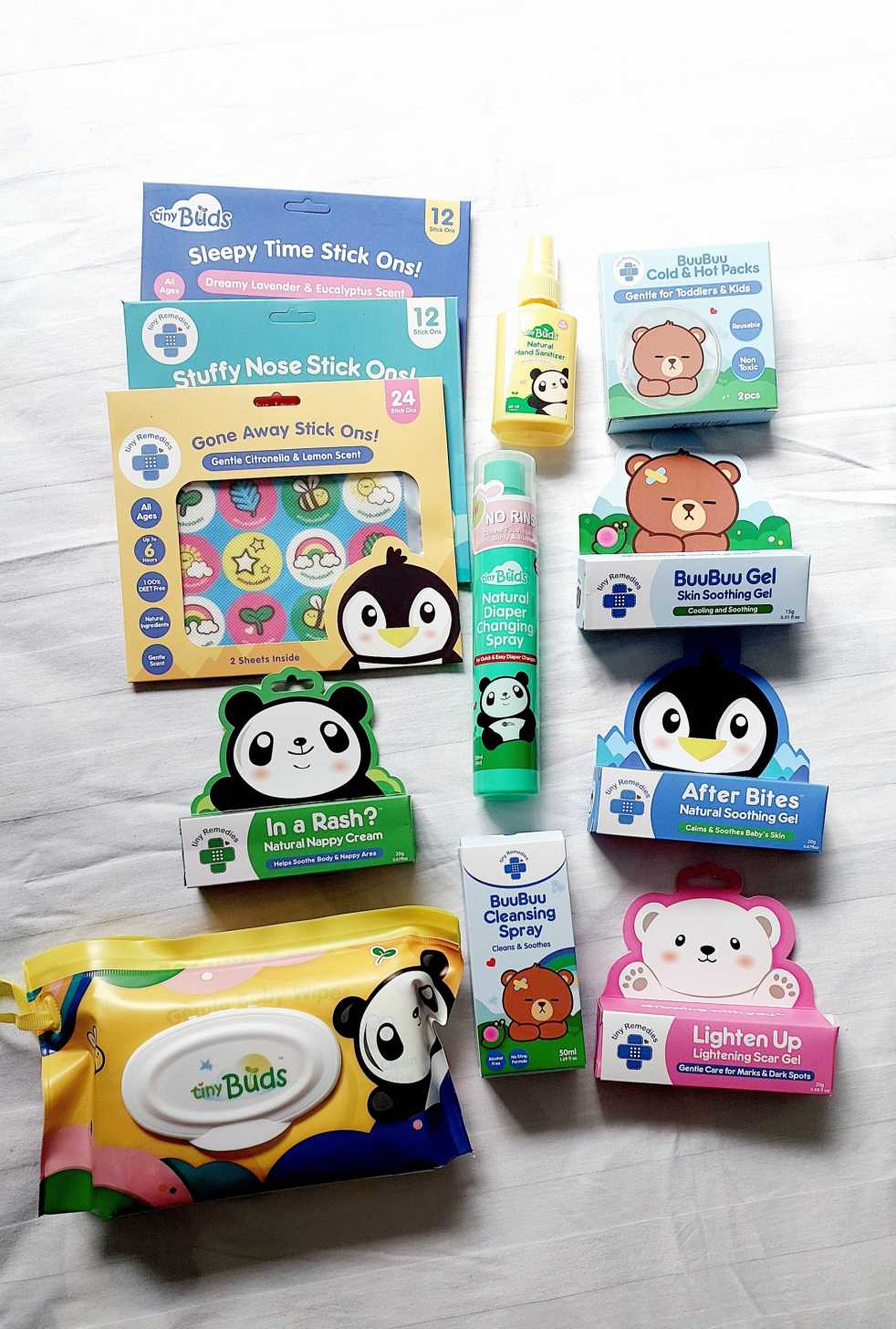
Your baby’s skin is more delicate than most, this is why you have to choose products that are designed for sensitive skin. Tiny Buds is a pioneer in integrating natural ingredients into baby care and today has over 50 innovative natural baby care essentials and is one of the Top Baby Personal Care brands. Here… Continue reading Product Review: Tiny Buds Baby Naturals Baby Essentials
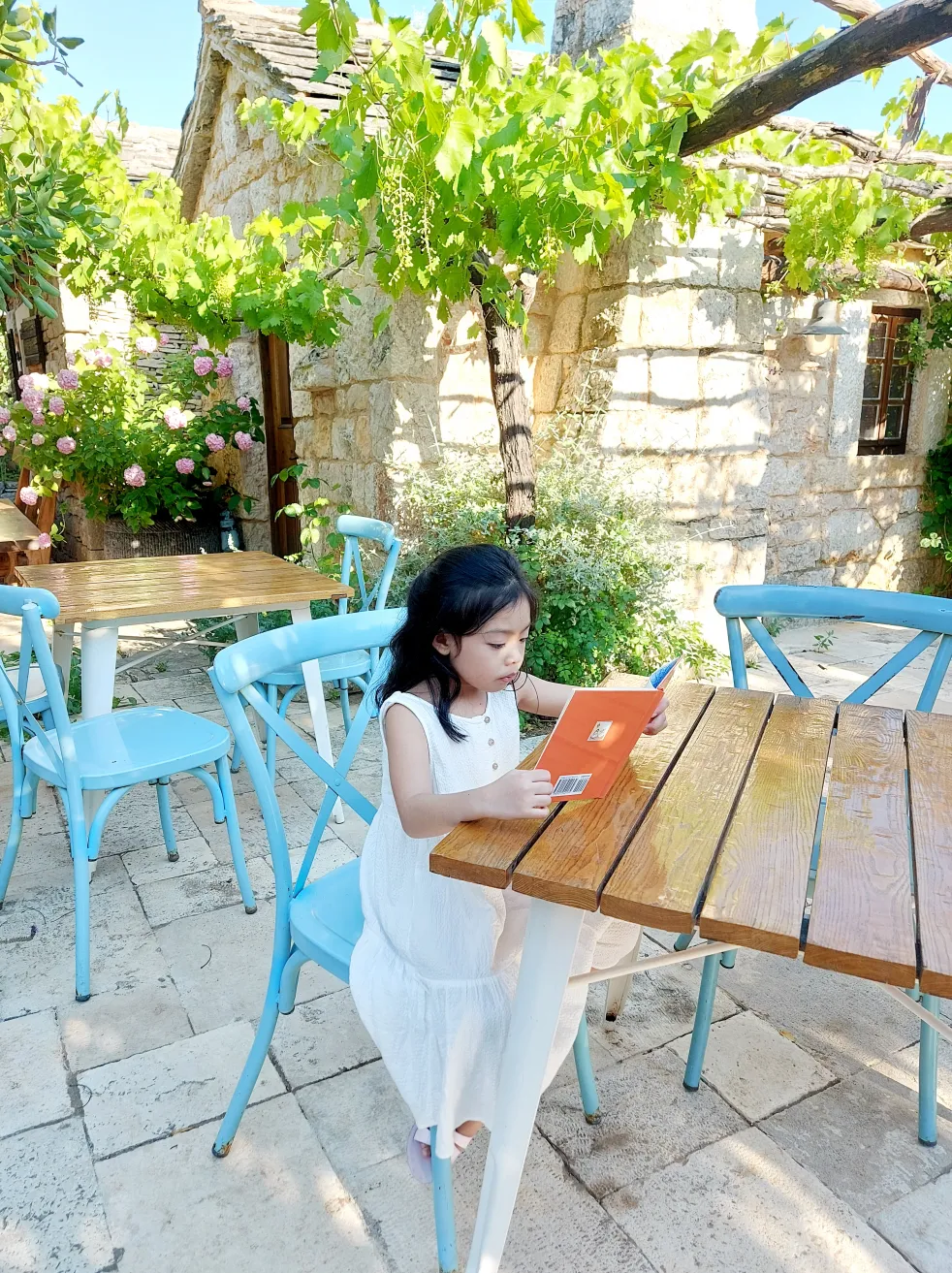
Where your child goes to school is a big decision and shouldn’t be taken lightly. Given how their education can impact their future, you might be tempted to take control and decide for them. However, you might be doing more damage than helping them in the long run. Your job as parents is to support… Continue reading HOW TO CHOOSE THE BEST SCHOOL FOR YOUR CHILD
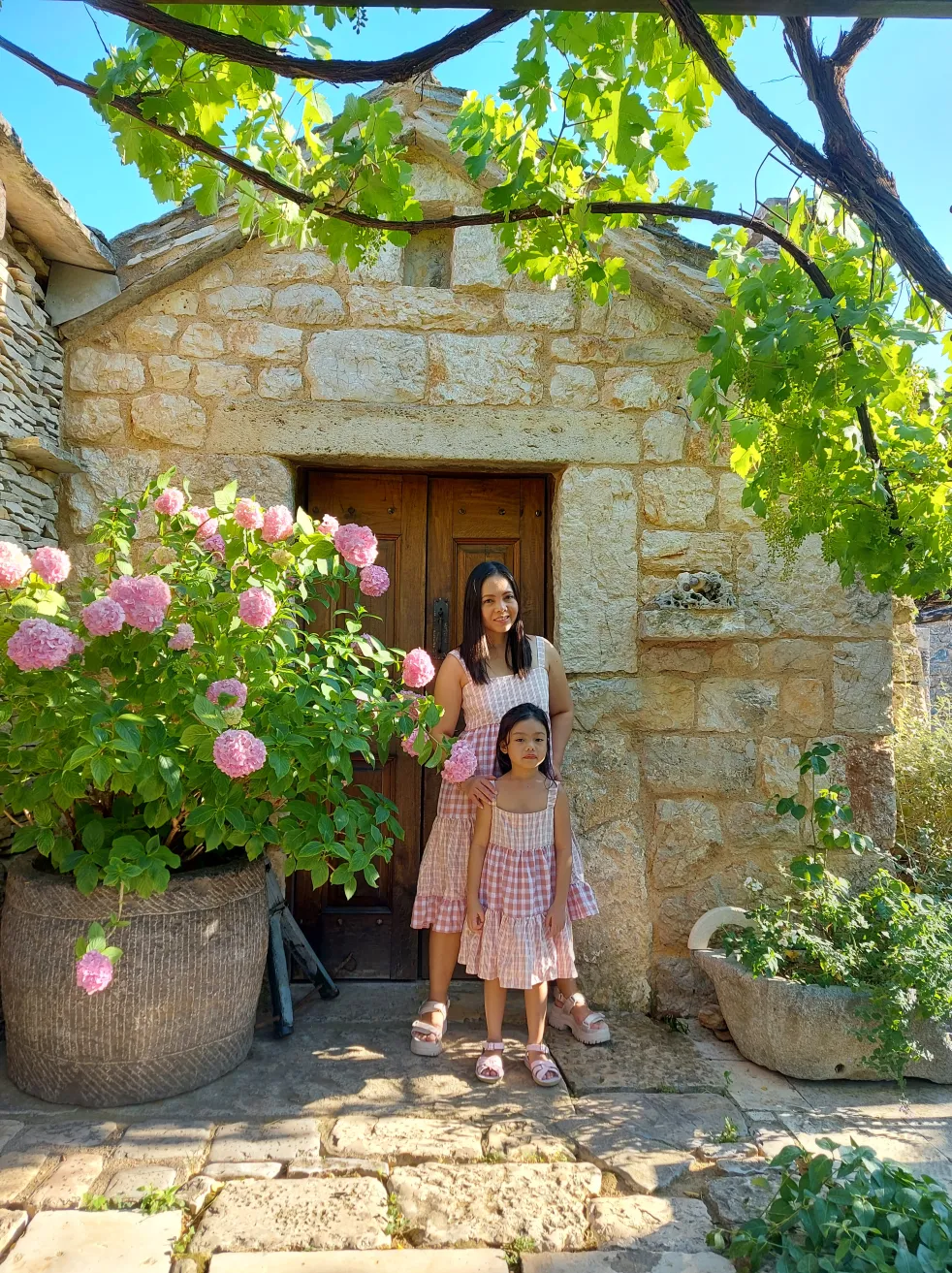
As poet and philosopher Rumi once eloquently said, “raise your words, not your voice. It is rain that grows flowers, not thunder.” Parenting is a challenging journey, and the truth is that nobody has everything figured out. One parenting style might suit others best, and some might favor other methods. However, children respond better to… Continue reading A SIMPLE GUIDE TO GENTLE PARENTING
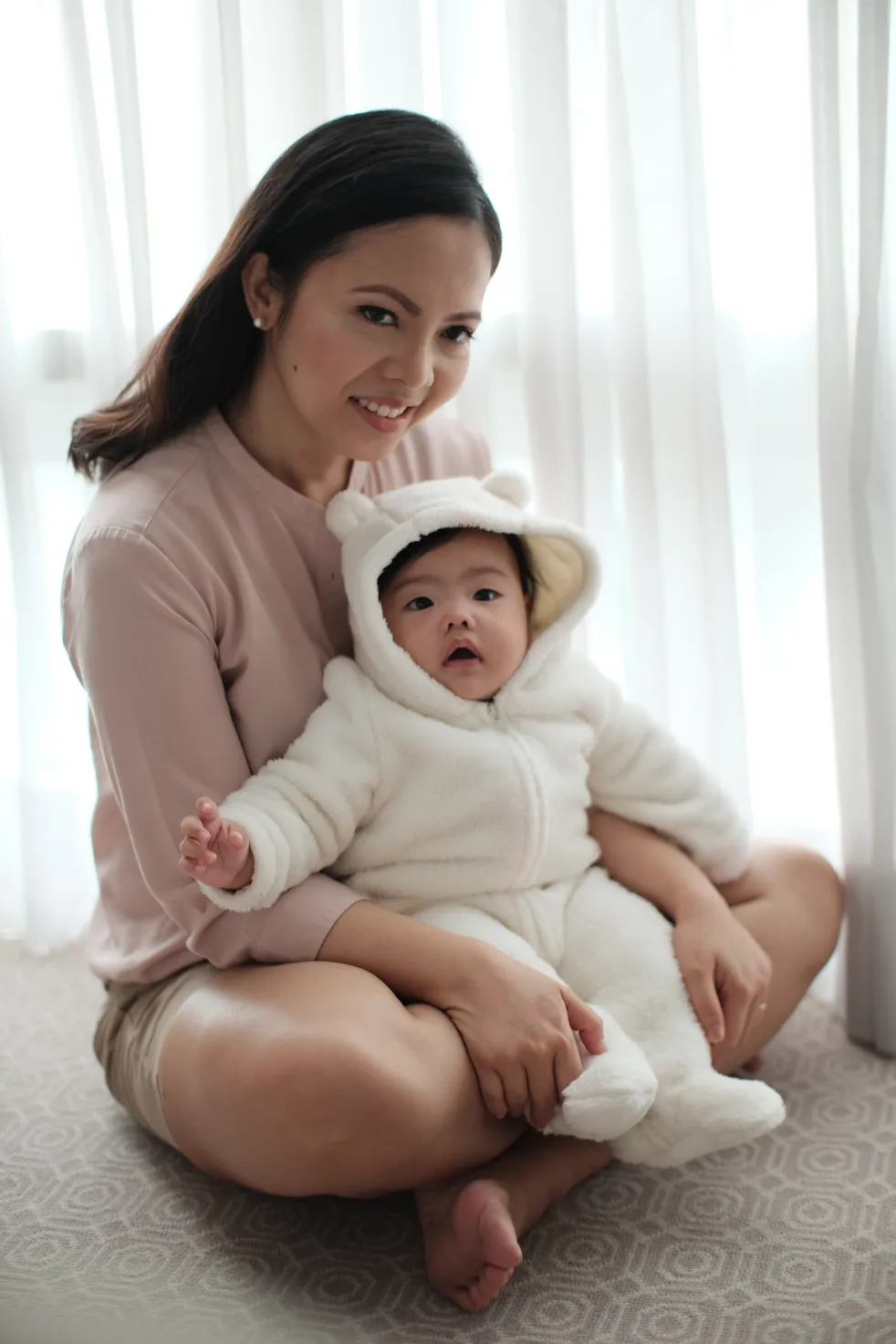
Whether you’re a new mom to be, mom of a toddler, mom who have school-aged kids, you’re bound to have so many questions. Let's start with your baby's skin. Infant skin has unique needs; gentle care is essential to prevent damage to the skin barrier, which can lead to irritation. When caring for infant skin,… Continue reading Keeping Baby’s Diapered Skin Healthy
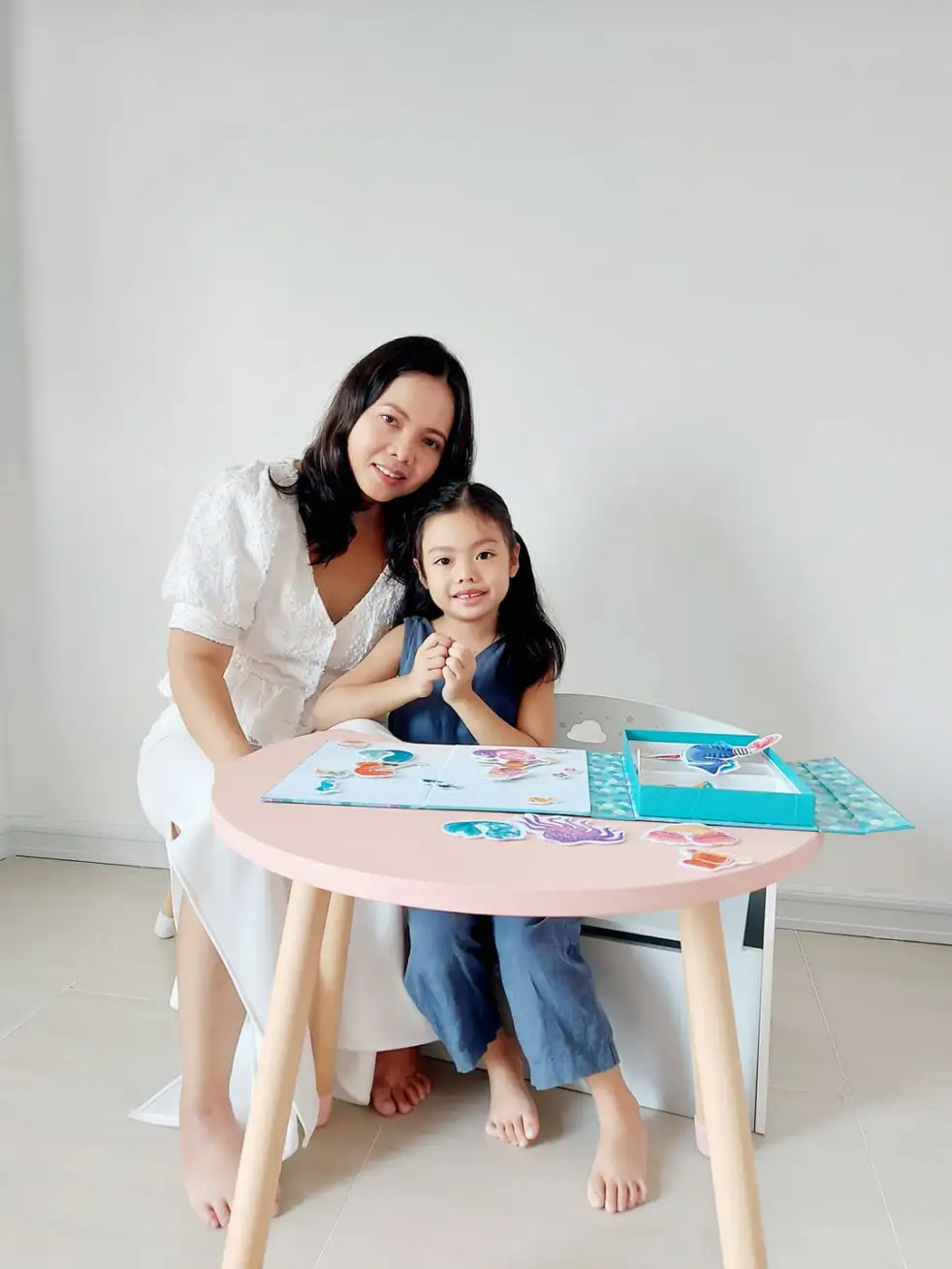
As parents, we want to give our child the best possible start in life and that begins with nurturing their intelligence. Throughout history, the notion of success has been linked to academic intelligence. However, there has been an increased awareness on the importance of emotional intelligence. This question gets at the heart of the never-ending… Continue reading IQ or EQ, which one is a better predictor of your child’s success?
 wondermomma.net